Forget the mansions and trust funds. Daymond John—the People’s Shark—says he’s not leaving his daughters a dime. In an age where “generational wealth” is often the buzzword of success, Daymond is preaching a harder truth: Legacy is earned, not inherited. In a wide-ranging interview on the Real Leaders Podcast, he breaks down what real wealth looks like, and why it’s measured not in dollars, but in discipline, intention, and impact.
1. The Myth of Leaving It All Behind “I’m not leaving my children anything,” Daymond says. “You give them everything in the world, you make them the poorest people in the world.” His philosophy is simple: when children grow up with too much comfort, they miss the lessons that come from struggle. Daymond, who built FUBU from nothing, wants his kids to inherit a mindset, not a bank account. His legacy isn’t about material handouts—it’s about creating people of value who understand what it takes to build.
2. The Power of Daily Intentionality Every morning and every night, Daymond reads his goals. Ten of them, six short-term and four long-term, spanning up to 20 years into the future. “That’s the last thing I think about when I go to sleep,” he says. This routine isn’t just motivational fluff—it’s the foundation of his discipline. “If I can make it, anybody can make it,” he insists. From a self-proclaimed C-student who repeated 7th grade to a business mogul, his consistency is proof that intentionality compounds into impact.
3. Work-Life Harmony, Not Balance “There’s work-life harmony, not work-life balance,” he explains. Daymond rejects the myth of perfect balance and instead promotes “stealing time” for what matters most. Whether it’s walking on the beach, Peppa Pig tea time with his daughters, or watching a show with his wife, he schedules these moments with as much care as business meetings. “Those things collect over the year, and you realize you stole a hundred, two hundred different times away with those that you love.”
4. True Leadership is Service Daymond sees leadership not as a hierarchy, but as service. “If you serve from a genuine place, people want to fight for you,” he says. That sincerity drives loyalty and scale. “The only way to grow is to replicate yourself. If you don’t empower others, they’ll leave or become your competition.” Leadership, in his words, is about being human, being vulnerable, and being generous—even if it’s as small as making a phone call or saying hello.
5. The Real Legacy: Discipline, Not Dollars Daymond isn’t interested in producing entitled heirs; he wants to raise leaders. “What’s important to me is longevity,” he says. His drive isn’t about accolades or comfort—it’s about walking his daughters down the aisle, seeing his grandkids grow up, and ensuring the next generation carries forward a standard, not a sum. “That carpet doesn’t give a shit about anything else,” he says of opportunity, “it just wants to know you’re going to wake up before everybody and go to sleep after everybody.”
Want more real talk from real leaders? Follow us for interviews that dig deeper than the headlines—because the future deserves more than surface-level success.
“What are you doing?” said Marianne Knuth’s friends. “You’re moving in the wrong direction – to Zimbabwe!?” They called her foolish for wanting to move to Southern Africa and start an educational program — Kufunda Learning Village.
There was no guarantee of support, infrastructure or financial help to make it happen. The decision to move was based on intuition. To Knuth, it just felt right.
When she arrived, Knuth couldn’t do anything about farming or sanitation, so she decided to focus on what she could do — facilitate. She wanted the local people to see the value of what they already knew about farming and other practical things, and have a positive approach to it. The turning point for her was when she celebrated a birthday in Zimbabwe together with her international friends and the local people. She realized that they had different skills and together they could do great things.
Knuth is half Danish and half Zimbabwean. She remembers well the moment when she decided to leave her international career and move to Zimbabwe. She has become increasingly reliant on her intuition and says that it has become the most important resource for herself, and anybody needing to trust themselves and develop self-confidence.
Kufunda is based on a typical African village. Its inhabitants were demoralized from the grinding poverty and stuck in a mental cycle that kept them in a mindset of scarcity. Now, after 15 years, Kufunda includes 30 farmers and 60 community members, including children and relatives. There is a Waldorf-inspired school to help children develop the emotional intelligence and self-awareness for personal growth. The village is designed by the local community to ensure real empowerment and to implement local knowledge that already existed.
Each person’s journey is important and It’s what makes Kufunda different from all the other initiatives that may look the same. “We see the person being left behind and want them to think out of the box,” says Knuth. “We try to give each individual self-confidence, instead of just academically-focused education. Kufunda helps community members rediscover their creativity and is a platform for their own projects to unfold. People are coming together and looking into the future, building a vision.”
Additionally, a strong relationship with the local councillors has been built and Kufunda’s success is now used as a model in other parts of the country.
“I think my personal courage comes from listening,” says Knuth. “I listen and learn. I’m fulfilling the destiny I was meant to carry out. I know in my gut and in my heart when I’m on track and I’ve learned to listen to my intuition, to my gut. When I’m on the right track I feel courageous, as if nothing can stop me. It becomes easier with age to learn to listen to yourself and to say no when something doesn’t feel right.”
“If I can give one recommendation,” she concludes. “Have trust in yourself. Trust your sense of right and wrong and when something doesn’t feel right, don’t rush ahead, but take a step back. Have the courage to stay until your path is clear.”
Public speaking is the #1 fear in America. That’s why Real Leaders ranked the Top 50 Keynote Speakers in the world of men and women who inspire us to become better versions of ourselves.
Actively seeking focused, key messages from high-achieving men and women across the worlds of business, athletics and entertainment will give you and your associates the tools you need to create the competitive advantage you need to succeed.
I hope that you draw inspiration from the top 50 keynote speakers below and lead your team and associates better than ever before during these uncertain times. Here are some leaders who have stayed relentless in their commitment to making a difference (digitally and virtually for now) and have found themselves needed more than ever!
#50 – Amy Purdy
At age 19, Amy Purdy’s life took a dramatic turn. She experienced flu-like symptoms and was rushed to hospital in a state of septic shock. She was given a 2% chance of survival. After multiple blood transfusions and the removal of her ruptured spleen, doctors diagnosed her with Meningococcal Meningitis, a vaccine-preventable bacterial infection. Due to a lack of circulation, doctors amputated her legs below the knee. Amy later received a donated kidney from her father a week before her 21st birthday. After going through this traumatic life experience, Amy decided to continue to challenge and set goals for herself. She has evolved into a powerful inspirational and motivational keynote speaker who has been seen by millions of people, and invited to share her story with audiences worldwide.
#49 – Nick Vujicic
Nick Vujicic started life with a rare disadvantage — he was born without arms or legs. Nick has faced tremendous obstacles in his life, but he didn’t let that stop him from finding his purpose and allowing the world to seeing his light. Millions of people have listened to Nick and found hope, purpose, and the strength to overcome challenges — through Nick’s inspirational speeches. Nick’s passion is to inspire and equip the world to rise above adversity and overcome every disability — in heart or mind.
#48 – Chester Elton
Chester Elton has spent two decades helping his clients engage with their employees, to execute strategy, vision, and values. He gives provocative, inspiring, and always-entertaining speeches. The #1 best-selling leadership author, provides real solutions to leaders looking to manage change, drive innovation, and lead multi-generational workforces. Chester’s work is supported by research from more than 1 million working adults — that has helped him reveal the secrets behind high-performance culture and teams. He has become a highly sought-after keynote speaker, delivering more than 60 speeches each year.
#47 – Sara Blakely
Sara Blakely is a leading entrepreneur, keynote speaker and the creator of Spanx & ASSETS. She started with $5,000 and a dream — to become a billionaire in the (then) male-dominated hosiery industry. She has quite a story to share with her audiences, from door-to-door salesperson to billionaire. Her success has been featured on The Oprah Winfrey Show, Forbes, E!, People, Vanity Fair, USA Today, and many more. She was also named Ernst & Young’s Southeast Regional Entrepreneur of the Year and has featured as a Real Leaders cover story. Sarah speaks on topics of business, entrepreneurship, leadership, and women in business to audiences far and wide.
#46 – Lisa Bodell
Lisa Bodell is the founder and CEO of FutureThink, that enables organizations to kill complexity, create space for innovation, and fast-track work that matters. A globally recognized innovation leader and futurist, Lisa founded FutureThink in 2003 to provide a simple approach to the otherwise complicated subject of innovation. Working with leading companies such as Google, Merck, and P&G, FutureThink has become the largest source of simplification and innovation tools and training in the world. She’s the best-selling author of Why Simple Wins: Escape the Complexity Trap and Get to Work That Matters; and Kill the Company: End the Status Quo, Start an Innovation Revolution. Through her keynote speeches, Lisa inspires an audience with thought-provoking examples and techniques.
#45 – Gary John Bishop
Gary John Bishop is one of the leading personal development experts in the industry, with a global reputation that has impacted tens of thousands of people worldwide. Gary’s approach represents a new wave of personal empowerment and life mastery that has caused miraculous results in the quality and performance of people’s lives.
Larry Winget is the “pitbull of personal development” and a six-time best-selling author. Larry has spoken to nearly 400 of the Fortune 500 companies and is in the International Speaker Hall of Fame. He is one of the most recognizable speakers in the business today. With his speeches, Larry wants to adopt the “positive attitude” motivational speaking technique, but with added common sense. Larry will make you uncomfortable, but he will make you think. He brings you back to the basics in his no-nonsense approach.
#43 – Ryan Holiday
Ryan Holiday is an American author, marketer, and entrepreneur who writes about stoicism. Stoicism is the endurance of pain or hardship without displaying feeling, and without complaint. Stoicism teaches you to grind out whatever you may be going through — for the greater good.
Ryan wrote an article called, Here’s The Strategy Elite Athletes Follow To Perform At The Highest Level. The coaches mentioned in this article all said they trusted this process. One of the many key takeaways from the article, and what struck me most, was an excerpt from Nick Saban, the University of Alabama football coach. Saban said he tells his team to concentrate on what they can manage. All you have to do is proceed step-by-step; think about the task at hand, and nothing else. It doesn’t matter how difficult a situation is if you can just break it down into pieces. Ryan has spoken hundreds of times about the topics in his books, and in more than a dozen countries.
#42 – Inky Johnson
Inky Johnson is an author and inspirational speaker who used to be a football player at the University of Tennessee. He was a top player until a routine tackle turned into a life-threatening injury, and ended his career. Through his speeches, Inky talks about loving the process. His mother gave birth to him at age 15, and he grew up in tremendous poverty. Inky only saw one way out, and that was by making it to the NFL. To help him realize that dream, he took consistent action each day. That meant doing drills when coaches and players had all gone home.
Inky understands that people quit on their dreams because they don’t have pride in what they’re doing. Because when you quit, you are selfish. With his vision, Inky realized that whatever you start, you must finish. Without that fluke accident, he would have gone on to become a premier NFL player. If you’re an athlete, it doesn’t matter where you come from, it matters how badly you want to succeed, and Inky is sure to get this message across in his keynote speeches.
#41 – Robyn Benincasa
Robyn Benincasa has created a life of extreme performance by competing and winning at the highest levels of sport and business. She is an award-winning keynote speaker, a 20+ year veteran San Diego firefighter, a World Champion Adventure Racer, a 2014 CNN Hero, a Guinness World Record Endurance Kayaker, a best-selling author, and founder of The Athena Project Foundation.
Robyn is known as an inspirational force for leadership, team building, and extreme performance. Her game-changing keynotes have led her to be the #1 female speaker at Meetings.net. Robyn has motivated many teams for Fortune 500 companies, including Starbucks, Walmart, Boeing, Johnson & Johnson, Yahoo, Intel, and more.
#40 – John O’Leary
At the age of nine, John O’Leary was involved in a fiery explosion that burned 100% of his body. Given that he was only given a 1% chance to live, John fought extraordinary odds. After spending five months in a hospital and dozens of surgeries, he lost all his fingers and had to learn how to write, walk, and feed himself again. Because he persevered through such a harrowing experience, he’s able to share his life lessons to audiences far and wide. He asks them to live their lives to the fullest, embrace each moment, and celebrate the joy of life. John also channels his life experience in his best-selling book, On Fire.
#39 – Brendon Burchard
After a near-death car accident, Brendon Burchard knew it was time to make some changes to his life. Today, he is considered one of the world’s leading high-performance coaches. He is also one of the most-watched, quoted and followed personal development trainers in history. Brendon is the author of several best-selling books, including The Motivation Manifesto, The Charge, The Millionaire Messenger, Life’s Golden Ticket, and his most recent book, High-Performance Habits. He is a sought-after speaker, sharing the stage with many other top 50 keynote speakers in this list, including Sir Richard Branson (#25) and Tony Robbins (#1).
#38 – Drew Hanlen
Drew Hanlen is the world’s top NBA skills trainer. What many people don’t know is that he’s been working behind the scenes, influencing business owners and doing inspirational talks for many years.
Hanlen is an NBA Skills Coach & Consultant, Executive Coach, and CEO of Pure Sweat Basketball, a training firm with a growing list of NBA players such as Bradley Beal (Washington Wizards), Joel Embiid (Philadelphia 76ers), Jayson Tatum (Boston Celtics), Zach LaVine (Chicago Bulls) & Kelly Oubre Jr (Phoenix Suns). His basketball hero, growing up, was Michael Jordan. He would record Bulls games, study every move Jordan made, and then hit the court and practice the same moves, which helped Hanlen develop his basketball IQ. Although his dream was to play in the NBA (which didn’t happen), he still has an impact on the league. Today, he carries the same tenacity and work ethic as a much-in-demand keynote speaker.
#37 – Gretchen Rubin
Gretchen Rubin is an influential and thought-provoking analyst of happiness and human nature. She started her career in law and was clerking for Supreme Court Justice Sandra Day O’Connor, when she realized that she wanted to be a writer. Since then, she has authored many books, including New York Times bestsellers,The Four Tendencies, andBetter Than Before. Her book The Happiness Project has sold more than one million copies, been published in more than thirty languages, and has been on the New York Times bestseller list for more than two years, including at #1. Overall, her books have sold more than 3.5 million copies worldwide.
As a keynote speaker and author, she draws from cutting-edge science, the wisdom of the ages, lessons from popular culture, and her own experiences to explore how people can make their lives happier, healthier, more productive, and more creative.
#36 – Darren Hardy
Darren Hardy is an author, keynote speaker, advisor, and former publisher of SUCCESS Magazine. The New York Times best-selling author wroteThe Entrepreneur Roller Coaster, Living Your Best Year Ever, and The Compound Effect. Hardy has been a central business leader in the personal growth and success industry for more than 20 years. He led three successful television networks that produced more than 1,000 TV shows, that featured almost every influential thought leader of our time.
Hardy has been awarded the ‘Master of Influence’ designation by the National Speakers Association in honor of his professionalism in public speaking. He is also a highly sought-after keynote speaker and media contributor with a mission to positively influence Influencers. He wants to be a guide for those who choose to be the exception.
#35 – Shawn Achor
Shawn Achor is a leading researcher on happiness. His efforts earned him accolades on the cover of Harvard Business Review. His research and work on stress, in partnership with Yale University, were published in The Journal of Personality and Social Psychology.
Achor and The Oprah Winfrey Network have created an in-depth two-part Happiness Course to help individuals impact their lives and the lives of those around them with the Happiness Advantage. Shawn’s, and his PBS special has been seen by millions. He has worked with over a third of the Fortune 100 companies, as well as the NFL, the NBA, the Pentagon, the White House, and has traveled to more than 50 countries to deliver his message. Arianna Huffington has dubbed Achor, “One of the world’s leading experts on human potential.”
#34 – Tom Bilyeu
Tom Bilyeu is best known as a cofounder of Quest Nutrition. It was the second-fastest-growing private company in North America on the Inc 500 for 2014. The company grew by 57,000% in its first three years and became a billion-dollar business within five years of launching.
He is a serial entrepreneur and thought leader who can deliver impactful keynote speeches or lead breakout sessions on business strategy, brand building, mindset, and leadership. Tom regularly inspires audiences of entrepreneurs, change-makers, and thought leaders at some of the most prestigious conferences and seminars around the world, including Abundance 360, A-fest, and Freedom Fast Lane. His deep passion for storytelling, combined with his insights from building a billion-dollar business, allows him to deliver persuasive speeches that routinely garner praise.
#33 – Steve Wozniak
Steve Wozniak is a co-founder of Apple Computers. A Silicon Valley icon and philanthropist for the past three decades, Steve helped shape the computing industry with his design of Apple’s first line of products: the Apple I and II and influenced the popular Macintosh.
For his achievements at Apple Computers, Wozniak was awarded the National Medal of Technology by the President of the United States in 1985, the highest honor that can be bestowed on an American innovator. After leaving Apple, Wozniak was involved in various business and philanthropic ventures, focusing primarily on computer capabilities in schools and stressing hands-on learning and encouraging creativity for students.
In 2000, he was inducted into the Inventors Hall of Fame and was awarded the prestigious Heinz Award for Technology. He subsequently founded the Electronic Frontier Foundation and was the founding sponsor of the Tech Museum, Silicon Valley Ballet and Children’s Discovery Museum of San Jose. In 2006, Wozniak published his New York Times best-selling autobiography,iWoz: From Computer Geek to Cult Icon. He is a sought-after keynote speaker.
Gladwell has been a staff writer at The New Yorker since 1996, and before that, he was a reporter at The Washington Post. His books and articles often deal with unexpected research implications in the social sciences and make frequent and extended use of academic work, particularly in the areas of sociology, psychology, and social psychology. He is a frequent lecturer and keynote speaker at locations throughout the United States.
#31 – Rachel Hollis
Rachel Hollis was the owner of Chic Events — a high-end event planning company in LA — for over a decade. She started a blog to promote that business, and eventually sold the company when clients wanted to hire her to speak about marketing their products and services.
After years of building Chic Media, she has morphed the business into The Hollis Company. The company gives people the tools to make positive and lasting change by promoting a personal growth mindset. Hollis is also a #1 New York Times Best-Selling author and top keynote speaker.
#30 – Simon Mainwaring
Simon Mainwaring is the founder and CEO of We First, a strategic consultancy that accelerates growth and impact for purpose-driven brands. He is a member of the Advisory Council of Conscious Capitalism LA, the Advisory Board of Sustainable Brands, The Forbes Business Council, and a Fellow of the Royal Society of Arts in London.
Simon is a sought after international speaker with engagements including the Cannes International Advertising Festival, Royal Society of Arts, SXSW, TEDxSF, NAB, Promaxbda, Conscious Capitalism, Necker Island with Sir Richard Branson, Aspen Institute and Sustainable Brands.
He has delivered keynotes at Google, Coca-Cola, General Motors, VF, Samsung, VSP Global, Toyota, SAP, Gucci, JP Morgan Chase, Timberland, VW Group, the NHL, and Patagonia. He delivers inspiring insights with engaging humor.
He is renowned for his writing and speaking, and also founded Squidoo and Yoyodyne. Seth recently broke new ground in the publishing industry by releasing a series of four books through Kickstarter. After three hours, the campaign reached its goal and ended up becoming the most successful book project ever done through crowdfunding.
In 2015, he created the altMBA, a life-changing 30-day workshop that was part of a portfolio of seminars and educational offerings that have been attended by more than 60,000 people. He also has five TED talks to his credit. Godin is in the Guerrilla Marketing Hall of Fame, the Direct Marketing Hall of Fame, and the Marketing Hall of Fame.
#28 – Daymond John
Daymond John is a pioneer in the fashion industry but perhaps just as well known as a Shark on ABC’s Shark Tank. He is also a multiple New York Times best-selling author, branding guru, and highly sought after motivational speaker. As a businessman, he first broke through by turning an original $40 budget into FUBU, a $6 billion fashion game-changer. In 2013, President Barack Obama appointed John a Presidential Ambassador for Global Entrepreneurship — to focus on promoting the power and importance of entrepreneurship on a global scale.
He created his brand consulting company, The Shark Group, to reveal the secrets that made FUBU a multi-billion-dollar global brand and reinvigorated the once defunct Coogi brand into one of the most significant fashion lines. He is a charismatic speaker who brings his quintessential rags-to-riches success story of sacrifice, hard work, and perseverance to audiences worldwide.
#27 – Brian Tracy
Brian Tracy has been a mainstay in the field of motivational speaking for decades. Before founding Brian Tracy International, he was the COO of a $265 million development company. He enjoyed widespread success in sales and marketing, investments, real estate development and syndication, imports, distribution, and management consulting.
He has consulted to more than 1,000 companies and addressed more than 5 million people through more than 5,000 talks and seminars throughout the US, Canada, and 70 other countries. As a keynote speaker and seminar leader, he addresses more than 250,000 people each year. He is the author of more than 70 books that have been translated into dozens of languages. He has written and produced more than 300 audio and video learning programs, including the worldwide, best-sellingPsychology of Achievement that has been translated into more than two dozen languages.
#26 – Robert Kiyosaki
Robert Kiyosaki is best known as the author of Rich Dad, Poor Dad, considered by many to be the #1 personal finance book of all time. His series of books has been translated into 51 languages and sold over 27 million copies worldwide.
He is also the creator of the Cashflow board and software games that help educate adults and children about business and financial concepts. As the founder of The Rich Dad Company and Rich Global LLC, Kiyosaki believes business needs both a spiritual and a business mission to succeed, especially at the beginning. He is an entrepreneur, educator, and investor who believes that each of us has the power to makes changes in our lives, take control of our financial future, and live the abundant life we deserve.
#25 – Sir Richard Branson
Sir Richard Branson owes his fortune of approximately $4 billion to a conglomerate of businesses bearing the “Virgin” brand name, including Virgin Atlantic and Virgin Galactic.
He struggled in school and dropped out at age 16, which ultimately led to the creation of a mail-order record company — Virgin Records. He expanded this into a record label, by first signing Mike Oldfield, who recorded Tubular Bells in 1973. Branson then signed other groups to the label, including the Sex Pistols, Culture Club, the Rolling Stones, and Genesis, helping to make Virgin Music one of the top six record companies globally. He later sold the label for $1 billion in 1992.
His entrepreneurial projects started in the music industry and expanded into other sectors, including Virgin Atlantic airlines and the space-tourism venture, Virgin Galactic. In 2010, he moved forward with his upstart Virgin Hotels and in 2018, Virgin announced its presence in Las Vegas by taking over ownership of the Hard Rock Hotel. Branson is also known for his adventurous spirit and sporting achievements, including ocean crossings in a hot air balloon.
#24 – Tim Grover
Tim Grover is the CEO of ATTACK Athletics, Inc. He is well known for his work with elite champions and Hall of Famers, including Michael Jordan, Kobe Bryant, Dwyane Wade, and hundreds of other NFL, MLB, NBA, and Olympic athletes.
Grover is recognized as the preeminent authority on the science and art of physical and mental dominance and achieving excellence. He is the author of the national bestseller RELENTLESS: From Good to Great to Unstoppable and creator of digital training platform The Relentless System. A featured columnist at SI.com and Yahoo.com, he also regularly appears on ESPN, Fox Sports, and other media outlets. Tim delivers keynote speaker addresses and is a consultant to business leaders, athletes, and elite achievers — any area that offers tips on how to become better at anything you do. He teaches the principles of relentless drive, results-driven performance, and mental toughness.
#23 – Ben Newman
Ben Newman is known as a powerhouse storyteller; He can be found in Top Fortune 500 boardrooms, on stages around the world, and with some of the world’s elite sports teams.
He was featured in 2018 on ESPN’s Rolling with the Tide for his work with the Alabama Football team and is a speaker and performance coach for Microsoft, AB InBev, Kansas State Football, Miami Dolphins, and Northwestern Mutual, Mass Mutual and many other elite companies around the globe. He has published several books on mental toughness, professional success, and how to drive positive changes. Newman is also considered one of the top mental toughness experts. You will also find him speaking and giving back to the military. If you are looking to connect to purpose and drive accountability in your organization, Ben will deliver.
He is also the cofounder of Echelon Front, where he serves as chief executive officer, leadership instructor, speaker, and strategic advisor. Jocko served for 20 years in SEAL teams. After returning from tours in Iraq, he was named officer-in-charge of training for all West Coast SEAL teams. In this role, he spearheaded the development of leadership training and personally instructed and mentored the next generation of SEAL leaders who have continued to perform with great success on the battlefield. Jocko is the recipient of the Silver Star, the Bronze Star, and numerous other personal and unit awards.
Ray Lewis is recognized as one of the most dominant defensive players in the history of the National Football League.
He led the Baltimore Ravens to victory in Super Bowl XXXV, where he was named Super Bowl MVP, and again in Super Bowl XLVII. In 2000, he became the second player in NFL history to win both the NFL Defensive Player of the Year and Super Bowl MVP awards in the same year. He was inducted into the NFL Hall of Fame in 2018. He has drawn from these experiences over a 17-year career, along with valuable lessons from his personal life to bring a unique brand of motivation and inspiration to some of the world’s biggest companies.
#20 – Chris Gardner
Chris Gardner is the CEO of Happyness. His first book,The Pursuit of Happyness, became a New York Times and Washington Post #1 bestseller that has been translated into more than 40 languages.
That book was the basis for a film starring Will Smith, who earned a Golden Globe, Screen Actors Guild, and Academy Award nomination for his performance. As a motivational speaker, Gardner shares some of the steps that he took, and obstacles he needed to overcame, to get from where he was to create the life that he wanted to live.
He introduces audiences to the concept of Spiritual Genetics, the part of each human being beyond the scope, reach or understanding of science, medicine, or technology. Chris also details the importance of the “Ps” in our lives — Promises, Passion and having a Plan. Also, the C-5 Complex — Clear, Concise, Compelling, Consistent and Committed to the plan.
#19 – Marcus Luttrell
Marcus Luttrell is a former Navy SEAL who first came into the public spotlight in 2014 after the movie Lone Survivor was released. Starring Mark Wahlberg as Luttrell, the movie details how SEAL Team 10 was assigned to a mission to kill or capture Ahmad Shah, a high-ranking Taliban leader responsible for killings in eastern Afghanistan and the Hindu-Kush mountains. He was the only survivor of that mission and was awarded the Navy Cross by President George W. Bush in 2007.
In 2010, Luttrell established the Lone Survivor Foundation with a mission to “restore, empower, and renew hope for our wounded warriors and their families through health, wellness, and therapeutic support.” The Lone Survivor Foundation has partnered with The Boot Campaign to show appreciation of America’s active-duty military and raise awareness of the challenges they face when returning home.
#18 – Oprah Winfrey
Oprah Winfrey has enjoyed unparalleled success in almost every venture she has undertaken. She is a billionaire media mogul who is best known for hosting her talk show from 1986 to 2011, launching her TV network, the Oprah Winfrey Network (OWN).
Winfrey made her acting debut in 1985 as “Sofia” in Steven Spielberg’s The Color Purple, for which she received both an Academy Award and Golden Globe nomination. Through her company’s film division, Harpo Films, Oprah has produced movies based on classic and contemporary literature.
In 2002, Oprah Winfrey was named the first recipient of the Academy of Television Arts & Sciences’ Bob Hope Humanitarian Award. Through her private charity, The Oprah Winfrey Foundation, she has awarded hundreds of grants to organizations that support the education and empowerment of women, children, and families in the United States and around the world. Her commitment to children also led her to initiate the National Child Protection Act in 1991, when she testified before the U.S. Senate Judiciary Committee to establish a national database of convicted child abusers. As a result of her efforts, President Clinton signed the national “Oprah Bill” into law in 1993.
#17 – Deepak Chopra
Deepak Chopra is a prolific author who founded the Chopra Center for Well Being in Carlsbad, California, in 1995. He remains a prominent figure in the New Age Movement. He began his career as a doctor, but after becoming disenchanted with Western medicine, he turned to alternative medicine. Chopra’s 1993 release Ageless Body, Timeless Mind, turned him into a fully-fledged celebrity, selling more than a million hardcover copies.
In June 1999, Time magazine dubbed Chopra “the poet-prophet of alternative medicine” and called him one of the top 100 heroes of the century. He regularly brought his message to the Oprah Winfrey Show.
#16 – John Maxwell
John Maxwell has written more than 100 books on motivation, leadership, and personal development over the past 40 years. He helps others tap into their hidden potential by teaching and refining what everyone needs to master around personal growth — to become the people we really want to become.
The John Maxwell Company compels corporate leaders and consumers to inspire, challenge, and equip organizations to live out leadership and reach their full potential. He is also the leader of The John Maxwell Team, an organization of more than 13,000 trained and certified John Maxwell Coaches, that empower coaches, trainers, speakers, and professionals seeking to add value to others and become top leaders — in businesses and in within their communities. EQUIP is Maxwell’s non-profit organization that trains and mobilizes Christian leaders to impact families, organizations, communities, and nations worldwide. The team’s work has inspired six million leaders in 196 countries and changed hundreds of thousands of lives through his teachings.
#15 – Ed Mylett
Ed Mylett was a standout Division I baseball player and had hoped to play Major League Baseball one day, but a significant injury dealt a final blow to his athletic aspirations.
Instead, he turned his drive and determination to the business world, where he quickly climbed the ladder at WFG. Forbes has listed him as a Top 50 Under 50 with a net worth of more than $400 million. A highly sought after speaker, Mylett spreads his messages of living an epic life through his podcast #MaxOut With Ed Mylett, and he has recently published his first book,#MaxOut Your Life: Strategies for Becoming an Elite Performer.
Mylett also proudly supports charitable and community initiatives such as the Make-A-Wish Foundation of America, the All for One foundation, and the National Leadership Foundation.
#14 – Andy Frisella
Andy Frisella is the CEO of one of the world’s leading nutritional supplement companies — 1st Phorm International, in St. Louis, MO. He also founded, and manages, five other businesses that collectively generate $200 million in annual revenue.
He hosts The Real AF podcast and previously The MFCEO Project, a business/success oriented podcast that was ranked #1 Business/Entrepreneurship/Personal Development podcast on the planet for four years straight. He is one of the highest-paid keynote speakers in the world. He has been recognized as one of the world’s leading authorities on customer retention and loyalty, company culture, and the marketing techniques that it takes to build both brick-and-mortar and online direct-to-consumer retail businesses from the ground up.
Andy has written a best-selling series of children’s books that promote entrepreneurial values and the success mindset. He was named Entrepreneur of the Year in 2016 and been featured in Forbes, INC, and Entrepreneur Magazine.
#13 – Les Brown
Les Brown has been a mainstay in the world of renowned motivational speakers for many years. He is a highly-sought-after resource in business and professional circles for Fortune 500 CEOs, small business owners, non-profit, community leaders, and all sectors of society looking to expand their opportunities.
He is a leading speaker on achievement, and has delivered his messages to audiences as large as 80,000 people, energizing them to meet the challenges of the world around them. Brown received the National Speakers Association coveted Council of Peers Award of Excellence (CPAE), and its most prestigious Golden Gavel Award for achievement and leadership in communication. Toastmasters International also voted him one of the Top Five Outstanding Speakers Worldwide.
#12 – Simon Sinek
Simon Sinek is a popular thought-leader, best known for popularizing the concept of WHY in his first TED Talk in 2009. It became the third most-watched talk on TED.com, with over 40 million views, and subtitled in 47 languages.
His 2016 interview on Millennials in the workplace garnered more than 200 million views in the first month. It led to Simon becoming YouTube’s fifth most searched term in 2017. Sinek is the author of several bestselling books including Start With Why (global bestseller), Leaders Eat Last (New York Times and Wall Street Journal bestseller), Together is Better (New York Times and WallStreet Journal bestseller) and Find Your Why and his latest book, The Infinite Game.
In addition to working with several Fortune 500 companies, he has shared his ideas at the United Nations, the United States Congress, and with senior leaders of the United States Air Force, Marine Corps, Navy, Army, and Coast Guard. Sinek is also an adjunct staff member of the RAND Corporation, one of the most highly-regarded global think tanks.
#11 – Joe Rogan
Joe Rogan has been a stand-up comedian for more than 20 years and is the host of The Joe Rogan Experience, a long-form conversation podcast with guests, which has become one of the most popular shows on iTunes.
Rogan is also known for his colorful commentary for the Ultimate Fighting Championships on Pay Per View, Spike TV, and Fox. As a teenager, he earned his black belt and, at one point, held the Massachusetts full contact Tae Kwon Do championship for four consecutive years. He later won the US Open Tae Kwon Do Championship, and as lightweight champion went on to beat both the middle and heavyweight title-holders to win the Grand Championship. As an actor, he has several movie credits and was the host of the reality TV series Fear Factor for six seasons. He still performs stand-up routines and does a variety of guest speaking opportunities.
As a highly sought-after motivational speaker, Gordon’s talks have challenged and influenced leaders in a dynamic range of industries and professions. His clients include The Los Angeles Dodgers, The Atlanta Falcons, Campbell Soup, Dell, Publix, Southwest Airlines, LA Clippers, Miami Heat, Pittsburgh Pirates, BB&T Bank, Clemson Football, Northwestern Mutual, Bayer, West Point Academy, and many others.
#9 – Jay Shetty
After serving as a monk for three years, Jay Shetty had one mission: to make wisdom go viral. By sharing his mindfulness-based stories with the world, he emerged as an award-winning speaker, host, author, and filmmaker. For Jay, mindfulness isn’t just a tool, but a way of life.
His videos on YouTube have had more than seven billion views and he’s followed by over 26 million fans on Facebook alone. He was named in the Forbes 30 Under 30 Europe Class of 2017 for being a game changer and influencer in the media world. His podcast On Purpose ranks among the highest in the health category and explores the topics of work, love, self, and service. He makes ancient wisdom relevant through modern science, combining experiences from living as a monk in India, business school, and working as a digital strategist to formulate practical and accessible leadership techniques.
#8 – David Goggins
David Goggins is a retired Navy SEAL and is the only member of the U.S. Armed Forces to complete SEAL training (including two Hell Weeks), the US Army Ranger School (where he graduated as Enlisted Honor Man), and Air Force Tactical Air Controller training. He is the best-selling author of the book,Can’t Hurt Me.
He has completed more than 60 ultra-marathons, triathlons, and ultra-triathlons, setting new course records and regularly placing in the top five. He once held the Guinness World Record for pull-ups — completing 4,030 in 17 hours. He’s an in-demand public speaker who delivers impactful messages of personal accountability and how to go beyond motivation to achieve your personal best. Goggins has shared his story with hundreds of thousands of students across the country, numerous professional sports teams, and several Fortune 500 companies. He is also a member of the Patriot Tour, sharing the stage with Marcus Luttrell, Taya Kyle, and other retired special operators.
#7 – Arnold Schwarzenegger
Arnold Schwarzenegger is a global celebrity who first came to public attention as a champion bodybuilder. He later expanded his accomplishments to become a major Hollywood action hero, a successful businessman, environmentalist, bestselling author, and the 38th governor of California.
At age 20, he became the youngest person to win the Mr. Universe title, eventually winning five Mr. Universe titles and seven Mr. Olympia titles. His acting credits include some of the biggest box office films ever. He broke through with Conan the Barbarian and solidified his position as an actor with James Cameron’s Terminator.
To date, his films have grossed more than $3 billion worldwide. He became California’s governor in 2003 and had many notable accomplishments during his tenure, including the passing of the Global Warming Solutions Act of 2006 and the Safe, Clean and Reliable Drinking Water Supply Act of 2010, among many others. Schwarzenegger has received numerous awards, including the Simon Wiesenthal Center’s “National Leadership Award” and the American Council On Renewable Energy’s “Renewable Energy Leader of the Decade.” Since leaving office, Schwarzenegger co-founded the R20 Regions of Climate Action and is active in several philanthropic ventures.
#6 – Brené Brown
Brené Brown is a research professor at the University of Houston, where she holds the Huffington – Brené Brown Endowed Chair at The Graduate College of Social Work. Brené is also a visiting professor in management at The University of Texas at Austin McCombs School of Business.
She has spent the past two decades years extensively studying courage, vulnerability, shame, and empathy. She is the author of five #1 New York Times bestsellers: The Gifts of Imperfection, Daring Greatly, Rising Strong, Braving the Wilderness, and Dare to Lead. Brené hosts the Unlocking Us podcast, and her TED talk – The Power of Vulnerability – is one of the top five most viewed TED talks in the world with over 45 million views. She is also the first researcher to have a filmed lecture on Netflix. The Call to Courage special debuted on the streaming service on April 19, 2019.
#5 – Dwayne Johnson
Dwayne Johnson is better known as The Rock, a persona he developed during the heyday of his WWE professional wrestling career. He moved to wrestling after a successful college football career was cut short by injury.
Since then, The Rock has become a highly successful actor and producer, appearing in several projects, including 2001’s The Mummy Returns and 2010’s Tooth Fairy. More recent credits include the HBO series Ballers (2015) and three 2017 features, The Fate of the Furious, Baywatch, and Jumanji: Welcome to the Jungle. He is consistently ranked among the world’s highest-paid actors. Johnson made the Time 100 Most Influential People in the World list in both 2016 and 2019. In 2006, he founded the Dwayne Johnson Rock Foundation, a charity working with at-risk and terminally ill children. Among many other charitable activities, he has also worked with Make-A-Wish Foundation on several occasions.
#4 – Robin Sharma
Robin Sharma is one of the world’s premier speakers on leadership and personal mastery. For nearly 20 years, Sharma has provided insights to world-class companies such as Nike, GE, Microsoft, FedEx, PwC, HP, and Oracle to NASA, Yale University, and YPO. His books, includingThe Leader Who Had No Title, have topped bestseller lists internationally and his social media posts reach more than 600 million people a year, Sharma has been ranked as one of the Top 5 Leadership Experts in the world in an independent survey of over 22,000 business people.
#3 – Gary Vaynerchuck
Gary Vaynerchuk is the chairman of VaynerX, a media and communications holding company, and VaynerMedia, a full-service advertising agency that services many Fortune 100 clients. A highly sought-after public speaker, Vaynerchuck is also a five-time New York Times bestselling author. He also is an angel investor who made early investments in well-known companies such as Facebook, Twitter, Tumblr, Uber, and Venmo. Vaynerchuck established Wine Library in the late 1990s, transitioning his father’s liquor business into one of the first e-commerce platforms for alcohol, growing it from $3 million to $60 million in sales during that time. Today, he has parlayed several successful ventures into a combined 12 million-plus following across his social media channels.
#2 – Eric Thomas
Dr. Eric Thomas is a motivational speaker and minister who heads ETA, an education consulting, executive coaching, and athletic development firm. He specializes in giving motivational talks to college and professional athletes. LeBron James credited Thomas as part of his inspiration for winning the 2012 NBA championship.
He is a regular commentator on ESPN and Fox News and has done voice-over work for Major League Baseball and the National Football League. Many of his sermons and motivational speeches are on YouTube, where they have found a large following. Thomas has also published three books: The Secret to Success (2012), Greatness Is Upon You: Laying the Foundation (2014) and Average Skill Phenomenal Will (2016)
#1 – Tony Robbins
Tony Robbins is perhaps the most well-known leadership speaker in the world. For the past 40 years, he has been an entrepreneur, #1 New York Times bestselling author, philanthropist, and life/business strategist. He is the author of six internationally bestselling books and delivered his messages of empowerment to more than 50 million people from 100 countries through audio, video, and life training programs. More than four million people have attended his live seminars. Robbins is also the chairman of a holding company with over 50 privately held businesses.
His non-profit foundation has awarded more than 2,000 grants and other resources to health and human services organizations. As part of his ongoing mission to end hunger, Robbins’ 1 Billion Meals Challenge with Feeding America has helped provide over 425 million meals in the last four years to those in need and is on track to provide 1 billion meals by 2025.
To read an exclusive, inspiring interview with Tony Robbins, who is the cover story of the latest Real Leaders magazine, subscribe here for just $15/year.
For most of us, climate change looms large, threatening to overturn every aspect of how we do business. But as a leader, you know that within every challenge lies opportunity — and climate change is no exception.
With an eye towards innovation and partnerships, you can harness this moment and establish your company as a climate-positive leader, moving gracefully through uncharted waters to contribute towards a world you’ll be proud of.
Conventional thinking won’t do, regardless of your industry. Here’s an example:
As an environmental nonprofit that plants trees around the world, it’s evident that what One Tree Planted does directly supports a healthier and more sustainable planet. But nonprofits aren’t that different from any other business when it comes to what’s required for leadership and success. If we operated like most other environmental nonprofits, we’d be struggling to fundraise and lamenting global forest loss. Instead, we’re an incubator of ideas that get tested before reaching perfection status. We focus on what’s possible instead of what isn’t. And we foster collaboration that gets trees in the ground much faster than many governments can.
The problems of today won’t be solved by the same thinking that got us here in the first place, so forget what you or your company have done in the past and forge a new path forward.
Balance the needs of your business with those of the climate.
So how can you embrace and influence the tide of change instead of being swept away? Simple: adapt your strategy one part of the business at a time. Staff, supply chains, infrastructure, customers, and messaging are all ripe for assessment and a shake-up in favor of making each more sustainable. And if Covid-19 has impacted your business as many have, you may already be in a place of profound evaluation. As you rebuild your business after this disruption, focus on creating new systems with the environment in mind.
Here are 9 ways to lead for climate:
Connect Sustainably
Work with your electricity suppliers to shift toward more sustainable sources of power and eventually get 100% from renewables. Having a power source that doesn’t pollute will be a great foundation upon which the rest of the business grows.
Collaborate Wisely
When necessary, pool resources with your competitors to develop innovative solutions to industry-wide environmental concerns. In 2018, PepsiCo, Danone, Nestle Waters, and Origin Materials formed the NaturAll Bottle Alliance to speed up the development of sustainable packaging.
Be Transparent
Set ambitious, measurable goals and share your progress transparently. This will build brand trust and demonstrate to stakeholders that you’re taking climate change seriously.
Hold Yourself Accountable
Some transitions might be uncomfortable, risky, or costly, but remember why you’re doing this and avoid cutting corners. Ensure that your promises, announcements, decisions, and allocation of resources are all in alignment.
Stay Committed and Flexible
Don’t try to do it all at once. Stay fluid, build upon each success, and learn from each failure. Allow the momentum to grow organically, carefully monitoring progress, and adjusting as needed. This should be a long-term priority, not a single campaign.
Develop Competency
How much do you know about your company’s impact on the environment? Are you familiar with the UN’s Sustainable Development goals? What about learning lessons from other leaders or businesses who are a step or two ahead? Take the time to understand and equip yourself with the knowledge that will help you make reliable decisions.
Track Your Progress
Implement quality data-gathering technologies to track and measure your progress so that you can share results with confidence and consistency. That way, you can inspire others to follow suit, but also have the information you’ll need to shift your resources towards the most effective strategies.
Get Internal Buy-In
Ensure that you’re communicating the mission or new direction clearly to the people who help run your business. The more internal buy-in you have, the more success and unity you’ll see across different teams. And having internal champions will ensure that strategies and great ideas come from every level of management or employees.
Tell Your Story
Once you’ve got the internal cohesion, you can integrate all of this into your outgoing communications, branding, and PR to show your commitment. And the story here isn’t just that you’re a leader or business that cares about climate change, the story is what you’re doing about it – the impact you’re making, how it helps, and why it matters.
And one last thing, you don’t have to be too serious about all this either. Harnessing our collective power to create the global transformation we need to address climate change should be inspiring and energizing, not stifling and stressful. No matter how challenging it gets, we will figure this out — and things will look much better on the other side. Now is the time.
Editors Note: Real Leaders is making its archive of magazines freely available to all visitors to our website as part of our contribution to the Covid-19 pandemic. We believe you’ll emerge stronger and wiser when this crisis passes, and we hope our stories will keep you entertained and inspired while we sit out this challenging time. Sign up here and you’ll be instantly redirected to our archive.
Coronavirus has affected us all, from small business owners who have been forced to shut their doors, to individuals that have postponed major life events, to companies that have completely shifted or cancelled major plans — we’re all feeling it. But we’re in this together. And now more than ever, it’s important to ensure that leaders move forward with sensitivity.
What that looks like can vary depending on your industry and circumstances. But let’s look at One Tree Planted, an environmental nonprofit, as an example.
Typically, we’d be focused on organizing dozens of volunteer events right now for Earth Month, or promoting reforestation projects that need financial support. But the social environment has shifted, and that calls for an entirely different strategy.
Our founder and Chief Environmental Evangelist, Matt Hill, aimed for a new approach that the team implemented quickly. A video campaign that shows who we are, acknowledges the current situation, and has a final message of safety, rather than asking for anything during this challenging time. This, coupled with simple and home-friendly sustainability ideas throughout Earth Month has created an inviting and positive message aligned with a new normal we’re all trying to navigate.
And while we experienced cancellations of high-value campaigns and a drop in donations, we also reached out to many partners to ask how they’re doing and offering creative ways that our partnership plans could be revised. Rather than dwelling on the loss, we saw an opportunity to connect and refocus on what is important now.
So how can a leader embrace the idea of sensitivity both internally and externally during these turbulent times? It’s simple, just be real.
Show Your Human Side
This is a time to be genuine, compassionate, and down-to-earth. People are sharing photos of their home offices, trying to balance work while homeschooling kids, and using digital media to share behind-the-scenes or unpolished glimpses into businesses more than ever. And that’s a good thing. Use this time to show the people behind your business and talk about how you as a leader are weathering this storm. Convey your humanity with an essence of calm that will help put others at ease. It may be a bit more raw and vulnerable than you’re used to, but the response might surprise you.
Share Your Brand Message in a New Way
Evaluate how your business is communicating in light of what your customers or employees are experiencing in daily life, and create content to connect with that. This could help strengthen your business identity. If you have solid core values, consider a way to revisit those to share your unique message in a new way. This could be through a video series, a charity partnership, a heartfelt email or social media campaign. Revisit your central brand message and create something new that will resonate now during this unique time. If you can bring your customers along, or help them make a positive impact thanks to your business, all the better – because it turns out that 88% of consumers want you to help them make a difference.
Lean on Your Team and Community
Good ideas flow both ways, and leadership should never really be a purely top-down approach. Ask your team, colleagues, mentors, or leadership groups for recommendations on how your business can harness this moment. As a leader, you can decide which ideas have legs, but the task of coming up with a brilliant new strategy doesn’t need to be your responsibility alone.
Leadership wouldn’t be a skill if it was easy, and adaptability is what will carry you through the hard times. Take this opportunity to elevate your business with wisdom, compassion, and creativity.
Kongjian Yu is a Chinese architect who defies the norms imposed on him as an architect. He promotes environmental thinking by building contemporary eco structures for urban developments while preserving cultural integrity. Here, he shares his journey.
“I had a shock! I saw how rivers were being polluted, ancient cities were being torn down, trees were being felled. All this seemed so wrong to me. I started writing articles and made as much noise as I could because I wanted to expose the flaws within Chinese policy; to the extent that policy was also disrupting values and people’s behavior. The response I got was anger from my local community, and even from other professionals and former teachers. They said I was betraying Chinese culture for having criticized tradition and culture. “You are a traitor to our whole culture,” they said to my face.
You have to be brave to be a good leader. I was born a peasant, and my family became landlords. As such, I was classified as “the enemy” while growing up in China. I suffered a lot financially, and to survive, I had to learn to stand up for myself. I was a critical thinker and earned a Harvard degree, which brought with it new ideas. At first, I was respected in China because of my success in the United States and was invited to speak at conferences. Articles were even based on my ideas. But then people began realizing that I had different opinions, ones that went against the status quo. They started to call me and wrote letters saying that they didn’t like what I was doing.
I kept going and started building projects to demonstrate my thinking about China’s ongoing destruction of the environment. Pollution has gotten so bad in China, and we are no longer in a position to deny our responsibility to fix this situation. If our government officials take the initiative, we can still become the leading nation when it comes to cleaning up the environment. My first project was to clean up a shipyard in Thungsan, in the Gongdan district, in the late 1990s. I was lecturing a group of mayors about ecology, sustainability, and a new way to approach the problem when one of the mayors came up to me after my speech. He liked my ideas. The city had a piece of land, an old shipyard that was heavily polluted, filled with garbage, and which had gone bankrupt. He wanted to clean it all up, dismantle it, sell things off and build a park. He showed me a picture with a rusty railroad and rusty machinery.
I found this site valuable – an old industrial park is a memory for the city. I was able to convince the mayor not to tear it down and that the shipyard was part of our history. I took an ecological approach and told him that we could create a new cultural park, repurposing the existing buildings. It was both contemporary and controversial, and everyone was skeptical about how a rusty industrial park could be transformed into a flowering cultural park. Ninety-nine percent of the architects fought me. They thought I should instead build it according to old Chinese traditions of gardening. But I stuck to my plan. Finally, we put on an exhibition for the public and found that 80 percent of the local people loved the idea.
The project was awarded the 2002 American Society Landscape Architects Award and recognized as the first contemporary project in China. Yet, it was not recognized or awarded anything in China! I turned my efforts to convince the mayors instead of the architects. Mayors have more awareness around the global environmental crisis that we all find ourselves in. They also have a more hands-on approach and are more enthusiastic about new methods of urban planning.
Knowledge has made me brave. More and more young people are also becoming my friends and supporters. Within circles that were previously against me, young people now support me. It’s sometimes easier to convince young people, whereas the older generations are stuck in their ways. You ultimately need to rely on yourself, which is not the traditional Chinese way of living. As the farmer that I am, I have to tell the truth. It’s much easier to work together if you have the same values.
After 20 years of denial, my ecological thinking is finally becoming a reality. It’s not just a victory, but also a hope for the future. You always have to stick to what you know and believe in.
Impact investing has moved from the fringe toward the mainstream, but individual investors still have many moving parts and challenges to consider.
If you’re committed to impact as well as wanting to protect your financial future, you can attain various levels of financial return together with the generation of social and environmental impacts. And you can direct your resources toward not only providing for your own future, but the future of your children and community. Here are ten actions investors can take to help mobilize an impact investing strategy with confidence, from The ImpactAssets Handbook for Investors.
Good investing involves some level of luck—that the markets move up with you; that you select the right managers at the right time and so on—but the fact is good preparation can help you increase the odds you’ve made the right decisions at the right times for the right reasons. Rather than attempting to “time the market” looking to take advantage of short term ups and downs, remember to stay focused on your long term goals and plan for those goals through creating a sound strategy.
2. Impact Investing is Additive – Not Restrictive
Impact investing is about taking traditional, sober and conservative fundamental investing practice and augmenting it with considerations of social and environmental impact. At its best, it is taking what works about traditional investment practice and integrating it with considerations of “off balance sheet” risk and opportunity that may be identified by considering social and environmental factors that could effect your investment. And a good impact investing strategy may also include looking for opportunities to invest that optimize positive impacts for your community and our world.
3. Impact Investing is a Lens – Not an Asset Class
Impact investing is, simply put, a lens through which one approaches the full spectrum of options and asset classes in the market and for one’s portfolio. Therefore, impact investing is not an asset class; mistaking it for one does a disservice to the investor who may then be forced to compartmentalize the application of best practice. Rather, we should seek to let its practices and our pursuit of it flourish across the full spectrum of portfolio opportunities before us.
4. Define Your Process and Commit to Your Plan
Building upon investment practices of the mainstream, adhering to your plan while executing it in a flexible manner as you proceed, you will be able to responsibly manage your investment process and improve the possibilities of success.
5. Understand What Risk Means for You – Not the Investor Next to You!’
You may want to live on the edge or you may want to stick closer to the wall, but either way you alone must decide what is reasonable and what is the best approach for you. Listen to what other impact investors are talking about, understand how others are approaching their investment process—but never forget your goals, your level of risk and that your strategy is about what you want to do, not what others are promoting.
6. Impact Investing is an Evolving Field – Grow with It
This is the brave new world, be part of it along the way. Activated investors approaching impact across the full spectrum of their portfolio, demanding excellence and sustained value from the funds and companies they invest in, are well positioned to both benefit from and help in the creation of greater depth in the field of impact investing.
7. Start with What You Know And Learn – What You Need to Know
We have found that the ‘personal’ translates well as an onramp into impact investing. What do you care about? Why are you specifically motivated to approach impact investing? Is there a particular impact theme you have experienced or that has touched your life as an issue? Or is it a family member who is pushing you to engage in exploring it? Use the answers to those questions to help focus your approach.
8. If You Don’t Understand What The Investment Strategy Is – Don’t Invest!
Impact doesn’t trump a good business model, just as a good business idea is often less important than a good management team. If you can’t understand the fundamentals of why an investment is impactful, how it will make money and find its market, and which excellent people are going to be at the wheel… you shouldn’t invest!
9. Invest for Long Term Not Short Term Returns (both Financial and Impact)
Value is well correlated to patience and the pursuit of long term strategies. This applies to both impact and financial value creation for the investor and the world. Invest for the long term, but get going with a healthy dose of impatience in terms of putting the trains on the tracks of integrating impact as broadly as possible in your portfolio.
A dollar far off in the future is much less certain or more risky, with its buying power eroded by accumulating inflation. We should approach the time value of impact from a similar perspective. Positive impact is far more valuable now than later. The best fund managers and companies will increasingly deliver these to investors, if and as they understand them to be a “must have” requirement.
10. Don’t Judge a Book by Its Cover
As you explore the growing array of offerings before you, don’t get too wrapped up in whether or not something is called “impact.” What matters is not what someone says, but rather how an investment strategy is managed, what types of companies they actually invest in, the degree of intentionally and depth to their approach and your ability to assess the types of extra-financial, social and environmental value any given strategy advances. Remember: some folks who claim positive impact, don’t generate it and some who have never heard the word are actually creating real, sustainable value. Assess all those who claim to “do” impact investing and you be the judge of what they do—not what they say!
Becoming a new leader in a small or new business is not like becoming a new officer in the military.
Have you ever attended a military promotion ceremony? If you haven’t, the ceremonies go something like this. Like all formal occasions, you get a formal invite. Then on the special day you walk into a ceremonial room, chairs are set out and a decorated senior officer gives a short speech about the qualities of the newly promoted officer. Afterward, the young officer has a new symbol of rank pinned to an impressive dress uniform, followed by saluting. The ceremony is quite moving. There’s also cake.
In small business, the new leadership ceremony is not so elaborate. Yes, at the all-hands meeting there is an announcement, including the reason for the promotion and what the aspirations are for this change in leadership. Then afterwards, maybe you send an email announcement to all employees. However, no one salutes. No formal attire is required and certainly no symbols of rank are awarded other than the title change. However, we do have cake.
While the military has tradition and training for new leaders, small business does not. New leaders are often thrust into the role with little support, usually after the old leader departs. The result is that many things about leadership come as a surprise.
Here are three things I was most surprised to learn:
1. What makes you successful in a non-leadership role still applies to being an effective leader.
I remember my first week of leadership very clearly. I gave no stirring speeches, barked no commands, nor expressed any superhuman talents. While I did arrive early and leave later than usual, one thing remained the same — my skills.
When doing my own tasks or working with my team, all I needed were the same skills I already had: character and competence. The difference was only in scale. Now I was applying these skills to leading the whole business rather than just myself.
One of the most surprising (and comforting) things I learned as a new leader is you don’t need to learn an entirely new set of skills. In fact, you will find many of the qualities and abilities that got you promoted still apply when you are leading others. However, it does not mean you have all the answers.
2. Being a leader does not mean you are free from struggle or doubt.
You know those movies where the character wakes up in a cold sweat, or where the character turns over and over in bed, twisting the bedsheets into knots, unable to sleep? That’s me sometimes.
The most distressing thing I learned as a new leader is that being promoted does not mean you have the secrets to handling business — or life. In fact, I found there are some aspects of life and business I constantly struggle with. Your list may be different, but here are my top four:
Stomaching risk
Delegating and managing towards deadlines
Staying healthy
Letting go of the business and not thinking about it 24/7
My solution to this dilemma has been to set yearly personal and business goals, so my struggles stay manageable. Now everyone in our company does this. At the start of each new year, each employee sets goals for what they plan to accomplish personally and professionally in the next 12 months. I’m happy to say that I met at least three of my personal and professional goals this year: starting a family, learning to sail and getting out of the office more.
I’m not perfect but, as I learned, you don’t have to be.
3. Good and fast is better than slow and perfect.
Recently, we had to revise our bonus evaluation system. Our business had grown from nine to 30 employees in the past five years and our old system of metrics was no longer workable for evaluating employee bonuses. A new scorecard system was needed for the next evaluation cycle, which was only three months away. While that may seem like plenty of time to complete a project, we had to develop the whole new system while running the day-to-day affairs of our growing business.
We did get it done, but the resulting scorecard evaluation system was far from perfect. And it wasn’t meant to be perfect. I knew that we would eventually get the system right, but in the short term it was better to have a working system in place than a perfectly working system. This is something I would not have felt comfortable with in the past.
One of the surprising things I discovered as a new leader is that you cannot expect to do things perfectly. You can no longer hide in your office and come up with the ideal plan or the perfect quote. Leadership decisions and projects have to be completed yesterday, sometimes before all the facts are known.
While I always try to keep perfection as a goal, I understand now — more than ever — it is more important to execute, move fast, and constantly be improving than to be perfect the first time.
4. There’s always a surprise. (surprise!)
While not the first or the last thing I will learn as a new leader, this is certainly the one that took some getting used to.
As social entrepreneurs continue to push the boundaries of capitalism and seek solutions to the world’s largest problems, Tom Bird offers this advice: “Build your ‘stone, sponge, crispness’ skillset.”
Bird elaborates on that skillset in the interview below, but it’s a repertoire that has served him well. From a career in technology to decades on the front lines of microfinance and impact investing, Bird has developed an eye for opportunity in a changing world. His real-world experience, coupled with an M.B.A. from Stanford’s Graduate School of Business (GSB) and a graduate degree from Harvard Divinity School, has helped him guide companies, mentor entrepreneurs and nonprofits and build a new breed of business leaders. Real Leaders had a chance to catch up with Bird recently after he had completed a section of the Camino de Santiago in Spain.
You are an 18-year veteran of impact investing. How did you get your start?
After building and selling a Silicon Valley records and information management business in the 90s, my wife and I moved to the Boston area with our young sons. Big changes were all around and I was open to saying yes to things that I might not have earlier. A college friend invited me to a holiday party for the pioneering venture philanthropy firm New Profit, and after hearing Wendy Kopp from Teach for America and others speak that night, I was instantly hooked on the idea that lessons learned from business could be intentionally applied for social and environmental good. Around that time, I enrolled in a Master of Theological Studies program, which opened up access to the banquet table that is Harvard University.
Tom Bird: “Build your ‘stone, sponge, crispness’ skillset.”
Over at the Kennedy School I took a class in Microfinance and started to compare and contrast venture philanthropy and what later came to be called impact investing by making grants to New Profit, and by adding a for profit investment in the microfinance firm MicroVest alongside my first investment in the social enterprise Care2. So, I started by being open, following my instincts to jump in, and then doing some critical analysis once I had some skin in the game with live projects to assess.
What was an early impact investment and what did you learn from it?
Back in 2007, I met the founders of d.light while they were finishing up at Stanford’s GSB, and we hit it off instantly. Their original vision around replacing kerosene in the developing world (with what was later called “off-grid solar solutions”) was bold, well thought out, and really resonated. But the thing that got me over the hump was an assessment of their chances to successfully execute. Fast-forward ten years and d.light has been a true star in the impact world. Awards galore, 80 million lives touched, etc. etc. What I learned from them is that impact business stardom involves a circuitous route. There have been fits and starts, twists and turns, and some pretty hairy moments along the way. Even for a firm of d.light’s quality, impact business building isn’t linear.
Tell us about the FARM Fund, your impact investing donor advised fund with ImpactAssets.
After several years of building a personal portfolio of seed stage impact investments, four Stanford GSB cronies approached me and said they liked what I was doing and wanted to help. They could see that the work was meaningful, but they all had full time gigs, and preferred to look over my shoulder rather than get too deep into the fray. So, the help offered was primarily in the form of adding cash rather than time. We agreed that financial returns did not need to accrue to us personally. The more we discussed the options, the more it became clear that the ImpactAssets donor advised fund product would be ideal to provide an administrative back end. Selective venture philanthropy projects could be supported (e.g. Global Giving Foundation) alongside the core impact investments. Portfolio financial returns would be available for recycling which created a sustainable flavor.
To manage the activities, we worked out a regular communications pattern with short quarterly written reports plus a “tracker” spreadsheet, and an annual dinner. The group has been able to keep a finger on the pulse of FARM, yet they are non-intrusive to the management efforts.
I’ll sometimes describe it this way: For an investor group that believes innovation and entrepreneurship can help meet global problems, the FARM Fund is a pooled, impact investment making, return recycling, donor advised fund, delivering blended returns unlike other vehicles that have a different feel and a significant toll.
You recently penned an article entitled, “A Dad’s Story: How I learned to stop worrying and love the blockchain” that highlights how you and your sons are looking at blockchain through an impact lens. What are you finding out about this emerging technology and its relationship to impact?
Centralized power structures are often corrupt and favor the overdog. The decentralization inherent in blockchain may turn out to level the playing field for the underdog, and that is something I find worth supporting. But blockchain and other emerging technologies are pretty tough to understand for an older guy like me, so I need help. My 25- and 27-year-old sons are patiently teaching me (while sometimes pulling their hair out at my ignorance).
One concept you are exploring is “succession.” With 18 years of experience, how do you pass on your knowledge of impact investing—whether to sons who have taught you about blockchain, or colleagues toe-dipping into impact investing?
For a couple of years now I have been thinking of FARM as a “greenhouse.” We’ve experimented and grown some things. The time has come to share “cuttings” to accelerate and provide leverage for others who want to come off the sidelines. The cuttings can be in financial or intellectual capital form. My hope is that those who run with the cuttings will add their own unique capabilities and far surpass what we have been able to accomplish with the original experiments.
With your unique background in business, Silicon Valley and impact investing what’s the best advice you could give successful entrepreneurs who are looking to harness the power of business to generate a measurable, beneficial social or environmental impact alongside a financial return?
Continue to build your “stone, sponge, crispness” skillset. Stone as in relentlessness, grit, unstoppability which requires a clear understanding of your own motives. Sponge as in drink in vigorously but squeeze out the excess that you can’t use. And be crisp in how you articulate the numbers. Just because you are doing good doesn’t mean you can be exempt from deeply understanding and communicating the math.
Navigating the corporate world today is more of an art than a skill. It requires you to balance being aggressive and inclusive, assertive and diplomatic, passionate and composed, and often simultaneously.
There’s no real “how-to manual,” and each organization and team have its own unique way of doing things. Learning how to plot a course through all the complexities takes a great deal of drive, flexibility and endurance.
“There is no dearth of smart, talented executives, but many of them lack the ability, willingness and fortitude to endure,” says Chairman and CEO of Full Circle Africa and YPO member Vishal Agarwal.
As a former Global Top Senior Executive for General Electric as well as a senior deals partner at PwC, Agarwal learned that succeeding at the highest levels is about much more than making your numbers. It’s about managing emotions, understanding the culture-within-a-culture, mapping out stakeholders, leading by actions, overcoming underwhelm and more.
Agarwal discusses how to navigate the challenges of business leadership roles and his new book, “Give to Get.”
How do you define “give to get?”
Giving has been the soul of how I’ve been successful as a commercial negotiator. What I learned is that by giving first in a negotiation, I always got. I’d make a proposal first and it really helped me. Whether navigating a culture or dealing with burnout or getting trust from teams, it really benefited me when I applied that negotiation value to my everyday career life.
What should leaders focus on in order to get?
Everybody wants something. They want better pricing, bigger bonuses, quicker products, great quality. They just want, want, want. What more must I give? The answer is trust and relationships. If we focus on building trust and deepening our relationships, the taking from us will stop. And if you want trust and relationships with your team, then you have to give them the trust and the relationship.
What is the role of leaders today?
My job is to shine the torch on my teams, elevate them, build great teams, empower them and find, nurture and create safe zones for talent. I’ve been saying to my teams for many years, “I work for you. What can I do for you?” That’s the only job of leaders today.
How can leaders get more from their teams?
If we pay attention to the realities of the culture-within-a-culture, we will do better with our talent. We hire these great people, spend a lot of money on them and then discount them every day in our business. We isolate them, we don’t make it a safe environment, we question their background or we don’t empower them sufficiently. We also tend to favor the ambassadors, employees who sign up for our program right away. We give more work to the shining stars and we forget about our skeptics. We completely discount our detractors and wish they would go away. If you go and stand with those detractors, the value to your business will be enormous.
How can leaders overcome underwhelm?
It doesn’t matter if you’re the CEO of a family business or the CEO of Merck, you go to work no doubt feeling underwhelmed some days. What you thought was your career calling versus what you’re doing every day could be misaligned. Rather than be disillusioned by it, supplement that underwhelm. Try recrafting your role at the office and finding stuff that’s a good supplement to your mundane life. Whether you like art, song, philanthropy, mentoring people or sport, finding that outlet for yourself that creates balance is really important.
Why must we navigate all these challenges?
All this stuff I talk about in the book is actually stuff we wish we didn’t have in our businesses. You need a simplified workplace that you build as a leader where people have each other’s backs, learn, grow and do great work together, don’t feel underwhelmed and save each other from burnout. You have to stamp it out of your corporate culture because this relentless corporate culture of yesteryears no longer belongs.
How should a leader be a lion?
Every visitor wants to see a lion on a safari. Why is the lion important? I spent time watching the lion’s body language and understanding the DNA. People feel like the lion is ferocious, loud and aggressive. Everyone wants to be the lion, but I see goat body language around me all the time — in teams, in executives, in juniors, in executive assistants. This vivid picture of two very different types of behavior, and how we all are either goats or lions at work is what I try to paint in the book. Watch a goat being slaughtered and notice how the head goes down.
Watch a lion being tranquilized and you’ll see how the lion’s natural body language is to rise. When you’re cornered, when things are tough, it’s how you carry yourself that matters. The regality of the lion, the body language of the lion, the confidence of the lion really matters. It’s not the aggressive part but the confidence, the way we carry ourselves and how we conduct our careers is what I call on leaders to mentor their teams and expect from our own selves.





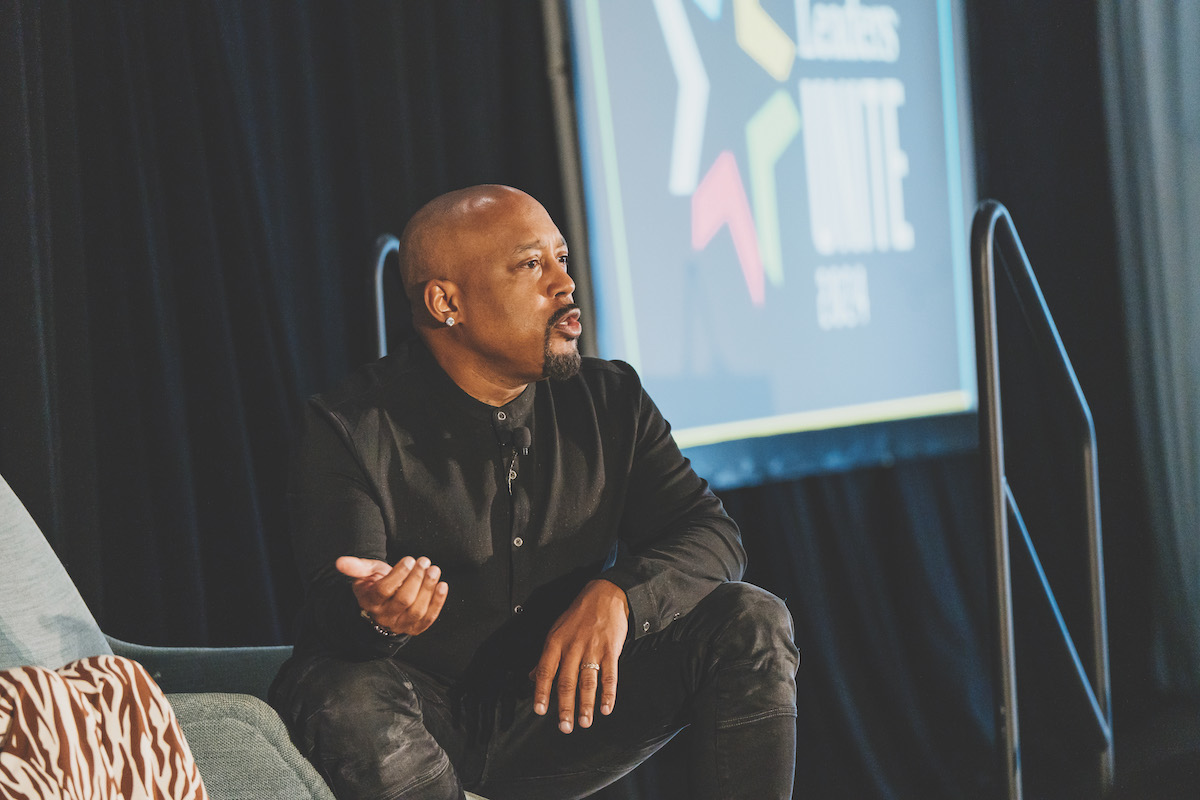










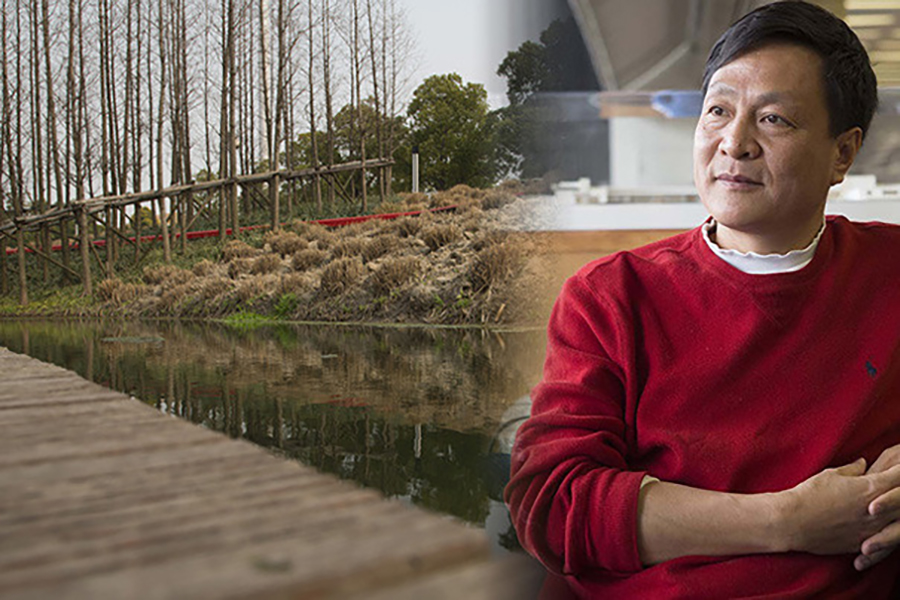

 Impact investing has moved from the fringe toward the mainstream, but individual investors still have many moving parts and challenges to consider.