

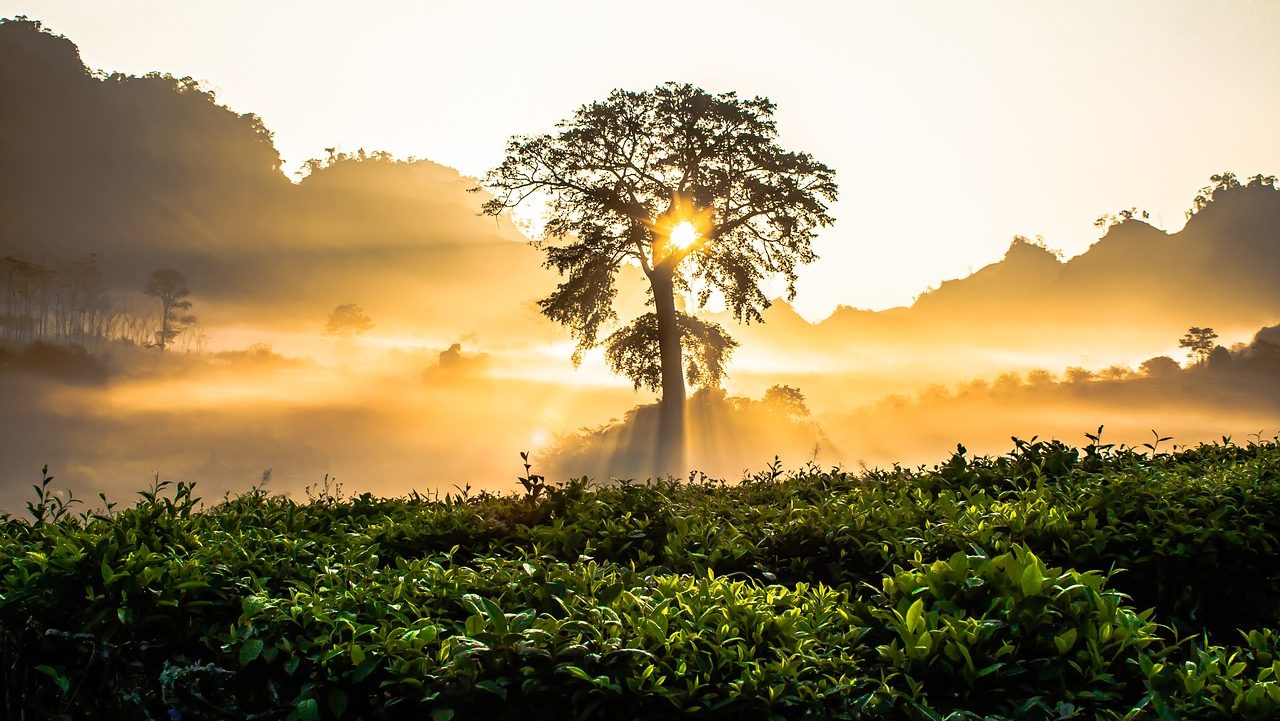
Saving the Environment One Tree at a Time

Global deforestation may be a growing concern, but reforestation efforts are tackling the root of the problem. 

“People don’t realize how important trees are,” says Matt Hill, Founder and CEO of One Tree Planted, a Vermont-based non-profit that supports reforestation campaigns across the globe. Trees are a major food source, and make up the key ingredients in 25% of all medicines. They filter our water and clean the air we breathe. They are the habitat for 80% of the world’s terrestrial wildlife, and the source of jobs for over 1.6 billion people. And yet, every 2 seconds humanity destroys enough trees to fill a football field, and 28,000 species of trees are expected to become extinct in the next 25 years if our current deforestation rates continue.

Business is a huge source of deforestation that has largely contributed to the depletion of 80% of our Earth’s forests. Felling trees has the additional impact of contributing 20% of our global greenhouse gas emissions, because trees release all the carbon they’ve absorbed once they’ve been burned or cut down. 

Fortunately, the damage we’ve done can be remedied by replacing the resources we’ve consumed; planting trees to replenish forests and protect the organisms that live there. This is where One Tree Planted comes in. 

“There’s a lot of businesses out there looking to do more for sustainability initiatives, they just don’t know how to do it,” Matt explains. “I wanted to give businesses easy metrics to understand how they can help the environment.” And it couldn’t be easier: One Tree Planted guarantees that one dollar plants one tree. From there, they branch out to watersheds and organizations to kickstart planting projects worldwide that might not otherwise receive the necessary funding. 

There’s no end of creative ways for a company to ensure they’re making a difference. Adidas ran a social media campaign #adidastreefortree for International Yoga Day. Unilever is planting 250,000 trees in the Amazon for its new “plant-powered” energy drink. Livestrong is focusing its efforts in Kenya. And House of Marley donates a set amount each quarter and have to date planted over 160,000 trees. Big companies making an impact inspire others to do the same. Matt elaborates, “Companies are happy to say, ‘We’re a part of this.’”

According to a recent study published in Science by the Institute of Integrative Biology in Zurich, Switzerland, the solution to climate change is to plant one trillion trees. One Tree Planted is intent upon helping us reach that goal. But this isn’t just a plausible stepping stone to purifying our air, planting and replenishing trees is necessary for protecting our planet’s richest and most vulnerable ecosystems. 

One Tree Planted ensures that all participating businesses understand the lasting impact each of their dollars has, by keeping businesses along for the journey in how they’re making a difference. It takes 5-7 years for a tree to mature enough to make the kind of impact we’re relying on, and those who partner with One Tree Planted are kept informed with progress reports every step of the way. Partners are highly encouraged to take a hands-on approach to these sustainability efforts, like L’Oreal Canada, which gets its employees to a tree planting event each year.

But planting trees is not as simple as putting saplings in the ground. Matt explains, “We need types of trees that are going to be more resilient and better fitted to the future.” Reforestation is most impactful when it introduces species that will adapt better to the current state of the ecosystem. In British Columbia, the Douglas Firs that perished in the recent fires are being replaced by Aspens and Cottonwoods, which were virtually immune to the flames. In Florida, tree species are being selected that will better withstand hurricanes. The goal is that these new forests will grow strong and tall and stay that way. 

One Tree Planted currently has 4,000 business partners, and is now challenging more businesses to make an impact with the North American Million Tree Challenge. 500 companies each plant 2,000 trees in California to help the state recover from the worst fire season in its history. It will take many more efforts like this one to reap the benefits that come with one trillion trees planted, but every dollar gets us one tree closer. As Matt says, “Some people hug trees, we plant them.” 

Saving the Environment One Tree at a Time

Global deforestation may be a growing concern, but reforestation efforts are tackling the root of the problem. 

“People don’t realize how important trees are,” says Matt Hill, Founder and CEO of One Tree Planted, a Vermont-based non-profit that supports reforestation campaigns across the globe. Trees are a major food source, and make up the key ingredients in 25% of all medicines. They filter our water and clean the air we breathe. They are the habitat for 80% of the world’s terrestrial wildlife, and the source of jobs for over 1.6 billion people. And yet, every 2 seconds humanity destroys enough trees to fill a football field, and 28,000 species of trees are expected to become extinct in the next 25 years if our current deforestation rates continue.

Business is a huge source of deforestation that has largely contributed to the depletion of 80% of our Earth’s forests. Felling trees has the additional impact of contributing 20% of our global greenhouse gas emissions, because trees release all the carbon they’ve absorbed once they’ve been burned or cut down. 

Fortunately, the damage we’ve done can be remedied by replacing the resources we’ve consumed; planting trees to replenish forests and protect the organisms that live there. This is where One Tree Planted comes in. 

“There’s a lot of businesses out there looking to do more for sustainability initiatives, they just don’t know how to do it,” Matt explains. “I wanted to give businesses easy metrics to understand how they can help the environment.” And it couldn’t be easier: One Tree Planted guarantees that one dollar plants one tree. From there, they branch out to watersheds and organizations to kickstart planting projects worldwide that might not otherwise receive the necessary funding. 

There’s no end of creative ways for a company to ensure they’re making a difference. Adidas ran a social media campaign #adidastreefortree for International Yoga Day. Unilever is planting 250,000 trees in the Amazon for its new “plant-powered” energy drink. Livestrong is focusing its efforts in Kenya. And House of Marley donates a set amount each quarter and have to date planted over 160,000 trees. Big companies making an impact inspire others to do the same. Matt elaborates, “Companies are happy to say, ‘We’re a part of this.’”

According to a recent study published in Science by the Institute of Integrative Biology in Zurich, Switzerland, the solution to climate change is to plant one trillion trees. One Tree Planted is intent upon helping us reach that goal. But this isn’t just a plausible stepping stone to purifying our air, planting and replenishing trees is necessary for protecting our planet’s richest and most vulnerable ecosystems. 

One Tree Planted ensures that all participating businesses understand the lasting impact each of their dollars has, by keeping businesses along for the journey in how they’re making a difference. It takes 5-7 years for a tree to mature enough to make the kind of impact we’re relying on, and those who partner with One Tree Planted are kept informed with progress reports every step of the way. Partners are highly encouraged to take a hands-on approach to these sustainability efforts, like L’Oreal Canada, which gets its employees to a tree planting event each year.

But planting trees is not as simple as putting saplings in the ground. Matt explains, “We need types of trees that are going to be more resilient and better fitted to the future.” Reforestation is most impactful when it introduces species that will adapt better to the current state of the ecosystem. In British Columbia, the Douglas Firs that perished in the recent fires are being replaced by Aspens and Cottonwoods, which were virtually immune to the flames. In Florida, tree species are being selected that will better withstand hurricanes. The goal is that these new forests will grow strong and tall and stay that way. 

One Tree Planted currently has 4,000 business partners, and is now challenging more businesses to make an impact with the North American Million Tree Challenge. 500 companies each plant 2,000 trees in California to help the state recover from the worst fire season in its history. It will take many more efforts like this one to reap the benefits that come with one trillion trees planted, but every dollar gets us one tree closer. As Matt says, “Some people hug trees, we plant them.” 
Creating Value for Society and The Environment

For many years, people lived by the motto: “The bigger the better.” For many people, shopping for the latest trends equals having a good life.

Increasingly, the meaning of “the good life” is changing. Consumers want to know the impact of the goods they purchase on our planet and ourselves. Our conscious actions as consumers will make a difference and it’s growing each day.

With the launch of the UN Sustainable Development Goals (SDGs) in 2015 there has been an increased focus on how to achieve a better life for everyone. BASF is one such company that actively contributes to these goals. As Vice President of Sustainability at BASF, I help drive sustainable innovations that offer solutions to the SDGs.

We support the well-being of people through many projects around the world. For example, we started a food fortification program to tackle malnutrition in Africa, which ensures better access to healthy food. In Chile, we offer young unemployed men vocational training on automotive repainting to enhance employment opportunities. 

In 2050, nearly ten billion people will exist on earth. While the world’s population and its demands keep growing, the planet’s resources are finite. Population growth is associated with huge global challenges. Challenges that also offer opportunities for business – to contribute and grow. For the chemical industry, in particular, there are many new opportunities. Through research and innovation, we support our customers in many industries, helping them meet societal challenges today and in the future.

Many companies and brands are already committed to redefining, redesigning and delivering the good life. To do so, they need to be equipped with many important tools to successful achieve this. One of the cornerstones is assessing the impact of business and goods on society at large. To achieve this, we created the BASF Value-to-Society. This is a corporate-wide approach that measures the ‘real’ value our company is adding to society. It was driven by our strategy and purpose slogan: “We create chemistry for a sustainable future”.

The Value-to-Society approach helps us to assess the impact of our business activities throughout the value chain. For BASF, as a global company, this has been a major undertaking. We have a very complex value chain that includes 75,000 tier-one suppliers, 358 sites and more than 60,000 products in various markets and industries. However, the effort was worth it.

I’m convinced that by understanding the impact of business on society, developing informed decisions and continuously monitoring our progress, we can contribute towards a good life for our employees, customers and society at large.

In a few weeks, I’ll be speaking at this year’s SB Copenhagen about BASF’s value contribution to society and the environment. I’m looking forward to an inspiring exchange with the Sustainable Brands Community. Join me at SB’17 Copenhagen. Click here to register.

Twitter: Dirk Voeste  LinkedIn: Dirk Voeste


Creating Value for Society and The Environment

For many years, people lived by the motto: “The bigger the better.” For many people, shopping for the latest trends equals having a good life.

Increasingly, the meaning of “the good life” is changing. Consumers want to know the impact of the goods they purchase on our planet and ourselves. Our conscious actions as consumers will make a difference and it’s growing each day.

With the launch of the UN Sustainable Development Goals (SDGs) in 2015 there has been an increased focus on how to achieve a better life for everyone. BASF is one such company that actively contributes to these goals. As Vice President of Sustainability at BASF, I help drive sustainable innovations that offer solutions to the SDGs.

We support the well-being of people through many projects around the world. For example, we started a food fortification program to tackle malnutrition in Africa, which ensures better access to healthy food. In Chile, we offer young unemployed men vocational training on automotive repainting to enhance employment opportunities. 

In 2050, nearly ten billion people will exist on earth. While the world’s population and its demands keep growing, the planet’s resources are finite. Population growth is associated with huge global challenges. Challenges that also offer opportunities for business – to contribute and grow. For the chemical industry, in particular, there are many new opportunities. Through research and innovation, we support our customers in many industries, helping them meet societal challenges today and in the future.

Many companies and brands are already committed to redefining, redesigning and delivering the good life. To do so, they need to be equipped with many important tools to successful achieve this. One of the cornerstones is assessing the impact of business and goods on society at large. To achieve this, we created the BASF Value-to-Society. This is a corporate-wide approach that measures the ‘real’ value our company is adding to society. It was driven by our strategy and purpose slogan: “We create chemistry for a sustainable future”.

The Value-to-Society approach helps us to assess the impact of our business activities throughout the value chain. For BASF, as a global company, this has been a major undertaking. We have a very complex value chain that includes 75,000 tier-one suppliers, 358 sites and more than 60,000 products in various markets and industries. However, the effort was worth it.

I’m convinced that by understanding the impact of business on society, developing informed decisions and continuously monitoring our progress, we can contribute towards a good life for our employees, customers and society at large.

In a few weeks, I’ll be speaking at this year’s SB Copenhagen about BASF’s value contribution to society and the environment. I’m looking forward to an inspiring exchange with the Sustainable Brands Community. Join me at SB’17 Copenhagen. Click here to register.

Twitter: Dirk Voeste  LinkedIn: Dirk Voeste


Leveraging Technology for Social and Environmental Impact with Geunbae

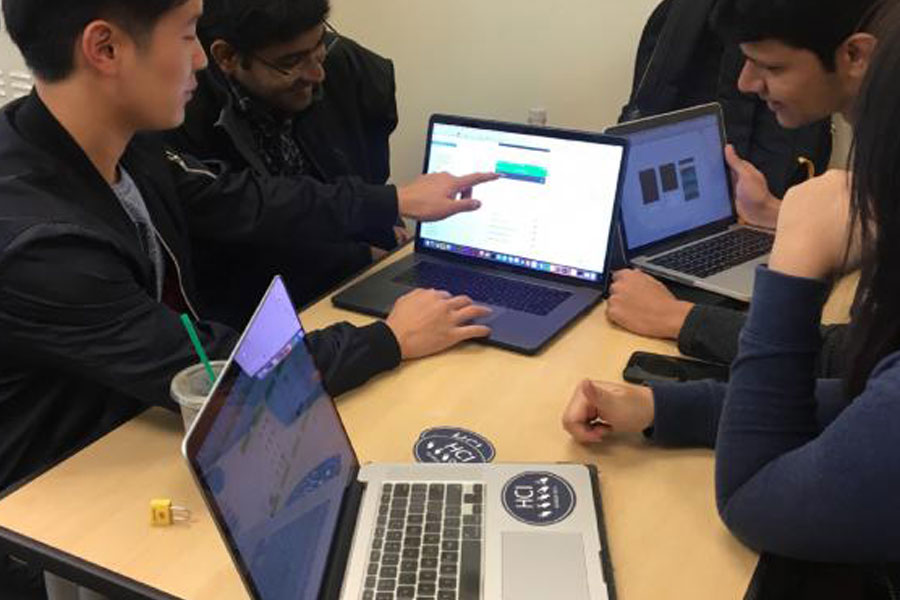
Geunbae Lee is an Impact Design Fellow activating around human-computer interaction.

He, along with his team members Jayanth Mohana Krishna, Jessica Tsui, and Nishant Panchal are working on a project focused on home automation. They are creating a web platform for people to manage their connected devices through the Internet of Things. This project will reduce energy by helping people tailor their energy use to exact needs and will impact the old or disabled who run physical risks by forgetting to turn off stoves or feeling for switches in the dark. 

Learn more about his journey to designing for impact:

Why did you first decide to take action around impact design?
The reason I got into HCI and UX is because I wanted to make change in my community. Most of my previous and current projects revolve around trying to create a better user experience and to discover potential solutions that are far better than the ones that currently exist. I believe that the moment I put my feet forward into this field, I start to make an impact to the community and to individuals who value the products I shape. I thought applying for the Impact Design Fellowship was the next step for me. 

How did you know this was the right project for you to work on?
Frankly, I don’t think there’s any right or wrong projects to begin with as long as there’s purpose and problems that we want to tackle. I think it’s very important to have a clearly defined area and topic that the team is going for because without it, it’s like sailing a boat without a compass in your hands. In order for me and my teammates to figure out what kind of impact we should make in the community, we went through numerous brainstorming and team meeting sessions which helped out a lot. 

What do you think is the most critical issue facing the world today?
One of the critical issues I’ve personally discovered is cultural issues. There are cultural discriminations and gaps between the people in the community which are some of the issues that I’m very interested in solving. As an international student growing up in Canada, South Korea, and the United States I’ve experienced these problems, which led me to become more thoughtful about the issues. 

What advice would you give to someone launching their own project at school?
This really depends on what kind of project you and your most focused team members are trying to accomplish. For me, I initially wanted to make a project with 4 people in my team who could really focus and craft a good solution. To be honest, it made us stronger, more united, and definitely helped us to focus on each of our tasks as a team. I recommend to people looking to launch a project to first find out what kind of project they want to do. As you and your initial members brainstorm, you will definitely see what you need, who you will need, and why.

If you were given an extra hour every day, what would you do with it?
If I was given an extra hour every day, I would write blogs about my experience in the design world and spread my knowledge to others who are working hard like I am. I often write on Medium and so far I’ve gotten great feedback from students and designers all over the world. Writing is something that I don’t feel confident with because English is my second language, but I believe it’s an important skill to have. By practicing through writing blog posts, it will help me get to know more people and help for my own career development. 

Original Story: Net Impact


Leveraging Technology for Social and Environmental Impact with Geunbae

Geunbae Lee is an Impact Design Fellow activating around human-computer interaction.

He, along with his team members Jayanth Mohana Krishna, Jessica Tsui, and Nishant Panchal are working on a project focused on home automation. They are creating a web platform for people to manage their connected devices through the Internet of Things. This project will reduce energy by helping people tailor their energy use to exact needs and will impact the old or disabled who run physical risks by forgetting to turn off stoves or feeling for switches in the dark. 

Learn more about his journey to designing for impact:

Why did you first decide to take action around impact design?
The reason I got into HCI and UX is because I wanted to make change in my community. Most of my previous and current projects revolve around trying to create a better user experience and to discover potential solutions that are far better than the ones that currently exist. I believe that the moment I put my feet forward into this field, I start to make an impact to the community and to individuals who value the products I shape. I thought applying for the Impact Design Fellowship was the next step for me. 

How did you know this was the right project for you to work on?
Frankly, I don’t think there’s any right or wrong projects to begin with as long as there’s purpose and problems that we want to tackle. I think it’s very important to have a clearly defined area and topic that the team is going for because without it, it’s like sailing a boat without a compass in your hands. In order for me and my teammates to figure out what kind of impact we should make in the community, we went through numerous brainstorming and team meeting sessions which helped out a lot. 

What do you think is the most critical issue facing the world today?
One of the critical issues I’ve personally discovered is cultural issues. There are cultural discriminations and gaps between the people in the community which are some of the issues that I’m very interested in solving. As an international student growing up in Canada, South Korea, and the United States I’ve experienced these problems, which led me to become more thoughtful about the issues. 

What advice would you give to someone launching their own project at school?
This really depends on what kind of project you and your most focused team members are trying to accomplish. For me, I initially wanted to make a project with 4 people in my team who could really focus and craft a good solution. To be honest, it made us stronger, more united, and definitely helped us to focus on each of our tasks as a team. I recommend to people looking to launch a project to first find out what kind of project they want to do. As you and your initial members brainstorm, you will definitely see what you need, who you will need, and why.

If you were given an extra hour every day, what would you do with it?
If I was given an extra hour every day, I would write blogs about my experience in the design world and spread my knowledge to others who are working hard like I am. I often write on Medium and so far I’ve gotten great feedback from students and designers all over the world. Writing is something that I don’t feel confident with because English is my second language, but I believe it’s an important skill to have. By practicing through writing blog posts, it will help me get to know more people and help for my own career development. 

Original Story: Net Impact


0