

Genius in Madness? 72% of Entrepreneurs Affected by Mental Conditions

“No great mind has ever existed without a touch of madness,” said Aristotle.

The Dark Side of Creativity

Creativity is like a double-edged sword. It’s no wonder that some of the greatest minds throughout history have been considered a bit “off.”

The entrepreneur is often represented as a go-getter with limitless ambition and an inventive mind. Over time, these innovators and risk-takers have shown a kind of fearlessness that many never experience. And throughout history, some of the most genius creators and thinkers have, less famously, struggled with mental illness.

 Researchers at the University of California studied the link between entrepreneurship and mental illness. Their results don’t necessarily reveal the truth about entrepreneurial genius. Instead, they start an important conversation about the lesser-known dark side of the enlightened mind.

What’s on the other side of genius?

The Link Exists

The researchers found that 49% of entrepreneurs surveyed were dealing with at least one mental illness (such as ADD, ADHD, bipolar disorder, addiction, depression, or anxiety) and about one third of entrepreneurs struggle with two or more mental illnesses.

By comparison, only about 32% of all adults in the United States report being diagnosed with one or more mental illnesses. The link is clear, but does correlation equal causation?

Strength In Weaknesses

Is it just coincidence that the most brilliant minds are sometimes the ones that struggle the most? Michael A. Freeman of the University of California doesn’t think so.

Psychologists agree that creative individuals are more genetically predisposed to mental illness, and it’s clear that creative people often go on to become entrepreneurs. “People who are on the energetic, motivated, and creative side are both more likely to be entrepreneurial and more likely to have strong emotional states,” notes Freeman.

Inherently An Entrepreneur?

The very behaviors that are symptoms of mental illness also seem to be the ones that help propel entrepreneurs along their fast-paced journeys. Could that explain how so many affected by mental illness end up in the entrepreneurship world?

The lows of depression might give way to smart solutions and ideas. A manic episode can sometimes enlighten. ADHD prompts fast decision-making. And combined, these struggles may incubate tremendous creativity that inspires would-be entrepreneurs to take a chance on their ideas.

It’s quite possible that mental illness and entrepreneurship are even more closely related than we’ve discovered. Scientists are currently doing studies on the genetic links between mental illness and entrepreneurial traits.

Psychologists like Michael Freeman from the University of California’s study above recommend that more research be done to further build the evidence of the link between mental illness and entrepreneurship.

Until then, entrepreneurs would be wise to take care of themselves wholly–physically and mentally–and accept that the very traits that make life seem unusually difficult at times are likely the same ones that allow them to stand out so brilliantly.

Genius in Madness? 72% of Entrepreneurs Affected by Mental Conditions

“No great mind has ever existed without a touch of madness,” said Aristotle.

The Dark Side of Creativity

Creativity is like a double-edged sword. It’s no wonder that some of the greatest minds throughout history have been considered a bit “off.”

The entrepreneur is often represented as a go-getter with limitless ambition and an inventive mind. Over time, these innovators and risk-takers have shown a kind of fearlessness that many never experience. And throughout history, some of the most genius creators and thinkers have, less famously, struggled with mental illness.

 Researchers at the University of California studied the link between entrepreneurship and mental illness. Their results don’t necessarily reveal the truth about entrepreneurial genius. Instead, they start an important conversation about the lesser-known dark side of the enlightened mind.

What’s on the other side of genius?

The Link Exists

The researchers found that 49% of entrepreneurs surveyed were dealing with at least one mental illness (such as ADD, ADHD, bipolar disorder, addiction, depression, or anxiety) and about one third of entrepreneurs struggle with two or more mental illnesses.

By comparison, only about 32% of all adults in the United States report being diagnosed with one or more mental illnesses. The link is clear, but does correlation equal causation?

Strength In Weaknesses

Is it just coincidence that the most brilliant minds are sometimes the ones that struggle the most? Michael A. Freeman of the University of California doesn’t think so.

Psychologists agree that creative individuals are more genetically predisposed to mental illness, and it’s clear that creative people often go on to become entrepreneurs. “People who are on the energetic, motivated, and creative side are both more likely to be entrepreneurial and more likely to have strong emotional states,” notes Freeman.

Inherently An Entrepreneur?

The very behaviors that are symptoms of mental illness also seem to be the ones that help propel entrepreneurs along their fast-paced journeys. Could that explain how so many affected by mental illness end up in the entrepreneurship world?

The lows of depression might give way to smart solutions and ideas. A manic episode can sometimes enlighten. ADHD prompts fast decision-making. And combined, these struggles may incubate tremendous creativity that inspires would-be entrepreneurs to take a chance on their ideas.

It’s quite possible that mental illness and entrepreneurship are even more closely related than we’ve discovered. Scientists are currently doing studies on the genetic links between mental illness and entrepreneurial traits.

Psychologists like Michael Freeman from the University of California’s study above recommend that more research be done to further build the evidence of the link between mental illness and entrepreneurship.

Until then, entrepreneurs would be wise to take care of themselves wholly–physically and mentally–and accept that the very traits that make life seem unusually difficult at times are likely the same ones that allow them to stand out so brilliantly.
Business: A Powerful Force for Interfaith Understanding

Business is at the crossroads of culture, commerce and creativity. This means businesses have the resources to make the world more peaceful as well as the incentive to do so. Here are three examples from the UN Global Compact.

Coca-Cola Serves up Cross-border Understanding

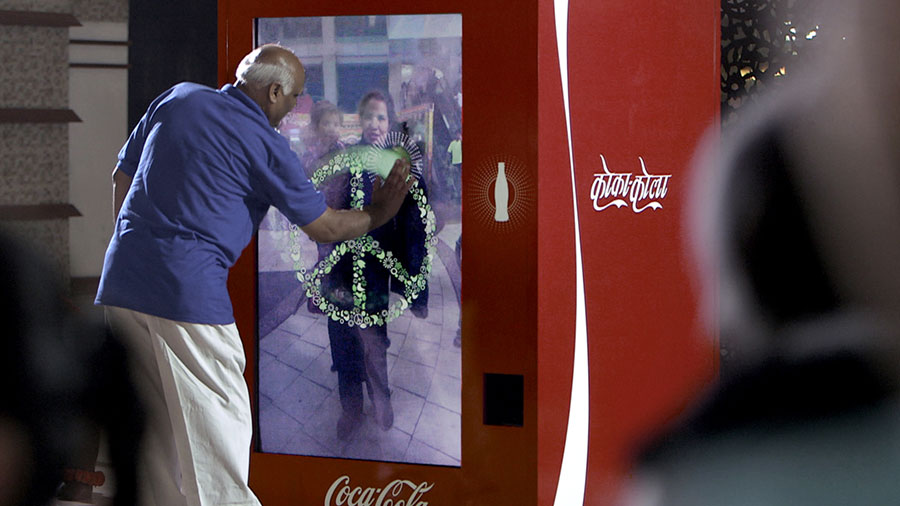
In 2013, the Coca-Cola Company initiated a project to promote understanding and dialogue in an area experiencing one of the

longest running conflicts on earth by installing “Small World Machines” in New Delhi, India and Lahore, Pakistan. These machines offered users a live communications link to people on opposite sides of one of the world’s most militarized borders. Long separated by a border that has seen a number of wars, Indians and Pakistanis were able to use the machines’ live video feeds and large 3D touch screens to speak to and even “touch” the person on the other side. People on both sides of the border who had never met exchanged peace signs, touched hands and danced together.


Interfaith Entrepreneurship in Nigeria

In Nigeria, businesses and economic development NGOs are working to stop widespread violence, which has already taken hundreds of lives and threatens to lead to civil war. In Adamawa State in northeast Nigeria, young adults in many of Adamawa’s poor rural and marginalized communities lack the necessary entrepreneurial skills they need to break out of the poverty trap that often feeds violent religious extremism. The Yola Innovation Machine and others are helping a new generation of entrepreneurs create businesses. In the Plateau State in the country’s center, Muslim and Christian business people are cooperating to work around religious violence.

In Jos, Plateau’s capital, there is an unwritten rule that when religious tensions flare up, Christians and Muslims should not cross certain city boundaries. This divide can be devastating for fresh produce vendors and other businesses that serve people on both sides of the divide. In response, business people have taken it upon themselves to work around these limitations, risking their lives and not just their livelihoods to keep business moving across the religious divide. For example, a Christian vegetable seller – a widow with seven children – often cannot go to the market to restock her supply of vegetables due to religious violence or warnings of possible attacks. A cellphone call to her Muslim supplier can solve the problem. They find a discrete place to meet, agree on a price and make the transaction.


Indonesian Business Open to Faith and Action

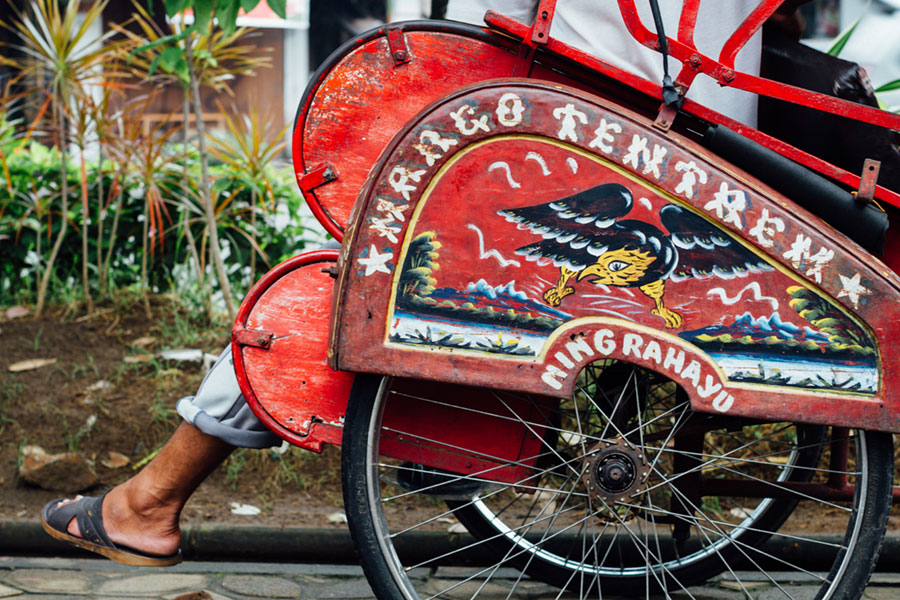
In Indonesia, a number of businesses are undertaking a variety of efforts to promote interfaith understanding. One example is Express Taxi. With a fleet of more than 10,000 taxis in Jakarta, the company promotes a faith-friendly workplace by setting up prayer rooms and facilitating Muslim and Christian observances, as well as celebrations of Chinese New Year. Such efforts not only foster interfaith understanding but also increase worker productivity and satisfaction. In addition to accommodating religious practice in the workplace, Indonesian businesses also help meet the social and religious needs of employees outside of work, while at the same time increasing safety and employee retention. For instance, PT Kereta Api Indonesia, an Indonesian railway company, provides free rail transportation for its Muslim workers to return home to celebrate Eid. This is important because many would choose the more affordable, but dangerous, option of riding a motorcycle home.


Business: A Powerful Force for Interfaith Understanding

Business is at the crossroads of culture, commerce and creativity. This means businesses have the resources to make the world more peaceful as well as the incentive to do so. Here are three examples from the UN Global Compact.

Coca-Cola Serves up Cross-border Understanding

In 2013, the Coca-Cola Company initiated a project to promote understanding and dialogue in an area experiencing one of the

longest running conflicts on earth by installing “Small World Machines” in New Delhi, India and Lahore, Pakistan. These machines offered users a live communications link to people on opposite sides of one of the world’s most militarized borders. Long separated by a border that has seen a number of wars, Indians and Pakistanis were able to use the machines’ live video feeds and large 3D touch screens to speak to and even “touch” the person on the other side. People on both sides of the border who had never met exchanged peace signs, touched hands and danced together.


Interfaith Entrepreneurship in Nigeria

In Nigeria, businesses and economic development NGOs are working to stop widespread violence, which has already taken hundreds of lives and threatens to lead to civil war. In Adamawa State in northeast Nigeria, young adults in many of Adamawa’s poor rural and marginalized communities lack the necessary entrepreneurial skills they need to break out of the poverty trap that often feeds violent religious extremism. The Yola Innovation Machine and others are helping a new generation of entrepreneurs create businesses. In the Plateau State in the country’s center, Muslim and Christian business people are cooperating to work around religious violence.

In Jos, Plateau’s capital, there is an unwritten rule that when religious tensions flare up, Christians and Muslims should not cross certain city boundaries. This divide can be devastating for fresh produce vendors and other businesses that serve people on both sides of the divide. In response, business people have taken it upon themselves to work around these limitations, risking their lives and not just their livelihoods to keep business moving across the religious divide. For example, a Christian vegetable seller – a widow with seven children – often cannot go to the market to restock her supply of vegetables due to religious violence or warnings of possible attacks. A cellphone call to her Muslim supplier can solve the problem. They find a discrete place to meet, agree on a price and make the transaction.


Indonesian Business Open to Faith and Action

In Indonesia, a number of businesses are undertaking a variety of efforts to promote interfaith understanding. One example is Express Taxi. With a fleet of more than 10,000 taxis in Jakarta, the company promotes a faith-friendly workplace by setting up prayer rooms and facilitating Muslim and Christian observances, as well as celebrations of Chinese New Year. Such efforts not only foster interfaith understanding but also increase worker productivity and satisfaction. In addition to accommodating religious practice in the workplace, Indonesian businesses also help meet the social and religious needs of employees outside of work, while at the same time increasing safety and employee retention. For instance, PT Kereta Api Indonesia, an Indonesian railway company, provides free rail transportation for its Muslim workers to return home to celebrate Eid. This is important because many would choose the more affordable, but dangerous, option of riding a motorcycle home.


0