A Portland nonprofit faced an impossible choice: sell for top dollar or protect affordability. By opening the market instead of narrowing it, they found a third path—one that’s now influencing housing solutions far beyond a single deal.
A Building at a Crossroads
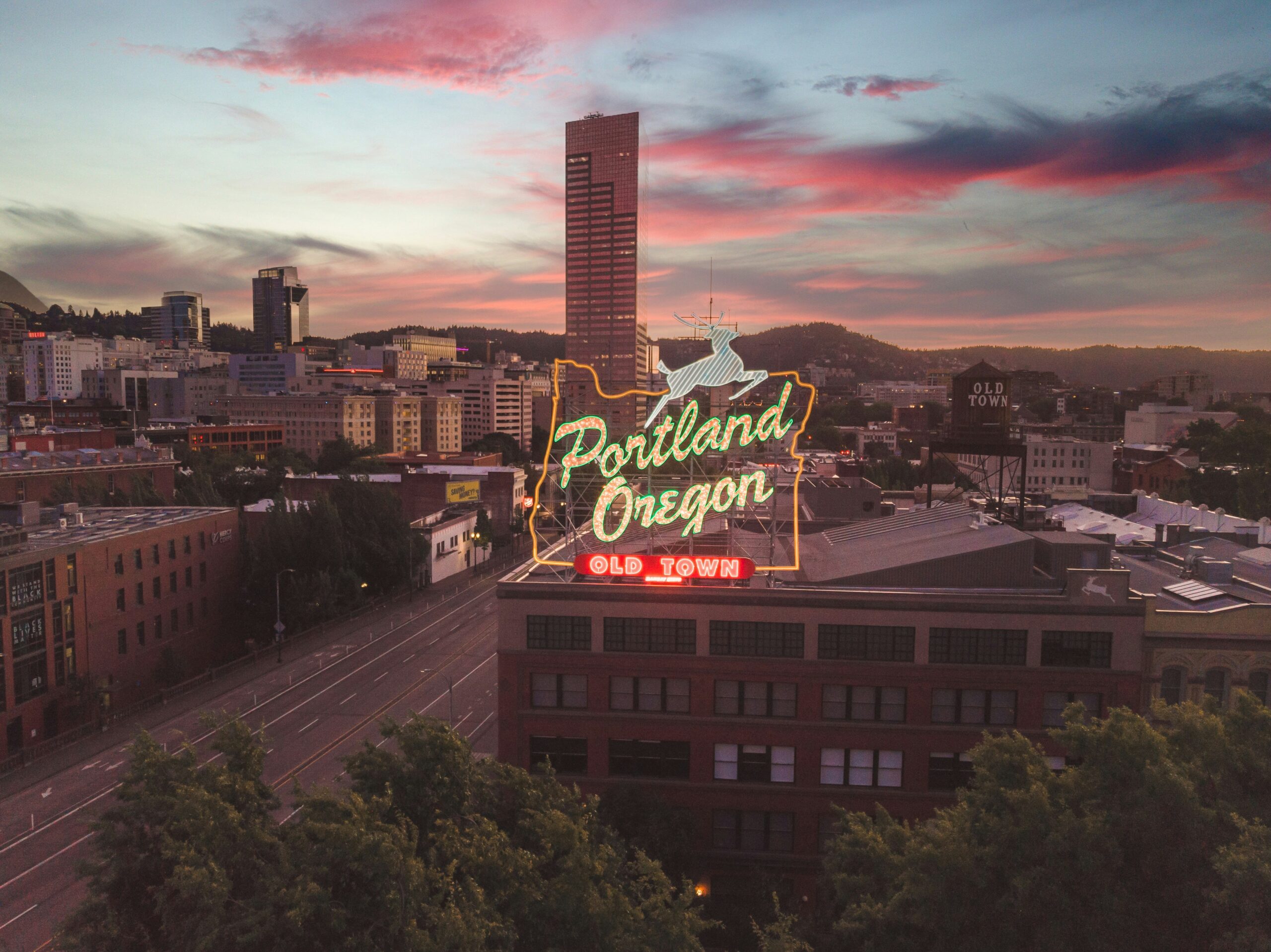
In a city where housing debates are as common as rain, a quiet brick building in Portland, Oregon stood at a crossroads.
Built in the early 1900s, the 23-unit property had good bones—but aging systems told another story. Seismic upgrades loomed. Plumbing was failing. Half the building sat vacant. The nonprofit that owned it had reached a difficult conclusion: holding on would only deepen the problem.
They didn’t just need a buyer.
They needed a solution.
Opening the Market Instead of Narrowing It
Like many affordable housing providers across the country, the organization carried a mix of stable assets and silent liabilities. This building had become the latter—requiring millions in capital with no clear preservation funding available.
“The easy path,” recalls Bjorn Beer of SVN Imbrie, “would have been a quiet off-market deal. Fast. Clean. Profitable.”
But that path came with a cost.
“If we didn’t open this up, we’d never know what was possible—not just financially, but for the people who lived there and the ones who could.”
Instead, the team made a different choice: expose the property to the full market. Every buyer. Every broker. Every idea.
The Highest Offer Came With a Cost
The transaction took nearly two years.
The response was immediate—12 offers in just two weeks.
Some were financially compelling. One, in particular, rose to the top with a premium price. But it came with a condition: the building would be delivered vacant.
Tenants out. Higher-end repositioning in.
Apartments would remain—but no longer accessible to the residents who had called it home.
For a moment, the nonprofit faced a familiar dilemma:
maximize proceeds or protect purpose.
“There was real pressure,” Beer says. “You’re talking about meaningful capital for a mission-driven organization. But you’re also talking about displacement.”
The Buyer Who Offered a Different Future
Because the property had been openly marketed, another kind of buyer emerged.
A for-profit group—but with a different thesis.
Their plan wasn’t to erase the building’s affordability. It was to evolve it.
They proposed converting the units into affordable condominiums at 80% AMI, creating a rare bridge between rental housing and homeownership. The pricing would land nearly $300,000 below Portland’s average home price, opening doors that had long been closed.
They weren’t the highest bidder.
But they were the clearest path forward.
“The market didn’t just give us offers,” Beer reflects. “It gave us options—and one of those options aligned with the mission.”
From Renters to First-Time Homeowners
Today, the building is being transformed—not into luxury units, but into opportunity.
- All units are being positioned at 80% AMI affordability levels
- Residents were given first right of refusal to purchase
- Buyers are being sourced and prepared through Portland Housing Center
- A CDFI-backed silent second mortgage program is helping bridge down payment gaps
- Residents who chose not to purchase received relocation support beyond local requirements
While many original tenants had already vacated, the project is now creating a new kind of resident: first-time homeowners who otherwise would have been priced out of the market.
“We’re not just preserving housing,” Beer says. “We’re creating ownership.”
A Model Bigger Than One Building
What started as a single transaction has since expanded.
The buyer has replicated the model in multiple markets—including Tacoma and Virginia—using private capital to deliver affordability at scale. Along the way, Beer and his collaborators also contributed to the broader conversation around housing policy, lending their voices to Oregon’s successful Oregon Condo Defect Liability Reform 2025.
A deal that could have quietly displaced tenants instead helped influence how housing gets built—and owned.
A Different Kind of Return on Equity
For Beer, the transaction reshaped how he thinks about value.
“In market-rate real estate, we talk about return on equity. But in affordable housing, that’s not enough.”
From this deal, he coined a new framework: “Impact on Equity.”
It asks a different question:
Not just what does this asset return?
But what can this equity do for the community if redeployed?
“You can leave $2 million sitting in a 20-unit building,” he says, “or use it to help create 120 units somewhere else. That’s a different kind of math—where Impact on Equity can be 6x higher by redeploying capital.”
The role of the broker, in this view, isn’t to dictate outcomes—but to expand the field of possibility so mission-driven owners can choose wisely.
Lasting Impact
- 23-unit legacy building repositioned without displacement-driven conversion
- 100% of units targeted at 80% AMI affordability
- Homeownership opportunities priced ~$300K below local averages
- First-time buyers supported through education + down payment assistance
- Model replicated in multiple U.S. markets
- Contributed to broader housing policy momentum in Oregon
Every transaction carries a choice: extract value or create it.
The difference often lies not in the market—but in how it’s used.
The Real Leaders of Real Estate Behind the Deal
Bjorn Beer is a broker with SVN Imbrie who specializes in advising public housing authorities and nonprofit housing providers across the country. His work focuses on recapitalization and disposition strategies that balance financial performance with long-term community impact.
Stories like this are exactly why the Real Leaders of Real Estate awards were created.
Have you worked on a commercial real estate deal in the last 36 months that created meaningful public benefit? Apply to be recognized as a leader in 2026 in your region and nationally. Submit your deal today.