Dove And Cartoon Network Tackle Self-Esteem Among Kids

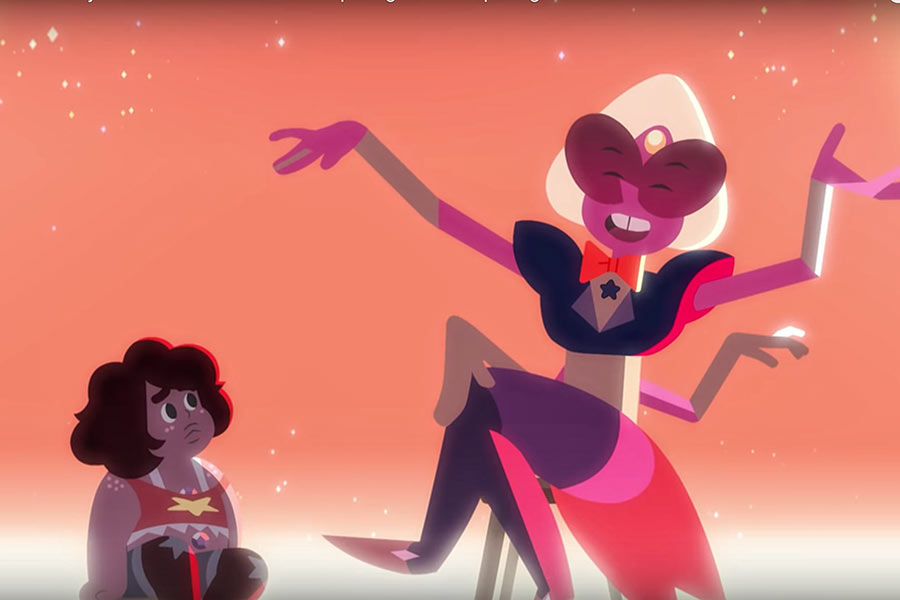
As part of a two-year deal with the Cartoon Network’s Steven Universe, the Dove Self-Esteem Project has released a new short film, titled “Competing and Comparing Looks,” offering a confidence-boosting message to young people.

In the film, Smoky Quartz and Sardonyx chat about their totally different, but equally amazing, bodies – reminding us that we’re all beautiful and unique. The short film is the second in a series of six co-created with the Cartoon Network to address some of the biggest barriers to self-esteem and body-confidence among kids. Additionally, the Crystal Gems, along with some friends, continue the conversation in a self-esteem song, titled “We Deserve to Shine.”

If you like this, subscribe here for more stories that Inspire The Future.
 
A child’s concept of what an “ideal appearance” looks like is influenced by what they see on-screen. Research shows that children’s media can be a powerful source of influence on young viewers’ emotional intelligence, creating more positive attitudes towards their own health and others. For kids who spend an average of 2 hours and 19 minutes every day on screen media, this is a harsh reality that can yield negative impacts like low self-esteem and body confidence.


Using a public health intervention model, the Dove Self-Esteem Project is expanding beyond structured workshops delivered by adults to taking educational content direct to young people in a medium they know and love – cartoons. Inspiring young people through animation, the partnership with Steven Universe will help further educate young people on self-esteem and body confidence through the cartoon’s themes of inclusivity and empowerment, world and characters.

Dove has a long-standing commitment to creating a world where beauty is a source of confidence, and not anxiety. The Dove Self-Esteem Project, started in 2004, helps women develop a positive relationship with the way they look so they are not held back by appearance-related concerns and anxiety, allowing them to realize their full potential.

So far, they’ve reached the lives of over 20 million young people across 138 countries, making the Self-Esteem Project one of the largest providers of body confidence education in the world.

Sometimes, a young girl saying “I’m fine” doesn’t tell the whole story. Download the DoveDove Self Esteem Project resources to help them speak their minds.

If you like this, subscribe here for more stories that Inspire The Future.

Prosthetic Hand Wins Microsoft ‘Hackathon’

A team of students from Canada has won Microsoft’s annual student developer competition with their invention – a smart robotic prosthetic hand.

Canadian company SmartARM developed a robotic prosthetic hand, using Microsoft Azure Computer Vision, Machine Learning and Cloud Storage, that uses a camera embedded in its palm to recognize objects and calculate the most appropriate grip for an object. Based on Machine Learning, the more the model is used the more accurate it becomes. Over 40 teams from around the world brought their biggest, boldest ideas to the event to tackle humanity’s most pressing problems. 

Team members, Hamayal Choudhry and Samin Khan, both 20, say their invention has the potential to dramatically lower the cost of prosthetics for people who are missing or have lost a limb. Hamayal is a second year Mechatronics Engineering Student at the University of Ontario Institute of Technology while Samin is a third year Computer Science student at the University of Toronto.

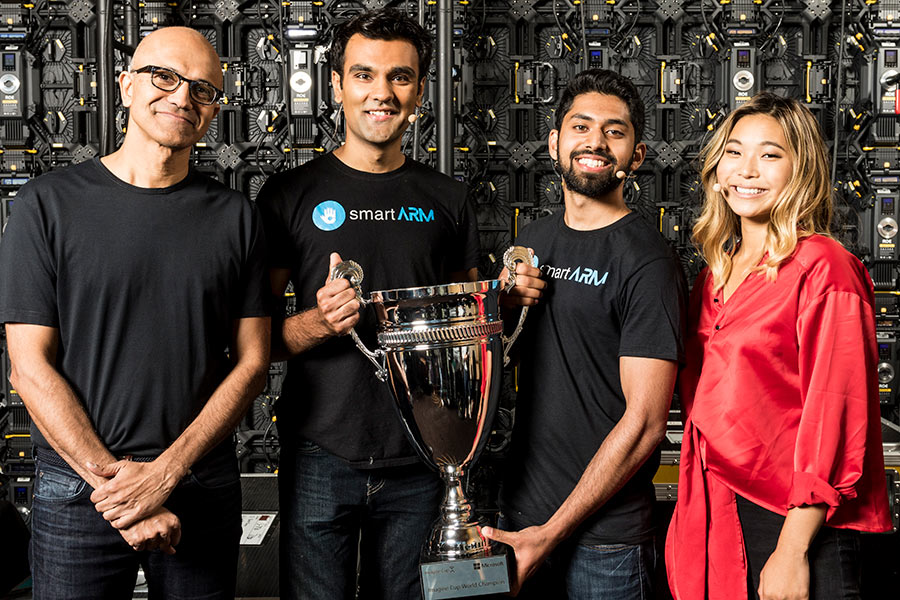
They walk away with $100,000 in prizes and a mentoring session with Microsoft, CEO, Satya Nadella (pictured above, far left with the winners). Microsoft’s Imagine World Cup Finals takes place over three days at Microsoft’s Washington HQ and is now in its 16th year.

If you like this, subscribe here for more stories that Inspire The Future.

Celebrating Queen Mother: A Frontier SDG Hero

Queen Mother, the Global Ambassador for Africa at the United Nations and Founder of New Future Foundation has been honored as a Frontier SDG (Sustainable Development Goal) Hero.

The Decade Of Women action campaign, a core initiative of 5th Element Group, is honoring Frontier SDG Heroes that are leading the charge in accomplishing the U.N. Sustainable Development Goals, across all industries today.

If you like this, subscribe here for more stories that Inspire The Future.

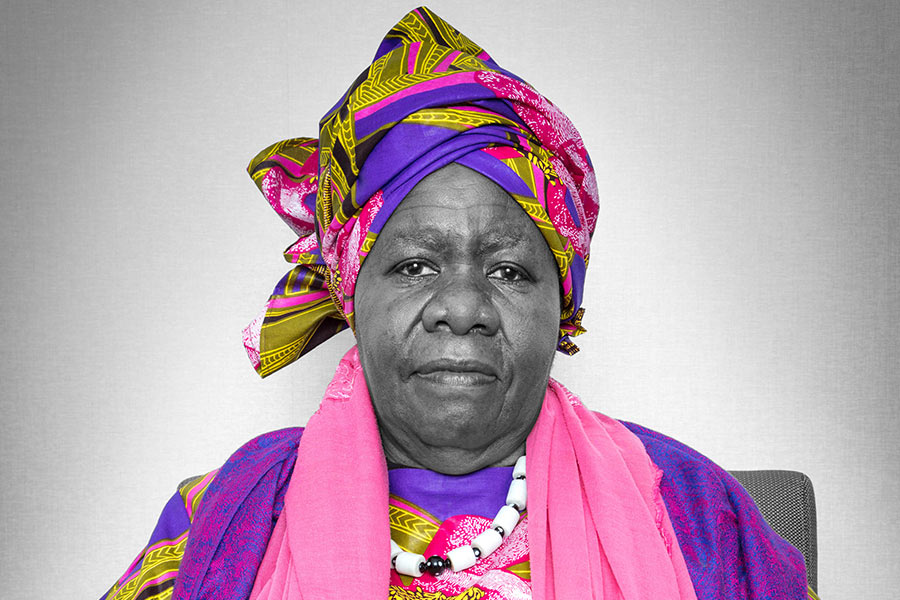
Dr. Delois Blakely, affectionately known at the United Nations as “Queen Mother”, is a SDG #5 Hero, championing gender equality initiatives for women and girls around the world. Her SDG object is her native dress that symbolizes the power of women and of the feminine to rise above any obstacle and to take on any challenge. “Don’t hide who you are. I say to women all over the world, celebrate all of who you are, in all of your beautiful colors!

“Queen Mother is down with the Decade Of Women! You tell them that Queen Mother is… down, she is so down, with the Decade Of Women! You tell them this is a sacred path.

And you tell them that those billboards in Times Square, they have to stay up. They have to stay up permanently, to be seen all the time all over the world. Because you are changing mindsets. You are changing mindsets of how things are. And mindsets have got to be changed to see that is through women that all of our problems will be solved. It is by supporting women and girls and youth that we will move forward in the world, that’s just the truth.”

View more Frontier SDG Hero stories here.

If you like this, subscribe here for more stories that Inspire The Future.


The 10 Most Dangerous Countries For Women

Seven years ago a Thomson Reuters Foundation experts’ survey found the five most dangerous countries for women were Afghanistan, Democratic Republic of Congo, Pakistan, India, and Somalia. This year we set out to see if the situation had changed.

We wanted to find out whether more was being done to address the overall risks faced by women, and specifically regarding healthcare, access to economic resources, customary practices, sexual violence, non-sexual violence and human trafficking. We expanded our poll to the 10 most dangerous countries with some surprising results.

(adsbygoogle = window.adsbygoogle || []).push({});

World leaders vowed three years ago to eliminate all forms of violence and discrimination against women and girls by 2030, allowing them to live freely and safely to participate equally in political, economic and public life. But despite this pledge it is estimated that one in three women globally experience physical or sexual violence during their lifetime.

Child marriage is still rife, with almost 750 million women and girls married before their 18th birthday, resulting in teen pregnancies that can put their health at risk and limiting schooling and opportunities. Here are the results of the survey, listing the top 10 most dangerous countries for women. Number 10 may surprise you.

1. India

India was named as the most dangerous country for women after coming fourth in the same survey seven years ago. The world’s second most populous nation, with 1.3 billion people, ranked as the most dangerous on three of the topic questions – the risk of sexual violence and harassment against women, the danger women face from cultural, tribal and traditional practices, and the country where women are most in danger of human trafficking including forced labour, sex slavery and domestic servitude.

Violence against women in India has caused national and international outrage and protests since the 2012 gang-rape and murder of a student on a bus in New Delhi. As India’s rape epidemic gets worse by the year, critics have pointed fingers at Prime Minister Narendra Modi’s government for not doing enough to protect women.

2. Afghanistan

Afghanistan was ranked as the second most dangerous country for women after topping the poll in 2011. Nearly 17 years after the overthrow of the Taliban, many women still face dire situations daily despite Western donors pumping billions of dollars into the country. Afghanistan ranked as the most dangerous country for women on three of the topic questions – the most dangerous in terms of non-sexual violence such as conflict-related violence and domestic abuse, the worst access to healthcare, and a lack of access to economic resources and discrimination over jobs and land.

Afghanistan was listed as 171 out of 188 countries in the United Nations Development Programme’s 2015 global Gender Inequality Index. The United Nations has accused the Afghan state of allowing widespread gender brutality to go unpunished by failing to prosecute criminal violence against women who are often confined to the home and seen as subordinate to men.

3. Syria

Syria was named as the third most dangerous country for women after seven years of civil war which has decimated services across the country and killed about 510,000 people. Some 5.5 million Syrians are living as refugees in nearby countries and another 6.1 million of the 18 million population are still in Syria but forced to flee their homes.

Respondents ranked Syria as the second most dangerous country for women in terms of access to healthcare and regards non-sexual violence which includes conflict-related violence as well as domestic abuse. Syria was a joint third with the United States with regards to the risks women faced of sexual violence and harassment and named seventh worst for lack of access to economic resources.

4. Somalia

Somalia was ranked as the fourth most dangerous country for women after coming fifth in the 2011 poll. The impoverished country located in the Horn of Africa has been mired in conflict since 1991 with the government struggling to assert control over poor, rural areas under the Islamist militant group al Shabaab. The United Nations has estimated about 6.2 million people in Somalia – half the population – need emergency aid, such as food, water and shelter, due to the conflict and unprecedented drought.

The poll ranked Somalia as the third most dangerous country for women in terms of access to healthcare and for putting them at risk of harmful cultural and traditional practices. Somali was named as fifth worst country in terms of women having access to economic resources, tied ninth when it came to non-sexual violence such as conflict-related violence, and tied 10th on sexual violence.

(adsbygoogle = window.adsbygoogle || []).push({});

5. Saudi Arabia

The conservative kingdom was named the second worst country in terms of economic access and discrimination which includes job discrimination, discriminatory property rights, and an inability to make a livelihood. It came fifth in terms of the risks women face from cultural, religious and traditional practices, and seventh regarding non-sexual violence including domestic abuse.

Saudi Arabia has made headlines in recent years for moves to boost female participation in the workforce from the current 19 percent and for lifting a decades-long ban on women driving. But customary gender segregation in most workplaces still limits the way in which women can be employed and a guardianship law by which women need permission from a male relative to travel abroad, marry and other activities remains in place. Saudi Arabia has come under international fire in recent months for the arrest and jailing of some women’s rights activists.

6. Pakistan

Pakistan was named as the fourth worst nation when it came to economic resources and discrimination in the workplace and regarding land, and also regarding the risks women faced from cultural, religious and traditional practice including so-called “honour” killings. Pakistan ranked fifth when it came to non-sexual violence including domestic abuse, and joint seventh regarding sexual violence and harassment.

World Bank data shows almost one in three married Pakistani women report facing physical violence from their husbands although informal estimates are much higher. Rights groups say hundreds of women and girls are killed in Pakistan each year by family members angered at perceived damage to their “honor”, which may involve eloping, fraternizing with men or any infringement of conservative values regarding women.

7. Democratic Republic of Congo

The United Nations has warned that millions of people face hellish living conditions in DRC after years of factional bloodshed and lawlessness. About 4.3 million people have been displaced amid endemic violence, including machete attacks and gang rape, with NGOs saying this year that women and children were being exposed to the “worst sexual abuse ever”.

The vast Central African country ranked as the second most dangerous country for women as regards sexual violence. It ranked between seventh and ninth in four other questions including non-sexual violence, access to healthcare, economic resources and cultural and traditional threats.

8. Yemen

Yemen ranked poorly on access to healthcare, economic resources, the risk of cultural and traditional practices and non-sexual violence.

Saudi Arabia and regional arch-foe Iran are locked in a three-year-old proxy war in Yemen that has killed more than 10,000 people, displaced three million and pushed the impoverished country to the verge of starvation. Yemen is still reeling from the world’s most urgent humanitarian crisis where 22 million people needed vital assistance.

9. Nigeria

Nigeria was ranked as the ninth most dangerous country for women with human rights groups accusing the country’s military of torture, rape and killing civilians during its nine-year fight against Islamist insurgency Boko Haram. The conflict has killed more than 30,000 people and spawned one of the world’s worst humanitarian crises.

Africa’s most populous country was named as the sixth worst nation regards the risks women face from cultural and traditional practices and tied 10th when respondents were asked about the risks of sexual violence. But Nigeria was named as the fourth most dangerous country along with Russia when it came to human trafficking. Studies have shown that tens of thousands of Nigerian women have been trafficking into Europe for sexual exploitation.

(adsbygoogle = window.adsbygoogle || []).push({});

10. USA

The United States ranked as the 10th most dangerous country for women, the only Western nation to appear in the top 10. The United States shot up in the rankings after tying joint third with Syria when respondents were asked which was the most dangerous country for women in terms of sexual violence including rape, sexual harassment, coercion into sex and the lack of access to justice in rape cases. It was ranked sixth for non-sexual violence.

The survey was taken after the #MeToo campaign against sexual harassment went viral in October last year as Hollywood movie mogul Harvey Weinstein was accused of sexual misconduct by more than 70 women, some dating back decades. Hundreds of women have since publicly accused powerful men in business, government and entertainment of sexual misconduct and thousands have joined the #MeToo social media movement to share stories of sexual harassment or abuse.

If you like this, subscribe here for more stories that Inspire The Future.

Disney Empowers Aspiring Young Filmmakers

21 young women from 13 countries will produce and direct digital shorts to inspire the next generation of women.

Disney has announced a new global project giving 21 talented young women from different corners of the globe the chance to make digital shorts telling the stories of inspiring female role models. The #DreamBigPrincess series will be shared across Disney’s global media platforms as part of a campaign to unlock up to a $1 million donation to Girl Up, an initiative of the UN Foundation.

If you like this, subscribe here for more stories that Inspire The Future.

Each aspiring filmmaker will be paired with an inspirational interview subject spanning a diverse range of professions. The young women will capture the stories of these incredible individuals, along with their advice for achieving success. Academy Award® Winner Jennifer Lee is just one of the talented women who will be featured in the series.

“Using the journeys of characters like Anna, Elsa and Moana to inspire kids to dream big is at the very heart of what all of us at Disney do,” says Jennifer Lee, director/writer of “Disney’s Frozen” and CCO of Walt Disney Animation Studios. “The #DreamBigPrincess series is the perfect extension of that vision, providing a powerful platform for the next generation of aspiring filmmakers to create content about the women who have inspired them.”

Plans for the series were unveiled at the United Nations Foundation’s Girl Up Leadership Summit in Washington D.C., where the 21 participants took part in a unique workshop to give them the tools they can use to make their digital shorts. Each video will be shot on iPhone X and will be edited using Final Cut Pro X running on MacBook Pro. The aspiring filmmakers will also participate in a unique workshop including hands-on training from Apple technical experts, mentoring sessions with female-led production company Summerjax and creative inspiration from Disney storytelling veterans.

Following the workshop, the young women will embark on their own creative journeys back in their home countries with ongoing mentorship from Disney, Apple and Summerjax, before their videos debut across certain social media in October, helping drive an up to $1 million donation from Disney Worldwide Services to Girl Up.

“Each young #DreamBigPrincess director brings her own unique perspective and experience but what they all share is a passion for storytelling and making a difference in the world,” says Zenia Mucha, Senior Executive Vice President, Communications, The Walt Disney Company, “Our goal is to offer them the right mix of practical skills and creative inspiration to bring their vision to life.”

“The resources provided by Disney to empower girls and help them learn about the importance of storytelling will give them the confidence they need to achieve their own goals and advocate for others,” comments Girl Up Co- Executive Director, Melissa Kilby. “Last year’s donation from Disney has already allowed us to extend the network of Girl Up Clubs outside the US by more than 50 percent, representing a huge opportunity for thousands of girls to gain the leadership skills that will help achieve future goals.”

This year’s initiative builds on the success of the #DreamBigPrincess Global Photography series, which saw 19 female photographers from 15 countries capture inspiring stories of real world women and girls to encourage kids to reach for their goals. The precedent-setting campaign reached millions of families around the world unlocking a $1 million donation to Girl Up in less than five days. The images from the multi-award-winning campaign were also honored with an exhibition at the United Nations Headquarters in New York City.

If you like this, subscribe here for more stories that Inspire The Future.

As World Cup Kicks Off, FIFA Urged to Fight Iran’s Ban on Women in Stadiums

An Iranian football fan demanded that FIFA’s president put pressure on her home country to overturn a ban on women attending stadium matches as the World Cup kicks off in Russia.

Maryam Qashqaei hopes the world’s biggest single-event sporting competition will galvanise support for an online petition she plans to present to FIFA President Gianni Infantino.

If you like this, subscribe here for more stories that Inspire The Future.

The Islamic Republic has long barred women from attending male soccer matches and other sports fixtures, partly to protect them from hearing fans swear.

“This is a very basic right – how embarrassing is this for our nation and society,” Qashqaei told the Thomson Reuters Foundation by phone from Moscow, where she is cheering on her country’s team.

“As an Iranian woman, I’ve never seen a single game played in my home country. Women are passionate sports fans just like men, and deserve to cheer on their teams in the stadiums.”

Infantino said in May Iranian President Hassan Rouhani had told him there were plans to allow women to attend football matches in the country soon.

Qashqaei’s petition has so far attracted more than half the target of 100,000 signatures – the number of seats in Tehran’s Azadi stadium.

“I hope FIFA can put pressure and create this change. Iranian women inside Iran just want to go and watch football – they risk everything to do it,” said Qashqaei, who is using a pseudonym to protect her identity for fear of reprisals.

In April, female football fans donned fake beards and wigs to attend a major match in the Azadi stadium.

The Iranian group OpenStadiums, which is campaigning for the right of women to attend sports fixtures in the Islamic Republic, said some women were arrested near the stadium in March during the Esteghlal-Persepolis match.

Qashqaei said she had seen many Iranian women in Russia for the World Cup, which left her feeing very proud but also frustrated.

She said Iran was the only country in the tournament that barred women from stadiums.

Saudi Arabia last year overturned a ban on women watching sporting events, one of a series of reforms in the deeply conservative Sunni Muslim kingdom.

By Heba Kanso @hebakanso, Editing by Emma Batha and Claire Cozens.

If you like this, subscribe here for more stories that Inspire The Future.

As World Cup Kicks Off, FIFA Urged to Fight Iran’s Ban on Women in Stadiums

An Iranian football fan demanded that FIFA’s president put pressure on her home country to overturn a ban on women attending stadium matches as the World Cup kicks off in Russia.

Maryam Qashqaei hopes the world’s biggest single-event sporting competition will galvanise support for an online petition she plans to present to FIFA President Gianni Infantino.

If you like this, subscribe here for more stories that Inspire The Future.

The Islamic Republic has long barred women from attending male soccer matches and other sports fixtures, partly to protect them from hearing fans swear.

“This is a very basic right – how embarrassing is this for our nation and society,” Qashqaei told the Thomson Reuters Foundation by phone from Moscow, where she is cheering on her country’s team.

“As an Iranian woman, I’ve never seen a single game played in my home country. Women are passionate sports fans just like men, and deserve to cheer on their teams in the stadiums.”

Infantino said in May Iranian President Hassan Rouhani had told him there were plans to allow women to attend football matches in the country soon.

Qashqaei’s petition has so far attracted more than half the target of 100,000 signatures – the number of seats in Tehran’s Azadi stadium.

“I hope FIFA can put pressure and create this change. Iranian women inside Iran just want to go and watch football – they risk everything to do it,” said Qashqaei, who is using a pseudonym to protect her identity for fear of reprisals.

In April, female football fans donned fake beards and wigs to attend a major match in the Azadi stadium.

The Iranian group OpenStadiums, which is campaigning for the right of women to attend sports fixtures in the Islamic Republic, said some women were arrested near the stadium in March during the Esteghlal-Persepolis match.

Qashqaei said she had seen many Iranian women in Russia for the World Cup, which left her feeing very proud but also frustrated.

She said Iran was the only country in the tournament that barred women from stadiums.

Saudi Arabia last year overturned a ban on women watching sporting events, one of a series of reforms in the deeply conservative Sunni Muslim kingdom.

By Heba Kanso @hebakanso, Editing by Emma Batha and Claire Cozens.

If you like this, subscribe here for more stories that Inspire The Future.
Sundance Wants Women to Swap Casting Couch For Director’s Chair

Women must get off the casting couch and into the director’s chair if Hollywood is to move on from the #MeToo sexual harassment scandal, filmmakers said at the British opening of the Sundance Film Festival.

Most films showcased at the British offshoot of the U.S. festival are directed by women, in a selection that champions female voices at a time of deep industry disquiet.

But the big message at the opening event was all about jobs – more directors, more critics, more financiers must be female – if Hollywood is to emerge truly reformed.

If you like this, subscribe here for more stories that Inspire The Future.
“There is talent all around us and you can’t just look at a small sliver of the population to tell everyone’s story,” director Amy Adrion told the Thomson Reuters Foundation

Adrion, who directed a timely documentary about the dearth of female directors in Hollywood, said the #MeToo scandal had stoked discussion about equality but the number of women behind the camera was yet to increase.

Women directed only 8 percent of the top 100 grossing films in the United States in 2017, according to the California-based Center for the Study of Women in Television and Film.

Employing more women at the top would have a knock-on effect on the rest of the industry, said Adrion, whose “Half the Picture” documentary has its European premiere at the festival.

“When women are hired as directors, they tend to hire more women in key crew positions,” she said.

SKATEBOARD TO SEX ABUSE

Crystal Moselle, director of “Skate Kitchen” – which tells the story of a female teenage skateboarding crew in New York – said more women should work as film critics, too.

“We need more diversity … at a different level to make the decisions of who is going to see these films,” she said.

Stories like hers featuring teenage girls talking about tampons might not interest older men so reviewers need to come from a wider pool, she said.

Hollywood was rocked last year by allegations of sexual misconduct against movie mogul Harvey Weinstein, in a scandal that has implicated other leading industry figures.

On Wednesday, Weinstein was indicted on charges of rape and a criminal sexual act in New York in the first case to emerge from a slew of sexual misconduct allegations against him.

His legal team said he would plead not guilty.

The Weinstein scandal has prompted women from all walks of life to share their experiences of sexual harassment and abuse in a global campaign under the hashtag #MeToo.

Jennifer Fox director of “The Tale”, a semi-autobiographical movie about child sexual abuse, had thought her story was “private and personal” then realised:

“Here I am, admitting in my 40s, that I belong to a larger world in which bad things happen to women, a lot of women.”

WOMEN AT THE TOP

Festival organisers said the #MeToo campaign had only amplified Sundance’s long-running support of women in film.

“We’ve been doing this for a long time, we have a legacy for showing many films by women and diverse voices,” said John Cooper, director of the Sundance Film festival.

Kate Kinninmont, who heads Women in Film & Television UK, which groups women working in the creative media, said the sector was changing, even if female directors remained an “endangered species”.

“Ultimately, fundamental change will only happen when there are more women making the decisions at the top of the industry. But I’m hopeful… Finally, when we speak people are listening.”

By Umberto Bacchi and Adela Suliman; editing by Lyndsay Griffiths.

If you like this, subscribe here for more stories that Inspire The Future.
Sundance Wants Women to Swap Casting Couch For Director’s Chair

Women must get off the casting couch and into the director’s chair if Hollywood is to move on from the #MeToo sexual harassment scandal, filmmakers said at the British opening of the Sundance Film Festival.

Most films showcased at the British offshoot of the U.S. festival are directed by women, in a selection that champions female voices at a time of deep industry disquiet.

But the big message at the opening event was all about jobs – more directors, more critics, more financiers must be female – if Hollywood is to emerge truly reformed.

If you like this, subscribe here for more stories that Inspire The Future.
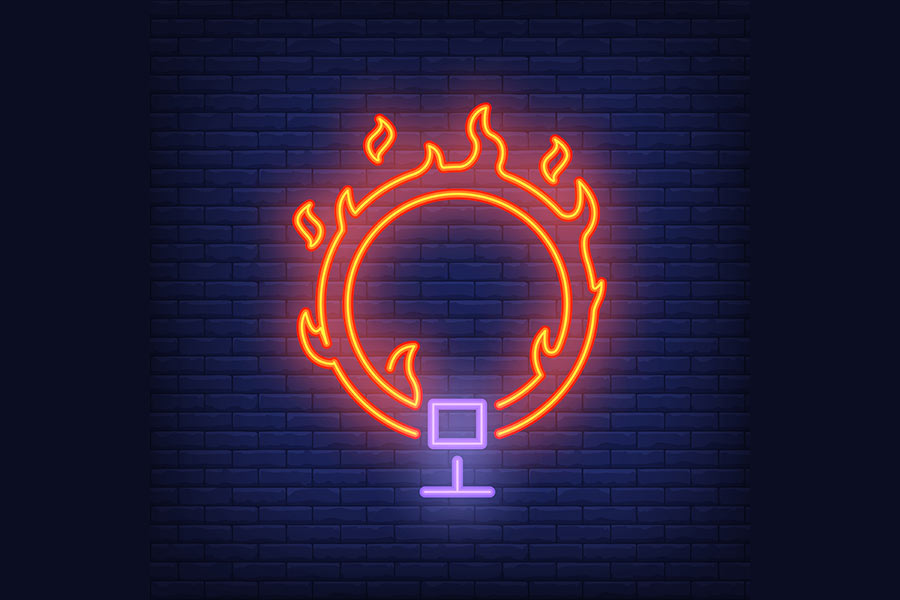
“There is talent all around us and you can’t just look at a small sliver of the population to tell everyone’s story,” director Amy Adrion told the Thomson Reuters Foundation

Adrion, who directed a timely documentary about the dearth of female directors in Hollywood, said the #MeToo scandal had stoked discussion about equality but the number of women behind the camera was yet to increase.

Women directed only 8 percent of the top 100 grossing films in the United States in 2017, according to the California-based Center for the Study of Women in Television and Film.

Employing more women at the top would have a knock-on effect on the rest of the industry, said Adrion, whose “Half the Picture” documentary has its European premiere at the festival.

“When women are hired as directors, they tend to hire more women in key crew positions,” she said.

SKATEBOARD TO SEX ABUSE

Crystal Moselle, director of “Skate Kitchen” – which tells the story of a female teenage skateboarding crew in New York – said more women should work as film critics, too.

“We need more diversity … at a different level to make the decisions of who is going to see these films,” she said.

Stories like hers featuring teenage girls talking about tampons might not interest older men so reviewers need to come from a wider pool, she said.

Hollywood was rocked last year by allegations of sexual misconduct against movie mogul Harvey Weinstein, in a scandal that has implicated other leading industry figures.

On Wednesday, Weinstein was indicted on charges of rape and a criminal sexual act in New York in the first case to emerge from a slew of sexual misconduct allegations against him.

His legal team said he would plead not guilty.

The Weinstein scandal has prompted women from all walks of life to share their experiences of sexual harassment and abuse in a global campaign under the hashtag #MeToo.

Jennifer Fox director of “The Tale”, a semi-autobiographical movie about child sexual abuse, had thought her story was “private and personal” then realised:

“Here I am, admitting in my 40s, that I belong to a larger world in which bad things happen to women, a lot of women.”

WOMEN AT THE TOP

Festival organisers said the #MeToo campaign had only amplified Sundance’s long-running support of women in film.

“We’ve been doing this for a long time, we have a legacy for showing many films by women and diverse voices,” said John Cooper, director of the Sundance Film festival.

Kate Kinninmont, who heads Women in Film & Television UK, which groups women working in the creative media, said the sector was changing, even if female directors remained an “endangered species”.

“Ultimately, fundamental change will only happen when there are more women making the decisions at the top of the industry. But I’m hopeful… Finally, when we speak people are listening.”

By Umberto Bacchi and Adela Suliman; editing by Lyndsay Griffiths.

If you like this, subscribe here for more stories that Inspire The Future.
Meet The Guy Creating Clean Diesel Fuel From Beans

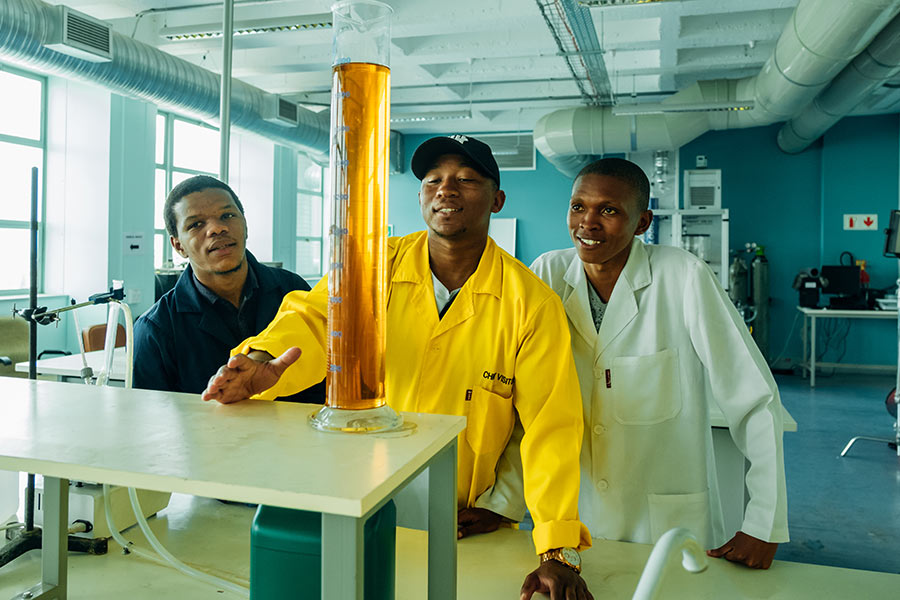
Positive environmental actions are celebrated on World Environment Day on June 5. But for South Africa’s Thabang Mabapa, who’s working on turning castor oil into a biodiesel, it’s a daily matter.

An agriculture and energy entrepreneur, Mabapa founded Selokong Sa Dimelana, an organization that focuses on the farming, processing and distribution of castor oil for biodiesel purposes in 2013.

If you like this, subscribe here for more stories that Inspire The Future.
Mabapa (pictured above, far right) identified a global issue and matched it with a local problem: A crude oil crisis with a lack of alternative fuels and rural brain drain. His solution was to develop idle land for castor oil farming by planting castor beans to reduce dependency on oil and create jobs. The beans yield a high oil content of 55% which, when converted to biodiesel, becomes biodegradable and produces significantly lower emissions than fossil fuels. To date, Mabapa has 12 employees and 68 volunteers and fancies himself an eco-entrepreneur.

As is the custom in rural Africa, he found a chief in Limpopo province who was prepared to give him some land, and he got growing. More than 60 local people have got involved as volunteers, tilling the land, planting bushes and harvesting the beans every three months.

Mabapa started out extracting the oils in his mother’s kitchen and is currently using lab facilities at the University of Wits in Johannesburg before working towards his own factory facilities.

“My dream is to do the farming and the processing in Limpopo so that people here can have that skillset,” he says. “I want us to grow, to supply the whole of Africa, and produce tons and tons of biodiesel.”

Mabapa uses marginal land to grow the castor plants, which does not take away from crop-bearing land and pose a threat to food security. The castor cake, a by-product of the biodiesel extraction process and a type of organic manure, is supplied to food producing farmers, ensuring that even waste is put to good use.

Despite the project being primarily in the agricultural sector, it plays a significant role in a number of other industries including energy, medicine and cosmetics – all sectors that rely on crude oil as a basis for manufacturing end-products.

Mabapa has left plenty of room for trial and error as he builds his business. While extracting energy from beans is an exact science, a business plan can sometimes be led by what you discover along the way. “When you’re interested in something and you grow a passion for it, you can’t control how you are going to learn,” he says.

If you like this, subscribe here for more stories that Inspire The Future.
0