The Future of Education: Personalization

PODCAST PEOPLE: A Summary from the Real Leaders Podcast

“The pandemic has really given us a sense of urgency because now all of our lines are blurred. You’re not either at work or at home. You’re not either a mother or a boss or a daughter. Many of us are everything at the same time, even because of such a practical thing as working from home.”

Sahra-Josephine Hjorth is CEO and Co-Founder of CanopyLAB,  an educational technology company that has built an AI-powered social learning platform for corporate training. Through personalization this platform enables all learners to realize their potential in a way that is fast, fun and future-proof. 

The following is a summary of Episode 183 of the Real Leaders Podcast, a conversation with CanopyLAB CEO and co-founder Sahra-Josephine Hjorth. Listen to the full conversation below.

AI and Education

Sahra explains that educational systems are hesitant to incorporate AI into the learning process. But the pandemic has made it apparent that AI could greatly benefit students and educators. When the entire world went online, this became an open invitation to change how we’re working, and to start learning in a smarter way. 

“Education has to learn that we are influenced by trends that transcend industry.”

While many are afraid to embrace AI in education for fear of it replacing teachers and limiting possibilities for feedback, Sahra emphasizes that its purpose is to supplement and in many ways enhance education. If aspects like quizzes (and even lectures) could be done online at home, the classroom could be reserved for a more interactive learning experience. This would afford more time for discussion and debate. 

Listen to Episode 183 on Spotify, Anchor, Crowdcast, and Apple Podcasts

The Future is Personalization 

Sahra describes how the future of learning will be the personalization of learning. We have all come to expect curation in our tastes for music and entertainment, so why not enable algorithms for education, too? 

“People are increasingly hacking their own education. Whether it’s just taking one class at a university in Denmark, one class at Yale, subscribing to a Youtube channel, people are curating it’s more learner-centered.” 

Sahra explains that with CanopyLAB, from the moment people log onto the platform, their goal is to get to know their students, why they’re there, and how they prefer to learn. The most difficult aspect of curation is thus not knowing what people know and don’t know, but rather knowing how they prefer to learn and what their competencies are. Curating the approach to each individual learner offers a more comprehensive learning experience, one Sahra predicts institutions will have to adopt in order to catch up.

“The big universities are resisting it, because this means the dismantling of their existing business model. But they won’t be able to do it much longer, especially because companies have said they no longer require you to have a bachelor’s degree to work there. For a long time we bought into the model because it was necessary for our career advancement. Soon it won’t be.”

Think Like a Quantum Leader and Turn Your Company into a Living Organization

PODCAST PEOPLE: A Summary from the Real Leaders Podcast

“The core binding energy is what people are calling purpose. And I don’t mean purpose statements I mean purpose stories. Energetic stories — myths, if you will. About why we exist, who we serve, and what we want to accomplish in serving them. How can we best connect with those we serve, understand their deepest needs, not just the surface needs, treat them as relationships, not as transactions?” 

Norman Wolfe is the founder of Quantum Leaders, Inc. and is viewed as an expert in the areas of leadership, strategy, change adoption, process improvement, organization design. He sees an organization through a different lens and uncovers new possibilities for growth.

The following is a summary of Episode 186 of the Real Leaders Podcast, a conversation with founder of Quantum Leaders, Norman Wolfe. Watch, read, or listen to the full conversation below.

Quantum Leadership

Quantum leaders, Norman explains, are leaders who can think about their organizations in a more robust and nuanced way. They see their organization as a collective of individuals coming to achieve a common purpose. Thus, their primary concern is with collective success, which they can nurture by operating from a place of service — serving clients, customers, and the collective itself. 

“A quantum leader is somebody who’s reached the stage where their focus is not about their success as a leader, but the collective success. And they’re willing to do whatever is necessary to facilitate that, and to get everybody lined up to having that same orientation.” 

Listen to Episode 186 on Spotify, Anchor, Crowdcast, and Apple Podcasts

Creating a Living Organization

Norman explains that an organization is just like a living being, which means change is like death — but with death also comes rebirth. He suggests that members of an organization should be allowed to mourn and move on from change in order to truly embrace it. This holistic view is what will keep an organization alive, and allow the community and culture within to thrive. 

He offers some key nutrients to create and nurture a living organization:

  • A sense of contribution that we’re making as a collective
  • Creating an environment where people feel they can grow and mature (that’s not only desirable, but expected).
  • Shifting our focus from what you can make to who you are as a human being. (How are you growing as a healthy cell in the organic nature of this collective?)
  • Profit — it gives us the resources that allow us to grow — the food that feeds the collective 

Think Like a Quantum Leader and Turn Your Company into a Living Organization

PODCAST PEOPLE: A Summary from the Real Leaders Podcast

“The core binding energy is what people are calling purpose. And I don’t mean purpose statements I mean purpose stories. Energetic stories — myths, if you will. About why we exist, who we serve, and what we want to accomplish in serving them. How can we best connect with those we serve, understand their deepest needs, not just the surface needs, treat them as relationships, not as transactions?” 

Norman Wolfe is the founder of Quantum Leaders, Inc. and is viewed as an expert in the areas of leadership, strategy, change adoption, process improvement, organization design. He sees an organization through a different lens and uncovers new possibilities for growth.

The following is a summary of Episode 186 of the Real Leaders Podcast, a conversation with founder of Quantum Leaders, Norman Wolfe. Watch, read, or listen to the full conversation below.

Quantum Leadership

Quantum leaders, Norman explains, are leaders who can think about their organizations in a more robust and nuanced way. They see their organization as a collective of individuals coming to achieve a common purpose. Thus, their primary concern is with collective success, which they can nurture by operating from a place of service — serving clients, customers, and the collective itself. 

“A quantum leader is somebody who’s reached the stage where their focus is not about their success as a leader, but the collective success. And they’re willing to do whatever is necessary to facilitate that, and to get everybody lined up to having that same orientation.” 

Listen to Episode 186 on Spotify, Anchor, Crowdcast, and Apple Podcasts

Creating a Living Organization

Norman explains that an organization is just like a living being, which means change is like death — but with death also comes rebirth. He suggests that members of an organization should be allowed to mourn and move on from change in order to truly embrace it. This holistic view is what will keep an organization alive, and allow the community and culture within to thrive. 

He offers some key nutrients to create and nurture a living organization:

  • A sense of contribution that we’re making as a collective
  • Creating an environment where people feel they can grow and mature (that’s not only desirable, but expected).
  • Shifting our focus from what you can make to who you are as a human being. (How are you growing as a healthy cell in the organic nature of this collective?)
  • Profit — it gives us the resources that allow us to grow — the food that feeds the collective 

The Artist Who Challenges City Mayors to be Water-wise

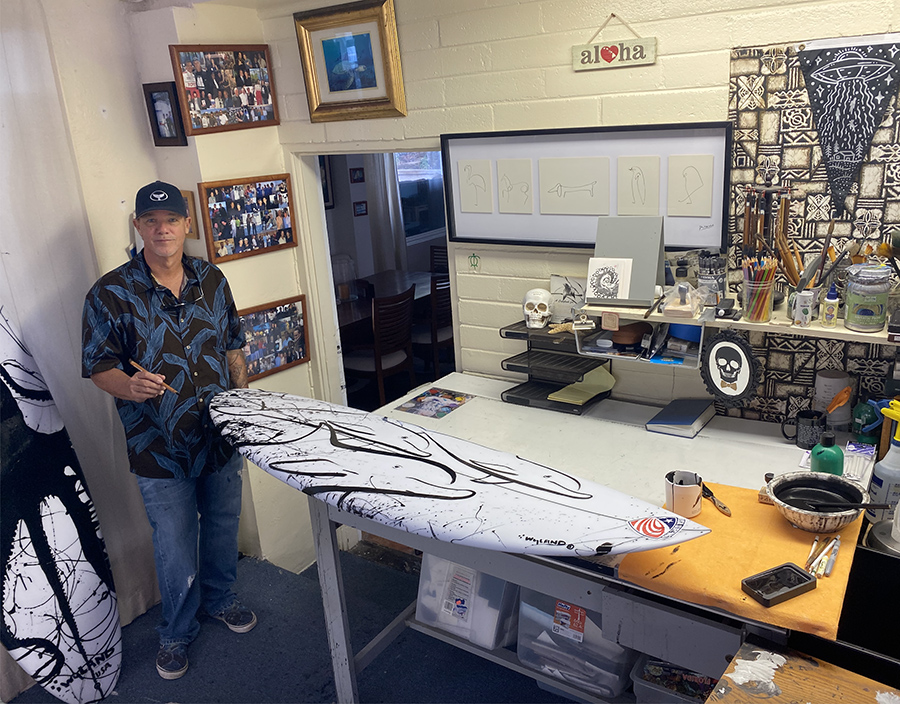
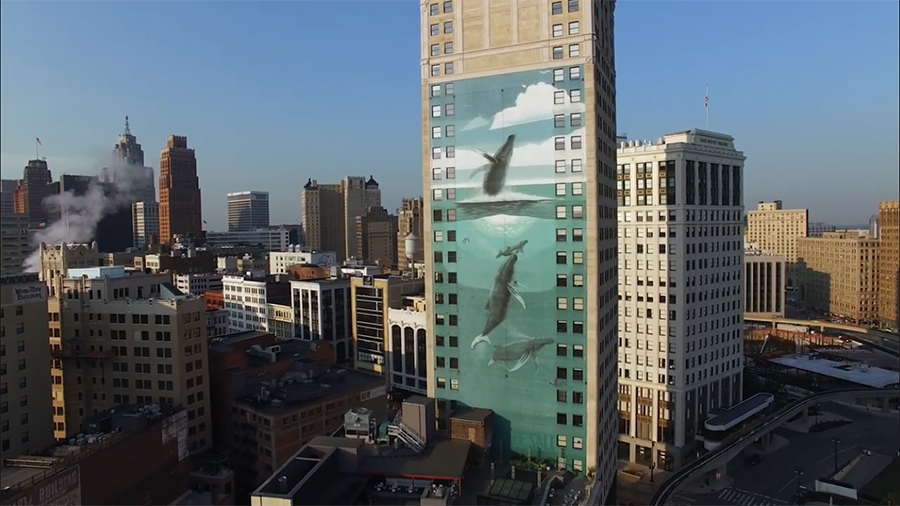
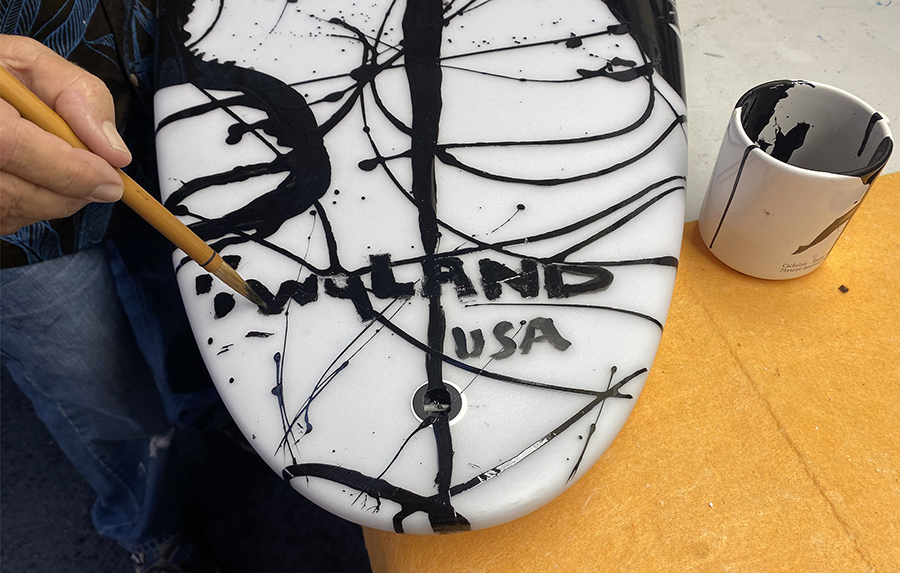
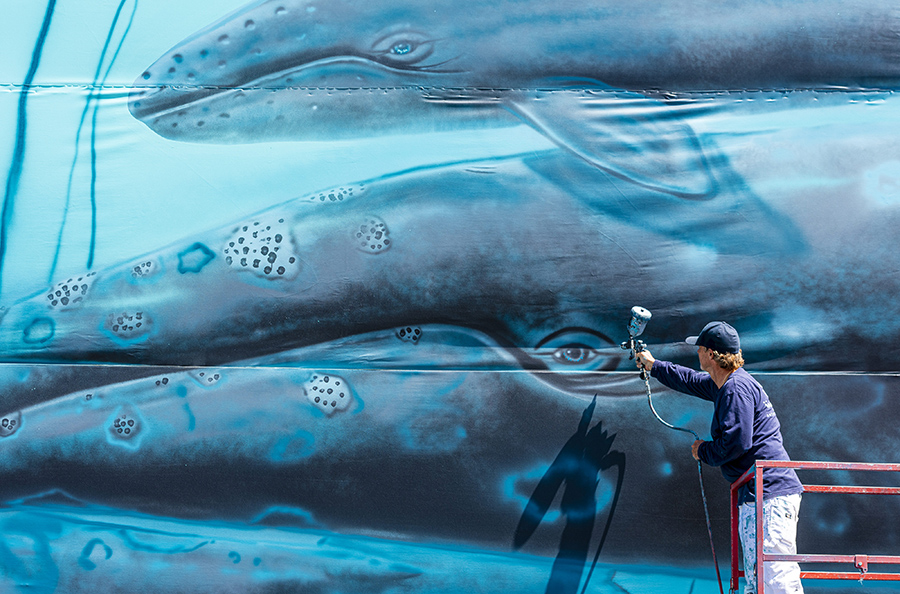
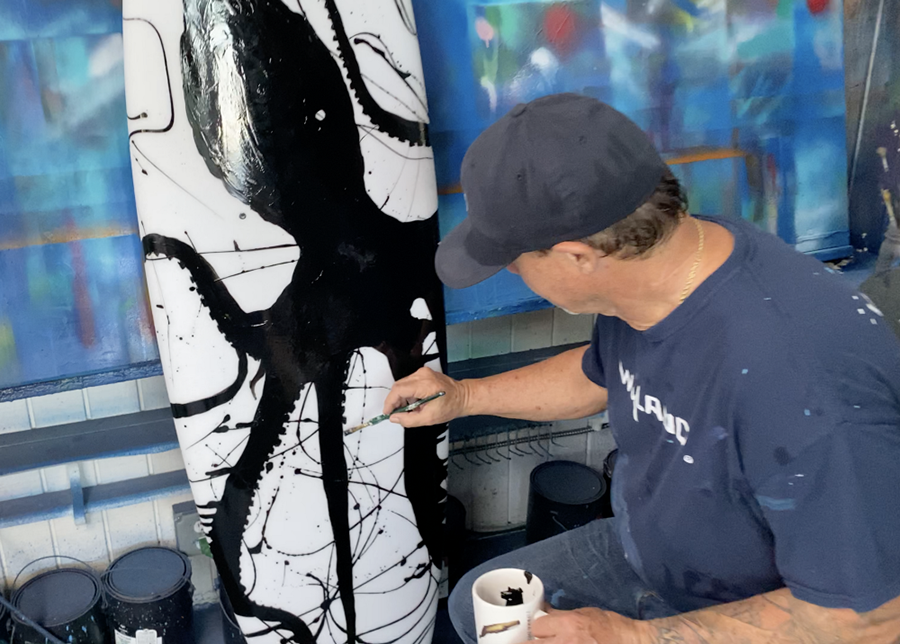
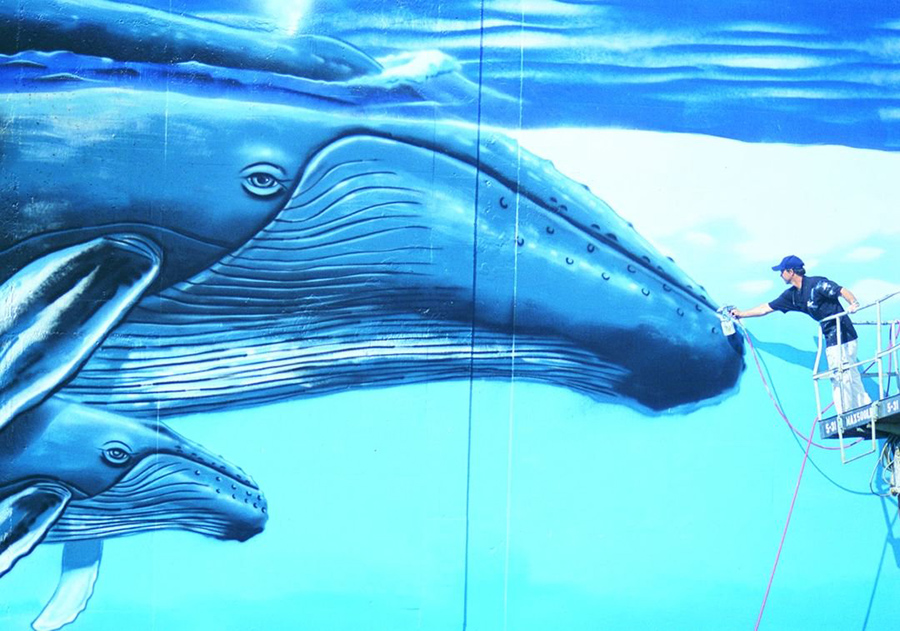
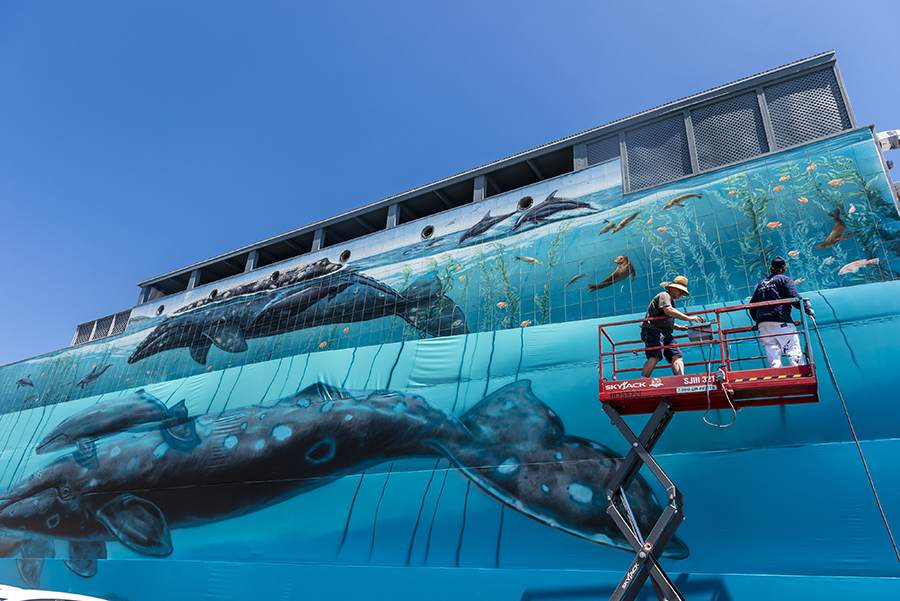
Internationally renowned marine life artist, Wyland, has painted a new building mural to celebrate Earth Month. The new piece will be added to Wyland’s repertoire of over 100 building murals around the globe.

In 1993 Wyland founded the Wyland Foundation — dedicated to promoting, protecting, and preserving the world’s ocean, waterways, and marine life and encourages environmental awareness through community events, education programs, and public art projects.

An innovative painter, sculpture, writer, photographer, philanthropist, and filmmaker, Wyland has captured the imagination of people everywhere by completing over 100 monumental marine life murals around the world from 1981-2008. The project, known as the Whaling Walls, remains one of the largest public arts projects to date and continues to be seen by an estimated one billion people each year.

To mark its 10th anniversary, the National Mayor’s Challenge for Water Conservation is calling on people across the U.S. to take small, daily actions to reduce water waste and promote the sustainability of our nation’s water ecosystems. The challenge, presented by the Wyland Foundation and Toyota, kicked off with a live mural painting at Tuttle Elementary in Sarasota, Florida.

The mayor’s challenge started ten years ago in Florida by a handful of mayors who contacted the Wyland Foundation to work together on positive ways to more creatively engage and inspire their residents about water issues. Participants in the winning cities are eligible to win hundreds of prizes and last year, the challenge awarded more than $50,000 in prizes to nearly 300 residents in U.S. cities.

“In the last ten years, we’ve seen climate change and shifting weather patterns affect the distribution of water, pollution impacting the quality of water, and fresh water sources that are being used at a quicker rate than they are bring refilled,” said Wyland Foundation President Steve Creech. “That’s why it’s so important to have programs like this where people can learn what they can do to help.”

Last year, mayors from 39 states encouraged residents to make over 300,000 pledges to promote drought resiliency, protect watersheds, and, ultimately, reduce stress on aging water infrastructure. Events planned for the 10th anniversary include a multi-city Florida tour of the Wyland Foundation’s clean water mobile learning center, a 1,000-square-foot science center on wheels devoted to teaching communities about current issues ranging from water pollution, biodiversity, algae blooms, water as a shared resource, and best practices to protect marine habitats. A new digital engagement tool will provide additional opportunities for people who participate in the challenge to turn their pledges into specific localized actions that can have a positive impact.

https://vimeo.com/521223350

The Artist Who Challenges City Mayors to be Water-wise

Internationally renowned marine life artist, Wyland, has painted a new building mural to celebrate Earth Month. The new piece will be added to Wyland’s repertoire of over 100 building murals around the globe.

In 1993 Wyland founded the Wyland Foundation — dedicated to promoting, protecting, and preserving the world’s ocean, waterways, and marine life and encourages environmental awareness through community events, education programs, and public art projects.

An innovative painter, sculpture, writer, photographer, philanthropist, and filmmaker, Wyland has captured the imagination of people everywhere by completing over 100 monumental marine life murals around the world from 1981-2008. The project, known as the Whaling Walls, remains one of the largest public arts projects to date and continues to be seen by an estimated one billion people each year.

To mark its 10th anniversary, the National Mayor’s Challenge for Water Conservation is calling on people across the U.S. to take small, daily actions to reduce water waste and promote the sustainability of our nation’s water ecosystems. The challenge, presented by the Wyland Foundation and Toyota, kicked off with a live mural painting at Tuttle Elementary in Sarasota, Florida.

The mayor’s challenge started ten years ago in Florida by a handful of mayors who contacted the Wyland Foundation to work together on positive ways to more creatively engage and inspire their residents about water issues. Participants in the winning cities are eligible to win hundreds of prizes and last year, the challenge awarded more than $50,000 in prizes to nearly 300 residents in U.S. cities.

“In the last ten years, we’ve seen climate change and shifting weather patterns affect the distribution of water, pollution impacting the quality of water, and fresh water sources that are being used at a quicker rate than they are bring refilled,” said Wyland Foundation President Steve Creech. “That’s why it’s so important to have programs like this where people can learn what they can do to help.”

Last year, mayors from 39 states encouraged residents to make over 300,000 pledges to promote drought resiliency, protect watersheds, and, ultimately, reduce stress on aging water infrastructure. Events planned for the 10th anniversary include a multi-city Florida tour of the Wyland Foundation’s clean water mobile learning center, a 1,000-square-foot science center on wheels devoted to teaching communities about current issues ranging from water pollution, biodiversity, algae blooms, water as a shared resource, and best practices to protect marine habitats. A new digital engagement tool will provide additional opportunities for people who participate in the challenge to turn their pledges into specific localized actions that can have a positive impact.

https://vimeo.com/521223350

Your Application Has Been Received!

Thank you for applying to the 2022 Real Leaders Impact Awards!

The final step to complete your application is to verify your revenues. Please have your CPA submit the Revenue Verification Form by September 30, 2021. All financial information collected will be used for internal awards evaluation only. 

Upon submitting the form, we require that your CPA immediately forward their confirmation email to awards@old.real-leaders.com so we can verify their identity.

All financial information is confidential and is not published, shared or sold to anyone.

Do you know a company that should be considered for the Real Leaders impact Awards list? Nominate them here!

Please contact us at awards@old.real-leaders.com if you have any questions.

In partnership,

The Real Leaders Team

Your Application Has Been Received!

Thank you for applying to the 2022 Real Leaders Impact Awards!

The final step to complete your application is to verify your revenues. Please have your CPA submit the Revenue Verification Form by September 30, 2021. All financial information collected will be used for internal awards evaluation only. 

Upon submitting the form, we require that your CPA immediately forward their confirmation email to awards@old.real-leaders.com so we can verify their identity.

All financial information is confidential and is not published, shared or sold to anyone.

Do you know a company that should be considered for the Real Leaders impact Awards list? Nominate them here!

Please contact us at awards@old.real-leaders.com if you have any questions.

In partnership,

The Real Leaders Team

Peace Is More Than an Absence of Conflict

Landmines are among the most insidious and cruel weapons because they do not distinguish between armed soldiers, civilians, or even children. According to the Landmine Monitor 2020, explosive devices hidden in the ground killed or injured at least 5,554 people worldwide last year alone — that’s an average of 15 deaths and serious injuries per day.

With her International Campaign to Ban Landmines (ICBL), Professor Jody Williams (above, third from right) has been advocating a ban on landmines for almost 30 years. Together with her campaign for banning landmines, she received the Nobel Peace Prize in 1997 for her commitment.

Professor Williams, thank you for taking the time for this interview with the Faces of Peace initiative. First of all, we would like to ask you: What does “peace” mean for you?

Peace is not simply the absence of armed conflict. That is the baseline on which sustainable peace can be built. For me, sustainable peace is peace built on human security, not national security. We do not need more “modernized” nuclear weapons. We do not need fully autonomous weapons that, on their own, can target and kill human beings. We need to use our resources so that people’s needs are met, not the needs of arms producers. People should live dignified lives, with equal access to education, health care, housing, etc. We need to focus on human security for sustainable peace, not national security, to protect the state’s infrastructure. Peace and security should be people-centered!

On 3 December 1997, 122 states signed the treaty for the banning of landmines. You and your campaign received the Nobel Peace Prize for this. How did you, as an American, come on the topic of landmines?

I was asked by two organizations – the Vietnam Veterans of America Foundation and a German humanitarian relief organization, “Medico International” – if I thought I could create an international coalition of non-governmental organizations to pressure governments to ban antipersonnel landmines. It was a fantastic challenge that sparked my interest, so I accepted that challenge, and the International Campaign to Ban Landmines was born. Today, some 164 nations are part of the Mine Ban Treaty.

Speaking of the Landmine Monitor 2020: With 5,554 dead, the global death toll remains high 23 years after the ban on landmines. Is this a sobering figure? What else can the international community do?

It is a very sobering question and demonstrates how long it takes to clean up the mess of the chaos caused by war and violence. The international community must maintain its focus on supporting countries still plagued with landmines and working on mine clearance.

The danger of landmines – especially improvised explosive devices – still exists. And the world has not become more peaceful anyway. What are the biggest threats to peace in 2021?

To my mind, the global obsession with weapons and violence while at the same time painting people who believe that peace is possible as intellectual “light weights” who don’t understand the harsh reality of the world are the two sides of the double-edged sword that keeps the world believing that only more weapons will keep us safe. The biggest threats are the “modernization” of nuclear weapons and the new “revolution” of weapons – killer robots. The weapons are fully autonomous and can target and kill human beings on their own. A devastating “marriage” of artificial intelligence and weapons of war!

Bombs do not kill ideology: Just in office, U.S. President Joe Biden ordered an airstrike in Syria – and another was called off at the last minute. What are your thoughts about that?

As you point out, bombs cannot kill an ideology. In fact, bombing and other acts of violence can strengthen ideological conviction and make recruiting new people easier. I did not support Obama’s extensive use of drone warfare either.

And speaking of Joe Biden: The U.S. has so far not signed the Ottawa Convention. What do you think the chances are of this happening during Joe Biden’s presidency? Does the world need U.S. leadership?

I cannot predict what Biden will do regarding the Mine Ban Treaty. But he will likely roll back Trump’s policy and align his administration’s policy with that of the Obama administration, which brought the U.S. very close to compliance with the treaty even if it was not signed.

Professor Williams, you are also chair of the Nobel Women’s Initiative. What exactly does this initiative do, and how can one support your important work?

The Nobel Women’s Initiative was launched in 2006. It brings together five women recipients of the Nobel Peace Prize. They use our influence and access to shine a spotlight on grassroots women’s organizations in conflict areas worldwide, working for sustainable peace with justice and equality.

This interview courtesy of the Faces of Peace Initiative

Peace Is More Than an Absence of Conflict

Landmines are among the most insidious and cruel weapons because they do not distinguish between armed soldiers, civilians, or even children. According to the Landmine Monitor 2020, explosive devices hidden in the ground killed or injured at least 5,554 people worldwide last year alone — that’s an average of 15 deaths and serious injuries per day.

With her International Campaign to Ban Landmines (ICBL), Professor Jody Williams (above, third from right) has been advocating a ban on landmines for almost 30 years. Together with her campaign for banning landmines, she received the Nobel Peace Prize in 1997 for her commitment.

Professor Williams, thank you for taking the time for this interview with the Faces of Peace initiative. First of all, we would like to ask you: What does “peace” mean for you?

Peace is not simply the absence of armed conflict. That is the baseline on which sustainable peace can be built. For me, sustainable peace is peace built on human security, not national security. We do not need more “modernized” nuclear weapons. We do not need fully autonomous weapons that, on their own, can target and kill human beings. We need to use our resources so that people’s needs are met, not the needs of arms producers. People should live dignified lives, with equal access to education, health care, housing, etc. We need to focus on human security for sustainable peace, not national security, to protect the state’s infrastructure. Peace and security should be people-centered!

On 3 December 1997, 122 states signed the treaty for the banning of landmines. You and your campaign received the Nobel Peace Prize for this. How did you, as an American, come on the topic of landmines?

I was asked by two organizations – the Vietnam Veterans of America Foundation and a German humanitarian relief organization, “Medico International” – if I thought I could create an international coalition of non-governmental organizations to pressure governments to ban antipersonnel landmines. It was a fantastic challenge that sparked my interest, so I accepted that challenge, and the International Campaign to Ban Landmines was born. Today, some 164 nations are part of the Mine Ban Treaty.

Speaking of the Landmine Monitor 2020: With 5,554 dead, the global death toll remains high 23 years after the ban on landmines. Is this a sobering figure? What else can the international community do?

It is a very sobering question and demonstrates how long it takes to clean up the mess of the chaos caused by war and violence. The international community must maintain its focus on supporting countries still plagued with landmines and working on mine clearance.

The danger of landmines – especially improvised explosive devices – still exists. And the world has not become more peaceful anyway. What are the biggest threats to peace in 2021?

To my mind, the global obsession with weapons and violence while at the same time painting people who believe that peace is possible as intellectual “light weights” who don’t understand the harsh reality of the world are the two sides of the double-edged sword that keeps the world believing that only more weapons will keep us safe. The biggest threats are the “modernization” of nuclear weapons and the new “revolution” of weapons – killer robots. The weapons are fully autonomous and can target and kill human beings on their own. A devastating “marriage” of artificial intelligence and weapons of war!

Bombs do not kill ideology: Just in office, U.S. President Joe Biden ordered an airstrike in Syria – and another was called off at the last minute. What are your thoughts about that?

As you point out, bombs cannot kill an ideology. In fact, bombing and other acts of violence can strengthen ideological conviction and make recruiting new people easier. I did not support Obama’s extensive use of drone warfare either.

And speaking of Joe Biden: The U.S. has so far not signed the Ottawa Convention. What do you think the chances are of this happening during Joe Biden’s presidency? Does the world need U.S. leadership?

I cannot predict what Biden will do regarding the Mine Ban Treaty. But he will likely roll back Trump’s policy and align his administration’s policy with that of the Obama administration, which brought the U.S. very close to compliance with the treaty even if it was not signed.

Professor Williams, you are also chair of the Nobel Women’s Initiative. What exactly does this initiative do, and how can one support your important work?

The Nobel Women’s Initiative was launched in 2006. It brings together five women recipients of the Nobel Peace Prize. They use our influence and access to shine a spotlight on grassroots women’s organizations in conflict areas worldwide, working for sustainable peace with justice and equality.

This interview courtesy of the Faces of Peace Initiative

Consumers Want to Buy Eco-Friendly Products, but Don’t Know How to Identify Them

Americans are seeking out and are willing to pay a premium for environmentally friendly products, according to a new study from GreenPrint, an environmental technology company.

The first-ever edition of the company’s Business of Sustainability Index found that nearly two-thirds (64%) of Americans are willing to pay more for sustainable products, but most (74%) don’t know how to identify them. According to the findings, 78% of people are more likely to purchase a product that is clearly labeled as environmentally friendly.

The study also found a large degree of mistrust about companies’ environmental claims. Many people have doubts when companies say they are environmentally friendly, with 53% of Americans never or only sometimes believing such claims. To trust a company statement, 45% of Americans say they need a third-party validating source.

“Businesses are in a bind. Broadcasting sustainability would capture an untapped consumer base but also sow distrust,” said Pete Davis, CEO, and Co-Founder of GreenPrint. “We’d suggest they follow the data. Third-party validation helps certify progress in consumers’ eyes, and the process of carbon offsetting – which is easy to measure and communicate – helps create tangible benchmarks. Both are good tools for building trust. It’s about exploring your trustworthy methods of communication, then selecting one that aligns with your objectives.”

Other key findings of GreenPrint’s Business of Sustainability Index include:

  • 75% of Millennials are willing to pay more for an environmentally sustainable product, compared to 63% of Gen Z, 64% of Gen X, and 57% of Boomers.
  • 77% of Americans are concerned about the environmental impact of products they buy.
  • More than half (56%) of Americans would use a credit card that could calculate and offset the environmental footprint of products purchased.
  • There’s a noticeable break between generations, with 71% and 66% of Millennials and Gen Z willing to do so, compared to only 50% Gen X, 46% of Boomers, and 39% Silent Generation.
  • 76% of Americans would switch their preferred packaged goods brand if they were offsetting carbon emissions. 74% would switch gasoline brands in the same situation.
  • Comparing sectors, 78% of respondents said food/groceries are doing well in demonstrating their commitment to environmental friendliness. Tech is close behind at 74%, while gas stations and convenience stores rank lower at 51% and 54%, respectively.

This index and its future editions will track sentiment around sustainability in the economy – how climate consciousness impacts consumer preference and perceptions of companies and their products and the overall effectiveness of the sustainability benchmarking ecosystem across various sectors and demographics.

Davis said of the survey: “Companies must build trust and loyalty by clearly demonstrating that they share environmental goals with their customers. Defending and preserving our planet is not only the right thing to do, it’s good business. Companies that can navigate the business of sustainability will be best positioned for future success.”

www.greenprint.eco

0