Meet the Minister of Happiness (Yes, he really exists)


When Ecuadorian President Rafael Correa announced the creation of a new government ministry in June 2013, to be called the Ministry of Happiness, there were coughs of restrained mirth and some checked their calendars to see if it was April first.

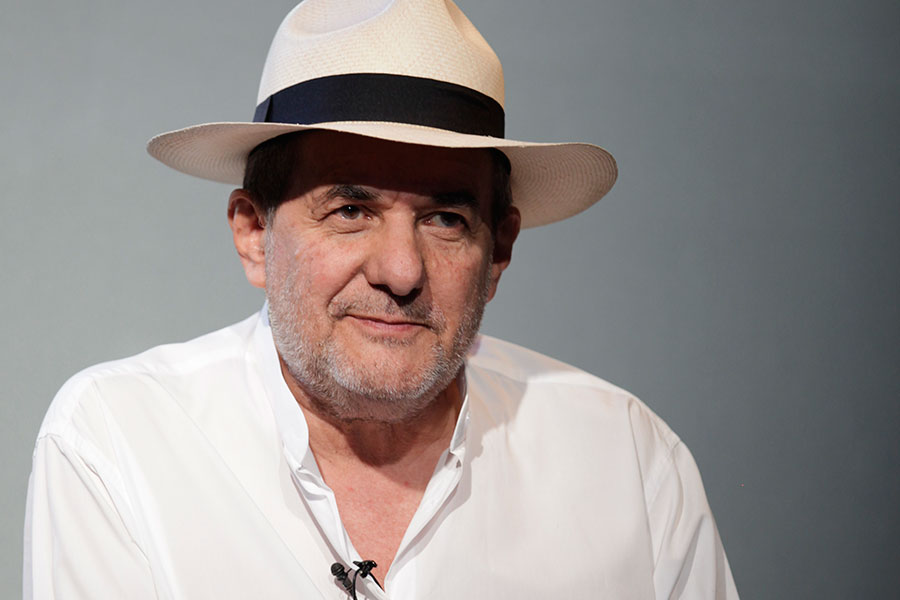
The Secretaria del Buen Vivir, loosely translated as “good living,” “wellbeing” or “happiness” is the smallest government department of Ecuador, with a staff of 27 and a budget of $2 million for the current financial year. The man leading the ministry is Freddy Ehlers (pictured above), a former journalist and television producer who has a strong leaning towards social causes and the protection of nature. In 1996 he ran for president, representing the independent party Nuevo Pais Party; that pushed for anticorruption legislation and environmental change. He finished third, garnering 20 percent of the vote, but despite not becoming president, he’s probably happier today, and having more fun. Most global leaders have to deal with regular economic meltdowns, global terror threats and the ruthless jostling for position that politics brings.

His official photograph has him wearing an open shirt and Panama hat. If you sidled up alongside him at a beach bar and began an idle conversation you’d be non-the-wiser that he works directly with the president on matters of national importance.

The ministry is a mixture of think tank, incubator and promotion agency and Ehlers has used his experience in producing environmental documentaries to create awareness around how vital conservation is to the wellbeing of all of us.

“It will require the equivalent of four planet earths for all seven billion of us to become middle class,” says Ehlers. “We obviously don’t have this option.” Ecuador has become the first country to have the rights of nature built into the constitution. “Protecting our rivers, animals and forests is a great way for human beings to show that we are actually the most intelligent species on the planet,” he says.

Ehlers considers much tourism to be unconsciously destroying nature and the social fabric of society through drugs, prostitution and unsustainable practices. His observations are not based on some moral high-ground either, but more to the fact that he also served as Minister of Tourism for a while. Harmony forms part of the idea of Buen Vivir and Ehlers has a vision on how to tackle the greatest crisis humans have faced in history – create more happiness.

“We face a crisis of the environment, society, politics, the economy, ethics and spirituality,” he explains. “Happiness is more important than aspirational living and collecting assets. It’s not possible to achieve if you don’t change inside first.”

Ehlers cites the growing trend in yoga as evidence that mindsets are shifting towards a greater mindfulness. He’s introduced Zen meditation (a moment of silence) in schools. “Imagine if everyone started their day with meditation? It would create the biggest revolution for good in history. Becoming mindful of the beauty of the universe can do this,” he says.

His job is not without detractors. The president is regularly asked by other ministers why he spends so much time with the Ministry of Happiness, when there are more pressing issues to attend to. Yet, in an unusual way, Ehlers is actually suggestion ideas that could become the starting point for serious reform and legislation. He believes that ideas that seem crazy at first, can eventually have their day. 

“The King of Bhutan proposed a GDP of happiness as a measure of wealth 40 years ago,” says Ehlers. “He was laughed at then, but look how important the idea has become today. We’re moving into an era where the idea of wealth and success is being redefined. After World War 2 progress meant more money, arms and security, and growth was equated with development.” He wants Ecuador to become a constitutional and legal example to other world governments that shows other solutions are possible. “We are living in the most beautiful and dangerous moment of our existence,” says Ehlers. “We need to challenge the model that has led to compulsive consumption and the degradation of the ecosystem.”

There are signs that consumption is changing, spurred on by technology. Uber has created a steamlined transport solution, Airbnb allows tourists to stay with ordinary people in their homes; solutions are increasingly appearing that offer more resourceful, less wasteful solutions.

“Great leaders are found inside us, not outside us,” says Ehlers. “Even the Pope has come out strongly in favor of social issues and the environment. He’s an ethical leader, alongside the likes of Nelson Mandela and Ghandi. Happiness doesn’t need to have any religious affiliation. Spirituality is not something exclusive to religion.”

The Greenest City in the World Can Be Found in Las Vegas

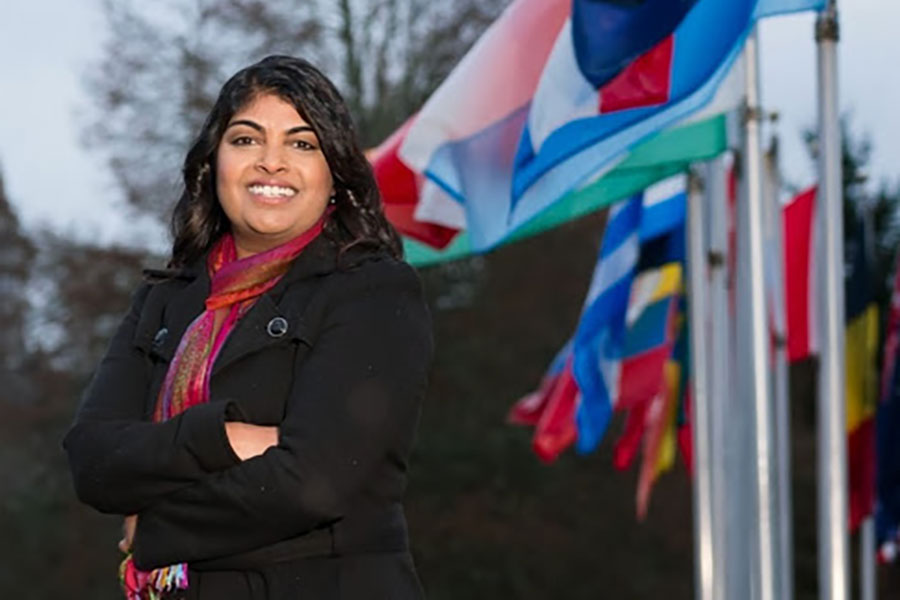
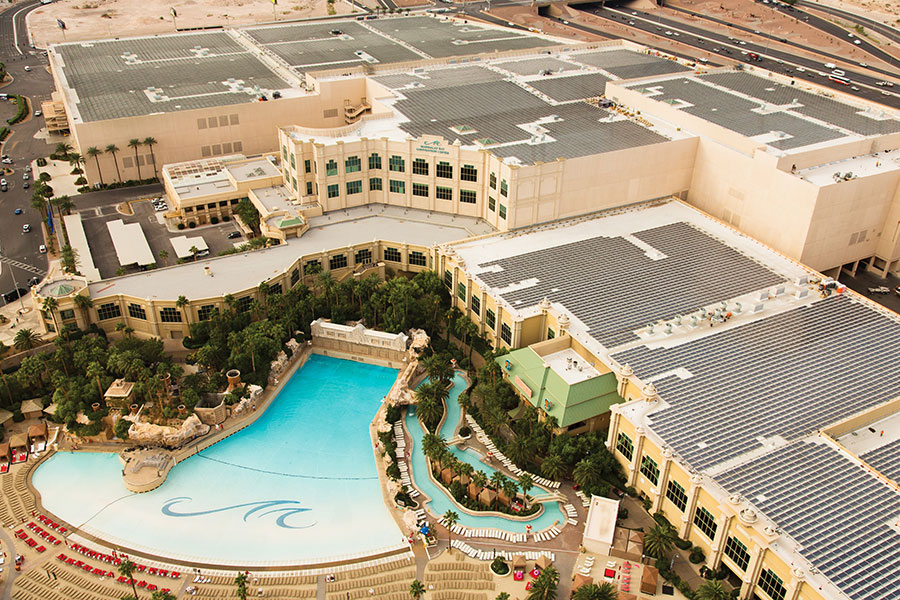
In the middle of a construction site, amongst the dust and noise that is more suited to a burly construction worker, stands a woman in a neatly pressed business suit wearing a hard hat. It’s Cindy Ortega (pictured above), senior vice president for corporate sustainability at MGM Resorts International. She’s surveying what is now the largest privately funded construction project in the history of the United States, a 16,800-square-foot area of Las Vegas known as CityCenter. The $9.2 billion project has seen a new city of seven buildings rise from the desert floor to become the most LEED (Leadership in Energy and Environmental Design) Gold certified construction projects in the world.

While newly constructed cities around the world face a challenge of how to integrate sustainability into long-term planning, along with the constraint of government red tape, it has taken a private company to demonstrate how its done.

“We feel that part of our responsibility is to spread the word about environmental responsibility,” says Ortega. “CityCenter proved that you can build luxury responsibly on a large scale.”

The large scale Ortega mentions is staggering. More than 41,000 hotel rooms and suites are associated with MGM Resorts’ ten major resorts on the Las Vegas Strip. A dedicated 8.5-megawatt natural-gas power plant was built to power CityCenter, reducing emissions and deploying waste heat to swimming pools throughout the development. 52,000 MGM Resorts employees live in Las Vegas, spreading the MGM Resorts’ influence way beyond its borders and you could build four Eiffel Towers with the amount of steel used in one section of CityCenter alone. Of course, being Vegas, they already have a replica Eiffel Tower.

Built primarily to take advantage of the 40 million visitors to Las Vegas every year, Ortega had no idea of the global attention CityCenter would attract. “Five years on, I would never have guessed I’d be invited by countries around the world to share ideas around CityCenter and advise major metropolitans on environmental sustainability,” she says.

It’s made Ortega realize that if you include stakeholders, vendors and suppliers in the greening of your environmental footprint, you will create the added value of seeing your values spread beyond the construction site – into supply chains and communities.

Business is one of the key factors in changing the future,” says Ortega. “In 2007 we were all a little sceptical about the implications for a business ‘going green.’ Most businesses were pretty conservative in this area, so I began to research how we could achieve something remarkable.”

What Ortega came up with was a formula that looked crazy at the time. She approached CityCenter president, Bobby Baldwin, with her report and asked if this was something he really wanted to do. His reply was, “Cindy, if we don’t do something now our environmental footprint is going to step on our children.”

Got solar? MGM Resorts has installed one of the nation’s largest rooftop solar arrays.

Got solar? MGM Resorts has installed one of the nation’s largest rooftop solar arrays.


It’s a company-wide attitude that keeps surprising Ortega in pleasant ways. Recently, she approached company chairman James Murren with some cutting-edge technology she wanted to introduce as part of the sustainability program at CityCenter. “I thought he was going to postpone it for sure,” she says. “But he gave me more budget. He’s genuinely committed to us being a better steward of the environment.”

Before heading up MGMs sustainability drive, Ortega’s previous job was in finance. While monetary management might seem unrelated to the environment, Ortega is convinced that it’s actually the best way to approach sustainability.

“What I’ve learned from the MGM project is that the business of sustainability is successful only when it’s an effective business practice,” she says.

This effective business practice was put to the test in 2008 when the economic downturn hit Vegas hard. MGMs stock went from around $100 to just under $2 over a three-month period. The company went into survival mode and reviewed costs across the board. Ortega’s environmental plans turned out to be a benefit rather than a liability. “If MGM had viewed my ideas as ‘nice to have,’ I would have been first on the chopping block,” she says. Her ideas and policies turned out to be a good investment. Many other companies fail to see that ‘going green’ can also read ‘money saved. 

When Ortega first introduced her green ideas into Las Vegas, it was done quietly, behind the scenes. A city known for its escapist hedonism didn’t want to be prescribed rules or to have patrons ‘guilted’ into behaviour change. Today, she’s beginning to see a very different mindset. “Increasingly, guests are finding it unacceptable when a business doesn’t show a commitment to the environment,” she explains. Large, sophisticated corporations, that make up 25 percent of MGM’s room revenue, now demand a more environmentally aware service and are less compromising with whom they do business.

“It comes down to getting buy-in from your suppliers and from effective team work within your company,” says Ortega. “Sustainability does not happen in isolation. When a company positions itself as a leader in a particular field, it has to behave in a way that is harder than usual. Ultimately, people will become better at what they do if they work for a company that demonstrates good leadership.”


How CityCenter Puts Sustainability To Work

  • To build an energy and water-efficient resort in the middle of the desert, MGM looked carefully at the location of buildings, what direction the windows were facing and the type and size of trees to be planted.
  • Choosing water-wise fixtures helped conserve 33% of water and $40 million worth of sustainable, ethically-sourced wood was chosen, despite the increased cost.
  • Three different types of cooling systems are used, to work most effectively with the different styles of construction. Instead of traditional ceiling vents, in buildings with high ceilings, cooled air comes from under the floor or from cold water pipes underfoot. Air contaminants are pushed upwards, away from guests.
  • Faced with an 8 percent recycling rate and 300,000 tons of waste, CityCenter capitalised a small, local recycling company with a $2 million loan. They built a facility, bought trucks and paid the loan back through their services. Las Vegas now has a construction-recycling infrastructure.
  • MGM encourage large companies to work with small, minority and women-owned businesses. In the first phase of CityCenter, an experienced company with no minority or female shareholders was required to work with a smaller, qualifying company that built the framework for a skyscraper to the 4th floor, with the larger company completing the job to the 55th floor.

Why It’s Time to Show Women the Money!


The biggest problem I have coaching CEOs and senior executives is getting them to see the world as it is rather than how they want it to be.  This is virtually always true. It is the curse of power.

When people are used to getting their own way it is easy to be seduced by the illusion that your view of reality is correct. (Donald Trump continues to be a perfect and pathetic example of this.)  The deeper truth is that we are all psychologically wired to selectively pay attention to facts, data and trends that justify our opinions, prejudices and decisions.

But this just doesn’t work in the crazy, interconnected world of today.  That’s because the future is like the weather. It’s impossible to predict with certainty.  Have you ever wondered why weather forecasting seems so sloppy?  It is because mathematicians tell us there are simply too many interactive causes that affect weather outcomes.

The same is true for the rest of our lives. The interactive effects of technology, media, markets, finance and global politics are all connected in new ways no one really understands.

Tomorrows’ success formula is uncertain and predicting the future is impossible. All this uncertainty has made sustained successful leadership really hard. And the way most leaders deal with things they can’t control is to hunker down on the things they do control.

What I find is that when business leaders run out of big ideas Wall Street and Boards of Directors force executives to continually focus on reducing costs and driving efficiency. Today most large companies don’t grow at all organically.  That is, the core business doesn’t grow because leaders have created a culture that is allergic to risk.  So what they do instead is acquire promising startups to temporarily juice their own stock and then drive off all the new entrepreneurs because their risk-averse cultures cut off all the creative oxygen.

The problem of course, is that most leaders are promoted to senior positions because they’re expert at hard power strategies. They continually stretch ‘stretch goals’ and reduce headcount to get more profit out of stale revenue. Leaders who do this achieve a veneer of success but then leave their position for another company before they’re hollowing out of innovative talent comes back to bite them.  Want an example? Mark Hurd is now wrecking Oracle after he turned Hewlett-Packard into the world’s most boring technology company by thoroughly destroying its innovative culture. The current list of leaders who fail to innovate is frighteningly long.

As I’ve written before, solving this problem will never come from the business establishment. Business schools who churn out copycat MBAs, self-serving Wall Street demands, and incredibly low leadership standards combined with massive CEO pay packages for playing this game all conspire to accelerate a downward spiral called “whole system failure.”

If I sound upset, I am. I’m working closely with a group of mid-level women leaders whose once magnificent company is transforming itself into a Wall Street puppet right before my eyes.  I’ve seen this happen over and over again in the last 15 years.

The best solution, and maybe the only solution, is for business leaders who really want to create value-unique value-value that will change the world and enhance our quality of life is to start new enterprises financed outside of the traditional venture capital and Wall Street circus.

I believe the only way out of our downward spiral is to fund entrepreneurs and companies who are serious about two things. Positive Innovation and Agile Execution.

Positive Innovation creates growth. Agile Execution creates profits.Entrepreneurs who are the best at thinking of great innovations and achieving great results are SMART Power thinkers.

Thomas Malone’s Center for Collective Intelligence at MIT has 156 experiments that convincingly prove that social intelligence, and a 100% percent work-team inclusion in innovation and execution yield the highest degree of success.  Everyone’s voice is heard. Interactive effects are vetted. Value is created, problems are solved and results are successful when divergent thinking is synthesized. That’s how to get the best possible ideas implemented.

What Malone has discovered is that the more women there are on these successful innovation-plus-execution teams the more successful they are. 

The reasons are not hard to understand.  The July issue of Fortune magazine features an article by Geoff Colvin presenting research that in the future, most analytical and technical jobs will be done by robots and intelligent software. The most important human jobs will revolve around social intelligence.  Colvin claims that people whose brains are wired to process complexity, juggle priorities and remain empathically innovative are far better suited to deal with today’s fast-moving challenges than leaders with Reagan-era skills. While there are many men who also possess thinking versatility, he points out that this group of high-functioning skills are primarily attributes of women.  And yet women’s contributions are systematically marginalized in most of today’s old-school organizations. Hard power always drives out soft power.

That’s why I am so on fire to draw attention to FundAthena.org and their campaign to end the gross opportunity disparity between male-led and female-led businesses.

Women-led businesses only get 2.7% of the billions of venture-capital invested each year.  This is in spite of the fact that according to Dow Jones research of over 20,000 startups, new companies with five or more women in senior positions are twice as likely to be successful than startups led by men only.

The reasons are simple.  According to research by  psychologist Daniel Golemen, women are far more likely to alter their strategic business plans in order to be successful because they have more thinking agility  and are less ego invested in “being right.” They’re also more likely to come up with products, pricing and messaging that is more aligned with customer desires than many aggressive males who invest their energy in trying to “convince” customers to buy whatever they’re selling.

Yet, all the best ideas in the world won’t help innovative women can’t get access to capital.

That’s why a women entrepreneur, Kim Folsum has co-founded an entirely new funding source for women who’ve established small growing businesses that want to grow, compete and dominate on a larger scale. She has recently launched an entirely new money raising model that enables people to invest in women-led businesses.  This isn’t like Kickstarter or other crowd funding sites where you donate money.  At Fund Athena you actually invest in companies you choose with the expectation of a real financial return. In an effort to free up more sources of big investment dollars Kim is doing a personal “March on Washington” to bring attention to the outrageous disparity that women face in trying to access capital. What Kim wants from you is your signature on a petition and if you choose, a little support.

For me it’s obvious this has to happen. I have a front row seat at the gutting-out of positive innovation and committed talent in our most important global companies. What’s happening now is so completely off-base that most of our next-generation workforce are already disengaged and looking to build their lives apart from the companies their parents have built.  We need to build a new economy…an economy built on businesses that are up to something greater than making money.  We need leaders who look at the problems our society faces, our environment faces, and our world faces as the greatest economic opportunity in history. We need leaders who are energized by a vision of sustainable abundance. We need leaders who won’t give up on their dreams and won’t give in to the self interested money-changers that currently control both our nation’s capital and our financial capital. 

This is a movement. We need more women in leadership. And we need male leaders who are wise enough to listen to women so that we can co-create a future better than anyone can imagine. We have a choice.

NOTE: If you are a woman leader who wants to have more impact, more work-life harmony and satisfaction then please sign up for information regarding our all-women Leadership SPA (SMART Power Academy) being held December 2-4, 2015 in San Diego.

Why It’s Time to Show Women the Money!


The biggest problem I have coaching CEOs and senior executives is getting them to see the world as it is rather than how they want it to be.  This is virtually always true. It is the curse of power.

When people are used to getting their own way it is easy to be seduced by the illusion that your view of reality is correct. (Donald Trump continues to be a perfect and pathetic example of this.)  The deeper truth is that we are all psychologically wired to selectively pay attention to facts, data and trends that justify our opinions, prejudices and decisions.

But this just doesn’t work in the crazy, interconnected world of today.  That’s because the future is like the weather. It’s impossible to predict with certainty.  Have you ever wondered why weather forecasting seems so sloppy?  It is because mathematicians tell us there are simply too many interactive causes that affect weather outcomes.

The same is true for the rest of our lives. The interactive effects of technology, media, markets, finance and global politics are all connected in new ways no one really understands.

Tomorrows’ success formula is uncertain and predicting the future is impossible. All this uncertainty has made sustained successful leadership really hard. And the way most leaders deal with things they can’t control is to hunker down on the things they do control.

What I find is that when business leaders run out of big ideas Wall Street and Boards of Directors force executives to continually focus on reducing costs and driving efficiency. Today most large companies don’t grow at all organically.  That is, the core business doesn’t grow because leaders have created a culture that is allergic to risk.  So what they do instead is acquire promising startups to temporarily juice their own stock and then drive off all the new entrepreneurs because their risk-averse cultures cut off all the creative oxygen.

The problem of course, is that most leaders are promoted to senior positions because they’re expert at hard power strategies. They continually stretch ‘stretch goals’ and reduce headcount to get more profit out of stale revenue. Leaders who do this achieve a veneer of success but then leave their position for another company before they’re hollowing out of innovative talent comes back to bite them.  Want an example? Mark Hurd is now wrecking Oracle after he turned Hewlett-Packard into the world’s most boring technology company by thoroughly destroying its innovative culture. The current list of leaders who fail to innovate is frighteningly long.

As I’ve written before, solving this problem will never come from the business establishment. Business schools who churn out copycat MBAs, self-serving Wall Street demands, and incredibly low leadership standards combined with massive CEO pay packages for playing this game all conspire to accelerate a downward spiral called “whole system failure.”

If I sound upset, I am. I’m working closely with a group of mid-level women leaders whose once magnificent company is transforming itself into a Wall Street puppet right before my eyes.  I’ve seen this happen over and over again in the last 15 years.

The best solution, and maybe the only solution, is for business leaders who really want to create value-unique value-value that will change the world and enhance our quality of life is to start new enterprises financed outside of the traditional venture capital and Wall Street circus.

I believe the only way out of our downward spiral is to fund entrepreneurs and companies who are serious about two things. Positive Innovation and Agile Execution.

Positive Innovation creates growth. Agile Execution creates profits.Entrepreneurs who are the best at thinking of great innovations and achieving great results are SMART Power thinkers.

Thomas Malone’s Center for Collective Intelligence at MIT has 156 experiments that convincingly prove that social intelligence, and a 100% percent work-team inclusion in innovation and execution yield the highest degree of success.  Everyone’s voice is heard. Interactive effects are vetted. Value is created, problems are solved and results are successful when divergent thinking is synthesized. That’s how to get the best possible ideas implemented.

What Malone has discovered is that the more women there are on these successful innovation-plus-execution teams the more successful they are. 

The reasons are not hard to understand.  The July issue of Fortune magazine features an article by Geoff Colvin presenting research that in the future, most analytical and technical jobs will be done by robots and intelligent software. The most important human jobs will revolve around social intelligence.  Colvin claims that people whose brains are wired to process complexity, juggle priorities and remain empathically innovative are far better suited to deal with today’s fast-moving challenges than leaders with Reagan-era skills. While there are many men who also possess thinking versatility, he points out that this group of high-functioning skills are primarily attributes of women.  And yet women’s contributions are systematically marginalized in most of today’s old-school organizations. Hard power always drives out soft power.

That’s why I am so on fire to draw attention to FundAthena.org and their campaign to end the gross opportunity disparity between male-led and female-led businesses.

Women-led businesses only get 2.7% of the billions of venture-capital invested each year.  This is in spite of the fact that according to Dow Jones research of over 20,000 startups, new companies with five or more women in senior positions are twice as likely to be successful than startups led by men only.

The reasons are simple.  According to research by  psychologist Daniel Golemen, women are far more likely to alter their strategic business plans in order to be successful because they have more thinking agility  and are less ego invested in “being right.” They’re also more likely to come up with products, pricing and messaging that is more aligned with customer desires than many aggressive males who invest their energy in trying to “convince” customers to buy whatever they’re selling.

Yet, all the best ideas in the world won’t help innovative women can’t get access to capital.

That’s why a women entrepreneur, Kim Folsum has co-founded an entirely new funding source for women who’ve established small growing businesses that want to grow, compete and dominate on a larger scale. She has recently launched an entirely new money raising model that enables people to invest in women-led businesses.  This isn’t like Kickstarter or other crowd funding sites where you donate money.  At Fund Athena you actually invest in companies you choose with the expectation of a real financial return. In an effort to free up more sources of big investment dollars Kim is doing a personal “March on Washington” to bring attention to the outrageous disparity that women face in trying to access capital. What Kim wants from you is your signature on a petition and if you choose, a little support.

For me it’s obvious this has to happen. I have a front row seat at the gutting-out of positive innovation and committed talent in our most important global companies. What’s happening now is so completely off-base that most of our next-generation workforce are already disengaged and looking to build their lives apart from the companies their parents have built.  We need to build a new economy…an economy built on businesses that are up to something greater than making money.  We need leaders who look at the problems our society faces, our environment faces, and our world faces as the greatest economic opportunity in history. We need leaders who are energized by a vision of sustainable abundance. We need leaders who won’t give up on their dreams and won’t give in to the self interested money-changers that currently control both our nation’s capital and our financial capital. 

This is a movement. We need more women in leadership. And we need male leaders who are wise enough to listen to women so that we can co-create a future better than anyone can imagine. We have a choice.

NOTE: If you are a woman leader who wants to have more impact, more work-life harmony and satisfaction then please sign up for information regarding our all-women Leadership SPA (SMART Power Academy) being held December 2-4, 2015 in San Diego.

Sold for $90: The Girl Who Went from Slave to CEO


  • Rani Hong has gone from a slave to the CEO of a global organization, who speaks regularly at the United Nations.
  • Moving from a victim to a leader, she is leading an international awareness campaign on human trafficking to help stamp it out.
  • She believes that many companies might support child labor without even realizing it.
  • Hong and her husband have developed the Freedom Seal – a qualification awarded to companies that have examined their supply chains and found them free of slave labor.

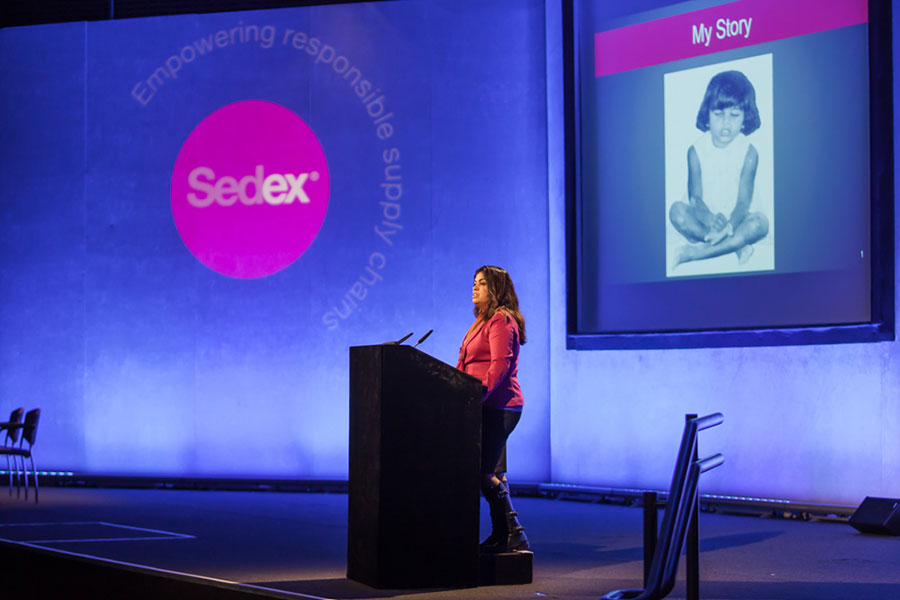
At age seven, Rani Hong was taken from her mother by a kindly neighbor who promised to give her an education, something her poverty-stricken family could never afford. After a few months, Hong disappeared, sold into slavery by her supposed caregivers, who were actually a front for a child slavery syndicate. It would be 21 years before Hong would see her mother again.

Worldwide it’s estimated that between 21 and 30 million people are victims of human trafficking. And it’s not something restricted to poor countries either, at least 127 countries have active human trafficking networks, with recruitment often carried out by nationals of the same country as the victims. In the United States more than 100,000 children are trafficked every year.

Hong is one of the lucky ones. After being shipped out of slavery in India to Canada, she eventually found freedom, but didn’t wallow in victimhood for long. Instead, she decided to devote the rest of her life to raising awareness around human trafficking and slavery. She founded the Tronie Foundation with her husband Trong Hong, and together they have set out to make companies aware of their role in the slave trade.

“I tell my story because there are millions of children just like the little girl that I was – enslaved, imprisoned, beaten and not able to speak. I speak for them, to give them a voice,” says Hong.

While there are thousands of dedicated people and organizations around the world fighting human trafficking and helping victims, the Tronie Foundation is the only one founded by two former victims. They are working to include a “survivor voice” in the solution to this global scourge. While most are shocked by the statistics and scale of modern-day slavery, people have responded most strongly to their firsthand account of what happened to them.

rani-hong-2 slave to CEO

While 79 percent of human trafficking is made up of girls and women who are sexually exploited, the remaining 21 percent are forced labor. “That’s around 21 million people,” says Hong. “Another 19 million victims are exploited by private individuals and enterprises.”

Many CEOs will condemn slavery without realizing that their company might be part of the problem. Unknown to them, forced labor might be part of a supply chain that produces their goods.

“You’ll find children in the agricultural industry, in the chocolate industry, forced labour within our supply chains,” says Hong. Private individuals and enterprises are exploiting million of victims, and we need to bring this to the attention of CEOs around the world. It can destroy reputations and damage brands among consumers,” she explains. The abuse sometimes happens in a third world country, out of sight to Western corporations, where a child might carry bricks for construction, or pick cocoa beans that we eventually eat as chocolate.

“I don’t know how much I was sold for, but today we know of children being sold for as little as US$90,” says Hong. Human trafficking is a massive industry worth an estimated US$150 billion, yet the price that trafficked children pay is incalculable, their lives are ruined and they rarely return to any semblance of normality. “ If they’re lucky and break free of slavery, the trauma, physical and psychological damage is for life,” says Hong.

While Hong was a wreck at first from her ordeal, it took the support and encouragement of a woman in Washington to help her believe in herself again and to help get her voice heard. “Someone like her, a mentor, has really helped,” says Hong. “Love and care from others has helped me heal.”

Hong served as a UN special advisor for a global initiative to fight human trafficking. She has presented several UN general assembly speeches, one of which saw her lead a global plan of action in 190 countries. Not bad for someone who was once kept in a cage and traumatized to the point that her captors considered her worthless. Hong also initiated the first World Day Against Trafficking and Persons, which is now marked on July 30th every year.

The increased awareness is welcome, but there’s still a long way to go. Some countries impose $500 fines on companies caught exploiting children. “That’s just a slap on the wrist,” says Hong. Convictions are rising, but in most countries conviction rates rarely exceed 1.5 per 100,000. This is even below the conviction rate for kidnapping in Europe, with 2007-08 statistics showing that two out of every five countries globally had not recorded a single conviction for human trafficking.

The Tronie Foundation has created a more proactive way of fighting this scourge. Called the Freedom Seal, the goal is to help businesses become more active in identifying and fighting human trafficking. The Freedom Seal is designed as a visual marker that businesses can use to clearly communicate to consumers that they have due diligence mechanisms in place and are actively taking steps to prevent forced labor and human trafficking in their practices. Company’s love boasting about awards and accolades and this is one that Hong hopes CEOs will want to add to their trophy cabinets.

It’s not enough for only companies to get involved, countries need to legislate too. South Africa recently banned children travelling through its borders without parents presenting unabridged birth certificates. The U.K. passed the Modern Slavery Act in March, an act closely modeled on the California Transparency Act, that requires companies to report how they are eliminate forced labour within supply chains.

“Research shows that if criminal syndicates and gangs are involved in human trafficking, there is a high likelihood that they’re also involved in drug smuggling, the trade of endangered species and illegal weapons,” says Hong.

“When we fight human trafficking, we are also preventing other illegal activities. Businesses and consumers can really make a positive difference by taking action,” she says. If Rani Hong can do it, then so can we.

8 signs of possible modern day slavery

  1. Deception in the recruitment process and/or false promises about the terms and conditions of employment.
  2. Excessive recruitment fees charged to workers.
  3. Confiscated or withheld identity documents or other valuable personal possessions.
  4. Withheld or unpaid wages.
  5. Unexplained or excessive deductions from wages resulting in induced indebtedness.
  6. Imprisonment or physical confinement in the workplace or related premises such as employer-operated residences.
  7. Deprivation of food, shelter or other necessities.
  8. Physical or sexual abuse, harassment or psychological intimidation.

Learn more about the Tronie Foundation or apply for the Freedom Seal here

How Sustainable Luxury Can Save The Planet


  • The CEO of a luxury jewelery company joins an ocean conservation organization and realizes that business should have a social conscience.
  • She creates a yearly award for luxury goods manufacturers that practice sustainability, in the hope that it will influence the entire industry.
  • While luxury has always been associated with wealth, it’s discernment that is actually more important today.
  • Maria Eugenia Girón devises clever marketing ideas to raise awareness around the environment and to get consumers to change bad habits.

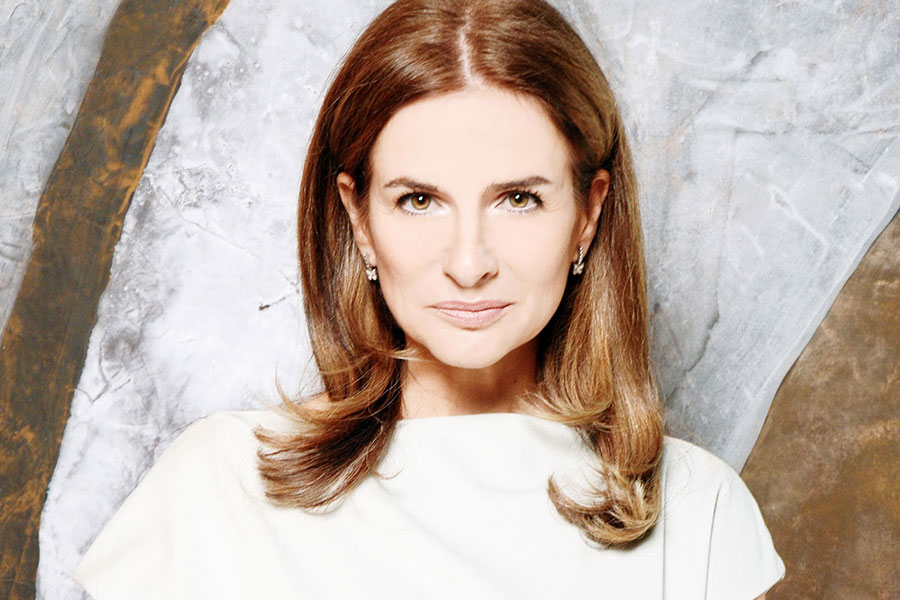
“I didn’t start my business to just make money for myself, I started it to change the world.” These are the words that inspire Maria Eugenia Girón of Madrid, the co-founder of the IE Award for Sustainability, an annual event that honors entrepreneurs who produce premium and luxury goods with a conscience. She was told this by one of the award winners many years ago, and it’s proof that she’s on the right track.

After running a premium global jewelery company for seven years and focusing solely on growth and making it more valuable she sold the company and was invited to join the board of Oceana, a global organization dedicated to protecting the world’s oceans. It was a turning point in her life. Through her work at Oceana, Girón began to see how things could be changed for the better, especially through science, regulation and by making the consumer more aware. Ironically, the environmental lessons she learnt turned her right back to a sector she’d just left behind – luxury goods.

“My business experience as executive and CEO, my expertise in building global brands and my current involvement with several companies as a board member, provided the best platform to drive change. Sustainability, business and brand value reinforce each other within luxury. The sustainable use of resources and social responsibility have become the new competitive advantage in building long term value,” she says.

maria-giron-2

The luxury industry typically conjures up images of opulence and wasteful extravagance, but each year Girón has found a handful of brands that are proving otherwise, and not delivering short on their promise of luxury either.

“The more information consumers have about the impact their purchases are having on the planet, the more discerning and aware they’ll become about making choices,” she says. The awards that she and co-founder Miguel Angel Gardetti hand out every year aim to show how luxury brands are making progress with sustainability, in the hope that it will inspire others into action.

Girón feels that true luxury has certain criteria, that lend itself well to sustainability. “Historically, products were made to last forever, by people who were dignified because they were craftsmen,” she explains. “They saw their work through from beginning to end and were respectful to the raw materials they used.”

The great news for luxury is that there’s a renewed interest in how a product is made and where it’s from, something that has pointed many consumers towards luxury goods. The rise of technology has also allowed us to personalise products, much like our grandparents did, and thanks to the internet, we now have one-to-one service – just like the old days.

“The reality of luxury is keeping the supply chain, waste and labor very austere internally when producing the goods, while portraying an image of abundance and playfulness when building an image on the outside,” says Girón.

You don’t have to be wealthy to enjoy luxury either, according to Girón.

“Discernment is more important,” she says. “This will allow you to enjoy a well made product, good service and an appreciation of the history behind it, with knowledge about the craftsmen who made it or the precious materials that were used.”

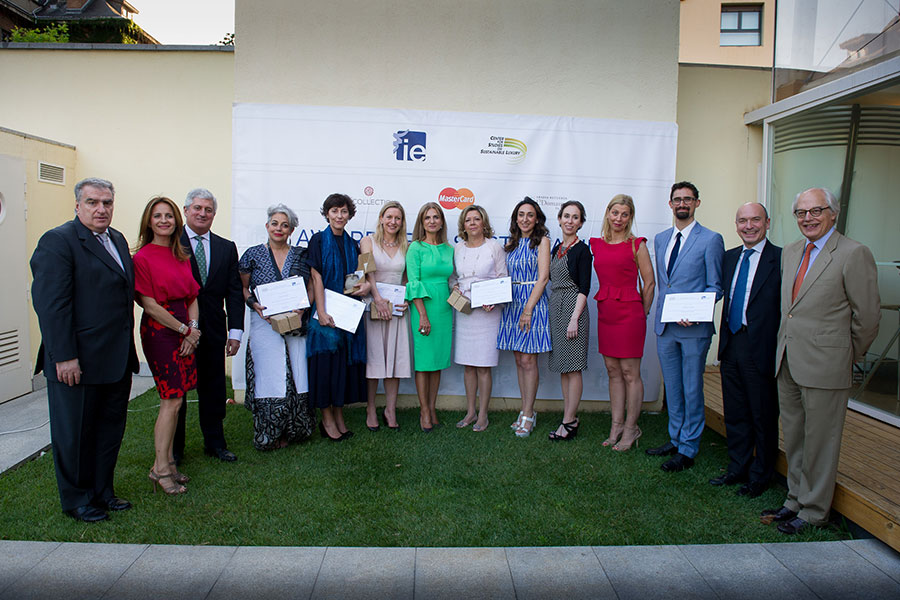
The 2015 winners of the IE Awards for Sustainability in the Premium and Luxury Sectors.

The 2015 winners of the IE Awards for Sustainability in the Premium and Luxury Sectors.


The world seems to be divided on luxury. Many emerging economies have rising middle classes who want to flaunt their new wealth with obvious adornments that they have “arrived.” The “old money,” that have enjoyed generations of financial wealth don’t feel the need to show off quite as much, and prefer to buy goods that give them personal enjoyment. One country that’s flaunting its new money right now is China. Yet, Girón feels that nearby Japan will influence China towards a deeper and more sustainable view on luxury. “After the tsunami and nuclear crisis we’ve seen a definite move by Japanese consumers towards brands that are more healthy and traceable,” she says. “Japans luxury goods sector is expected to grow by five percent in 2015, mostly from Chinese tourism. Japan’s new values will definitely have an influence on Chinese visitors, and help align consumer attitudes in a more responsible way.

Every year, Girón measures ten things that have the biggest impact on the luxury goods industry – according to CEOs, investors and analysts. Last year the key word to emerge was “experience.” It’s a tough ingredient to capture, but the data has shown that some of the experiences include personalization, human touch and a “wow factor.” Millennials especially, are looking a product that delivers the unexpected. This trend favors businesses with social impact because these types of companies always have great stories around how their products are made and are meaningful.

One example of experience marketing is a Spanish jewellery company that has collaborated with a museum to explain their gems to tourists using works of art.

Another is restaurants and chefs that have teamed up with an opera house to create experiential dining experiences around a theatrical production. Owning a product is not enough any more. People crave a meaningful experience that goes beyond the expected.

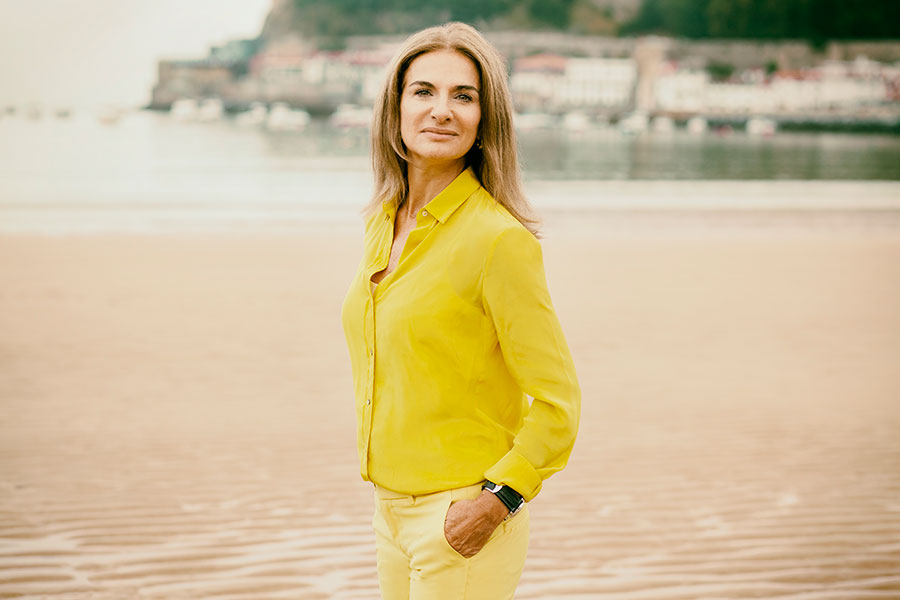
As a board member of Oceana, Girón has a vision to help generate enough protein from seafood to feed the expected 9 billion people on planet earth by 2050. Rather than trying to change billions of people’s eating habits, Girón inspired Oceana’s team to chose a more focused route. Realizing the power of role models, they brought together 20 of the world’s leading chefs at the Basque Culinary Center in San Sebastian where they pledged to become ambassadors and leaders for sustainable seafood cooking.

“This is an example of how luxury cuisine is going beyond the normal delivery of good food,” says Girón. “It gives a new meaning to luxury goods: sustainable, healthy and responsible.”

Read more about the Luxury Awards here

The 36-point Checklist For Being A Real Chief


Conventional wisdom about Chiefs is all wrong. It says Chiefs are special. Chiefs are chosen. Chiefs have titles. And only those with the power and influence at the top can truly be Chief. Fresh out of business school, I aspired to be Chief. I worked hard to move up the ladder in the hope that I could eventually earn a job as a Chief Executive Officer.

For years, I trusted that wisdom. It guided me into and through bigger and bigger roles where I was responsible for generating results for companies in many difficult situations, developing plans for success that focused on a clear vision and a winning strategy to meet customer needs. Those plans often required raising capital, controlling costs, beating competition, and building positive community relationships in order to succeed.

But as I worked my way up through these assignments, and I had the privilege of working with many strong individuals at all levels who possessed a power and influence that had nothing to do with their title or position, my views shifted. I came to understand that real Chiefs are people who connect what they do to who they are. Their power and influence comes from inside and includes any number of attributes. Here is a starter set. What would you add?

1. Be alive
2. Be authentic
3. Be creative
4. Be all-in
5. Be a winner
6. Be your hardest critic
7. Be loving
8. Be peaceful
9. Be curious
10. Be thoughtful
11. Be deliberate
12. Be sincere
13. Be considerate
14. Be interested
15. Be resourceful
16. Be respectful
17. Be awake
18. Be smart
19. Be focused
20. Be mindful
21. Be honest
22. Be kind
23. Be generous
24. Be grateful
25. Be present
26. Be still
27. Be accepting
28. Be calm
29. Be loud
30. Be enthusiastic
31. Be courageous
32. Be diligent
33. Be yourself
34. Be strong
35. Be quiet
36. Be the fullest manifestation of who you are

Be Chief

Here’s An Idea For Saving The Rainforests: Buy One

  • A family decides to invest in a rainforest in Ecuador, believing they can preserve it for future generations.
  • Rather than hide it away, a sustainable business model is drawn up that sees it become a highly visible a tourist lodge.
  • Miguel Sevilla believes that rarity is a powerful marketing tool and that different conservation practices should apply to large and small destinations.
  • Conservation is a problem we should all take seriously, regardless of where we live. After all, we all breathe the same air.

Most people who seek investment opportunities with decent returns will put their money into real estate, jewellery, art, shares, bonds or a promising Silicon Valley startup. Miguel Sevilla’s family decided instead to buy a patch of rainforest in Northwest Ecuador. The land is untouched, a pristine piece of earth made up of primary jungle, or virgin forest, as we like to call it in the West. Secondary jungle, that has seen human intervention exists alongside, and while still beautiful, is less rare.

Clearing the land for cattle ranching, farming or logging might deliver fast, short-term profits, but the Sevilla’s think it’s a much better investment left untouched. They also decided to create a unique hotel to give people from around the world an opportunity to appreciate its beauty and better understand why rainforests are important.

Every hour, 6,000 acres of rainforest are cut down. That’s the equivalent of 4,000 football fields. Trees are not just nice to look at; they form an important part of our ecosystem and are crucial in sucking carbon monoxide from the air. When we exhale, trees inhale. Besides keeping the air clear, the rainforests of the world cover eight percent of the world’s land surface and are home to more than half the earth’s animals and plant species.

After securing their investment in nature, the Sevilla family began to formulate a sustainability plan. “Our first idea was to preserve it for the sake of preservation,” recalls Sevilla. “It turned out to be a weak defence against the threats it faced from future logging or poaching, so we decided to make it more visible, instead of hiding it or protecting it like a trophy in a museum.”

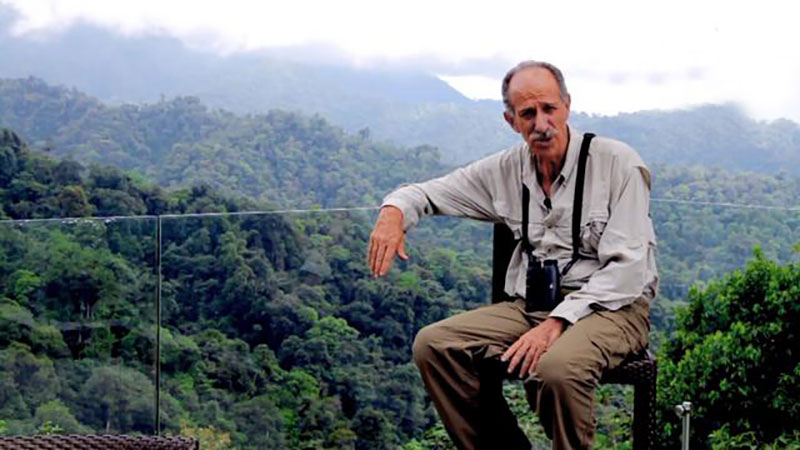
Roque Sevilla, founder of Mashpi Lodge.

Roque Sevilla, founder of Mashpi Lodge.


Creating a legal and commercial entity for their investment helped with their concern that future owners or generations might be tempted to do something else with the land. Turning the lodge into a successful business venture was insurance against this.

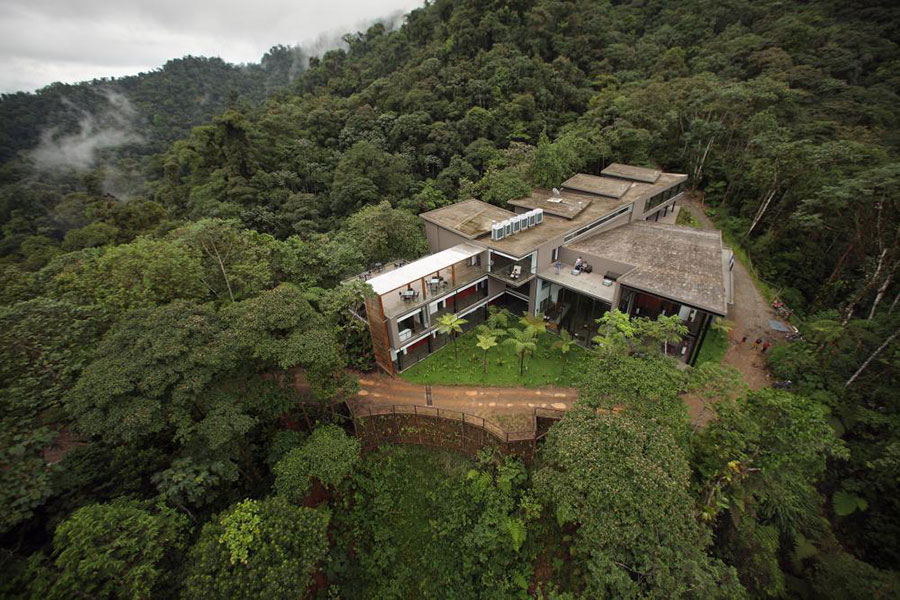
The idea of Mashpi Lodge was to keep the rainforest in the public eye in the hope that visitors would spread the message of conservation. The first challenge was how to build a structure of concrete, glass and metal in an area that was going to market itself as “untouched.” Luckily, in an area of secondary jungle that formed part of the purchase, a Spanish logging company had cleared a small patch of jungle decades earlier for its operations. It was the perfect location for the lodge and a short walk from the unspoilt forest that was to become the main drawcard for guests. Ironically, the Spanish logging company had gone bankrupt because of the diversity of trees in the area; they couldn’t find enough of the same to type to make their business viable. When people speak of nature fighting back, this might be one good example.

“To avoid clearing a path from a road seven miles away to install electricity poles, we created our own, small hydro electric plant on the premises,” says Sevilla. “To take sustainability seriously, you sometimes need to consider solutions that are not necessarily profitable at first. You also need to acknowledge issues that are larger than the people involved,” he muses.

mashpi-lodge-3 rainforests

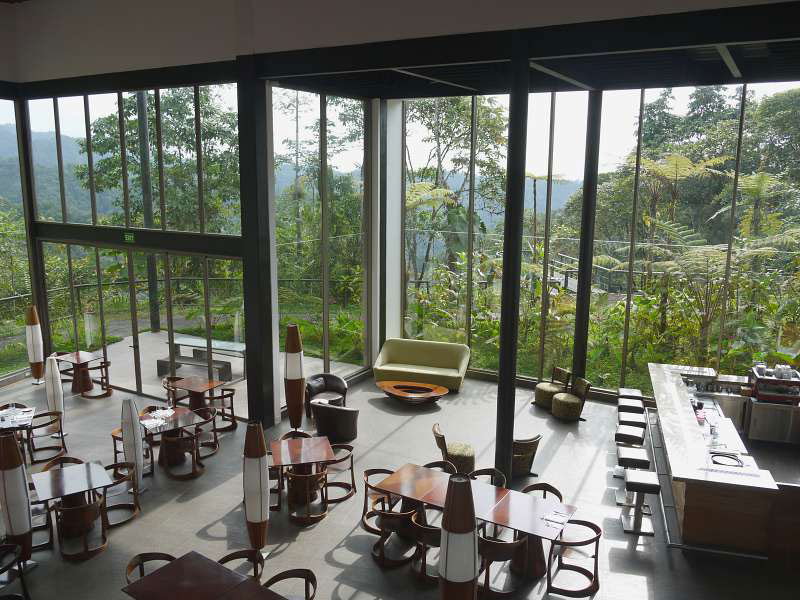
Guests to Mashpi Lodge sleep in rooms with glass walls, surrounded by jungle, giving an impression they are living in nature, and maximizing the full beauty of their surroundings. Arial bicycles, suspended on steel cables, transport guests through virgin forests, ensuring that even footprints are not left behind.

Keeping the lodge and its surrounding rare is a marketing strategy that Sevilla embraces wholeheartedly. “Mass tourism, like you see in Ecuador’s capital Quito, has a different type of effect on the environment and needs different conservation methods,” he says. “Large and small destinations alike should introduce unique eco-friendly measures that take advantage of their size. The Galapagos Islands, for example, have quotas that restrict the number of tourists per year due to environmental sensitivities.”

Sevilla believes the rarity of their investment at Mashpi will help ensure they are fully booked throughout the year, rather than seasonal highs and lows. Restricting customers might seem unintuitive to running a healthy business, but in Sevilla’s case it works.

The social pressure for short-term benefits at the expense of the environment, especially in poverty-stricken nations, is very strong. It’s usually ignored by many people in the developed world and viewed as being someone else’s problem. However, this is a global issue that affects rich and poor, a collective problem we all should help resolve.

mashpi-lodge-2 rainforests

“Rainforests being destroyed in Ecuador will effect the oxygen levels in Germany – we all breath the same air,” says Sevilla. He feels that rationalizing the concept of time to people is important in understanding conservation. “When you try and explain to guests that a tree is 1,000 years old, it’s unbelievable to most. Putting facts such as these into a rational perspective, that people can understand in their everyday life is crucial for conservation,” he says.

Mashpi Lodge doesn’t only welcome tourist wanting to experience the rainforest first-hand. American universities have used the lodge to study birds and an important research program is underway to reintroduce an almost-extinct spider monkey back into the region. One of the guides is a former poacher, who now has the means to earn a living through legal means. “Our staff, who are drawn from local communities, are excellent examples of how changing someone’s circumstances can make them great ambassadors for sustainability,” he says.

“As a human being it’s impossible not effect our planet environmentally,” says Sevilla. “Even our breath leaves a footprint. What we need to learn is how to manage this footprint better.”

Mashpi Lodge is a recent winner of an IE Award for Sustainability (Premium and Luxury Sectors) www.ie.edu/ieluxuryawards

ie-awards

The Revolutionary Leader Who Ruled From Home


  • Aung San Suu Kyi has spent most of her political career under house arrest in Myanmar.
  • Despite her fate always being in the hands of her enemies, she has remained firmly in control of her destiny and inspired millions of people to achieve democracy through peaceful means.
  • She is no stranger to fear and knows that courage will always rise, believing that fear is not the natural state of civilized man.
  • At age 68 she has still not lost a desire to become the president of her country.

In the Myanmar (formerly Burma) general election in 1990, the National League for Democracy (NLD) won 59 percent of the national votes and 81 percent of the seats in Parliament. Despite this substantial majority the official opposition had a short-lived celebration when the ruling military junta refused to recognize the result. The parties General Secretary, Aung San Suu Kyi, watched the results from her home. She had been detained under house arrest the year before, and since that day, 25 years ago, has spent a total of 15 years imprisoned in her home. Despite being branded a political undesirable by the military rulers of Myanmar, who wanted to silence her, Suu Kyi was given a choice: she could go free at any time, but had to leave the country and never return. She refused.

Finally released in November 2010, Suu Kyi has become one of the world’s most prominent political prisoners. Much like South Africa’s Nelson Mandela, who spent 27 years in prison before emerging as president, long periods of isolation and persecution can result in the opposite result that your captors intended – making you even more popular.

Inspired by Mahatma Gandhi, Suu Kyi opposed the use of violence to achieve goals and continued to call on the military leaders of Myanmar to hand over power to a civilian government. Her vision was to establish a democratic society in which all the ethnic groups of her country could live in harmony. “Every thought, every word, and every action that adds to the positive and the wholesome is a contribution to peace,” she says. “Each and every one of us is capable of making such a contribution.” Her beliefs are in stark contrast to the country in which she lives, which has long been regarded as one of the worst in the world for human rights. Human trafficking, child labor, child soldiers, sexual violence by the military and the suppression of religious minorities were just a handful of the horrors faced every day.

James Mackay / opensocietyfoundations.org

James Mackay / opensocietyfoundations.org


The awarding of the Nobel Peace Prize to Suu Kyi in 1991, for her effort in trying to establish human rights in a divided country, had a significant effect in mobilizing world opinion in her favor. However, despite her freedom she is still under intense scrutiny and the old government is still in power. Having recently registered to run for a general election, which the NLD is expected to sweep, she now faces another challenge from the state: a junta-drafted constitution that bans presidential candidates with foreign children. Suu Kyi’s two sons are British. Despite being listed by Forbes in 2014 as the 61st most powerful woman in the world, it seems as if petty politics and powerful forces are still trying to silence her.

Her personal sacrifices have been great. After 23 years of marriage to British historian Dr. Michael Aris, her husband was diagnosed with cancer. Suu Kyi had returned from London to Myanmar to lead the pro-democracy movement while he had remained in England to work. The Burmese dictatorship refused him a visa and urged Suu Kyi to leave the country instead to visit him. Wise to their tricks, she was afraid they would never let her return, so she stayed. Aris died two years later, having seen her only five times in the ten years preceding his death. Suu Kyi was also separated from her two sons who live in the U.K., until 2011, when they thought it safe to visit again. Loss has been a constant companion in her life. Her father, a major political figure, was assassinated when she was just two years old.

Suu Kyi is a remarkable woman who has shown she is firmly in control, even through her fate remains in the hands of her enemies. She has become one of the world’s greatest living defenders of freedom and democracy, and remains an inspiration to millions. Throughout her country’s bloodshed and the regime of terror, she has managed to convey a feeling of peace and hope – a freedom from fear. It’s a lesson many of us can learn when facing challenges that are far less daunting.

“Within a system which denies the existence of basic human rights, fear tends to be the order of the day,” she says. “Fear of imprisonment, fear of torture, fear of death, fear of losing friends, family, property or means of livelihood, fear of poverty, fear of isolation, fear of failure. Yet even under the most crushing state machinery courage rises up again and again, for fear is not the natural state of civilized man.”

Suu Kyi has known fear most of her life, yet still finds the courage to say, “If you’re feeling helpless, help someone.” It’s this humbleness and concern for others that has earned her the love and respect of millions. Her loyalty to Myanmar and its people, and her refusal to be bullied by military aggression, have shown that peace can be a slow process, but it wins in the end. As she once said of her attitude to life, “If you do nothing, you get nothing.”

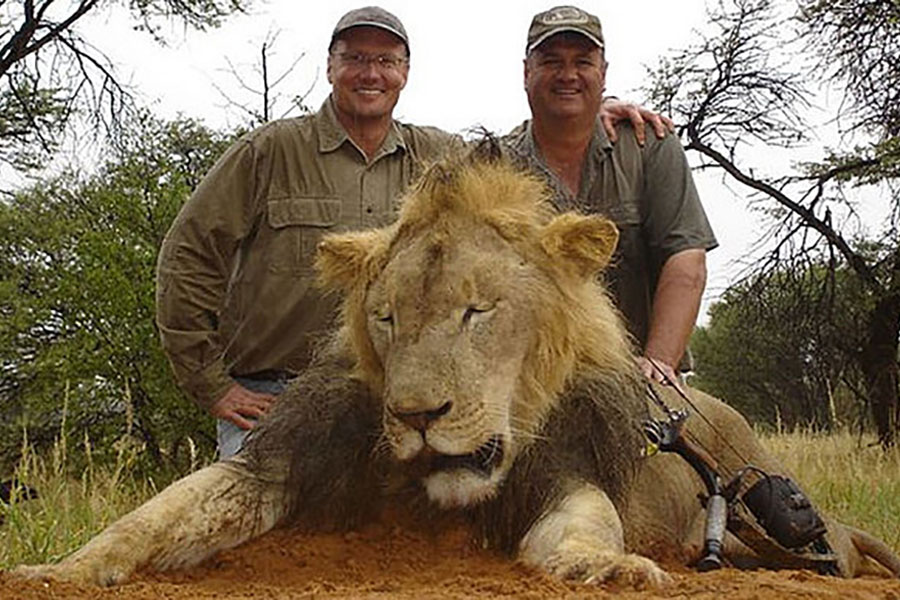
Economics of Trophy Hunting in Africa Are Overrated and Overstated

A report that analyzes literature on the economics of trophy hunting and reveals that African countries and rural communities derive very little benefit from trophy hunting revenue. The study, authored by Economists at Large – commissioned by the International Fund for Animal Welfare (IFAW), The Humane Society of the United StatesHumane Society International and Born Free USA/Born Free Foundation – originally came about in 2013 during consideration to grant the African lion protection under the U.S. Endangered Species Act (ESA).

“The suggestion that trophy hunting plays a significant role in African economic development is misguided,” said economist Rod Campbell, lead author of the study.  “Revenues constitute only a fraction of a percent of GDP and almost none of that ever reaches rural communities.”

As a portion of any national economy, trophy hunting revenue never accounts for more than 0.27 percent of the GDP. Additionally, trophy hunting revenues account for only 1.8 percent of overall tourism in nine investigated countries that allow trophy hunting, and even pro-hunting sources find that only 3 percent of the money actually reaches the rural communities where hunting occurs. While trophy hunting supporters routinely claim that hunting generates $200 million annually in remote areas of Africa, the industry is actually economically insignificant and makes a minimal contribution to national income.

“Local African communities are key stakeholders for conservation, and they need real incentives for conservation,” said Jeff Flocken, North American regional director, International Fund for Animal Welfare. “Non-consumptive nature tourism–like wildlife viewing and photo safaris–is a much greater contributor than trophy hunting to both conservation and the economy in Africa. If trophy hunting and other threats continue depleting Africa’s wildlife, then Africa’s wildlife tourism will disappear. That is the real economic threat to the countries of Africa.”

Many species suffer at the hands of trophy hunters including the African lion. The number of African lions has declined by more than 50 percent in the past three decades, with 32,000 or fewer believed remaining today. The steepest declines in lion population numbers occur in African countries with the highest hunting intensity, illustrating the unsustainability of the practice.

“Trophy hunting is driving the African lion closer to extinction,” said Teresa Telecky, director, wildlife department, Humane Society International. “More than 560 wild lions are killed every year in Africa by international trophy hunters. An overwhelming 62 percent of trophies from these kills are imported into the United States. We must do all we can to put an end to this threat to the king of beasts.”

Listing the African lion as endangered under the ESA would generally prohibit the import of and commercial trade in lion parts, and thus would likely considerably reduce the number of lions taken by Americans each year. 

“The U.S. government has a serious responsibility to act promptly and try to prevent American hunters from killing wild lions, especially when the latest evidence shows that hunting is not economically beneficial.  Listing the African lion under the Endangered Species Act will help lions at almost no cost to African communities. Government inaction could doom an already imperilled species to extinction through much of its range,” said Adam Roberts, executive vice president, Born Free USA.