

Luxury Collection Offers DNA-infused Fragrance and a Suit Made From Case Files

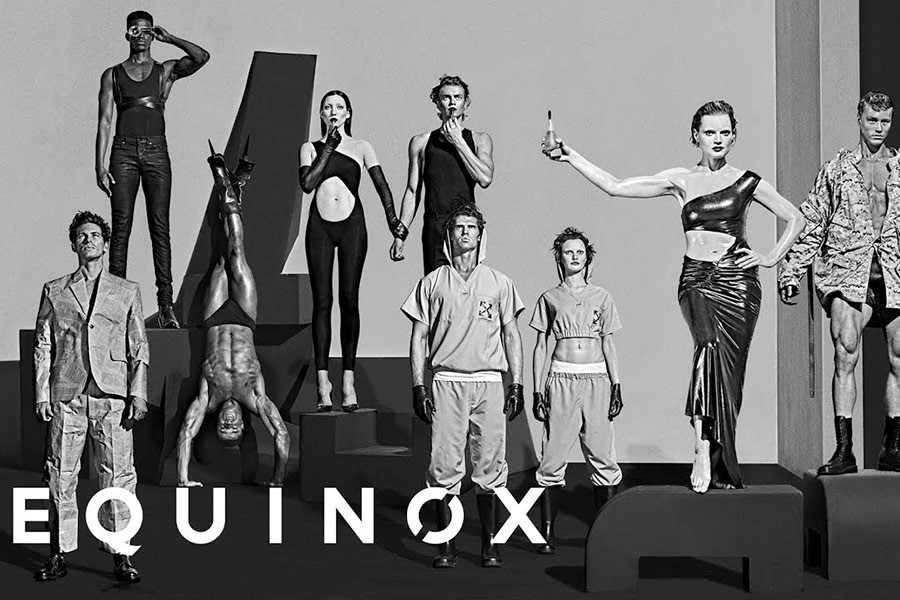
Equinox, the high-performance lifestyle leader, has unveiled an unprecedented new take on its acclaimed “Commit To Something” campaign with “Commitment, A Collection by Equinox,” featuring seven one-of-a-kind luxury goods inspired by the passion and persistence of some of the most committed people and organizations on earth. 

In an on-demand world where everything is a swipe away and anything can be bought if the price is right, Commitment, A Collection by Equinox was conceived to subvert our typical perceptions of luxury.  From “The Truth Lipstick” to “Eau de Blood, Sweat and Tears,” each product serves as beautiful proof of commitment in a noncommittal world. The catch? Nothing is for sale.

If you like this, subscribe here for more stories that Inspire The Future.

Designed by some of the world’s most provocative fashion forces including Off-White’s Virgil AblohShayne Oliver, Y/Project and Eckhaus Latta, the products explore the real-life stories behind The Washington Post’s truth-seeking journalists, the gay civil rights pioneers of The Stonewall Inn, marathoner/activist Kathrine Switzer, and other fiercely committed people and organizations.

“We’re living in a time where commitment has become a relative rarity, so the stories we’re sharing as part of this year’s campaign feel especially important as a catalyst for inspiring others to accomplish their own goals—both inside and outside the four walls of our clubs,” said Vimla Black Gupta, Chief Marketing Officer of Equinox Fitness Clubs.

Throughout 2018, several of the items from the collection will be auctioned off, with proceeds donated to nonprofit organizations of importance to the people and organizations behind each, including Equinox’s longtime charitable partners, Memorial Sloan Kettering Cancer Center and The Heroes Project.

With designers curated by stylist Mel Ottenberg, Equinox commissioned the production of these one-of-a-kind items:

1. The Truth Lipstick: Made from blank newspaper pages from The Washington Post. Symbolizes the organization’s commitment to free press and journalistic integrity. Lipstick Case designed by Mel Ottenberg.

2. The Law Suit: Designed by Eckhaus Latta, and made from case files of lawyer James Thornton, founder of nonprofit ClientEarth who, over four decades, has committed to fighting for the environment because it can’t fight for itself.  Symbolizes Thornton’s commitment to solving the greatest challenges faced by our planet.

3. Stonewall Stilettos: Designed by Shayne Oliver, and made from the actual pleather from the banquettes at The Stonewall Inn.  Symbolizes the commitment of early activists fighting for LGBTQA rights.

4. The Shades of Humanity: Designed by Adam Selman, and made from the camera lens of 2016 Instagram photographer of the year, Ruddy Roye. Symbolizes Ruddy Roye’s commitment to capturing the stories that often go unseen.

5. Eau De Blood, Sweat & Tears: Bottle designed by Rafael de Cardenas/Architecture at Large with a custom scent by 12.29, the fragrance was infused with the actual DNA of Kathrine Switzer, the first woman to run the Boston Marathon. Symbolizes Switzer’s commitment to equal rights for all female athletes.

6. The Scrubs Sweatsuit: Designed by Off-White’s Virgil Abloh, and inspired by the workwear of dedicated oncologists like those at Memorial Sloan Kettering, who patient by patient, are committed to fighting the war on cancer daily. 

7. The Real Camo Jacket: Designed by Y/Project (Glenn Martens) and made using actual material from the uniforms of four Heroes Project veterans, celebrating our partnership with the Heroes Project.  Symbolizes The Heroes Project’s commitment to wounded veterans, who changes lives by empowering and enabling these veterans to climb the world’s seven summits. Materials donated by Charlie Linville (Jacket from his Battle Dress Uniform, including name patch, piece of his boot that he was wearing when he stepped on an IED and lost his leg, piece of rope that went to the top of Everest, belt buckle from dress uniform); Brad Ivanchan (belt when in combat); Carlos Torres (Jacket from his BDU’s, including his name patch); Kionte Storey (Bracelet from when he was in combat).

If you like this, subscribe here for more stories that Inspire The Future.
Is it Time to Put Meaning Back Into Our Clothes?

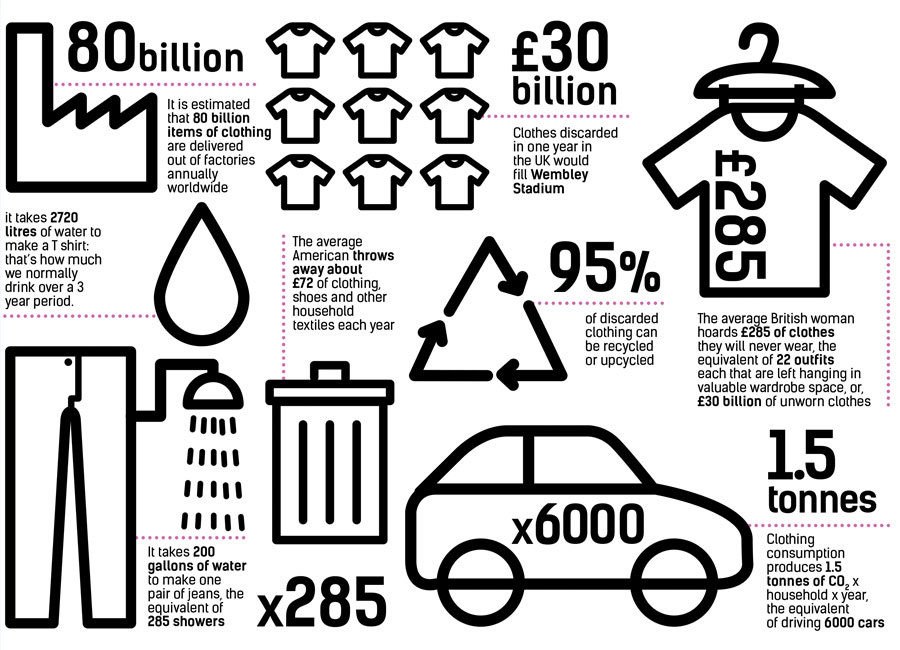
When we were young a lot of what our parents did was about avoiding new purchases. Clothes were mended, shoes got repaired, toys were handed down; every item of daily life was used until it became unusable. Today our stuff is disposable or obsolete before we know it: it’s meaningless.

When I was growing up in Spain, Zara was this miracle business fairytale: once upon a time, a poor young man rode his bike past a fancy lingerie shop window. He decided to copy the luxurious robe displayed in more affordable fabrics for his wife. Then he and his wife invested every cent they made in the constant improvement of logistics and technology.

Zara became a worldwide leader in the fashion industry, whose entire business model has been radically transformed. Fast fashion pushes new collections and styles to our stores and homes in weeks or even days. Amazing websites with beautiful pictures promise to make our dreams come true if we’d only buy those shiny new dresses with one click.

If you like this, subscribe here for more stories that Inspire The Future.

But when you finally run your hands over the fabric every fantasy disappears. Cheap, synthetic materials, careless sewing and missing buttons awake you to the reality of what it takes to wear a new outfit to work every day. Even if the garment is genuinely outstanding today, it is doomed to come apart as quickly as it came to be. It’s built to be worn once or twice, soon forgotten among plenty others in the darkness a wardrobe filled with yesterday’s trends.

So many hands worked their youth away to bring this one piece of clothing to you: Trendspotters traveled far to take pictures of Paris fashion parades. Designers sketched many variants to finally arrive an acceptable design. Farmers grew cotton, and blue-collar workers maneuvered machines to make fabrics or buttons or threads. Women cut materials into shapes and then sewed them together. Sailors and lorry drivers carried tons of clothes around the world. Store employees folded, arranged and tagged thousands of items.

All these lives, all these hours of human endeavor, all these resources, for what purpose? To what end? Where is the meaning of all this? Human beings have always felt an innate need to find meaning in their lives. We need meaningfulness like we need water or air. Without it we become grey, depressed, souls lost in infinite crowds of bored buyers.
Somewhere along the way, we started to look for meaning in the wrong place: in a fantasy, in the future, right behind our next one-click purchase.

Every time I wear my twenty-five-year-old run-down purple check shirt I recall all the memories it holds: Amazing anecdotes, funny stories, sad endings and exciting beginnings. When I find my mother’s old clothes in her cupboard I remember special afternoons in my childhood. Just like the smell of our old baby clothes reminds her of what it meant to become a mother. Beautiful, intense emotions come flooding to the surface as the clothes and objects of our past bear witness to what we have lived and how we became who we are today.

Zara and the fashion industry need to remember what makes fashion genuinely memorable. We need to remember how much we need profound meaning in our lives, and not only because we have a global trash crisis, but because we have a global crisis of transcendence. We won’t find it in future purchases or new dresses. It’s in our closet, in all the old coats and scarves and t-shirts and torn jeans that string together the memories of our lives.

If you like this, subscribe here for more stories that Inspire The Future.
 

Bottletop: A Luxury Purchase That Gives Back

Bottletop has taken an eye for detail, combined it with community craft and projected it into the realm of luxury. Oliver Wayman and Cameron Saul have unearthed skills from different cultures, that use different waste materials and refined them for an audience who wouldn’t normally come across these beautiful pieces.  

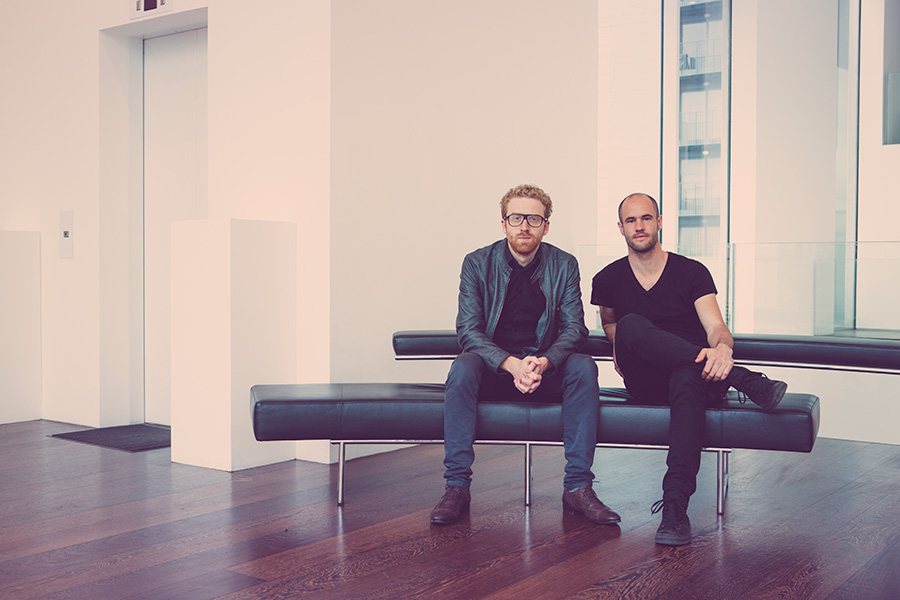
“We set out to redefine the concept of luxury,” says Oliver Wayman, co-founder of Bottletop. London-based Wayman and business partner Cameron Saul (above) decided that the hidden production techniques they discovered, and created by hand are objects of beauty and pride for both the artisan and consumer alike. The creation of fashion company Bottletop in 2012 not only saw these techniques coming to light, but also some of the most highly skilled artisans from around the world being set up in training programs that now support the artisans and their families.

It all began in the early 2000s when Saul was teaching sexual health education in Uganda as part of a charity project. He came across a bag made by locals, made from discarded bottle caps on a wire frame. Saul’s father Roger is the founder of luxury fashion brand Mulberry and he immediately recognized the potential for a unique fashion accessory when his son approached him with the idea. The design collaboration resulted in the recycled bottletop handbag lined with the finest Mulberry leather.

It became the bestselling bag of that season, sold internationally and created a sensation among the international fashion press. It also generated local employement opportunities in Uganda and raised vital funds for grassroots education projects.

Photgraph: Dan Medhurst

Photgraph: Dan Medhurst

Meanwhile, Wayman had discovered a silver chain mail bag in Brazil, made from upcycled aluminium ring pulls, held together by crotchet. He was amazed at the distinctly 1970s design that reminded him of Spanish fashion designer Paco Rabanne. The bestselling ‘Bellani’ handbag followed (named after Wayman’s mother who perfected the technique) and generated a new wave of international publicity. This paved the way for the establishment of the Bottletop collection, now an independent fashion label with some of their handbag creations selling anywhere upwards of $2,000.

The Bottletop Foundation, which preceded the establishment of the fashion brand by ten years, has a history of nurturing and educating at-risk youth. Started by Saul in 2002, it now empowers young people in Malawi, Mozambique, Rwanda, Brazil and the U.K., by making them aware of sensitive health issues such as HIV/AIDS, drug abuse and teenage pregnancy. Unlike many foundations that bring donors onboard, the Bottletop Foundation is 100 percent funded by the Bottletop fashion collection.

More than 35,000 young people benefit from the foundation each year through creative programs that engage the audience through film, newspapers, drama and music. Wayman and Saul select their projects based upon their demonstrated potential to equip young people with the skills and attitudes to be agents of change in their own lives, and their wider communities. To keep the charitable work alive in the developing world, Wayman and Saul have developed a range of luxury goods that are sold to customers who in many instances are living a world apart.

“Bottletop has shown what’s possible; what can be re-used and re-worked,” says Wayman “We’ve taken a raw material and made people see it differently. The fashion-buying public don’t see what is effectively a waste material, they see a coveted fashion item,” he says. In the early years, the pair started working with various corporates in the U.K. on their production processes but eventually established their our own atelier in one of the poorest areas in Brazil, making samples and training people from scratch.

“We provided the materials and empowered the community by teaching them the skills needed to make these products,” says Wayman. Surprised by the positive reaction to their venture, Wayman and Saul decided to scale up their idea into a fully fledged fashion brand. To do this they needed to sell a small portion of the company, which proved transformational as it opened the door to wider opportunities.

The ex accessory designer for Louis Vuitton, Vincent du Sartel, donated a collection to Bottletop and Iain Renwick, the ex CEO of Liberty department stores, was secured as company chairman. “We really managed to attract fantastic people to help in key parts of our business,” recalls Wayman. “We’ve also done some really interesting collaborations, most recently with Narciso Rodriguez, a U.S. designer who designed Michelle Obama’s inauguration dress. Rodriguez used his design team alongside our own to come up with some really interesting cross-cultural products, which wouldn’t have existed otherwise.”

Collaborating with established and respected designers is a crucial ingredient of the Bottletop business plan, giving credibility to the brand and firmly planting it within the luxury sector. “Once people find out what raw materials we actually use and how we make them, we run the risk of people devaluing our products,” says Wayman. “The pieces won’t have the aspirational quality they deserve, so pairing with established and recognized designers has really helped position the brand in the right place.”

“Quality control is one of our biggest challenges but it’s incredibly fulfilling when you’re now selling these bags in places like Harrods and other renowned department stores,” says Wayman. We’re sitting alongside some of the world’s most established fashion brands in stores, yet our products are made in some of the most challenging environments by some of the poorest people.” “Coco Chanel once said that luxury doesn’t have to be the opposite of poverty, but the opposite of vulgarity.

We focus on attention to detail and recognize the quality and handwork. This is key for us, especially in a world full of throwaway fashion stores which cause untold damage to the environment and promote unfair labor practice in developing countries. Making things well to last a long time – that’s luxury,” says Wayman. With ambitious plans to launch in Japan, Canada and the U.S. Bottletop is using existing capital for growth, but are on a good trajectory to become profitable within the next two years, according to Wayman. Online sales account for around about 30 percent of business and wholesales to department stores accounts for the rest.

Wayman and Saul both almost gave up when they first saw the poverty around them in Africa and Latin America over 12 years ago. Creative grit has kept them going and where most people would see only despair, the pair saw opportunity. As Thomas Edison once said, “We often miss opportunity because it’s dressed in overalls and looks like work.”

0