Pantys: For Women and the Planet

Pantys goes from bootstrap business to market leader in reusable absorbent underwear and beyond.


By Emily Ewell


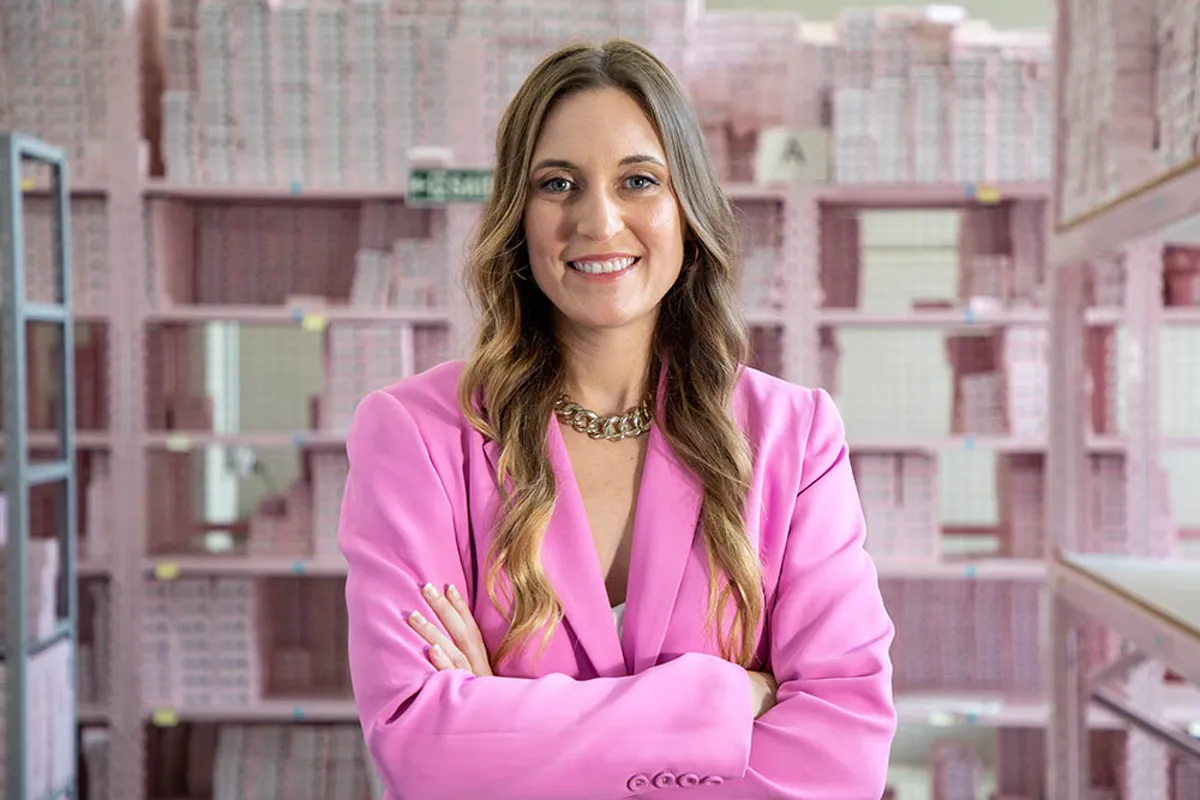
I worked for 15 years in health care starting in strategy consulting. It’s a multi-trillion-dollar business, but it’s also a human right, so it’s an area where you see a lot of technology, innovation, and disruption. At the same time, you have this side of equity and access. And it’s a very complex market. After completing my MBA and master’s in public health at the University of California, Berkeley, I moved to Switzerland and worked with a pharma company there that brought me to Brazil for a project. Brazil has amazing talent and a huge population and is perfect for startups to test, innovate, and create new solutions. I saw it as a special opportunity to leave the corporate space and start something that I really believed in. 

As a chemical engineer, I was excited about product innovation. Underwear had other brands in other markets, but at that time, most of the value proposition was focused on leak-proof products — markets where tampons were predominantly the main or preferred use for customers, and menstrual underwear was used in conjunction to help prevent leaks. In Brazil, Latin America, and a lot of other parts of the world — Asia and Southern Europe, for example — 90% of the markets use external menstrual pads, which are the most wasteful and the least comfortable. They can take over 500 years to decompose. The standard ones are usually not made of 100% cotton, so they’re bad for the environment. They’re also expensive as a monthly purchase. I saw an opportunity to design highly absorptive, reusable menstrual underwear that could replace disposable menstrual pads.

Breaking Barriers

We were a bootstrap business. My co-founder, Maria Eduarda Camargo, and I started the company in 2017 in a lean way and said let’s get it to the market and see what happens. We’ve been thankful for our journey, that we’ve been able to grow and scale with the cash flow of the business coming in for the past nearly seven years. We were lucky. We had a strong launch, and there was such an appetite and readiness in the market for this product that it helped quickly validate that the product and timing were good. Fortunately, we continue to grow. We’re the leader in the market here today. 

Our product is patented in a number of countries, including the U.S., Brazil, China, and South Africa. As the first brand of its kind in Latin America and beyond being a functional product, we also had to build a movement around it — educate and mobilize the community, create a desirable brand, and do a lot of storytelling. We had to break the taboo — not just around menstruation, because it’s not a topic that many people feel comfortable talking about — but also around trying to build a new product category in a nascent market. We’ve focused a lot on building community and creating that welcoming space where women can have that two-way dialogue versus one way with the brand communicating outward to people. 

There is a big psychological barrier in this space specifically around reuse. Women spend decades using the same products — basically whatever their mom gives them, whether it’s a tampon or pad or otherwise — without questioning it. We don’t want to eco-shame, to be like, “You’re doing something bad and you need to change.” It doesn’t work. We focus on the aspirational side, inviting people to make this behavior change in their lives.

Putting Health and Safety First

Because I came from the health care industry, I’ve always viewed the business as a health care business disguised as a lingerie or apparel business. On the outside, our products look like they’re apparel products, but people don’t buy them because they’re underwear or fitness clothes or swimwear. They buy them because they’re functional for a specific health purpose and need. We believe we are the only clinically approved menstrual underwear brand in the world. It was an important process in making sure that we’re not creating harm to consumers. I felt that it was a strong responsibility for us as a brand to design and go through clinical studies to show that we have the same level of safety and efficacy as any menstrual product in the market or better. 

We also did quality-of-life studies with our product showing that, for example, three out of four women who use our product forget that they’re menstruating or that they’re on their period, creating a sense of liberty as if it’s a normal day for them — and that’s the ultimate goal. We found a 100% reduction in sleep disturbance, which has a huge impact in terms of productivity and quality of life, and over double a sense of feeling hygienic or clean using Pantys compared to traditional menstrual products. We’ve done a lot of tests on our products around safety and the chemical side. For example, our liner technology doesn’t use silver because many women, especially dermatologically, are allergic to silver. That’s a different view of the business than what we see in the market today. 

Disrupting Markets

We’ve focused on a lot of innovations, looking for those gaps in terms of what needs aren’t being met today and how we can disrupt different segments of the market. Now, we have a swim line, a fitness line, a line for first menstruation, a line for trans men who menstruate, and a maternity line. We believe we were the first in the world to launch absorbency-proven nursing bras, which came from a consumer suggestion on Instagram. We have a strong co-creation mindset around innovation with our community. Johnson & Johnson reached out to us to partner on a pharmacy line, helping us to reach more people and have an even greater environmental and social impact.

We started as a digital brand and eventually opened our own physical retail locations in Brazil. Then, we looked at how we can disrupt segments in other markets. We’ve been taking one step at a time with our global expansion, which also is a huge opportunity, because there are so many markets asking for this product, and we already have a robust portfolio. We launched in Selfridges in the UK and Galleries Lafayette in France. 

I like to push the envelope on impact. I think about what people are not doing yet that they should be doing and how our brand can create movements to inspire other brands. For example, we were the first known fashion brand in Brazil to launch carbon labels in 2020. They bring more transparency to the consumer and communicate that the product is more sustainable. We hired globally certified carbon assessor WayCarbon and worked with them to define a methodology around creating carbon labeling for apparel in Brazil. It was an amazing self-awareness journey. One thing that surprised me is that a lot of our emissions came from consumer use, specifically chemical-based laundry detergent, which is horrible for the environment. So on our carbon label, we included use and disposal/end of life as well. We did a 360-degree compensation analysis of the product. It inspired us to design a biodegradable, coconut-based laundry detergent with enzymes that break down any natural fluid proteins that absorbed into our liners. That is now one of our bigger product categories after apparel, and it reduces our impact. 

I’m hopeful that within a decade, every woman in the world will have a pair of menstrual underwear in her drawer. That’s what we’re focused on making happen.
Nisolo: Creating a More Ethical Fashion Industry

The ethical fashion, footwear, and accessory brand brings hope and transparency to the damaged world of fashion. 


By Patrick Woodyard

The deeper you dig, the more you’ll come to realize how broken the fashion industry is today. Yet, there is hope — even for the pragmatist. Brands and manufacturers with a commitment to better sustainability practices are on the rise, fighting to allow the fashion industry to reach its hidden potential as a positive force for good. Since the sustainability movement’s inception, we’ve remained proud at Nisolo to fight alongside similar organizations. Here’s a bit about the “why” behind Nisolo and where it all began.


A Rude Awakening

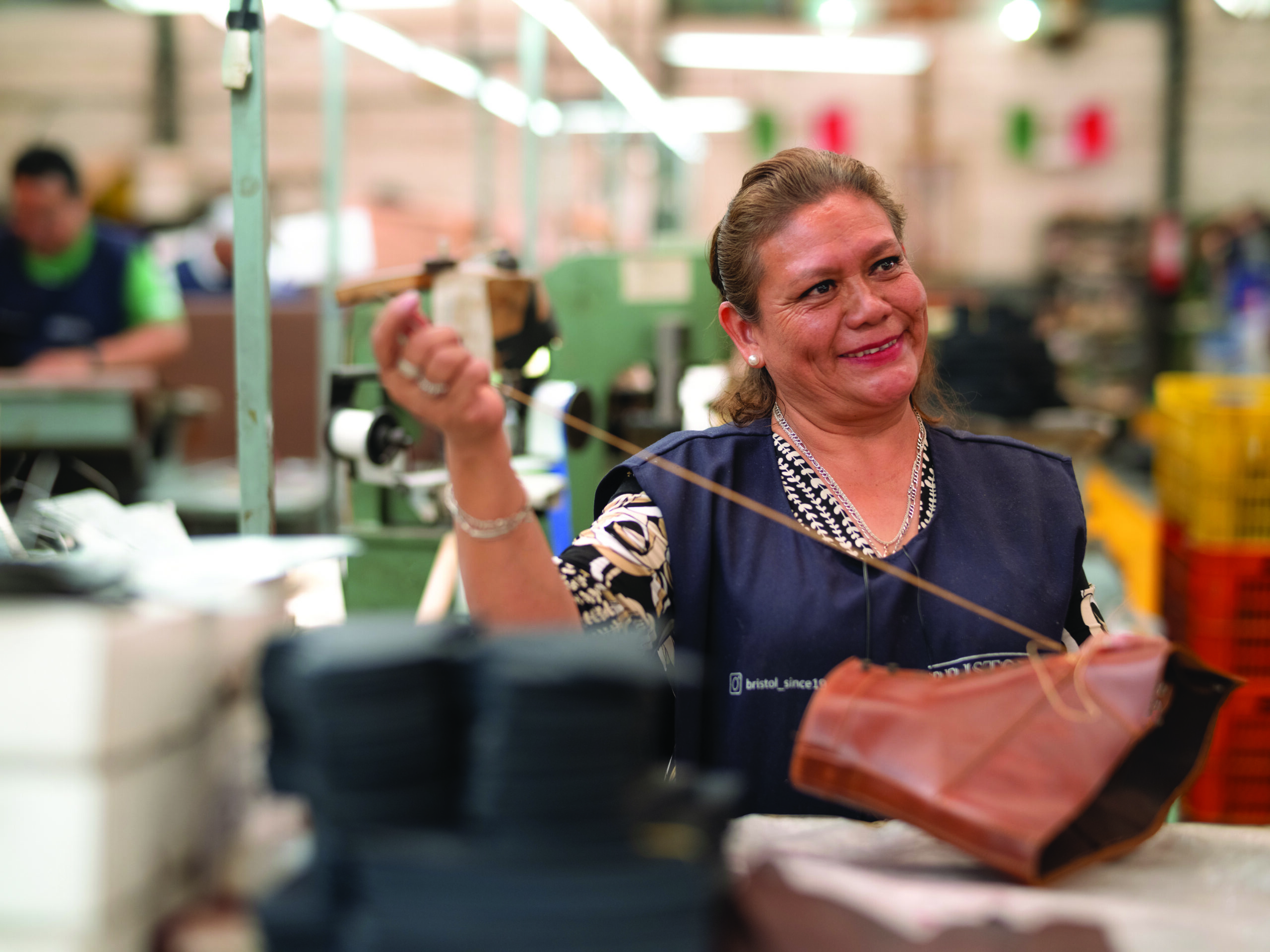
As an undergrad, I studied global economics and business and spent a fair amount of my time in developing countries learning how international business can have a very positive or very negative impact on the world. Shortly after graduating, I moved to Peru where I pursued an opportunity in microfinance with the goal of helping women grow small businesses. Little did I know, my job was in Peru’s shoemaking capital, and I was soon introduced to the centuries-old, fascinating art form of shoemaking. Blown away by the skill that abounded, I was frustrated to learn that the producers I met faced such horrible working conditions and unjust compensation. 

I knew things could be different, and I saw massive potential to drive transformational change in this community by starting Nisolo. I’d soon learn what most consumers (blinded by the allure of cheap prices) remain completely unaware of today: The explosive growth of the global fashion industry has fared well for some yet has been violently unjust for most everyone else. The truth is that low wages and poor working conditions are rampant, with an estimated 95% of workers in the fashion industry today not paid a living wage that can cover their most basic needs. 

Due to exorbitant water usage, the irresponsible disposal of waste, the exponential growth of manmade non-biodegradable fibers such as polyester, and filthy carbon emissions from coal-powered factories in the developing world, the planet isn’t faring too well either. In fact, the fashion industry is estimated to be one of the top five most pollutive industries in the world, emitting more carbon than the international aviation and shipping industries combined. 


A Better Way

To flip the script, we created Nisolo as a brand that would care for the planet and the people within our supply chain just as much as the end consumer. Ultimately, our goal is to play our part in pushing the fashion industry in a more sustainable direction. And as a brand focused on sustainability, we know we’re far from perfect.

We recently raised the bar for transparency by launching the Nisolo Sustainability Facts Label to help hold ourselves more accountable in hopes the industry will begin to do the same. Leveraging the research of sustainability experts around the world, we created this to empower consumers to make better choices and to invite brands like us to strengthen their approaches to sustainability. From B Corp to Leather Working Group to Climate Neutral, Fair Trade USA, Higg Index, FLA, SA8000, Textile Exchange, Good On You, Re/Make to you name it, we took it all in to ensure our label accounted for what experts commonly deem most critical to a sustainable approach. 

With 10 categories scored across people and planet backed by 200 public-facing data points, the Sustainability Facts Label is one of the most comprehensive yet digestible evaluation tools the fashion industry has seen to date. Each Nisolo product now carries this label as well as a QR code that links directly to the 200 data points evaluated across people and planet for that specific product. 

Empowering the Future

Recalling that business can have a very negative or positive impact on the world, our motivation comes not only from how bad things have become in our industry but also from the opportunity ahead. This is an industry that employs hundreds of millions of the world’s poorest people. What would the world look like for future generations in these communities if rather than systematically holding people in a never-ending cycle of poverty, proper treatment and a fair opportunity were guaranteed for all producers? I’ve seen firsthand the impact this has had on our shoemakers and the future of their children. We hope to see this happen worldwide. 

As consumers, we must remember the immense power we hold through the dollars we spend. We all want a better industry and a better world. And that’s why we encourage one another to dig deeper into our favorite brands’ supply chains. If they are not visibly demonstrating a move in the right direction, let’s ask for greater transparency where it’s lacking. 

Ultimately, the sustainability journey is a marathon, not a sprint. By working together, we believe we can drive monumental transformation in the fashion industry within our lifetime.

Clothed in Conviction

This CEO is calling for a radical waste reduction in the apparel industry.

By Kathryn Deen

Clothes are not trash. That’s the message Dan Green is working to spread because quite frankly, the United States is doing a bad job of recycling clothes, he says. Green is on a mission to keep clothes out of landfills by radically changing how unwanted clothing is collected and reused.

Green co-founded Helpsy, the only clothing collection company in the U.S. that has earned both Certified B Corp and Public Benefit Corporation distinctions.

Helpsy collects clothing, shoes, and accessories for reuse, recycling, and upcycling to help local communities, nonprofits, and the planet. The company keeps more than 30 million pounds of clothes out of the trash each year, diverting over 250 million pounds of carbon emissions annually.

More Than Recycling: Helpsy’s Impact on Jobs, Communities, and Carbon Emissions

“Together with our 1,200 East Coast partners, we convert discarded clothing into thousands of American jobs and millions in payments to businesses and community organizations,” Green says. “We prevent the emission of hundreds of millions of pounds of carbon dioxide and the use of billions of gallons of water while saving municipalities more than $1 million in waste disposal fees each year.”

A former portfolio manager on Wall Street, Green co-founded Helpsy with friends Alex Husted and Dave Milliner. Together they bought 11 companies primarily in clothing collection since 2017. They also invested in technology to modernize systems and utilize data to predict when and which collection points should be serviced to maximize the community’s satisfaction and minimize the economic and environmental costs of running trucks around.

“We exist to extend the life of clothing,” Green says. “We need to get out and let more people know that there are alternatives to the trash. It’s still unfortunately very normal for people to throw clothes in the trash — and we’re hoping to make that less and less socially acceptable.”

Beyond Goodwill: The Future of Clothing Reuse Starts with Helpsy

Helpsy collects unsold goods from a couple hundred thrift stores, does a few hundred drives each year with municipalities and charities, and in a newer initiative, it sells sorted, branded clothing to about 600 thrift stores.

“Clothing is the only major stream of waste that is growing on a per capita basis in a real way,” Green says. “We have to get over the mental hurdle that reuse does not destroy your brand and in fact enhances your brand.”

Green says the company has had big ups and downs. One stumbling block was when Helpsy tried to do direct-to-consumer e-commerce but did not get enough response to continue it. As for a bright spot, Helpsy realized its goal of providing benefits and stock options for all 145 of its employees. In another highlight, Helpsy expanded its reach with facilities in New York, Boston, and New Jersey, as well as trailers in Maryland and South Carolina.

“My family is very deeply rooted in social justice and making sure you leave the world a better place — that’s the point of your life,” he says. “We look forward to a future where used clothing is the first place people shop.”

Less Is More: How the Scarcity Mentality of the 1940s Can Offer Solutions to Today’s Crises

Supply chain issues and shortages of raw materials have become a reality as the fallout from the Ukrainian war affects global commodities, and natural resources become increasingly difficult to source. But the world has been here before.

During the Second World War, material scarcity bred innovation and established responsible practices that lasted for decades. Can reviewing your product with a scarcity mindset create a new trend or even streamline your production process for greater success?

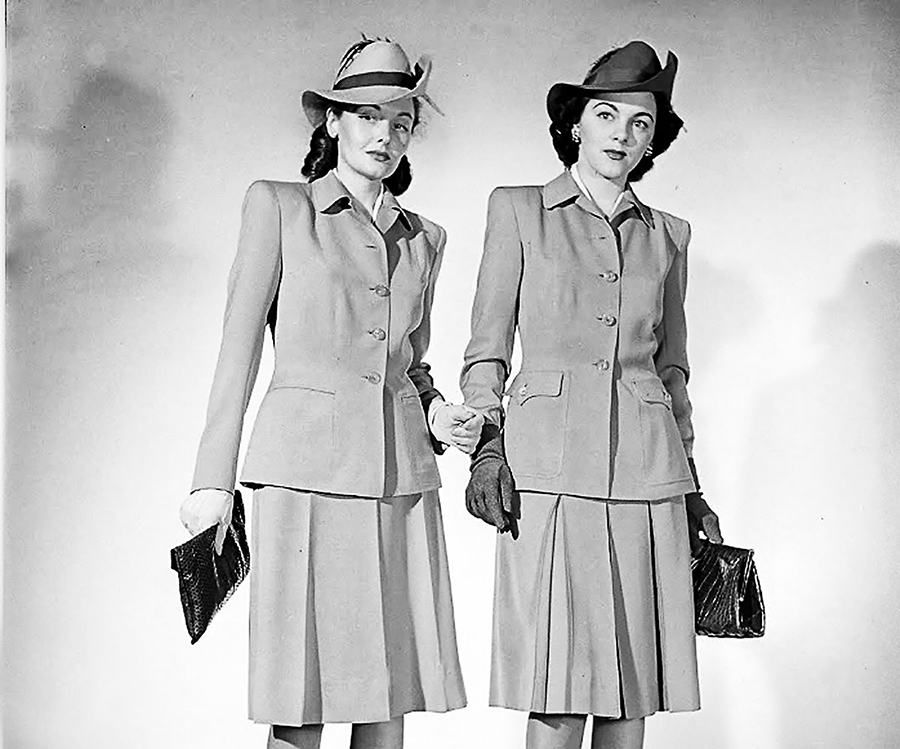
The Second World War was an unlikely time for a social design experiment. In a worldwide crisis, the government of the United Kingdom decided to support a socialist idea to make sure its population would not only be fed, but also properly housed and dressed to make it through the war years. Known as the Utility Scheme, the concept was based on a Utopian idea of providing good design for the masses and educating them on modem living in the process.

Scarcity is an ambiguous concept. It is most commonly associated with something negative, as in a shortage or lack of desired items or necessary materials. It may be due to poverty, unequal distribution of wealth, corruption, or the depletion of natural resources. It can also occur when the supply chain of products and materials is temporarily disrupted because of political crises such as war and boycotts or natural disasters such as floods or earthquakes. Yet the notion of scarcity is also applied, more manipulatively, in capitalist consumer culture and marketing strategies. It is the very concept on which the attractiveness of limited editions and exclusive brands is based. In these instances, scarcity is introduced on purpose to make a product or service more desirable, precisely because it’s designed to be rare and only available to a few lucky insiders.

During the Second World War, scarcity suddenly became part of the daily lives of every upper-, middle- and working-class citizen in the countries involved. Because of disrupted trade routes, the supply of resources was severely limited. Moreover, the war industry demanded that the majority of materials go into the manufacture of weapons, uniforms, and transportation vehicles, while workers and factories were assigned to produce for the military instead of the consumer market. There were immediate shortages of raw materials such as wood, metal, rubber, cotton, wool, and silk, and as the war industry was prioritized, scarcity was most acute in consumer goods. Prices of new and second-hand products rose drastically as retailers and manufacturers ran out of stock.

The rationing of clothing began in June 1941 and would last until 1952, some years after the war had ended, and most scarcity issues were resolved. As rationing alone proved insufficient to solve the shortages and price raises, a comprehensive plan was devised to make sure that enough clothes would be available for the entire population. The clothing plan was part of the Utility Scheme, which also included footwear, furniture, crockery, and other daily goods such as pencils and cigarette lighters. It was planned, organized, and controlled by the British Board of Trade, which installed and worked closely together with several commissions comprised of people from the industry and the state.

The intentions of the Board of Trade, however, were very broad. It was not only concerned with supplying the bare necessities to those in need but aimed to produce good quality products for everyone. These goods were to be made with as little material and labor as possible, and according to what its advisors considered principles of good design. As opposed to providing only a cheap, temporary solution, Utility products were made to be durable and modern in an attempt to educate the public on modern taste.

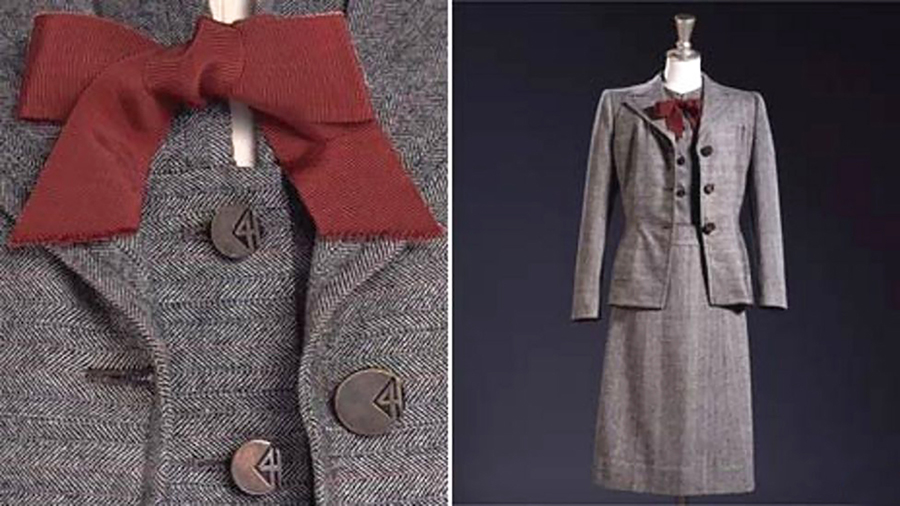
The Utility designs were characterized by straight lines, a slim silhouette, and little or no embellishment. The women’s clothes tended to be practical and were influenced by the look of uniforms, anticipating the different roles that women fulfilled during the war. To save material, unnecessary pleats were not allowed, and neither were double-breasted jackets and long socks for men. Things like buttons, buckles, zippers, and elastic were limited because metal and rubber were needed for the war industry.

Skirts were to be knee-length, coats were kept short, and boys under thirteen were not allowed to wear long trousers. Extra pockets were discarded, as were decorative elements such as embroidery, applique, or lace. Men’s suits had small collars, no flaps over the pockets of the jacket, no turn-ups on the bottoms of trousers, no slits, and buttons on the cuffs. Colors, however, were not restricted. Fabric prints for dresses, for example, were often small, busy patterns of colorful flowers that were easy to put together without having to waste fabric to make the motif connect in a repeat pattern. The Board of Trade estimated that all these regulations saved millions of yards of cloth.

As one would expect, not everyone was convinced that austerity measures and fashion would go well together. The name Utility did not help, as it conveyed a sense of drab uniforms or purely functional clothing that had nothing to do with fashion. Since both the trade and the British public were initially apprehensive of the Utility Scheme, the Board of Trade invited well-known designers of the time to design a range of items, including a topcoat, dress, blouse, skirt, and suit. The involvement of these esteemed designers and the favorable reports their work received from magazines such as Vogue and Harper’s Bazaar helped promote Utility clothing to the public.

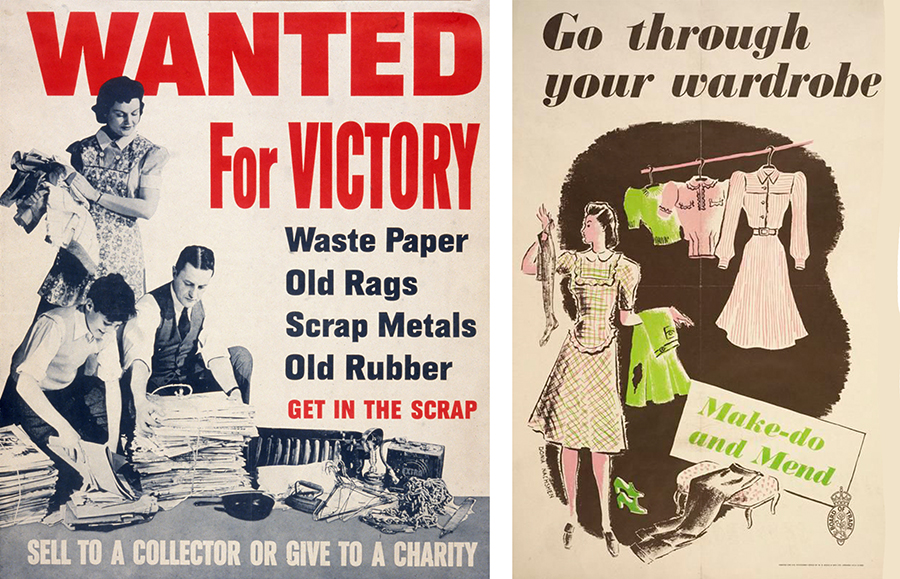
Aside from the few new garments that one could buy on coupons, people were urged and often had no other choice than to endlessly repair, recycle, and share whatever was available. The British government issued leaflets with instructions on how to repair damaged textiles and how to alter clothes. There were items on how to line coats with pieces of recycled textile to make them warmer for the winter and how to fashion a jacket and skirt out of an old men’s suit. Children’s clothes made of pillowcases or blouses made of handkerchiefs were not uncommon. As natural and artificial silks were much sought after, parachute nylon sometimes proved an acceptable substitute material for making wedding dresses or lingerie.

The British government was able to turn a material crisis into a temporary, rather successful solution. It took control over the total functioning of the commodity network, determining the fate of designers, manufacturers, and retailers alike, some of whom were put out of work or were forced to radically change their practices.

Today it is often assumed that the market will take care of solving our problems, whether they are environmental, social, or economic. Yet, so far, the majority of commercial design and technological innovation has not been deployed to target the long-term challenges humanity is facing but is actively engaged in aggravating them. The Utility Scheme shows that in a time of acute crisis, it is necessary to not only look at the design and production of scarce goods but also to reconsider the political, economic, and social systems and conventions that surround them.

To Dye For: Indonesia’s Carbon-rich Mangroves in Fashion with Women Weavers

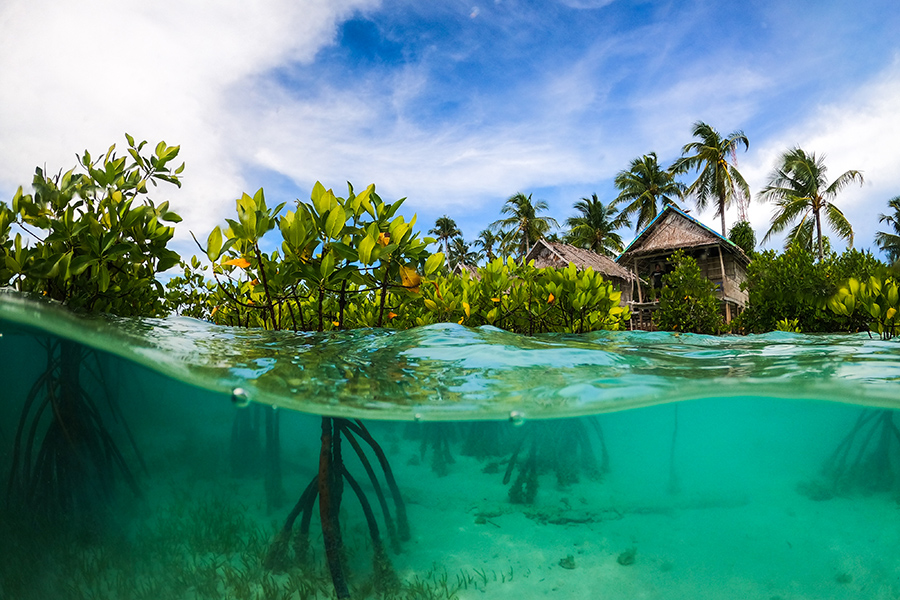
Mangroves play an important role in sequestering planet-heating carbon dioxide emissions, but they are disappearing fast in Indonesia. In a rural office on Bengkalis island, off the northeast coast of Sumatra, 30-year-old Mayasari runs a face mask dyed with tree sap through an antique sewing machine.

The day before, Mayasari, who goes by one name, and a dozen other women in Pedekik village, learned to make hand sanitizer with an extract from the mangrove trees that fringe the coast. “Alhamdulillah (praise be to God) — if this comes from nature in Bengkalis, then it’s great,” says Mayasari.

The Bengkalis training is the first government program addressing the double hit from coronavirus and climate change among mangrove-dwelling communities in Indonesia. The face masks made by the Pedekik women’s group are sold for 2,000 rupiah ($0.14) each, offering a new source of income for members.

Besides this scheme in Riau province, others are also underway in South Sumatra and South Kalimantan, demonstrating to communities the practical value of keeping their mangroves standing. Indonesia — the world’s largest archipelagic country and the biggest home of wetland forests — counts about 3.3 million hectares of mangroves across its rivers, basins, and shorelines, an area larger than Belgium.

These mangrove ecosystems provide vital services to local communities, from food to protection against storm surges. Mangroves also store one-third of the world’s coastal carbon stock and about five times as much per hectare as Indonesia’s upland forests.

But according to a 2015 study from the Center for International Forestry Research (CIFOR), about 40% of Indonesia’s mangroves were lost in the previous three decades. They are often ripped out to make way for shrimp ponds and other small businesses like charcoal production, which provide economic security for millions but account for most mangrove loss.

Last year, President Joko Widodo expanded the remit of Indonesia’s peatland restoration agency to include ambitious plans to restore 600,000 hectares of damaged mangrove forests by 2024.

About 90% of the budget allocated this year to Indonesia’s Peatland and Mangrove Restoration Agency (BRGM) was for planting seedlings, but a small amount was earmarked to foster change in how communities view mangrove forests.

Mayasari first learned to weave local batik and tenun textiles at age nine. Today, she makes 13 feet of traditional fabric every few weeks, earning about $150 a month. But as a single parent with two children to put through school, she makes only a small profit because she must buy expensive and unhealthy chemical dyes. This year, the mangrove agency began working with Achmad Nur Hasim, an Indonesian designer who has supplied tenun fabric to French fashion brand Christian Dior.

Achmad says 90% of traditional textiles in Sumatra are dyed using synthetic products. He hopes textile weavers in Pedekik and elsewhere will instead adopt natural dyes derived from the sap and fruit of local trees, supporting broader efforts to conserve mangroves. Just outside her home, Mayasari says she can find the jengkol tree used for darker shades, pinang for orange, and bixa for red. The Bengkalis women’s group recently won a public vote for the best collection of handwoven clothes at the TENUN Fashion Week in Malaysia, which showcased work by 45 women’s weaving communities across Southeast Asia.

One key reason to stop further destruction of Indonesia’s mangroves is to ensure the climate-heating carbon they store remains in their biomass and the soil they grow in. Research shows global warming also hikes risks to mangrove ecosystems. A 2016 study published in the journal Wetlands Ecology and Management indicated coastal mangroves in Indonesia and elsewhere could face inundation from rising sea levels within 35 years without stronger action to curb climate change.

Promoting mangroves as the source of natural clothing dye is just one way communities can treat these valuable trees as a resource to nurture, which can hold back rising tides and become a new source of income for impoverished communities.

Harry Jacques is a contributing writer to the Thomson Reuters Foundation, based in Indonesia.

To Dye For: Indonesia’s Carbon-rich Mangroves in Fashion with Women Weavers

Mangroves play an important role in sequestering planet-heating carbon dioxide emissions, but they are disappearing fast in Indonesia. In a rural office on Bengkalis island, off the northeast coast of Sumatra, 30-year-old Mayasari runs a face mask dyed with tree sap through an antique sewing machine.

The day before, Mayasari, who goes by one name, and a dozen other women in Pedekik village, learned to make hand sanitizer with an extract from the mangrove trees that fringe the coast. “Alhamdulillah (praise be to God) — if this comes from nature in Bengkalis, then it’s great,” says Mayasari.

The Bengkalis training is the first government program addressing the double hit from coronavirus and climate change among mangrove-dwelling communities in Indonesia. The face masks made by the Pedekik women’s group are sold for 2,000 rupiah ($0.14) each, offering a new source of income for members.

Besides this scheme in Riau province, others are also underway in South Sumatra and South Kalimantan, demonstrating to communities the practical value of keeping their mangroves standing. Indonesia — the world’s largest archipelagic country and the biggest home of wetland forests — counts about 3.3 million hectares of mangroves across its rivers, basins, and shorelines, an area larger than Belgium.

These mangrove ecosystems provide vital services to local communities, from food to protection against storm surges. Mangroves also store one-third of the world’s coastal carbon stock and about five times as much per hectare as Indonesia’s upland forests.

But according to a 2015 study from the Center for International Forestry Research (CIFOR), about 40% of Indonesia’s mangroves were lost in the previous three decades. They are often ripped out to make way for shrimp ponds and other small businesses like charcoal production, which provide economic security for millions but account for most mangrove loss.

Last year, President Joko Widodo expanded the remit of Indonesia’s peatland restoration agency to include ambitious plans to restore 600,000 hectares of damaged mangrove forests by 2024.

About 90% of the budget allocated this year to Indonesia’s Peatland and Mangrove Restoration Agency (BRGM) was for planting seedlings, but a small amount was earmarked to foster change in how communities view mangrove forests.

Mayasari first learned to weave local batik and tenun textiles at age nine. Today, she makes 13 feet of traditional fabric every few weeks, earning about $150 a month. But as a single parent with two children to put through school, she makes only a small profit because she must buy expensive and unhealthy chemical dyes. This year, the mangrove agency began working with Achmad Nur Hasim, an Indonesian designer who has supplied tenun fabric to French fashion brand Christian Dior.

Achmad says 90% of traditional textiles in Sumatra are dyed using synthetic products. He hopes textile weavers in Pedekik and elsewhere will instead adopt natural dyes derived from the sap and fruit of local trees, supporting broader efforts to conserve mangroves. Just outside her home, Mayasari says she can find the jengkol tree used for darker shades, pinang for orange, and bixa for red. The Bengkalis women’s group recently won a public vote for the best collection of handwoven clothes at the TENUN Fashion Week in Malaysia, which showcased work by 45 women’s weaving communities across Southeast Asia.

One key reason to stop further destruction of Indonesia’s mangroves is to ensure the climate-heating carbon they store remains in their biomass and the soil they grow in. Research shows global warming also hikes risks to mangrove ecosystems. A 2016 study published in the journal Wetlands Ecology and Management indicated coastal mangroves in Indonesia and elsewhere could face inundation from rising sea levels within 35 years without stronger action to curb climate change.

Promoting mangroves as the source of natural clothing dye is just one way communities can treat these valuable trees as a resource to nurture, which can hold back rising tides and become a new source of income for impoverished communities.

Harry Jacques is a contributing writer to the Thomson Reuters Foundation, based in Indonesia.

Fashion Won’t be Sustainable Without Government Oversight

The fashion industry is in turmoil. The ongoing pandemic left a deep mark, with the majority of brands facing significant drops in revenue. 

2020 marks the worst year to date, with a reported 90% decline in economic profit across the industry. The pandemic has also further accelerated digitization in fashion, leading to an unparalleled shift in consumer behavior. Consumers are “embracing digital innovations like live streaming, customer service video chat,and social shopping”, putting pressure on fashion companies and brands to quickly find their sweet spot in a digitalworld.

If navigating digitization was not challenging enough, the role of consumers has evolved as well. A staggering 87% ofGen Z are concerned about humanity’s impact on the world and feel business should make doing good a central part of their activities. Being a niche market and topic for decades, sustainability in fashion has recently evolved into a mainstream movement with rising consumer awareness for its implementation. Consumers are no longer consumers; they are advocates of change.

As environmental and human rights violations are a constant alarming issue, and consumer demand for more sustainable products, a regulatory framework is needed for actual systemic change. Today carbon neutrality and compliance with the Paris Agreement is the baseline for companies. However, to stand out and make a lasting impact for their customer and competitive landscape, brands’ ambitions in sustainability need to go beyond their usual scope of action. Disruptive change, such as: becoming a force for good businesses (aka. BCorp), ensuring a carbon positive value chain, and enabling circular systems, are transformative processes on all levels. Whereas incremental changes will not lead to the change needed. Many Fashion brand collectives, agencies, and initiatives have set new standards for regulating the fashion industry, but these multitudes of sustainability initiatives remain small-scale efforts. While every brand is responsible for its own operation, systemic change is only feasible if carried by a global movement. Even if the collective awareness for sustainability is growing, the lack of industry standards and certifications arebarriers to customer’s responsible and informed purchase decisions.

While technology is often presented as the panacea for many fashion industry’s challenges, it can not save the fashion industry on its own. Tech can help boost traceability and, thus, increase transparency in supply chains. AI can support, i.a. predicting demand and, in consequence, reducing overproduction. Furthermore the benefits of working with data are continuously proven – enterprises with strong corporate data literacy have up to 5% higher enterprise value.

However, implementing deep tech applications – be it blockchain-based tracking or AI-enhanced platforms – is an investment and not usually one any brands take lightly, especially in times of financial uncertainty. Boston Consulting Group assessed that the fashion industry would need up to $30 billion of financing annually to develop and establish technological solutions to meet sustainability needs.

Given the challenges ahead, it is no surprise the fashion industry started calling for a captain to help them reach thesafe shore – In the US, a fashion “czar” would steer digitization and sustainability. However, maybe it is not a fashion czar but targeted governmental activities that can support the industry needs. While governmental involvement and oversight always seem to be linked to dystopian fantasies, best practice examples worldwide show that governmentaloversight can enable companies and consumers to sustainable change.

In Hong Kong, the government has funded The Hong Kong Research Institute of Textiles and Apparel Limited(HKRITA) to develop sustainable solutions for the industry, including fabric recycling machines. This is a revolutionand a significant step forward as recycled blended materials while retaining fiber integrity. In France: The zero-wastelaw bans brands from destroying unsold products and making microplastic filters mandatory in industrial washingmachines.

Governments worldwide are willing to (co-) invest to scale up innovative and digital infrastructures, facilitatesustainability in the supply chain and develop consistent global standards.

Government oversight can also help solve another intertwined challenge: data in fashion. Analogous to most industries, data quality in fashion is deficient, resulting in skewed analyses and reports. The lack of reliable data can be addressed with targeted governmental regulations, forcing long-overdue transparency from corporations. Government agencies have the incentives to quantify impacts – collecting data from paying for recovering efforts from natural disasters caused by climate change to cleaning toxic chemicals in waterways from toxic textile dyes andcapturing carbon taxes emissions, among others. Measuring and monetizing negative externalities allow taxing companies that do not comply with regulations and use these taxes to fund innovations which can help fund material innovation and build infrastructures for recycling facilities.

Further, enabling transparency & traceability with trusted Government certifications and communication brands canstop greenwashing while informing and engaging shoppers. Government involvement can ensure industry standardsand certification to support environmentally sound socio-economic development plans actively. Alongside product labeling, campaigns and online platforms for discussion and engagement can inform people how brands take action.Transparency helps clarity of messaging and guidance for full closed-loop, empowering customers to play their part as well. People want to be involved in issues that concern them. Engaging customers with rewarding sustainable behavior and making actions for them easy and enjoyable will increase behavior change.

Once more the need for expanding the understanding of sustainability in fashion becomes evident but also highlights the necessity for governmental oversight to support sustainability efforts on a large scale beyond the mainstream environmental issues, and must include the often neglected social externalities like race  and gender inequality as  well as stakeholders’ health (including mental health). 55% of consumers expect fashion brands to care for the health of employees in times of crisis . The last year has shown society’s need for positive change and inclusion. Our understanding of sustainability needs toreflect these movements beyond quantitative measures.

We need to create a global framework for actual systemic change and enable customer trust. The industry needs tobe held responsible for its environmental and human rights violations. Governmental oversight, supported by technology throughout the fashion value chain, is bound to make the difference with a fashion czar or without one. In the UN Decade of Action, we need to stop talking but incentivize companies and consumers alike to act for change.

The lack of regulation and traceability in supply chains, while not wholly solved, has been replaced by greenwashing targets that do not instigate systemic change. The lack of specific, quantifiable targets and the aspirational objectives and voluntary based will not allow for faster and impactful change that is needed. To reach net-zero emissions by 2050 and cut 45 % of emissions by 2030, the industry needs to set bold targets in compliance with regulations. Solutions exist and have existed for a decade. Ask why Fashion is still the most polluting industry then?

How Governments Can Kick-off the Future of Fashion

Embracing digitization can make the fashion industry more sustainable and lucrative.

What could help the Fashion industry and its sustainability challenges? Digitalization is a tool to interconnect theSupply Chain. It presents many benefits such as engaging customers via product communication, enhancing traceability, and thus, increasing transparency; procurement with AI helps predict demand and ultimately reduce overproduction, and smart manufacturing helps manage resource consumption. Producing sustainably is one step,producing less is more crucial. Smaller production volumes sound counter-intuitive when targeting economic growth. It is, in fact, a measure usually connotated with crisis management. However, decreasing production volume does notneed to decrease profits but rather to rethink business models and introduce new revenue streams or reduce costs.

In total, 10% of global annual CO2 emissions are attributable to the fashion industry. At this pace and with unchanginggrowth rates, the textile industry will be responsible for more than 50 percent of total carbon emissions. Although consumers seem to have developed an increased awareness for sustainability and environment-conscious consumption – especially in Europe – this change in attitude does not necessarily translate into actual purchase orconsumption behavior. A post-truth era reached fashion: facts are constantly diluted and opinions manipulated,resulting in uncertainty as to which offers are truly sustainable.

Eco-friendly and sustainability-focused voices have become louder in the wake of the ongoing pandemic, allowing forthe hope that long-term effects on behavioral tendencies are in reach.

Sustainable materials are a drop in the ocean – literally.

Introducing new fibers and zero-waste designs is all fair game. Reducing travel during fashion months is commonsense considering the ongoing Covid-19 pandemic and its aftermath. However, these measures are but small steps. Itis necessary to address the elephant in the room: hyperproduction: Industry overproduction runs at an incredible 30 – 40% each seasonWith this continuous exponential growth, the fashion industry is expected to produce 160 million tons of clothing by 2050. The rationale behind this absurdity is evident: growth remains the central KPI, and it is currently measured as if increased production was the one and only lever to increase profits.

The majority of the $1.3 billion-strong fashion industry relies on the equation that higher production results inincreased revenue. Yet, the industry’s current state reveals the first symptoms of a looming systemic failure: tons ofunsold stock and textile waste whose recyclability and recycling quota remain largely unaccounted for.

C&A’s “Wear the change,” Zara’s “join life,” or H&M’s “CONSCIOUS” are offering cheap fashion and a clean environmental conscience. But the massive volume of items they produce at a weekly collection turnover and free & fast deliveryservice will never be sustainable. Awareness Campaigns should emphasize the fact that no matter what, cheapproducts are never sustainable. As the Author & Journalist, Lucy Siegle rightly said: “[Fast] fashion is not free.Someone somewhere is paying“. This overproduction is damaging on both ends of the supply chain -with raw material extraction, water & air pollution, and ending landfills after use or due to unsold / returned inventories.

The only way to alleviate this would be to switch to a service model and investing in digitization and transparency. We see once again the need for mandatory sustainability reports that clearly present brands’ environmental and social impacts and for brands to be held accountable for their products during their entire life cycle. Promising laws for this are France’s Anti-Waste law which bans brands from destroying unsold products and making microplastic filtersmandatory in industrial washing machines. In Germany, in addition to transposing waste legislation adopted under theEuropean Union’s Circular Economy Package into national law, [the government] introduce a “duty of care”(Obhutspflicht) which will require distributors in case of distance sales to ensure that the goods remain usable ifreturned by the customer and do not become waste.

On the other hand, service models including rental, repair, along with resale could help maintain low retail prices forcustomers who want to buy sustainably but cannot necessarily afford premium prices. Furthermore, extending the scope of business models to services like repair, redesign, and upcycling can help turn less knowledgeable consumers into customers, and thus, increase revenue for fashion brands.

Maintaining the same level or even a higher level of profitability can be achieved with the help of technology. Fordigitization to be system-altering, its challenges in the status quo must be assessed, especially considering currentonline operations.

In this context, return processes and costs continue to be the most pressing issues. Returns from online shopping range between 15 and 40 percent. Customers are prone to order multiple similar items to try on and to ship back the discarded options. This behavior can partially be explained by looking for a particular look they are not able to recreate due to inaccurate product descriptions and illustrations – and the lack of standards in fitting and sizes. By understanding key issues that trigger returns – among various other challenges – respective digital solutions can be identified. For this specific example, the integration of virtual showrooms with photo-realistic yet customizable content – similar to emerging use cases in real estate applications – might support the customer’s selection process.Furthermore, an automated similarity index and industry-overarching standardized sizes can help choose the right items and ensure their proper fit.

Another great digital solution is the in3D: 3D body scanning for capturing the exact shape and look of a human body with a smartphone camera, allowing the perfect fit for customers while capturing data sizing to reduce returnsand increase conversion.

Fashion needs a game-changer in its efforts to act more responsibly. Combining new technologies to ensure more sustainable fibers while decreasing total production volume and making sales more efficient is the equation the fashion industry should dogmatize. This new kind of growth can help us save the industry – and our planet.

Because data is based on loose standards and self-reporting, the amount of data and data quality remain a majorchallenge. If we cannot trust data, how can we implement solutions? Only large-scale service retailers, properly funded recycling technology, and predictive production will allow overconsumption to decelerate. Integrating technology throughout the fashion value chain is expensive. Due to the high initial outlay, a lack of appropriate infrastructure, and a potential lack of guaranteed return on investment, governments have the most significant fiscal power to facilitate such projects.

As Governments’ focus shifts in the aftermath of the COVID-19 pandemic and global economic crisis, the COP26 UN Climate Change Summit is considered significant. It will be the first COP to take place after the landmark Paris Agreement’s measures take effect. While it is expected for the COP26 to finalize “implementation guidelines” forArticle 6 of the Paris Agreement, which has to do with “cooperative approaches” to tackling climate change, it is the first opportunity since then for nations to come together to review commitments and strengthen ambition. Will it trigger a new wave of effective global climate action for the Fashion industry?

Free Ethical Fashion Resource Guide

Fashion 4 Development & C.L.A.S.S. Eco Hub launched The ReClothe Resource Guide during a virtual exhibit in April calledDiscover the SDGs – To Make Peace With Nature — a virtual hub convened by the United Nations Office for Partnerships.

“We invited some of the most progressive and forward-thinking companies in the market to share their unique stories of responsible innovation,” says Jeanine Ballone, managing director of F4D Solutions.

The publication’s mission is to inform and educate fashion industry professionals, schools, universities, students, and new generation brands to focus on the next generation of the circular economy and make an impact on the value chain. The ReClothe guide lists all solutions, technologies, fabric suppliers, dyers, and finishers currently available. Importantly, those listed were chosen based on an ability to scale globally. ReClothe will be published quarterly and focus on innovators working the best practices and opportunities in development & manufacturing for a responsible fashion industry.

“This partnership will help promote & communicate the platforms and supply chain technologies available today for existing brands and emerging young designers to utilize now,” says Giusy Bettoni, founder of C.L.A.S.S. Eco Hub.

www.discoverthesdgs.com / www.fashion4development.com / www.classecohub.org

The Business of Fashion: Stillness Is Your New Advantage

Under siege from the coronavirus, many people have come to understand that they should change their behavior patterns, no longer traveling too much, producing too much, consuming too much, or using up too many resources. 

The comfort of working from home, wasting time instead of money, has led people away from their addiction to material things and into a realm of sharing, caring, and making. Making food, making music, making love, and making clothes and crafts have become the center of life, learning the improvisation skills that ignite a more creative culture. Most people don’t want to go back to the same old society and long to change their lives forever. 

Many companies, designers, and directors hear this call for change and know they shouldn’t miss this chance for the sweeping restructuring of business, slowing down its pulse.

By the end of this pandemic, as if after a war, only our buildings will remain standing, and everything else will have changed. Many enterprises will be forced into a leaner way of producing goods and services, with some companies skipping production lines no longer considered vital, keeping today’s products for next year’s offering and professing a more frugal business sense. Established designers are reconsidering the quantity of items they want to conceive and realize, recalibrating their assortment in line with precisely calculated demand.

Fashion has the unique opportunity to roll back the insane practice of delivering cashmere in May and swimwear in November. In an after-virus future, people should be able to buy a winter coat in winter and summer shorts in summer. Clothes will probably become essential and more uniform. Product design will also gain crucial momentum, giving shape to autonomous design on a smaller scale, handcrafted in ateliers, keeping a privileged connection with collectors and clients alike.

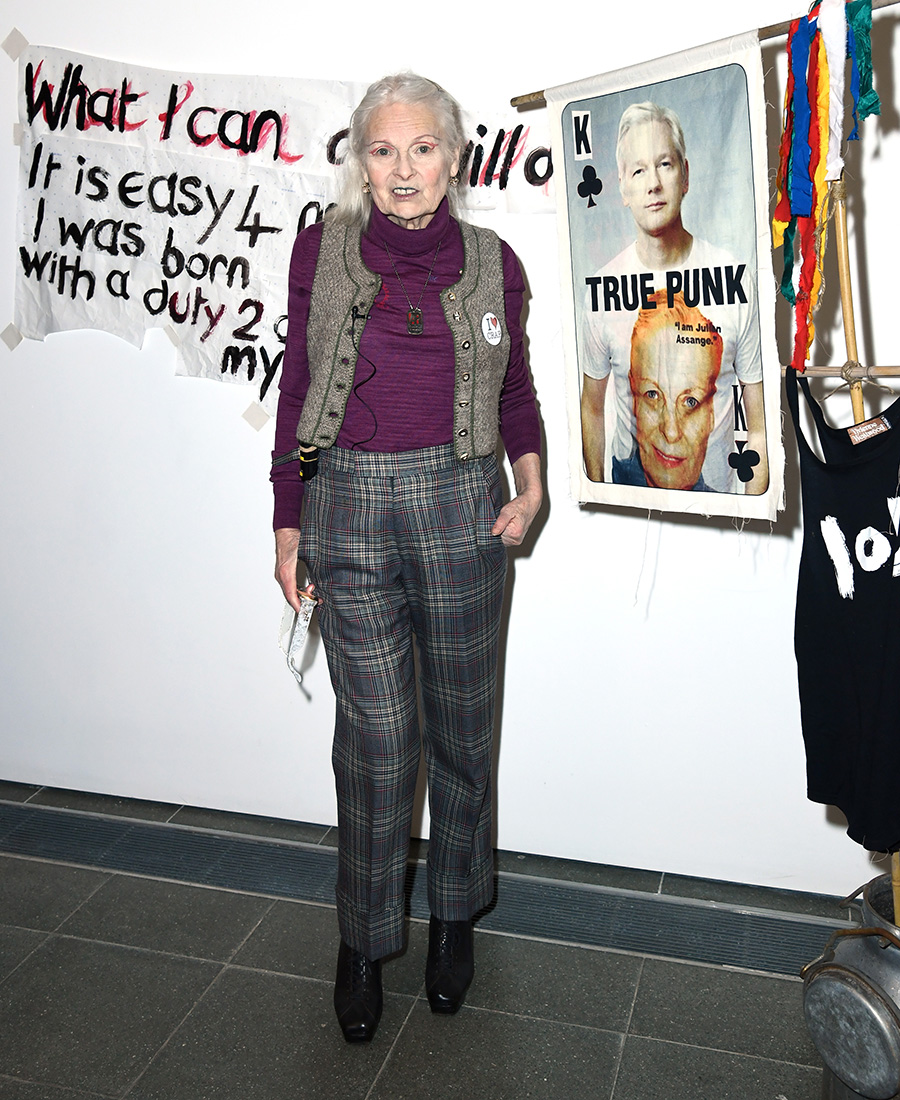
Vivienne Westwood. Photo: Getty, British Fashion Council

“Our economic system, run for profit and waste, are the primary causes of climate change. We have wasted the earth’s treasure, and we can no longer exploit it cheaply.” — Vivienne Westwood

Disasters are known as powerful ignition tools for radical ways of transforming business practices. Many countries will fund the return of production to their own shores, and outsourcing will become more diverse and less excessive, taking better care of workers and the environment. We can start up from scratch and build new systems where social and common aspects outweigh the ego, where morals and values overrule shareholder profits, and where collaboration and cooperation prevail to give more people equal opportunities. We have no choice but to join forces and stand together. New pacts need to be forged between fiber farmers, yarn makers, textile industries, and fashion houses and between raw material producers, independent designers, and their craftspeople. Whole supply chains need to be integrated, stimulated by federal funds, finding a shared interest and income from this rebirth in business. The economy of hope has the potential to transform society from within.

Stillness Is Your New Advantage

We will pause to regain our breath; frenetic consumption will be over, and people will rejoice. We will write with a comma and take time to think before we move on to business, using that space to rethink the purpose of life and work. In the process, we will still the pace and quiet the noise, whispering the prospects of a happier, more focused existence. We will yearn for stillness, like the silence of snow, the crispness of ice, or the idea of mist, which makes us anonymous and takes away excess information, blurring borders, and equalizing society.

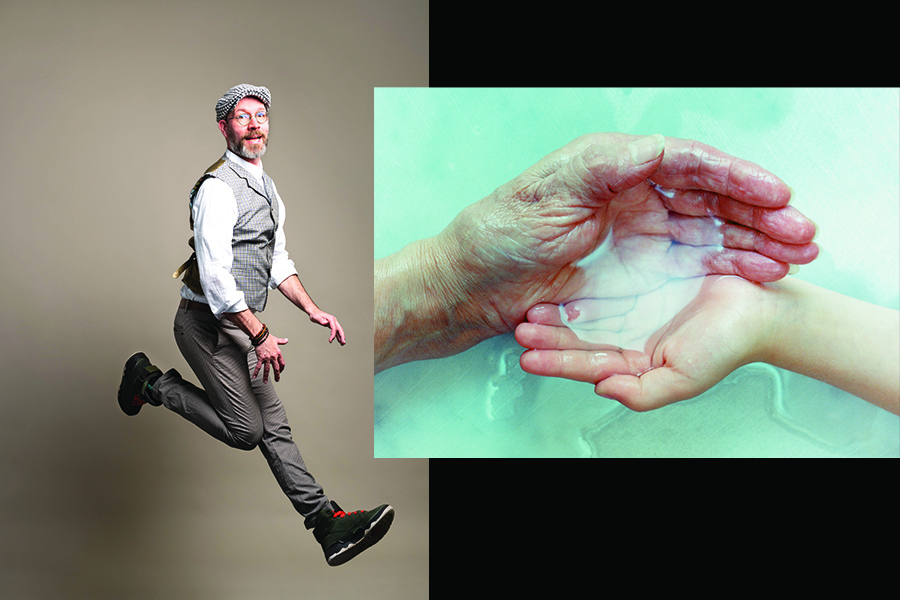
Studio portrait of a caucasian man.

A new frontier is beckoning, demanding that we reinvent everything from scratch. Just as people are downscaling their spaces, arranging their storage, and fasting for health reasons, humans will start to rethink their consumption of clothing and other products. The inconvenient truth that our behavior represents 10 percent of global warming is frightening and gives us wings to find solutions. Forced and invigorated by formidable women like Greta and Jane (and many teenagers and grandmothers in the process of bonding), awareness is rapidly growing, and conspicuous consumption will become a thing of the past. All retailers, brands, designers, and clients beware. People are aware and finally ready to change their ways and undo the shackles of their addiction to shopping. A feeling of liberation and lightness will be the result, hopefully elevating humankind.

This new stillness will be clear and twinkling like crystal, directed with precise goals for our future. Industries will decide to cut production, streamline design, and make responsible products that last. We will ban seasonal drops and goody bags, special events, and Instagram design since we can no longer afford to make waste.

This doesn’t mean we will stop making beautiful things; on the contrary, beauty is a form of activism, somehow appeasing the pain we are experiencing. Therefore, the focus will be on less and better, minimal, and exceptional as well as sustainable and intuitive. The wardrobe will be reconstructed with fewer elements delivering more ways to be used. Our homes will include only the essentials we need for being together and private wellness. We will start with a blank page to write a new chapter for humanity and our quest for survival.

The World Hope Forum

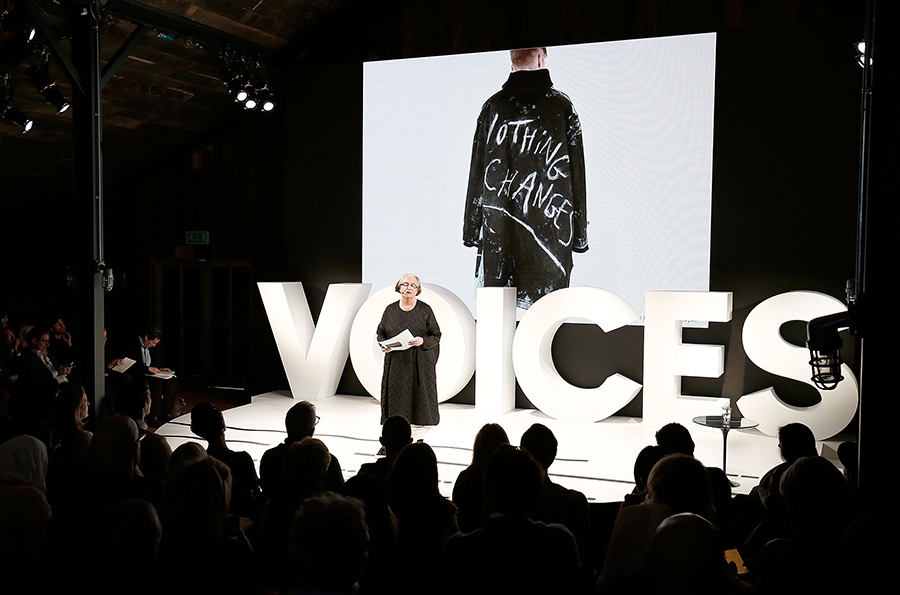
The World Hope Forum is a new gathering that will include on its agenda climate change and caring for all neglected people involved in production chains and services. Under the leadership of ambassadors chosen in participating countries, the World Hope Forum will bring together speakers and selected case studies, ethical practices, retail reinventions, and innovative ideas that will sprout in a new spring of revival. The event, which may become virtual, was announced by Li Edelkoort at the Virtual Design Festival in April and initiated by Marcus Fairs, founder of architecture, design, and interiors magazine Dezeen. It will be further outlined at Voices — an annual event that unites the movers, shakers, and trailblazers of the fashion industry with the big thinkers, entrepreneurs, and inspiring people who shape the wider world — created by Imran Amed, founder of Business of Fashion.

www.Edelkoort.com

0