Written by: Julie Van Ness, Executive Director and Chair (former CEO)
When is the right time to think about your successor?
I would recommend it be with almost every new hire as it may surprise you.
I essentially hired mine 10 years ago, although I didn’t know it at the time. He was just an intern working his way through college, studying for a business degree in management information systems. He immediately demonstrated his entrepreneurial drive by recruiting a young videographer to shoot “Real Leaders Shortcuts”— walking video conversations with purpose driven CEOs— to show his peers a shorter path to a fulfilling career.
After graduating, he launched a new podcast for social impact CEO’s titled “The Real Leaders Podcast” where he grew it to be one of the Top 100 business podcasts in the US, shining the light on over 1,000 impact oriented CEOs. For the remainder of the decade, he went on to tackle other vital company functions such as: Marketing Manager, Director of Digital Operations, VP of Growth, General Manager and President.
Many of you within our community already know who I’m talking about, since you’ve been interviewed by the “keep it real” pro or you connected with him at the dynamic Real Leaders UNITE events in San Diego. He is, of course, the incomparable Kevin Edwards and he will be promoted to CEO starting this February!
Julie Van Ness, Executive Director and Chair hugs new CEO, Kevin Edwards at RealLeaders UNITE 2025
I am thrilled to see Kevin’s new initiatives and fresh ideas come to life with all of you in the years ahead as you continue to elevate “Better Leaders for a Better World”. Because you are in the Real Leaders Impact Community, you will get the first opportunity to become a part of the new adventures, leveraging digital media and AI for good, while simultaneously creating closer personal connections. The thought “when you walk with the wise, you rise” fills my mind with the soul of what’s to come.
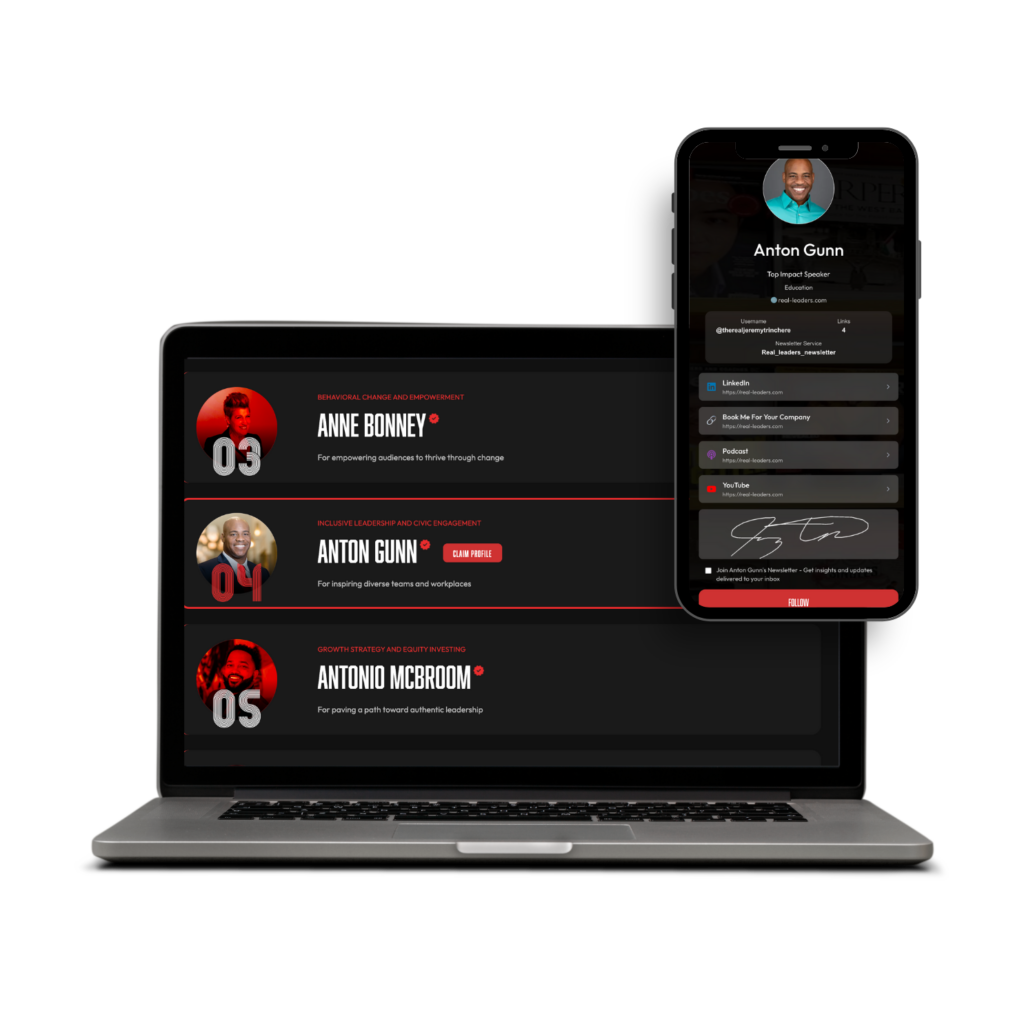
First Look at the New RealLeaders Verified Lists and Link
As the CEO over the past decade, experiencing both the progress and challenges that we’ve all faced, I want to express how much I respect and value all of you. Your collective leadership, grit and determination is changing the world for the better and is needed now more than ever.
I hold high regard for Kevin’s courageous mindset and know that he shares our strong commitment to supporting you, the Real Leaders of our world! His continuing leadership will help accelerate the growth and impact of our entire community.
Thank you all and know that we will all “go far together”.
Written by: Julie Van Ness, Executive Director and Chair (former CEO)
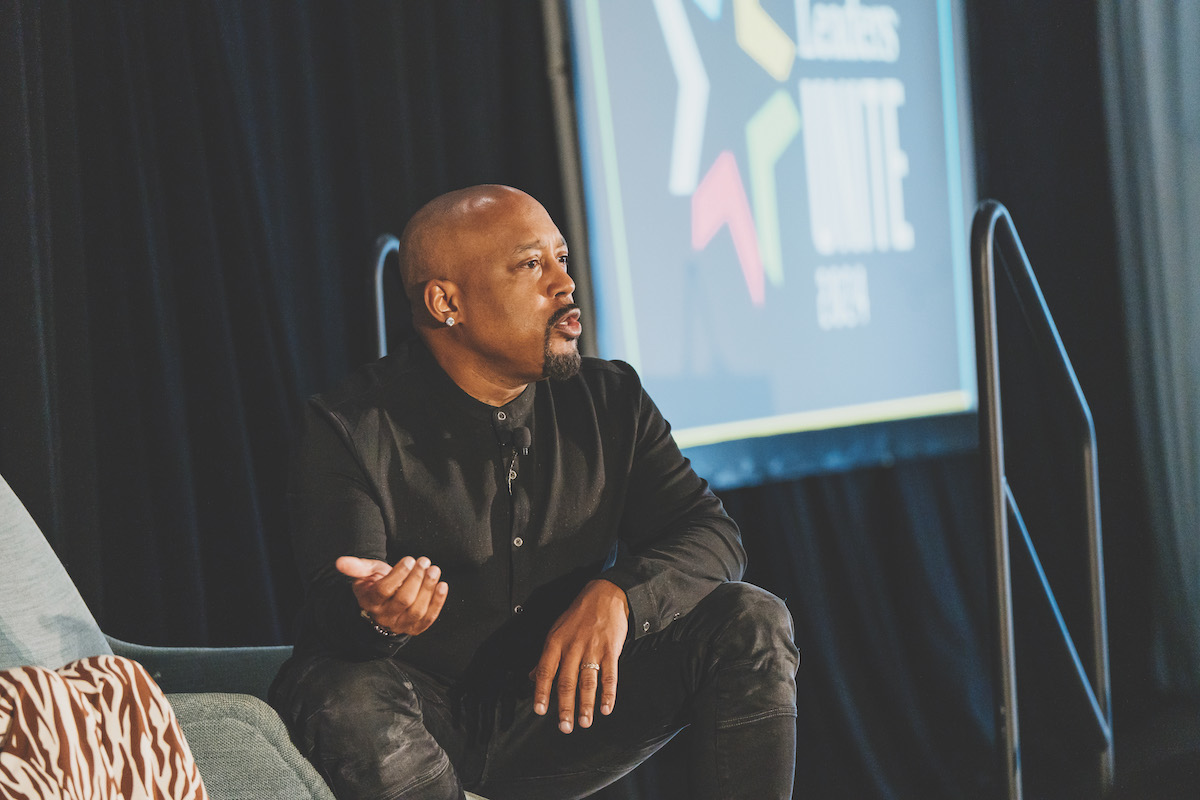
Forget the mansions and trust funds. Daymond John—the People’s Shark—says he’s not leaving his daughters a dime. In an age where “generational wealth” is often the buzzword of success, Daymond is preaching a harder truth: Legacy is earned, not inherited. In a wide-ranging interview on the Real Leaders Podcast, he breaks down what real wealth looks like, and why it’s measured not in dollars, but in discipline, intention, and impact.
1. The Myth of Leaving It All Behind “I’m not leaving my children anything,” Daymond says. “You give them everything in the world, you make them the poorest people in the world.” His philosophy is simple: when children grow up with too much comfort, they miss the lessons that come from struggle. Daymond, who built FUBU from nothing, wants his kids to inherit a mindset, not a bank account. His legacy isn’t about material handouts—it’s about creating people of value who understand what it takes to build.
2. The Power of Daily Intentionality Every morning and every night, Daymond reads his goals. Ten of them, six short-term and four long-term, spanning up to 20 years into the future. “That’s the last thing I think about when I go to sleep,” he says. This routine isn’t just motivational fluff—it’s the foundation of his discipline. “If I can make it, anybody can make it,” he insists. From a self-proclaimed C-student who repeated 7th grade to a business mogul, his consistency is proof that intentionality compounds into impact.
3. Work-Life Harmony, Not Balance “There’s work-life harmony, not work-life balance,” he explains. Daymond rejects the myth of perfect balance and instead promotes “stealing time” for what matters most. Whether it’s walking on the beach, Peppa Pig tea time with his daughters, or watching a show with his wife, he schedules these moments with as much care as business meetings. “Those things collect over the year, and you realize you stole a hundred, two hundred different times away with those that you love.”
4. True Leadership is Service Daymond sees leadership not as a hierarchy, but as service. “If you serve from a genuine place, people want to fight for you,” he says. That sincerity drives loyalty and scale. “The only way to grow is to replicate yourself. If you don’t empower others, they’ll leave or become your competition.” Leadership, in his words, is about being human, being vulnerable, and being generous—even if it’s as small as making a phone call or saying hello.
5. The Real Legacy: Discipline, Not Dollars Daymond isn’t interested in producing entitled heirs; he wants to raise leaders. “What’s important to me is longevity,” he says. His drive isn’t about accolades or comfort—it’s about walking his daughters down the aisle, seeing his grandkids grow up, and ensuring the next generation carries forward a standard, not a sum. “That carpet doesn’t give a shit about anything else,” he says of opportunity, “it just wants to know you’re going to wake up before everybody and go to sleep after everybody.”
Want more real talk from real leaders? Follow us for interviews that dig deeper than the headlines—because the future deserves more than surface-level success.
When the startup and investment arenas struggle to embrace ideas from different perspectives, here’s how to persist.
Venture capital can be the lifeblood of entrepreneurial endeavors and the catalyst for entrepreneurial growth. However, its support is often elusive.
To protect their investments, venture capitalists rely on certain patterns and trends to help them separate surefire opportunities from the overly risky. They diligently observe things like technological advancements and consumer trends to pinpoint startups with solutions that aim to address unmet needs or significant inefficiencies. They also scrutinize a startup’s team and evaluate their expertise and resilience. A blend of market foresight, thorough analysis, and a focus on scalability help VCs navigate markets with lucrative investments.
However, the corridors of the VC industry predominantly echo the voices and visions of conventional entrepreneurs. Some of the top investment areas in 2023 have been gaming and media. VC firms are in contract with limited partners and general partners who set the investment criteria. Then the start-up must fit the boxes prescribed. The flaw in this is that disruption is outside of the box, landing those ideas often in the trash pile. I believe the models they follow tend to go in the opposite way of true disruption. This isn’t to say that unicorns don’t emerge and become household names, but it’s not as frequent as it perhaps could be.
Entrepreneurs might be surprised to learn this, but vocalizing a disruptive vision can sometimes result in receiving less funding — and sometimes no funding at all. Funding earmarked for groundbreaking ideas often ends up supporting ventures that adhere to more established norms, which can sideline pioneering entrepreneurs who aim to revolutionize industries. It’s understandable, as 90 percent of disruptive startups typically fail within their first year, according to a 2020 report by Startup Genome. Beyond that, venture capitalists often fail to analyze disruptive ideas without predisposition or bias, unsure of how to fund the truly disruptive.
This is the exact struggle Salesforce founder Marc Benioff had, and it’s something I also experienced when trying to secure funding for my company. I don’t expect VCs to be able to predict the future, and I do believe that disruptive companies are rare because, well, that’s what makes them disruptive. However, continuing to exclude disruption from the entrepreneurial narrative perpetuates a cycle of inequity within the ecosystem. It’s for these reasons that I became a self-funded entrepreneur.
Where Is Our Disruptive Entrepreneurial Ecosystem?
The absence of a disruptive ecosystem can further impede the growth and representation of diverse leadership. The startup and investment arenas struggle to embrace and nurture the wealth of ideas that emerge from different perspectives. Unconventional founders often find themselves navigating an uphill battle as venture capital tends to favor tried-and-tested businesses. Women-led businesses are 63 percent less likely to secure funding than those founded by men, according to 2020 INSEAD data, and while funding for Black-owned startups has increased, Black women only received 0.34 percent of total venture capital spending in 2021, Crunchbase reported.
Armed with advanced degrees and a family legacy of scientists and mathematicians, I encountered relentless challenges when starting my company in the emerging green tech space. If I had been building a company in the gaming industry, for example, or was seeking funding for a simple software platform or beauty product, I’m confident I would have received more immediate financial support. But if you don’t fit into the current VC-prescribed investment thesis, you don’t get funded.
Just like Salesforce is now a billion-dollar giant, I’ve grown my platform-as-a-service business for co-manufacturing into a successful organization helping to cultivate higher-wage jobs in marginalized communities while providing services and co-working space to green startups in predominantly Black areas. I wanted to make Miami more inclusive to bridge the gap between innovation and equitable opportunities, and that mission will carry to other cities and counties as we grow.
I realize some of my previous insights might sound a bit bleak, but I want to express my hope and excitement for the future of innovation. I believe entrepreneurs are finding creative ways to push inventions forward without initial VC investment, which leads to more ownership for founders as they grow.
To Evolve, Keep Your Voice and Vision
My career has been fraught with encounters that typify the challenges faced by disruptive entrepreneurs. Financial and real estate professionals did not understand my vision or industry at first, and that’s OK. Green tech isn’t an industry that most professionals are familiar with — although that is changing. However, when I built the first container homes in Miami Gardens and the first of its kind in affordable housing, the industry began to explode, and lots of funding followed for many developers.
When you rely on funding from others, it can often weaken your voice and vision, keeping your business from evolving. It’s important for any founder to maintain conviction in their vision. This is a testament to your resilience and belief in the transformative impact of your ideas. Surrounding yourself with a supportive community that believes in the power of diversity and unique perspectives is pivotal. Seek out mentors, peers, and allies who champion inclusivity so you can forge ahead with confidence and determination. Remember, the world needs a distinct lens through which you view challenges and opportunities.
Develop and Maintain Your Entrepreneurial Agency
Mastering your entrepreneurial destiny through self-funding isn’t merely a financial decision — it’s a statement of autonomy and empowerment. You steer the course of your venture, which can instill a profound sense of ownership. I believe you must prepare with humility but perform with confidence, and once you prove success, you will be surprised how investors begin to throw capital your way.
Self-funding also equips you with a comprehensive understanding of your venture’s financial intricacies. It’s an immersive experience that goes beyond monetary aspects, teaching valuable lessons in resourcefulness, strategic planning, and fiscal responsibility. Every dollar invested becomes a deliberate choice, fostering a lean and efficient operation. This hands-on approach to financial management cultivates a depth of knowledge that extends far beyond the immediate needs of your business, providing a solid foundation for sustainable growth and resilience in the face of challenges.
I quickly realized my destiny was in my hands, which empowered a self-confidence and resilience I might have otherwise neglected partnering with other VC investors. For innovative entrepreneurs, this realization serves as a catalyst to challenge norms, shatter barriers, and carve new paths forward.
Explore and Nurture Your Core Entrepreneurial Skills
Self-funding is an immersive learning experience that hones a spectrum of core entrepreneurial skills. It forces entrepreneurs to develop skills beyond the conventional realms of business. From resourcefulness and adaptability to resilience and innovation, self-funding cultivates a versatile skill set crucial for your success. The need to manage limited resources efficiently prompts creative problem-solving, pushing you to explore innovative solutions and unconventional pathways to growth.
An entrepreneur’s most important tool is discipline. You must discern to use the resources you have wisely because your discipline and allocation of resources will make all the difference to your success. As a diverse founder, I’ve found that people will waste as much of your time as you let them. I have learned the hard way to be careful of the tyranny of the urgent. Learn to say no, and set agendas for your day, week, month, and year.
Navigating the self-funding landscape nurtures an inherent understanding of risk management and strategic decision-making. Every choice carries weight, compelling a meticulous evaluation of opportunities and potential risks. This hands-on approach to risk assessment and mitigation becomes ingrained in your entrepreneurial toolkit, empowering you to make informed decisions while remaining agile in a dynamic market. Moreover, the ability to pivot and adapt strategies in response to challenges becomes second nature, ensuring your venture remains agile and resilient in the face of ever-evolving circumstances.
The time is ripe for a seismic shift toward a more disruptive entrepreneurial ecosystem. The call to action rests not just with entrepreneurs themselves but within the broader ecosystem. It demands a concerted effort to recalibrate the narrative, foster networks that champion new ideas, and institute structures that offer opportunities for all voices. Choosing the path of self-funding isn’t without its trials, yet it embodies a powerful assertion of control and purpose. This journey doesn’t just benefit individual entrepreneurs; it enriches the entrepreneurial landscape.
Self-funding will phase out when you develop a track record of success. You will be amazed how funders compete with each other for your business, so be patient and keep turning a profit. This is where the skills of negotiation and prudence really come in handy, as you now know your value and can negotiate fair terms.
At a recent two-day conference I taught to over 50 leaders in Amsterdam, we began with participants reading the ground rules. They expressed surprise at the fourth and most controversial rule of our collective engagement:
“Your phone, laptop, tablet, or other digital device must be switched off during the sessions. A phone ringing during a session will be considered disruptive, and we will ask you to put it away if you are using it during a session. There will be time during breaks for you to answer messages. All digital devices must be turned off, as they are disruptive to the learning of others. Please bring a paper and pen to take notes.”
This is guided by my belief that there are two types of thinking: flashlight thinking, which our screens pull us into, and floodlight thinking, where our transformational potential lies.
A Controversial Rule
I reassured participants that if they need to use their phone at any time, they can step outside the room.
“No judgment,” I shared. “I know that there is more to your life than this program. You may have a sick child, elderly parent, or struggling coworker who needs to reach you.”
Based on over 10 years of research I reviewed for my book Screened In: The Art of Living Free in the Digital Age, I cite studies that the mere presence of a phone or laptop in a learning environment obstructs genuine learning for three primary reasons.
A 2010 Stanford University study discovered that seeing a phone or laptop causes stress, as it’s a reminder of everything you still need to do.
It reduces your learning by damaging your cognitive capacity — even if it’s turned off.
Screens affect everyone present. Using your device — even if it’s just for taking notes — decreases the learning of the people around you. Hence, allowing screens into a learning environment should not be a collective decision.
You’ve Got to Be Kidding
After the usual incredulous glances around the room, the participants grudgingly settled in. Over the next two days, we engaged in countless screen-free discussions about leadership including how to manage anxiety and loneliness in oneself and one’s team members, work-life balance, and the role of gender in leadership.
Following the conference, I received many appreciative messages from participants. They especially emphasized the fourth ground rule. It was the “first step to rehab,” shared one leader.
“What a gift the past two days were,” another expressed. “A break from the everyday madness (and our devices) with inspiring sessions and encounters.”
From Flashlight to Floodlight
As an educator grappling with these issues every day, I must add another reason. An idea I derived from Alan Watts’ interpretation of Zen Buddhism, I consider there to be two types of thinking.
The first is what I call flashlight thinking. If you turn off all the lights in a room and shine a flashlight on the wall, you will see a small disk of light. This disk is your next email, text, meeting, phone call.
The other type of thinking I call floodlight thinking. If you again turn off the lights and this time place a floodlight on the floor, it will illuminate the entire wall. It is through this type of thinking that we see the entire picture, our holistic vision of whatever issue we are grappling with.
Our screens constantly pull us out of floodlight thinking and into flashlight thinking, yet it is floodlight thinking where our transformational potential lies. It enables us to access our deepest creativity and to view the same issue we’ve been looking at for months, perhaps even years, from a new angle — and maybe even make a breakthrough.
Just Presence
For educators and facilitators in our current age of distraction, just as important as having knowledge to share may be the ability to be fully present with their students, clients, or participants. Creating such an environment is virtually impossible (pun intended) unless it’s screen-free.
Educators are not the only ones tasked with staying present in the collective search for truth, which is crucial to a high-quality learning encounter. So is each and every student. Why?
A 2012 university study asked participants to pass people on the street while refusing to make eye contact or acknowledge them so they feel what is referred to in Germany as “wie Luft behandeln,” which means “to be looked at as though air.” The people they passed expressed a few minutes later that they felt more disconnected from society.
Each time we bring people together for a shared learning experience, it is incumbent on leaders to create a non-judgmental, accepting environment conducive to everyone being fully present and comfortable with the prospect of sharing professional and life challenges, dreams, and experiences.
If we are going to ask people to leave their phones at the door in the third millennium in exchange for learning, we can offer no less.
We asked our 2024 Real Leaders Top Keynote Speakers what message resonates most with their audience. Here are a handful of their responses. Do you want to be included in the next list? Apply to be a Real Leaders Top Keynote Speaker here.
“Sometimes the most positive thing you can do is turn fear into fuel, frustration into focus, and failure into finishing strong. Love casts out fear, and the more you focus on love, fear will dissipate. So love the moment, love the battle, love the competition, love competing, love the struggle, and love the process. When you love it, fear will have no power over you, and love will fuel your success.” —Jon Gordon
“Whatever is happening right now, this is it. This is your life. You can’t change the past, but in 5 seconds, you can change your future. There is only one you. And there will never be another one. That’s your power.” —Mel Robbins
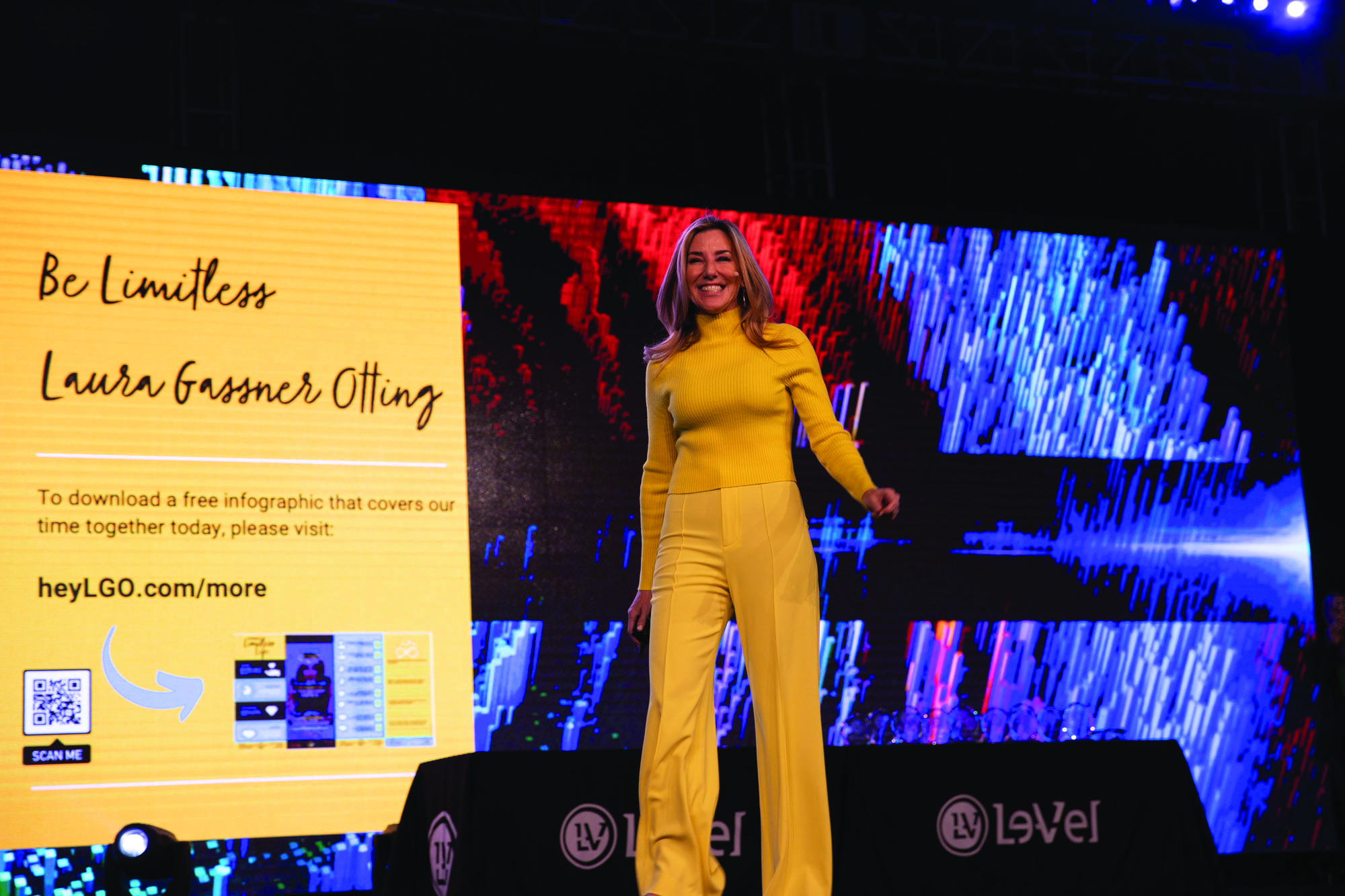
“People tell me that they’re worried people won’t like the ‘me’ they really want to be. Some love you, and they’re scared that you’re going to get hurt. Some are jealous and see a reflection of their own stagnation. Some say, ‘You can’t do that. That’s too scary,’ when what they really mean is, ‘I can’t do that. I’m too scared.’ Stop letting your ambition be held back by someone else’s lack of imagination.” —Laura Gassner Otting
“When it comes to solving the climate crisis, people ask me if I have hope. I don’t have hope — I have determination.” —Henk Rogers
“My journey in becoming a speaker and a leader comes from a certainty that I’ve always had that everything we need, everything our ancestors needed, and what our children will need, exists on planet Earth—and nowhere else. My purpose, and it takes courage, is to do everything within my power to restore and protect the ecosystems and biodiversity that provide what we all need to survive.” —Cristina Mittermeier
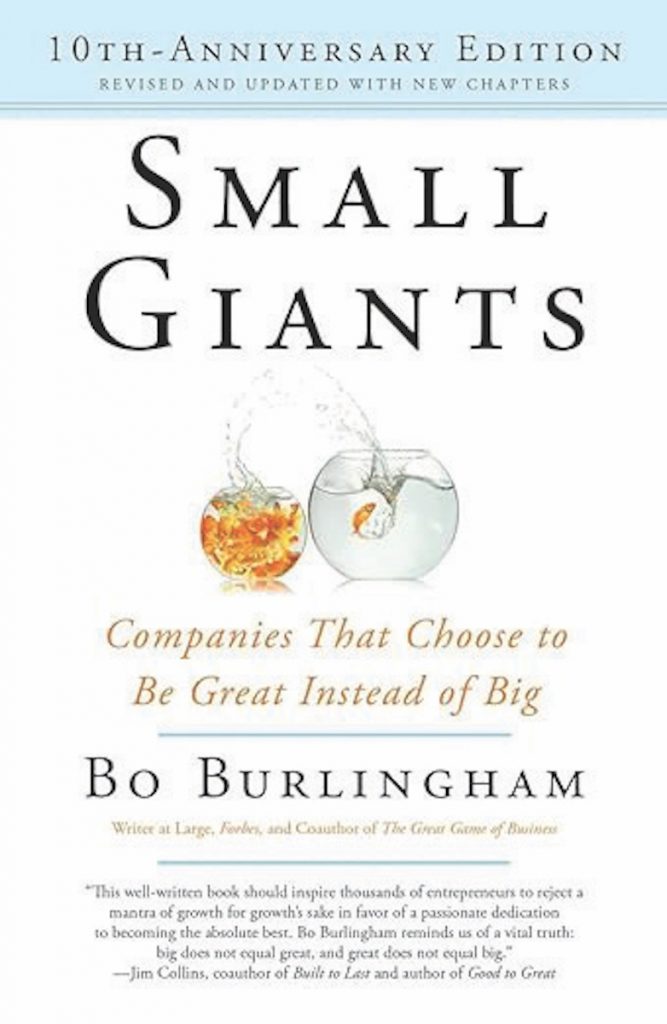
Veteran journalist Bo Burlingham takes readers inside 14 companies that rejected the pressure of endless growth to focus on more satisfying business goals. Burlingham shows how the leaders of these small giants recognized their full range of choices and how we can all benefit by questioning the usual definitions of business success.
Business owner, motivational coach, and speaker Jen Sincero’s self-development book uses humor, irreverence, and the occasional curse word to help others transform their mindsets and lives.
—Recommended by Sara Jensen, Co-CEO and co-founder, Hugh & Grace
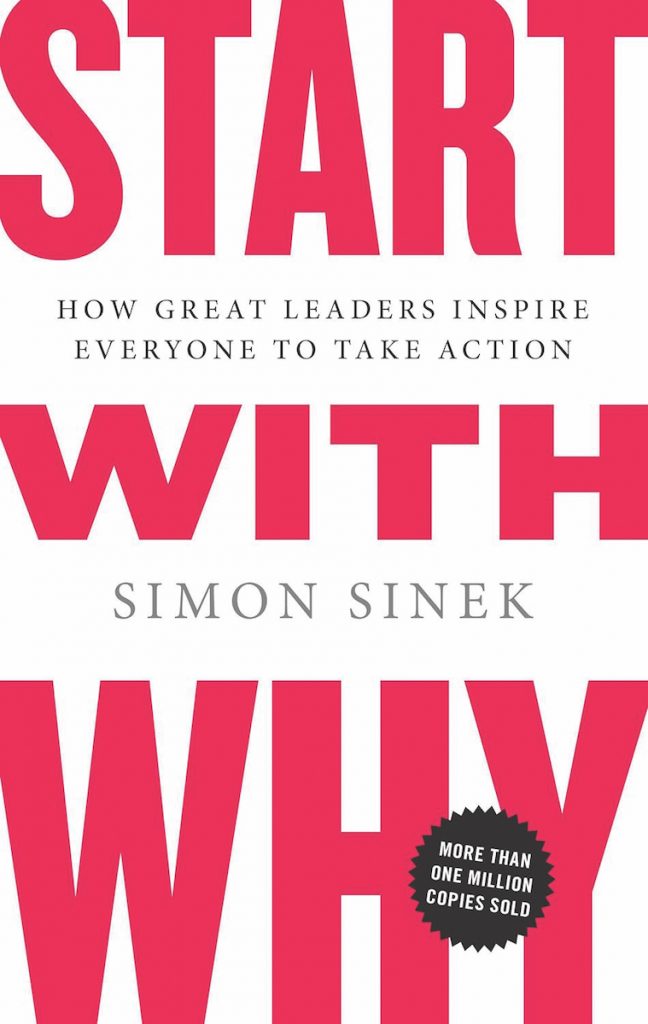
Optimist Simon Sinek, a repeat Real Leaders Top 50 Keynote Speaker, shows that the leaders who have had the greatest influence in the world all think, act, and communicate in the same way — and it all starts with “why.”
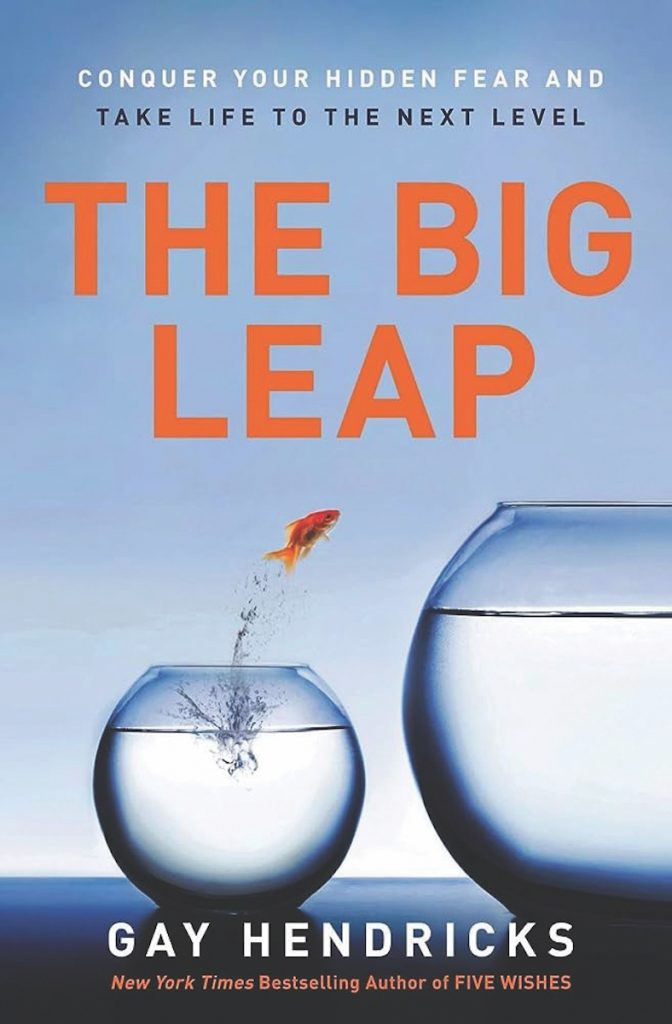
Psychologist Gay Hendricks demonstrates how to go beyond your internal limits, release outdated fears, and learn a new set of skills and habits to take your life to the next level.
—Recommended by Natalie Nichols, co-founder, Concertina Team Services
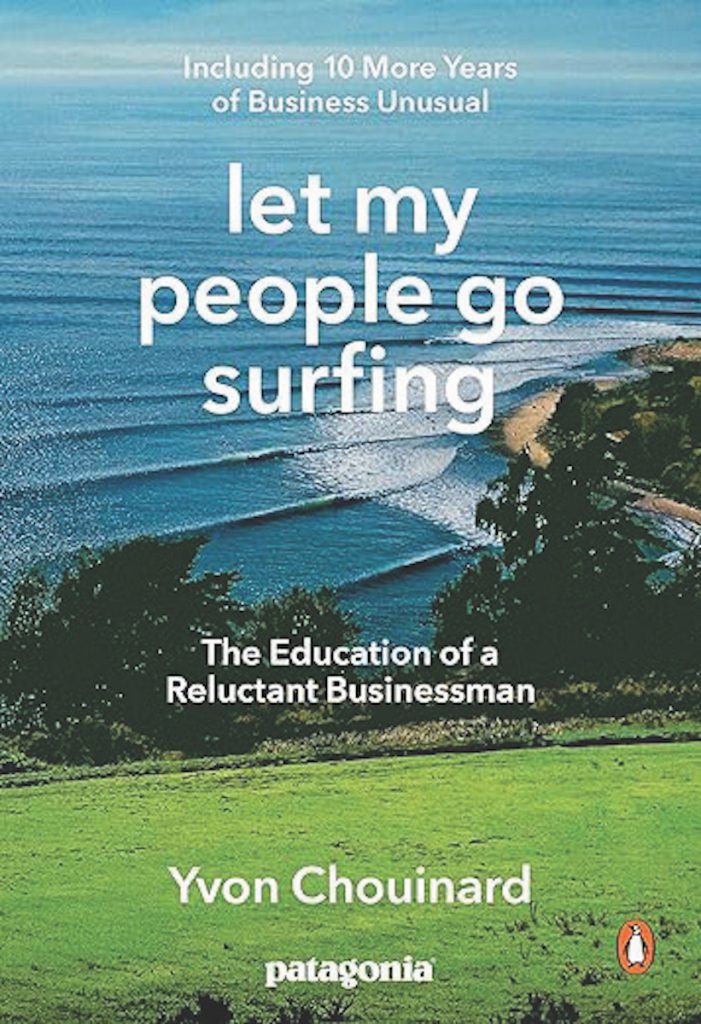
Yvon Chouinard — climber, businessman, environmentalist, and founder of Patagonia — shares the persistence and courage that have gone into being head of one of the most respected and environmentally responsible companies on earth.
—Recommended by Michael Stausholm, CEO and founder, SproutWorld
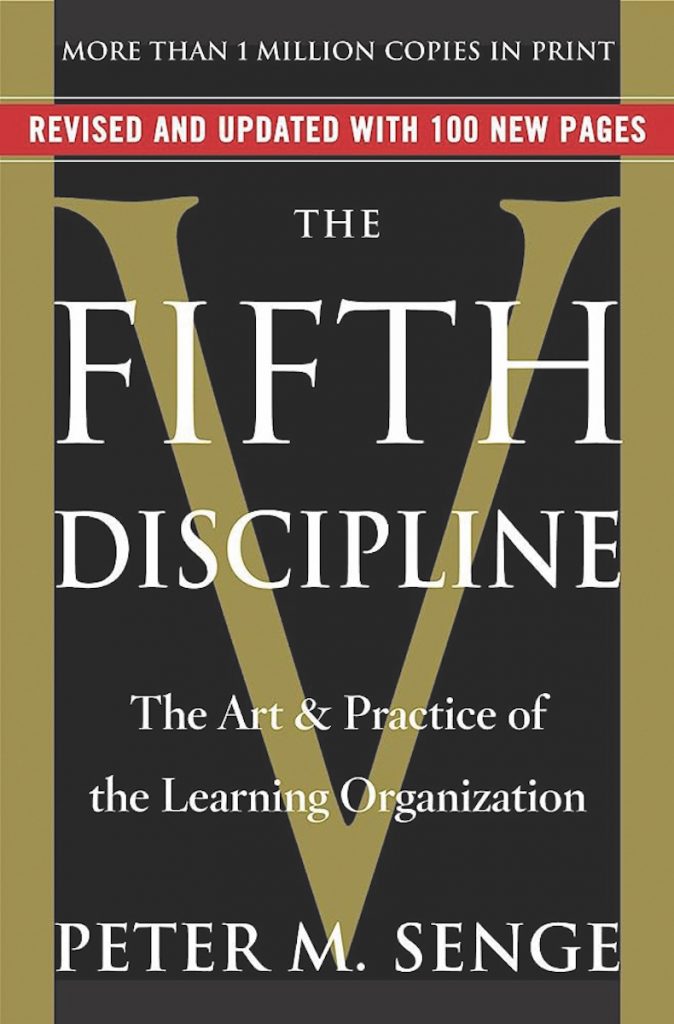
MIT professor Peter M. Senge unpacks the art and practice of building learning organizations — corporations that overcome inherent obstacles to learning and develop dynamic ways to pinpoint the threats that face them and to recognize new opportunities.
—Recommended by Steve Bilt, CEO and co-founder, Smile Brands
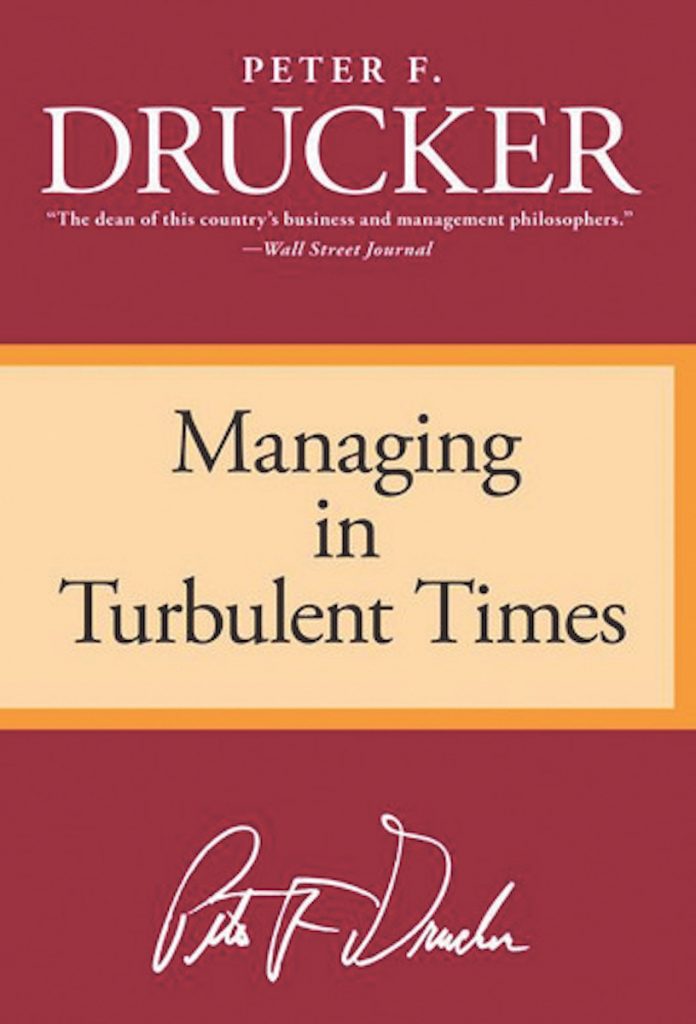
Management consultant Peter Drucker dives into strategies to turn the threat of rapid change into productive, profitable action that contributes positively to society, the economy, and the individual.
—Recommended by Matt Armanino, CEO and managing partner, Armanino
We all want to build a successful organization — one with a purpose that grows rapidly and profitably, produces highly differentiated and loved products, delights its employees and customers, and creates significant shareholder value. However, less than 10% of early-stage businesses succeed in achieving any of those outcomes. In my experience, the main reason businesses fail is that the leaders focus, sometimes to the point of obsession, on the outcomes rather than the inputs that drive those outcomes.
Successful leaders flip the script by relentlessly focusing on defining, nurturing, cultivating, and strengthening the inputs that they believe will yield the outcomes they desire. So, let’s delve into the three fundamental inputs that I’ve seen drive success in the organizations I’ve led and in others I admire.
The Mission: The North Star for Success
The cornerstone of any purpose-driven enterprise is a well-defined mission. Research cited by John Kotter and James Heskrett in their book, Corporate Culture and Performance, demonstrates that purpose-driven companies outperform their counterparts in stock price by a factor of 12. The mission statement is your North Star because it tells every stakeholder what strategies you will pursue and what you won’t. When I was a new CEO in my current and past organizations, my first order of business was to refine and solidify the mission because doing so informed the type of employees we would hire, investments we would make, and type of organization we sought to become.
Core Values: The Ethical Compass
Once the mission is solidified, clearly defining the core values is the next priority. Core values serve as the moral compass guiding an organization’s decisions and actions and is the input that drives the culture you build. It’s less about putting words on a wall and more about defining what type of people you want to hire, because who you hire drives the culture you create. Core values are not a one-size-fits-all proposition, but the components I’ve had success with revolve around operating with compassion and humility, doing the right thing, challenging the status quo, and winning and losing together.
The Big Four: The Input Framework Driving Operational Excellence
To ensure a relentless focus across the organization on the inputs, I’ve found success by creating a framework I refer to as the Big Four. Framing the key inputs into a short, digestible list, ensures alignment and accountability across the organization so that every initiative is aligned to an input, making long-term success more likely:
Hire and develop great people.
Build must-have products quickly.
Turn customers and employees into raving fans.
Continuously invest in process, systems, and infrastructure.
The Importance of Board Alignment and Over-Communication
While my organizations have never been perfect, they have experienced a significant amount of success across most of the outcome dimensions discussed here, which is directly attributable to a laser focus on the inputs. Once you’ve defined your mission, your core values, and your version of the Big Four, it can’t stop there. These inputs must remain a centerpiece of every story, every update, and every meeting to the point of feeling like you’re saying it too much. Remember, your team is hyper-focused on the day-to-day tasks necessary for the organization to achieve its mission, so it can be easy to lose sight of the why behind it all. Consistent reinforcement of the why and the how reminds them why they chose your organization and why they will continue to choose your organization going forward.
Finally, for those with a board of directors, I recommend including the board as you define and align on the inputs you believe will drive success. Then, organize your board updates around those inputs. Doing so will serve as a consistent reminder for the board and an accountability tool for your team, keeping everyone focused on cultivating and strengthening the inputs as you drive for the outcomes you desire.
In a rapidly changing world, effective leaders go beyond the status quo. They create a vision, empower their teams, and drive positive change. Here are key principles of transformational leadership:
1. Visionary Thinking Vision:
Share your vision with your team. Paint a picture of success and rally everyone around it. Transformational leaders dream big. They envision a better future and communicate that vision passionately. Whether it’s a startup disrupting an industry or a nonprofit tackling global challenges, a clear vision inspires action.
2. Empowering Others Empowerment:
Delegate authority and encourage autonomy. Let team members take ownership of their tasks. Leadership isn’t a solo act. It’s about lifting others up. Empower your team by trusting their abilities, encouraging creativity, and providing growth opportunities. When everyone feels valued, innovation thrives.
3. Authenticity Matters Authenticity:
Be genuine. Show vulnerability when appropriate and build trust through transparency. Authentic leaders lead from the heart. They’re genuine, transparent, and vulnerable. Authenticity builds trust, fosters collaboration, and creates a positive work culture.
4. Emotional Intelligence Emotional Intelligence:
Understand emotions—yours and others. Use empathy to connect and resolve conflicts. Understanding emotions—both yours and others’—is crucial. Emotional intelligence helps navigate conflicts, build strong relationships, and make empathetic decisions.
5. Adaptability Adaptability:
Embrace change. Be agile in decision-making and open to new approaches. Change is constant. Leaders who adapt thrive. Be open to new ideas, embrace uncertainty, and learn from failures. Adaptability ensures relevance and resilience.
6. Servant Leadership Servant Leadership:
Serve your team. Listen actively, remove obstacles, and foster growth. Serve before you lead. Put others’ needs first. When leaders serve their teams, loyalty and commitment follow. It’s not about hierarchy; it’s about humility.
7. Continuous Learning Continuous Learning:
Stay curious. Seek knowledge and apply it to improve your leadership Leadership evolves. Stay curious, read widely, attend workshops, and seek mentorship. Learning keeps your leadership fresh and relevant. Transformational leadership isn’t about titles—it’s about impact. Lead with purpose, inspire change, and leave a legacy.
Remember, transformational leadership isn’t theoretical—it’s a daily practice that shapes organizations and impacts lives.
In closing, remember that leadership isn’t confined to boardrooms or titles—it’s a mindset. Whether you lead a team of five or influence a global organization, these transformational principles apply. Be the leader who inspires change, empowers others, and leaves a positive legacy. As you navigate challenges and opportunities, keep the vision alive, embrace authenticity, and adapt with resilience. The world needs leaders who not only do well but also do good.
That’s the question that we have asked global business leaders on our Real Leaders Podcast and in our magazine for over a decade. The answers have been insightful, and most share this winning combination: (1) the importance of caring for something greater than themselves, (2) the willingness to do the work necessary to achieve a positive outcome for the greater good, and (3) doing it in a financially sustainable and scalable way.
In our sixth annual Real Leaders of Impact Investing edition, you’ll discover some of the top impact investors in the world and how they choose who, what, and when they invest (p. 56).
You’ll also discover our exclusive interview with impact investing pioneer Jacqueline Novogratz, CEO of Acumen, who talks about the importance of cultivating moral imagination, avoiding the conformity trap, and practicing courage (p. 48): “The world continues in the short-term to reward the shiny, but in the long-term, it pays off on character.”
The key to being a successful impact investor is the ability to invest in a leader who is likely to perform long-term. This ability to qualify a leader is important to all of us as we choose whom we want to work for, hire, and represent us in organizations and government.
The most articulate salesperson may shine in short pitches but cannot withstand the scrutiny of closer due diligence.
We’re reminded of the old saying that if it sounds too good to be true, it probably is. Do I trust this person? What does their past tell me about them? What is their litigation or bankruptcy history? Have they been successful in something comparable before? How resilient are they? What is their reputation? Would I be happy working for them? These are the kinds of questions that help us to determine one’s character and values, and character is ultimately what matters the most.
Investors often lose money when they become enamored with the product or service but overlook the questionable character and reputation of the leader. Many of us have made this mistake in personal or business relationships, but when the stakes are high, mistakes can be devastating.
Today, I pose this question to you: What’s your definition of a real leader? Think carefully about your response, as your description can serve as a guiding light when selecting leaders for your own life and for our world.
You can access the latest Real Leaders Magazine on shelves or on Real Leaders Website July 1.
We have plenty of bright ideas for your shopping cart this summer. All of these products are made by 2024 Real Leaders Top Impact Companies, so you can rest assured — preferably poolside — knowing that your purchases are making a splash for good.
By Real Leaders
Get One, Give One: Soap with Hope
Smell sweet and feel even sweeter about the mission you’re supporting with Soapbox’s naturally derived bath and body products. For every item sold, the company donates a bar of soap to someone in need. Plus, products are made with 100% recyclable packaging. Try the Coconut Oil Hydrating Shampoo and Conditioner, pictured, after a day in the sun.
Beat the Heat: Righteous Gelato
Righteous Gelato makes flavorful small-batch gelato and sorbet without artificial ingredients. The cherry on top? It’s giving back along the way by donating 1% of its revenue to charity, using sustainable packaging, and diverting 95% of its waste away from landfills. Cool off with a refreshing scoop of Dairy Free Raspberry Lime Sorbetto or Dairy Free Blueberry Limeade Sorbetto, pictured.
Getaway for Good: Better Leather Bags
Parker Clay sells quality handmade sustainable leather bags, wallets, and other accessories. Premium, full-grade Ethiopian leather is ethically sourced from food animals and is crafted with the environment in mind. The company employees at-risk Ethiopian women, paying living wages and providing benefits. Take the San Ysidro Weekender, pictured, on your next trip.
Sustainable Sipping: Finer Wine
In the Oak Knoll District of Napa Valley, California, Trefethen Family Vineyards is among the first wineries to use carbon capture technology as well as to fully offset its electricity usage with on-site solar power, earning the 2022 California Green Medal Environmental Award. Pour a glass of S.I.N. Summer in Napa Rosé, pictured, and kick back with a good book.
Poolside for the Planet: Swimmingly Good Bathing Suits
Period underwear company Pantys offers stylish swimsuits for comfortable, sustainable, leak-proof protection in the water. Bonus: Pantys’ products minimize environmental impact, so they’re carbon-neutral and made with biodegradable fabrics that decompose in three years. Take the Triangle One-Piece, pictured, for a swim.