The High Cost Of Cheap Clothes

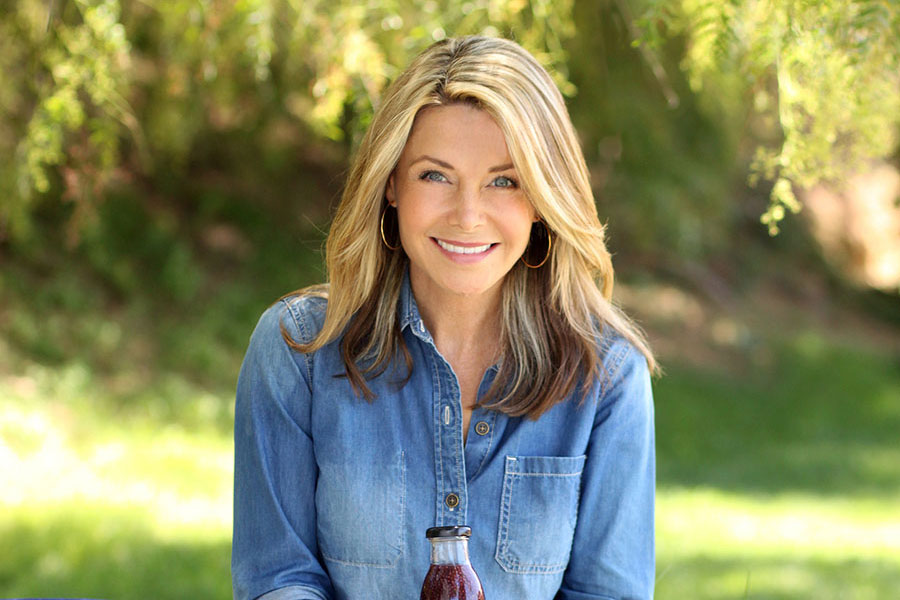
  • After a decade in the organic food and beauty industry Marci Zaroff (above) recognized the “missing link” in the supply chain – ethics and sustainability.
  • She coined the term ‘eco-fashion’ and set about pioneering a market for organic and sustainable textiles.
  • Rethinking the fashion supply chain can cut costs, add value to collaborators and offer better-priced garments.
  • She shares her views with Real Leaders on how to keep the fashion industry pure, transparent and authentic.

In your opinion what are some of the obstacles to overcome in the fashion industry?

We have to break stigmas. One of these is the idea that in order to embrace fashion, style, quality, fit, colour and comfort, sustainability must be compromised. These two ideas are not mutually exclusive. People think sustainability costs more, but it depends on how savvy a brand or designer is in navigating a supply chain. A typical garment can change hands 7-10 times within a supply chain and many designers will deal with a factory only, leaving the supply chain to others behind the scenes. For the past 20 years I have gone to the source, starting at the farm gates and cutting out much of the inefficiencies of a typical garment supply chain. This has added value to the products and creates a competitive price.

The fashion industry is the second biggest colluder in the world, alongside coal, for air and water pollution. It represents about 10 percent of the world’s carbon impact and uses three trillion gallons of fresh water every year. Twenty percent of fresh water pollution comes from textile dying and 5 percent of landfills are textile waste.

What are some of the biggest changes and improvements in the industry that you have seen?

The emergence of the organic cotton industry, as an alternative to fibre, is still seen as a niche sector and viewed much like the organic food trend. Studies have shown that 84 percent of American consumers occasionally buy organic food, so I really see organic cotton as the next frontier.

It’s a growing industry that has emerged mainly from collaboration. I was part of a team that developed The Global Organic Textile Standard that saw different organic standards in the U.S. U.K., Japan and Germany come together as one premier global standard for organic textiles. Fashion crosses borders by nature and we’re now able to track material from farm to shelf. If you can’t create sustainability on a financial level, then as much as you want to do good for people and planet, it won’t work.

Who inspired you at a young age?

When I was 15 a friend gave me a book, Living In The Light by Shakti Gawain. It opened my eyes to the fact that there’s more to the world than what we see.

It struck me on a very deep level. I also discovered Aveda, the cosmetic company that uses plant-derived ingredients founded by Horst Rechelbacher. I met him in my teens and he became my mentor for 25 years. He taught me that you can actually align your personal and professional values. My favorite quote is, “Work is love made visible.”

In the very competitive and cutthroat fashion industry, how do you separate your business from some of your competitors?

Staying true to your vision is important. We all create our own reality, because we’re made of energy. Albert Einstein once said, “We can’t solve todays problems with the same consciousness that created those problems.” It’s about trusting our gut, following our heart and adding social purpose to a business.

Believing that I can create something that doesn’t exist while generating authenticity and true leadership has set my brand apart and people aren’t just buying my products, they’re joining my brand and what it stands for. Consumer products are very powerful in effecting positive change, more so than governments.
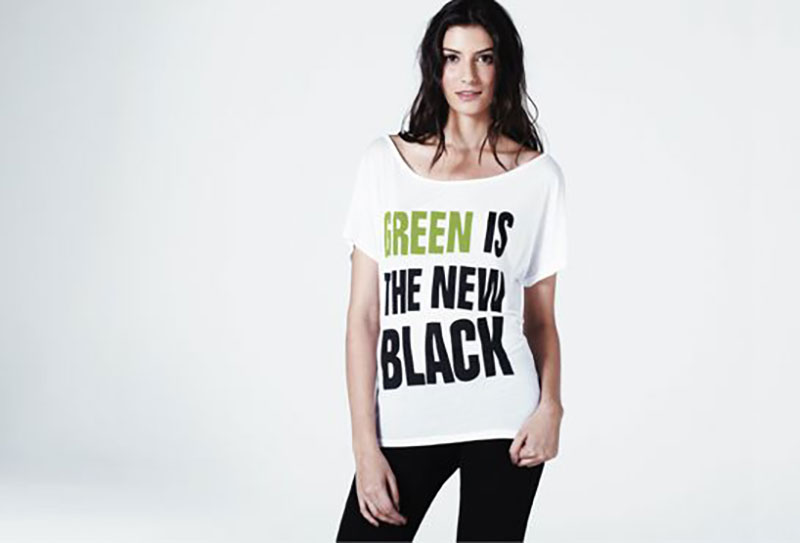
ecofas hion clothes

In a predominantly female industry such as fashion, do you think more women are gaining the top leadership roles or do you think men still dominate? If so, how do you change this?

We still have a long way to go but progress is being made. I recently attended an award ceremony in New York and saw how empowered women have become. They are joining forces and it’s like 1+1=11. The more that women share success stories and support each other, the more exponential shifts we are going to see. It comes down to mentoring the next generation. A friend of mine is currently producing a movie called Women on Wall Street. In every Wall Street film preceding hers, women are either portrayed as secretaries or wives, yet dynamic and successful women already exist on Wall Street. The more we expose these types of women the more confidence it will give the next generation – showing that gender should never be an obstacle.

How would you describe a real leader?

Someone who has aligned their personal and professional values. As a real leader you need to be both strong and sensitive, empower people and treat others the way you want to be treated – not seeing the top guns and little guys as different human beings – but part of the same family. Embed the same values into your business that you’d find in your home – peace, love and happiness. It will help create an inner connection that makes you aware of our collective consciousness. You should strive to be a role model for others.

What mistakes have you learned from the most?

I don’t see anything as a mistake. I see everything as an opportunity to learn and grow. It’s human nature that until we experience the dark we can’t know the light. There’s no joy without pain. You can’t know what you really want unless you experience first what you don’t want. I achieve more when I build teams, and work with people who are open and communicative. It’s the key to successful relationships, partnerships and businesses. The days of dictatorial and authoritative attitudes are over. It’s about team – the “me” to the “we.”

What are some of the things that you would advise or that you would like to see happen to create a more sustainable world?

We need to create a new normal that doesn’t just consider how things look, but what kinds of materials and manufacturing methods where chosen. Millennials are the first digital generation that can pull back the curtain and ask, “Who made my clothes? Where is it made? What’s in it?”These questions are catalysts for making brands and retailers think about these issues.

After the Rana Plaza collapse in Bangladesh in 2013, where 1,133 garment workers lost their lives, 60 countries demanded that the industry change. Lives were lost for fashion and people were no longer willing to sit back and support a destructive industry. Everybody wears clothing and if you can add value to these products by demonstrating social and environmental accountable, without compromising great style, price and quality you have a win-win situation – doing good, looking good and feeling good.

U.S. Pro Sports Shifting to More Sustainable Game Day Food

Leading professional sports venues that serve all major leagues are now promoting more sustainable food options to fans, according to a new report by the Green Sports Alliance (GSA) and the Natural Resources Defense Council (NRDC). “Champions of Game Day Food” features 20 venues spanning North America that are serving healthier food choices and adopting more sustainable food practices behind the scenes to help advance smarter environmental practices throughout our food system.

“Prioritizing sustainability in sports stadiums and arenas can have ripple effects well beyond the venue gates,” said Gabriel Krenza, NRDC Strategic Food Advisor and report co-author. “By modeling smart food practices, these iconic sports teams are showing real leadership that is influencing their millions of fans as well as the important food providers that supply their concession stands.”

The report highlights a broad set of more sustainable activities across sports venue food practices, including planning menus with seasonal and local fare, sourcing third-party certified sustainable food and beverage, using energy- and water-efficient kitchen equipment, donating unsold food, and diverting waste from landfills through composting. The results include more local, organic, antibiotic-free, vegetarian and vegan menu options; more recyclable and compostable utensils and packaging; and reduced waste by feeding those in need and producing valuable compost, among other enhancements.

“We are seeing the start of a significant cultural and marketplace shift towards environmentally intelligent food at sports venues,” said Dr. Allen Hershkowitz, co-founder and president of the Green Sports Alliance. “Greener food service programs have helped venues improve operational efficiency, feed those in need, and better cater to varied dietary preferences. The game day fan experience is changing for the better as a result.”

Key findings from the 20 professional sports venues featured in the report include:

  • 17 venues provide organic food options.
  • 18 venues source food from local farms.
  • Five venues have on-site gardens.
  • 14 venues serve antibiotic-free meats.
  • 14 venues compost food waste.
  • Seven venues use compostable serviceware.

Report highlights include:

  • St. Louis Rams100 percent antibiotic-free, humanely raised, and grass-fed beef hot dogs and burgers are served at Edward Jones Dome to Rams fans.
  • Florida Marlins:Approximately 10,000 pounds of unused prepared food at Marlins Park is donated to local senior homes annually to feed those in need.
  • New York Yankees:278 compost bins at Yankees Stadium help fans compost ballpark-wide, advancing the Yankees’ zero waste goals.
  • Dallas CowboysAT&T Stadium sources its USDA-certified organic produce from nearby Paul Quinn College’s student-run farm.
  • Seattle Mariners100 percent of all beef and pork served at Safeco Field is raised without antibiotics or hormones.
  • San Francisco Giants: AT&T Park features vegetarian and vegan meal options in every concession area, earning the ballpark first place in PETA’s 2014 Vegetarian Friendly MLB Stadium Rankings.
  • Philadelphia 76ers/Flyers:Nearly 100 percent of serviceware at Wells Fargo Center is compostable.
  • Sonoma Raceway, Host of NASCAR:The raceway was the first North American racetrack to plant a two-acre organic garden onsite and uses a herd of nearly 3,500 milking sheep to mow the raceway lawns without any industrial equipment.
  • Tampa Bay Lightning:125 hydroponic garden towers grow one acre of organic food onsite at Amalie Arena to feed Lightning players and fans.
  • San Francisco 49ers:30 percent of all Levi’s Stadium produce is USDA-certified organic and more than 20 percent of the menu is vegetarian.
  • San Diego Padres:100 percent of used cooking oil at Petco Park is recycled and donated as biodiesel to support local public transportation and school buses.

The social and environmental benefits of these practices are wide-ranging, including improving water quality, reducing chemical use, protecting soil health, and cutting carbon pollution. Additionally, 40 percent of the food in the U.S. is wasted, while one in six Americans do not know where they will acquire their next meal. Sports teams’ efforts to cut waste and donate unsold food are helping to tackle this critical problem.

“Changing the menus at sports venues, which collectively serve hundreds of millions of people each year, offers an influential platform that can educate consumers and the marketplace about healthier food and stronger food systems,” said report co-author Alice Henly, Director of Programs at the Green Sports Alliance and Resource Specialist at NRDC. “There is a growing trend towards more efficient and environmentally intelligent practices across the supply chain of game day food. The powerful examples in this report provide successful models that all food providers should emulate.”


To read the report, go to: www.nrdc.org/greenbusiness/guides/sports/game-day-food.asp

Mexican Peasant Design Takes Its Place Among The Elite

  • Artisanal fashion brand Carmen Rion resists mass-produced garments while celebrating Mexico’s rich cultural heritage.
  • The designer has been a socially aware entrepreneur for over 20 years, working with native communities to bring traditional fabrics to contemporary fashion.
  • Rion was the first designer to feature the women who make her garments as models in fashion shows and also includes them in the design process.
  • She helps communities renovate their culture and identity, while the garments are recognized in the fashion capitals of Paris and London.

Many fashion designers will spot an indigenous design on their travels and become inspired. It’s usually captured on a mobile phone or hurriedly scribbled in a notebook, before being whisked away from the source and reproduced in a design studio on the other side of the world. The designer gets accolades for originality and creativity while some peasant women is none-the-wiser about her designs featuring on the fashion catwalks of Paris.

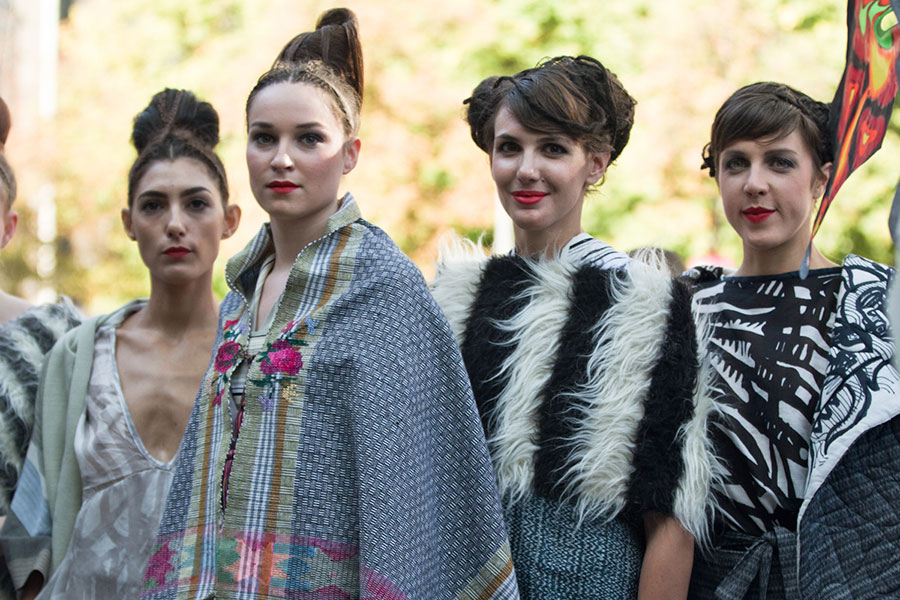
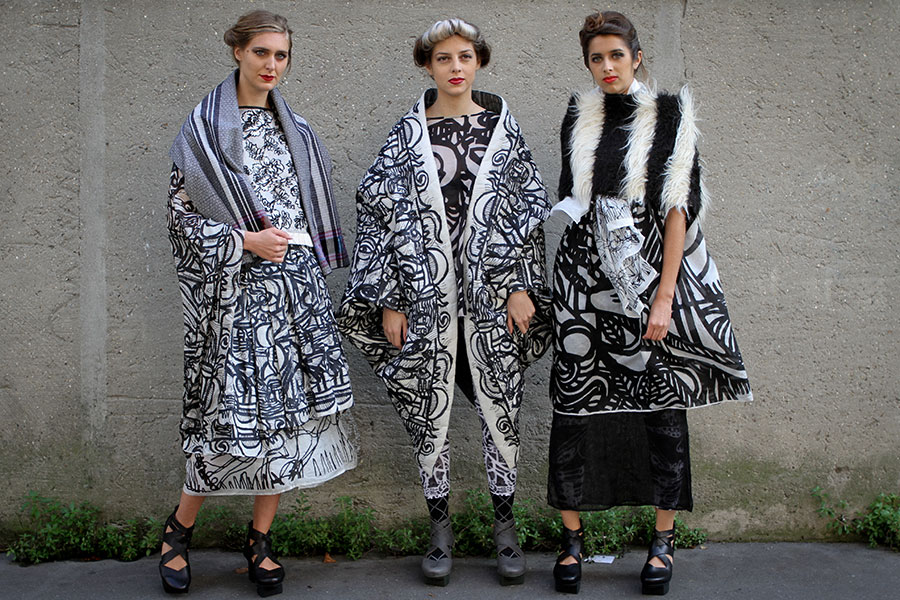
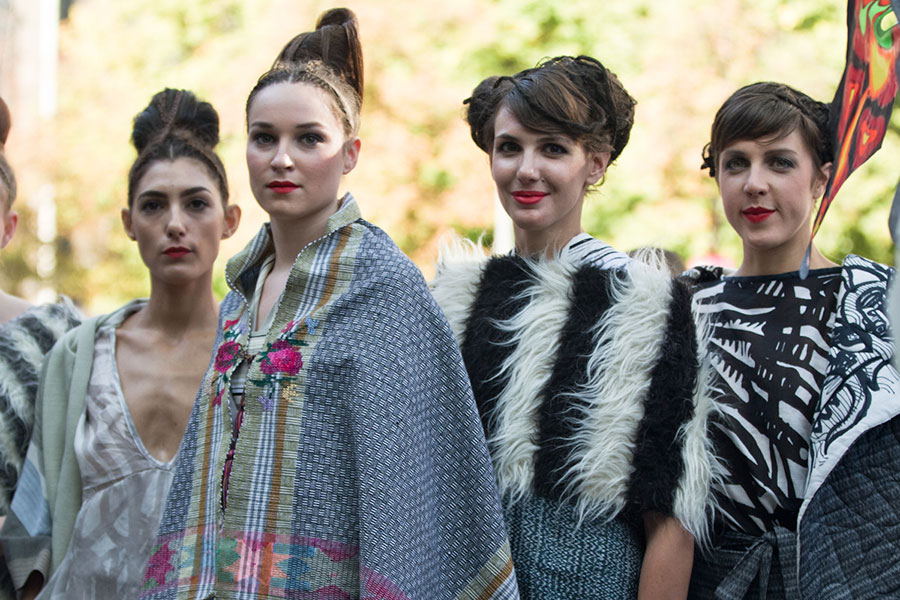
Carmen Rion (pictured in gray dress above) is a Mexican designer who experienced firsthand as a young fashion student the plagiarism that is rife within the fashion industry. She spent her first working years copying designs from around the world for Mexican fashion manufacturers. “They didn’t have the dignity to work with their own local designers,” she says. “Most of them are now broke.” She points to the rich heritage of British textiles as a positive example of how a culture can celebrate local talent, and reap the economic rewards that come with it.

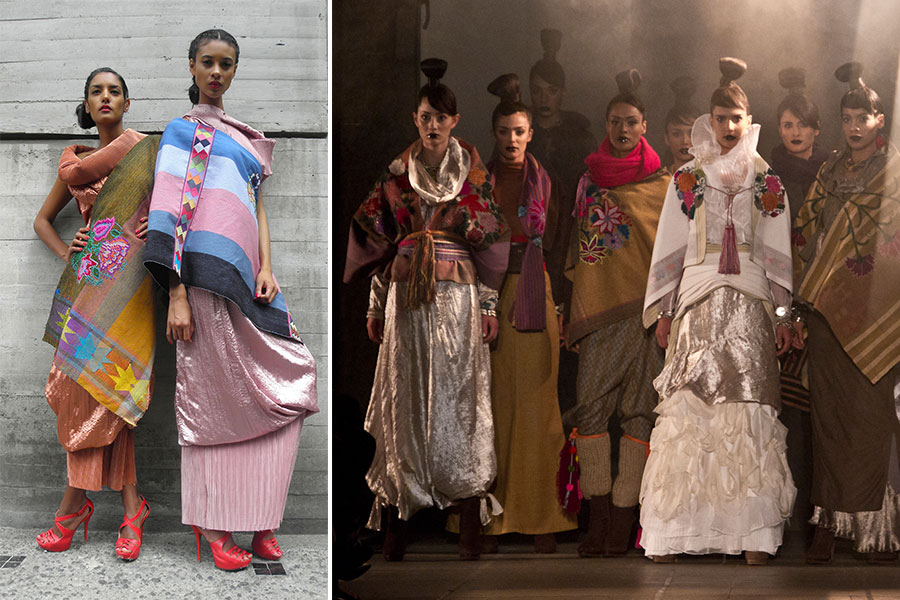
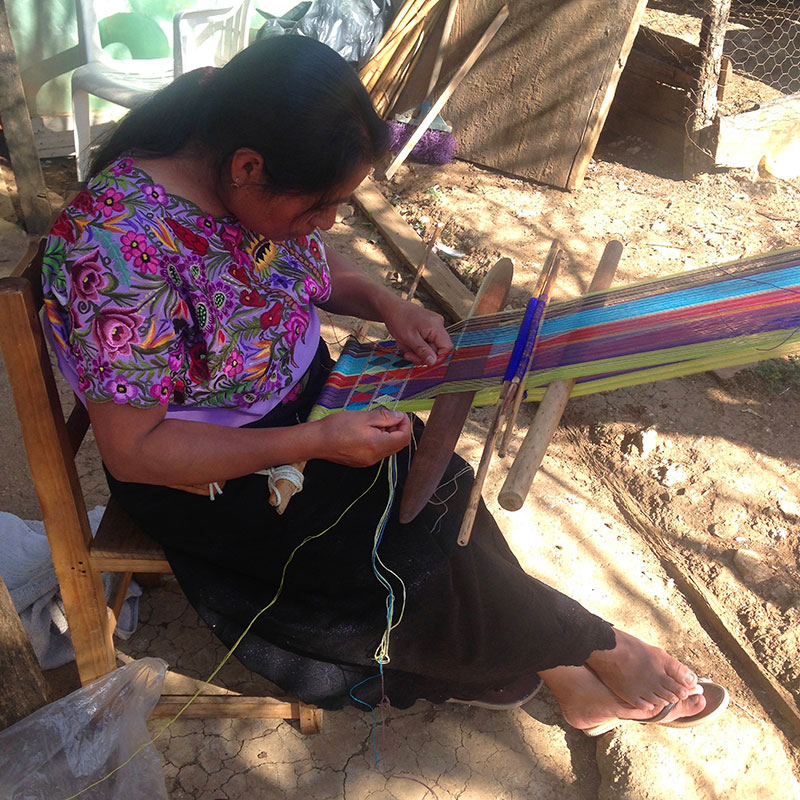
Rion has worked with indigenous artisans, mostly women, from the southern state of Chiapas in a number of her collections and happily acknowledges them, even to the point of being the first to include them on the catwalks of her fashion shows. “To them, weaving and embroidering is like praying. It’s a tradition for them to weave the stories of their lives, alone every afternoon,” says Rion. “We make beautiful luxury products together that allow them to work from home, mind their children and make a decent wage.”

carmen-rion-1 design

The rebozo, a colorful scarf that is synonymous with Mexico, is one of the fashion items Rion has reinvented with these women. The rebozo became synonymous with rebels during the 1910 Mexican Revolution and the generously sized folds were even used to smuggle weapons. First introduced by Spanish colonizers as a shawl in the 1500s, the rebozo has been ‘reclaimed’ by Mexican designers, like Rion, and are now sent out into the world as symbols of national pride.

However, the fashion world is not one big party, as many might believe, and Rion has not endeared herself to some of the major fashion weeks in Europe, many of whom don’t invite her anymore. “I don’t follow their rules. My way is different. I follow what is instinctively right for my label and the people I work with,” she says. “We’re not big enough to be a fashion leader like Chanel, but we’re our own small leader within sustainable fashion.” She sounds like many visionaries who face rejection and are sidelined before they become the next big thing.

carmen-rion-2 design

“When ethical fashion first became popular, around 10 years ago, the clothes were badly designed and fabrics were unpleasant,” she recalls. “They were made from natural fibers and were organic, but they weren’t nice. It was all beige and hippy,” she says. Instead, Rion has tried to make her ethical clothing comfortable, trendy and sexy. “Fashion is full of crap,” says Rion. “I’m not comfortable with the pressure of the ‘trend.’ I’m sincere, clear-headed and spontaneous – the opposite of what you usually find in the fashion world, especially here in Mexico.”

She’s hoping the Sustainable Luxury Award she has just received from the IE Business School in Madrid will change the way people see her work. The award recognizes luxury brands around the world that have built sustainability into their core practices.

carmen-rion-3 design

Fashion from Mexico is new and exciting and Rion is leading (dare I say it) a trend that is using the culture of indigenous tribes in a way that’s not been seen before. Western takes on Mexican design are seen as kitsch, with local fashionistas preferring to mix local designs with big name brands such as Louis Vuitton or Hermes. It’s an exciting mix that has instilled pride among Mexicans, who are not afraid of combining their artisanal cultural heritage with high-end luxury brands. “With no formal fashion structures we are free to do what we want,” says Rion.

carmen-rion-4 design

Yet, could ethical fashion be just another trend, something that disappears within a few years? Rion seems to think this might be the case for some brands, but not hers. “This is a way of life for me,” she says. “It’s a way of designing, thinking and making; part of who I am. Many big brands project an ethical fashion image to sell more clothes, they don’t really care about sustainability.” Before Rion can be labeled a sour outcast of the fashion world, she explains her hopes for the industry, which is surprisingly upbeat. “If Chanel can make sustainable fashion that would be great,” she says. “The problem with most sustainable fashion is that it’s boring. I want to make fashion trendy, sexy and nice – and sustainable. ” Rion is not prepared to sacrifice her principles for fast, mass-produced garments that might easily make her more money.

After years of fashion studies Rion has learned more about fine garment stitching from artisanal craft women in the Chiapas communities than her studies could ever have taught her. The women work with her to develop ideas, and in addition to getting a fair-trade wage, they benefit from preserving traditional techniques.

“I’m not interested in creating a huge studio that churns out hundreds of copies,” she says. Instead, she takes thread, fabric and a few ideas to the rural women, who take their own time in creating items of unique beauty. “They’re certainly not maquila’s,” says Rion – referring to the Mexican name for assembly line workers who each do a simple, repetitive task in a factory. “Everyone’s involved in their own creation,” says Rion. “No one sews on a pocket all day.”

Carmen Rion is a recent winner of an IE Award for Sustainability (Premium and Luxury Sectors) www.ie.edu/ieluxuryawards

ie-awards

Are McDonald’s Arches Turning From Gold To Green?

Can McDonald’s become a global leader in the sustainability movement? Let’s see what Keith Kenny, Senior Director, Supply Chain for McDonald’s Europe, has to say. He’s responsible for sustainability across the company and also has strategic sourcing responsibility for poultry, fish, vegetables and beverages. What challenges lie behind the world’s most standardized meal?

You’ve had problems with negative publicity in the past, from soy production in Brazilian rainforests to people dressed as chickens chaining themselves to your stores. Have things changed?

Brazil was a turning point for us. We thought we were doing the right thing by sourcing non-genetically modified soy, so we went to Brazil. Thanks to a new variety of soybean developed by Brazilian scientists to flourish in the rainforest climate, soybean production has boomed in the region over the last 10 years as firms have converted extensive areas of rainforest and cerrado, a savanna-like ecosystem, into industrial soybean farms.

What happened in Brazil was that genetically modified (GM) processes became legal within the soy industry. This started in the south, so we went north to chase the non-GM soy, and before we knew it, we were encroaching on rainforest-grown soy. We worked to pull a coalition of buyers together to put a moratorium in place on this soy.
We’re in a different situation from other large European retailers such as Sainsbury’s. They have 50,000 stock items in their inventory and we have only a handful. But where we do buy, we buy in huge volumes. This is equally as challenging, as we need to drill down into each of these supply chains and see exactly what’s happening there.

We’re one of the world’s largest buyers of beef, accounting for 2.5 percent of European beef production, and we consume about 10 percent of all mince produced in Europe. The biggest impact of our supply chain is at the farm, and we’re talking about half a million beef farms throughout Europe here. We have a set of requirements that we’ve implemented as we can’t afford to pay auditors to go to this many farms. There are a number of farm assurance schemes across Europe that deal with sustainability issues and we use them to build up a database of what’s going on in the industry.

We want to have agreement within the industry about the principles of sustainable beef production and we published a compilation of our findings in November 2014. Our aim is to get alignment within the system so that all producers don’t start contradicting each other. This will be rolled out at a global level in a multi-stakeholder initiative for sustainable beef. Our challenge is that people have different requirements, depending on the region, all wanting to talk about different things.

Did McDonald’s learn anything from the bestselling book Fast Food Nation and how did this affect you?

All our beef is from the European Union, and not from the U.S. It gets audited for food safety requirements and all other health requirements. We have a very tight control over what’s happening there, which is why we weren’t affected by the horse-meat scandal as much as other food retailers.

Beef is an inherently unsustainable product. What is your view on this?

Beef production can be sustainable. Our biggest challenge in the world is to feed a growing population. Remember that increasing incomes = increasing consumption. More than half of agricultural land in the U.K. is unsuitable for crop production and the only way to make it sustainable for food is to graze animals on it.
We’ve also done a lot of work studying emissions from farms. There is a 250 percent improvement in farms that are efficient vs. non-efficient around carbon emissions. We also use former dairy cows in our meat chain.
On the menu side, we’re continually looking at them and making them more nutritional. We have salads and wraps and all sorts of different items – that don’t always necessarily sell well.

Looking at land degradation around the world, how can you justify soy being fed to animals instead of to people?

Greenpeace has actually said that soy is no longer the driver of deforestation in the Amazon. Our tofu burger in the U.K. was met with mixed success. We try and keep our farms as sustainable and energy efficient as possible. For example, we use the manure from our cows to make methane gas, which is used as an energy source instead of electricity.

Not many people know about one of our websites, flagshipfarms.eu, which was developed by McDonald’s Europe in conjunction with the Food Animal Alliance to encourage the sharing of sustainable agricultural practices. We’re encouraging a dialogue between farmers to demonstrate the benefits of sustainable farming practices. An example is what some of our lettuce farms are doing. It’s highly targeted and results in massive water reductions, while increasing productivity. We’re assisting potato farmers in Norway to maximize their short growing season and assisting with innovative ways to reduce ammonia emissions from cows in Holland.

How do you share knowledge and ensure these lessons are learned?

Through the development of global corporate social responsibility schemes. We work with the World Wildlife Fund at a global level to create a sustainable forest policy and also focus on supply chain issues. We also rely on global strategies that can be externally verified. This might include certification that ensures that no child labor has been used during production, using Rainforest Alliance Certified Coffee that conserves biodiversity and forests in sensitive areas with high agricultural activity, and moving to Forest Stewards Council certified sources for our cardboard packaging.

If Your Food Could Talk, What Would It Tell You?

  • A young parent sees no innovation or healthy alternatives in the depressing baby food market around him.
  • He sees no reason why toddlers shouldn’t eat the same healthy, organic food as their parents.
  • Knowing he’s not alone, he becomes a leader among a nation of parents seeking better nutrition for their kids – in the process taking on established industry giants.
  • Neil Grimmer perfects an organic meal-on-the-go for modern families, with an innovative soft pack that has become an industry standard.
  • Plum Organics generated $93 million in gross sales in 2012 alone, while reducing carbon footprints and growing healthy kids.

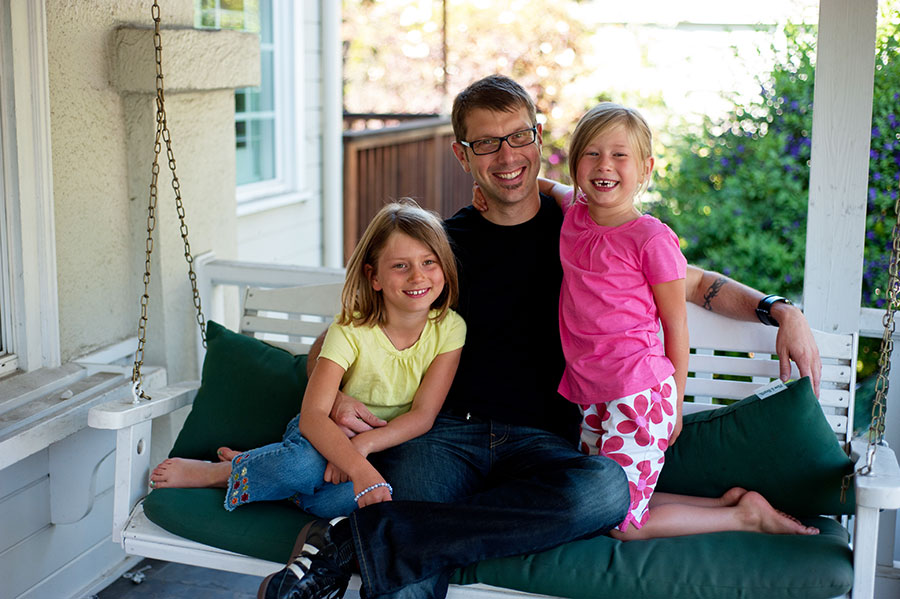
You’re never too young to start eating organic. At least, that’s what Neil Grimmer (pictured above) wants us to believe. For all those kids out there still wearing diapers and looking for healthy food while avoiding poisoning themselves with the synthetic chemicals of most diets, Grimmer has the perfect solution. He’s the cofounder of Plum Organics, the number one organic baby food company in the U.S. (now a unit of Campbell Soup Company) that has launched a range of meals to help remedy the situation; at the same time lessening the chance of mum’s having spoons smacked from their hands from force-feeding tasteless meals.

Grimmer is the perfect person to answer the question: “If your food could talk, what would it tell you?” He’s been hard at work since 2007 experimenting with baby food that is both inspirational and highly nutritious. As a working parent, Grimmer and his wife had spent evenings pureeing fresh vegetables for their two young daughters to ensure they could enjoy the same great tasting food they themselves enjoyed. “The jarred baby food at the time was just too bland and lacked any tasteful inspiration,” says Grimmer. Taking the lead, he gathered a small group of parents together and they began to reimagine the baby food category.

The incredible growth of children during the first years of life, and the role of good nutrition in deciding whether kids head towards health or away from it later in life, was a key consideration for Grimmer. He knew that the older a child became the harder it was for them to develop a taste for healthy food. Once the sugar and salt in unhealthy alternatives kick in, it’s very difficult to acquire healthy habits again. He calls the early adoption of this healthy taste preference “Nutritional Intelligence” and considers it no different to any other intelligent choice you’d make for a better life.

Remarkably, the group took on some of the leading global players in the food industry, such as Nestlé, that owns Gerber – a dominant force in the U.S. baby food market. “It was pretty audacious and probably a little naive to imagine that a small group of parents in the San Francisco Bay area could challenge that category,” says Grimmer. Yet after only eight years they have become the number one organic baby food brand in the country.

“At the time I was leading some major food projects for Pepsi and MacDonald’s as part of my role at a major innovation and design firm,” recalls Grimmer. “I was trying to figure out what health and wellness looked like and after my first daughter was born I started experimenting with some of these ideas in our home kitchen.”

Neil with his daughters.

Neil with his daughters.


“I was part of an emerging group of parents that didn’t want to compromise food quality, was very progressive about what we fed our kids and recognized the importance of early childhood nutrition,” says Grimmer. The group didn’t do any market testing; they went purely on the growing trend they saw among parents.

They went beyond organic fruits and vegetables and added culinary-inspired ingredients too, such as kale (wild cabbage), quinoa (a grain superfood) and amaranth (a high-protein seed). Plum Organics is now the largest purchaser of amaranth in the world.

Grimmer’s background in product design played a major role in getting the product liked and noticed. His training had focused on understanding the needs, wants and desires of those he wanted to serve, and then to use those principles to make products. Grimmer leveraged a spouted pouch with a feeding spout and pioneered it for the baby food category, that has now become the industry standard. All that was available at the time was a glass jar with metal lid – the dominant design in baby food of the last 60 years. “Young parents with children are more mobile than ever before,” says Grimmer. “Nutrition that is portable and flexible enough to fit into various carry bags is key.” The design of the spout also tapped into the natural feeding intuition a baby has from breastfeeding.

Neil's innovative packaging design - a soft pack with feeding spout.

Neil’s innovative packaging design – a soft pack with feeding spout.


Initially distributed at Whole Foods, Grimmer was surprised at how quickly the brand grew. But it really took off after he managed to get his most disruptive product into Babies R Us – the aforementioned spouted, soft-pack container. This radically new packaging that was now endorsed by a leading infant retailer created, “organic for the masses,” as Grimmer explains. No longer a niche product, it was seen by consumers as a good mainstream alternative. Pre-acquisition, Plum Organics experienced tremendous growth, generating $93 million in gross sales in 2012 alone.

Most retailers had baby food on their shelves because it was a necessity for parents, but everyone was losing money. Low pricing ruled the day and margins were slim. “Depressed categories are depressing,” says Grimmer. “There was no innovation, no excitement. No one was investing in ideas to come up with a parent-centered or kid-centered solution. Subsequently, the quality of ingredients suffered too.” The fact that there’s a 28 percent price difference between organic baby food brands and conventional brands has not stopped parents from buying it. Grimmer gambled on an assumption that most parents would choose to buy pricier alternatives for the sake of a healthier child, and he was right.

Why is organic good?

  1. It’s better for nature. Organic farming uses fewer pesticides and encourages healthy soil. This builds a stronger natural resistance to pests and disease. This type of farming releases less greenhouse gases, resulting in a reduced carbon footprint.
  1. High animal welfare. Organic means free range. Animals are given plenty of space and fresh air to grow more naturally. Healthier animals mean less drugs and antibiotics. Great for the animals and also your peace of mind.
  1. More natural food. Genetically modified (GM) foods are banned in organic farming, as are hydrogenated fats, artificial pesticides, aspartame, tartrazine and monosodium glutamate. Organic is a more natural choice.
  1. Great tasting food. Organic farmers rely on developing a healthy, fertile soil. This results in crops that are bursting with flavour and taste great too.

Do you eat organic food? What do you think about Neil Grimmer’s view that kid’s should eat organic too? We’d love to hear your thoughts in the comments section below.


How To Promote Peace 120 Years Beyond Your Death

  • Alfred Nobel spent a lifetime developing armaments only to have a change of heart on their effectiveness a few years before his death.
  • He leaves his vast fortune to establish a prize for those who achieve excellence in various fields, including peace.
  • A big thinker, and ahead of his time, Nobel insists the prize be given to anyone who qualifies, regardless of their nationality.
  • His social and peace-related views are seen as radical in his day, something we regard today as a desirable thing when creating new and innovative businesses.
  • Nobel’s ideas on leaving a positive legacy have been emulated by people such as Warren Buffett and Bill Gates.

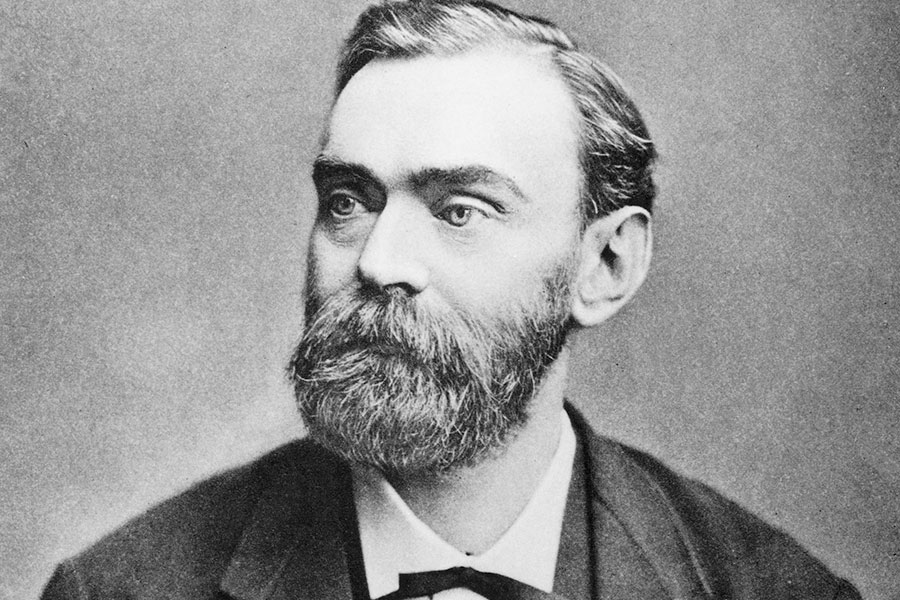
In December 1896, a group of people gathered in Paris to hear the reading of Alfred Nobel’s will, a renowned engineer, innovator and inventor. Best known as the inventor of dynamite, Nobel had amassed a fortune of nearly £2 million, around $500 million in today’s terms. After the reading of his will there was an uproar, Nobel had left 94 percent of his assets to the establishment of a prize.

His shocked family opposed the establishment of the Nobel Prize and the first prize awarders he named in the will refused to comply with his wishes. It took five years before the first Nobel Prize was awarded in 1901. It was a scandalous start, at the time, to what has now become one of the world’s most prestigious and recognized awards.

How does the inventor of dynamite end up being associated with peace, you may ask? The Nobel family had a history of weapons manufacturing, beginning with the family factory producing armaments for the 1853-56 Crimean War. When the war ended, they had difficulty returning to domestic production and they filed for bankruptcy. Nobel continued the family tradition by devoting himself to the study of explosives; especially the safe use and manufacture of nitroglycerine and with his skills eventually developed his most famous invention – dynamite. He patented it in the U.S. and U.K. and it soon became a staple of mining and transport-building sectors around the world.

During his lifetime Nobel issued 350 patents internationally and by his death had established 90 armaments factories, despite his belief in pacifism. His promotion of peace began one day when he opened a newspaper and was shocked to read a headline about his brother’s death. It read: “ The merchant of death is dead.” Many had mistakenly thought it was Nobel himself who had died.

Horrified that this was how he might be remembered one day, he began formulating a way of reversing this image. He decided to use his estate to endow, “prizes to those who, during the preceding year, shall have conferred the greatest benefit on mankind.” Being a businessman and entrepreneur, Nobel knew that nothing motivates more than money, prestige and accolades.

It’s a strategy still used today to encourage excellence and social good. Think of the XPRIZE, founded by Peter Diamandis, that offers millions of dollars to those who can solve problems for the benefit of humanity, or The Giving Pledge, started by Warren Buffett and Bill and Melinda Gates, that invites the world’s wealthiest individuals to commit more than half their wealth towards addressing society’s most pressing problems.

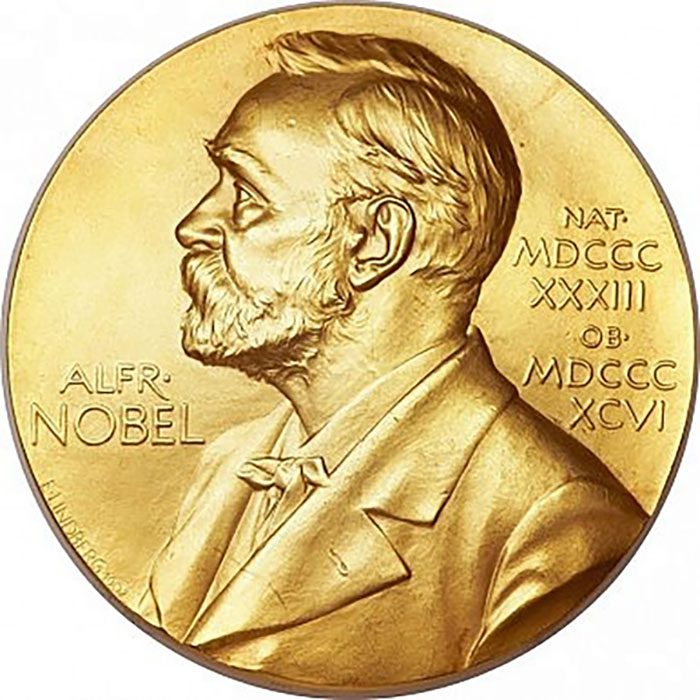
Nobel established five categories for his prize – physics, chemistry, medicine, literature and peace. In his will he worded a vision for how the peace prize should be awarded: “to the person who shall have done the most or the best work for fraternity between nations, for the abolition or reduction of standing armies and for the holding and promotion of peace congresses.”

nobel peace

In true visionary style, and in a time when diversity was more associated with zoology than culture or gender issues, Nobel added a final phrase to his last wishes: “It is my express wish that in awarding the prizes no consideration be given to the nationality of the candidates, but that the most worthy shall receive the prize.”

For those big thinkers who like the idea of having their wealth change lives for the better, a century after their death, there is a word of caution – interpretation is everything. Sometimes a great idea, expressed too broadly, can be misread by those you have been tasked to action it. In Nobel’s case, his formulation for the literary prize was a work “in an ideal direction” and he never properly distinguished between science and technology, leaving the door open for skewed nominations in the future. Trying to keep your original purpose clear without knowing what the world will look like in 100 years time, or even if your chosen field of interest will still exist, can be a challenge.

Nobel was interested in social and peace-related issues and held views that were considered radical during his time. It’s become evident throughout history that many ideas we now consider perfectly normal were once seen as outrageous or crazy when first made public. In fact, many would argue that if your idea is not labeled crazy, it’s not even worth pursuing.

To Nobel, having a wide interest in global affairs was important to his formulation of the peace prize. Many of his inventions and business activities were connected with the conditions of war and peace. A significant influence on his attitude towards peace came form Austrian countess Bertha von Suttner, with whom he maintained a 20-year correspondence. Von Suttner was a peace advocate and author of the famous anti-war novel Lay Down Your Arms. Many believe she had a major influence in Nobel’s decision to include a peace prize among the other prizes in his will.

Von Suttner was actively involved in the international peace movement, which formed in Europe at the end of the 18th century and tried to get Nobel more actively involved. He wrote to her: “Good wishes alone will not ensure peace,” and suggested a more pragmatic approach. Commenting on his dynamite factories he told her: “Perhaps my factories will put an end to war sooner than your congresses: on the day that two army corps can mutually annihilate each other in a second, all civilized nations will surely recoil with horror and disband their troops.”

Nobel’s solution was to create a weapon so terrifying that war would become impossible. While you can argue the merits of using weapons as a deterrent, one thing is sure – Nobel realized at some point that weapons of destruction don’t bring about lasting peace – only people can. Seven years before his death at age 63, and unknown to anyone, he drew up a plan to promote peace that has inspired millions since and saved the lives of countless people through the Nobel Peace Laureates his prize has honored. Truly a big thinker, he has ensured that his legacy of peace has lasted 120 years beyond his lifetime – 57 years longer than he himself was alive.


Shania Twain Admits to Faking It. You Should Too.

  • An innovative conservation idea – replace real leopard skins with realistic fakes.
  • It now takes $30 to save a leopards life and saves traditional community members up to $700.
  • Panthera’s business model offers an alternative to the “no” messages of mainstream conservation.
  • Getting buy-in from influential leaders, brands and celebrities can help further a cause.

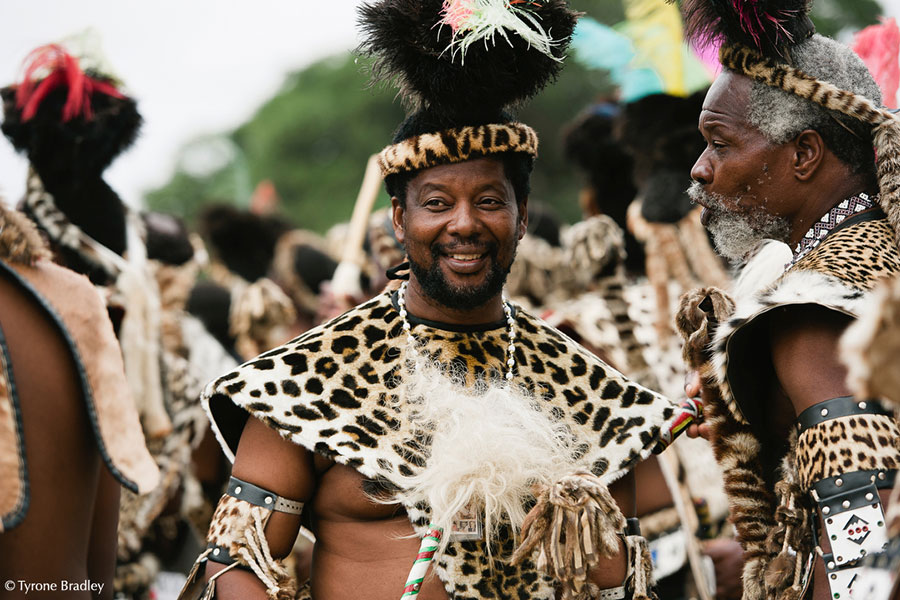
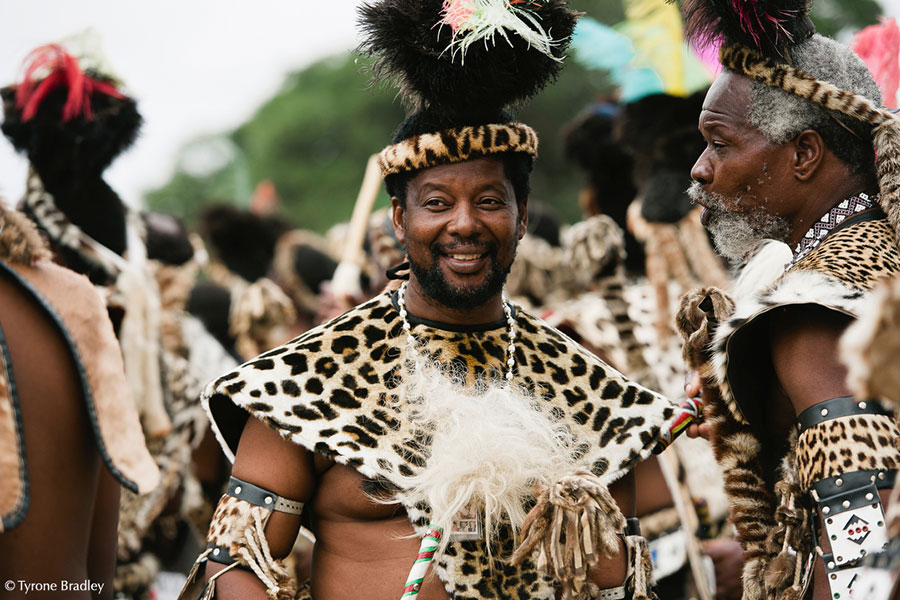
“Fake it until you make it,” is a phrase you’re more likely to hear from an upwardly mobile millennial than a South African Shembe Church member. But if you venture to the eastern regions of this country that is exactly the type of comment you might hear from a man wearing a leopard skin cape. And he’s not Kanye West either.

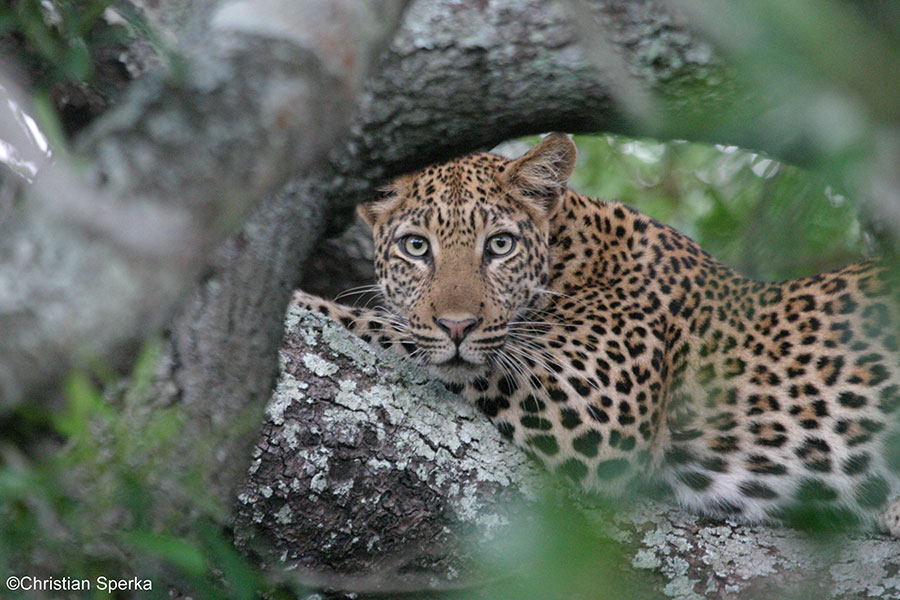
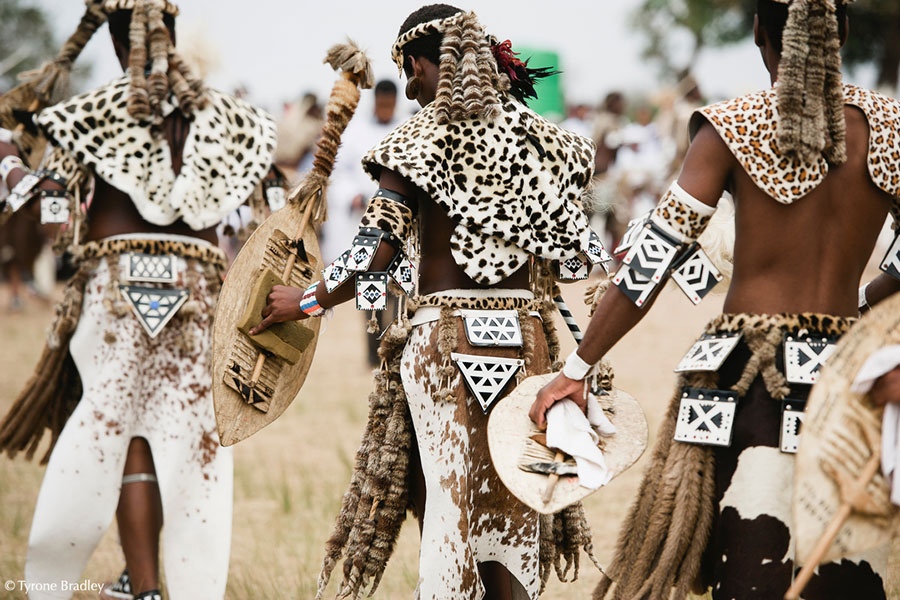
In southern Africa, leopard skins are coveted by members of the Nazareth Baptist ‘Shembe’ Church who wear the furs during religious celebrations and ceremonies. Unfortunately, thousands of the world’s most persecuted big cats – the leopard (often mistakenly called the panther) must die to supply these skins. Panthera, a wild cat conservation organization has come up with an innovative solution to save these indigenous leopards and offer an alternative to a demand that shows no signs of slowing down.

The solution? Fake leopard skins.

Shania Twain has just been named a Leopard Ambassador for Panthera and is proudly sporting her fake spots at every opportunity. “We want to capitalize on the fact that people everywhere are wearing more leopard print than ever, but so few know what’s actually happening to them in the wild,” says Twain.

While many consider fakes a scourge and detrimental to the bottom lines of popular fashion brands, Panthera has embraced it wholeheartedly by establishing the Furs for Life Leopard Project, a global wild cat conservation organization that has partnered with luxury brand Cartier and the Peace Parks Foundation to protect and revive southern Africa’s leopard populations. Fake leopard skins, made in China, are donated to Shembe community members, who are delighted at the realistic manufacturing – almost indistinguishable from the real thing.

The sophisticated equipment needed to create the fake skins was not available in South Africa and the team needed to look abroad. In an ironic twist, a country known best for exporting fake goods and importing endangered wildlife products, ended up providing a solution that protects the African leopard.

panthera-1

Panthera Leopard Program director, Guy Balme, reckons there are around 20,000 illegal leopard skins in circulation in Southern Africa and Panthera decided they needed to introduce a similar quantity into local communities by the close of 2017 to create meaningful impact. “The species has vanished from nearly 40 percent of its habitat in Africa and over 50 percent in Asia,” explains Balme. And it’s their beauty that is partly responsible. While leopards are also in jeopardy from loss of habitat and conflict with people, the demand for their skins is one of the main causes of their decline.

“We decided to collaborate with digital designers and clothing companies to create a high-quality, durable and realistic fake leopard fur cape, known as an amambatha,” says Balme. A real leopard skin can cost up to $700 while the fake Panthera alternative costs $30. They are now collaborating with church leaders to encourage their members to use these sustainable fake capes at religious ceremonies and to date, more than 7,000 fakes have been donated to members throughout South Africa.

It hasn’t been without its problems. “The first batch from China arrived with red leopard spots because the manufacturer ran out of black ink,” says Balme. “Amazingly, this batch has become quite coveted among the Shembe, who wear the skins as if it’s a limited edition fashion rage,” he says. “The original idea came from observing how poorer Shembe members used goat skins with painted spots as a substitute,” says Balme. “We knew that a more authentic looking replica would easily be adopted.”

The fakes look and feel like real leopard skin and last longer (they are even machine washable). However, the already established value of real leopard skin was a problem from the start. “Panthera originally hoped to sell the fake skins at cost to the church leadership, assuming they would mark it up with a small margin and sell it on to their congregation,” says Balme. On a visit to one of the gatherings Balme was shocked to discover that the $30 furs were being sold for up to $200. Predictably, the stock was not moving very fast. The alliance with Cartier and The Peace Parks Foundation, an initiative to create wildlife conservation areas that ignore political borders, has now allowed thousands of furs to be distributed for free. At $30 per leopard saved it’s a steal.

sperkaleopard

“It’s very rare in conservation to have a business solution such as this,” explains Balme. “We usually have to appeal to peoples’ conscience or compete for dollars with dozens of other conservation efforts around the world.” Balme attributes most wildlife conservation problems to food security and overpopulation and knows that economic solutions for local communities will ultimately win the battle. Evoking sympathy and tears for a dead leopard will not.

A global operation to save endangered wild cats needs people on the ground in the affected areas and the organization has developed a network of specialists – all with the vision of conserving big cats for future generations. A leadership team of eight works with six Species Directors, who in turn work with nearly 50 field staff across the world.

panthera-2

Panthera is the brainchild of founder Thomas Kaplan, who has had a fascination with wild cats and their conservation since childhood. His single-minded pursuit is to identify all the key hurdles facing cat conservation globally and find solutions for them. It’s no small task and he’s fond of quoting American broadcast journalist Edward R. Murrow: “Difficulty is the one excuse which history does not accept.” Last year Kaplan arranged the signing of the Global Alliance for Wild Cats. Along with his wife, Daphne, he signed a pledge that saw each member give $20 million to Panthera. The high profile members, have created a unique coalition of Gulf Arabs, Chinese, Indians and Americans that have united in a common cause to change the face of cat conservation forever.

A social media and fundraising campaign, #ifakeit, is raising global awareness around the plight of leopards and Panthera have set their sights on countries, such as India, Nepal and Zambia – where a similar cultural demand exists for leopard skin. Their business model is an easy one to scale because it’s based on the swapping out of an existing product, rather than on the outlawing and denying of something.

The leader of the predominantly Zulu party in South Africa, Mangosuthu Buthelezi, has been convinced of the merits of the program and has pledged his support, along with other dignitaries. While some Shembe are likely to continue their traditional ceremonies as they have for the past hundred years, unfazed by the authenticity of their outfits, many others have thankfully realized that by “faking it” they’re helping bring the leopard back from the edge of extinction.

Why is Everyone Eating Chia Seeds?

  • An ancient seed used by the Mayans and Aztecs inspires an entrepreneur to develop a new range of beverages and snacks.
  • Janie Hoffman created a demand for her products before customers even knew what chia seeds were, and before she even had a guaranteed supply.
  • The company tagline “Seed Your Soul” wants to demonstrate that money is not the sole aim of a company. Don’t wait until you’re profitable before giving back.
  • Organic food is now mainstream and found in major supermarket chains at affordable prices.

“I’ve got to tell you, the body doesn’t lie,” says Janie Hoffman. The ancient Mayans and Aztecs of Mexico knew this basic fact, and so now does this fast-talking Californian CEO, the Mamma Chia, was formed after she cured herself from a 20-year long battle with an auto-immune disorder that left her with severe muscle weakness and unable to perform basic tasks, such as climbing stairs.

Her love affair with chia seeds started in 2009 on a small farm in rural San Diego, where Hoffman and her husband Lance, started seeing the vitality boost and curing powers of a little seed that had, until then, sat mostly unnoticed on shelves at health shops. Most people wouldn’t even know what to do with chia seeds; it’s not a common ingredient in mainstream recipe books and sounds like one of those passing health fads that overly enthusiastic friends will try and sell you on. As living proof of what the seeds could do, Hoffman began experimenting with recipes. Spurred on by friends and neighbors, who reported huge bursts of vitality, Hoffman developed a range of foods and what became a best-selling chia drink in her kitchen. Now packaged in bright, vibrant colors, Mamma Chia Vitality Beverages can be found worldwide in mainstream supermarkets and natural stores alike.

At Mamma Chia the sustained energy found in chia seeds is just one of the ‘bigger picture’ insights that Hoffman brings to her business. Chia seeds first made their debut to Western audiences in the 2011 New York Times bestseller Born to Run by Christopher McDougall. In the book, the hidden Tarahumara tribe of Mexico and their super athletic endurance races of over 100 miles were documented and chia seeds emerged as a major reason for their stamina. One tablespoon of chia was considered capable of sustaining a warrior for 24 hours. Hoffman decided that sustainable endurance was something she wanted to build into the core of her business plans too.


When she launched Mamma Chia, Hoffman was told she was crazy. Beyond her friends and family she had no idea what a larger audience might think about her products. “I knew that my mission was to bring organic chia to the world,” says Hoffman. ”When I started there were very little to no chia seeds in the world that were certified organic. Many people thought it was completely ridiculous for me to start an organic company without the supply being there, never mind a consumer to buy it.”

She felt that the organic, environmental aspect was essential, but that the social message was important too. “I strongly believe that our bodies and mother earth are far better off without the toxic synthetic pesticides, fertilizers, antibiotics, synthetic hormones, genetic engineering and sewage irrigation that are so common in conventional farming,” she says.

“It was a risk, and you stay hopeful, but I had a vision,” says Hoffman. “We wanted to be the leaders of the chia renaissance while creating a sustainable and conscious organization.” From day one Mamma Chia became a Certified B Corporation and is also a member of 1% for the Planet, an organization that believes business is responsible for positive change on the planet, with members donating one percent of sales to vetted, non-profit partners. “In the food and beverage industry, a donation like that is a big deal,” says Hoffman. “Many companies wait until there’s profit before they start giving back – that’s an old paradigm. Accumulating wealth first and then giving back is so outmoded.” Mamma Chia is also a founding member of Slow Money, an organization that has catalyzed more than $40 million in capital towards local food enterprises and organic farms. By seeking out like-minded people and organizations, and aligning herself with them, Hoffman has expanded her support group and found potential new suppliers, markets and customers.

Hoffman attributes her success to the fact that the company has a higher purpose. “It goes beyond making money,” she explains. “It’s reflected in our mission statement and our core values. We’re continually measuring ourselves against them.” The company tagline ‘Seed Your Soul’ hints at nourishment beyond appetite, and Hoffman’s leadership in this field has not been lost on others. Honest Tea, a subsidiary of Coca Cola, recently signed up for 1% For The Planet and Hoffman hopes that companies like Mamma Chia had a part to play in their decision. “Can large multi-nationals afford to not align themselves with social change anymore?” asks Hoffman.

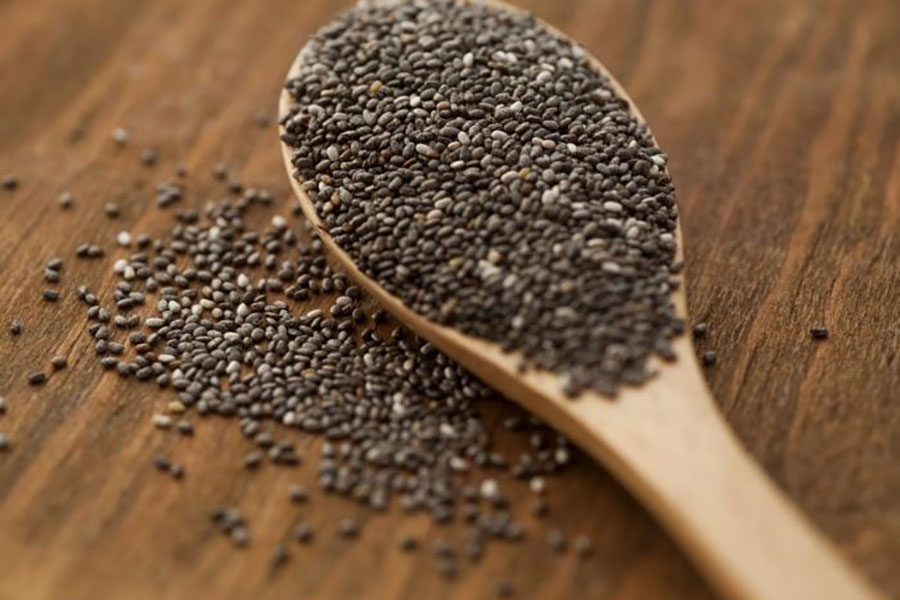
Chia Seeds

“I don’t just talk about the power of good in business, I talk about the power of business for the highest good. I think that that highest good goes back to honoring both the soul of humanity and the soul of the planet – and I don’t think that’s an airy-fairy statement anymore.”

Yet, how scalable is organic? Are we destined to fight over that last bunch of limited edition, responsibly-picked Peruvian asparagus at a Whole Foods Market? Hoffman is unfazed. “When you have Wal-Mart become the largest purchaser of organic produce in the world, it proves that you can scale organic up to huge levels,” she says. “If we’re going to democratize organics, it has to include large-scale production. There are certainly folks that have proven that it can be done.”

“Continuing to hit producers over the head that use synthetic pesticides, fertilizers and antibiotics is not the way we’ll change,” says Hoffman. “Taste is king and by providing truly delicious products, that also happen to be incredibly nutritious, the market will gradually move in our direction.”

Click here for more interesting facts on the health benefits of chia seeds.


Ideas For Saving The Planet. From Those Who’ve Floated Above It.

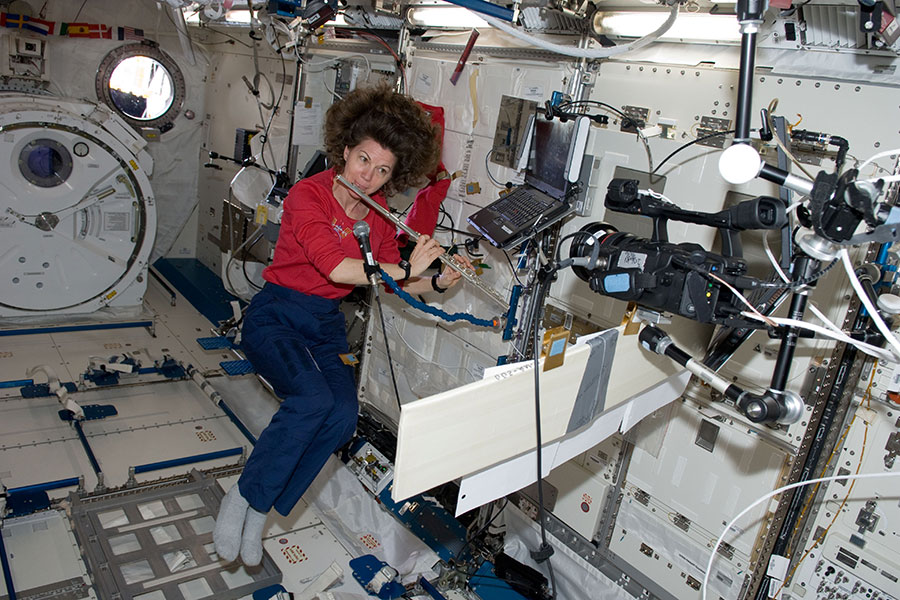
Cady Coleman is one of a handful of people to have experienced weightlessness in the depths of our oceans and also in space. She spent 11 days underwater in 2003 onboard the Aquarius Reef Base off Key Largo, the only undersea lab at the time dedicated to the preservation of marine ecosystems.

More recently, she’s been floating around the International Space Station, the largest artificial body in orbit, doing experiments around biology, physics, astronomy and meteorology. While many people consider the exorbitant costs of space travel and research a wasteful expense in the face of so many problems and poverty here on earth, Coleman believes that you should dream big in order to unlock innovation and drive social change. Her work is not as glamorous as one of the sci-fi movies you might have seen, but the results might well contribute to a more stable and healthier planet one day.

Many businesses have a five-year plan, but how many consider a 100-year plan? These are the timelines many researchers consider when looking at the future of life on our planet, including astronauts, who have a unique view of our world. The “big picture” is much broader than the spectacular views seen while orbiting earth at 400 miles above the ground. Coleman recalls listening to Sally Ride, the first and youngest American still, to be sent into in space at age 32. Ride spoke to women students at MIT after returning from her mission and Coleman remembers thinking, “I want that job.” In a pre-flight interview with NASA in 2010, Coleman states: “Meeting Sally Ride was significant because I’d seen a lot of astronauts on TV and in pictures; none of them looked like me. It was a bunch of guys that seemed a lot older and they didn’t have much hair, and it just didn’t really make me think, ‘that could be me.’

Then I met somebody like Sally Ride and I think, ‘maybe that could be me.’” Coleman was a Second Lieutenant in the U.S. Air Force and entered active duty as a research chemist in 1988, receiving a doctorate in polymer science and engineering. It’s about as far away from Top Gun as you can get, but she was still destined to go much higher than any fighter jet had every taken her. She reached the rank of colonel and in 1992 she was selected to join the NASA Astronaut Corps., eventually ending up on the International Space Station for a final mission in May 2011.

There’s been some fun along the way too. Coleman reported the sighting of a UFO on an early flight in 1995 and has played the penny whistle in space as part of a live concert link-up with Jethro Tull during a concert in Russia. Coleman’s first space flight saw her orbit the earth 256 times, travelling over 6 million miles, and logging a total of 15 days in space. Countries from around the world came together 15 years ago to build the International Space Station, an orbital outpost that has a full crew of six astronauts at any given time. It’s been called the most complex machine man has ever built. The research they do when they remove gravity from the equation always has an odd and unique outcome.

This is science that will have a huge impact down the road. “Up in space we are really far away and yet we are also close enough to make a difference,” says Coleman. “People often think that the things we do up there have only do with space, but we collect a lot of data. Something like osteoporosis – losing bone – happens to us 10 times faster in space than it does to a 70-year-old woman on earth with osteoporosis. The results from this research come back down to earth and are added to research on preventative measures.”

Coleman has some bad news for those who think a pill might be the cure for this affliction. “Exercise. We all need to exercise for the rest of our lives!” Experiments on combustion in space have also helped scientists understand how we might have cleaner factories and how pollution is formed and observations on how blood is pumped around the body in zero gravity offer valuable insights into curing heart disease. Ordinary citizens might look at the space race as a desperate attempt to win hearts and minds in an inter-continental, political posturing exercise, and they might be right, but life-changing experiments are part of it too. A firsthand, creator-like view of where we live in the universe can be both insightful and unsettling at the same time.

A colleague of Coleman, Reid Wiseman, who returned to earth from the International Space Station in November 2014, had this to say: “There are no words to describe the first glimpse you have as a human being when you look back at the planet. When I first looked out my spacecraft window I saw that thin, thin, impossibly thin, blue atmosphere that covers our earth – which allows every living creature to survive.

Once you’ve spent months up there you realize how incredibly dynamic our earth is, a beautiful living organism.” “It really is a special view,” says Coleman. “It’s very hard to comprehend that it’s only one place and that we are all from earth. Exploration is part of the human spirit and it’s our job to explore beyond what we know.”

It’s impossible not to ponder where the next frontier in space will be or what important thing might be discovered to advance life on earth. Many NASA astronauts are of the opinion that space exploration must keep going, whether it’s to the moon, an asteroid, Mars or sending unmanned robotic missions to Saturn and Jupiter.Catherine_Coleman_2009

While politics clouds the day on earth there is a surprising level of collaboration onboard the space station. “There are 50 countries at any given time doing experiments up there – how did we get this to happen? Says Coleman. The astronauts are firstly operators, but also great friends. Sometimes an American, a German and a Russian will come together to get a job done. “We need to bring up our children to celebrate the differences among us,” says Coleman. “Differences, that when integrated in a team, will allow us to succeed in large global endeavors – ones that will allow a kid one day to think it’s normal to mention that their mom lives on a space station.”

“We go up there knowing we might fail, that we will make mistakes,” says Coleman. “It’s the possibilities that drive us and we really do need this for our future. From space earth looks as if it might be a place we can all safely live. It’s important to have this viewing platform from which we can look down with understanding and compassion and remind us that life is hard in many places. As people of this earth we have some massive problems to solve together.”

Coleman is convinced that we’ll leave our solar system one day. “It’ll be a combination of robots and humans,” she says. “I would personally like robots to go and figure it all out first, before we send humans. However, we need people to see something to believe what’s possible,” she stresses. “If you see a rocket launch firsthand something amazing happens inside and you know that space exploration is a really, really big deal. People don’t get to actually see the evidence of this. When they do, they get excited.”

“It’s important for humanity to see that we’re going places as a planet. We have to keep people inspired with real visions,” says Coleman. Many people have questioned the wisdom of having a space program and you can argue what our priorities in space should be, but increasingly there is an argument for  needing to do this. Since the dawn of time we have always wanted to know what was out there, pushed by belief systems, religion and pure inquisitiveness.

There is now an added urgency: that of a degraded and fragile environmental system and dwindling natural resources. While it’s highly unlikely we’ll all be moving to a new planet anytime soon, understanding the universe around us could lead to innovation and breakthrough research that allows us to develop new technology to keep this planet and its inhabitants alive and thriving for generations to come.

The world’s great researchers are becoming less territorial and more inclusive in how they work. In an ideal world there should be no difference in whether we search inside your brains for solutions or outside our atmosphere.


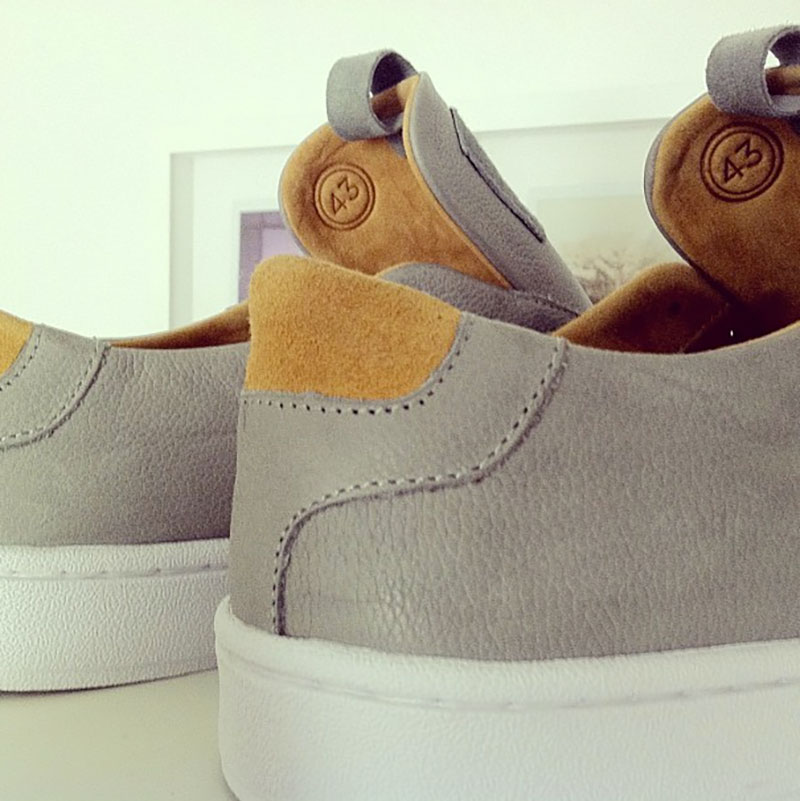
‘Made in Ethiopia’ Now Means Luxury

Open a box of Enzi shoes and this is what you’ll read on the inside: You have not just purchased a pair of shoes.

You have contributed towards the development of sustainable leather production in Ethiopia. You have invested in improving the livelihoods of skilled Ethiopian factory workers. You have helped to raise the profile of East African design. You have added your voice to a growing chorus of people around the world who are ready to see Africa in a new light. The shoes also happen to be really nice. Enjoy them responsibly.

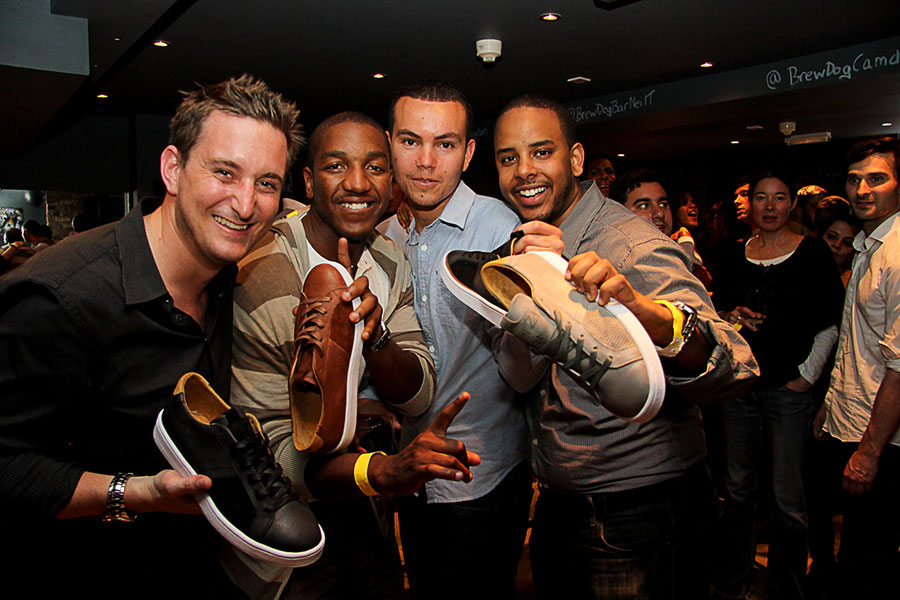
Founder, Sam Imende gives no further instructions on how to enjoy them responsibly, but one can imagine that it might have something to do with walking in someone else’s shoes or becoming more conscious of what you wear on your feet. Having “Made in Ethiopia” stamped on your sole might also be a good start. Long time friends Azariah Mengistu, Jawad Braye, Christian Ward and Imende (pictured above) spent their student days scattered around the world, returning to establish Enzi Footwear in their homeland Kenya.

Their travels had exposed them to luxury leather goods and they couldn’t see any obstacles as to why East Africa couldn’t produce leather goods to a similar standard. The Enzi team are still in their 30s and are driven to change the perceptions the world has of their part of the world. “Most people don’t think of Ethiopia as having the highest quality leather in the world, “ says Imende. “They think of stereotypes established decades ago.” “We saw a lot of potential, creativity and enterprise in the region,” he continues. “Jawad had studied footwear at the London School of Fashion and we decided to build a shoe brand that reflected the standards and quality we knew existed here.”

Africa is known as a resource rich region but much is exported and sold in to higher end markets without the source getting any recognition. Imende and his team set out to turn the spotlight back on Africa. Their neighbour, Ethiopia, seemed to offer the best manufacturing facilities with surprisingly good tanneries. The best thing about quality Ethiopian leather is how beautifully it ages and Enzi’s entry leather sneakers, starting at $125, are a serious fashion investment. Imende easily found the talent and excellence in Ethiopia to get their venture off the ground; indispensable artisans such as seamstresses and pattern cutters; but underestimated the need for a production line manager, someone to constantly supervise the overall quality.

If you’re selling shoes at a premium price into developed markets you need more than just a catchy “African tale.” Your products must be flawless. One of Imende’s survival strategies has been to collaborate with established companies. A French-Canadian company based in Ethiopia shared information on labels and soles with him and a factory in London was open to forming an incubator-type relationship with Enzi. One of the biggest incentives has been from the government itself. A long-time exporter of high-grade raw leather to Japan and Italy, the Ethiopian government wanted to retain a higher margin at home and introduced a tax of up to 150% on raw exports, whereas the export of finished goods attracts a tax of 0%. immense Ethiopia From the start Kenzi has run their business in a way that creates social impact.  Going beyond fair pay, they pay factory workers a percentage of profits and strive to operate a completely transparent supply chain. Imende has a background in microfinance and has considered ways in which the company can evolve into a lending circle for the benefit of workers.

A pop up shop they created in Nairobi saw 10% of proceeds going to school students who couldn’t afford their fees. “It’s been trendy for a while now to be green and integrate social enterprise into your business,” muses Imende. “But we’ve found that these types of considerations actually go hand-in-hand with delivering a quality product. For us, this should be the norm.”

The tannery Enzi works with recycles a lot of their water, and highly toxic chemical by-products, such as chrome, are being effectively filtered to avoid poisoning local waterways. Luckily, fashion trends have also swung onto a more natural aesthetic and the more natural leather treatments they use have become the norm. The touch and feel of Enzi shoes hasn’t been lost on their customer’s either, who value the authenticity of leather that hasn’t been pickled to death. Imende’s vision for a more sustainable business hasn’t been without its pitfalls.

“Many factory managers can’t understand why there should be any incentive for workers at all,” he says. “They expect the goods to be made to a workers best ability regardless of whether they will be paid more or not.” The retail industry works on slim margins and by default has low paying jobs. Imende has seen some workers leave to become housemaids because it paid more. India and China have also established large production factories around the capital Addis Ababa, taking advantage of the aforementioned tax breaks, adding to an increasingly crowded market. enzi_shoe Ethiopia Yet, despite the challenges it’s sometimes not monetary incentives that work with employees. “It’s about creating a cooperative ownership scheme and finding ways to make staff feel valued,” says Imende. “For example, on each box we send out, we have an employee sign their name, “as made by…” and they take a lot of pride in that. It’s their handcraft that’s being exported to London and Hong Kong and sometimes a subtle thing like this can go a long way in fostering loyalty and pride.” Richard Branson and brands such as Nike inspire Imende.

“They both take a bit of risk and are very driven to build their brands,” he says. “The teams they work with are incredibly talented and I love the way they connect with consumers, particularly Nike’s relationship with athletes, skaters and musicians. You’ll occasionally see a campaign that looks completely off-brand, but they’re building a brand that really resonates with the market and pushes boundaries. They’re in touch with their end-user,” says Imende. Perhaps Enzi might take their slogan “Made in Ethiopia” one step further by adding “Pride Inside” to each of the boxes that now ship to Paris, London, Hong Kong, Sydney and New York.

What do you think? Is Africa “The Next Big Thing?” Comment below. To be notified of more stories like this, sign up for our free Weekly Words of Wisdom (WOW) emailer here


0