Get Unstuck: 3 Easy Ways to Shake Off Setbacks

“It’s history. Why bother thinking about it?” 

That’s the phrase a college wrestler named Sam turned into a mantra. Alongside strength training and perfecting his techniques in duck-unders and takedowns, Sam rehearses this phrase in the days and hours leading up to an important match. During a match, he doesn’t want any setbacks to linger in his mind, not even for a second. He has to endure a grueling seven minutes of intense physical and mental battle against a strong opponent, and he can’t afford to let negative thoughts intrude. If he did, it would be like letting a psychological gremlin into his system. 

Instead, Sam cultivates a state of mind athletes call being in the zone. Sam is squarely in the present moment, automatic and fluid in his motions, and in a non-thinking mental space. He’s in the sports version of mindfulness

How to Cultivate Mindfulness

Mindfulness helps you to stop judging and appraising every action you take. It allows you to experience life as a constant flow of experiences. There’s not always a need to stop, to consciously evaluate, and to fix; that can come later if necessary. Setbacks are simply acknowledged and let go of.

How do people bring this kind of mindfulness into their day-to-day lives? How do they cultivate it and practice it? They turn to these three simple strategies:

Attach a Positive Emotion to Failures or Mistakes 

Many top athletes bring a positive emotion into their mind immediately after a failure or mistake. They wedge it in there, fast. You can do this yourself: Think back to your last misstep and imagine that instead of berating yourself, as you probably did, you told yourself, “You’re doing great!” 

It sounds strange to congratulate yourself after a setback, but we’ve all seen sports players bumping fists after their teammates miss a free throw or penalty shot. They know the power of inserting a positive emotion into a negative moment. It neutralizes the negative, unhelpful emotion that a bad play or missed shot brings about. 

Shake it Off With Confidence

Here’s another strategy in a different setting. Susan is an experienced executive in her fifties who has learned to practice letting go of bad moments in her high-stress job. Self-possessed and self-assured in her role as a chief financial officer for a large business, it’s hard to believe she wasn’t always so poised and confident. “I used to be the kid who never raised her hand in class,” she told us. Her biggest fear was making a mistake in front of her teacher and the other students and feeling like a failure. 

Fast forward to today. Susan regularly gives important presentations; her quarterly meetings typically have over fifty people in attendance. “Mistakes? Errors?” She laughed. “Are you kidding? They happen all the time.” Susan told us about a problem she experienced during one of her most important meetings for the company’s senior executive team and a group of outside investors, many of whom had flown in for the day for the offsite meeting. 

“I was one slide into my crucial presentation when my computer crashed,” she explained. “I was standing there flooded in blinding light. The room went dead quiet. Some of my senior colleagues got nervous, looking like deer caught in the headlights.”

“I decided to just keep moving,” Susan continued. “I walked over to the projector, turned it off, and without missing a beat said, ‘Well, fortunately, I’m a better CFO and strategist than I am a slide projector operator.’ Everyone laughed. The tension in the room disappeared. We had one of the best back-and-forth exchanges we’d ever had at one of these presentations. The slides weren’t why they were there.”

Susan isn’t any different than many of us who have felt shy, experienced awkward moments, and have worried about making mistakes in front of others. She’s learned how not to beat herself up and obsess when the mistakes come. She accepts that mistakes are normal, part of life, part of what makes us grow. Let her confidence find its way into you.  

Don’t Catastrophize

If this kind of confidence seems challenging, try to understand why you have a hard time letting go of errors or missteps. In psychology, we often warn people not to catastrophize—imagining worst-case scenarios and worrying that you will never be able to fix a mistake you’ve just made. Catastrophizing is particularly risky immediately after a setback. If you catch yourself falling prey to this way of thinking, don’t buy into it. Practice your mindfulness instead.

As part of your personal training to cultivate mindfulness, try out meditation, focused breathing, or positive imagery. You’ll experience the power of being more present in the moment and able to focus on pleasant thoughts, feelings, and body sensations. 

Then, the next time you experience the negative emotions of a setback, you can draw from that mindfulness reservoir. Immediately remind yourself of your worth. Remind yourself that the moment was just a moment. Tell yourself, “That wasn’t a big deal; the next opportunity to show my stuff is on its way.”A deeper, richer, and more fulfilling experience can be had when you allow yourself to let go of a mistake. It’s history. Move on. Get ready to take another swing.

PAUL NAPPER, Psy.D., leads a management psychology practice. His client list includes Fortune 500 companies, non-profits, universities, and start-ups, and he has held an advanced fellowship during a three-year academic appointment at Harvard Medical School.

ANTHONY RAO, Ph.D., is a cognitive-behavioral therapist. For over 20 years, he was a pediatric psychologist at Boston Children’s Hospital and an instructor at Harvard Medical School. In 1998, he opened a specialized private practice. He appears regularly as an expert commentator.

Their new book is “The Power of Agency: The 7 Principles to Conquer Obstacles, Make Effective Decisions, and Create a Life on Your Own Terms.” PowerOfAgency.com.
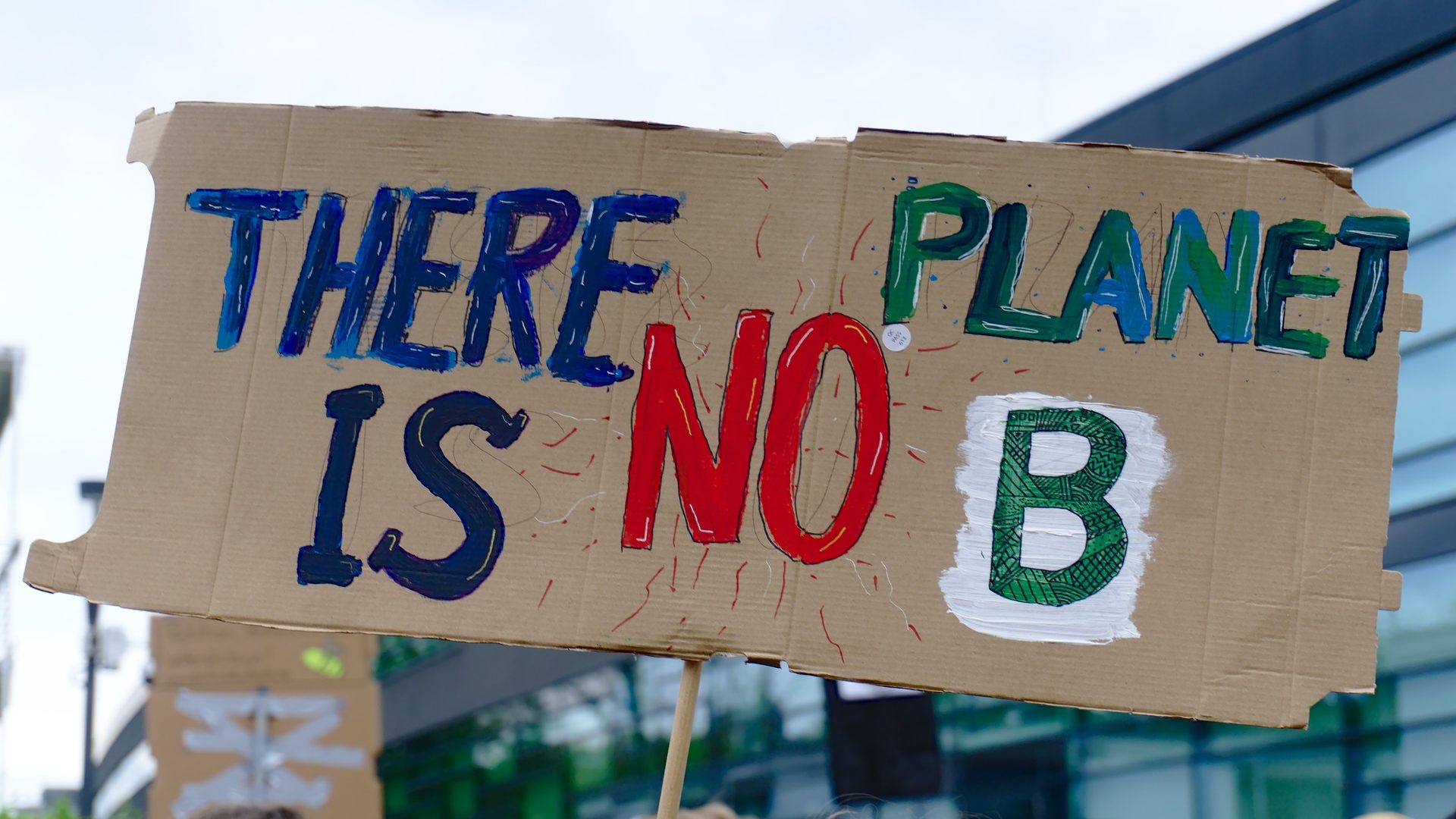
Greta Thunberg: “I Don’t Want Your Hope”

Can the wisdom of a 16-year-old inspire us to action around the climate crisis?

In January this year, an unassuming 16-year-old Swedish girl, Greta Thunberg, stepped up to a podium before some of the world’s most powerful global leaders at the World Economic Forum in Davos, Switzerland. Her soft voice began to stress the urgency of action around climate change, but she wasn’t looking for pity or to preach a feel-good message around hope. Dismissing hope as a weak strategy, she felt something stronger was needed: fear.

Still in school, Thunberg is too young to vote, has no economic resources, and lacks any position of formal power that would allow her to sway global markets. But she does have a voice, and a growing following of young people around the world that join her to “strike for the climate.” Love her or dismiss her, there’s no ignoring that this teenager is inspiring young and old to act around the world. Here’s what she had to say:

“According to the Intergovernmental Panel on Climate Change (IPCC) we are less than 12 years away from not being able to undo our mistakes. In that time, unprecedented changes in all aspects of society need to have taken place — including a reduction of our CO2 emissions by at least 50 percent. And please note that those numbers do not include the aspect of equity,
which is absolutely necessary to make the Paris Agreement work on a global scale. Nor does it include tipping points or feedback loops such as the extremely powerful methane gas being released from the thawing
arctic permafrost.

At places like the World Economic Forum in Davos, people like to tell success stories. But their financial success has come with an unthinkable price-tag. On climate change, we have to acknowledge that we have failed. All political movements in their present form have failed, and the media has failed to create broad public awareness. But homo sapiens has not yet failed. 

Yes, we are failing but there is still time to turn everything around. We can still fix this. We still have everything in our own hands. But unless we recognize the overall failures of our current systems, we most probably don’t stand a chance. We are facing a disaster of unspoken suffering for enormous amounts of people. Now is not the time to speak politely or focus on what we can or cannot say. Now is the time to speak clearly. 

Solving the climate crisis is the greatest and most complex challenge that homo sapiens has ever faced. The main solution however, is so simple that even a small child can understand it — we have to stop our emissions of greenhouse gases. Either we do that or we don’t. You say that nothing in life is black or white — but that is a lie. A very dangerous lie. Either we prevent a 1.5 degree of warming or we don’t. Either we avoid setting off that irreversible chain reaction beyond human control — or we don’t. Either we choose to go on as a civilization or we don’t. That’s about as black or white as it gets. There are no gray areas when it comes to survival. 

We all have a choice: We can create transformational action that will safeguard the living conditions for future generations, or we can continue with business as usual and fail. This is up to you and me. Some say that we should not engage in activism. Instead, we should leave everything to our politicians and rather vote for change.
But what do we do when there is no political will? What do we do when the politics we need are nowhere in sight?

Just like everywhere else, everyone is talking about money. It seems that money and growth are our only concerns. Because the climate crisis is one that has never before been treated as such, people are simply not aware of the consequences in their everyday lives. People are not aware that there is such a thing as a carbon budget and just how incredibly small that remaining carbon budget is. That needs to change today. 

No other current challenge can match the importance of establishing a wide, public awareness and understanding of our rapidly disappearing carbon budget. This should (and must) become the new global currency and the very heart of our future and economics. 

We are now at a time in history where everyone with any insight into the climate crisis, that threatens our civilization and the entire biosphere, must speak out — in clear language — no matter how uncomfortable and unprofitable that may be. We must change almost everything in our current societies. The bigger your carbon footprint, the bigger your moral duty. The bigger your platform, the bigger your responsibility. 

Adults keep saying, “We owe it to young people to give them hope.” But I don’t want your hope. I don’t want you to be hopeful. I want you to panic. I want you to feel the fear I feel every day, and then I want you to act. I want you to act as you would in a crisis. I want you to act as if our house is on fire. Because it is.”  

Greta Thunberg is a Swedish climate activist.


The Global Climate Strike Demanding Action

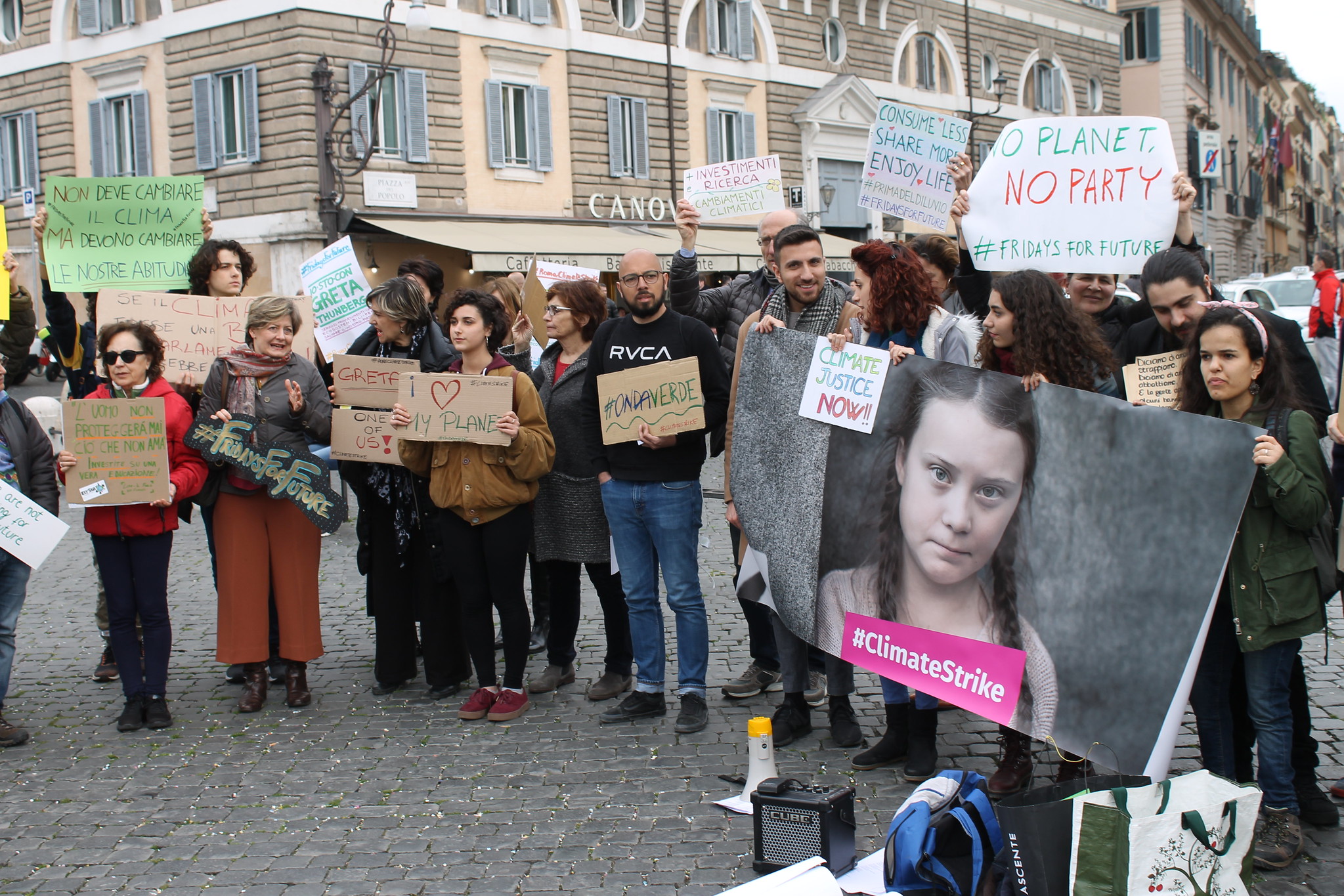
On September 20, three days before the UN Climate Summit in NYC, young people and adults will strike all across the US and the world to demand transformative action be taken to address the climate crisis. To learn more, sign up to host a strike, or receive updates check out: strikewithus.org

In the US, youth and adults, institutional and grassroots organizations, climate-focused and social justice groups, are coming together as a unified front to demand the change we need to save our future. The youth have been leading the way and demanding bolder action, and now it’s time for everyone else to back them up. Real Leaders will be highlighting these leaders throughout the day on all our social media channels.

To accomplish this, a youth climate strike coalition has come together to collaborate on the campaign. The youth strike coalition, coordinated by Future Coalition, includes national youth-led groups such as Zero Hour, Earth Uprising, Fridays For Future USA, Sunrise, US Youth Climate Strike, and Extinction Rebellion Youth. 

The climate crisis is the largest threat of our time, and we’re counting on our collective power to demand immediate and decisive action. This is our opportunity to move beyond the traditional climate bubble and expand the table of who is involved in this movement. It is time to lift up the voices and stories of young people on the frontlines of this crisis and ensure we are creating an intergenerational and intersectional climate justice movement.

To host a strike in your town, signup at this link.

September 20 will be one of the largest climate mobilizations in US history. We, as a global society, are at a crossroads. We have a decision to make. Are we going to choose money or power, or are we going to choose the future? This strike is an invitation to choose us. Choose the kids, choose humanity, choose the future. As Greta Thunberg, the teenager leading the Global Climate Strike, said: “I want you to act as if our house is on fire. Because it is.”

To #StrikeWithUs, head to http://strikewithus.org

Pivoting & Adapting

[et_pb_section fb_built=”1″ _builder_version=”3.27.4″ fb_built=”1″ _i=”0″ _address=”0″][et_pb_row column_structure=”1_2,1_2″ _builder_version=”3.27.4″ _i=”0″ _address=”0.0″][et_pb_column type=”1_2″ _builder_version=”3.27.4″ _i=”0″ _address=”0.0.0″][et_pb_text _builder_version=”3.29.2″ _i=”0″ _address=”0.0.0.0″]

While unforeseen changes to business landscapes are giving entrepreneurs, firms, and investors headaches many have learned how to design their business to adapt. 

Learn how to pivot from:

1. Dr. Lisa Kay Solomon who lectures innovation at the MBA in Design Strategy at Stanford Univerity deems today’s economy as the “VUCA” world – an environment of nonstop volatility, uncertainty, complexity, and ambiguity.

2. Erik Anderson, Executive Chairman of Top Golf on model thinking – how to think and plan big.

3. Vikrum Aiyer, Vice President of Global Public Policy for Postmates on how the gig-economy is empowering local economies.


[/et_pb_text][/et_pb_column][et_pb_column type=”1_2″ _builder_version=”3.27.4″ _i=”1″ _address=”0.0.1″][et_pb_video_slider _builder_version=”3.29.2″ _i=”0″ _address=”0.0.1.0″][et_pb_video_slider_item src=”https://www.youtube.com/watch?v=QUgFd5DBuws&t” _builder_version=”3.29.2″ show_image_overlay=”off” _i=”0″ _address=”0.0.1.0.0″][/et_pb_video_slider_item][et_pb_video_slider_item src=”https://www.youtube.com/watch?v=0InJNXJe8Y0″ _builder_version=”3.29.2″ show_image_overlay=”off” _i=”1″ _address=”0.0.1.0.1″][/et_pb_video_slider_item][et_pb_video_slider_item src=”https://www.youtube.com/watch?v=E8qtnqaH4V4″ _builder_version=”3.29.2″ show_image_overlay=”off” _i=”2″ _address=”0.0.1.0.2″][/et_pb_video_slider_item][/et_pb_video_slider][et_pb_divider _builder_version=”3.29.2″ hover_enabled=”0″][/et_pb_divider][et_pb_text _builder_version=”3.29.2″ hover_enabled=”0″]

Jump to a section:

[/et_pb_text][/et_pb_column][/et_pb_row][/et_pb_section]

Over 500 Climate Strikes Planned in the US and 117 Countries Worldwide

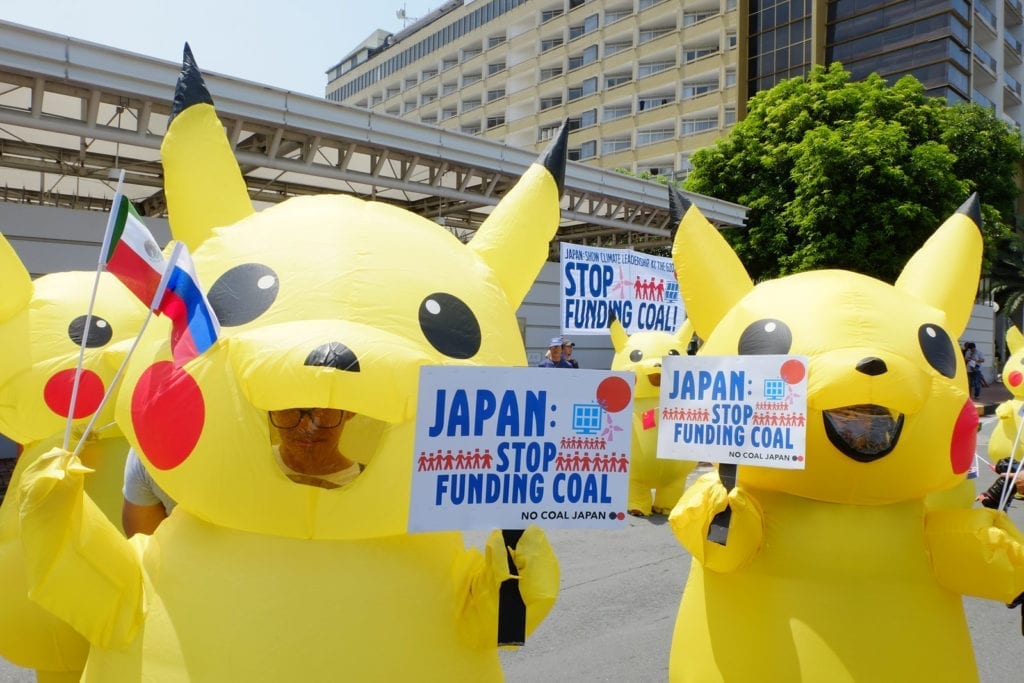
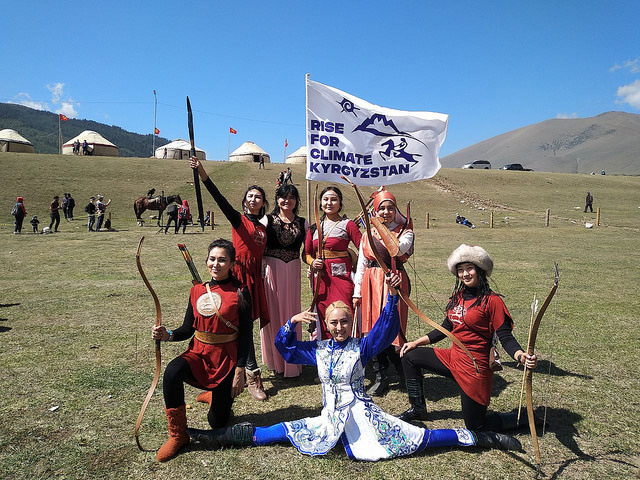
The September 20th climate strikes, that will continue for the duration of next week, have already seen 2,500 strikes registered globally and over 500 strikes taking place across the U.S. 

The Youth Climate Strike Coalition in the U.S. issued a set of policy demands calling for a just transition to 100% renewables by 2030, a halt to all leasing and permitting for fossil fuel extraction, protections for frontline communities, indigenous people, and biodiversity through transformative and decisive climate action.

Coordinated by Future Coalition, the U.S. youth-led strikes includes Earth Uprising, Fridays for Future USA, Extinction Rebellion-Youth, Sunrise, Zero Hour, Indigenous Youth Council and Earth Guardians. The Youth Climate Strike Coalition is steering the national campaign, with active support, participation and collaboration from an Adult Climate Strike Coalition, which includes leading national organizations such as 350.org, Greenpeace, SEIU and March On. Youth and adults, institutional and grassroots organizations, climate-focused and social justice groups, are coming together as a unified front to demand transformative action on climate.

Xiye Bastida, Fridays For Future NYC said, “September 20th isn’t a goal, it’s a catalyst for future action. It’s a catalyst for the engagement of humanity in the protection of Earth. It’s a catalyst for realizing the intersectionality that the climate crisis has with every other issue. It’s a catalyst for the culmination of hundreds of climate activists who won’t stop fighting until the climate emergency is over.” 


Vic Barrett, 20-year-old Juliana v. United States plaintiff from White Plains, NY said: “Because of the actions of the United States government and the fossil fuel industry, my generation has never known a world free from the impacts of climate change. Time is running out. This decade is our last chance to stop the destruction of our people and our planet. This is our time to join in solidarity with communities around the world to fight for a just future. This is why we strike.”

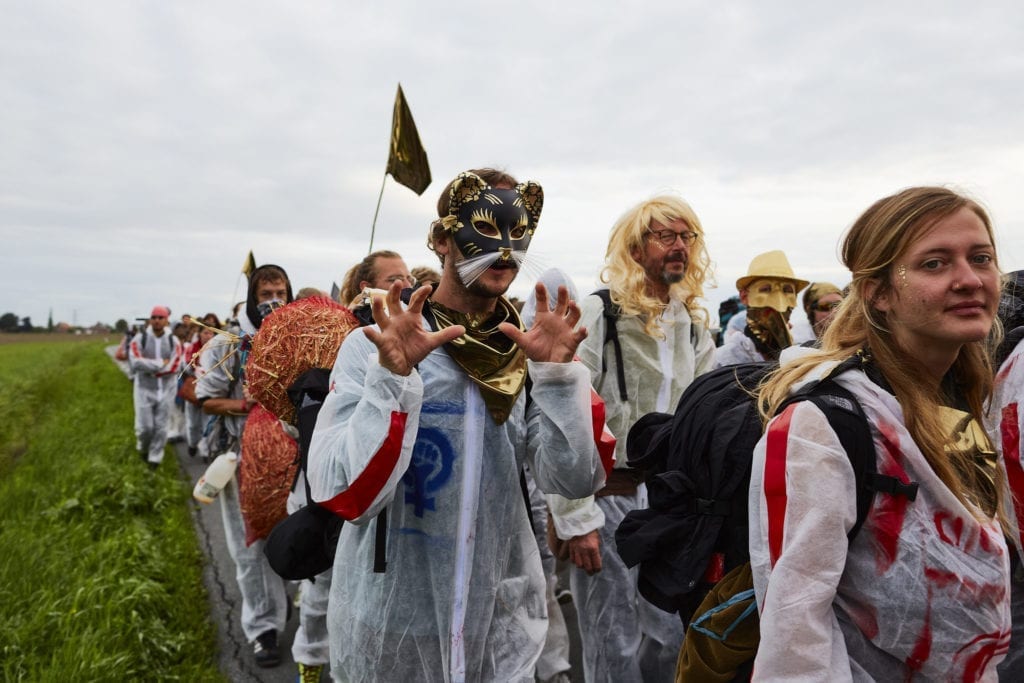
The strike actions aim to demonstrate that the fight for climate action is beyond one moment, and put a spotlight on key climate justice fights taking place throughout the United States. Actions, vary from fossil fuel project shutdowns to demanding climate town halls to mass actions against fracking and fossil fuel finance

During Climate Week, escalated actions will happen throughout New York City and across the US during the week of September 23-29. Communities are joining youth-led climate strikes, as well as coming together to protect families, air, and water from toxic fossil fuel projects, including in Minnesota, Seattle, Portland, New Hampshire, and more with hundreds across the country taking on the fossil fuel corporations and financiers. 

Tamara Toles O’Laughlin, 350.org North America Director, said “The September 20th Climate Strikes and the following week of action across the United States is an intergenerational and multiracial moment to make our stand for our right to transformative climate action that preserves a sustainable, healthy, and livable future for all. With the leadership of young people backed by grandparents and parents alike, health workers, teachers, cab drivers and more, now is the time for all of us to come together to demand that real climate leaders at the national, state and local levels hold fossil fuel companies accountable for decades of negligence and damage.”

The first ever widespread global blackout will also be taking place with many organizations and businesses planning to stop business as usual by shutting down their websites and redirecting them to the global climate strikes website.

In New York City, the strike on September 20th will be led by youth strikers including Greta Thunberg, who arrived in the city to take part in the UNSG summit, kicking-off with a rally in Foley Square before marching to Battery Park for key speakers and performers. The weeklong movement will surround the UN Climate Summit being held on the 23rd of September, which will gather world leaders in an attempt to accelerate real actions to implement the Paris Agreement and meet the climate challenge.

Other notable strike locations are Washington D.C., Boston, Seattle, Minneapolis, Miami, Los Angeles and Denver. 

The climate strikes movement inspired by teenager Greta Thunberg has spread rapidly across the world in the last 12 months. Strikers are demanding that governments step up to take urgent action to prevent catastrophic climate breakdown by phasing out fossil fuels, accelerating the urgent transition to a 100% renewable energy powered world with climate justice and equity at its core, and holding fossil fuel billionaires most responsible accountable for their destruction.

What People Are Saying

Jamie Margolin, founder of Zero Hour said, If adults want youth to be studious and pay attention in school in order to prepare for our futures, then they need to do their jobs to make sure a future actually exists for us. That is why I am striking for the survival of my generation and civilization as we know it. I am striking because it is pointless to study for a future that does not exist.I am striking for complete  system change.”

Jesus Villalba Gastelum, Age 16, Earth Uprising LA City Coordinator/ Youth Climate Strike Los Angeles Organizer, said: “I live in Los Angeles, a diverse city of many roots, including Indigenous, Mexican, Spanish, American, and Tongva. We are organizing the LA Youth Climate Strike from a place of love, hope, and resolve. We are taking to the streets this September 20th in order to claim the future that is rightfully ours. While this mobilization is youth led, we welcome people of all generations to join us in kicking off LA’s week of action. Our march is calling out inaction on the climate crisis, and stands in support of refugee rights, human rights, and dignity for all.”

Katie Eder, executive director of Future Coalition said, “On September 20th the voices of thousands of young people from more than 400 locations across America will be heard as we strike for our future. Our message will be clear — we must act now to avoid the worst effects of climate change because all of our lives depend upon it. We are the new face of the climate revolution and we demand just and equitable climate action.”

Daphne Frias, founder of Box the Ballot, a member of Future Coalition said, “I’m striking this September to secure my future. When I take to the streets on the 20th and 27th, I take with me the resilience of my Latino and Disabled communities. People who are so disproportionately affected by climate change. Most importantly, I strike to show that you don’t have to stand to take a stand; our voices are our most powerful tool and I will use mind to protect this planet we call home.”

“A livable climate tomorrow requires halting public-lands fossil fuel expansion today.  We’re proud to stand with Colorado’s youth calling for climate solutions that match the scale of the crisis,” said Taylor McKinnon, senior public lands campaigner with the Center for Biological Diversity, participating in escalated actions in Colorado.

“We’re making a stand that we’re still here. The Gitche Gami is really important to the people of Minnesota, and we want to honor that through a peaceful prayer action on September 28th. Our goal is to teach people that treaties are a two-party agreement — Native people are not the only ones responsible for maintaining the treaties, but that we’re all responsible and we need to move in solidarity. We all need the water, and we all need to do this together,” said Nancy, MN 350, Minnesota Chippewa / Leech Lake, participating in a rally and gathering to stop Line 3 in Minnesota.

“The climate crisis is a human issue – affecting all of us. We are inspired by the youth activists who have led a global movement, and Patagonia is calling for urgent and decisive action for people and our home planet. On Friday, September 20th, we will be walking out of our stores, striking with the youth activists and calling for our government to take action. There is no room in governments for climate deniers and their inaction is killing us. We invite the business community and all those concerned about the fate of our planet and humankind to answer with actions and join us,” Rose Marcario, President & CEO, Patagonia.

“As people of faith, we say that we believe in love, in compassion, in justice – then it follows that we must join this strike as surely as dawn follows the deepest darkness. Our children are calling to us. We must respond,” Fletcher Harper, Executive Director, GreenFaith.

“Climate breakdown is one of the greatest human rights issues we face. Fighting climate breakdown is about much more than emissions and scientific metrics it’s about fighting for a just and sustainable world that works for all of us. We need to start by phasing out fossil fuels, building real and long lasting solutions and prioritizing the communities at the frontline of the climate crisis,” May Boeve, Executive Director, 350.org.

Ethics & Responsible Business

[et_pb_section fb_built=”1″ _builder_version=”3.27.4″ fb_built=”1″ _i=”0″ _address=”0″][et_pb_row column_structure=”1_2,1_2″ _builder_version=”3.27.4″ _i=”0″ _address=”0.0″][et_pb_column type=”1_2″ _builder_version=”3.27.4″ _i=”0″ _address=”0.0.0″][et_pb_text _builder_version=”3.29.2″ _i=”0″ _address=”0.0.0.0″]

What decisions will you make today will impact the environment or society?

See conversations with:

1. Patagonia’s Vincent Stanley, reveals their business model came from how Patagonia stuck true to their mission

2. Jonathan Keyser Founder/CEO is trying to transform one of the most cut-throat industries in the world; commercial real estate

3. Matthew Weatherly-white who helps identify the difference between business used as a force for good vs. bad

4. Ep. 36 features Robert Acton, the CEO of Cause Strategy Partners who discusses board seat placement, managing pushback, setting a vision, and inspiring a shared vision.

5. Stuart Williams who claims you can profit & make a difference at the same time

[/et_pb_text][/et_pb_column][et_pb_column type=”1_2″ _builder_version=”3.27.4″ _i=”1″ _address=”0.0.1″][et_pb_video_slider _builder_version=”3.27.4″ _i=”0″ _address=”0.0.1.0″][et_pb_video_slider_item src=”https://youtu.be/Mbd3SEQGkTI” _builder_version=”3.27.4″ show_image_overlay=”off” _i=”0″ _address=”0.0.1.0.0″][/et_pb_video_slider_item][et_pb_video_slider_item src=”https://youtu.be/wo-NW7t0SK8″ _builder_version=”3.27.4″ show_image_overlay=”off” _i=”1″ _address=”0.0.1.0.1″][/et_pb_video_slider_item][et_pb_video_slider_item src=”https://youtu.be/6wTF1aeI4Yg” _builder_version=”3.27.4″ show_image_overlay=”off” _i=”2″ _address=”0.0.1.0.2″][/et_pb_video_slider_item][/et_pb_video_slider][et_pb_code _builder_version=”3.27.4″ _i=”1″ _address=”0.0.1.1″][/et_pb_code][et_pb_code _builder_version=”3.27.4″ _i=”2″ _address=”0.0.1.2″][/et_pb_code][et_pb_divider _builder_version=”3.29.2″ hover_enabled=”0″][/et_pb_divider][et_pb_text _builder_version=”3.29.2″ hover_enabled=”0″]

Jump to a section:

[/et_pb_text][/et_pb_column][/et_pb_row][/et_pb_section]

Diverse Funding & Financing Strategies (loans/debt, equity, crowdfunding, and customers)

[et_pb_section fb_built=”1″ _builder_version=”3.27.4″ fb_built=”1″ _i=”0″ _address=”0″][et_pb_row column_structure=”1_2,1_2″ _builder_version=”3.27.4″ _i=”0″ _address=”0.0″][et_pb_column type=”1_2″ _builder_version=”3.27.4″ _i=”0″ _address=”0.0.0″][et_pb_text _builder_version=”3.29.2″ _i=”0″ _address=”0.0.0.0″]

Funding can come in many different ways for startups. If your pitch provides strong evidence of a return on investment the funding will come from the right investors. Investors are also increasingly using ESG and Certified B-Scores to assess strong governance which correlates to financial performance.

Jump to:

1.Barbara Minuzzi, a Brazilian immigrant venture capitalist who after facing discrimination at the workplace came to America and raised millions in venture capital.

2. Lisa Kurtis who at 21:34 explains how she raised $10million from “literally every capital source you can think of.”


[/et_pb_text][/et_pb_column][et_pb_column type=”1_2″ _builder_version=”3.27.4″ _i=”1″ _address=”0.0.1″][et_pb_video_slider _builder_version=”3.27.4″ _i=”0″ _address=”0.0.1.0″][et_pb_video_slider_item src=”https://www.youtube.com/watch?v=Rx34EgN5dKc” _builder_version=”3.27.4″ show_image_overlay=”off” _i=”0″ _address=”0.0.1.0.0″][/et_pb_video_slider_item][/et_pb_video_slider][et_pb_code _builder_version=”3.27.4″ _i=”1″ _address=”0.0.1.1″][/et_pb_code][et_pb_divider _builder_version=”3.29.2″ hover_enabled=”0″][/et_pb_divider][et_pb_text _builder_version=”3.29.2″ hover_enabled=”0″]

Jump to a section:

[/et_pb_text][/et_pb_column][/et_pb_row][/et_pb_section]

Practicing Mindfulness & Seeking work-Life-Balance

[et_pb_section fb_built=”1″ _builder_version=”3.27.4″ fb_built=”1″ _i=”0″ _address=”0″][et_pb_row column_structure=”1_2,1_2″ _builder_version=”3.27.4″ _i=”0″ _address=”0.0″][et_pb_column type=”1_2″ _builder_version=”3.27.4″ _i=”0″ _address=”0.0.0″][et_pb_text _builder_version=”3.29.2″ _i=”0″ _address=”0.0.0.0″]

What are you chasing? Many leaders we interviewed reached a point in their life, a crucible, that changed their career trajectory. Whether it was living in a different developing country, understanding their core values and skills, or a traumatic experience that shaped a new perspective, they are now in pursuit of a healthier work-life balance for themselves and their stakeholders.

Watch and Listen:

1. Jonathan Keyser Founder/CEO who made a lot of money in a ruthless commercial real-estate culture until he listened to a speaker at a conference who flipped his mindset.

2. Shawn Agosta, who after several unfulfilling jobs built his own sustainable drywall company.

3. Hydroflask’s GM, Scott Alan who shares what led him to leave Silicon Valley to join Hydroflask.

4. John Replogle, CEO of One Better Ventures who started at Guinness and took a “spear to the heart” when he came to the realization that he needed a career and life change towards more purpose.

[/et_pb_text][/et_pb_column][et_pb_column type=”1_2″ _builder_version=”3.27.4″ _i=”1″ _address=”0.0.1″][et_pb_video_slider _builder_version=”3.27.4″ _i=”0″ _address=”0.0.1.0″][et_pb_video_slider_item src=”https://www.youtube.com/watch?v=wo-NW7t0SK8&t=” _builder_version=”3.27.4″ show_image_overlay=”off” _i=”0″ _address=”0.0.1.0.0″][/et_pb_video_slider_item][et_pb_video_slider_item src=”https://www.youtube.com/watch?v=SIYlNZofDqI” _builder_version=”3.27.4″ show_image_overlay=”off” _i=”1″ _address=”0.0.1.0.1″][/et_pb_video_slider_item][et_pb_video_slider_item src=”https://www.youtube.com/watch?v=QEFpd3Bqd34″ _builder_version=”3.27.4″ show_image_overlay=”off” _i=”2″ _address=”0.0.1.0.2″][/et_pb_video_slider_item][et_pb_video_slider_item src=”https://www.youtube.com/watch?v=6Xth2c4eu6c” _builder_version=”3.27.4″ show_image_overlay=”off” _i=”3″ _address=”0.0.1.0.3″][/et_pb_video_slider_item][/et_pb_video_slider][et_pb_divider _builder_version=”3.29.2″ hover_enabled=”0″][/et_pb_divider][et_pb_text _builder_version=”3.29.2″ hover_enabled=”0″]

Jump to a section:

[/et_pb_text][/et_pb_column][/et_pb_row][/et_pb_section]

Great Companies Build Middle Leadership. Here’s Why

Great middle leaders motivate not only their team but others around them too. They do this by communicating purpose, thinking broadly to escape the organizational silos, and behave inclusively. Hiring for middle leadership is a smart strategy and motivates others. Great companies, however, deliberately build a culture of middle leaders.

A company wins the hearts and minds of its employees and customers based on the middle of the organization. A company drives the day to day of everything — from products, customers, support and sales and middle leadership deals with challenges, mistakes, and the surprises in the trenches.

As you think about building a world-class organization, it’s essential to understand, focus on, and measure, the concept of “middle leadership.” It’s a well-accepted fact that culture always trumps strategy when it comes to building a world-class global company and that becoming tangled in bureaucratic duties will slow a company down and erode the culture. To help avoid the ill-fate of a stale and slow-moving company, it’s vital to forward-hire and invest in the middle layer of your organization — as it will ultimately determine the fate of your business. 

So how do you know when to hire for management skills versus hiring for leadership? All companies need a mixture of both. Understanding how these skills are different and when the middle of your organization needs more leadership, rather than just management, is one of the keys to growth. We commonly use the phrase “middle management” but have you ever heard of “middle leadership”?  Nope. In part, because we tend to reserve the leadership label for senior executive hires. We argue that a consistent culture of middle leadership is essential to sustain corporate growth.

An organization may have great executive leadership, but ultimately, it rests on the abilities of the broader organization. Having leadership at every level is critical to breaking down the organizational silos in day to day challenges. Without this, corporate growth is slower, with more internal friction; often oblivious to market opportunities. 

To fill the missing link between your company top leadership and the middle layer of the organization, you must reassess the hiring practices at your company. Evaluate what policies are in place when it comes to the intake of new employees and start to think about it in a specific, measurable way.

Ask yourself what types of interview questions should be added to HR recruiting strategies. Consider incorporating leadership aptitude tests to help ensure that new hires have the potential to help bridge the gap between management and leadership — to break down the silos. A bureaucratic, slow-moving culture is one of the most crippling afflictions a company can face. Middle leadership has the opportunity to spot failed communications between teams, missed hand-offs within the customer experience, and suggest new products. Identifying the attributes and skills of middle management, that will be used to pivot leadership-minded problem-solving, is a crucial component of building a company culture that thrives and is future proof.

One of the critical roles of the board is to set the “tone at the top” and to look at how company culture is affecting the organization. One of the things a board can look at specifically, as part of an ESG (Environmental, Social and Governance) framework, is to examine their organizational development. How are they forward building middle management? What programs are available to grow middle managers from doers to leaders? It’s well worth committing time and resources toward creating a dedicated set of programs that teach leadership skills. This creates a robust middle layer vs. one that is bureaucratic and unresponsive.

Great middle leaders see opportunities in friction and initiate action to fix it. Middle managers work the plan, report, and explain. This is valuable, but it won’t carry your culture and company forward. It’s vital to align your middle leadership with the company’s overall purpose and mission, to be sure that your vision is being implemented across all levels.

Leaders deal with the unknown, and are willing to admit they don’t have all the answers. They seek input from others to understand the important, yet not-so-obvious trends. These skills are needed at the top of an organization and also within the everyday interactions across an entire organization. 

Great middle leaders motivate their team and others around them, too. This is accomplished by communicating purpose, thinking broadly to escape organizational silos, and behaving inclusively. Hiring for middle leadership is smart and motivates others, in part, because leaders invest in people.  Good companies might have both managers and leaders by chance, but great companies deliberately build a culture of middle leaders.

Betsy Atkins is CEO and founder of Baja Corporation and author of Be Board Ready. She currently sits on the boards of Wynn Resorts, SL Green Realty, Schneider Electric, and Volvo Cars.

Lisa Dallmer is an experienced Chief Operating Officer in financial services and technology.  Currently SVP of Business operations at Delphix, previously she was COO of BlackRock’s Global Technology & Operations and COO for NYSE Euronext.

Account Issues Redirect Page

[et_pb_section fb_built=”1″ admin_label=”Hero” _builder_version=”3.22″ use_background_color_gradient=”on” background_color_gradient_start=”#fe5b48″ background_color_gradient_end=”#b80572″ background_image=”https://old.real-leaders.com/wp-content/uploads/2019/07/geometric-bg-overlay-01.jpg” background_blend=”overlay” box_shadow_style=”preset3″ box_shadow_vertical=”-200px” box_shadow_blur=”0px” box_shadow_color=”#F8FBFE” box_shadow_position=”inner” custom_padding=”10%|||” animation_style=”zoom” animation_direction=”bottom” animation_intensity_zoom=”8%” animation_starting_opacity=”100%”][et_pb_row _builder_version=”3.25″][et_pb_column type=”4_4″ _builder_version=”3.25″ custom_padding=”|||” custom_padding__hover=”|||”][et_pb_text _builder_version=”3.26.3″ text_font=”Nunito Sans||||||||” text_text_color=”#ffffff” text_font_size=”18px” text_line_height=”1.8em” header_font=”Nunito Sans|700|||||||” header_text_align=”center” header_text_color=”#ffffff” header_font_size=”45px” header_line_height=”1.3em” header_2_font=”||||||||” text_orientation=”center” max_width=”700px” module_alignment=”center”]

Your Request Has Been Received

Please allow customer service up to 48 hours to solve your issue and respond. In the meantime, enjoy this quick interview with gDiapers!

[/et_pb_text][et_pb_video src=”https://www.youtube.com/watch?v=6DgfsVkxqSE&t=35s” image_src=”//i.ytimg.com/vi/6DgfsVkxqSE/hqdefault.jpg” _builder_version=”3.26.3″ box_shadow_style=”preset1″ box_shadow_vertical=”30px” box_shadow_blur=”30px” box_shadow_color=”rgba(34,56,101,0.1)” max_width=”700px” module_alignment=”center” custom_margin=”80px|||” thumbnail_overlay_color=”rgba(0,0,0,0)” play_icon_color=”#FFFFFF”][/et_pb_video][/et_pb_column][/et_pb_row][/et_pb_section]
0