12-Year-Old Boy And Refugee Swim From Robben Island

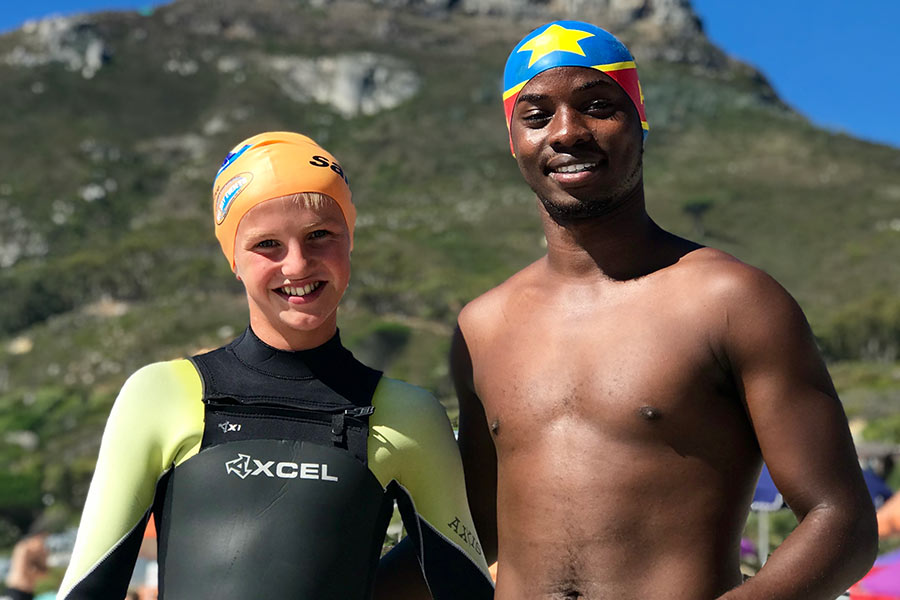
A Congolese refugee and a 12-year-old boy, inspired by Mandela’s legacy, teamed up to complete a five-mile swim from Robben Island in Cape Town to raise funds for charity.

The Freedom Day Swim took place on 21 April and saw people from around the world swim from Robben Island to the mainland. The island is infamous as the place where Nelson Mandela was imprisoned for 18 of the 27-years he served behind bars. The swim is held each year to celebrate the beginning of democracy in South Africa (27 April 1994).

If you like this, subscribe here for more stories that Inspire The Future.

Challenged to come up with a leadership project at school, Grade 6 learner Gabriel Schreiber teamed up with 23-year-old Congolese refugee Arafat Gatabazi as his swim coach and decided to push himself out of his comfort zone. The swim from Robben Island is considered the “Everest” of open water swimmers in South Africa, not only for its distance but for the cold water, jellyfish and Cape Town’s resident evil: the great white shark.
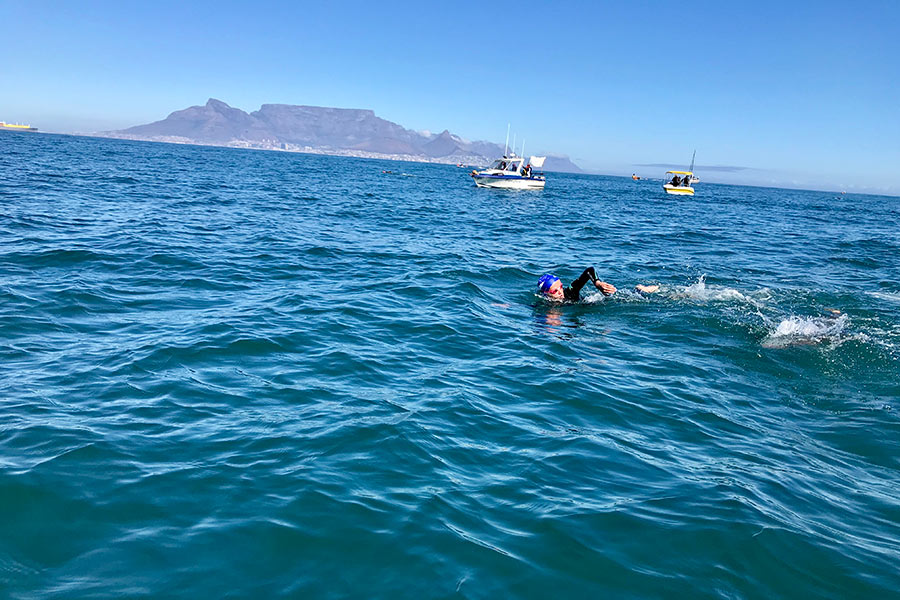
Schreiber and Gatabazi at the halfway mark.

Gatabazi fled Africa’s deadliest conflict in the Democratic Republic of Congo in 2013, spending four months on the road without his parents, eventually making his way to South Africa. He only learned to swim after arriving at a Cape Town refugee shelter as a teenager, and loved it. No longer bothered by extremes, he took a liking to open water swimming and has since completed the Atlantic Ocean swim from Robben Island multiple times.

The pair swam alongside each other the whole way and completed the five-mile swim in 2 hours and 34 minutes. Schreiber became the third youngest person in the world to complete the swim, beating many of the adult competitors. Much of their training in the weeks before  the event had been to accustom their bodies to the 50 °F water and the real risk of hyperthermia.

Their swim, dubbed the #StrokesForSpokes Challenge, aimed to raise funds for Chaeli Mycroft’s Sport & Recreation Club, an organization that helps disabled children, especially young wheelchair users from disadvantaged communities, take part in activities they would usually not be able to enjoy. 
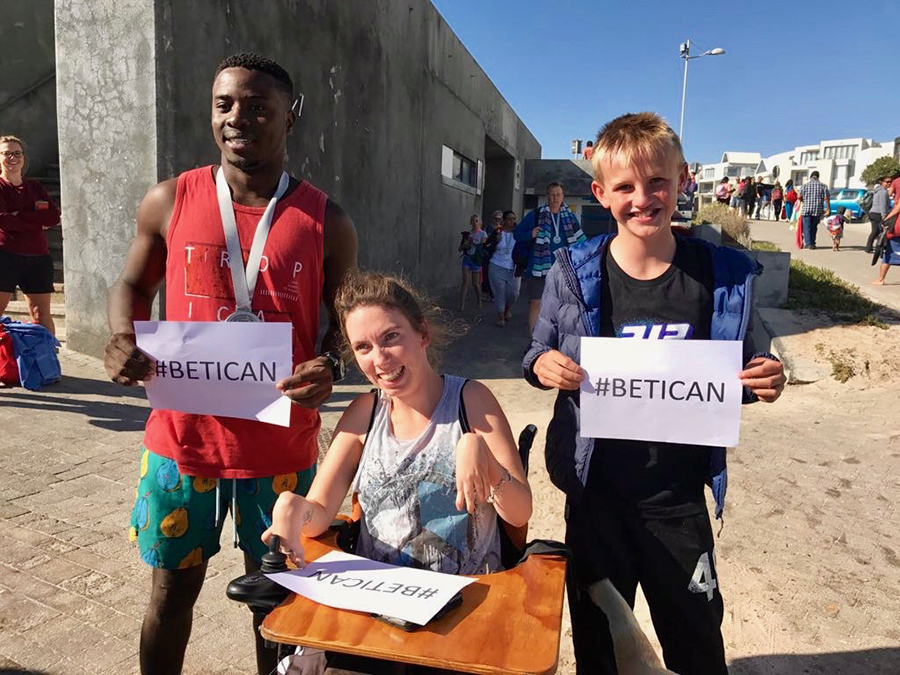
From Left: Arafat Gatabazi, Chaeli Mycroft and Gabriel Schreiber.

Despite being a quadriplegic in a wheelchair, Mycroft does not shy away from physical challenges either. She has been up Africa’s highest mountain, Kilimanjaro, and was the first wheelchair athlete in history to participate in the 55-mile Comrades Marathon. She also won the International Children’s Peace Prize in 2011, the equivalent of the Nobel Peace Prize for kids.

Mycroft has challenged young people to achieve the impossible by starting the #BetICan campaign and has undertaken a series of physical challenges to prove skeptics wrong.

“I did this swim to raise awareness around children who are much less fortunate than me,” says Schreiber. “I’m lucky to have a body that can do almost anything, and I want to remind people about those who can’t move about freely, like most of us. Chaeli has inspired me by showing that disability can be turned into ability.”

Some say leadership is learned; not something you’re born with. If that’s true, we should start examining what we teach our kids at school. Pinning a goal to a higher cause is one good example. Pushing physical boundaries is another, which can surely teach kids how to push past mental boundaries too, and in so doing, create a new generation of leader who sees the value of achievement tied to social good.

If you like this, subscribe here for more stories that Inspire The Future.
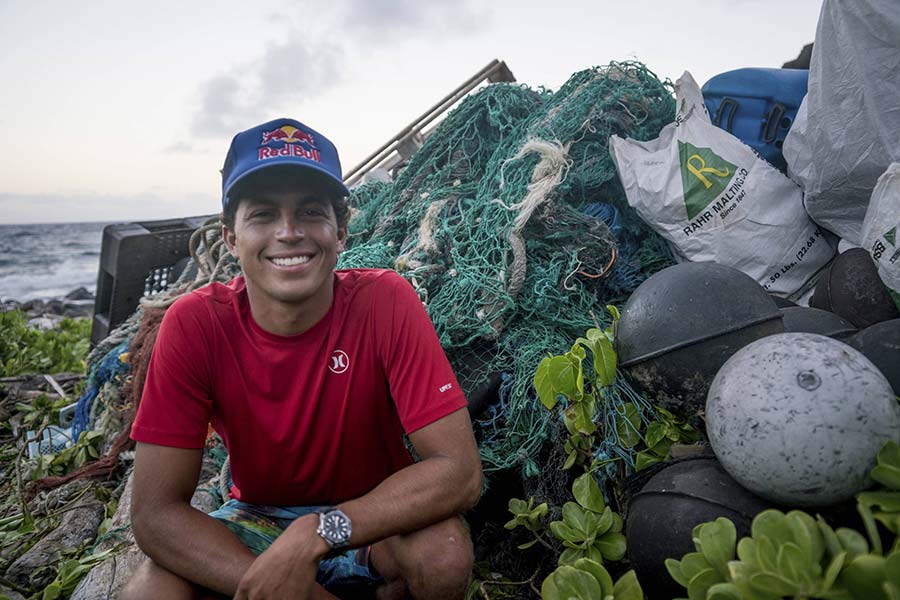
 

Surf Champions Lead Clean-up on Earth Day

Hawaiian big wave surfer, Kai Lenny, and freestyle kayaker, Dane Jackson, led a successful clean-up operation of their home waters in celebration of Earth Day. Saturday, 22 April, marks Earth Day, an event that has been on the calendar for nearly half-a-century.

This year, it is focusing on environmental and climate literacy, and two athletes in very different parts of the United States have been doing their bit to raise awareness. 

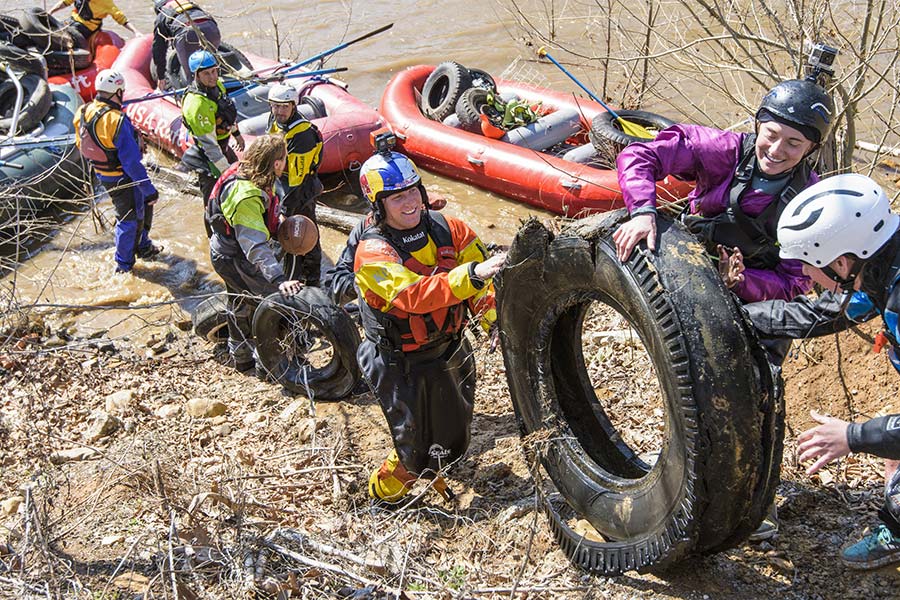
Surfer Kai Lenny (pictured above) took to the waters and shorelines of Hawaii’s big islands for a plastic clean-up, while Dane Jackson (pictured below) led a team of fellow kayakers in Tennessee to fill five rafts with rubbish ranging from 40 tyres to 60 roof shingles in just a three-mile stretch of the Nolichucky River. 

Dane Jackson works with with volunteers from the University of Tennessee Knoxville Outdoor Program and USA Raft to clean up the Nolichucky River in Tennessee, USA. Photo: Lucas Gilman/Red Bull Content Pool.

For both men, the water has very much been their home, Jackson growing up on the aforementioned river, while Lenny is Hawaiian-born and remains a Maui inhabitant. Both were appalled by the waste they were faced with.

Lenny, helped by locals across six islands, explained: “We can clean up all day but we’ve got to figure out a way to stop the flow [of trash] and put a plug in it. Riding those waters, I learned how much trash is in the ocean. Now, I really want to bring awareness to it and make it a preventable thing.” 

To raise awareness, he travelled – occasionally in perilous waters – between the islands in all manner of water vessels from his hydrofoil board, to a kite surf to a traditional paddle board and a plain old sailing boat for the final leg. 

Kai Lenny participates in Downwind Voyage for Change in Hawaii. Photo: Andy Mann / Red Bull Content Pool.

On every major island, he and his team cleaned up one beach in the hope of ridding it of micro plastics.

As he said: “It’s all in the name of protecting our oceans and bringing awareness to the pollution that is micro plastics on our shorelines and in our seas.” 

For Jackson, the pollution just below the surface of his home river was equally devastating to see close-up. The 23-year-old was joined by 10 local kayakers and raft guides for two laps of a three-mile stretch.

“I’ve spent my entire life in or around the river and it’s so mind blowing that so many people just throw their trash in the river,” said Jackson, one of kayaking’s biggest names, at the conclusion of his river clean-up.

“Throwing trash in the river affects everything from wildlife to humans. Trash affects the entire ecosystem of a river. Some waste, like motor oil, is completely toxic and other stuff, like plastic bags, just sticks around forever. 

“It really comes down to ignorance and laziness because it just doesn’t make any sense to throw trash in a river.”


Business: A Powerful Force for Interfaith Understanding

Business is at the crossroads of culture, commerce and creativity. This means businesses have the resources to make the world more peaceful as well as the incentive to do so. Here are three examples from the UN Global Compact.

Coca-Cola Serves up Cross-border Understanding

In 2013, the Coca-Cola Company initiated a project to promote understanding and dialogue in an area experiencing one of the

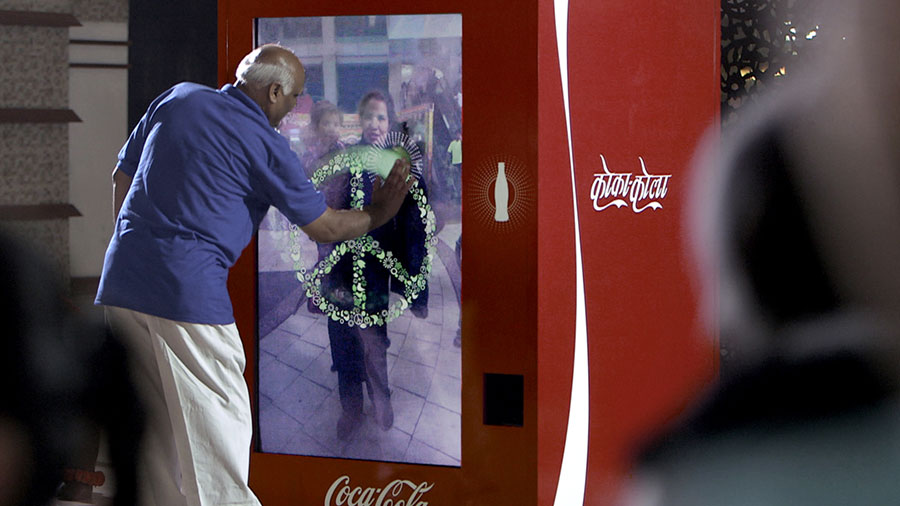
longest running conflicts on earth by installing “Small World Machines” in New Delhi, India and Lahore, Pakistan. These machines offered users a live communications link to people on opposite sides of one of the world’s most militarized borders. Long separated by a border that has seen a number of wars, Indians and Pakistanis were able to use the machines’ live video feeds and large 3D touch screens to speak to and even “touch” the person on the other side. People on both sides of the border who had never met exchanged peace signs, touched hands and danced together.


Interfaith Entrepreneurship in Nigeria

In Nigeria, businesses and economic development NGOs are working to stop widespread violence, which has already taken hundreds of lives and threatens to lead to civil war. In Adamawa State in northeast Nigeria, young adults in many of Adamawa’s poor rural and marginalized communities lack the necessary entrepreneurial skills they need to break out of the poverty trap that often feeds violent religious extremism. The Yola Innovation Machine and others are helping a new generation of entrepreneurs create businesses. In the Plateau State in the country’s center, Muslim and Christian business people are cooperating to work around religious violence.

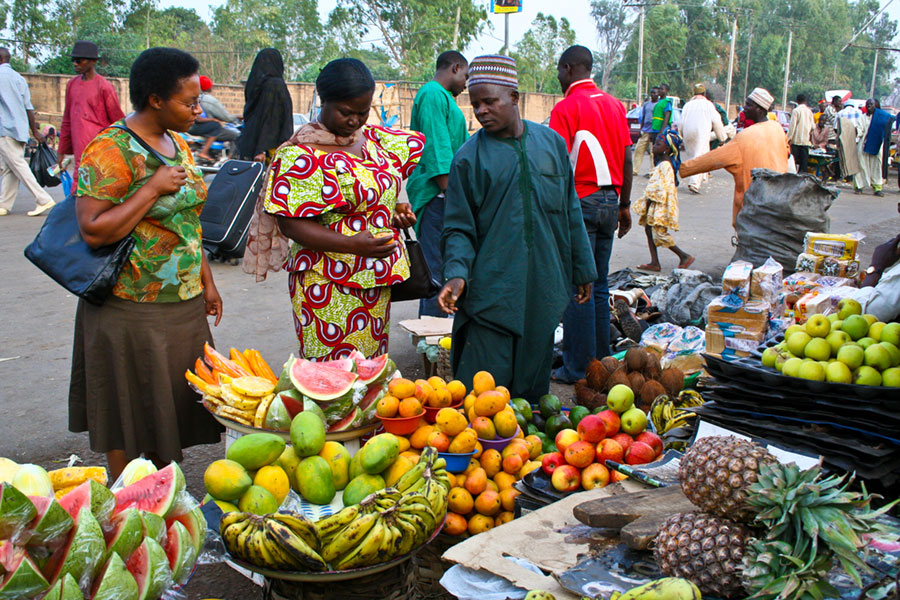
In Jos, Plateau’s capital, there is an unwritten rule that when religious tensions flare up, Christians and Muslims should not cross certain city boundaries. This divide can be devastating for fresh produce vendors and other businesses that serve people on both sides of the divide. In response, business people have taken it upon themselves to work around these limitations, risking their lives and not just their livelihoods to keep business moving across the religious divide. For example, a Christian vegetable seller – a widow with seven children – often cannot go to the market to restock her supply of vegetables due to religious violence or warnings of possible attacks. A cellphone call to her Muslim supplier can solve the problem. They find a discrete place to meet, agree on a price and make the transaction.


Indonesian Business Open to Faith and Action

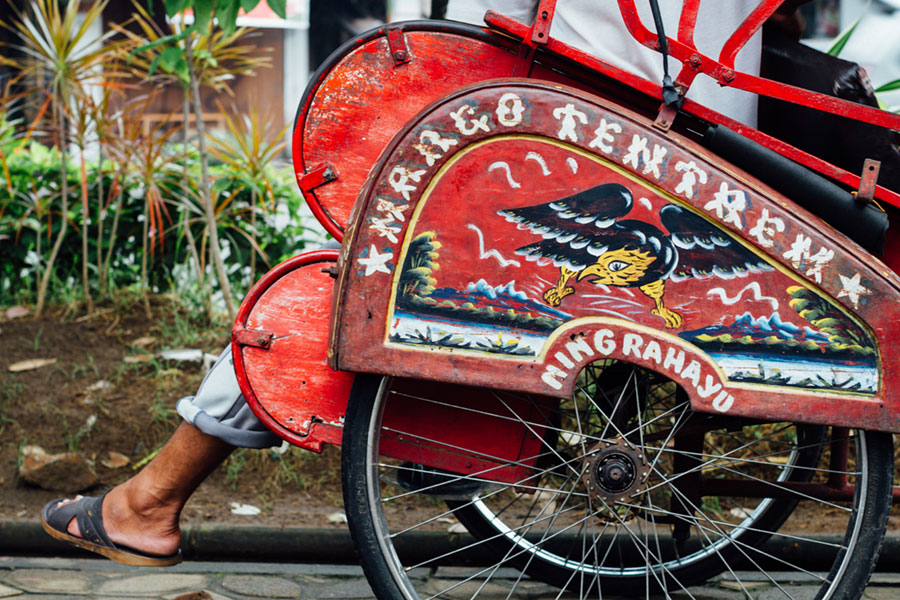
In Indonesia, a number of businesses are undertaking a variety of efforts to promote interfaith understanding. One example is Express Taxi. With a fleet of more than 10,000 taxis in Jakarta, the company promotes a faith-friendly workplace by setting up prayer rooms and facilitating Muslim and Christian observances, as well as celebrations of Chinese New Year. Such efforts not only foster interfaith understanding but also increase worker productivity and satisfaction. In addition to accommodating religious practice in the workplace, Indonesian businesses also help meet the social and religious needs of employees outside of work, while at the same time increasing safety and employee retention. For instance, PT Kereta Api Indonesia, an Indonesian railway company, provides free rail transportation for its Muslim workers to return home to celebrate Eid. This is important because many would choose the more affordable, but dangerous, option of riding a motorcycle home.


Brides For Good Change The Rules of Marriage

A wedding dress e-tailer wants to eradicate child marriage by 2030 with a proposal that’s hard to turn down.

Founded by Chantal Khoueiry, Brides do Good is a pioneering social enterprise that offers brides-to-be the opportunity to purchase the world’s most beautiful pre-loved and sample designer wedding gowns from designers including: Alexander McQueen, Oscar De La Renta, Valentino, Marchesa, Rosa Clara, Lela Rose, Temperley London, Stewart Parvin and Phillipa Lepley amongst others, at an affordable price and with the unprecedented charitable proposition to address the global challenge of eradicating child marriage by 2030 (one of the United Nations sustainable goals) through partner charities Plan International and Too Young to Wed.

“When friends revealed they spent over thousands on a dress they’d only wear once and wouldn’t let go of it because of the emotional connection, I started thinking about the millions of wedding gowns sitting in boxes somewhere. And then my mind went to the millions of girls that are each year barbarically forced into early marriage and a life of violence – and then, inspiration struck!” – Chantal Khoueiry

Headquartered in London, Brides do Good’s unique business platform invites brides from all over the world to sell their designer wedding gowns and receive a third of the sale back, a third goes toward the operations of the site, and a third goes to Plan International and Too Young To Wed.

Brides do Good also offers bridal designers and retailers a solution to move excess inventory. Designers and retailers may sell their sample gowns and excess stock (non pre-owned) to Brides do Good, with a portion of the sale donated to Plan International and Too Young To Wed.

“We are absolutely delighted to be working with Brides Do Good and spreading the word of our fight against child marriage to past and future brides.” – Plan International

“We feel that while for most brides, weddings are the stuff dreams are made of, for many out there, less fortunate than ourselves, this is quite the opposite. We are in a position to help and support something that we feel strongly about.” – Caroline Burstein, Browns Bride

“If you decide to sell your gowns after the wedding, try to make sure it is going to a good home. Brides do Good sends a third of each sale to charities (such as Plan International, Too Young To Wed) to help protect the millions of girls who are at risk of early marriage” – Livia Firth

A symphony of social enterprise and forward-thinking retail, storytelling and love, Brides do Good is a movement: By Brides, for Girls.