Building Homes — and Lives: SDS Capital Group

The $190-million Supportive Housing Fund delivers high-quality housing to homeless Californians as well as on-site case management and health services.

By Hannah Blume

Deborah La Franchi, CEO and founder of SDS Capital Group (a Real Leaders Top Impact Company), is a pioneer in the field of impact investing. For the past 20 years, La Franchi’s firm has made a name for itself by focusing on underserved communities across the United States, with a specific goal to address the deep challenges of poverty and inequality.

“I wanted to start my own company and create a platform of these impact funds in different geographies of the country and with different investment strategies, but all of them focused on investing in the poorest communities of the United States,” La Franchi explains.
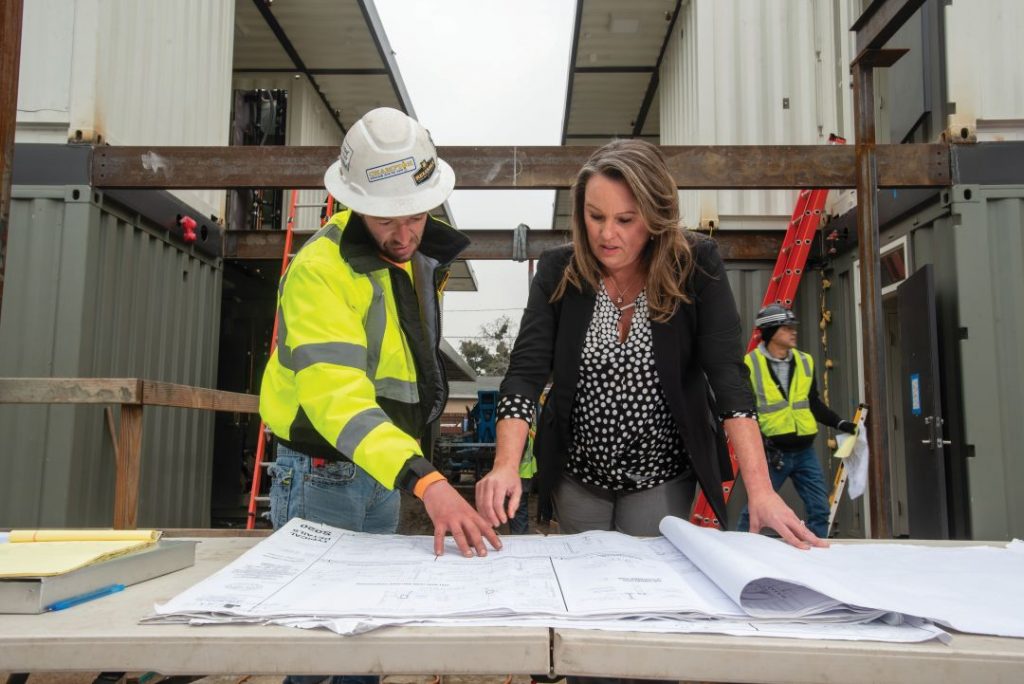


SDS Capital Group has launched numerous impact funds dedicated to empowering disadvantaged populations, ranging from affordable housing projects to subsidizing small business lenders. These funds are designed to have a broad impact across essential areas like education, healthcare, and nonprofit services.

La Franchi’s vision for impact investing is deeply rooted in her personal experience. Growing up in California, she saw firsthand the challenges posed by poverty and knew as early as high school that she wanted to dedicate her life to finding solutions to these systemic issues. As CEO of SDS Capital Group, La Franchi has focused on tackling one of the state’s most pressing problems: the housing crisis.

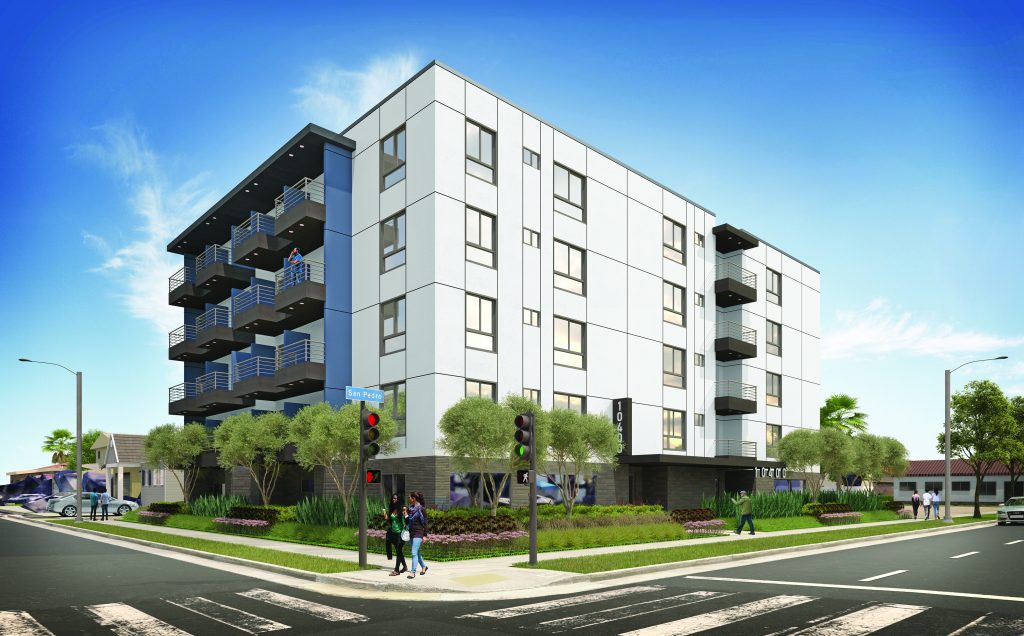
California faces a significant shortage of affordable housing, which has led to high levels of homelessness. To help combat this issue, SDS Capital Group created the Supportive Housing Fund (SHF), a $190 million initiative aimed at financing high-quality and cost-effective housing for homeless Californians. Its focus lies in creating permanent supportive housing by not only providing shelter, but also serving as a catalyst for community revitalization. These apartments provide tenants with on-site case management support to rebuild their lives as well as healthy food options and health services.

SDS Capital Group finances its projects through private-sector equity, eliminating the need for taxpayer dollars. This allows SDS to deliver affordable housing units quickly and efficiently without getting bogged down by bureaucratic red tape. SHF is expected to finance over 1,800 units across California, making significant progress in combatting the state’s housing shortage.

The journey to building a successful impact investment firm has not been without its challenges. When La Franchi first started SDS Capital Group, she miscalculated the size and enthusiasm of the impact investor community. While there were federal regulations that required certain investors to direct funds toward low-income communities, investors who were not bound by these regulations displayed little interest in such opportunities, even when shown the financial returns alongside the social impact.

SDS realized that to attract investors, it wasn’t enough to simply offer competitive returns — they also needed to understand the broader value of impact investing. Investing in affordable housing offers diversification benefits to an investor’s portfolio while also contributing to long-term economic stability in distressed communities. “They have to believe that the investment makes sense,” La Franchi says.


She says SDS Capital Group has built its success on a few key operational principles:


1. Document everything. One of these is ensuring that every procedure is documented in its software. Though tedious, having well-institutionalized processes ensures continuity and consistency across the organization, making the onboarding process of new employees much smoother. 


2. Implement the latest cybersecurity tools. The firm is committed to cybersecurity, even if that means outsourcing to experts in the field to keep wire transfers and other sensitive information protected.


3. Get the right people in the right seats. It’s tempting to hold on to an employee in the hopes of them eventually growing into a role, but not everyone is going to be the right fit for your organization. Making timely decisions about employees can have a profound impact on the overall success of the company, La Franchi says.


SDS Capital Group is not just working to generate financial returns for its investors, but to ensure that these returns contribute to creating sustainable, positive change for those who need it most. 


“A real leader is someone who not only has the vision but has also thought through the execution of the vision to ensure that they can communicate it to the stakeholders that are needed,” she says. 


Mighty Homes

By Real Leaders

These 3D-printed houses are better for the environment, more affordable, and faster to build.


The construction industry is the largest contributor of greenhouse gases into the environment and it’s responsible for 37% of global emissions, the United Nations reports in 2024. To help combat this, Mighty Buildings is using cutting-edge 3D printing technology to make sustainable, safe homes at lower costs.

CEO Scott Gebicke understands the difficulties of breaking into the construction industry and how crucial it is that Mighty Buildings succeeds in today’s global climate and housing crises. “To me, coming to Mighty Buildings is about passion — passion for having an impact, not only on a company but on the world,” he says. 

Emboldened by a patented 3D printer and proprietary materials, Mighty Buildings uses material science and robotics to expedite home building while ensuring sustainability and efficacy. In two-and-a-half days, it can create a 1,200-square-foot house shell; in eight days, a 3,300-square-foot home shell. The California-based company has constructed two developments in the state with a combined total of 50 homes, some of them capable of net-zero energy consumption. 

What started as a materials science company evolved to make accessory dwelling units, and in its latest iteration, to bring modular, scalable homes to developers. The printer uses LUMUS material created by Mighty Buildings to make the walls and panels, which are resistant to earthquakes, hurricanes, water, mold, mildew, and insects thanks to a specialized robotic coating application. It also weighs 30% less than concrete and has five times more tensile and flexural strength. In addition to its practical advantages, the LUMUS material comes in different colors and exterior textures. Mighty Buildings worked with architectural firms EYRC and JZMK to create ready-made designs catering to a simplistic style that maximizes storage and sustainable energy. 

From soundproof walls to solar power, Gebicke describes it as an extremely resilient product. “In certain markets like California, Arizona, Florida, and the Caribbean — places where climate change has caused more intense weather — this product is extremely well-suited,” Gebicke notes. 

In many parts of the country, America’s infrastructure has already reached the end of its life, worsened by weather events that weaken it further. These new materials withstand up to 180 miles per hour wind resistance and can have a positive influence on how to prepare for inevitable weather events.

Gebicke says he bases his leadership style around empowerment, a core belief formed while serving in the U.S. Navy. “Thought partnership, empowerment, and transparency are the three qualities of a real leader,” he explains. “If you’re not transparent, it creates so much confusion.” The company’s current focus is on expansion. By 2028, Mighty Buildings aims to produce fully carbon-neutral houses. 


Catch our full conversation with Mighty Buildings’ Scott Gebicke on the Real Leaders Podcast.

From Redlined to Greenlighted: Grubb Properties

This growing multifamily developer delivers essential housing across the U.S.

By Real Leaders


Grubb Properties is on a mission to make a meaningful impact on America’s housing crisis. The 2024 Real Leaders Impact Award winner was founded in 1963 to create housing and ownership opportunities for those who had been redlined from homeownership by banks practicing a form of loan discrimination. Today it continues to focus on housing accessibility through strategic investing, development, leasing, and property management. 

The company’s national Link Apartments brand caters to those in the middle of the income spectrum, targeting communities between new luxury developments and subsidized affordable housing. Grubb Properties is one of few companies in the country to focus solely on this critical market sector.

“We are committed to continuing to improve economic and social mobility for those living in our Link Apartments and to continue to expand housing options in urban areas in America,” CEO Clay Grubb tells Real Leaders.

He attributes the company’s success in part to having a 10-year plan that inspires and guides his team. As for another key? 

“We’re proud of our company culture,” Grubb says. “Working together has always been part of our vision, and this year, our engagement surveys had over 99% of our team members saying they work really well together as their team, and over 99% of our folks said that they would recommend working as part of the Grubb Properties team.”

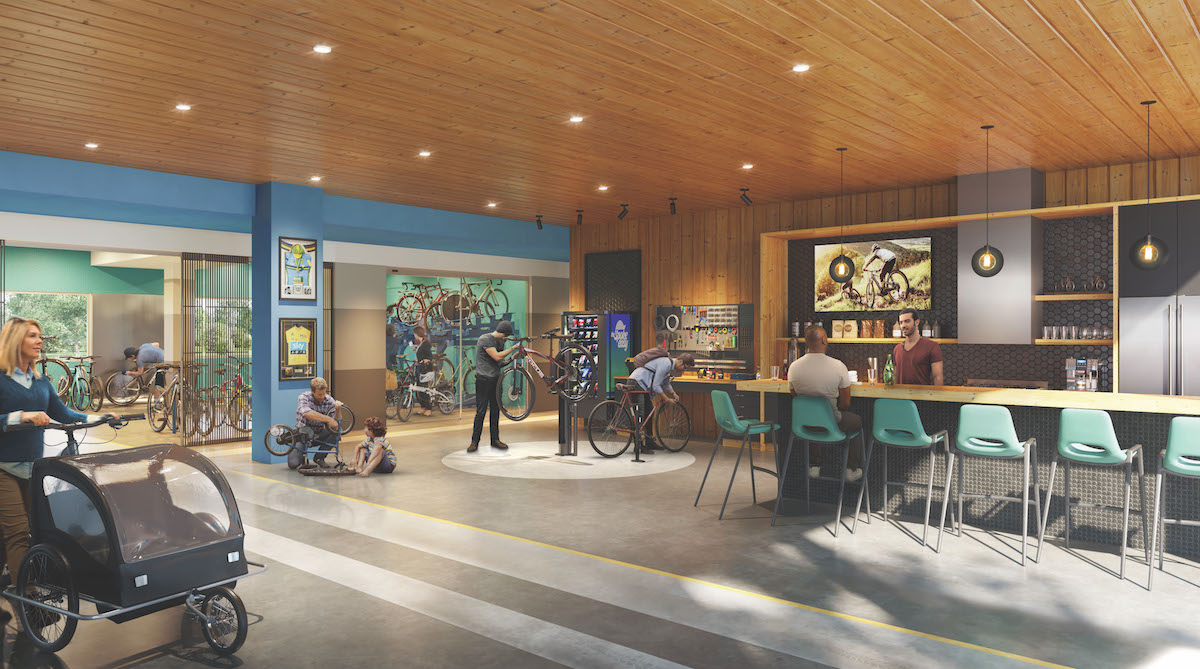
As proponents for alternative transportation, Grubb Properties minimizes its number of parking spots, aiming to stay below one space per apartment on average, as well as to maximize the number of EV charging stations installed in its communities. Its latest multifamily community, 104-unit Link Apartments CYKEL in Charlotte, North Carolina, promotes a car-free lifestyle through a biking-forward design that includes a ground-floor cycle center. The location, next to the Stewart Creek Greenway, bus route, and streetcar line, and a mile from uptown Charlotte, also encourages alternative forms of transportation. Sustain Charlotte recognized it with its Inspiring Building Project award in 2022.

“It’s a great representation of Grubb Properties’ commitment to help solve the housing crisis through creative solutions,” Grubb says. “Reducing development costs is key for private developers like us to be able to build housing that’s more affordable to more people — and building and maintaining parking is far more expensive than many realize. By avoiding the costs of building parking for this new development, we are able to dedicate 50% of the units to be affordable — without using any public subsidy.”

Grubb Properties has integrated environmental, social, and governance priorities across the company’s departments and teams, identifying risks and opportunities in its investments, developments, and operations and management processes, as outlined in its annual ESG report. The company’s six key ESG initiatives are: housing affordability, environmental stewardship, business ethics and integrity, transportation innovation, responsible supply chain, and community engagement. 

“I believe that a positive impact creates the greatest long-term success for our company and our community,” Grubb says. “If you can dream and do — and put those two together — I think you can make a meaningful impact in the world.” 

Measuring Impact

Grubb Properties tracks two primary metrics to measure its impact on the housing crisis and its success in developing sustainable buildings: 

Number of apartments

3,788 Link Apartments units completed, with 4,600 more units in process

Global Real Estate Sustainability Benchmark

68/100: 2023 standing investment benchmark

89/100: 2023 development benchmark

97% of Grubb’s multifamily properties have earned or are pending a green certification

Jonathan Rose Companies: Paving a Better Way for Real Estate

Here are some valuable lessons from one founder’s 35 years of trailblazing a path to greener real estate.


By Jonathan Rose

The real estate industry has always faced many complex challenges.

Today, these include rising climate change risks, insurance risks, regulatory risks, uncertain interest rates, and shifts in resident behaviors and expectations. 

When I founded Jonathan Rose Companies in 1989 with a mission to bring green, mixed-income, mixed-use urban regeneration to cities, the key challenges were the capital shortage caused by the recession and the pervasive disinvestment in cities. Holding to our mission and executing with excellence helped us grow capital access and build the organizational resilience to face these and other emerging challenges.

In 1989, the real estate industry was aggressively anti-urban, emphatically focused on the rapid growth of sprawling suburbs.

Our area of focus — to revitalize the walkable and transit-accessible areas of cities with green mixed-income communities — lay way outside of the mainstream investment and development trends of the time. In addition to a disinterest in cities, the real estate industry viewed the added cost and effort to make buildings greener as unnecessary. Affordable housing was considered something for the public sector to build. Why would a for-profit company want to work in a highly regulated environment? And yet, we could clearly see that cities were going to come back, that firms with urban regeneration capacities would be needed, and that affordable housing would be essential to a future thriving economy.

The United States was in the depths of a recession in the 1990s.

Funding was scarce. But there were tax credit equity and Community Reinvestment Act debt for the development of new affordable housing and private equity for acquisitions if we could deliver a 10% cash-on- cash return. And so, we learned early to focus on net cash flow for our private equity investors and on delivering transformative projects for our public partners. And working with the same budgets as our competitors, we figured out how to make our projects as green as possible. Our mission provided all this work coherence.

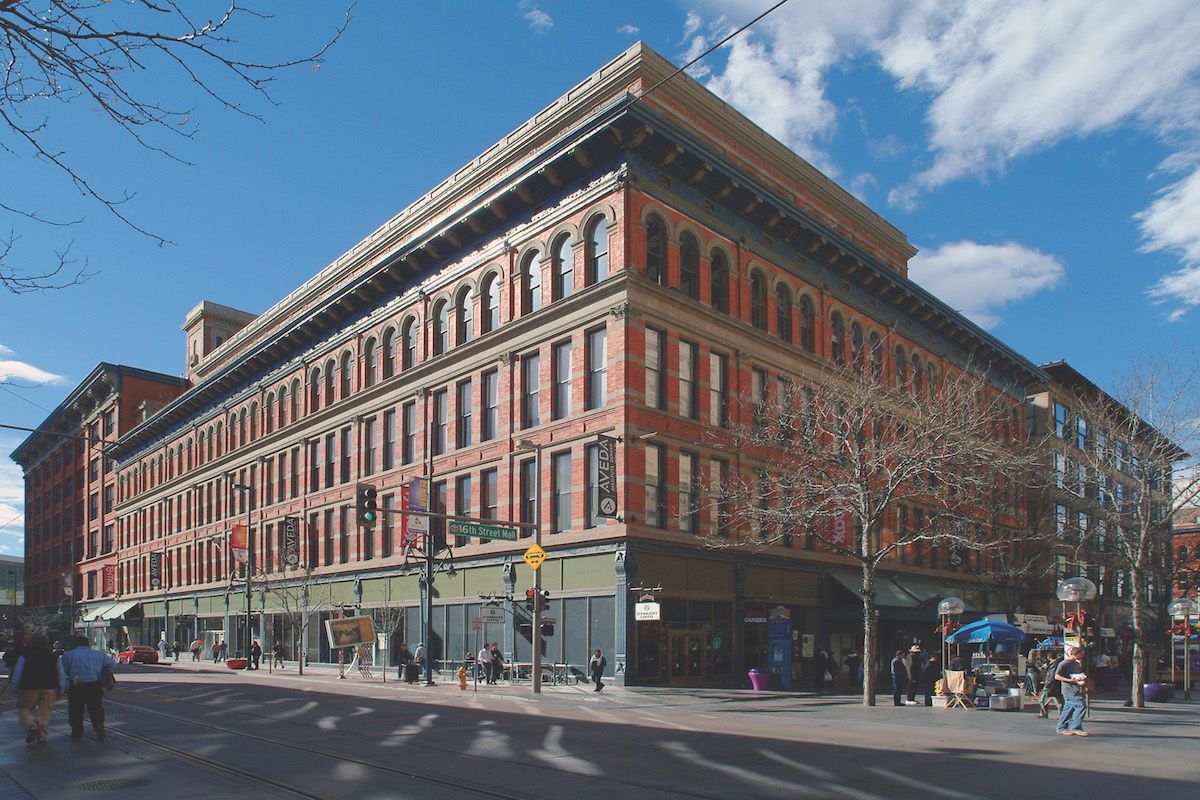
As a small company, we generated a larger reputation by creating highly visible, award- winning projects that were transformational and financially feasible. Because we had little competition for the kinds of projects that we were doing, we developed many firsts, such as the first green, mixed-use, mixed-income, transit- oriented historic preservation project — The Denver Dry Goods Building (pictured); the first green office retrofit — The Vance Building; the first LEED Gold Shopping center at Highlands Garden Village; the first real estate impact investing fund — The Rose Smart Growth Fund; and others. These won awards, attracted press, pleased lenders and city agencies, and gave the firm visibility. 

Lessons from those early years included learning to select projects with care to fully express our mission, deliver on-time/on-budget completions, provide positive cash flow to our investors, demonstrate innovative solutions to our public sector partners, and work with industry organizations such as the Urban Land Institute to scale the solutions. For the company’s first 11 years, we were project- centered, focusing on building a body of financially successful work that reflected the company’s mission. In the following decades, we shifted our attention to be company-centered, building an organization that can carry out our mission. 

To do this, we had to expand our sources of financing.

We had financed all our acquisitions by raising funds on a project-by-project basis from families and friends. We decided to create an investment fund management business. Our first fund, The Rose Smart Growth Fund, was launched in 2005 when most real estate investment funds were still suburban-focused. Our premise was that buying properties within walking distance of mass transit and renovating them to be greener would not only reduce their environmental impact but also generate higher occupancy rates, making them more economically resilient in times of stress. When the global financial crisis hit, this proved to be correct, and although our rents dropped a bit, our occupancies remained full, outperforming our competitors.

At the same time, we understood that there would likely not be enough public funding to develop all the affordable housing that was needed. In addition, the existing supply of affordable housing was declining due to owners opting out of affordable housing programs in gentrifying neighborhoods. In response, we developed a series of affordable housing preservation funds, raising private equity to match with debt from Fannie Mae, Freddie Mac, and the Federal Housing Administration.

We have used these funds to buy existing affordable and mixed-income housing, make it green, and bring social, health, and educational programs to residents. Although a goal from the early days of the company, the emphasis placed on social impact grew at this point and became an explicit part of our mission and vision. Safe, green, healthy housing became the platform for resident opportunity. Rich social programming, co-produced with residents, helps to ensure the stability of communities and plays a vital role in enabling residents to access health care, food, education, job training, and other economic opportunities. The delivery of resident services helps to drive social change, advancing equity and social and racial justice.

And as the organization grew, we grew our staff.

Having a clear mission and sharing our profits with all employees attracted and retained the best and brightest. The leaders of our development, investment, and acquisition-rehab business lines started with us as interns.

We were early participants in the exciting field of impact investment. As the field grew, investors sought proven investment models with authentic motivation, excellent execution, and reporting of impact. And so, the depth of our commitment to our mission was not only the right thing to do but has also been attractive to impact investors.

There will be many economic and political cycles to come. Having a clear mission as our center of gravity will be the foundation of our current and future leaders’ success.

0