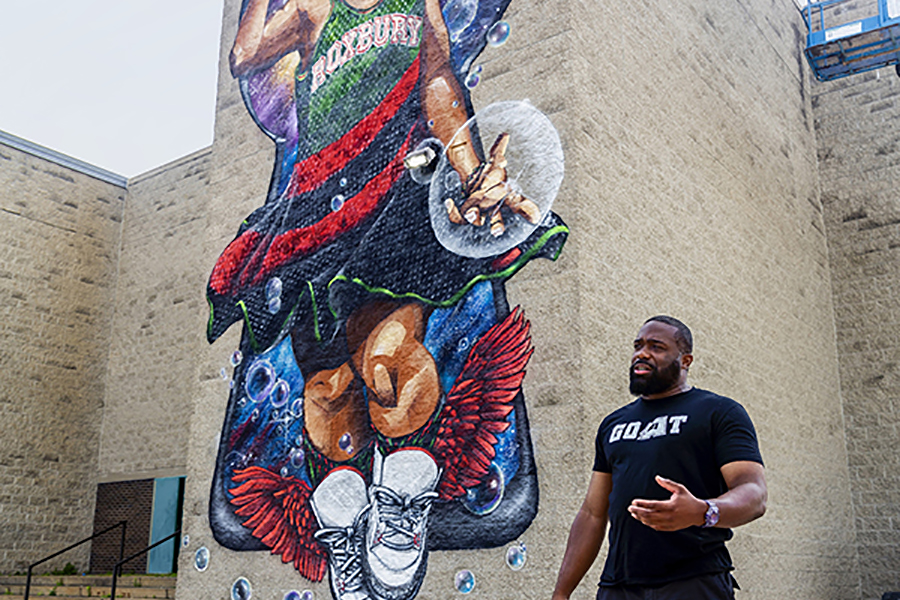
The Museum of Fine Arts, Boston (MFA), has launched a community mural project co-led by artists-in-residence Rob “Problak” Gibbs and Rob Stull. In collaboration with the City of Boston, Gibbs has begun painting a new outdoor mural — which he calls the Breathe Life series — on the exterior of Madison Park Technical Vocational High School.
“It signals the beginning of a new day in the MFA’s 150-year history,” says Makeeba McCreary of MFA. “The museum can shape the cultural sector, but more importantly, we have the opportunity to be shaped by the culture surrounding us.”
“Growing up during the golden age of hip-hop, I spent a lot of time venturing between the Lenox Street apartments and the Orchard Park projects of Roxbury,” says Gibbs. “I came across graffiti, which was often labeled as vandalism. To me, it was clear that graffiti was an art form that had the power to convey culture, history, and knowledge. It became my mission to transform Boston’s streets with graffiti art — an art form that is frequently criminalized, undervalued, and misrepresented in mainstream culture. I hope to continue to find new ways to innovate my craft and to mentor others in the art form that changed my life.”
Here’s how fashion studio owner Abrima Erwiah built a fashion brand on sustainability, representation, and social change.
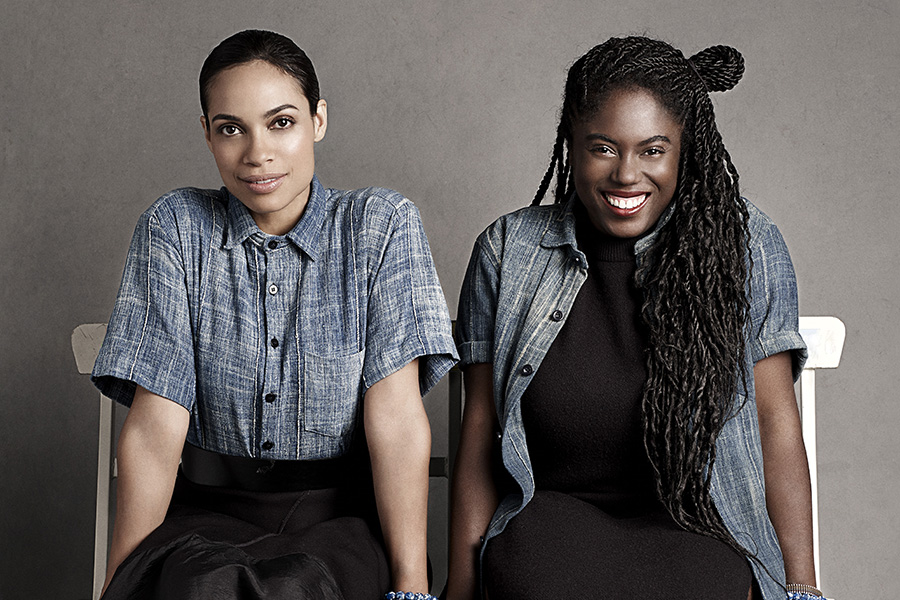
Abrima Erwiah’s (above, right) journey from a corporate luxury fashion job in Milan to her current role as president of Studio One Eighty Nine, a collection of African-inspired clothing made in Africa, is an example of how breaking down seemingly staggering business issues into a series of small decisions and actions can amount to sizable impact.
A few years ago when Erwiah was working at Bottega Veneta in Milan, she was interested in using her job in fashion to make a social impact — so much so that she spent her vacations volunteering for organizations that worked toward that goal. The work of the micro-finance founder, Mohammed Yunus, inspired her to write a manifesto for using fashion as an agent of change. It piqued the interest of actress Rosario Dawson (above, left), who invited Erwiah on a trip to the Congo for the opening of City of Joy, an empowerment center for female survivors of rape and violence.
“We just embarked on the craziest journey to get there,” said Erwiah, during the opening remarks of the CFDA’s Fashion Education Summit. “We tried to get the visas and were told, ‘It’s impossible.’ But what we learned is that when we tried, we ended up meeting these people, ambassadors who were like, “’If you want to go to our country to help our women, we’re going to sign your visa on the spot.’”
Erwiah and Dawson went from New York to Philadelphia to London to Kenya to Rwanda to the Congo. When they finally got there, they met women who had been through horrible atrocities, yet were happy and functioning and resilient. They were making crafts to sell and then investing in agriculture to put their kids in school.
For Erwiah, this was sustainability at its most granular level. “I realized it wasn’t for me to go top-down, saying, ‘I have a great idea,’ but it was about going bottom-up and listening,” she said. “I realized that it was happening already in marginalized communities all over the world.
“I was so excited by that, I went back to my job in Italy, sat at my desk, and did what most people do, which is nothing,” says Erwiah. The universe jumped again, as she puts it. After she was sent to Uganda through Kering, she eventually left her corporate job to focus on building Studio One Eighty Nine.
Education is a pillar of Eriwah and Dawson’s mission, partly inspired by a woman named Ruth, who Erwiah met in Uganda. Ruth was a cleaning lady forced to leave school when a bomb attack by Al-Shabaab killed a family member. When Erwiah asked her what she wanted to do, Ruth said fashion. “So often, young girls will end up in situations like that,” says Erwiah. “They don’t go back to school because the family needs the money or because they feel like they’re too old. But fashion is what got her back in school.”
Sustainability, inclusivity, diversity, and social change are complex issues, but Erwiah can pinpoint everyday decisions and actions that initiate change. Making a purchase activates an entire supply chain. Education gives people the skills to participate.
It’s also about representation, making people of all different backgrounds and ethnicities visible and central to projects and leadership positions.
When Erwiah was in Ghana, she thought about the difference between herself and women and girls in the villages. A lot of it was about education, networking, and access, which leads directly to the history of West African slavery. It was 400 years ago, which, as Erwiah pointed out, is not that long ago in the history of humankind. Its effects are still felt today.
Erwiah noted that changing that comes down to small, everyday decisions. “A lot of times when we talk about history, we over glorify it,” she says. “We make it seem so big. You know, like somebody did this and someone did that. It’s this huge action. So we feel like we can’t do anything.”
Change can come down to an intern pushing your resume to the top of the pile, “even though they can’t pronounce your name,” she says.
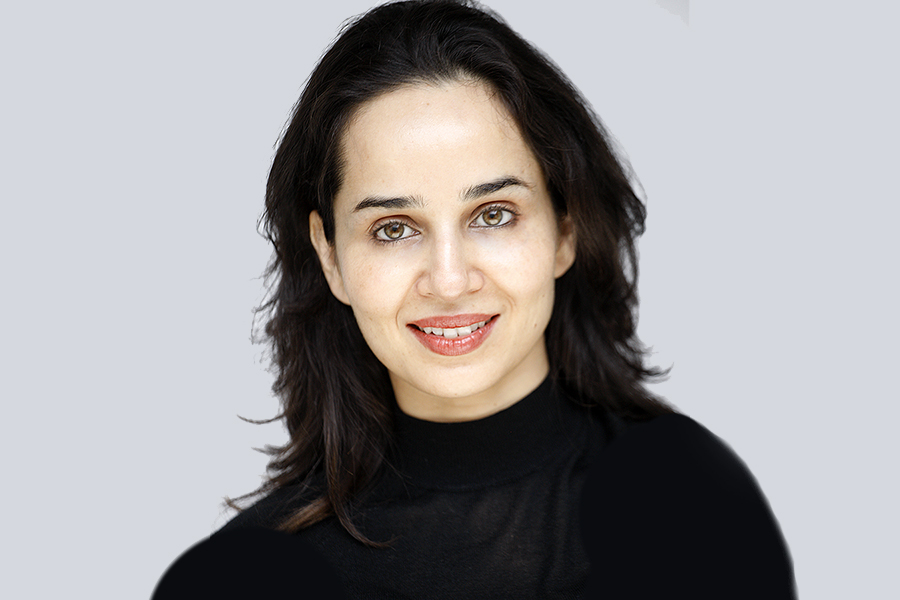
Transformation Coach and Facilitator for Senior Leaders and Teams, Sabah Hydari has utilized her own research and personal experiences to design, test and facilitate a process that specifically counters ‘otherness’ and promotes inclusion in teams and organizations for individuals.
2020 has been a momentous year. George Floyd’s brutal murder caused protests and riots across the globe and brought renewed passion to the Black Lives Matter movement. The Coronavirus pandemic has been fostering a rise in discrimination towards those of Chinese and South East Asian heritage, while also claiming the lives of black, Asian and minority ethnic people at higher levels than that of white people.
These events have raised new levels of awareness from non-minority ethnic people of the insidiousness of subtle and systemic racism. Not forgetting, of course, the #MeToo movement, which overlaps BLM in its goal of dismantling oppression. There is also currently a real appetite for improvements at both personal and professional levels to overcome microaggressions, ‘casual’ comments or behaviors that perpetuate racial or gender stereotypes and a sense of otherness.
As the daughter of the Pakistani Ambassador to the UAE, Mexico, Egypt, and Moscow, I grew up moving around the world, being the ‘other’ in the countries we lived in — and with the exception of a period during my high school years — forging my own path by not seeing myself in those terms. This path led me through study at LSE and later at INSEAD via consulting for PWC to a career as an advisor at Aberkyn-McKinsey and as a Transformation Consultant, Coach and Facilitator. Most recently, it’s guided me to create the process I call The Forging Team Inclusiveness Loop (FTIL).
It was bittersweet that, as I dashed to the London offices of a global tech giant on a cold afternoon in October to test out this process, it was from the hospital bedside of my ailing father, the Ambassador, whose career and character had so directly influenced my own.
I had been invited to the company to meet J, a recently promoted senior VP. J already ran one highly diverse, multicultural team and had just inherited another. She wanted to find the best way to integrate these disparate team members, who comprised both old and new guard, men and women, several religions, various nationalities and even different geographical offices. How could J, as their leader, create a sense of shared identity and direction as soon as possible? How could she better assimilate and connect with the whole team, and foster trust?
As a team specialist and leadership coach, this was my niche. And this also felt like the right time and place to debut FTIL.
The idea for my Forging Team Inclusiveness Loop process first came to me after the string of devastating terror attacks in London in 2017. Alongside my visceral reaction to the atrocities, I had felt the familiar sense of otherness creeping back into my being. It brought echoes of my high school days, when I was at the receiving end of physical and verbal racial abuse — the racist slur ‘Paki’ hurled at me regularly. While mourning the senseless loss of lives, I was simultaneously forced to recognize that my identity as a Muslim — a community being categorized indiscriminately as ‘villains’ in the global narrative — had begun to overshadow all my other identities. I found myself being defensive during conversations with colleagues, referencing Muslim-led anti-terrorism protest marches and citing instances of high-profile Muslims publicly condemning the acts.
Given my background and training, I was able to self-introspect and recognize these feelings as connected to identity threat. Part of our self-identity derives from belonging to certain social groups, along with the value and social significance attached to that membership. When a group we belong to does well, we relate that success to ourselves. Belonging to a minority group presents challenges and can cause its members to feel marginalized, disconnected and deprived of opportunity. Moreover, belonging to a minority group with a stigma or negative association attached to it can compound these feelings. Attempting to hide the threatened identity or making an increased effort to fit in can fuel resentment and further separation.
As I began to understand my own internal dialogue, I became interested in finding ways to support others who shared these feelings. Leaders have to manage and maneuver within a complex melding of self and social identity. If they are perceived as out-group or other, their influence is likely to be impacted and even reduced. Successful leaders must be skilled entrepreneurs of identity, managing their own internal and external responses in the face of perceived identity threat. I decided to actively work towards creating inclusion for minorities and minority leaders and countering otherness within their teams.
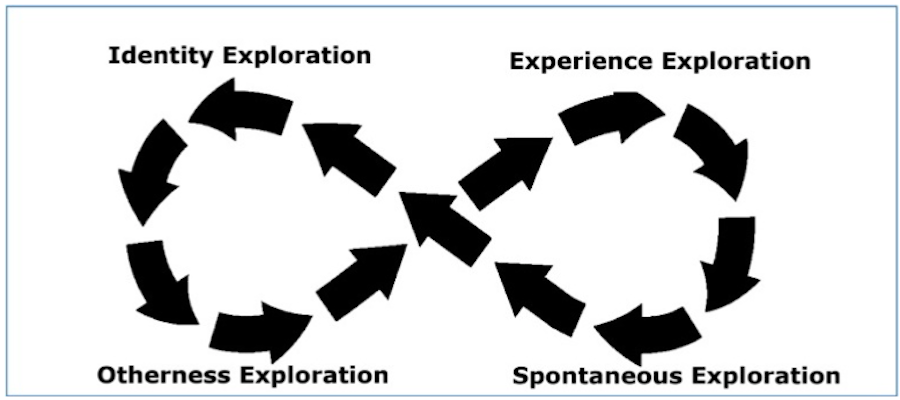
These thoughts — and my thesis research at INSEAD — led to FTIL, which is a four-part interrelated process. During my research, as I interviewed multiple leaders and team members, it became apparent that, whilst being an obvious minority creates its own complexities, otherness can be inherent in all our experiences, including those of the archetypal white male.
Back at the tech company offices, it was clear that the team’s diversity was a major strength. This also made them an ideal test group for FTIL. J and I had discussed the importance of nurturing each member’s voice and sense of equality by addressing any feelings of otherness. The goal was to increase empathy, alignment and belonging, not just for team members but also for J herself — leadership that practices inclusion is an extremely important success factor in the way in which teams function. Social identity theorists propose that powerful leadership and influence is greatly dependent on leaders and teams sharing a sense of direction and group identity.
Forging Team Inclusiveness Loop
FTIL is structurally represented as an infinity sign in order to symbolize the flexible and adaptable nature of the synergistic process. It is also an indicator that there is no start or end to the process of continually working to create powerful bonds among teams and leaders.
FTIL is a process in four parts, and a key component is the facilitator, who must create a safe space and take an active part in the process, in addition to observing. I began by inviting the team to be open to the process and curious about what emerges.
The first part of the workshop is Exploring Identity. Social psychologists have outlined how understanding and appreciation of different identities and roles can be crucial to connection and integration. We may not be consciously aware of the wide range of characteristics and skills possessed by our colleagues, aside from their professional identity. For leaders, other facets are even less visible, but revealing them can ‘humanize’, particularly in situations where differences are concealed out of fear of prejudice. But how do we encourage the sharing of hidden identities?
An effective method of producing a safe and playful environment is through the use of art. Drawings can provide access to subconscious material and make it available for exploration, in order to promote openness, learning and healing.
Getting the participants in my test workshop in touch with their creative sides led to some introspective moments. Upon presenting her own work to the group, J’s efforts were met with exclamations, as other team members found unexpected common ground with her. After the presentation from a Mexican participant on his religious identity, a French team member revealed his own religious beliefs — the first time he felt comfortable sharing them with colleagues. Exploring their individual identities enabled the team members to connect with each other in new ways.
The second part in FTIL involves Exploring Experience via storytelling. Stories are a powerful tool to lower barriers and encourage sharing in a safe and comfortable way. Even within professional environments. Our individual narratives often highlight similar experiences and shared emotions such as fear, anxiety, excitement and hope. Sharing stories can tap into the deeply embedded archetypes in our collective unconscious. This increases empathy, raises tolerance and ultimately creates a sense of commonality within teams.
The team were asked to recall a challenging and proud moment in their lives, ideally unrelated to work. Each individual used this exercise to connect to vulnerable, courageous, and inspiring memories. It was deeply moving to hear everyone’s personal journeys, to feel the humanity in the room. I observed the second most senior team member’s eyes fill with tears upon hearing a colleague’s contribution. It felt as if this group had connected at a deeper level.
Exploring Otherness is a critical and delicate part of the FTIL process, as it necessitates the participants being at their most vulnerable and outing their own sense of otherness. It also involves being honest about occasions when we have treated people like the other.
Opportunities for growth, understanding and integration within teams come from collectively acknowledging and examining past experiences where individuals have felt judged or estranged in relation to part of their identity. Openness can create awareness of underlying biases and the negative impact of stereotypes. Not only can this help us understand our own feelings and responses in such situations, but it can create a vital understanding of both similarities and differences in the experiences of minority groups.
At this point in the workshop, I shared my own story about the heightened Muslim identity I felt after the London terror attacks — which coincided with my facilitating a top team alignment at a Global Pharmaceutical Company — I felt the tremor within and connected to the remembered feeling of shame and sadness. Leading with this personal vulnerability broke the ice. The Irish team member spoke up about the impact of Irish jokes in the London office; a female member recalled walking into a team meeting and finding a flip chart with a sexual drawing; the American Jewish member spoke about visiting Germany and hearing an antisemitic joke; the 37 year old remembered being part of a team where most people were under 26. The stories themselves were unique yet similar, and relatable. The open sharing created an understanding about the impact of subconscious bias and how no one is really safe from it.
I then asked everyone to out their own biases by recalling a time they treated others differently. Judging a new team member before meeting them, remembering hostility to a new kid at school, experiencing fear or apprehension about people based on their looks. By uncovering preconceptions about anything from a person’s age, race, gender or physical appearance, future displays of bias, both in work and away, can hopefully be reduced.
The final exercise is more organic. Exploring Spontaneity needs a process that is physical, intuitive or sensory; creating a new space that is meditative, reflective, energetic, and/or challenging. As the purpose of the workshop at the tech company was for J and her team to create a shared identity and goal, I asked the participants to work together and create a symbol to reflect both their team identity and collective vision.
They debated and collaborated; they agreed and disagreed; they chopped and changed their minds several times. In the end, they created a multi-colored bird with wide wings. This fantastical bird represented their collective ability to take a high-level view of their markets, yet land and target with precision. It celebrated the diversity of the team, their togetherness despite the geographical space between members. They were flying together to reach their performance goals.
What about results? The session ended with spontaneous hugs and high fives, so in the short term, the team were brought closer both physically and emotionally. But in order to assess the outcome of FTIL, I designed surveys to determine feelings of belonging and community, and circulated these before and after the process. Post-FTIL, team scores for; knowing each other, feeling like a team, willingness to support each other, having a shared goal, and understanding self were all much higher. Results like this can boost communication and collaboration within teams and positively impact company-wide culture. During Covid, and with remote working, team connection has become even more imperative, and opportunities and processes that specially address these are critical for a sense of team wholeness.
Since this successful first workshop, I’ve worked with various teams using FTIL, and the results have been invariably positive.
When I started my research, I worried about ‘outing’ my anxiety, concerned that it would actually heighten my otherness. Towards the end of my journey, I sensed a deep acceptance of self and others. It is via recognition of joint anxieties and responsibilities that we can be empowered to create shifts.
Two weeks after this successful first workshop, my father passed away. During his long career as a diplomat, I saw him embrace each country and its culture, language and people with complete openness. This valuable early life experience undoubtedly gave me the tools I needed to create FTIL in the first place and assist individuals, leaders and team members to overcome any sense of otherness.
There is no question that we are in the midst of seismic times as we witness and support historic and catalytic movements like Black Lives Matter and #MeToo. Professional organizations are now obliged to take action to stop any form of injustice based on gender or color. Diversity and inclusion are now recognized as more than just the injection of minority hires into companies, but as a way of utilizing the unique strengths of a multi-racial, gender balanced and inter-connected workforce. Introducing a process like FTIL across multiple organizations and sectors is an effective way to help leaders and their teams cross barriers created by otherness and increase a sense of belonging. Ultimately, exploring our otherness can help us discover our sameness.
The American Dream. What happened to it? The greatest nation in the history of the world is losing the dream as the wealth gap widens every day and economic inequality soars. Are we still the land of the free and home of the brave for everyone, or only a select wealthy few?
As the U.S. wealth divide keeps growing, opportunities are vanishing across a range of industries and institutions. In addition to wealth inequality, we are also currently living through a pandemic that has devastated our people and our economy. Both our physical and financial wellbeing are in jeopardy, and those underserved groups that already suffer from systemic disenfranchisement are once again disproportionately bearing the brunt of the economic fallout. The dual issues of economic and health inequality have a profound impact on a person’s ability — and society as a whole — to address and tackle all of the societal challenges that have now been exacerbated by the coronavirus pandemic.
People are now, more than ever, concerned about their futures. And there is a significant amount of research that shows that inequality is a blight across the globe. The United Nations Human Development Report 2019 reveals that global inequality is now an issue of disparities in opportunity rather than just income disparities. Pedro Conceição of the United Nations Development Program (UNDP) frames it this way:
“Inequalities in human development remain high and widespread. If we look at what happened to a child born in the year 2000 in a low human development country compared to a child born in a very high human development country, there’s a 17% probability that the child [from the low development country] is not alive today, 20 years after she was born, while in a very high human development country, there’s only a 1% chance that the child is not alive today.” [1]
This stark example illustrates how life-and-death the consequences of inequality are to those with the least amount of power to change the system. And yet, hope remains for a better future. Companies focus more and more on ESG (environmental, social, and governance) factors when making business decisions. The idea that money can drive profits and spur positive social impact is rapidly gaining traction in the financial services industry and beyond. ESG investing and the emergence of Certified B Corporations indicate that many businesses now see themselves as not just part of the economic engine in the U.S., but also as organizations that can harness their resources and power to create social impact. And the data shows that ESG investing is good business: “the value of global assets applying environmental, social and governance data to drive investment decisions has almost doubled over four years, and more than tripled over eight years, to $40.5 trillion in 2020,” according to a report from Pensions & Investments [2].
This mission-driven entrepreneurship is what propelled my FinTech company into existence. I grew up working-class and surrounded by wealthy, well-educated, and well-connected people. I knew from an early age that the game was rigged, and I was determined to find a way to help everyone access the financial tools and resources needed to pursue their version of the American Dream. I spent years working with high-net-worth individuals (HNWI) in the real estate sector, and it was clear to me that the only way for the majority of Americans to build generational wealth and attain financial freedom was to democratize the access to wealth-building tools that were only available to 1% of the U.S. population. I knew I could create a pathway for the 99% to learn the strategies and methods employed by HNWI and make real progress in closing the wealth gap. I was determined to break the cycle of only the rich getting richer.
In May 2015, an amendment was made to the Jumpstart Our Business Startups (JOBS) Act that allowed companies like ours to open up investments to everyone. This was a huge step in allowing everyone to invest online. This was the opening I had been searching for. I partnered with Alan Lewis (now our CIO) to formally start DiversyFund. Alan’s background as a corporate lawyer and investment banker on Wall Street helped shape the framework of our shared mission of democratizing investing for everyone. However, as important as the tech and opening up access to investing in alternative assets to more Americans is, I am a big believer that education paired with investment access will be the way forward in tackling the wealth gap and helping solve so many issues that economic inequality either causes or exacerbates.
Innovation has always been an American trait, and some companies are making a positive impact while also turning a profit. As we begin to shift from the old ways and institutions and lean into a fully digital world, more and more companies can democratize wealth building by leveraging the power of tech. The 99% are finally getting a chance at moving the needle forward in terms of economic progress and access. Companies that focus on serving people from all walks of life are beginning to take center stage and have measurable social impact. People are taking note and placing a value on these companies, as the booming ESG sector illustrates. Wealth accumulation has become a digital endeavor. Now it’s up to these corporate leaders to share the wealth. Capitalism produces more efficiencies, which yield more productivity, which increases wealth, and this wealth usually remains in the hands of a few. Now it’s time to share economic opportunities with everyone.
“Why do you brush your teeth?” When I ask that question in my unconscious bias training, people always give me an extraordinary look.
Because you want healthy teeth and fresh breath, obviously, except for millennia, humans were perfectly happy without either. So what changed?
Advertising. Marketing. Pepsodent, especially. They made you want to brush your teeth. They made you desire that clean feeling. They made it into a habit.
A habit is changed behavior. And making people want to do something is how we always think habits should form. Change hearts and minds, and changed behavior will follow.
But it’s not the only way. It’s not the reason, for example, why you put on your seatbelt. You put on your seatbelt because, for decades, legislators have said we should. Now you do it automatically — so automatically that it has become a habit. They changed the rules; they changed the world.
If you want to interrupt bias for good, and create a fair and equitable world for everyone, adopt new habits to change your behavior. If you keep on doing it, day in and day out, your new habits will replace the old habits you had before.
You can apply this practice to interrupt unconscious biases. It just takes doing the work. Here are three tips to help you start.
1. Slow down your thinking. Bias occurs because you have a fast, automatic part of your brain that instantly makes conclusions about everyone. It processes over 99 percent of the information coming at you. But you have to slow that way down. When it comes to your interactions and assumptions, you need to create the habit of letting the slower, more rational, more reasonable part of your brain kick in. When you find yourself making assumptions about someone, ask yourself why. Uncover the facts. Why did you reach that conclusion? What evidence demonstrated that belief? When you find yourself forming first impressions of people, analyze why and how you made those first impressions.
2. Create a counter-stereotypical narrative. In her excellent TED Talk, The Danger of the Single Story, Chimamanda Ngozi Adichie talks about how stereotypes create only a single story about a person — a single account that is incomplete. Work to build other stories about the person for whom you’ve made an assumption. Consider your initial reaction to this scene: Nine people are in a bar — two are lawyers, one is a truck driver, two are doctors, one is a judge, one is a legal assistant, one is a firefighter, and one is the bartender. Now think about it — did you assume that everyone in the bar was a White man, except for perhaps the legal assistant? That assumption results from living in a world that portrays those roles as reserved for White men. Interrupt that unconscious bias by creating a counter-stereotypical narrative in your head. Imagine Korean judges and Black lawyers and Native American doctors and women firefighters. Constantly interrupt this shortcut thinking in your head.
3. See the person, not the stereotype. Practice this pointer when, for example, you see someone arrive late for an appointment. Don’t assume that you know what the reason is because of the stereotypes you have of that particular person’s group (“people like her are always late”). Instead, start by observing what’s happening in the moment — right now. Explore explanations for why this is happening. Again, slow down your thinking and increase your objectivity. See the person, not the stereotype. And do it with empathy. You’re not critiquing for the sake of criticizing. You’re exploring with the goal of understanding. It’s not enough to see beyond the stereotype. Do the extra work to see the person as well.
Create new habits. Build new behaviors. That’s how you can interrupt unconscious bias for good.
In an age of accelerated change, technology and consumerism, it’s easy to forget that ancient, indigenous cultures still have relevant wisdom to share. Remaining open to insights and rituals beyond our own culture, can give us valuable lessons on how to deal with difficult times, and how to live more in harmony with Earth’s natural resources. Here are 9 photographs from the United Nations that celebrate indigenous culture.
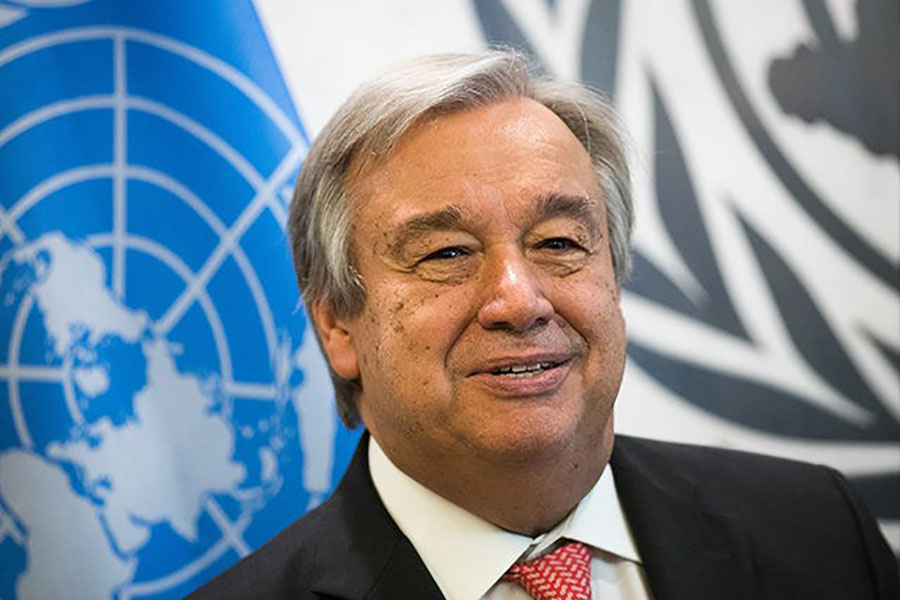
United Nations Secretary-General António Guterres (above, left) is greeted in the traditional Maori style of “hongi” — pressing noses together and touching foreheads — during a welcome ceremony upon his arrival to New Zealand. Guterres traveled to the South Pacific to spotlight the issue of climate change ahead of the Climate Action Summit in 2019 in New York. The trip took him to New Zealand, Fiji, Tuvalu, and Vanuatu. In each country, he met with government leaders, civil society representatives, and youth groups to hear from those already impacted by climate change and successfully engage in meaningful climate action.
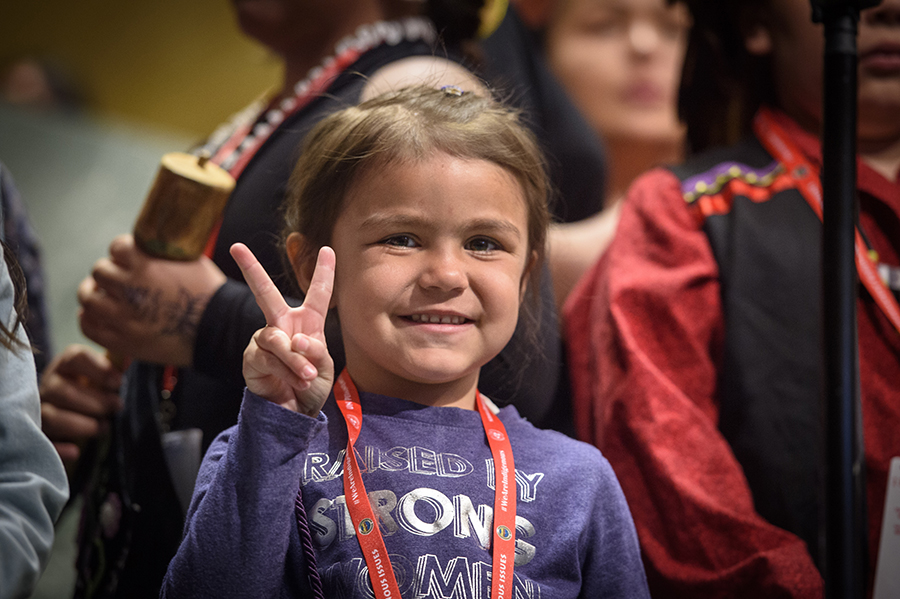
The group Sjisäwishék “Keeping the fire strong,” indigenous girls of the Onondaga Nation, Haudenoaunee Confederacy, perform at the opening of the eighteenth substantive session of the Permanent Forum on Indigenous Issues themed “Traditional knowledge: Generation, transmission and protection.”
A participant at the opening of the Permanent Forum’s eighteenth substantive session on Indigenous Issues themed “Traditional knowledge: Generation, transmission, and protection.”
Grand Chief Wilton Littlechild (seated) speaks with Chief Perry Bellegarde, Assembly of First Nations (center), and Chief Tadodaho Sidney Hill of the Onondaga Nation, ahead of the High-level event of the General Assembly on the conclusion of the 2019 International Year of Indigenous Languages.
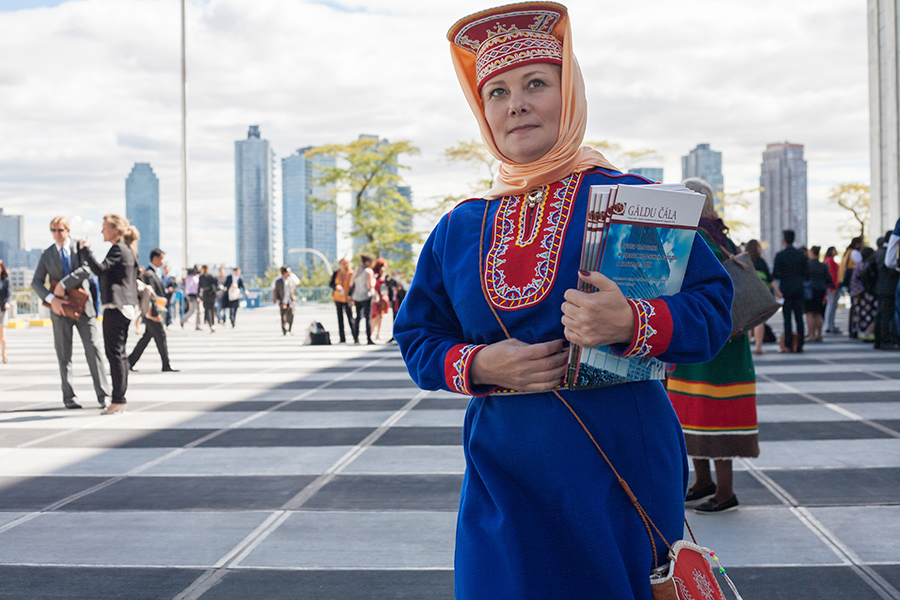
A participant at the World Conference on Indigenous Peoples, held at the UN Headquarters.
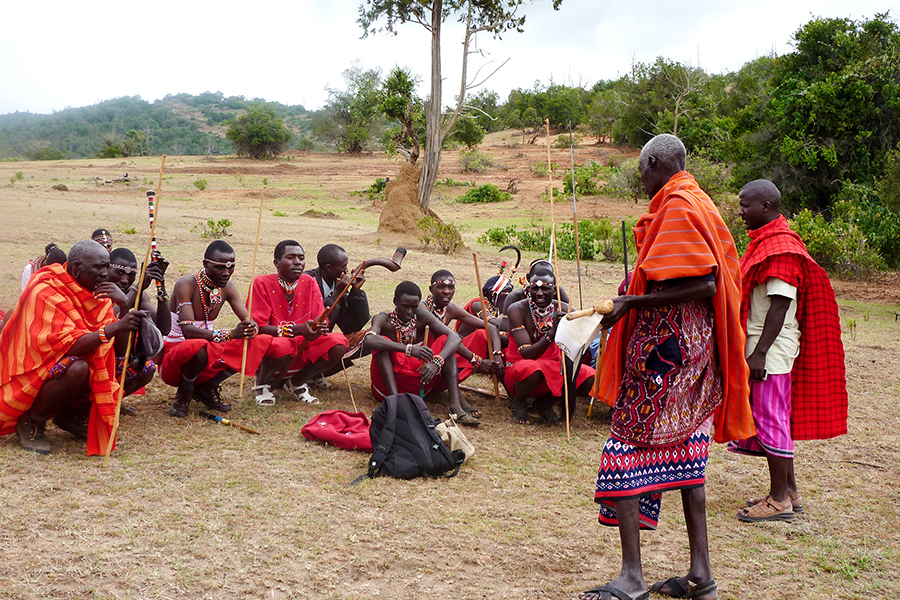
Members of a Maasai traditional singing group, Kenya.
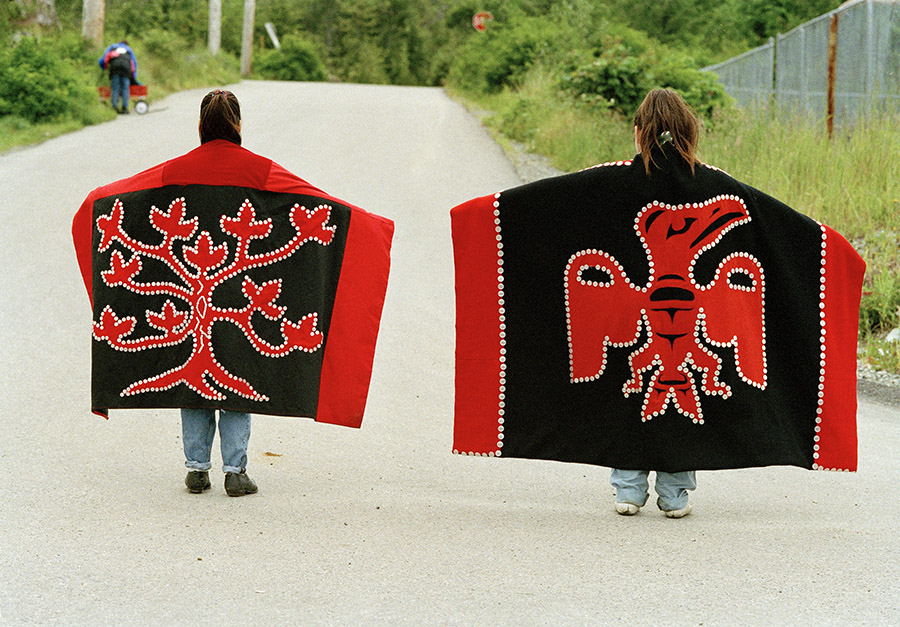
Two members of the Quileute Nation displaying the intricate patterns of their button blankets during the Qatuwas Festival of the indigenous nations of the Pacific Rim.
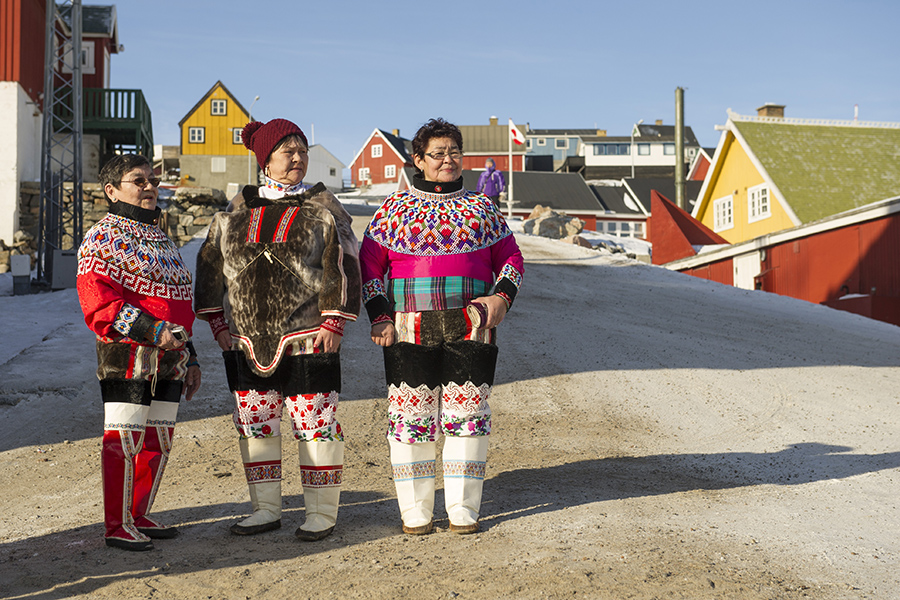
Then Secretary-General Ban Ki-moon, travelled to Greenland in 2014 to see first-hand the impacts of climate change. Together with the Prime Ministers of Denmark and Greenland, he visited the town of Uummannaq, where they hoisted flags, observed a prayer ceremony in a local church, went dog sledding; and met with indigenous people.
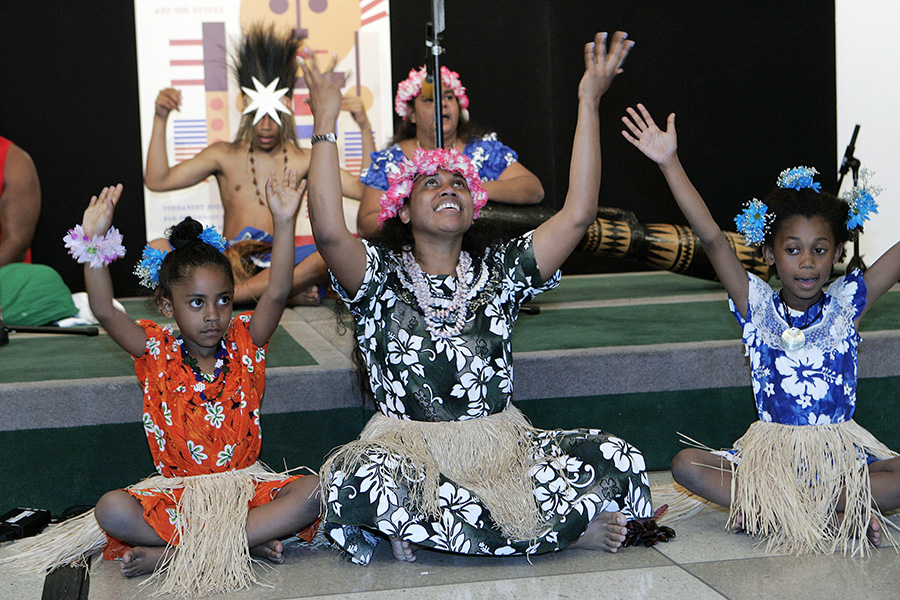
Descendace Aboriginal and Torres Strait Islander Dance Theatre of Australia performs the opening presentation at the opening ceremony of a cultural exhibition entitled “Indigenous Peoples: Honouring the Past, Present and Future”, held at UN Headquarters
PODCAST PEOPLE: A Summary from the Real Leaders Podcast
“One of the distinct advantages we have is that we’re able to say to people what we do every day is going to make a difference in the world and it’s going to result in positive changes.”
Douglas Bystry is the Founder, President, and CEO of Clearinghouse CDFI, which believes in providing equal access to credit in neighborhoods of all income levels and ethnicities. Clearinghouse CDFI is named among the Real Leaders 100 Top Impact Companies of 2020.
The following is a summary of Episode 65 of the Real Leaders Podcast, a conversation with Clearinghouse CDFI Founder, President, and CEO, Doug Bystry. Read, or listen to the fullconversation below.
Clearinghouse Community Development
Doug expands on the role of Clearinghouse as a Community Development Financial Institution (CDFI). Their mission is to provide credit in low-income or distressed communities, and areas that have difficulty accessing credit under the traditional capitalist model. Consequently, Clearinghouse CDFI combats the stigma that typically prevents these loans from being funded.
“We’re a lot like a bank, except the only loans we make are those that have some sort of tangible community benefit. That can be varied and vast. It can be everything from job creation, affordable housing, to helping a nonprofit group. But everything we make a loan on is designed to make the world a better place.”
Listen to Episode 65 on Spotify, Anchor, Crowdcast, and Apple Podcasts
Leading Reform
Doug discusses the recent Community Reinvestment Act (CRA), a step towards banking reform by requiring banks to reinvest in the areas where they’re doing business. As a result, the reform will give banks credit for investing in CRA deserts—locations with no bank branches, which include reservations and low income areas. Such reform is a step towards supporting the mission Clearinghouse CDFI has upheld all along.
“I’ve always been a person that has had a lot of drive. And the term I use is grit. I think grit is something that internally, you tell yourself, “I’m going to make this work no matter what.” And when people said, ‘You know, Doug, you can’t possibly make loans to nonprofits and be profitable.’ You have to hear that and say, ‘I’m going to prove you wrong.'”
PODCAST PEOPLE: A Summary from the Real Leaders Podcast
“Respecting people from all nations and people of different backgrounds, that’s critical for us to solve many of the challenges we face across the planet and then ultimately, to have peace. We really need people to have a skill set that allows them to interact effectively.”
David Young is the CEO of Participate Learning, a company that partners with schools and districts through language acquisition and immersion programs aimed to unite our world through global learning. Participate Learning is among the Real Leaders 100 Top Impact Companies of 2020.
The following is a summary of Episode 59 of the Real Leaders Podcast, a conversation with CEO of Participate Learning, David Young. Read or listen to the full conversation below.
Participate Learning
David explains that Participate Learning strives to develop the next generation of global citizens by uniting our world through global education. To achieve this, the organization offers a series of programs:
language acquisition and immersion
teaching programs with cultural exchange ambassadors
global leaders programs with 21st century competencies.
Through these programs, Participate Learning is committed to empowering students and educators by promoting cultural understanding at home and abroad.
“99% of US citizens that take language in our public schools never learn to speak that language. As a country we spent $5 billion trying to teach languages with a 1% effectiveness rate.”
Participate Learning is tackling these statistics and consequently sees students in their immersion programs developing extraordinary proficiency in whichever language they’re studying. As a result, David expresses that bilingual proficiency and cultural understanding will ultimately lead to a more connected and peaceful world.
Listen to Episode 59 on Spotify, Anchor, Crowdcast, and Apple Podcasts
A Force for Good
In discussing Participate Learning as a B-Corp, David states that organizations play a role in bettering society. As a result, they can function alongside people as larger global citizens.
“Leaders should be thinking of how their organizations can align to help them resolve global challenges and issues.”
David asserts that leaders can do well through doing good, though he closes with some leading questions for organization leaders:
“What is the impact you have on your employees? What is the impact you have on the environment? Is your work truly making the world a better place? Are you impacting the next generation? What opportunities are you giving your team to become leaders? Not just in title but in empowerment? How are they empowered to make a change in the world for the better? I think leaders that can see that bigger picture, have an opportunity to emerge as the real leaders going forward.”
PODCAST PEOPLE: A Summary from the Real Leaders Podcast
“Respecting people from all nations and people of different backgrounds, that’s critical for us to solve many of the challenges we face across the planet and then ultimately, to have peace. We really need people to have a skill set that allows them to interact effectively.”
David Young is the CEO of Participate Learning, a company that partners with schools and districts through language acquisition and immersion programs aimed to unite our world through global learning. Participate Learning is among the Real Leaders 100 Top Impact Companies of 2020.
The following is a summary of Episode 59 of the Real Leaders Podcast, a conversation with CEO of Participate Learning, David Young. Read or listen to the full conversation below.
Participate Learning
David explains that Participate Learning strives to develop the next generation of global citizens by uniting our world through global education. To achieve this, the organization offers a series of programs:
language acquisition and immersion
teaching programs with cultural exchange ambassadors
global leaders programs with 21st century competencies.
Through these programs, Participate Learning is committed to empowering students and educators by promoting cultural understanding at home and abroad.
“99% of US citizens that take language in our public schools never learn to speak that language. As a country we spent $5 billion trying to teach languages with a 1% effectiveness rate.”
Participate Learning is tackling these statistics and consequently sees students in their immersion programs developing extraordinary proficiency in whichever language they’re studying. As a result, David expresses that bilingual proficiency and cultural understanding will ultimately lead to a more connected and peaceful world.
Listen to Episode 59 on Spotify, Anchor, Crowdcast, and Apple Podcasts
A Force for Good
In discussing Participate Learning as a B-Corp, David states that organizations play a role in bettering society. As a result, they can function alongside people as larger global citizens.
“Leaders should be thinking of how their organizations can align to help them resolve global challenges and issues.”
David asserts that leaders can do well through doing good, though he closes with some leading questions for organization leaders:
“What is the impact you have on your employees? What is the impact you have on the environment? Is your work truly making the world a better place? Are you impacting the next generation? What opportunities are you giving your team to become leaders? Not just in title but in empowerment? How are they empowered to make a change in the world for the better? I think leaders that can see that bigger picture, have an opportunity to emerge as the real leaders going forward.”
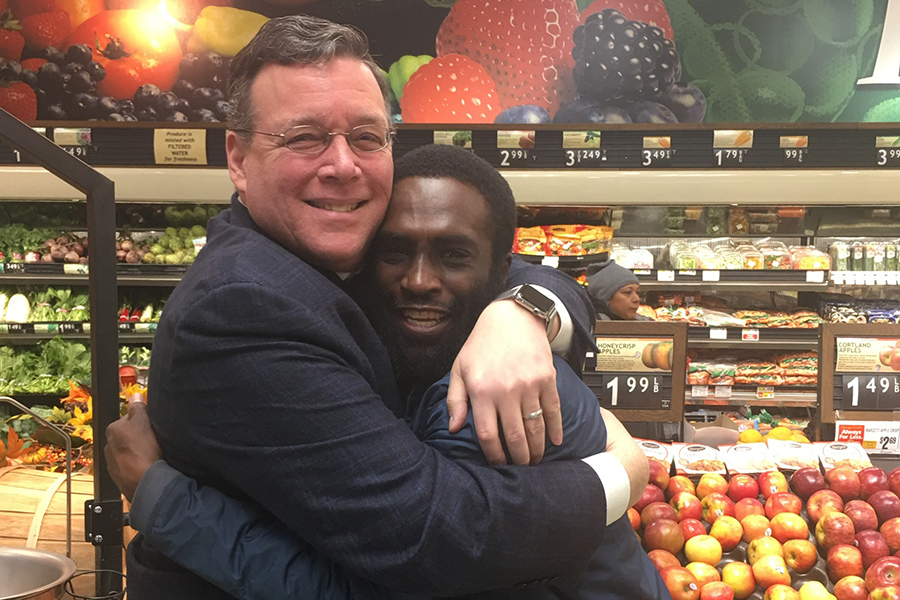
When fourth-generation grocer and YPO member Jeffrey Brown opened his first store in 2004 in a low-income Philadelphia neighborhood with a history of gun violence and hired several returning felons to work in it, most people thought he was crazy.
Fifteen years later, he’s CEO and president of Brown’s Super Stores, which ranks in the top 50 U.S. small grocery chains and reports sales of approximately $500 million. Of his 12 stores, six of them are successful food desert stores located in urban neighborhoods previously without access to fresh fruits, vegetables, and other whole foods.
Food deserts affect 25 million Americans in 6,500 urban and rural areas. Lack of access to affordable healthy food contributes to high levels of obesity and other diet-related conditions, such as diabetes and heart disease. Brown is changing that.
Other grocers had tried but quickly failed where his stores thrive. Brown credits his success to listening to the community before he builds. Then, in addition to beautifully designed stores and affordable fresh foods, he brings jobs, community services, health care, nutritionists, and social workers to his stores.
“My father showed me that there are business opportunities in underprivileged communities and the importance of learning about their food cultures,” Brown explains. “The more I learned, the more concerned I became about the incredible challenges our customers face because of the zip codes they were born into. I wanted to find a way to change that.”
The first food desert ShopRite operated by Brown’s Super Stores replaced a store that was doing $100,000-$150,000 a week. “We opened doing $700,000 in the first week,” he recounts. “That caught the attention of public officials who were willing to help us continue with this work.”
Before opening his first store in the community of Southwest Philadelphia, Brown held several Town Halls attended by nearly 1,000 people. He wanted to learn about community members’ backgrounds, religion, family origins, and what they wanted in a grocery store. Prior to the opening of his North Philadelphia store, more than 3,000 turned out for the community meeting.
As he drilled down further into the cultures and religions of the area, Brown says, he brought in more culturally relevant products. “We added a department devoted to Halal food. People from Africa wanted a flour called fufu; people from the South missed sweet potato pie. We make the pies in our kitchens and carry the various products from the diverse heritages of our customers.”
“The role our fathers and mothers played in trying to solve social problems was to make a lot of money and when close to death, give to a nonprofit,” Brown explains. “That model is not likely to lead society to positive changes.”
Instead, he says, entrepreneurs should ask, “How can I bring my problem-solving abilities to help overcome the many challenges in society? You are showing your team how to be about more than just making money. This enhancement in the model, often referred to as social entrepreneurship, is a promising way to address society’s most pressing challenges such as poverty.” n
Mary Sigmond is editor in chief of YPOs Ignite digital magazine. YPO is the global leadership community of more than 29,000 chief executives in 130 countries who are driven by the belief that the world needs better leaders.