PODCAST PEOPLE: A Summary from the Real Leaders Podcast
“The hubris of humans is thinking that we’re smarter than nature, right? And thinking that all this technology is going to save us. None of this technology will save us unless it’s invested in the natural systems.”
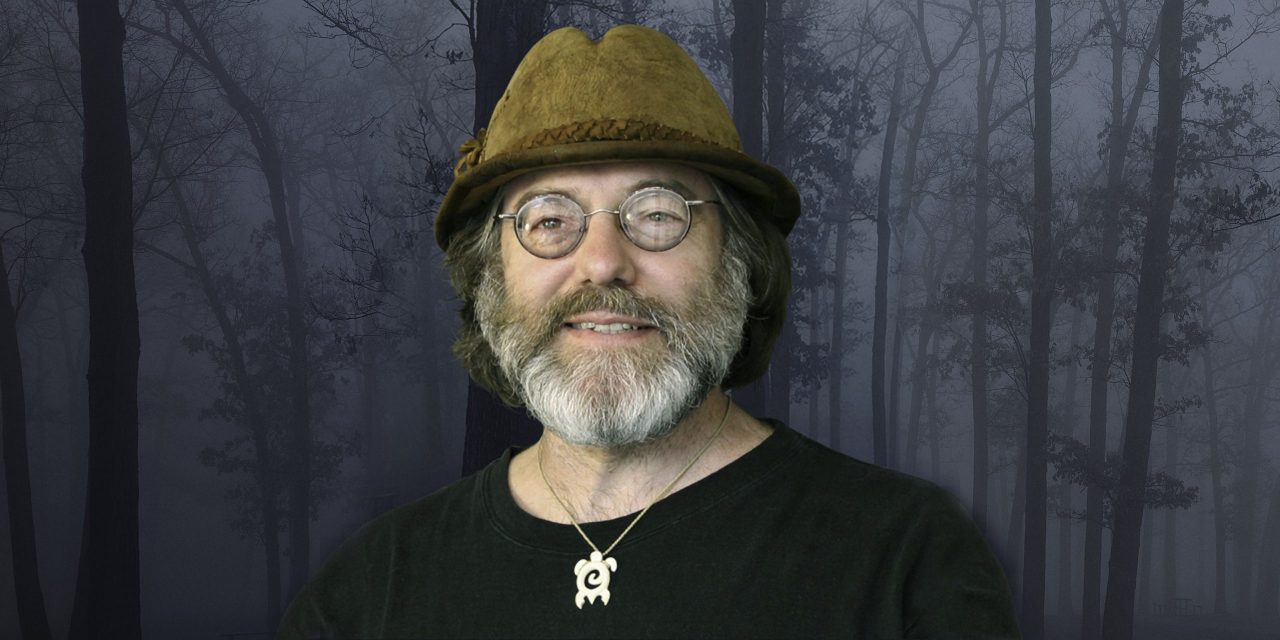
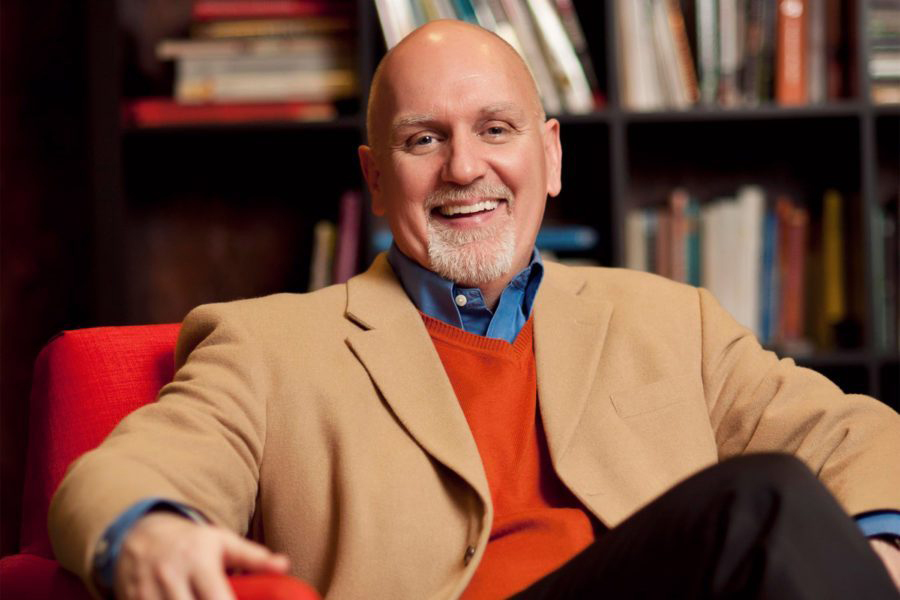
Paul Stamets is a world-renowned mycologist, author, and entrepreneur, helping people understand the benefits of medicinal fungi and the importance of nature’s ecosystems.
The following is a summary of Episode 86 of the Real Leaders Podcast, a conversation with mycologist Paul Stamets. Watch, read, or listen to the full conversation below.
Reinvesting in Fungi
As an ambassador of the fungal kingdom, Paul suggests that the world’s modern push for technological advancement has not only harmed the planet, but is consequently causing us to lose sight of the complexity and inherent wisdom of nature. Nature’s complexity is current’y beyond much of our comprehension. 400 miles of fungal networks, for example, can be found under a single footstep, an intricacy he affirms big data can never catch up with.
“You know, we are truly Neanderthals with nuclear weapons. And unless we become more responsible citizens on this planet, we will be ejected out of this biosphere as a pathogen. Now the planet will survive. I’ve no doubt about that. Fungi and bacteria will survive. But will the ecosystems have the ability to sustain human existence?”
Listen to Episode 86 on Spotify, Anchor, Crowdcast, and Apple Podcasts
Redefining Darwinian Theory
Paul suggests that we could not only learn a lot from studying nature more closely, we could benefit from emulating the inter-connected way that species in the natural world survive. Consequently, we need to reframe our scientific understanding of how the world operates beyond the human sphere.
“I want to redefine Darwinian theory. It is not the survival of the fittest. It’s the extension of generosity of surplus to other members in the ecological community to build biodiversity. So it’s not the individual that survives, it’s the community that cooperates that survives.”
PODCAST PEOPLE: A Summary from the Real Leaders Podcast
“The hubris of humans is thinking that we’re smarter than nature, right? And thinking that all this technology is going to save us. None of this technology will save us unless it’s invested in the natural systems.”
Paul Stamets is a world-renowned mycologist, author, and entrepreneur, helping people understand the benefits of medicinal fungi and the importance of nature’s ecosystems.
The following is a summary of Episode 86 of the Real Leaders Podcast, a conversation with mycologist Paul Stamets. Watch, read, or listen to the full conversation below.
Reinvesting in Fungi
As an ambassador of the fungal kingdom, Paul suggests that the world’s modern push for technological advancement has not only harmed the planet, but is consequently causing us to lose sight of the complexity and inherent wisdom of nature. Nature’s complexity is current’y beyond much of our comprehension. 400 miles of fungal networks, for example, can be found under a single footstep, an intricacy he affirms big data can never catch up with.
“You know, we are truly Neanderthals with nuclear weapons. And unless we become more responsible citizens on this planet, we will be ejected out of this biosphere as a pathogen. Now the planet will survive. I’ve no doubt about that. Fungi and bacteria will survive. But will the ecosystems have the ability to sustain human existence?”
Listen to Episode 86 on Spotify, Anchor, Crowdcast, and Apple Podcasts
Redefining Darwinian Theory
Paul suggests that we could not only learn a lot from studying nature more closely, we could benefit from emulating the inter-connected way that species in the natural world survive. Consequently, we need to reframe our scientific understanding of how the world operates beyond the human sphere.
“I want to redefine Darwinian theory. It is not the survival of the fittest. It’s the extension of generosity of surplus to other members in the ecological community to build biodiversity. So it’s not the individual that survives, it’s the community that cooperates that survives.”
PODCAST PEOPLE: A Summary from the Real Leaders Podcast
“I’ve been on a mission for the last two decades of helping leaders really understand not just the importance of their relationships, but their significance. In driving growth, in driving innovation, and making real change last in talent, not just acquisition, but retention, and creating net new growth opportunities.”
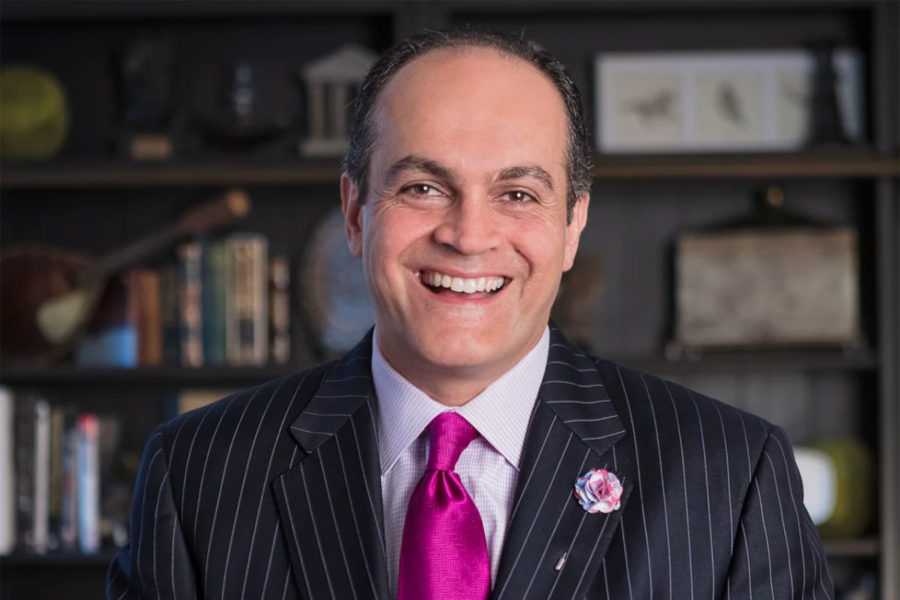
David Nour is a Relationship Economics® Advisor, Researcher, Educator, and Executive Coach, helping clients leverage the value of their greatest off-balance sheet asset: their relationships.
The following is a summary of Episode 125 of the Real Leaders Podcast, a conversation with Relationship Economics Advisor, David Nour. Read or listen to the full conversation below.
Strategic Relationships
David shares the personal story of his immigration from Iran to America without much for connections or knowledge of English. As a result, he was forced to form lasting relationships in order to make his own way in an entirely new place. He consequently emphasizes how relationships — both business and personal — can be strategic. They should be transformational, rather than transactional, and should be cultivated with diversity in mind. In this case, cognitive diversity, in which both parties think differently, challenge assumptions, and see through a different lens.
“We learn by interacting with others. And strategic relationships, by definition, push us beyond our own perceived limitations. They elevate our thinking, they elevate our perspective, they shed a light onto something we haven’t even thought of.”
But the significance of strategic relationships is that they need to be mutually beneficial. Therefore, David suggests we will all have more success by reciprocating first. The idea is to offer something before ever considering asking for something.
“When I talk about strategic relationships, I’m always thinking: how can I be an asset? How can I add value? How can I make sure they’re better off because they’ve gotten to know me? And this idea of reciprocating first elevates you above everybody else who will never follow up. Above everybody else who doesn’t show up having done their homework. And above everybody else who doesn’t think, ‘How do I invest? Before I ask for a return on that investment?'”
Listen to Episode 125 on Spotify, Anchor, Crowdcast, and Apple Podcasts
The Future of Work
In addition to the importance of strategic relationships, David shares the three attributes he believes will become an advantage for the future of work:
1. Grit
“The intersection of passion and perseverance. To not let challenges or obstacles get in your way, but succeed despite and in spite of them.”
2. Visual Storytelling
“If you look at some of the stocks, they’re not really doing anything other than telling phenomenal stories about how they see the evolution of organizations. So I believe visual storytelling makes that ability much more succinct, much more memorable, much more impactful. So I believe visual storytelling is unequivocally a new leadership competency that needs to cascade through organizations.”
3. Co-Creation
“Co-creation is fundamentally about two or more parties coming together with a very unique set of expertise. And they bring their unique expertise to create something together that neither side could have done alone.”
PODCAST PEOPLE: A Summary from the Real Leaders Podcast
“Our job isn’t to convince people to do one thing or another. Our job is to understand. Our job is to respect. And as a leader of a company, that’s what we should do. I’m gonna encourage you to pick a side like I will pick a side, like I stand for certain values, but we’re going to honor everybody in that decision making process.“
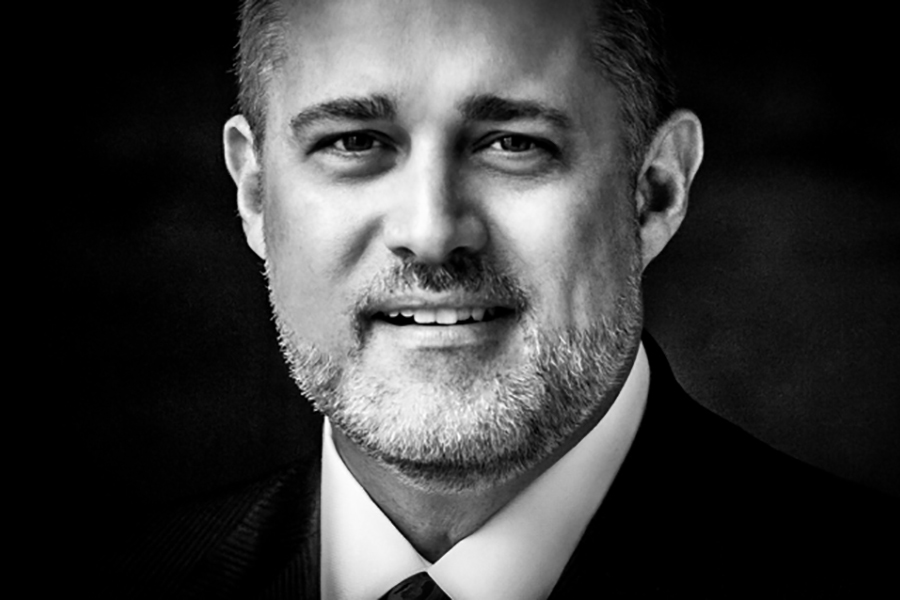
Jeffrey Hayzlett is a best-selling author, the CEO of C-Suite Network, and host of the All Business Podcast. He is perhaps best known as the primetime television host on C-Suite TV.
The following is a summary of Episode 127 of the Real Leaders Podcast, a conversation with the CEO of C-Suite Network, Jeffrey Hayzlett. Watch, read, or listen to the full conversation below.
Diversity of Opinion
Jeffrey speaks about the necessity of diversity in the workplace, but this goes beyond race or creed. He suggests businesses also pursue diversity of geography, education, and opinion. He explains that this more expanded version of diversity must exist alongside a more holistic view of inclusion as well. We don’t know what we don’t know, so having a wide range of knowledge and experience is essential to problem-solving and thriving.
“You’ve got to have the diversity and inclusion, which means you got to look for the diversity and the differences, but you’ve got to look to include people. And that goes as small as when you’re having a team meeting, call in the person that doesn’t do all the talking, call in the person who is an introvert, and get their thoughts.”
Listen to episode 127 on Spotify, Anchor, Crowdcast, and Apple Podcasts
Pick A Side
Jeffrey explains that picking sides has positive consequences, because doing so helps both individuals and companies understand what values they want to support and what values they are willing to stand for. Through garnering an understanding of one’s own values, opposing views are less likely to hinder progress or success. The key to building a healthy company culture — and even a healthy global culture — is for everyone to understand the side that isn’t their own. Jeffrey affirms that the companies that are values-driven do better business, have happier employees, and ultimately make a greater impact in their communities.
“Most of the leaders I know, don’t operate poorly, they operate with great fortitude and operate on a set of beliefs and values.”
PODCAST PEOPLE: A Summary from the Real Leaders Podcast
“Our job isn’t to convince people to do one thing or another. Our job is to understand. Our job is to respect. And as a leader of a company, that’s what we should do. I’m gonna encourage you to pick a side like I will pick a side, like I stand for certain values, but we’re going to honor everybody in that decision making process.“
Jeffrey Hayzlett is a best-selling author, the CEO of C-Suite Network, and host of the All Business Podcast. He is perhaps best known as the primetime television host on C-Suite TV.
The following is a summary of Episode 127 of the Real Leaders Podcast, a conversation with the CEO of C-Suite Network, Jeffrey Hayzlett. Watch, read, or listen to the full conversation below.
Diversity of Opinion
Jeffrey speaks about the necessity of diversity in the workplace, but this goes beyond race or creed. He suggests businesses also pursue diversity of geography, education, and opinion. He explains that this more expanded version of diversity must exist alongside a more holistic view of inclusion as well. We don’t know what we don’t know, so having a wide range of knowledge and experience is essential to problem-solving and thriving.
“You’ve got to have the diversity and inclusion, which means you got to look for the diversity and the differences, but you’ve got to look to include people. And that goes as small as when you’re having a team meeting, call in the person that doesn’t do all the talking, call in the person who is an introvert, and get their thoughts.”
Listen to episode 127 on Spotify, Anchor, Crowdcast, and Apple Podcasts
Pick A Side
Jeffrey explains that picking sides has positive consequences, because doing so helps both individuals and companies understand what values they want to support and what values they are willing to stand for. Through garnering an understanding of one’s own values, opposing views are less likely to hinder progress or success. The key to building a healthy company culture — and even a healthy global culture — is for everyone to understand the side that isn’t their own. Jeffrey affirms that the companies that are values-driven do better business, have happier employees, and ultimately make a greater impact in their communities.
“Most of the leaders I know, don’t operate poorly, they operate with great fortitude and operate on a set of beliefs and values.”
PODCAST PEOPLE: A Summary from the Real Leaders Podcast
“I think when you’re in alignment with what is truly in your soul, the discipline comes easy. And there is no place on earth that I wanted to be except on ice. And I was willing to sacrifice quite a bit for that dream.”
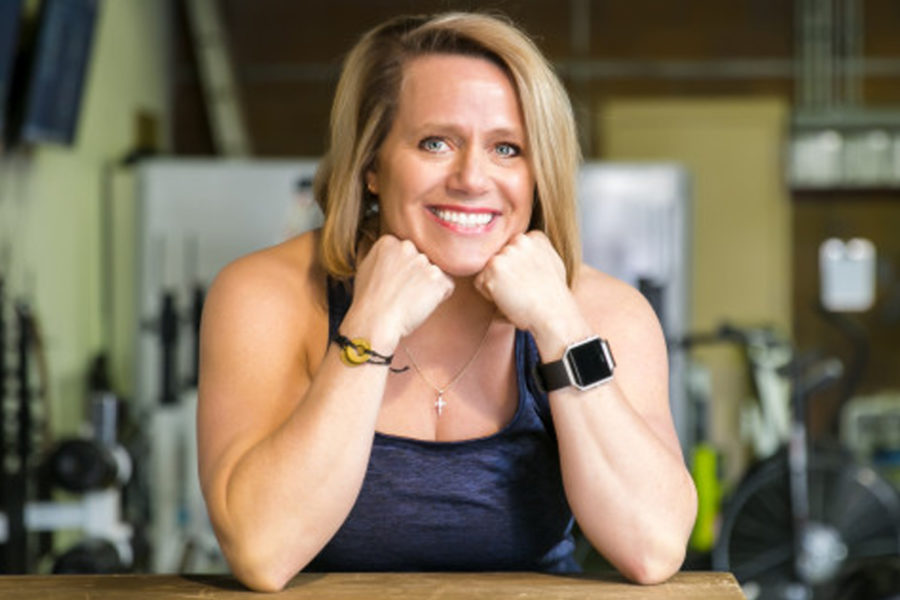
Val Jones is a former professional figure skater and current author, motivational speaker, peak performance expert, and fitness instructor. She helps executives lead from behind to establish and maintain peak performance habits and mindset.
The following is a summary of Episode 132 of the Real Leaders Podcast, a conversation with figure skater and performance coach Val Jones. Watch, read, or listen to the full conversation below.
An Event, Not a Description
Val shares her journey as a professional figure skater which helped shape her philosophies on human potential. A devastating injury prevented her from ever reaching Olympic status, but helped her to gain a more holistic view of “failure” and a chance to reevaluate herself. This insight she now channels into coaching others, helping them to learn through their athletic or business objectives that negative outcomes are merely events, rather than destinations, and that there is no such thing as failure, only feedback.
“I think that there’s a difference between being cocky, which says I can just show up, I haven’t done the work, and I’m still going to win. Versus confidence, which says, I know I’ve put in the hours, I know I’ve done the theoretical reps. And I know that when I do my best, my best is good enough. But here’s the catch. Even when you do your best, you cannot control the outcome.“
Listen to Episode 132 on Spotify, Anchor, Crowdcast, and Apple Podcasts
Lead from Behind
Val encountered a life-changing representation of leadership while on a dog-sledding team. The head musher preparing her for the ride explained that the musher’s role was the most important because he was at the back of the team and had the ability to see how each individual member in front was faring. The musher has to lead from behind, determining who on the team is struggling and when to switch them out so the group can finish the race — the only way to succeed is to be united in a common goal.
“I don’t think leading from the front is a bad thing, as far as work ethic or attitude, but if you’re leading from the front, how do you know what’s behind you? How do you know if your partners and your teammates are fatigued or bored or injured? And so it just dawned on me, that is the most beautiful representation of leadership. And I learned it from a sled dog.”
PODCAST PEOPLE: A Summary from the Real Leaders Podcast
“I think the world, life, business as we know it has become way more complicated than it should be. If you’re able to bring one simple solution that helps a lot of people to solve their problems, you are successful in your own right. And I genuinely believe that that is the role of every business out there. So if all of us solve different things, collectively, as a community, we should do a lot more good than bad.”
Nichol Ng is the co-founder of Singapore’s first and only food bank, Food Bank Singapore, which aims to end food insecurity of all kinds in Singapore and intends to expand to play a key role in ending food waste and food insecurity on a global scale.
The following is a summary of Episode 131 of the Real Leaders Podcast, a conversation with the co-founder of Food Bank Singapore, Nichol Ng. Watch, read, or listen to the fullconversation below.
Tackling Food Waste
Nichol shares that as the only organization of its kind in the entire country, The Food Bank Singapore was met with skepticism. But its innovative intention to eliminate food waste and food insecurity simultaneously has been hugely successful. Since its inception in 2012, the Food Bank has redistributed 802 tons of food to 360 charities, reaching more than 250,000 people in Singapore through its network.
And The Food Bank found renewed purpose and opportunity once the pandemic hit. The lockdown in Singapore meant that many charities suspended operations, stranding the families in need that relied on them. Nichol’s solution with the food bank was to support food infrastructure on as many levels as possible. Instead of using funds to set up soup kitchens, they supported restaurants and distributed meals door to door. They dished out 15,000 meals a day at the peak of operations in June, and redistributed a grand total of one million meals over the course of the lockdown.
“I learned so much from this exercise. Because when we gave the meals door to door, people gave us feedback on yesterday’s food. And that’s when we also realized that hey, they’re also humans, right? Usually when we do food ration dispatch or meals dispatch, we don’t really think of what they actually enjoy eating. Some of us like sweets and some like sour, and so on. Therefore, we learned that we have to respect the people when we dish out the food.”
Listen to Episode 131 on Spotify, Anchor, Crowdcast, and Apple Podcasts
A New Approach to NGO
Nichol explains that the ultimate goal with The Food Bank is to disband. What makes this organization unique from other NGOs is that it doesn’t seek to achieve something, but rather to bring about an end. Their mission is to eliminate food insecurity in all forms in Singapore by 2025.
“With a business, you’re here to track your P and Ls in order to survive longer. But if you’re here to end something, you don’t need to do that. So you just have to have enough budget to survive and to accomplish your mission.”
Their next step is to create a platform for virtual food banking, and they are in the process of designing an app that will connect donors and beneficiaries, and ultimately eliminate wastage. But achieving food security in Singapore is only the beginning of Nichol’s ambitions:
“We are lucky that in Singapore, it’s very easy for us to redistribute food because we’re so small, and we are relatively efficient as a nation. But actually, for me right now, my biggest vision is to help our neighbors. We want to help people in Malaysia, Philippines, Indonesia, Vietnam, Myanmar to set up their food banks so that they can also help the people that live in those countries.”
PODCAST PEOPLE: A Summary of the Real Leaders Podcast
“In leading with gratitude, I promise you this: you will live a better life, you’ll feel better about the work you do with the people that you work with. It’ll ripple into your personal life, it will ripple into your community. There aren’t too many guarantees in life —this is a guarantee. You bring more gratitude into your life, gratitude attracts gratitude. Better way to lead. Better way to live.”
Chester Elton is the #1 bestselling leadership author and co-founder of The Culture Works professional training and coaching. Renowned for his keynote speaking as an Apostle of Appreciation, a Deacon of Danke Schoen, a Minister of Motivation, and a Dalai Lama of Workplace Trauma, he is now recognized as one of the Real Leaders Top 50 Keynote Speakers Worldwide.
The following is a summary of Episode 128 of the Real Leaders Podcast, a conversation with Top 50 Keynote Speaker Chester Elton. Watch, read or listen to the fullconversation below.
Lead with Gratitude
Chester explains the significance of leaders who are appreciative of the people who work for them and grateful to their customers. This kind of leadership consequently fosters humility that makes company culture work, attracts good people, keeps good people, and produces results.
“Gratitude is that emotional connection to work. If you want to be a truly extraordinary leader, and you want to build a culture where people feel safe to innovate, and work hard and bring their best selves to work every day, you have to know how to lead with gratitude.”
Expressing gratitude means giving people your time, listening to their voices, and encouraging them to participate. But leading with gratitude requires leaders to be both intentional and disciplined. Chester suggests leaders develop an attitude of assuming positive intent towards their people. This means believing everyone wants to perform well, which will ensure long-term results and a more productive workplace.
“Often as leaders, we think if we lead by fear, we’re gonna get those quick hits, and you can get short term results leading with fear. You really want long term results, you need to believe that people come to work every day to do a good job. And in trying to do that good job, they’re gonna make mistakes. And you know what, that’s okay, we can fix the mistake, we can move on. Assuming that positive intent goes a long way to creating a culture of gratitude.”
Listen to Episode 128 on Spotify, Anchor, Crowdcast, and Apple Podcasts
There are no Mistakes, Only Learning Moments
Chester explains that innovation in any setting requires mistakes as part of the process. But even so, many people don’t feel safe enough at work to admit when they’ve made a mistake and try to hide it. In a healthy culture, mistakes are acknowledged, accepted, and everyone works together to try and fix them.
Chester cites a study conducted at the University of California which found that people who are happy, motivated, and engaged at work are 150% more likely to be happy, motivated, and engaged in their personal life. Spending so much time at work, if we come from a miserable situation, we bring that misery home with us. But if we come from a positive and engaging experience, that’s what we bring home instead.
“Leading with gratitude and understanding motivators and putting people in a place where they can succeed and feel good about themselves, where they feel safe and they feel listened to, it’s not just good for the company, it’s good for their families, it’s good for their communities. The ripple effect is phenomenal.”
What are Your Three?
Chester shares a daily practice that helps him sustain gratitude. At the end of each day he and each member of his family list the three things they’re grateful for that day. Big or small, they add up to something significant.
“Simple little practices like that really do help you stay engaged at home so you don’t leave your best self at home. Or you don’t leave your best self at work. You find that harmony where you can take what’s good at work and bring it home, and bring what’s good at home and take it to work.”
Titled Mentioned:
Tribe Culture by Garry Ridge
Think Like a Monk by Jay Shetty
By Chester Elton and Adrian Gostick:
The Carrot Principle: How the Best Managers Use Recognition to Engage Their People, Retain Talent, and Accelerate Performance
Managing with Carrots: Using Recognition to Attract and Retain the Best People
Leading with Gratitude: Eight Leadership Practices for Extraordinary Business Results
PODCAST PEOPLE: A Summary of the Real Leaders Podcast
“What I’ve realized through my journey is that we are so much more powerful than we could ever imagine, as human beings. But we don’t want to believe that because it’s scary to think what we really are capable of. And I’m a believer, because I’m living proof that the impossible is really possible. I’m also a believer that you’re going to be afraid, but you’re going to do it anyway. And that’s what courage is, isn’t it?”
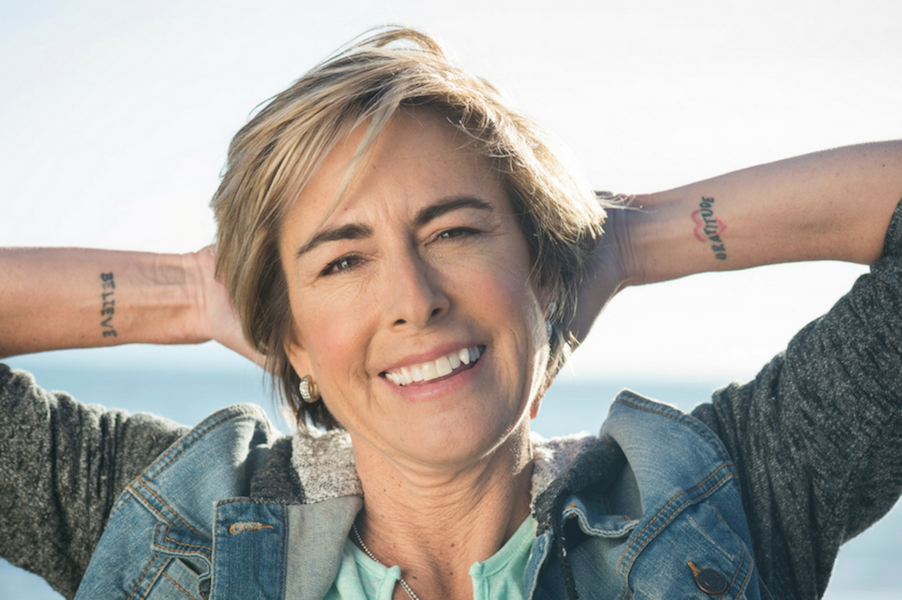
Siri Lindley is an author, keynote speaker, animal advocate, cancer survivor, 2x World Champion Triathlete, and now the world’s very best female triathlon coach.
The following is a summary of Episode 129 of the Real Leaders Podcast, a conversation with World Champion Triathlete Siri Lindley. Read or listen to the full conversation below.
Forgetting Fear of Failure
“I used to be one of those athletes, ‘Oh, I hope I have a good day, a good game today.’ And you know, the universe isn’t going to decide whether you have a good game or not, it’s up to you. You’re in charge of what happens in your life, how you respond to things, how you react, and you’re in charge of your entire experience of life. And once I realized that, that I was kind of the conductor of my own symphony of life, it was up to me to make it great.”
Siri shares that there were many failures along the journey to becoming a triathlete champion. From being the worst athlete in training camp, to coming dead last in her first race, to not making the Olympic tryouts her first time around. But these were instances that she didn’t let deter her. She assures that it is the fear of failure that is worse than failure itself, as it prevents us from taking the first step.
“I failed over and over again. But every time I got myself back up, and I dusted myself off, and I thought, ‘Okay, what do I need to change so that I can become better?’ So really, if you’re not willing to fail, you’re actually not willing to succeed. Because failure is just a part of the process of getting to success and facing those fears.”
Listen to Episode 129 on Spotify, Anchor, Crowdcast, and Apple Podcasts
Being Fearlessly Authentic to Win from Within
“I really do believe that you don’t have to go win a World Championship to deserve your own love. But for me, for whatever reason, that’s what it took for me. To believe in myself, not just love myself, but to believe in myself. And to believe that I am worthy, and I can make a difference in this world. That was the gift and it was the most beautiful gift I’ve ever received. And I gave it to myself. And we all have the opportunity to do that in our lives.”
Beyond the physical obstacles that came with building her athletic career, Siri has faced many personal ones as well. Training as a triathlete, mind, body, and soul, brought her to look deeper within and to realize that she was gay. While this new identity was not initially accepted by family or sponsors, it pushed her to stay true to herself. Knowing who she was fostered the fortitude that would empower her to thrive when later faced with an even bigger obstacle: a leukemia diagnosis with a 10% chance of surviving. Having beat the odds, she remains devout to her personal creed:
“I made a decision when I retired from triathlon [that] I will never ever push my own self aside. I need to be fearlessly authentically me in every moment, because when we are fearlessly authentically ourselves, we are most powerful, that’s when we can truly give from all our heart and have deeper, richer relationships and have a greater impact on the world.”
A Greater Impact
Siri shares that she has lately taken on a new endeavor inspired by her rescue horse, Savannah, who helped Siri through recovery. Horses In Our Hands is Siri’s organization to end horse slaughter, and her nonprofit, Believe Ranch and Rescue, saves horses from abuse, extreme neglect, kill shelters and feed lots. Believe Ranch rehabilitates these horses to give them a new home, and has rescued 116 horses so far.
But Siri is on a greater mission to save all horses that might otherwise be sent to slaughter: she urges us to vote in favor of the SAFE Act, which will ban horse slaughter altogether.
PODCAST PEOPLE: A Summary of the Real Leaders Podcast
“What I’ve realized through my journey is that we are so much more powerful than we could ever imagine, as human beings. But we don’t want to believe that because it’s scary to think what we really are capable of. And I’m a believer, because I’m living proof that the impossible is really possible. I’m also a believer that you’re going to be afraid, but you’re going to do it anyway. And that’s what courage is, isn’t it?”
Siri Lindley is an author, keynote speaker, animal advocate, cancer survivor, 2x World Champion Triathlete, and now the world’s very best female triathlon coach.
The following is a summary of Episode 129 of the Real Leaders Podcast, a conversation with World Champion Triathlete Siri Lindley. Read or listen to the full conversation below.
Forgetting Fear of Failure
“I used to be one of those athletes, ‘Oh, I hope I have a good day, a good game today.’ And you know, the universe isn’t going to decide whether you have a good game or not, it’s up to you. You’re in charge of what happens in your life, how you respond to things, how you react, and you’re in charge of your entire experience of life. And once I realized that, that I was kind of the conductor of my own symphony of life, it was up to me to make it great.”
Siri shares that there were many failures along the journey to becoming a triathlete champion. From being the worst athlete in training camp, to coming dead last in her first race, to not making the Olympic tryouts her first time around. But these were instances that she didn’t let deter her. She assures that it is the fear of failure that is worse than failure itself, as it prevents us from taking the first step.
“I failed over and over again. But every time I got myself back up, and I dusted myself off, and I thought, ‘Okay, what do I need to change so that I can become better?’ So really, if you’re not willing to fail, you’re actually not willing to succeed. Because failure is just a part of the process of getting to success and facing those fears.”
Listen to Episode 129 on Spotify, Anchor, Crowdcast, and Apple Podcasts
Being Fearlessly Authentic to Win from Within
“I really do believe that you don’t have to go win a World Championship to deserve your own love. But for me, for whatever reason, that’s what it took for me. To believe in myself, not just love myself, but to believe in myself. And to believe that I am worthy, and I can make a difference in this world. That was the gift and it was the most beautiful gift I’ve ever received. And I gave it to myself. And we all have the opportunity to do that in our lives.”
Beyond the physical obstacles that came with building her athletic career, Siri has faced many personal ones as well. Training as a triathlete, mind, body, and soul, brought her to look deeper within and to realize that she was gay. While this new identity was not initially accepted by family or sponsors, it pushed her to stay true to herself. Knowing who she was fostered the fortitude that would empower her to thrive when later faced with an even bigger obstacle: a leukemia diagnosis with a 10% chance of surviving. Having beat the odds, she remains devout to her personal creed:
“I made a decision when I retired from triathlon [that] I will never ever push my own self aside. I need to be fearlessly authentically me in every moment, because when we are fearlessly authentically ourselves, we are most powerful, that’s when we can truly give from all our heart and have deeper, richer relationships and have a greater impact on the world.”
A Greater Impact
Siri shares that she has lately taken on a new endeavor inspired by her rescue horse, Savannah, who helped Siri through recovery. Horses In Our Hands is Siri’s organization to end horse slaughter, and her nonprofit, Believe Ranch and Rescue, saves horses from abuse, extreme neglect, kill shelters and feed lots. Believe Ranch rehabilitates these horses to give them a new home, and has rescued 116 horses so far.
But Siri is on a greater mission to save all horses that might otherwise be sent to slaughter: she urges us to vote in favor of the SAFE Act, which will ban horse slaughter altogether.