‘Aqua Kale’ Being Grown in Middle East Desert

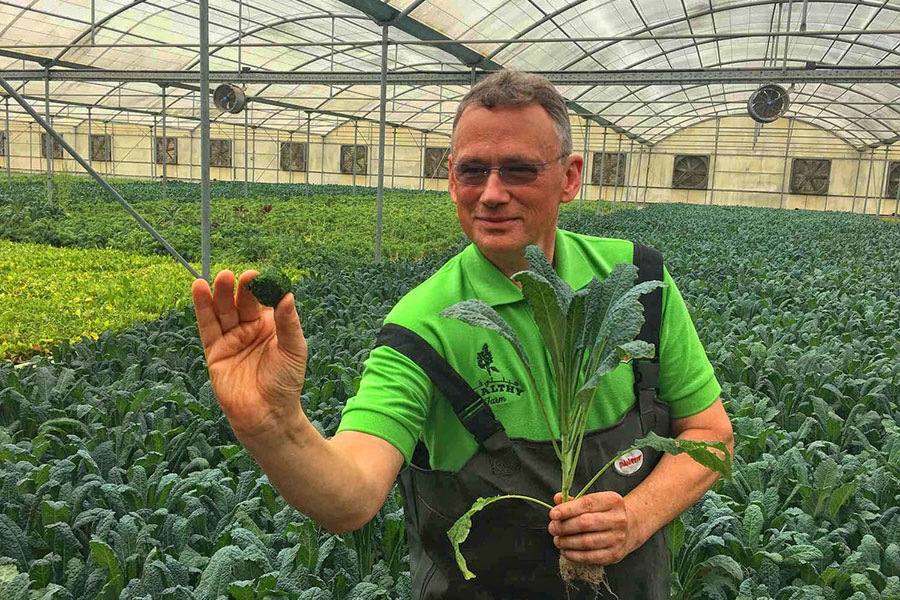
Global Food Industries (GFI) aims to produce around 24 tons of ‘Aqua Kale’ each year on water in the middle of the United Arab Emirates (UAE) desert. 

The farm uses 100% recycled water, helping produce up to 25% more food with the same water source compared with conventional methods.

According to a Frost and Sullivan report, the value of the regional organic farming segment is expected to reach USD 1.5 billion by 2018 – attributing the growth to the increasing demand coming from major retailers. GFI is introducing the idea of organic farming to the UAE market in light of the growing popularity of organics across the rest of the Gulf region. 

If you like this, subscribe here for more stories that Inspire The Future.

“Without a doubt, ‘Aqua Kale’ is the right product to help address several serious health and dietary concerns in the UAE and the Middle East, including diabetes and obesity. Higher health awareness among UAE citizens and residents as a result of intensive government campaigns and initiatives is driving the demand for healthy food choices,” says Jacek Plewa, GM, Global Food Industries.

The zero-fat superfood kale, which is part of the cabbage family, is high in protein, vitamins, omega-3 fatty acids, fibre and antioxidants, among others. One cup of this green leafy vegetable contains 36 calories and 5 grams of fiber. Kale contains nearly twice the amount of vitamin K as most of its fellow cruciferous vegetables. Proportionate servings of ‘Aqua Kale’ have more iron than beef, more calcium than milk, and more vitamin C than spinach. Among the most nutrient-dense superfoods on earth, kale is a popular ingredient of salads, juices and snacks in many Western countries but it remains relatively unknown in the region. Global Food Industries recently also won best food innovation award at Gulfood recently for ‘Aqua Kale.’

“We are currently supplying to local restaurants and cafeterias and we are training the staff to make sugar-free juices and smoothies by adding kale,” says Plewa.

“Juices with kale are equally tasty. We are regularly monitoring our more than 400 partner cafés to make sure that they offer healthy alternatives only. Moreover, ‘Aqua Kale’ is the ideal alternative to sugar-rich snacks popular among residents. We are fully committed in promoting and making people more aware of this healthier source of nutrition—not just for people today but also for future generations.”

If you like this, subscribe here for more stories that Inspire The Future.


The NFL Teams up to Promote Youth Health And Wellness

The NFL, USA Football, youth fundraising network GENYOUth and in-school nutrition program Fuel Up to Play 60, have announced the expansion of the NFL FLAG-In-Schools Program, which aims to increase physical activity of youth by providing flag football resources to underserved communities.

Since 2014, the partners’ efforts have resulted in 4.3 million students becoming more active before, during and after school through NFL FLAG-In-Schools. This year, NFL FLAG Kits will be distributed to an additional 4,700 schools nationwide, reaching approximately 2.6 million new students. The expansion was made possible by a renewed commitment from the NFL Foundation, amounting to nearly $1.5 million.

If you like this, subscribe here for more stories that Inspire The Future.

“Football is a fun and engaging sport that teaches participants valuable life lessons both on and off field. We are excited to expand the NFL FLAG-in-Schools program and offer more kids the opportunity to get involved in the sport and have fun,” said NFL Vice President of Youth and High School Football ROMAN OBEN. “This partnership provides much-needed resources to schools throughout the country to sustain their physical activity programs and positively impact students’ health and wellness.”

NFL FLAG-in Schools Kits will be provided to 4,700 schools at the beginning of the 2017-18 school year. The kits include footballs, flag belts, kicking tees, posters and a physical education (PE) curriculum designed by SHAPE America for elementary and middle school students, to get active and learn the basics of football in a fun environment.

The program has seen notable success since its inception in 2014. Seventy-one percent of the schools receiving kits are high-need schools: 40% or more of students are eligible for free or reduced-price meals. Ninety-eight percent of teachers reported using the kits in their PE class with nearly half (47%) also using them after school. Earlier this year, PE teachers who previously received NFL FLAG-In-Schools Kits participated in a Fuel Up to Play 60 Program Advisors’ focus group and reported the following benefits:

  • Participants reported using NFL FLAG-In-Schools Kits in PE class, at recess, in intramurals, in tournaments, before and after school and in Fuel Up to Play 60 events;
  • The program has significantly increased PE teachers’ confidence and ability to teach/coach flag football;
  • Participants overwhelmingly felt their FLAG-In-Schools programs were successful – citing student enthusiasm for the game, especially girls’ interest in the game, older students’ willingness to teach younger students how to play and flag football’s increasing popularity over other sports as reasons for the success; and
  • Participants representing a variety of school sizes unanimously reported that all of their PE students participate in FLAG-In-Schools, adding that a sizable amount of interest among students was generated by intramural play and recess play

Additionally, schools report that the program has helped them to increase female students’ participation in physical activity at school. In fact, NFL FLAG-In-Schools sparked such an interest in Miami-Dade County Public Schools that the district developed 50 new varsity middle school girls flag leagues with 1,100 girls now playing varsity flag football. This is a key advantage, given a 2016 study by Tufts University School of Medicine and the Friedman School of Nutrition Science and Policy at Tufts University, which showed that girls are at greater risk than boys of falling short of in-school physical activity recommendations.

If you like this, subscribe here for more stories that Inspire The Future.

After the Hurricane: Keeping Pets Safe and Healthy

Millions of people in Florida were forced to evacuate their homes before Hurricane Irma made landfall last weekend, and many brought their pets with them.

As people prepare to return to their homes, the American Veterinary Medical Association (AVMA) is encouraging pet owners to take steps to ensure the health and well-being of their pets, in what could be potentially dangerous or stressful environments.

When returning home with pets following a disaster, the AVMA recommends the following:

  • Survey the area inside and outside your home to identify sharp objects, dangerous materials, dangerous wildlife, contaminated water, downed power lines or other hazards.
  • Do not allow pets to roam free outdoors until the area is safe for them to do so. They could encounter dangerous wildlife and debris if allowed outside unsupervised and unrestrained. In addition, familiar scents and landmarks may have changed, and this can confuse your pets.
  • Allow uninterrupted rest and sleep to allow your pets to recover from the trauma and stress of the evacuation and disaster.
  • The disruption of routine activities can be the biggest cause of stress for your pets, so try to re-establish a normal schedule as quickly as you can.
  • Comfort each other. The simple act of petting and snuggling can reduce anxiety for both people and pets.
  • If you notice any signs of stress, discomfort, or illness in your pets, contact your veterinarian to schedule a checkup.

For more information on pets and disasters, visit the AVMA website at avma.org/PetReady.


The Iron Fish That Will Make You Stronger

Iron deficiency affects nearly two billion people. That’s one-third of the world’s population. Your body needs iron to function and is an essential nutrient that helps your vital organs get the oxygen they need.

Signs of iron deficiency include pale skin, general fatigue, shortness of breath, dizziness and difficulty concentrating.

A 300-year-old Chinese practice of cooking with cast iron has been revived by Dr. Gavin Armstrong, founder of Lucky Iron Fish. His simple solution? A US$25 spoon-sized iron fish that you place inside your cooking pot. It doesn’t sound very appetizing, but the iron released into food provides a significant portion of recommended daily intake. “Using a cast iron pan will do the job to a degree,” says Armstrong. “But many people have thrown them away as they’re too heavy and difficult to clean.” The arrival of Teflon-coated, aluminum pots and pans has also moved consumers towards convenience, without realizing the loss of iron from their old cooking utensils.

“In Cambodia, where we started our iron-deficiency work,  people didn’t want to put an ugly piece of iron in their meal,” explains Armstrong. “It seemed as if they were cooking with rubbish. The symbol of a fish is considered lucky by Cambodians and that’s how our iron fish was born.”

Now in 66 countries, the brand is finding universal appeal, except in India, where they are experimenting with a leaf-shaped piece of iron because most people are vegetarian.  “People are tired of taking artificial supplements,” says Armstrong. “Boiling the fish for 10 minutes will give you a safe daily intake.” Amazingly, families in Cambodia – where clinical trials have reduced anemia by 46% –  are still using their fish more than five years later. Every fish sold sees another one being donated to a family in need.
To date, 100,000 families have benefited globally.

www.luckyironfish.com


Healthy Eating is Key to Our Productivity

Healthy eating habits may preserve cognitive function and reduce the risk of dementia.

A group of U.S. scientists have found that, among nearly 6,000 older adults in a Health and Retirement Study, those who consistently followed diets long known to contribute to cardiovascular health were also more likely to maintain strong cognitive function in old age. They found that sticking to the Mediterranean diet was associated with 30 to 35 percent lower risk of cognitive impairment in healthy older adults. In fact, the investigators discovered that those with healthier diets exhibited meaningful preservation of cognitive function.  

  • The Mediterranean and DASH (Dietary Approaches to Stop Hypertension) diets were originally developed or codified to help improve cardiovascular health.
  • A hybrid of these diets, called the Mediterranean-DASH Intervention for Neurodegenerative Delay, or MIND diet, is gaining attention for its potential positive effects on preserving cognitive function and reducing dementia risk in older individuals. A 2015 study found that individuals adhering to this diet exhibited less cognitive decline as they aged.

Other diet-related studies reported at AAIC 2017 included:

  • Researchers from the Karolinska Institute in Sweden found that – in a group of more than 2,200 older adults – people sticking to a Healthy Nordic Diet (including non-root vegetables, certain fruits, fish and poultry) enjoyed better cognitive status than individuals who ate a less healthy diet.
  • From more than 7,000 participants in the U.S.-based Women’s Health Initiative Memory Study, researchers found that older women who ate diets traditionally thought of as heart-healthy, in particular the MIND Diet, were less likely to develop dementia.
  • A team of researchers at Columbia University presented data suggesting that poor diet may promote premature signs of brain aging through inflammatory mechanisms, which were also associated with smaller brain volume.

“Although the idea that a healthy diet can help protect against cognitive decline as we age is not new, the size and length of these four studies demonstrate how powerful good dietary practices may be in maintaining brain health and function,” said Keith Fargo, PhD, Alzheimer’s Association Director of Scientific Programs and Outreach.

“That said, we must understand that what we eat is just one part of the puzzle. Adapting our lifestyles as we get older – for example by exercising regularly, watching what we eat and engaging in lifelong learning – is important in order to maximize the potential to reduce risk of cognitive decline and dementia.”


Effective Leaders Don’t Forget to Move

Humans are made to move. This is clear by the huge number of benefits exercise has for mind and body.

“There is a linear relation between physical activity and health status; an increase in physical activity and fitness directly improves your health status,” says Dr Craig Nossel, head of Discovery Vitality Wellness in South Africa.

“Exercise can easily get boring or routine,” notes Steph Donaldson, Discovery Vitality biokineticist. “The multi-disciplinary nature of triathlons keeps training interesting and challenging. Plus, the variety of racing distances makes it accessible for all fitness levels: from kids’ races and sprint distances right through to ultra-distance races.” In short – multisport offers something for everyone.

“Exercise can easily get boring or routine.”

Multisport also has a great social element. Family and friends can get involved, which is a great motivator to keep you exercising.

There are many health and fitness benefits of multisport training. These include:

Full body strengthening
Each aspect of a triathlon offers its own health benefits. Swimming creates definition in your upper body and improves flexibility; running develops long and lean muscles; and cycling tones the lower body while building strength.

Strengthens bones:
People who run often have a higher bone density than those who don’t. That’s because the body increases the density of bones in an effort to accommodate for the impact of running. Running boosts bone strength and development more than cycling or swimming do.

Improved health:
A regular combination of swimming, cycling and running can help you lower your blood pressure; prevent diabetes, obesity, cardiovascular diseases and cancer; as well as lower the risk of osteoporosis or depression.

A workout for the arteries:
The inner lining of artery walls can be damaged by factors like high blood pressure, high cholesterol, diabetes, smoking and the wear and tear of ageing. Injured spots in the lining, in turn, are often the starting points for the growth of plaques that can block arteries, leading to a heart attack. Researchers believe that the regular expansion and contraction of arteries during exercise keeps the blood vessels “in shape” and preserves their inner lining.

Mental health:
When you begin to improve your health, you also start to improve your perspective on what you can achieve and how far you can push yourself. You will begin to notice an increased level of self-confidence and a difference in the way others perceive you. 

Quick tip: You get a sense of achievement by completing a race, improving your overall fitness levels and progressing to the next racing distance. These feats help to improve your self-confidence and self-image.

More energy:
A dramatic increase in your exercise and the change in your diet will help to heighten your energy levels and improve productivity. Although some training sessions will be gruelling, and you will obviously be tired afterwards, your overall energy levels will be much higher.

“We’ve invested in multisport to encourage greater activity levels, especially among novice athletes. The beauty of multisport is that anyone can do it. There are events to suit all ability and fitness levels, and it’s a great way for families to spend time together having fun,” says Dr Nossel. 

“Many studies have shown that maintaining a minimum quantity and quality of exercise decreases the risk of death, prevents the development of certain cancers, lowers the risk of osteoporosis and increases longevity. Training programs should include exercises aimed at improving cardio-respiratory fitness and muscle function, as well as flexibility and balance,” adds Nossel.“Multi-disciplinary sports can be a great way to accomplish these health and well-being benefits.”


My Son is Dead: Changing the Way We Treat Addiction

How do we change addiction treatment from being substandard to being effective at saving lives? First, the stigma must die. Second, those suffering from the disease, the addiction professionals, the insurance industry and society must rethink the concept that addiction treatment consists of a 30 day in-patient or intensive out-patient level of care — that somehow this chronic, treatable disease will go away and stay away after a mere 30 days of treatment.

We as a society need to understand that if we are going to overcome this horrific addiction epidemic, we need to start by looking at the model of care for addiction treatment being used today and admit that it’s a failure. We need to examine and acknowledge the research that states addiction is a brain altering disease that requires longterm intensive treatment — allowing the damaged brain the necessary time to heal. We need to look at the chronic disease of addiction as we do the chronic disease of cancer.

Many argue that addiction is self-inflicted, that addicts caused their own disease. We must also acknowledge that some cancers may also be self induced. Smokers know they increase the chance of developing cancer if they continue to smoke. Yet, smokers disregard the information and continue to smoke anyway. The warnings are printed on every pack of cigarettes: “Smoking may cause lung and other cancers.”

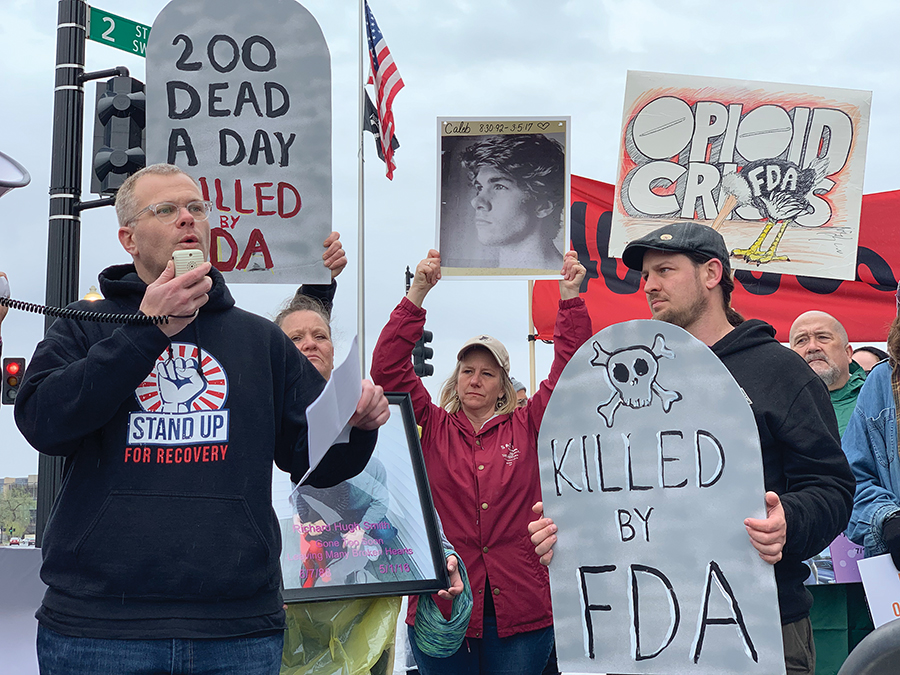
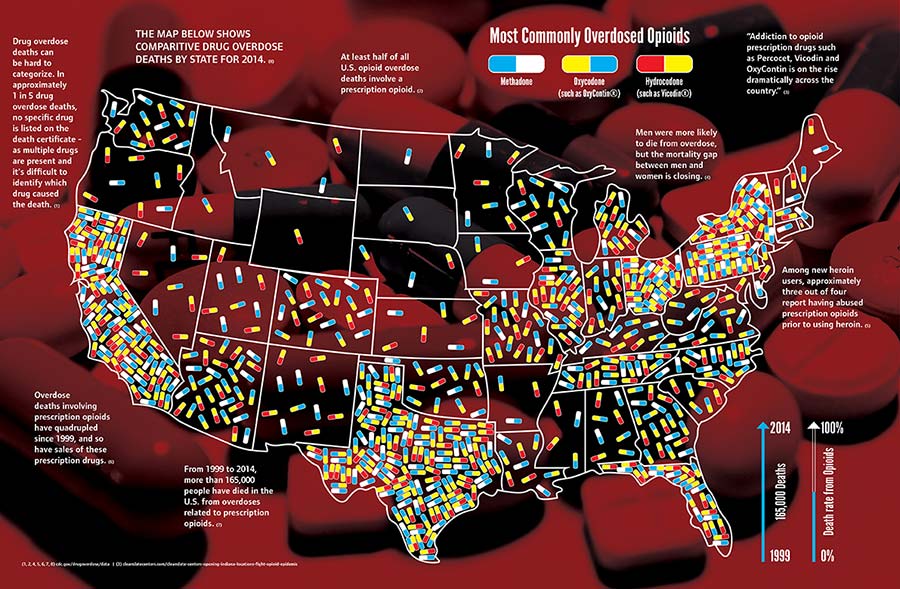
What society and the insurance industry continue to ignore is that many of those addicted became addicts by taking legally prescribed drugs. Prescribed after surgery or injury, opioids hijacked the brains of those taking the drugs. According to the National Institute on Drug Abuse (NIH), “An estimated 2.1 million people in the United States suffer from Substance Use Disorders relating to prescription opioid pain relievers.” Those statistics are from 2012. In a mere 6 years those numbers have skyrocketed. The (ASAM) American Society of Addiction Medicine noted in 2015: “20.5 million Americans 12 or older have a Substance Use Disorder.”

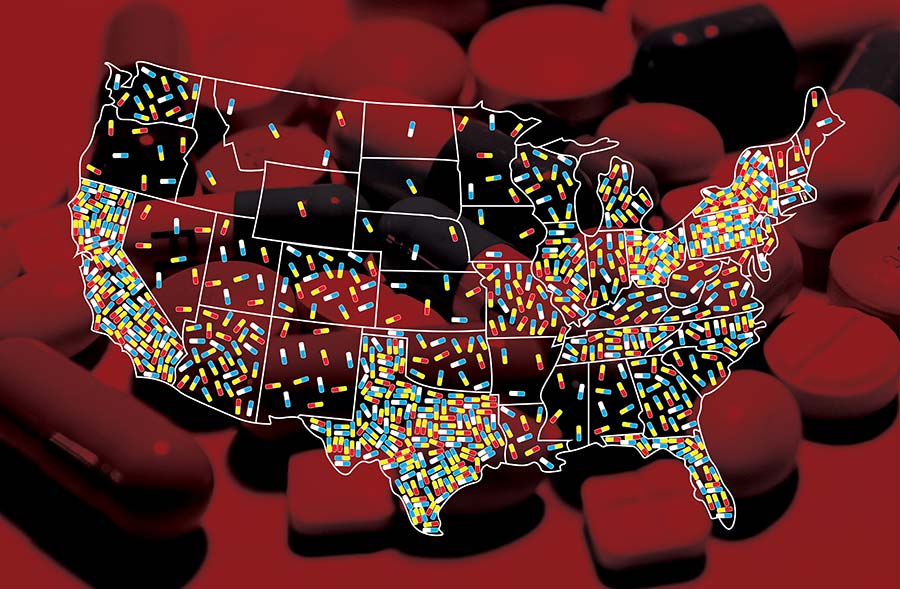
According to the CDC, from 2000 to 2015 more than half a million people died from drug overdoses. The amount of prescription opioids sold in the United States nearly quadrupled since 1999. Use of prescription opioids is the driving factor for the massive increase in overdose deaths. Yet, unlike cigarettes, there were no warnings. Big Pharma and physicians withheld the highly addictive properties of the drugs they prescribed like candy. People fell victim to the drug industry and greedy doctors who were more concerned with making money than providing the truth — that the same drugs taking away your pain could also kill you. No warnings, just an endless supply of highly addictive drugs.

The problem with prescription opioid addiction is that more than not it leads to heroin use. According to a survey conducted by NIDA, half of the survey subjects reported abusing prescription opioids before turning to heroin.

The difference between these two so called self inflicted diseases is one gets comprehensive long term treatment and immediate follow up if relapse occurs. No roadblocks or insurance discrimination. No stigma or finger pointing. Just care and compassion. The other gets a limited number of days in a combination of both in-patient and out-patient treatment. Setting up those that suffer from addiction to relapse and possibly die. The disease of addiction is the most discriminated against and stigmatized disease in this country. The mindset is addicts are disposable, unworthy of saving. The insurance industry refuses to recognize Parity. Most companies only approving short stays in treatment rather than unlimited days of care.

You might ask why I care. Why I bother to try to make a difference. I’m a Registered Nurse who witnessed the differences in treatment for both of these “self inflicted” diseases. My father was a smoker for years. Diagnosed with lung cancer in his 70’s. I watched as the medical community embraced my family. No questions asked. No finger pointing or accusatory looks. Just good old fashion quick, comprehensive treatment. Surgery followed by a plan of out patient care and followup. No fighting the insurance companies or waiting for a bed when chemo made him sick.

In sharp contrast, my youngest son, Matt suffered from addiction or to be politically correct, Substance Use Disorder. He became a victim of pill pushing doctors after a back injury and subsequent surgery. You talk about night and day in the world of treatment. Matt had to fight to gain entrance to a detox facility upon realizing his symptoms of distress were the after effects of long term opioid use. Every admission was battled by his insurance company. Days of allowable in-patient treatment were limited. Ten days here, seven days there.

I referred to his plan as the revolving door of addiction. Fighting both the medical community and the insurance industry became his full time job. His “self inflicted” disease caused by a pill mill clinic was stigmatized and degraded. I used to wish Matt had cancer. The medical community and the insurance industry fought to save my father’s life. That same community and industry discriminated and downgraded my son’s. My father survived his cancer. My son is dead.

After witnessing the vast differences in attitude and treatment options toward the diseases afflicting my father and my son, I’ve come to realize that as a society we must change our mind set and behavior toward those suffering from the disease of addiction.

The medical society must recognize and enforce long-term treatment as the standard of care. We must model addiction treatment after cancer care. From diagnosis through comprehensive treatment, substance use disorder deserves the quality and continuum of care as any other chronic disease. Self inflicted or not, the insurance industry must recognize Parity. The medical and pharmaceutic communities must be held accountable for their combined role in this deadly disease.

Compassion and understanding must replace stigma and discrimination. We must look beyond the disease. Self inflicted or caused by the irresponsibility of others, every life is worthy of saving.

MaryBeth Cichocki is a registered nurse living in the state of Delaware. She lost her youngest son, Matt, to an overdose of prescription drugs on January 3rd 2015 and now devotes her time to raising awareness and educating the community on the addictive nature of prescription drugs. @mecichocki

Is Porn Immoral? That Doesn’t Matter: It’s a Public Health Crisis

The science is now beyond dispute. Last month, the Republican-led Utah House of Representatives became the first legislative body in the United States to pass a resolution declaring pornography “a public health hazard leading to a broad spectrum of individual and public health impacts and societal harms.”

The liberal backlash criticized the measure as an antiquated bit of conservative moralizing, with the Daily Beast calling it “hypocritical” and “short-sighted.” “The science just isn’t there,” wrote Rewire, an online journal dedicated to dispelling “falsehoods and misinformation.”

The thing is, no matter what you think of pornography (whether it’s harmful or harmless fantasy), the science is there. After 40 years of peer-reviewed research, scholars can say with confidence that porn is an industrial product that shapes how we think about gender, sexuality, relationships, intimacy, sexual violence and gender equality — for the worse. By taking a health-focused view of porn and recognizing its radiating impact not only on consumers but also on society at large, Utah’s resolution simply reflects the latest research.

The statistics on today’s porn use are staggering. A Huffington Post headline announced in 2013 that “Porn Sites Get More Visitors Each Month Than Netflix, Amazon and Twitter Combined,” and one of the largest free porn sites in the world, YouPorn, streamed six times the bandwidth of Hulu in 2013. Pornhub, another major free porn site, boasted that in 2015 it received 21.2 billion visits and “streamed 75GB of data a second, which translates to enough porn to fill the storage in around 175 million 16GB iPhones.”

Extensive scientific research reveals that exposure to and consumption of porn threaten the social, emotional and physical health of individuals, families and communities, and highlights the degree to which porn is a public health crisis rather than a private matter. But just as the tobacco industry argued for decades that there was no proof of a connection between smoking and lung cancer, so, too, has the porn industry, with the help of a well-oiledpublic relations machine, denied the existence of empirical research on the impact of its products.

Using a wide range of methodologies, researchers from a number of disciplines have shown that viewing pornography is associated with damaging outcomes. In a study of U.S. college men, researchers found that 83 percent reported seeing mainstream pornography, and that those who did were more likely to say they would commit rape or sexual assault (if they knew they wouldn’t be caught) than men who hadn’t seen porn in the past 12 months. The same study found that porn consumers were less likely to intervene if they observed a sexual assault taking place. In a study of young teensthroughout the southeastern United States, 66 percent of boys reported porn consumption in the past year; this early porn exposure was correlated with perpetration of sexual harassment two years later. A recent meta-analysis of 22 studies between 1978 and 2014 from seven different countries concluded that pornography consumption is associated with an increased likelihood of committing acts of verbal or physical sexual aggression, regardless of age. A 2010 meta-analysis of several studies found “an overall significant positive association between pornography use and attitudes supporting violence against women.”

2012 study of college-aged women with male partners who used porn concluded that the young women suffered diminished self-esteem, relationship quality and sexual satisfaction correlated with their partners’ porn use. Meanwhile, a2004 study found that exposure to filmed sexual content profoundly hastens adolescents’ initiation of sexual behavior: “The size of the adjusted intercourse effect was such that youths in the 90th percentile of TV sex viewing had a predicted probability of intercourse initiation [in the subsequent year] that was approximately double that of youths in the 10th percentile,” the study’s authors wrote. All of these studies were published in peer-reviewed journals.

Because so much porn is free and unfiltered on most digital devices, the average age of first viewing porn is estimated by some researchers to be 11. In the absence of a comprehensive sex-education curriculum in many schools, pornography has become de facto sex education for youth. And what are these children looking at? If you have in your mind’s eye a Playboy centerfold with a naked woman smiling in a cornfield, then think again. While “classy” lad mags like Playboy are dispensing with the soft-core nudes of yesteryear, free and widely available pornography is often violent, degrading and extreme.

In a content analysis of best-selling and most-rented porn films, researchers found that 88 percent of analyzed scenes contained physical aggression: generally spanking, gagging, choking or slapping. Verbal aggression occurred in 49 percent of the scenes, most often in the form of calling a woman “bitch” and “slut.” Men perpetrated 70 percent of the aggressive acts, while women were the targets 94 percent of the time. It is difficult to account for all of the “gonzo” and amateur porn available online, but there is reason to believe that the rented and purchased porn in the analysis largely reflects the content of free porn sites. As researcher Shira Tarrant points out, “The tube sites are aggregators of a bunch of different links and clips, and they are very often pirated or stolen.” So porn that was produced for sale is proffered for free.

The performers who make up the porn industry are also at risk, in ways that affect them as well as members of the broader public. Aside from frequent claims of sexual violence and harassment, film sets are often flush with sexually transmitted infections. In a 2012 study that examined 168 sex industry performers (67 percent were female and 33 percent were male), 28 percent were suffering from one of 96 infections. Even more troubling, according to the authors, was that the porn industry’s protocols significantly underdiagnosed infections: 95 percent of mouth and throat infections, and 91 percent of rectal infections, were asymptomatic, which, the authors argue, made them more likely to be passed on to partners both in and out of the sex industry. Since members of the industry have protested proposed safety measures requiring the use of condoms and other prophylactics, legislating to protect these performers has proven challenging.

Beyond the porn industry, legislators have begun to respond to yet another genre of pornography quickly proliferating on the Web: “revenge porn,” whose perpetrators post and disseminate sexually explicit photos of their victims (often their former girlfriends) online without their consent. Unsurprisingly, revenge porn has been linked to several suicides and has been used to blackmail and sexually exploit minors.

As the evidence piles up, a coalition of academics, health professionals, educators, feminist activists and caregivers has decided that they can no longer allow the porn industry to hijack the physical and emotional well-being of our culture. This means understanding that porn is everyone’s problem. Culture Reframed, an organization I founded and currently chair, is pioneering a strategy to address porn as the public health crisis of the digital age. We are developing educational programs for parents, youth and a range of professionals that aim to help shift the culture from one that normalizes a pornographic, oppression-based sexuality to one that values and promotes a sexuality rooted in healthy intimacy, mutual care and respect.

Parents and educators at every level need to know that if porn is not discussed in a research-based, age-appropriate sexual health curriculum, its effects will surely show up as sexual harassment, dating violence and inadvertent “child pornography” on students’ phones. Pornography can cause lifelong problems if young people are not taught to distinguish between exploitative porn sex and healthy, safe sex. As the research shows, porn is not merely a moral nuisance and subject for culture-war debates. It’s a threat to our public health.


To Find Your Inner Wisdom, Stop Running

As everybody in Spain races to their chosen getaway to spend a couple weeks fighting with other holiday makers over a table at the best restaurants, best spot to anchor their boat, or nicest hammock on the beach, I seem to be the wise one: Madrid is at its most relaxed and calm in August. It’s a perfect setting for book writing, reflecting, self-mirroring, learning and growing. It’s ideal for the cultivation of wisdom. Have you considered growing yours?

Ironically, the word wisdom in Spanish – sabiduría – is spoken of as an unattainable ideal.

Ironically, the word wisdom in Spanish – sabiduría – is spoken of as an unattainable ideal. Having worked in Holland a lot this year, I noticed the contrast in our cultural perceptions because the Dutch talk about finding their wisdom all the time. It made me realize how this special kind of knowing has traditionally been considered a privilege only available to a few.

In olden times – and I mean olden – before civilization, progress and technology became our kings, wisdom was not written about at all. It made no sense. It still doesn’t help much in the sense that you only understand these things when you feel them. The same book that is an incomprehensible bore at twenty, can suddenly turn into a magical piece of insight thirty years later. The book hasn’t changed. We have. We’ve developed our perception and fine-tuned our thinking to exclude all the dead-ends and dumb ideas we’ve run into over decades.

We’ve developed our perception and fine-tuned our thinking to exclude all the dead-ends and dumb ideas we’ve run into over decades.

The good news is that time works in favor of wisdom, because we are living and experiencing many things every day. Whether we pay attention to it or not, our body, or the part of our brain that continues under our neck, is always absorbing information. While our minds keep racing forward to find the next best thing, our hearts and guts worry only about the present, and the parts of our past that keep overshadowing it. Because wisdom is always in the present. Everything is now. You must have heard this before.

The bad news is that we can’t listen to it or follow it in any way if we don’t stop racing, competing, fighting, thinking, talking and doing stuff non-stop. Our bodies may be full of wise insights on which path to follow, which investment to choose, which employee to let go. If our minds can’t correctly decipher our own body’s messages of wisdom, we remain non wise. That is, pretty stupid in our endless repetitions of similar mistakes: “Oh yes! We MUST book a table at this place before anybody else does!” Ha, ha, ha!!

Our heart and guts, as we’ve also heard before, are crucial to smelling out business opportunities and doing the right thing.

Our heart and guts, as we’ve also heard before, are crucial to smelling out business opportunities and doing the right thing. They don’t speak in words or numbers, however, and that makes them a little challenging to heed. If symbolic language was the only problem, we’d be fine with racing around Ibiza. The other very annoying thing about heart and guts is that they are not linear, and they speak veeeeeery slooooooowly. So much for running, huh?

Wisdom speaks to us through body sensations, symbolic visions, and a sense of recognition that connects unlikely dots in our perception. It’s completely unpredictable and it comes to us in moments of quietness. So there can’t be any racing, competing, fighting, thinking, talking or doing stuff if you expect any wisdom to make an appearance.

While intelligence loves to operate in the future, projecting better versions of an insistently analyzed past, wisdom is now. There’s no logic to it, and there is no order or timing – no before or after. What really sets wisdom apart from intelligence is that once you truly know something in your gut and in your heart, there is absolutely no amount of information or logic that can change your mind again. When intellect fights with wisdom it always loses. It’s simply too small, and too needy of reasons, information and outside certainties, mostly known today as scientifically proven facts.

When intellect fights with wisdom it always loses.

But here’s the quality of wisdom that most amazes me: it is unique. All wise people share increasingly similar visions of the world, of humanity and of our history. Almost seven billion completely different interpretations of the same universe live together on our small, tiny planet. Seven billion little heads reason and talk and do stuff all the time to judge, change and conquer the way they interact with the world around them. They keep running into other little heads with radically different views who insist on bending them over to their own view. Blah, blah, blah… just look at the news or open your internet browser.

Those who stop to take a breath and question their own vision, however, begin on a path of wisdom. As they increase their ability to focus attention on what’s really important, as they express and release old layers of emotion, as they come to honor their family’s past and feel unreasonable gratitude for the hardships their ancestors passed on to them… wisdom grows inside them. A common feeling of connection to everything, everybody and every age rises inside these individuals. Differences dissipate and judgments melt, as wisdom slowly creeps up around us, bathing all in its comforting warmth and joyful safety.

The path to wisdom is not outside ourselves, but inside.

The path to wisdom is not outside ourselves, but inside. There are no gurus. There are no absolute truths to hang on to. Walking this path inevitably demonstrates that nobody can understand your choices or your feelings of the world except you. You leave stuff behind. Things, clothes, cars, other people’s opinions and hot tables at restaurants become less important. Always very enjoyable when you have them, but also very irrelevant when you don’t. You no longer need to change anybody or anything. You realize they are all on their own path of awakening to their own inner realm of knowing without knowing. You know that every step of your own path was essential, necessary and beautiful in the global picture of what you have walked until now. I wouldn’t dream of stealing a step from someone else’s journey, or rushing anyone around a corner that needed to be savored slowly in order to build awareness of what was coming.

You become contagious. You bring peace and calm to people without trying. You just look at them and breathe with them. And they break down a little. Stop running a bit. Start feeling a lot. Forget about the cool table you’re both sitting at. Just bask in the moment. Feel the connection. Sense the timelessness and let the joy come up inside you underneath the grief, the fear and the anger.

Because all you need to do to find your inner wisdom is to stop running, start breathing and release your feelings.

Because all you need to do to find your inner wisdom is to stop running, start breathing and release your feelings. Don’t worry about time. The path is long, but it’s never boring. Every week is different. Every month feels lighter, more efficient, more intense. Every day you learn something new about yourself, your patterns of repetition, your old habits of avoidance and your very legitimate reasons for being sad, afraid, angry or disgusted. Techniques fall in your hands before you knew you wanted them. You never know who’s going to say something that will resonate inside you for weeks or years, slowly unwrapping a pearl of wisdom in your heart.

Maybe wisdom is spiritual. All religions and spiritual traditions share similar messages at their core, from the most elevated intellectual cults to the primal rituals performed in caves and forests for thousands of years. There is something unspeakable that connects us all within it, and which we recognize instinctively when we are exposed to it.

I really can’t say what wisdom is made of. All I can tell you for sure is that it is inside you, just as much as it is inside me. You will know it when you feel it. And once you know what you’re looking for, there is no amount of intellect, information or hardship that will keep you from coming back to it again and again.

Happy holidays, everyone. Wisdom awaits when you’re ready.

Here’s What Happens When Luxury Meets Inner Beauty

  • Diagnosed with cancer, Annee De Mamiel develops a range of oils and balms to offset the effects of her treatment.
  • Multiple qualifications in Chinese traditional medicine, combined with a desire to treat her illness as naturally as possible, result in a beauty product with the highest levels of purity she can find.
  • Intent, meaning and ritual have become part of the supply chain.
  • Luxury hotels use her oils and high-end online stores, such as Net-a-Porter, sell the beauty range to discerning buyers.
  • Overcoming her illness has made her realize that you can’t separate mental wellbeing from physical wellbeing.

When Annee De Mamiel was diagnosed with cancer in 1998 she began an uncertain journey with an uncertain outcome. She had been a top triathlete in her twenties while growing up in Australia and already had built-in respect for her body, with a matching strength of mind. She wanted to fight off her disease in a way that was both holistic and natural. She also knew that chemotherapy was inevitable if she was to survive. While enduring the nausea, hair-loss and physical trauma that goes with this type of treatment she decided to create a product to help her cope, something that was the exact opposite of the artificial, toxic chemicals doctors were using to fight her cancer. De Mamiel became an aromatherapist and developed a range of oils and balms from the purest sources she could find.

“I create things that work on a physical, chemical and emotional level, because that’s everything of what we are,” says De Mamiel. Her cancer has been in remission for 10 years now so she must be doing something right. Many cancer patients endure the horrors of treatment and then quietly thank God when it’s all over. De Mamiel decided to look further, at the underlying causes of her illness and came to the conclusion that we cannot separate our mental wellbeing from our physical wellbeing.

It’s nothing new; ancient Chinese medicine acknowledged this centuries ago. De Mamiel holds a degree in Traditional Chinese Medicine, a degree in Anatomy and Physiology and a diploma in Aromatherapy, all of which have helped her create a range of beauty products that she believes contribute to healing and wellbeing.

Richard Bransons’ exclusive island resort, Necker Island, in the British Virgin Islands, believe this too. Staff give De Mamiel’s jet lag oil to departing guests to aid recovery in their long flight ahead. Rubbed onto hands and inhaled, the ingredients have an uplifting and energizing effect. 

“Many people deny that our emotions affect our wellness,” she says. “My brand is not just about how to apply the products to your skin, but how to reduce stress in your life. We’ve cut ourselves off from what mother nature is doing,” says De Mamiel. “All the people I treat live in an artificial environment – artificial heat, cold and light. Many people are stressed from this and there’s no sense of belonging to natural environments. I create small rituals to help us through that process.”

De Mamiel is often asked where she fits within her industry: wellness or beauty? She seems to fall somewhere between an alchemist, perfumer and therapist. “I’m more about creating change and making a difference in someone’s life than putting a cream on your face,” she says. “I fall into a category that doesn’t see wellness and beauty as being mutually exclusive.”

Her secret is in the source. The lavender is from a high altitude area of New Zealand, where the soil is rich in nutrients and the air is extremely clean. The lavender found here is potent because it grows at its maximum potential, a quality De Mamiel wants to infuse into her customers. Ritual and meaning has also become a key ingredient – every bottle is dispatched with an invisible element that couldn’t be further from a mass-produced product – intent.

Botaniques-Group luxury oils

The manufacturing process involves giving thanks to the supply chain that has brought the ingredients to the factory. The oil sits in a jar with three words of intent written on its label for two months, like a fine wine developing a unique character. Music is played in the storeroom to enhance the vitality of the product. As esoteric as this may sound, De Mamiel believes that vibrations from music make a difference. “If you don’t believe it, there’s no harm done,” she says “If you do, it can only add to your experience when using the product.”

In 2013 De Mamiel and her husband created a website and began selling online. Within a month, high-fashion online retailer Net-a-Porter came calling, and the business has grown ever since. The award-winning oils are now found in shops in the U.K., Spain, Sweden, Japan, the U.S. and the Netherlands.

“If we weren’t profitable, we wouldn’t still be in business,” says De Mamiel. “A myth exists that you can’t be ethical and sustainable while still being profitable, yet I’m proof that it’s possible,” she says. “Our company mission is to make a difference every day, and if I can’t do that, there’s no point in me doing what I’m doing.

One of her biggest inspirations happened during a yacht race in the middle of the Southern Ocean. “It was the purest, most magical place I’ve ever seen,” she says. “The sensation of being in a place no one else has been, knowing that if something happened we wouldn’t be rescued in time, was awe-inspiring. I experienced the power, rawness and beauty of mother nature. We are given incredible gifts on this planet that we need to care for. I reflect on that moment regularly. It’s a motivator for keeping my promise of purity to my customers and also how I run my business.”

Her vision for the future is a simple one: “I’d like to see households growing their own vegetables and getting in touch with the source of our nourishment,” she says. “Finding stillness within us creates ease and happiness. That might sound hippyish but I believe it’s real. I have friends who run big banks and hedge funds who are also trying to adopt this way of living.”

De Mamiel has explored the science behind her oils and built a successful commercial venture on some esoteric principles. She doesn’t expect everyone to understand why her products work, just that they do. “Look at people like Richard Branson. You either love him or hate him, but his drive in what he believes in is extraordinary. What he’s giving back to the environment, especially the oceans, is incredible. People who’ve overcome adversity are true leaders because they’ve shown others what can be overcome. I have overcome cancer, traveled the world and formulated a deep insight into people’s wellbeing. Now it’s my turn to make a difference.”

De Mamiel is a recent winner of an IE Award for Sustainability (Premium and Luxury Sectors) www.ie.edu/ieluxuryawards

ie-awards

0