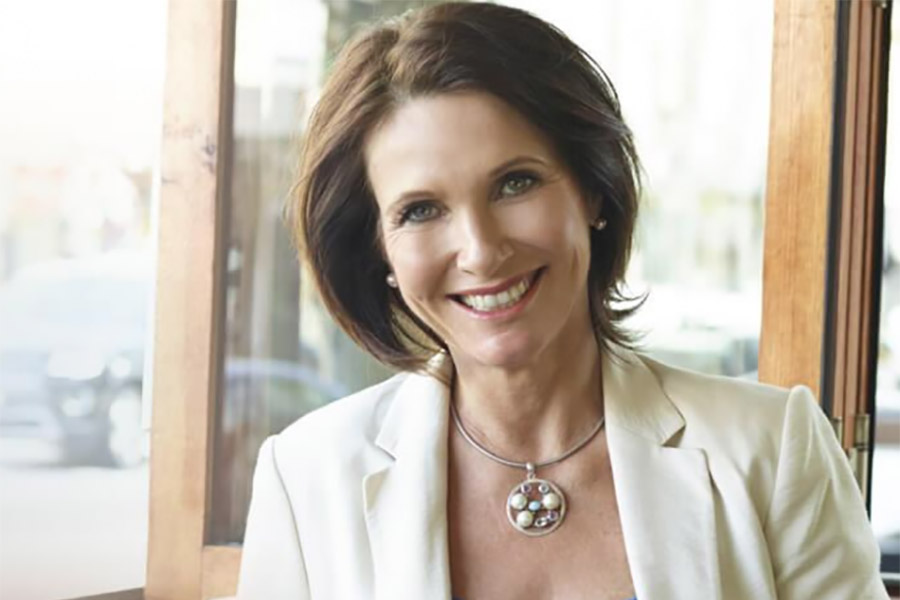
Why Moving from Employee Engagement to Organizational Alignment Will Increase Performance

Employee engagement has become the standard for understanding how employees feel about working at your organization. Organizational alignment is the next step in evolution beyond engagement.  

Organizational alignment and employee engagement both have their place. But if you want to see increases in performance and metrics, you want to look at measures that are organizationally focused, not employee focused.  

The differences add up 

Here are specific areas in which organizational alignment differs from employee engagement — and can affect the bottom line. 

Organizational alignment adds purpose 

Organizational alignment takes employee engagement and adds a layer of purpose.  
 
Employees may like what they do, but are their roles deeply connected to the reason the organization exists? To take an extreme example, say you hire someone to take nails out of boards to repurpose the wood. If they spend their days enthusiastically driving more nails into the boards, they may be highly engaged, but they are not serving the organization’s purpose. 
 
Clearly defining the role that your team has in making the mission and vision of the organization live and breathe takes everything to the next level. 

Organizational alignment is more relevant to your primary
business concerns
 

Most of the questions you ask about your business are actually central to organizational alignment, not employee engagement, even if that doesn’t seem apparent at first glance. 
 
For example, employee turnover is a significant concern for most organizations. It’s well known that most people leave their jobs because of their bosses. They may say that their boss was a micromanager, didn’t respect them, or didn’t have a clue. However, in the thousands of surveys we’ve conducted, we’ve seen that there’s a massive gap in the communication of mission and vision from second- to third-level leadership and below. And connecting the organization’s mission and vision to the daily execution of work tasks is what keeps people engaged in, excited about, and committed to their work. These “bad bosses” are actually not getting the support they need.

This is an organizational alignment problem, not an employee engagement problem. 

Organizational alignment better connects departments and
functions in a common purpose
 

Employee engagement only examines whether the individual is excited about and connected to his or her work. It does not address how to drive better cross-team performance and connection.  
 
Organizational alignment, on the other hand, focuses on mission and vision. It brings a common thread, a common frequency, and a common purpose to all functions and departments.  
 
When the top managers lead, communicate, and create in accordance with a shared mission and vision, the destructive conflict lower down in the organization is drastically reduced. 

Organizational alignment better relates to metrics and key
performance indicators 

Organization leaders commonly perform employee engagement surveys. However, they are often unable to connect changes in employee engagement to changes in performance. There’s only a sense of faith that employee engagement will lead to greater performance.  
 
Organizational alignment ties much more directly to issues that apply to the organization as a whole. Therefore, it connects much more clearly to operational metrics that measure organizational success.  

Key takeaways 

To add purpose to your employee engagement, look holistically at the questions and problems you’re trying to address. Connect departments and functions with a shared mission and vision. Then tie it all to the operational metrics that you care about — metrics that matter. That’s powerful stuff. 
 
Use these strategic approaches and ask relevant questions to take employee engagement up a notch so that it strengthens your organizational alignment: 

  1. Better utilize employee surveys. If you do conduct employee engagement surveys, think about how you actually use them to change your leadership style and the way your team interacts with other teams. What is the process like for you in that? Do you see any substantive changes as a result of these surveys? 
  2. Share results to promote a common purpose. If you’ve done employee engagement surveys, what’s been the process between you and your boss, or between you and HR, to put together conclusions that can be shared throughout the entire organization with a common language?  
  3. Learn from your data. When you look at some of your key performance indicators, especially those that involve working with other teams, what can you learn by digging more deeply into these numbers and the true reasons behind them? 

Art Johnson’s new book is The Art of Alignment: A Data-Driven Approach to Lead Aligned Organizations.

What Marathon Running Taught Me About Long-Term Goal Setting

On New Year’s Eve 1999, as the clock was about to strike on Y2K, I set a goal to complete a list of 50 challenges in the first decade of the new millennium. In 2009, I found myself staring down at the very last item on that list: Run the New York City Marathon.

At the time, I wasn’t much of a runner. In fact, I could barely squeak out a 5k. But I had always been someone who set big goals. So over the course of 2009, I put my head down and I did the work. I found a training plan and I raised the money to obtain a charity entry to the New York City Marathon. And on the eve of the expiration of my bucket list, I crossed the finish line of the 40th New York City Marathon.

The hard work paid off, and I was hooked. Between 2009 and 2016, I went on to run 14 more marathons all over the world.

To this day, I’ve been surprised by just how impactful marathon running has been in my life. It’s given me purpose and meaning and has even brought me closer to family. But one area that surprised me the most was how much marathon running has affected my professional life.

It may seem ludicrous to make a connection between running and business, but the two run closer than you might think. I last crossed a marathon finish line in 2016. But the discipline I learned from running continues to influence me in my career today, especially as it concerns my long-term goal setting. 

You’ll work harder for something you love.

Running is hard. If you don’t find any enjoyment in it, you’re not going to be any good at it. I’m not saying you have to fall in love with running after your first attempt (if I’m being honest, not many people do). You’ll have good days and bad days. But for some, if you keep at it, you’ll eventually find those “finish line moments” that make running so worthwhile.

Success in marathon running requires long term planning to build up mileage. One doesn’t simply get off the couch and start with 26.2. But if you keep with it for weeks, months, or years and still resent it, then running just isn’t meant for you. And if you have zero passion for an activity, you’ll have zero motivation to get better at it. Can’t the same be said about your career?

If you don’t have a passion for (or at least believe in) your career or industry, you won’t feel that there’s any value in setting long-term goals for yourself. Why would you? If your heart isn’t in something, you aren’t going to care if you get better at it. You’ll accept stagnancy because challenging yourself to grow in your role and industry will feel like more work than would be worth the reward. The things you love don’t always love you back.

People often believe that consistent training, getting enough sleep, eating right, and stretching before a run are enough for a good performance. But really, you can still tear muscles, get winded, and even break bones — no matter how seasoned of a runner you are. The same is true in business. Projects you work on will flop. A colleague will let you down. Your manager will set expectations that may feel impossible to meet. Hardships will happen. If you don’t believe in what you do, you won’t be motivated to push yourself to succeed.

Success is a solo journey, but a team effort.

One of the things that attracted me to running the most was how it’s a combination of individual purpose and team effort. You are solely responsible for achieving your long-term goals. That doesn’t mean you have to be alone in your efforts, but no one can cross that finish line for you.

Every marathon runner shares similar goals of working on shaving minutes off of their time or gradually increasing their mileage. Because these are shared goals among marathon runners, you’ll eventually establish your own tight-knit support system of runners. It’s this group that will encourage you to push your limits. They will be there to console you when you fail, and they’ll be there to celebrate you when you accomplish a goal. And you’ll do the same for them. 

The only way to become a better runner is to pound the pavement every day (figuratively and literally). I couldn’t imagine how much harder this would have been without a great support system behind me. From the friends and mentors I ran with daily, to the folks who paced me on the marathon course, to the cheerleaders who showed up at every race.  

This is a mirror image of your career. Whether you’re an executive, manager, or brand-new employee, your entire company is all working towards the same goal of achieving organizational excellence. While you’re all in lockstep carrying out the strategic plans you set, each individual person has their part to play in meeting the business’s overall goals. But even though you have your own course to follow, deadlines to meet, and to-do list to complete, you also have the support and encouragement of your colleagues when things get tough.

If you fail, reorient yourself and try again.

There is no one-size-fits-all strategy to become a better marathon runner. What works for one person won’t necessarily work for you and your running goals. The way we often discover what works best for us is through failure. Don’t let this failure beat you down, but rather, turn it into an opportunity for improvement. 

Have you ever run a race and hit the dreaded “wall”? There’s a reason why it felt like your body was going to give out on you. Maybe you didn’t pace yourself like you should have, or perhaps you forgot to hydrate yourself appropriately. Recognizing the “why” of failure will help you avoid the same mistakes in the future.

Now think back to your career. Every professional will make mistakes that may put their work in jeopardy. If you own up to these mistakes and analyze every misstep that led you to this moment, you can take a step back, adjust your plan of action, and learn from what went wrong. 

In marathon running and in business, there is nothing more satisfying than that “finish line moment.” Setting big goals and having big dreams are both important. But crossing that finish line is unlikely unless you have the right discipline in place to get you there.

7 Ways Great Leaders Inspire Courage, Not Fear

The last nine months have taken a toll on most of us. In your organization, chances are many employees are feeling more anxious than this time a year ago. Uncertainty and disruption do that. 

It’s why now more than ever, as people are forced to meet from behind screens without access to the regular tough points with colleagues, a chief role of leaders is to allay people’s fears and fuel their courage. This requires being extra intentional about the psychological barriers that keep people from collaborating across remote teams and bringing their boldest thinking to the challenges at hand. After all, it’s not where people are working that matters most. It’s how they’re working. 

Fostering a ‘culture of courage’ is mission-critical. Here are seven ways to do just that.

1. Lead by example… try to get it right, not be right 

When asked what courageous leadership looks like, Kate Johnson, (pictured above) President of $45 billion business Microsoft US, says, “When you see a person trying to get it right, instead of trying to be right.” As a leader, you are like an emotional barometer in your organization, providing ‘cues’ to everyone on how to respond and behave. If you show up as anxious, you’ll only stoke anxiety in others. So before you focus on strategies and processes, get your head and heart in the right space, and ground yourself in the values you want to define yourself as a leader. Employees understand that there’s a lot outside your control. Still, if they can see that you’re at least in control of yourself, it provides a form of psychological safety net that encourages them to be that bit braver than they might otherwise. 

Remember, your way of being speaks more loudly than your words. You lead by virtue of who you are, not what you do or say. Work to try to get it right, not be right. 

2. Reward non-conformity… make it safe for loyal dissent 

Research shows that high-performing teams are those where people feel safe to speak up – to challenge ‘how we do it around it and raise sensitive issues. Yet when weighing the pros and cons of dissenting from the consensus, people are wired for caution. If they fear the risk of social humiliation, much less being professionally penalized, they’ll almost certainly play it safe.  

Leaders who reward ‘loyal dissenters’ – those with the courage to ‘stick their neck out’ for the greater good – reduce collective fear and build the psychological safety needed for others to report, share and discuss what’s not working. After all, it’s the conversations that are not happening that often incur the steepest hidden tax on every measure that matters. 

3. Show you care… connect from the heart to the heart 

People do their best work when they feel appreciated for who they are, not just what they do. Not feeling that their boss doesn’t care about them is the number one reason good employees leave. 

Amid this challenging time, practicing empathy for what employees are dealing with is even more crucial. Prioritize regular one-on-one check-ins. Send them a personal message to acknowledge how hard people are working. Take the time to enquire how things are at home. Then listen. No agenda.  

Emotions drive behavior, not logic. Leaders need to be highly attuned to their organization’s emotional landscape if they’re to harness the ‘positive emotional contagion’ within their ranks. 

4. Destigmatize failure… and harness the value of ‘miss-steps’ 

No one starts out to fail. Yet unless people feel safe enough to risk making a mistake, they’ll only make small incremental changes, cautiously iterating on what’s already in place. This stifles innovation and deprives everyone of the learning required to build and retain an edge. 

study at the University of Exeter Business School found that leaders who back employees to back themselves build stronger performing teams. Removing the stigma of failure is essential to optimizing growth and adapting to change (pretty crucial right now.) So talk about failure, including your own, in ways that normalize it as necessary for meaningful progress. At weekly meetings, ask everyone to share how they’ve failed in the last week and what they learned in the process. Then celebrate the learning and talk about how you can apply it to other projects. 

5. Nurture belonging… ensure everyone feels valued

We all want to feel part of a tribe, valued and celebrated. As people have been forced to connect remotely, it’s left many feeling disconnected. So be deliberate in fostering a sense of inclusion. Invite everyone for their input. Ask open-ended questions. Nurture discussion. Then actively listen and acknowledge the value of what every-one has to share, particularly those who may feel most marginalized. Making people feel valued for who they are, not what they do, will build the psychological safety that is a key predictor of the highest performing teams. 

6. Delegate decision making… treat people as trust-worthy

People rise to the level of expectation others have of them. When you treat employees as trust-worthy – by extending decision-making authority or simply letting them get on with the job – most will go the extra mile to prove you right. On the flip side, when you micromanage or undermine decisions, you do the opposite. 

As you set priorities, manage accountability, allocate resources or communicate expectations, consider how you’d feel if your boss went about it as you are.  

Of course, when trust is broken, hold people to account. Nothing demoralizes a great employee faster than watching you tolerate a poor one. 

7. Rally your team… get behind a compelling mission 

In the midst of crisis, leaders have an opportunity to activate the ‘rally effect’ and build a shared sense of mission and solidarity. Don’t squander that opportunity. Ensure everyone is clear about what lies at stake if they don’t all pull together and what is possible if they do. Continually communicate your vision, share plans and ensure everyone knows their specific role in the larger scheme of your business and why their part matters.  

People are the number one asset in your company right now. Unlocking their full potential requires working every day to nurture the conditions for them to engage in courageous conversations, make better decisions, and do their best work. Small actions can make a bigger impact than grand gestures. Don’t underestimate them. 

How to Build Strategy When “Set it and Forget it” Won’t Work

A Global pandemic. Civil Unrest. Economic turmoil. 2020 taught us just how susceptible we are to surprise and disruption. With as much uncertainty as we experienced last year, it was nearly impossible to complete the year without a core realization: We should not focus on predicting the future but instead become resilient to anything that might happen. 

The antidote to the uncertainty that 2021 will bring is resilience – three levels of pliability that are must-haves for navigating this year and beyond. It is useful to have any one of these but to thrive and prosper; you need all three. Scenario planning is the process through which you and your executive team can approach resilience collectively, deliberately, and systematically.

Let’s explore the three levels of resilience since we know that “set it and forget it” will not work as a strategy. Then, see how scenario planning offers immunity to the negative impacts of the unknown while creating the conditions for success.  

First, there is strategic resilience. You’ve got to make decisive choices, create new options, and have flexible strategies that respond to the full range of uncertainties. To do that, you need a clear view of the context surrounding your business and industry and a structured way to understand the forces you could potentially face. Those companies that planned for multiple scenarios for how the pandemic would unfold thrived in 2020 – the businesses that supported virtual working, the restaurants that pivoted to take-out, and the healthcare providers that turned their focus to COVID responses. Companies that did not adjust their strategies failed as quickly as those who only cut costs without pivoting strategically. Scenario planning provides you and your leaders a framework to understand what could happen, coupled with clear strategies for how you would respond under different conditions. 

The second is relational resilience. You have to operate as a team, as a partner, as a vendor, in new contexts. How do relationships change when the context shifts so dramatically? Companies that prosper determine how to meet customers’ emerging needs, and those who re-configure relationships with vendors get their supply chains filled. And it’s the companies that maintain relationships and connections with their teams that bring on new talent and maintain high-quality strategic dialogue, even while “Zooming” from their living rooms, home offices, and bedrooms. Scenario planning helps leaders cultivate strategic dialogue, forward momentum, and connection despite the ambiguity.

And finally, there is emotional resilienceAt any moment in 2020, we felt hope, spaciousness, and connection while also feeling fearful, anxious, and outraged. Those who have an emotional resilience practice and an ability to look inside can adapt to conditions while not being overly reactive. You and your leaders need a systematic way to de-personalize highly emotional issues so that decision making can be made clearly and cleanly. So constant pivots don’t lead to burn-out and wasted resources.

Scenario planning is a helpful tool for cultivating all three levels of resilience. The primary use case for scenario planning is to identify futures that your company should plan for. It provides a structured framework for navigating the unknown and is an alternative to prediction and forecasting what could be, rather than what will be. Because scenario planning is done in teams, it inherently allows for building and nurturing relationships and a shared awareness through structured strategic dialogue. And finally, scenario planning gives the team a sense of comfort because it allows them to grapple with the unknown rather than bury it and pretend it’s not there. In short, scenario planning brings harmony to the age-old conflict between fighting with and fleeing from reality.

Companies that leveraged Trium’s scenario planning toolkit in 2020 were able to develop short-term strategies to navigate the global pandemic. Now is the time to turn to the longer-term strategies, structural forces, and bigger choices businesses face as the pandemic, civil unrest, and economic turmoil continue. As you prepare for 2021 and beyond, instead of trying to predict a single future, and instead of trying to pretend that the future will look something like it does today, why not look at the full range of possibilities? Roleplay and imagine what it will take to win – and then create the conditions for success.

Scenario planning fits into almost any strategic planning process and can be done relatively quickly. The outcomes are revolutionary and fundamentally different from any other strategy process because it targets all three resilience levels. Scenario planning creates the possibility for leadership teams to win no matter what conditions they face. And along the way, it helps people feel connected to one another, connected to the future, and to see new opportunities they otherwise wouldn’t have.

8 Tips For Elevating Your Leadership Presence in Meetings

Looking for ways to be a stronger leader in 2021? Here are eight tips on how to elevate your leadership presence in meetings. 

If you’re a leader, you want to show up for your people in a way that makes them feel excited to be at work, makes them think they can trust you as a leader, allows them to trust each other as a team, and contribute meaningfully to the team and the organization.

Meetings are a great way to set the right cultural messages to your teams! Believe it or not, how you show up in a meeting can fairly quickly make people feel more trusted and empowered! To elevate your presence as a leader, try out these tips in your next meeting: 

1. Be clear about why your team feels they need you there

Often, especially in businesses where the culture orbits around a well-observed hierarchy, team members tend to feel less autonomous and therefore feel the need to get permission or validation from their leaders. If this is why they are inviting you to the meeting, you should decline and let them know that you empower them to make the required decisions.

2. Do not pay attention to your phone or any other device 

Make sure that your team has your undivided attention. By doing this, you are showing respect and consideration to your team.

3. Practice listening far more than you’re speaking

Try this: put a metric in your mind around 80-20 or even 90-10, where you are listening about 80 or 90% of the time and speaking the balance.

4. Watch your language

When you ask questions, avoid using long, flowery “impressive,” “look how smart I am” language. Keep your language very simple and relatable. Speak slowly and clearly.

5. If the group goes off-topic, pull them back

However, do this is by asking a question. Try asking the group: “Hey, is there a connection between what we’re talking about now and what we started talking about? I don’t see the connection, so can you guys let me know why we’re talking about this? What am I missing?”

6. Ask for advice

Once you get to the point of the meeting where people are starting to either talk about ideas or next steps, inevitably, at some point, all eyeballs might turn to you. Here’s what I recommend at that point. Before you share any of your ideas, Turn it back onto everyone else in the group and ask for their thoughts. Once they start to share their opinions, if it is different from what you probably had in your mind, again, continue with the line of questioning and say something like: “tell me more about that.”

7. Draw out all opinions in the room

Scope around and ask for the views of the quieter individuals. By doing this, you’re going to ensure a clear consensus across the team on the next steps. You are getting the more quiet individuals comfortable speaking. You are helping to re-balance the social dynamic across the team and making it very clear that every opinion matters.

8. End strong

I strongly recommend that you cap the meeting off with a statement like: Thank you for inviting me to this meeting, I enjoyed participating in this session”.

How to Speak to Your Kids When Politics Gets Violent

2021 kicked off with a lot of promise for change. But Instead, there has been a devastating roller coaster of emotions as we watched violence at our Capitol and the President’s impeachment vote. Recent events in the news have captivated us, keeping us monitoring our devices almost constantly. This has been difficult for many adults to comprehend and even more troubling to explain to children.

The current news cycle is a continually varying schedule, and you never know when the new burst of emotionally-charged information will come. As B.F. Skinner theorized in introductory psychology this intermittent varying schedule creates the dopamine bursts in our brain, which creates the most intense change in our behavior, constantly checking our phone/news with emotional reactions.  

This whole Trump-Biden transition news cycle has us neurochemically swinging from up to down and left to right. And our children are watching our reactions. I have two daughters who are 8 and 10 years old. When they saw me shocked and angry, I did not dismiss my feelings. Instead, I said:

 “Yes, I am upset right now! Emotions can be like a storm, but I am the anchor on the bottom of the sea. Emotions go up and down, but they will pass. You don’t need to worry about me, as I am an adult that can understand that some people can make bad choices. I believe in this country and its power to heal.”  

My oldest daughter asked why our own President would tell people to do bad things when she learned about the storming of the Capitol. It’s vital for me to tell her how violence is never the answer and that a democracy depends on voters and their decisions. I like to put it into perspectives that children can understand—for example, learning how to accept defeat. This can be compared to things that happen in school, losing in sports, or getting a bad grade. It’s about learning to make the best out of losing. Bottom line: Peaceful transitions of power are necessary to democracies, and the people who stormed the Capitol were wrong.

It’s important we model good behavior for our children and not become consumed with the news. I always recommend teaching different lessons, depending on the comprehension and emotional maturity of the child. 

So, what are ways parents can help children process political events?

●     Disconnecting and using this time to educate will be beneficial. Explain our legal system. The rioters involved in the violence displayed at the Capitol have consequences and will be held accountable in the eyes of the law. Their actions went against the law and put other people in danger, and law enforcement was called to put their lives on the line to protect them. Parents can show how using violence is not the answer, goes against your family values, and is less effective than communication. 

●     Starting at a young age, you can explain the importance of communication skills. Approaching uncomfortable situations or topics can be difficult, but it helps to do so in a calm manner. Showing an example using “I think” and “I feel” statements and avoiding the use of “you,” which can direct blame. This will help children see how critical thinking can diffuse a heated discussion and be more effective than resorting to violence when there is a difference of opinions.

●     Living in a democracy means that we vote in elected officials based on our values and candidates that represent our desired goals for our country. This system has two parties, which means that sometimes a candidate we do not vote for is elected. It is still important to respect the system and try to focus on the positive. We live in a country with a democracy, which means that there are systems in place to protect the people’s choices. This also means that there should be a peaceful transition of power when a new candidate is officially elected. 

Children learn by watching their parents, so it is pivotal that we lead by example and model positive behaviors and values. We have the opportunity to educate youth that violence does not solve problems. Always spin things to the positive with children- this is the key to a happy life. There is a lot of hope for the new administration. This year will include the first female Vice President of the United States. What an incredible role model for my girls. My children learned a hard lesson about when leaders fail us. We often learn the most poignant lessons from defeat and mistakes, and for my children and our country, this is no exception.   

The 6 Conditions That Drive Innovation

Innovation is not only interesting, it’s crucial for business growth. Peter Drucker said that “Business has only two functions: marketing and innovating.” Teams in companies all around the world are required to be “innovative.” However, this is easier said than done.

While the human element of the innovation process is the most critical, complex, and dynamic part, it’s often overlooked when teams are laser-focused on product development. 

Having a lot of ideas does not mean you’re an innovator. Innovating is not an individual effort; innovation is an outcome from a multitude of actors. I define innovation as “a valuable new idea put into practice/ practical use, shared, scaled and sustained to transform the ways we live and work.” Without all these steps, ideas and inventions are just “nice-to-haves,” not transformative innovations.

According to KPMG’s benchmarking research into innovation (2018, 2020), deeply human qualities are regarded as the main obstacles to innovation: office politics, turf wars, and lack of alignment. This, again, underlies the human – even personal – nature of innovation. The energy that runs through the process of innovation is profoundly human. Having produced several innovation summits, coached, and interviewed countless executives and entrepreneurs, a model for coaching the innovativeness emerged. 

A model of six concepts that begin with the letter C helps to identify the areas where competency is crucial for innovative individuals and teams. It’s people who keep creating and whose collective energy keeps the innovation process alive. I call it “innovativeness.” Human innovativeness is about “applying creativity in service of innovation.” 

Personal Conditions for Innovativeness: Curiosity & Courage

Without curiosity, without somebody asking, Why? Why not? What if? We would have stayed in caves. In an interview for my research, Nora Denzel, who was the CEO of Redbox, said that she has to learn the most important questions quickly in her role as a turnaround CEO. It’s an art to be curious and to ask good questions.

Curiosity is the quality of the brave. It takes courage to create. Innovating is about exploring the unknown, making bets, and taking risks. It can also be exhausting and make people fearful.

Relationship Conditions for Innovativeness: Communication & Collaboration

A teams internal communication skills become crucial when they are working under financial and time pressures. The long-term success of innovation hinges on communication – internally and externally.  

Innovation is not something that’s born in isolation. Innovations are outcomes of co-creation, but collaboration is not easy. When communication and collaboration fail, the innovation process is doomed. Creativity thrives in inclusive and brave environments. 

Organizational Conditions for Innovativeness: Collective Intelligence & Culture

Companies where people actively share knowledge, skills, and energy are at an advantage. Various crowdsourcing and collaboration platforms that help employees, customers, and other stakeholders to contribute, harvest, and nurture ideas are invaluable. Besides aiding in communicating and collaboration, they’re useful in trend and pattern recognition. These are the seeds for new thinking and innovation.

Organizational culture either nourishes innovation or kills it. Much of the culture is invisible; among others, it consists of thinking, beliefs, assumptions, and values that drive decision making. Furthermore, an organization’s innovation culture can be witnessed in the way people talk and how people are rewarded (or punished) for their efforts – successes and failures. There is a vast difference between posting a motivational slogan for innovation and implementing practices that support innovation. 

Most people agree that innovation requires excellent analytical and technical skills to prototype, test, and learn from feedback. However, rarely enough attention is paid to human life energy, our emotions, that sustain the excitement about the process – even when our hypotheses don’t pan out. It’s human emotions that either energize or suppress each of these six conditions – or energize or suppress innovation.  

According to research by McKinsey (2019), “Innovation, at its heart, is a resource-allocation problem; it’s not just about creativity and generating ideas. Yet too many leaders talk up the importance of innovation as a catalyst for growth and then fail to act when it comes to shifting people, assets, and management attention in support of their best ideas.”

Therefore, instead of considering the six C’s as optional “soft skills” they must be regarded as essential conditions that require serious attention and allocation of proper resources. Strategically increasing skills and competency to fulfill the six conditions dramatically increases the innovativeness quotient of teams and organizations. 

How Communication Can Improve Your Business Partnerships

Good communication is key to securing partnerships. Here are a few tips for how you should go about it.

If you’re an entrepreneur, it’s easy to focus on selling products or services and forget about the larger picture at hand. Selling your product is only a small part of your business, and building relationships is equally, if not more, essential for long-term growth and sustainability. Good communication is key to securing partnerships with other actors in your sphere, whether customers, employees, vendors, or investors.

1. Over-communicate

This sounds like a bad thing, but it’s not really. You should never be afraid to communicate too much. Keeping your partners and contacts informed is critical to a healthy business relationship. Regular status updates and reports in your projects or other collaborations will save your partner the time of asking for updates and help assure them that you’re working with their best interests at heart. 

Perhaps most importantly, this approach will keep the element of surprise out of the equation. You’d want your vendors to let you know ASAP if there was a supply issue or some delivery block up, so make sure to let all your partners understand what’s happening at your end, too. 

A healthy heads up is critical to management and keeps problems under wraps before they balloon out of control. This will give your partners confidence that you’ll let them know if and when a problem arises in the future, which will improve trust overall in the business relationship and pave the way for future deep collaboration.

2. Keep Your Commitments

Being true to your word will go a long way towards building trust between you and your partners. If you say you’ll deliver something by a given date, you need to get it done. This sort of commitment to your work is often rare in the business world, and people will take note. Once partners and customers know you’ll meet your deadlines, they’ll realize that you’re worth working within the long run. It also helps to build a little bit of goodwill in case of any other mishaps or mixups on your end.

As a general rule, do the best job you can all the time. That way, your partners will be more accommodating when stuff does fall through the cracks (because it happens to the best of us!).

3. Honesty

Honesty in business relationships is perhaps the MOST IMPORTANT PRINCIPLE you can have. If you stay honest with your communication and dealings, you’ll earn trust more than through any other factor, guaranteed. Clients, vendors, employees will be able to tell if you’re attempting to twist the truth. They may not know the truth, but it’s relatively easy to tell when someone is weaseling out of something. 

More importantly, once someone gets a negative vibe about you and your business, it’s almost impossible to change their mind. The modem market is too competitive to take that chance, anyway.

By the same logic, don’t be afraid to tell someone, “I don’t know.” Don’t hedge, just be straight up. Everyone likes a straight shooter. People will appreciate your honesty in these situations, even if you aren’t telling them the good news, particularly if you follow up quickly with a promise to find an answer to whatever questions or concerns they have. That said, don’t make a habit of saying, “I don’t know,” either!

4. Keep in Touch

If you don’t nurture your business relationships, they’ll dry up just like any other relationship. If you’re always at the forefront of someone’s mind, they’re much more likely to think of you when new opportunities arise. 

Remember: social media isn’t just for scrolling! 

Social media tools can make it incredibly easy to stay in touch, even if you’re just sharing posts and commenting. All told, just make a point of keeping yourself on the radar of as many people as possible, and not only will you maintain your existing relationships, but new partnerships and opportunities will start to come your way.

5. Share Share Share!

It’s worth noting that no one likes a resource hog. In a healthy partnership or relationship, both parties should share their knowledge and resources. For example, loss prevention and asset protection are essential for many businesses. If your brand specializes in security products, you’ll give even greater benefit to your clients and partners if you share your expertise and know-how in business security techniques, regardless of whether or not the simple act of sharing that knowledge leads to a sale.

6. The Personal Touch

A business relationship that exists entirely on text messages, Slack, and email will never be as secure as one that is based on personal, face-to-face interaction. Look for as many opportunities as possible to meet your partners in person, whether socially at a coffee shop or golf course or some trade event in your industry. It’s all good. Face time is more beneficial than you know. These experiences will dramatically deepen the quality of your relationships and benefit you BIG TIME in the long run.

The Art of a Successful Life

How often do you take the time to think about yourself — your desires, hopes, and goals — in the context of the wisdom of the ages? Here’s leadership advice and insight from 9 people who did exactly that — and became wildly successful.

01 Arnold Schwarzenegger, Austrian-American bodybuilder, actor and politician

No matter what you do in life, selling is part of it. People can be great poets, great writers, geniuses in the lab. But you can do the finest work and if people don’t know, you have nothing! In politics it’s the same: No matter whether you’re working on environmental policy or education or economic growth, the most important thing is to make people aware.” — Arnold Schwarzenegger

Back when Schwarzenegger was just starting out, he stood at a heavily frequented plaza in Munich in his bodybuilding briefs and asked a friend to call a few journalists and say: “You remember Schwarzenegger, who won the stone-lifting contest? Well, now he’s Mr. Universe, and he’s at Stachus square in his underwear.” A couple of editors thought that was funny enough to send photographers. The next day, he was in all of the newspapers. Schwarzenegger went on to become one of the most famous people in the world. Wherever you go, people know his name, know who he is. Above all, he owes his unique career — as a bodybuilder, movie star, politician and entrepreneur — to his sales talent. After he first became successful, lots of bodybuilders tried to follow in his footsteps. Some of them even had more muscles than he did, but none of them were as good at selling themselves. That’s why you don’t know their names — but you know Schwarzenegger. 

Some people think it’s enough to be good at what they do, because quality is bound to rise to the top eventually. That is simply naive. If it were the case, Mercedes could have stopped all of its advertising and PR decades ago. Warren Buffett is a brilliant investor, but he knows how important it is to sell his performance. That’s why every year in Omaha, he and his partner Charlie Munger turn his company’s annual general meeting into a huge show — a kind of capitalist Woodstock. Then there’s Madonna, who all experts agree is only an averagely gifted singer. How was it that she became the best-paid singer in the world for so many years, earning hundreds of millions of dollars? Because she understood better than her rivals how best to sell herself and build a brand. The British billionaire entrepreneur Richard Branson confesses: “I have spent so much of my life being happy about promoting myself and Virgin. Advertising, publicity, promotion — call it what you will — works. There is so much competition in the world that if you have something to sell, no matter what, you have to get it noticed.”

02 Coco Chanel, French fashion designer

“Money is the key to freedom.” — Coco Chanel

Do you despise money? Do you associate it with negative concepts such as egotism, materialism, and greed? Or do you associate it with positive concepts such as energy and freedom? The successful fashion designer Coco Chanel said: “Money that is earned is merely material proof that we were right.” She considered money a key to freedom and a symbol of independence. What does money mean to you? If you don’t have any, maybe it’s because you mentally reject money? If you don’t like money, money won’t like you either.

03 Jack Ma, Alibaba founder

“If you only regret the fact you failed, but not the reasons for it, you’ll always be in a state of regret.” — Jack Ma

It is often said that experience makes one wise. This isn’t true; if it were, then most people would be a lot smarter than they actually are. Experience only makes you wise when you analyze it correctly and draw the right conclusions from it. This includes, above all — as Alibaba founder Jack Ma says — understanding the causes of failures and setbacks. Anyone who doesn’t understand these causes will continue to make the same mistakes. “Mistakes have to be made today in order to grow and run better tomorrow,” Ma says. “Just don’t keep making the same mistake.”

04 Stephen Hawking, British physicist

“Disabled people should concentrate on things that their handicap doesn’t prevent them from doing and not regret those they can’t do. In my case, I have managed to do most things I wanted.” — Stephen Hawking

Stephen Hawking suffered from amyotrophic lateral sclerosis, a disease of the motor nervous system. Doctors predicted that he would live for only a few years. Not only was he confined to a wheelchair, he also lost his ability to speak and had to use a speech computer to communicate verbally. Despite everything, he became perhaps the most famous scientist in the world, was married twice, traveled the world, met leading scientists and politicians, and wrote international bestsellers. The key to all this was his inner attitude. Above all, he saw the positive sides to his disability. In his autobiography, he wrote that because of his disability, he did not have to give lectures or teach first-year students and did not have to participate in tedious and time-consuming committee meetings, but could devote himself fully to his research. How much can you achieve if you succeed in taking the same attitude to problems and difficulties?

05 Catherine Kaputa, American marketing expert

“Despite things we’ve been told like, ‘talent wins out,’ the reality is more that ‘visibility wins out.’ Talent and ability are important, but visibility alone may explain the difference between a professional who is in demand and earns a large salary and another professional who is just getting by. The truth is that people who have a reputation outside the company’s walls have more value.” — Catherine Kaputa

People who are no good at self-marketing think it unfair that they earn less and don’t get considered for promotions. They probably also say they are no good at putting themselves center stage and are always ready with examples of grandstanders who are not particularly competent but are good at promoting themselves. In fact, performance is always the basis for success in the long run. Braggarts may sometimes be successful for a while, but not in the long run, because other people realize at some point that appearances are deceptive. In truth, people who are not able to showcase their achievements in the right light and make themselves a brand are lacking a key skill in getting ahead in professional life. As long as you don’t change your attitude on this issue and refuse to develop strategies to increase your visibility, you will have to live with others passing you by.

06 Howard Schultz, founder of Starbucks

“So many doors slammed on me that I had to develop a thick skin and a concise sales pitch for a then newfangled machine called a word processor … I sold a lot of machines and outperformed many of my peers. As I proved myself, my confidence grew. Selling, I discovered, had a lot to do with self-esteem.” — Howard Schultz

Howard Schultz came from a working-class background and worked his way to the top. He started as a door-to-door salesman, a job that forced him to develop self-esteem and a high tolerance for frustration, essential prerequisites for his overwhelming success as an entrepreneur later on. A thick skin and confidence — these are the two single most important qualities a good salesperson needs. The first lesson any salesperson has to learn is how to cope with rejection. Never give up, no matter how often you hear the word “no.” To be good at selling, you have to be the sort of person who enjoys transforming a prospective customer’s “no” into a “yes” rather than accepting it as a final answer. And don’t get frustrated if your offers are rejected more often than they are accepted. Your tolerance for frustration is a decisive factor in how much you will earn in sales. Confidence and self-esteem are also important because in the end you’re not just selling a product, you’re selling yourself. If you don’t believe in yourself, you’ll have trouble convincing others to believe in you.

07 Native American Hopi tribe proverb

“The one who tells the stories rules the world.”

Have you ever noticed that politicians and entrepreneurs who are great speakers are usually also great storytellers? The same applies to good salespeople, who can always tell good stories to their customers. When a company offers its shares for sale to the public for the first time, investors expect the company to have a good story to tell. Pupils and students prefer to listen to teachers or professors who succeed in packing information into good stories. And whole nations form an identity based on the dominant narrative of their history. Why is this the case? Because most people find it much easier to memorize stories than abstract theories. A vast majority of us don’t think in theories; we prefer to think in stories. If you want to convince other people, then you’ll need to package your message in a good narrative.

08 The Talmud

“Who is wise? One who learns from all.”

There are many different people who have something to teach you. Watch other people — the successful ones and the ones who fail. You can learn from both kinds by figuring out the reasons why the first group are successful, and the latter fail. You can learn even from those you consider yourself superior to in one regard, for example intellectually. They might in fact be streaks ahead of you in other ways. Constantly trying to lecture those around you will make you far less successful than being keen to learn something from everybody you meet.

09 David Ogilvy, British advertising guru

“I always tell prospective clients about the chinks in our armor. I have noticed that when an antique dealer draws my attention to flaws in a piece of furniture, he wins my confidence.” — David Ogilvy

How can you gain other people’s trust? If you try to hide your mistakes and weaknesses, you’ll find it hard to get others to trust you. We live in an age of skepticism. People are less likely than ever to trust those who promise them the moon. If you tell your customers about any faults in the products or services you’re offering them, they’re far more likely to give credence to the promises you make about their advantages and benefits. Every time you disclose a weakness of your own accord, you’re making a deposit in your trust account.

7 Bad Leadership Behaviors to Quit in 2021

If you want to thrive in the new world of work, you’ve got a lot to learn—and a lot to unlearn. Ed Hess suggests you make quitting those outdated (and harmful) leadership behaviors your resolution for the upcoming year. 

The times they are a-changing, and so is the nature of our work. And as our familiar world crumbles around us (thanks, COVID-19) — and technology keeps snapping up more and more of the tasks humans have always done — we’ll need a whole new set of skills. And that means leaders have some nasty habits to break.

If you’re looking for a good resolution for 2021, don’t focus on new things to start doing. Instead, vow to quit some old, counterproductive leadership behaviors that don’t work in today’s world.

The new world we’re entering has flipped everything upside down. The skills, mindsets, and ways of being that were once prized and sought after have become liabilities. And yet too many leaders can’t seem to get with the new program.

It’s like we have an Industrial Revolution hangover. On some level, we know command and control don’t work anymore. We know we can’t boss people into being engaged, innovative, and collaborative. We know fear doesn’t motivate. And yet, we just can’t help ourselves from falling into old, counterproductive leadership habits.

To greatly simplify this message, we must all be able to continuously learn, unlearn, and relearn by adapting to the world’s reality as it evolves. This is not easy, considering our inherent ego-driven need to defend what we think we know. It requires a whole new way of being and a whole new way of working, which requires a whole new way of leading.

Here are seven bad leadership behaviors to quit doing in 2021:  

QUIT telling people what to do. Command and control work well when you’re running a factory. In that setting, you expect people to be cogs—to do rather than think, problem-solve, and connect. In the Digital Age, though, you’ll need to lead people whose jobs require innovation, creativity, and emotional engagement. You cannot coerce or command people to do these things. Instead, you must create the conditions that enable them. 

QUIT scaring them into submission. Fear is an effective motivator when you need people to comply mindlessly. The problem is, if employees are afraid of negative consequences (from verbal abuse to being fired), they won’t take risks, suggest new ideas, report problems, critique others’ thinking. A company that tries to motivate by fear can’t become an “idea meritocracy,” where the best data-driven idea or judgment wins, regardless of rank, compensation, or power. 

QUIT thinking you’re so smart. Pre-Internet, the more you knew, the more valuable you were. In school, the higher your grades, and fewer your mistakes, the “smarter” you were. That is old-school “smart,” and it’s a liability in an age that requires constant learning, unlearning, and relearning. You’ll never be able to store in your head as much information as a computer, and you will not have fast, perfect recall like a computer. 

Leaders and employees alike need to be good at not knowing rather than knowing. That takes humility, which is the opposite of a big ego.

QUIT pushing so hard. In less complicated times, hard-driving, Type A leaders thrived. The needed results were clear, and leaders could push (themselves and others) until they were achieved. In a global economy rife with uncertainty and ambiguity, nothing is clear. Rather than driving results, leaders must slow down and foster engagement so people can work together to find solutions. This means leaders must exist in a state of inner peace — and help employees do the same. 

QUIT making snap decisions. In the past, when the leader’s word was law, making decisions quickly and enforcing them was a strength. Not anymore. The best leaders can slow down, engage with others, and listen with a nonjudgmental, open mind. They know that the kinds of high-level conversations that need to happen take time to unfold. Innovation and exploring the new is a process where the answers change as you learn. 

QUIT pitting employees against each other. Back when companies were military-style hierarchies, it made sense to compete for the boss’s favor. Leaders often encouraged such internal competition because it drove individuals to compete against each other. But now, in the Digital Age, high-functioning teams should trump individualism. What you want is collaboration in an “idea meritocracy” setting. 

Leaders need to create environments that result in caring, trusting teams where employees are naturally motivated to work together and help each other.

QUIT discouraging messy emotions. Back when employees functioned as human machines, emotions were unnecessary. In fact, they were liabilities. Employers expected people to leave their humanity at the door. Today, the opposite is true. Positive emotions are at the heart of learning, connecting, collaborating, and creating. They’re the building blocks of caring, trusting relationships. Great leaders will have to “get” and value the power of emotions. And they’ll need to make a point of showing employees they see and value them as unique human beings.  

In the Digital Age, our human uniqueness will depend on our emotional capabilities and how we manage our emotions. It will not be “all business.” It will be all about people and enabling the highest levels of performance in concert with technology.

Becoming a Hyper-Learner isn’t easy, but it is doable. It’s all about unlearning skills and behaviors that no longer serve us. I think most will agree that creating workplaces where people can thrive, grow, and become their best selves is worth the effort.

0