Imagine Simplifying Your Product for Greater Impact

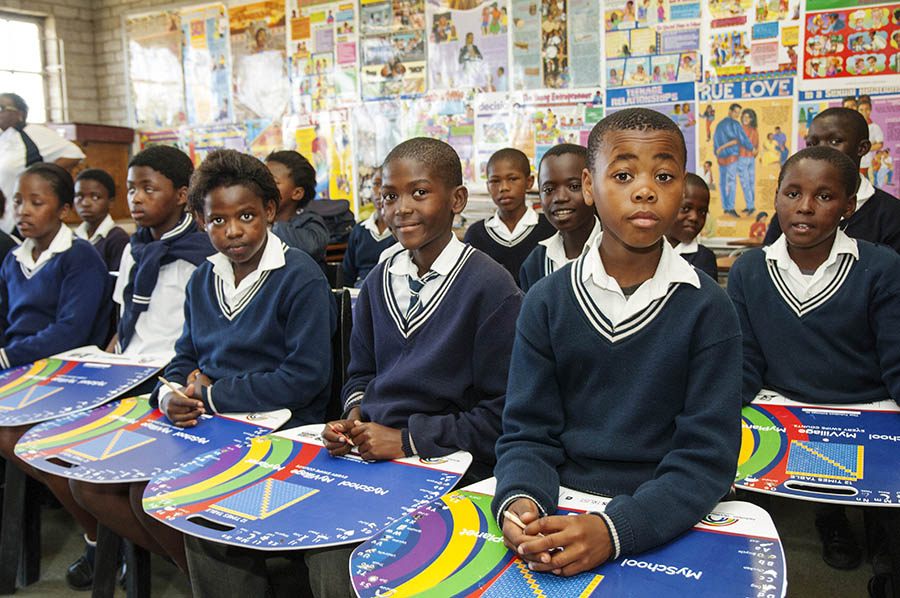
Archbishop Desmond Tutu was known for many things, but developing a school desk is not one that instantly comes to mind. Yet the “Arch” championed a campaign for many years that provides a simple writing surface for school children across Africa who have no desks.

Known as the Tutudesk, it’s proof that simplicity can sometimes be the mother of invention. While industrial designers, product developers, and impact leaders sweat over developing high-tech innovations, this simple piece of polystyrene offers children their very own workstation, creating immediate, high-impact, and positive change in an instant, under any learning conditions. The thin board is easy to carry, slides under a bed for storage, offers protection against the sun and rain, and is even used for board games and eating.

“South Africa has 12 million children in school,” says Thandeka Tutu-Gxash, the archbishop’s daughter who now runs the campaign. “Three million of those go to school without desks and as bad as that sounds for South Africa, in the rest of Africa, it’s worse. In Mozambique, they have nine million children who go to school, and out of those, seven million go to school without desks.” Tutudesks are manufactured in South Africa from recycled high-impact polystyrene, and schools are recruited into environmental campaigns that collect yogurt containers and plastic eating utensils used in producing the lap desks. Designed to last each student a minimum of five years, they are recycled at the end of their useful lives.
Imagine Simplifying Your Product for Greater Impact

Archbishop Desmond Tutu was known for many things, but developing a school desk is not one that instantly comes to mind. Yet the “Arch” championed a campaign for many years that provides a simple writing surface for school children across Africa who have no desks.

Known as the Tutudesk, it’s proof that simplicity can sometimes be the mother of invention. While industrial designers, product developers, and impact leaders sweat over developing high-tech innovations, this simple piece of polystyrene offers children their very own workstation, creating immediate, high-impact, and positive change in an instant, under any learning conditions. The thin board is easy to carry, slides under a bed for storage, offers protection against the sun and rain, and is even used for board games and eating.

“South Africa has 12 million children in school,” says Thandeka Tutu-Gxash, the archbishop’s daughter who now runs the campaign. “Three million of those go to school without desks and as bad as that sounds for South Africa, in the rest of Africa, it’s worse. In Mozambique, they have nine million children who go to school, and out of those, seven million go to school without desks.” Tutudesks are manufactured in South Africa from recycled high-impact polystyrene, and schools are recruited into environmental campaigns that collect yogurt containers and plastic eating utensils used in producing the lap desks. Designed to last each student a minimum of five years, they are recycled at the end of their useful lives.
Imagine Building a Business from Trash and Sand

“Don’t quit your day job” – or so entrepreneurs are often advised when trying to build a business.

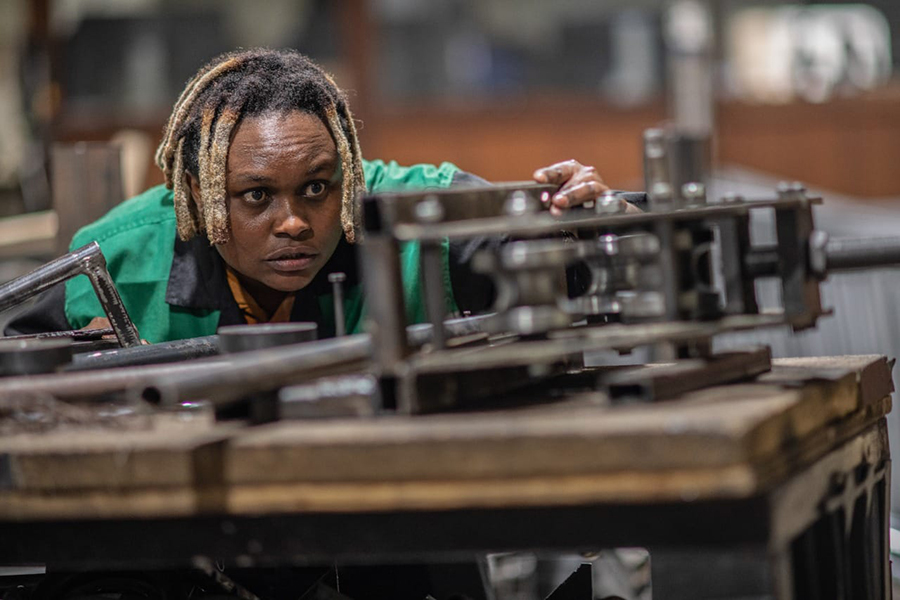
But Nzambi Matee of Kenya did quit her day job — and her social life and  invested all her savings into an experimental project in her mother’s back garden. “My friends were worried,” she admits. “Everyone thought I was crazy, and so many people told me to give up.” Matee is the founder of Gjenge Makers, a company that uses discarded plastic to produce building materials.

After noticing the volumes of plastic bags polluting the streets of Nairobi, she developed a machine that compresses a mixture of plastic and sand into bricks. Lighter and more durable than cement, they are affordable and have been used to pave walkways for homes and schools —including those in low-income areas where students would otherwise have to walk on dirt paths. Her business now produces 1,500 pavers per day, proving it is possible to move from a linear economy toward a circular one in which products and materials remain in use for as long as possible.

Imagine Building a Business from Trash and Sand

“Don’t quit your day job” – or so entrepreneurs are often advised when trying to build a business.

But Nzambi Matee of Kenya did quit her day job — and her social life and  invested all her savings into an experimental project in her mother’s back garden. “My friends were worried,” she admits. “Everyone thought I was crazy, and so many people told me to give up.” Matee is the founder of Gjenge Makers, a company that uses discarded plastic to produce building materials.

After noticing the volumes of plastic bags polluting the streets of Nairobi, she developed a machine that compresses a mixture of plastic and sand into bricks. Lighter and more durable than cement, they are affordable and have been used to pave walkways for homes and schools —including those in low-income areas where students would otherwise have to walk on dirt paths. Her business now produces 1,500 pavers per day, proving it is possible to move from a linear economy toward a circular one in which products and materials remain in use for as long as possible.

Turning Disability into Ability

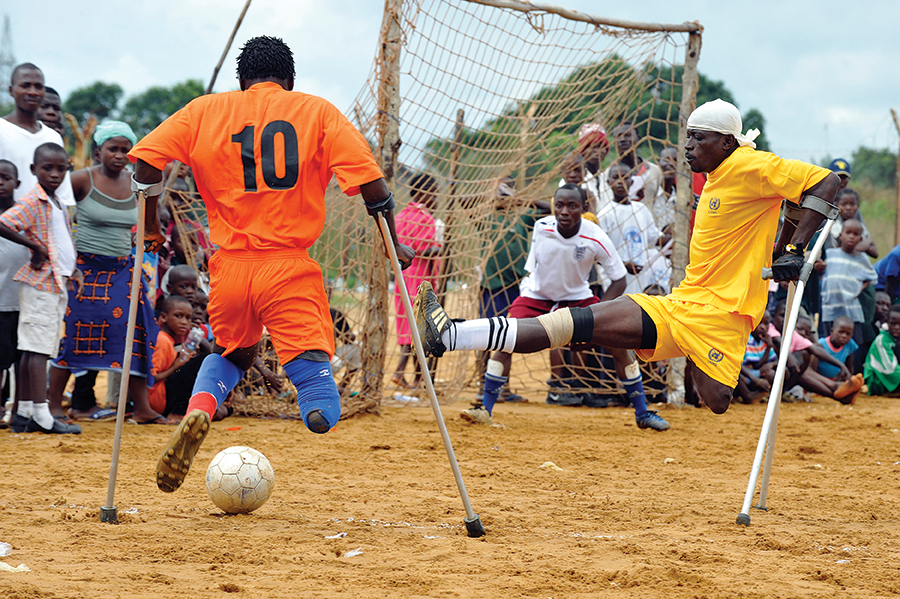
As part of activities planned around the observance of the International Day of Peace, held in September each year, amputees (above) play in a football game organized by the United Nations Mission in Liberia.

While some people see crippling disability and no economic future, others see opportunity. Some of the innovative business models built around disability have been: Training disabled entrepreneurs in emerging markets (such as online teaching, finance and tech); and businesses that advise emerging market governments on empowering their populations.

United Nations Secretary-General António Guterres has said that it’s time to seize the moment and “plant the seeds of something better and new.” Against today’s backdrop of global reckoning with disease, racism, environmental degradation, increasing cyberattacks, nuclear proliferation, political corruption, and pushback on fundamental human rights, Guterres notes that back in 1945, the delegates in San Francisco — who had also lived through a global pandemic, depression, and war — “seized their opportunity to plant the seeds of something better and new.” 

What new business ideas can you think of that embrace the times we live in?

Turning Disability into Ability

As part of activities planned around the observance of the International Day of Peace, held in September each year, amputees (above) play in a football game organized by the United Nations Mission in Liberia.

While some people see crippling disability and no economic future, others see opportunity. Some of the innovative business models built around disability have been: Training disabled entrepreneurs in emerging markets (such as online teaching, finance and tech); and businesses that advise emerging market governments on empowering their populations.

United Nations Secretary-General António Guterres has said that it’s time to seize the moment and “plant the seeds of something better and new.” Against today’s backdrop of global reckoning with disease, racism, environmental degradation, increasing cyberattacks, nuclear proliferation, political corruption, and pushback on fundamental human rights, Guterres notes that back in 1945, the delegates in San Francisco — who had also lived through a global pandemic, depression, and war — “seized their opportunity to plant the seeds of something better and new.” 

What new business ideas can you think of that embrace the times we live in?

The Power of Images: Adding Social Cause to Your Brand

Never underestimate the power of someone with a camera and a social mission.

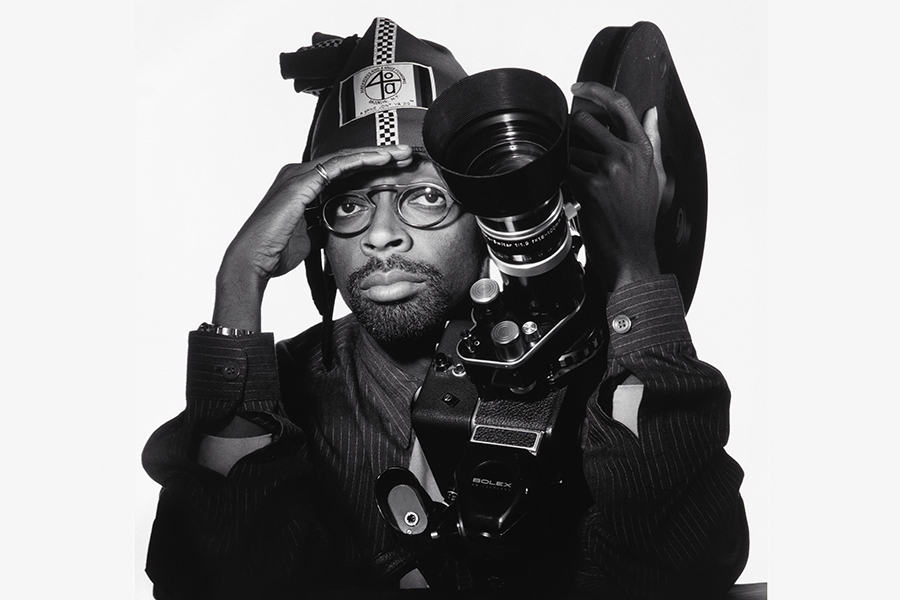
Producer, director, writer, and actor Spike Lee has been creating provocative films since 1985 that explore race relations, political issues, and urban crime and violence. His films include She’s Gotta Have It, Do the Right Thing, and BlacKkKlansman. Lee has accelerated social change by taking a deep dive into the emotional state of people experiencing tension and turned it into a masterful narrative that moves people. The next time you’re wondering how to add social cause to your company, remember that film, photography, and storytelling can play a powerful role in the construction and public perception of your brand.

The Power of Images: Adding Social Cause to Your Brand

Never underestimate the power of someone with a camera and a social mission.

Producer, director, writer, and actor Spike Lee has been creating provocative films since 1985 that explore race relations, political issues, and urban crime and violence. His films include She’s Gotta Have It, Do the Right Thing, and BlacKkKlansman. Lee has accelerated social change by taking a deep dive into the emotional state of people experiencing tension and turned it into a masterful narrative that moves people. The next time you’re wondering how to add social cause to your company, remember that film, photography, and storytelling can play a powerful role in the construction and public perception of your brand.

Imagine Consulting With Potential Customers With Physical Needs Different From Yours

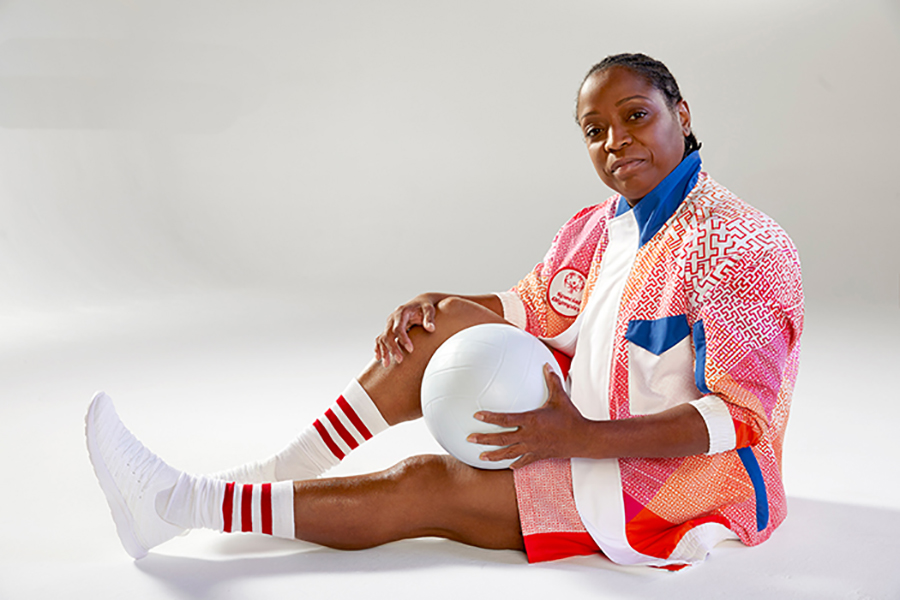
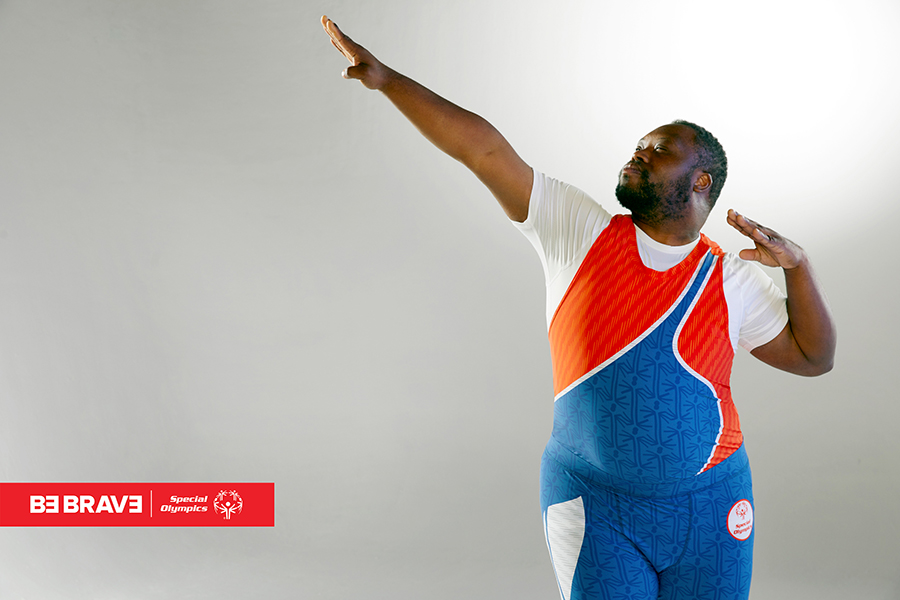
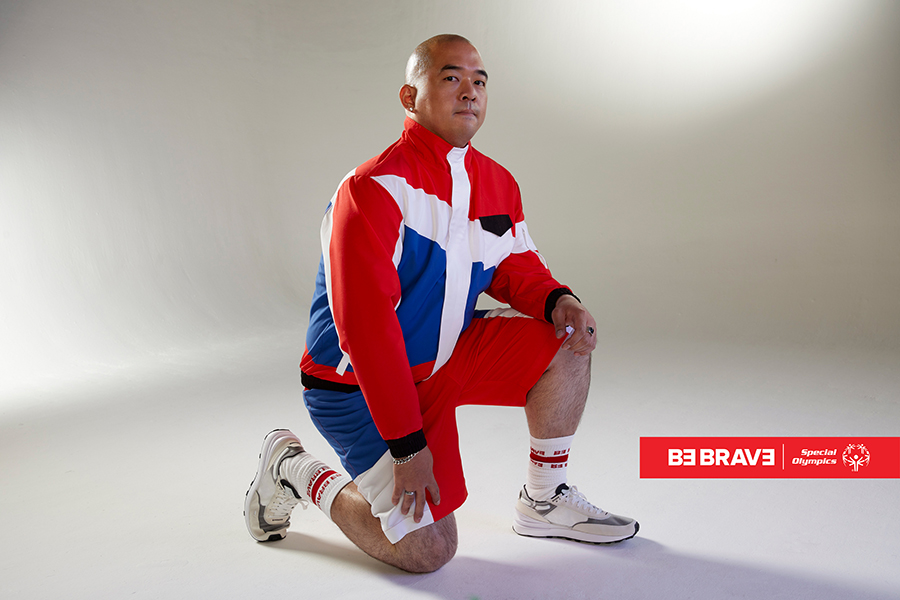
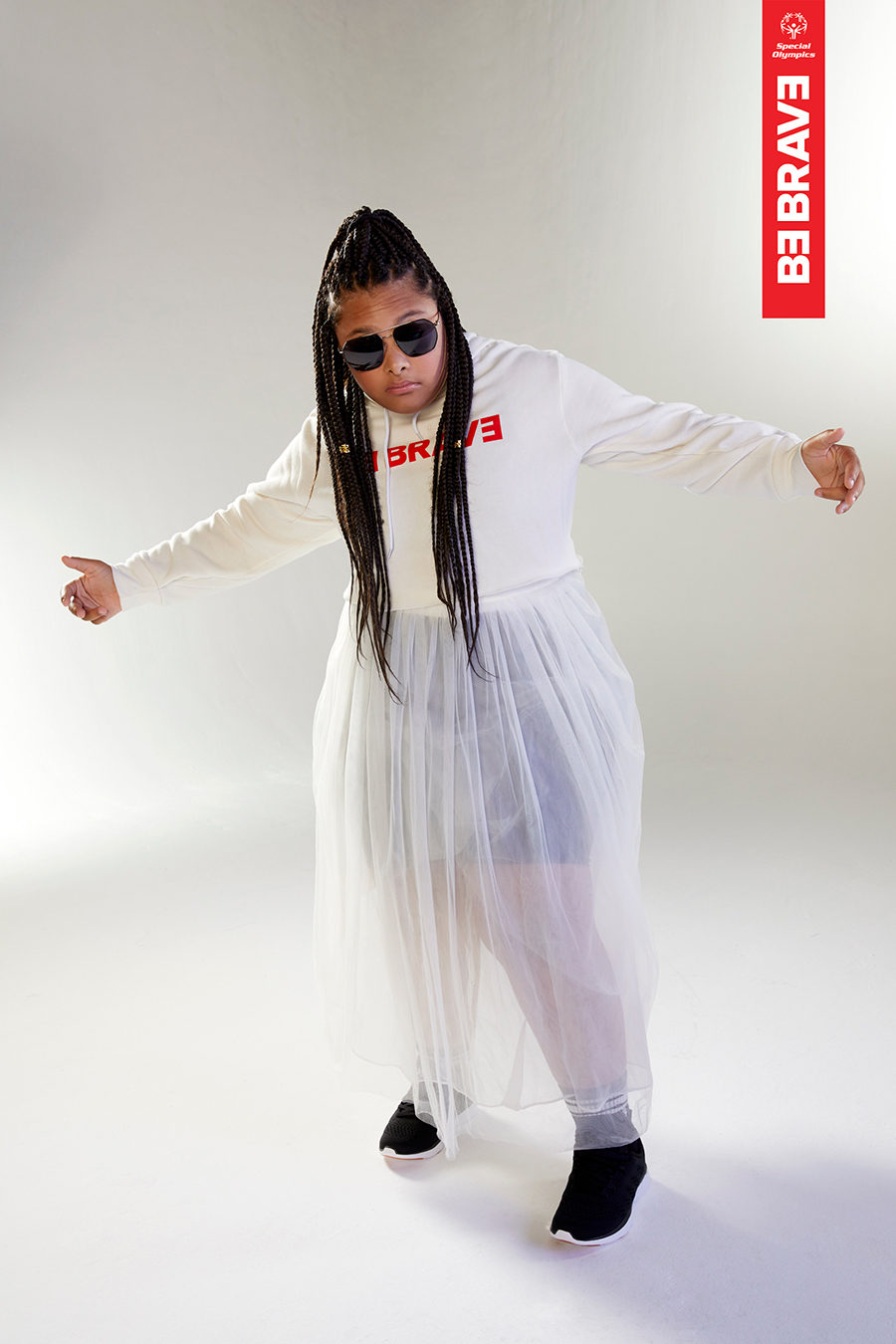
Celebrity fashion photographer and Special Olympics Champion Ambassador Nigel Barker took  photographs of four Special Olympics New York athletes. They modeled adaptable athlete/streetwear from the Be Brave collection, developed through a collaboration between Special Olympics New York and students from the Parsons School of Design.

The unique alliance paved the way for a more inclusive world for athletes and offers the next generation of designers some insight into a whole new fashion market. Through semester-long classes, design students from Parsons meet weekly with Special Olympics athletes (more recently via zoom) to plan and develop athletic gear for people with intellectual disabilities. How could you grow your market share by tweaking products for those with special needs? 

Imagine Consulting With Potential Customers With Physical Needs Different From Yours

Celebrity fashion photographer and Special Olympics Champion Ambassador Nigel Barker took  photographs of four Special Olympics New York athletes. They modeled adaptable athlete/streetwear from the Be Brave collection, developed through a collaboration between Special Olympics New York and students from the Parsons School of Design.

The unique alliance paved the way for a more inclusive world for athletes and offers the next generation of designers some insight into a whole new fashion market. Through semester-long classes, design students from Parsons meet weekly with Special Olympics athletes (more recently via zoom) to plan and develop athletic gear for people with intellectual disabilities. How could you grow your market share by tweaking products for those with special needs? 

0