Matt Damon: Lead Actor On The World’s Water Crisis

More people have access to cellphones than to clean water. This is a shocking fact in a world that has the technology and financial means to resolve one of humanity’s most basic problems, but in which we have failed to apply the solutions.

Matt Damon has taken his tough-guy, action hero character off the screen and chosen to tackle the ultimate global threat – lack of clean water. To Damon, water and sanitation are enormous problems that have a solution – they’re just not being implemented. Frustrated by what he saw on trips to developing countries, he realized that many practical solutions were already around. He found a like-minded partner and rolled up his sleeves to give the issue some attention.

Every 90 seconds a child dies from a water-borne disease,” says Damon. “This is a problem we, here in the West, solved over a hundred years ago. To put this in perspective, imagine if we cured AIDS or cancer tomorrow and in 100 years from now children were still dying in the millions from curable diseases. It’s unconscionable.” Damon founded H2O Africa to try and help, and in 2009  met Gary White, a lead advisor to major companies and organizations wanting to respond to the global water crisis. White had established WaterPartners a few years earlier. The pair decided to join forces and create Water.org.

Lack of clean water affects about 2.6 billion people on the planet. In addition to the obvious health concerns, Damon is of the opinion that we cannot solve poverty without first solving the water problem. He’s no armchair critic either, having seen the water crisis first-hand by meeting with people in different countries affected by it.

“The last time I was in Ethiopia, I was sitting over a hand-dug well and watching these children pull water out of this filthy hole. The water looked like chocolate milk,” says Damon. “We put a shot up on our website of a clean bottle of water next to one of these bottles of water to give people an idea of just how filthy the water was.”

Seeing these kids collecting dirty water in containers so they’d have something to drink during school, deeply affected Damon. Talking to some of the villagers revealed that some children had already died in the area from drinking the water.

“They were aware of the dangers, but they didn’t have a choice,” he says. “To be standing there watching these little kids, the same age as my four children, smiling and drinking something that could make them very sick or kill them was a disturbing moment. To stand there knowing there is clean water 20 ft. under your feet and those kids just can’t get to it was just unbelievable. It had a pretty big impact on me,” says the actor.

What resonates most with White is seeing people living without clean water and being forced to spend their entire day scavenging for an essential  commodity that will see them survive another day. Many people around the world find themselves in the grip of a crippling poverty cycle; a death spin they can’t possibly escape. Damon and White had seen lives change when clean water suddenly became available.

“It’s not only about children surviving but also about their hopes and dreams going forward, a chance at a real life, of getting an education,” says Damon.

“As a guy who has four daughters, this is also a huge issue for women and girls. Girls in many countries often have to leave school to go and find water, and it ends up having an enormous impact on the quality of their lives,” he says. With women and children spending 266 million hours a day collecting water and a child dying every 90 seconds somewhere from a water-related disease, there wasn’t a moment to spare.

Damon is a realist and acknowledges there’s never going to be enough charity in the world to solve the water problem. “You are never going to dig enough wells. That’s not the way to do it. What you need are smart solutions,” he explains.  One of these smart solutions was pioneered by White, who started WaterCredit. Using the ideas behind microfinance, White leverages small loans for people to be connected to a clean water source.

Purely through his observations, White realized that in many slums the municipality was pumping water right through a neighborhood to a single communal water source. This meant that residents would need to walk half a mile and sit in a line of people waiting to fill jugs and containers. Most of these people had jobs and fetching water was eating away at valuable time needed to earn an income.

“Gary figured out that the cost to directly connect to the water source could be as little as US$75. If they could secure a loan for this amount, they could connect a pipe that ran right inside their house,” says Damon. The pair genuinely feel they can help solve the water problem. Small, proven solutions can act as an inspiration to larger organizations and governments.  “It starts to get exciting when I walk down the street, and people come up and want to talk about this stuff,” says Damon.

It feels like we’re approaching a tipping point where enough people will say ‘enough’ and take action. We’re getting close, and once we get there, things are going to move very fast.” 

 

Matt Damon: Lead Actor On The World’s Water Crisis

More people have access to cellphones than to clean water. This is a shocking fact in a world that has the technology and financial means to resolve one of humanity’s most basic problems, but in which we have failed to apply the solutions.

Matt Damon has taken his tough-guy, action hero character off the screen and chosen to tackle the ultimate global threat – lack of clean water. To Damon, water and sanitation are enormous problems that have a solution – they’re just not being implemented. Frustrated by what he saw on trips to developing countries, he realized that many practical solutions were already around. He found a like-minded partner and rolled up his sleeves to give the issue some attention.

Every 90 seconds a child dies from a water-borne disease,” says Damon. “This is a problem we, here in the West, solved over a hundred years ago. To put this in perspective, imagine if we cured AIDS or cancer tomorrow and in 100 years from now children were still dying in the millions from curable diseases. It’s unconscionable.” Damon founded H2O Africa to try and help, and in 2009  met Gary White, a lead advisor to major companies and organizations wanting to respond to the global water crisis. White had established WaterPartners a few years earlier. The pair decided to join forces and create Water.org.

Lack of clean water affects about 2.6 billion people on the planet. In addition to the obvious health concerns, Damon is of the opinion that we cannot solve poverty without first solving the water problem. He’s no armchair critic either, having seen the water crisis first-hand by meeting with people in different countries affected by it.

“The last time I was in Ethiopia, I was sitting over a hand-dug well and watching these children pull water out of this filthy hole. The water looked like chocolate milk,” says Damon. “We put a shot up on our website of a clean bottle of water next to one of these bottles of water to give people an idea of just how filthy the water was.”

Seeing these kids collecting dirty water in containers so they’d have something to drink during school, deeply affected Damon. Talking to some of the villagers revealed that some children had already died in the area from drinking the water.

“They were aware of the dangers, but they didn’t have a choice,” he says. “To be standing there watching these little kids, the same age as my four children, smiling and drinking something that could make them very sick or kill them was a disturbing moment. To stand there knowing there is clean water 20 ft. under your feet and those kids just can’t get to it was just unbelievable. It had a pretty big impact on me,” says the actor.

What resonates most with White is seeing people living without clean water and being forced to spend their entire day scavenging for an essential  commodity that will see them survive another day. Many people around the world find themselves in the grip of a crippling poverty cycle; a death spin they can’t possibly escape. Damon and White had seen lives change when clean water suddenly became available.

“It’s not only about children surviving but also about their hopes and dreams going forward, a chance at a real life, of getting an education,” says Damon.

“As a guy who has four daughters, this is also a huge issue for women and girls. Girls in many countries often have to leave school to go and find water, and it ends up having an enormous impact on the quality of their lives,” he says. With women and children spending 266 million hours a day collecting water and a child dying every 90 seconds somewhere from a water-related disease, there wasn’t a moment to spare.

Damon is a realist and acknowledges there’s never going to be enough charity in the world to solve the water problem. “You are never going to dig enough wells. That’s not the way to do it. What you need are smart solutions,” he explains.  One of these smart solutions was pioneered by White, who started WaterCredit. Using the ideas behind microfinance, White leverages small loans for people to be connected to a clean water source.

Purely through his observations, White realized that in many slums the municipality was pumping water right through a neighborhood to a single communal water source. This meant that residents would need to walk half a mile and sit in a line of people waiting to fill jugs and containers. Most of these people had jobs and fetching water was eating away at valuable time needed to earn an income.

“Gary figured out that the cost to directly connect to the water source could be as little as US$75. If they could secure a loan for this amount, they could connect a pipe that ran right inside their house,” says Damon. The pair genuinely feel they can help solve the water problem. Small, proven solutions can act as an inspiration to larger organizations and governments.  “It starts to get exciting when I walk down the street, and people come up and want to talk about this stuff,” says Damon.

It feels like we’re approaching a tipping point where enough people will say ‘enough’ and take action. We’re getting close, and once we get there, things are going to move very fast.” 
 

Cecil the lion: Becoming One With Nature Doesn’t Mean Becoming An Animal Yourself

Dear Trophy Hunters,

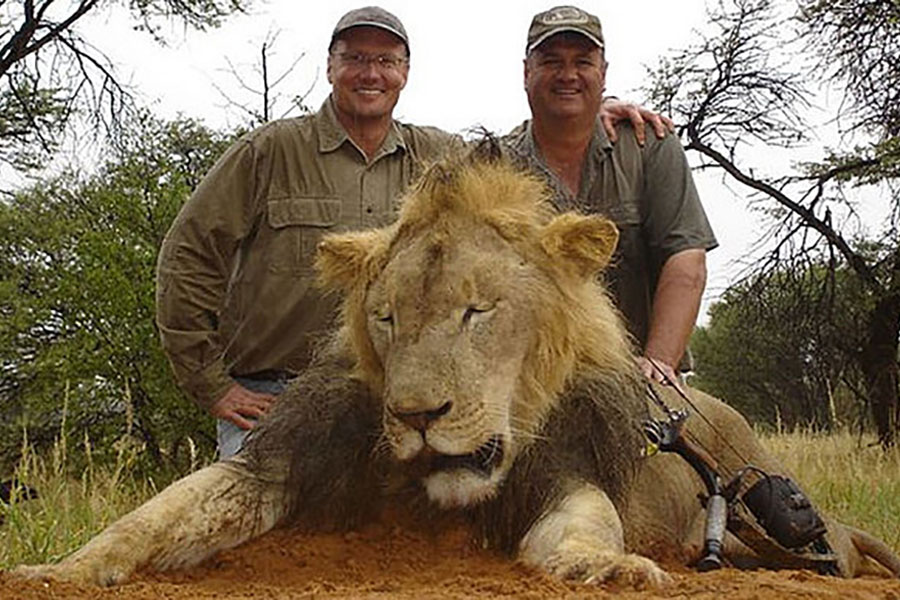
It was with great shock last week that we were subjected to yet another photograph of smiling, grown men with their arms around each other, kneeling besides a dead lion that had been propped up for the camera. It’s a common photograph, that hunters worldwide will recognize – after all, what’s the use of killing something when you can’t show a matching trophy photo to your friends back home. ISIS in Iraq and Syria have a similar strategy.

Let’s get an obvious fact out of the way first – animals die each day. Most are killed for food, others as part of a controlled conservation cull and yet others for humane reasons. Complaining about trophy hunting and getting outraged is not about some hippy, green, pacifist, vegetarian, tree-hugging agenda. It’s about a lack of respect. A lack of respect for where the world is heading right now. Everywhere we turn, we’re being told by the media to conserve water, conserve endangered species, conserve energy, conserve trees and conserve the oceans. Then we’re expected to look at majestic, beautiful African creatures covered in blood, with grinning killers standing over them, and nod approvingly?

Yes, I know Alex the lion from Madagascar is not real, and that Disney has made us believe that we can walk up to a lion and cuddle it. The outrage is less about being an ignorant city-dweller and more about the wrong message we are giving to future generations.

The message of trophy hunting is the complete opposite to the principles of caring, conservation and heritage that many organizations are working so hard to install in our kids. The world has moved on from hunters, who are not hungry, who kill wildlife because a trophy photo and stuffed head give a pump-up-my-ego moment. Trophy hunting needs to be phased out to make way for alternatives – much like the replacement of fossil fuels and CO2 emissions. “But what alternatives are there?” wail the hunters. We’ll, there are startups around the world investing millions of dollars to find new solutions to old problems. Why not join the 21st century and think like them? It might even cost you less than the $50,000 you paid for the lion hunt. 

Ultimately, trophy hunting in Africa is an ethical issue. Many wealthy Western hunters arrive in Africa  thinking that the rules are somehow “different” in Africa than from home. Maybe it’s all the misguided advertising they see, of savage beasts that will awaken their primal instincts in an untamed land. Maybe they entertain fantasies of heroism from having seen old paintings that show brave colonialists standing their ground, rifle at the ready, while a tooth-and-claw ball of fury bears down upon them. The truth is usually less glamorous: a lion that has been bred in captivity since birth is shooed out of an enclosure for the first time to get shot. You might as well have stalked and killed a kitten. Trying to prove your virility and strength by killing wildlife is very 1980s anyway. We have Viagra for that now.

Last week Arnold Schwarzenegger posted an image of himself in his heyday on Instagram with two of his bodybuilding trophies, juxtaposed with a picture of a lion. “These are trophy. This is not,” he said, referring to the lion. Sharon Osbourne tweeted about dentist, Walter Palmer, who shot Cecil the lion, “…When he dies, I hope someone mounts his ugly ass head to the wall. #WalterPalmer is a COWARD.” The truth is, public opinion is against trophy hunting, and whether you like it or not, millions of people can now sway public opinion against you very quickly on social media. Consider too, that since last week, Delta, United and American Airlines have banned the shipment of game trophies on their flights. Who would have guessed that a single, dead lion in Africa could change the policies of multinational corporations?

Before assuming that the lawlessness in many parts of Africa means that you can do what you want, consider that trophy hunting is increasingly being seen alongside other pastimes that are frowned upon. It’s no longer excusable to go to Thailand for underage sex because, “that’s what they do there.” It’s not excusable to underpay foreign workers in Saudi Arabia because, “that’s what they do there.” It’s not cool to buy products from China made from endangered wildlife species because, “that’s what they do there.” It’s also not cool to pose with a dead lion in Africa because, “that’s what they do there.” Trying to get away with your dirty habits abroad, that are outlawed at home, is just pirate tourism. It’s time to take personal responsibility for some of the world’s pressing issues and realize when you’re part of the problem and not the solution.

Arguing that only old lions, who will die anyway, are used in trophy hunting is a lie. What hunter wants to tell his mates that he walked alongside a hobbling lion with arthritis for 20 minutes before shooting it and then hanging its mangy head with missing teeth above his home bar? That would look cowardly. Hunting, conservation and trophy hunting are three different things, with trophy hunting the rotten apple among the three. Trophy hunting has become an artificially inflated industry (yes, a business!) that exists solely to enrich a few. The conservation of biodiversity has taken a back seat to the quick profits that a few high-yielding animals can offer.

Subsequently, as the outrage on social media keeps on growing, we’ve had a few other hunters pop up on our Twitter and Facebook radar. One of them is Sabrina Corgatelli, the “Italian Huntress” from Idaho, who has wondered what all the fuss is about and continues to post pictures of herself online with dead trophies. One of them show her standing proudly alongside a dead giraffe that she’s just shot. On NBC’s Today Show she defended the hunt of this large, gangly beast by saying giraffes are “very dangerous animals” that could “hurt you seriously very quickly.” I guess if you’re taunting a wild animal in it’s own territory with a Savage MK II hunting rifle (yes, even the guns have appropriate names) then you should defend yourself by any means. Just don’t post it on Facebook.


Cecil the lion: Becoming One With Nature Doesn’t Mean Becoming An Animal Yourself

Dear Trophy Hunters,

It was with great shock last week that we were subjected to yet another photograph of smiling, grown men with their arms around each other, kneeling besides a dead lion that had been propped up for the camera. It’s a common photograph, that hunters worldwide will recognize – after all, what’s the use of killing something when you can’t show a matching trophy photo to your friends back home. ISIS in Iraq and Syria have a similar strategy.

Let’s get an obvious fact out of the way first – animals die each day. Most are killed for food, others as part of a controlled conservation cull and yet others for humane reasons. Complaining about trophy hunting and getting outraged is not about some hippy, green, pacifist, vegetarian, tree-hugging agenda. It’s about a lack of respect. A lack of respect for where the world is heading right now. Everywhere we turn, we’re being told by the media to conserve water, conserve endangered species, conserve energy, conserve trees and conserve the oceans. Then we’re expected to look at majestic, beautiful African creatures covered in blood, with grinning killers standing over them, and nod approvingly?

Yes, I know Alex the lion from Madagascar is not real, and that Disney has made us believe that we can walk up to a lion and cuddle it. The outrage is less about being an ignorant city-dweller and more about the wrong message we are giving to future generations.

The message of trophy hunting is the complete opposite to the principles of caring, conservation and heritage that many organizations are working so hard to install in our kids. The world has moved on from hunters, who are not hungry, who kill wildlife because a trophy photo and stuffed head give a pump-up-my-ego moment. Trophy hunting needs to be phased out to make way for alternatives – much like the replacement of fossil fuels and CO2 emissions. “But what alternatives are there?” wail the hunters. We’ll, there are startups around the world investing millions of dollars to find new solutions to old problems. Why not join the 21st century and think like them? It might even cost you less than the $50,000 you paid for the lion hunt. 

Ultimately, trophy hunting in Africa is an ethical issue. Many wealthy Western hunters arrive in Africa  thinking that the rules are somehow “different” in Africa than from home. Maybe it’s all the misguided advertising they see, of savage beasts that will awaken their primal instincts in an untamed land. Maybe they entertain fantasies of heroism from having seen old paintings that show brave colonialists standing their ground, rifle at the ready, while a tooth-and-claw ball of fury bears down upon them. The truth is usually less glamorous: a lion that has been bred in captivity since birth is shooed out of an enclosure for the first time to get shot. You might as well have stalked and killed a kitten. Trying to prove your virility and strength by killing wildlife is very 1980s anyway. We have Viagra for that now.

Last week Arnold Schwarzenegger posted an image of himself in his heyday on Instagram with two of his bodybuilding trophies, juxtaposed with a picture of a lion. “These are trophy. This is not,” he said, referring to the lion. Sharon Osbourne tweeted about dentist, Walter Palmer, who shot Cecil the lion, “…When he dies, I hope someone mounts his ugly ass head to the wall. #WalterPalmer is a COWARD.” The truth is, public opinion is against trophy hunting, and whether you like it or not, millions of people can now sway public opinion against you very quickly on social media. Consider too, that since last week, Delta, United and American Airlines have banned the shipment of game trophies on their flights. Who would have guessed that a single, dead lion in Africa could change the policies of multinational corporations?

Before assuming that the lawlessness in many parts of Africa means that you can do what you want, consider that trophy hunting is increasingly being seen alongside other pastimes that are frowned upon. It’s no longer excusable to go to Thailand for underage sex because, “that’s what they do there.” It’s not excusable to underpay foreign workers in Saudi Arabia because, “that’s what they do there.” It’s not cool to buy products from China made from endangered wildlife species because, “that’s what they do there.” It’s also not cool to pose with a dead lion in Africa because, “that’s what they do there.” Trying to get away with your dirty habits abroad, that are outlawed at home, is just pirate tourism. It’s time to take personal responsibility for some of the world’s pressing issues and realize when you’re part of the problem and not the solution.

Arguing that only old lions, who will die anyway, are used in trophy hunting is a lie. What hunter wants to tell his mates that he walked alongside a hobbling lion with arthritis for 20 minutes before shooting it and then hanging its mangy head with missing teeth above his home bar? That would look cowardly. Hunting, conservation and trophy hunting are three different things, with trophy hunting the rotten apple among the three. Trophy hunting has become an artificially inflated industry (yes, a business!) that exists solely to enrich a few. The conservation of biodiversity has taken a back seat to the quick profits that a few high-yielding animals can offer.

Subsequently, as the outrage on social media keeps on growing, we’ve had a few other hunters pop up on our Twitter and Facebook radar. One of them is Sabrina Corgatelli, the “Italian Huntress” from Idaho, who has wondered what all the fuss is about and continues to post pictures of herself online with dead trophies. One of them show her standing proudly alongside a dead giraffe that she’s just shot. On NBC’s Today Show she defended the hunt of this large, gangly beast by saying giraffes are “very dangerous animals” that could “hurt you seriously very quickly.” I guess if you’re taunting a wild animal in it’s own territory with a Savage MK II hunting rifle (yes, even the guns have appropriate names) then you should defend yourself by any means. Just don’t post it on Facebook.


Economics of Trophy Hunting in Africa Are Overrated and Overstated

A report that analyzes literature on the economics of trophy hunting and reveals that African countries and rural communities derive very little benefit from trophy hunting revenue. The study, authored by Economists at Large – commissioned by the International Fund for Animal Welfare (IFAW), The Humane Society of the United StatesHumane Society International and Born Free USA/Born Free Foundation – originally came about in 2013 during consideration to grant the African lion protection under the U.S. Endangered Species Act (ESA).

“The suggestion that trophy hunting plays a significant role in African economic development is misguided,” said economist Rod Campbell, lead author of the study.  “Revenues constitute only a fraction of a percent of GDP and almost none of that ever reaches rural communities.”

As a portion of any national economy, trophy hunting revenue never accounts for more than 0.27 percent of the GDP. Additionally, trophy hunting revenues account for only 1.8 percent of overall tourism in nine investigated countries that allow trophy hunting, and even pro-hunting sources find that only 3 percent of the money actually reaches the rural communities where hunting occurs. While trophy hunting supporters routinely claim that hunting generates $200 million annually in remote areas of Africa, the industry is actually economically insignificant and makes a minimal contribution to national income.

“Local African communities are key stakeholders for conservation, and they need real incentives for conservation,” said Jeff Flocken, North American regional director, International Fund for Animal Welfare. “Non-consumptive nature tourism–like wildlife viewing and photo safaris–is a much greater contributor than trophy hunting to both conservation and the economy in Africa. If trophy hunting and other threats continue depleting Africa’s wildlife, then Africa’s wildlife tourism will disappear. That is the real economic threat to the countries of Africa.”

Many species suffer at the hands of trophy hunters including the African lion. The number of African lions has declined by more than 50 percent in the past three decades, with 32,000 or fewer believed remaining today. The steepest declines in lion population numbers occur in African countries with the highest hunting intensity, illustrating the unsustainability of the practice.

“Trophy hunting is driving the African lion closer to extinction,” said Teresa Telecky, director, wildlife department, Humane Society International. “More than 560 wild lions are killed every year in Africa by international trophy hunters. An overwhelming 62 percent of trophies from these kills are imported into the United States. We must do all we can to put an end to this threat to the king of beasts.”

Listing the African lion as endangered under the ESA would generally prohibit the import of and commercial trade in lion parts, and thus would likely considerably reduce the number of lions taken by Americans each year. 

“The U.S. government has a serious responsibility to act promptly and try to prevent American hunters from killing wild lions, especially when the latest evidence shows that hunting is not economically beneficial.  Listing the African lion under the Endangered Species Act will help lions at almost no cost to African communities. Government inaction could doom an already imperilled species to extinction through much of its range,” said Adam Roberts, executive vice president, Born Free USA.

There Are No Bailout Packages To Rescue Us From Water Debt

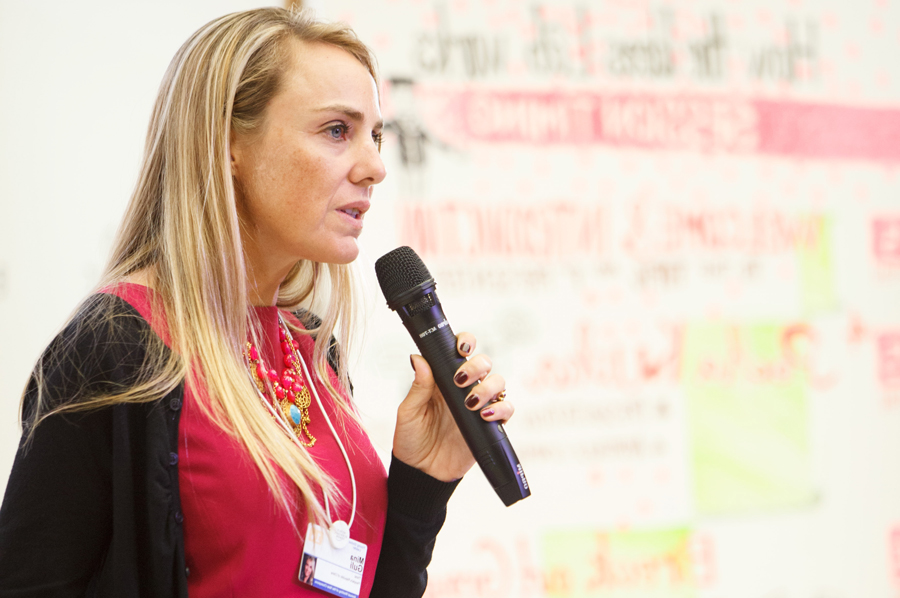
One of our keynote speakers at the East Welcomes West – Women’s Power Summit in Beijing was Mina Guli. Mina is an Australian, living in Beijing whose passion is global water awareness.

She began as an environmental attorney and moved into managing a fund dedicated to reducing greenhouse gas emissions in China. Through this work, she was nominated by the World Economic Forum (WEF) to be a Young Global Leader. At the WEF’s global conference she moderated a panel on the subject and was so moved by the impending water crisis that she decided to learn all she could on the topic and determine ways to make a difference. This ultimately became her passion and she founded Thirst, a water saving movement headquartered in Beijing, China.

As Mina Guli, explains, “Unlike energy, there are no substitutes or alternatives for water. And unlike money, there are no bailout packages to rescue us from our water debt.” The global population is consuming the world’s water supplies faster than they can be naturally replenished. Although our planet is covered in more water than land, only 2% of this water is accessible and drinkable. Within our lifetime, it is predicted that 2 in every 3 people will be without access to clean drinking water. In China alone, 300 million people are already without access to an adequate supply of water. This is not only an issue for China, but for the entire global population.

Thirst has begun educating Gen Xers in China. To date over 40,000 children in schools and students at university have graduated from Thirst’s education module. Thirst has trended as number 1 on Sina Weibo (Chinese Twitter) on World Water Day, harnessed media coverage with a readership of over 65 million people and gained more than 250+ million impressions from major Chinese news portals. Recently, 1,967 students helped set a Guinness World Record for the largest human water dragon to help build worldwide awareness!

I learned that 90% of water in China’s cities is polluted and was surprised to also learn that over 45% of streams and 47% of lakes in the United States are polluted as well. Living in southern California, I experience first-hand the effects of drought and know this is an issue that affects all of us.

Personally, Mina has competed in several challenging runs to raise awareness for this issue. Her next challenge is to run some of the most difficult deserts in the world to raise awareness for this issue. She announced her intention to run 7 deserts on 7 continents ending in Death Valley in California at our conference. I look forward to meeting Mina in California when she comes here to compete and will support her efforts through Thirst in the meanwhile.

Please join me, visit thirst4water.org or contact Mina Guli at mina@thirst4water.org for more information.


Shania Twain Admits to Faking It. You Should Too.

  • An innovative conservation idea – replace real leopard skins with realistic fakes.
  • It now takes $30 to save a leopards life and saves traditional community members up to $700.
  • Panthera’s business model offers an alternative to the “no” messages of mainstream conservation.
  • Getting buy-in from influential leaders, brands and celebrities can help further a cause.

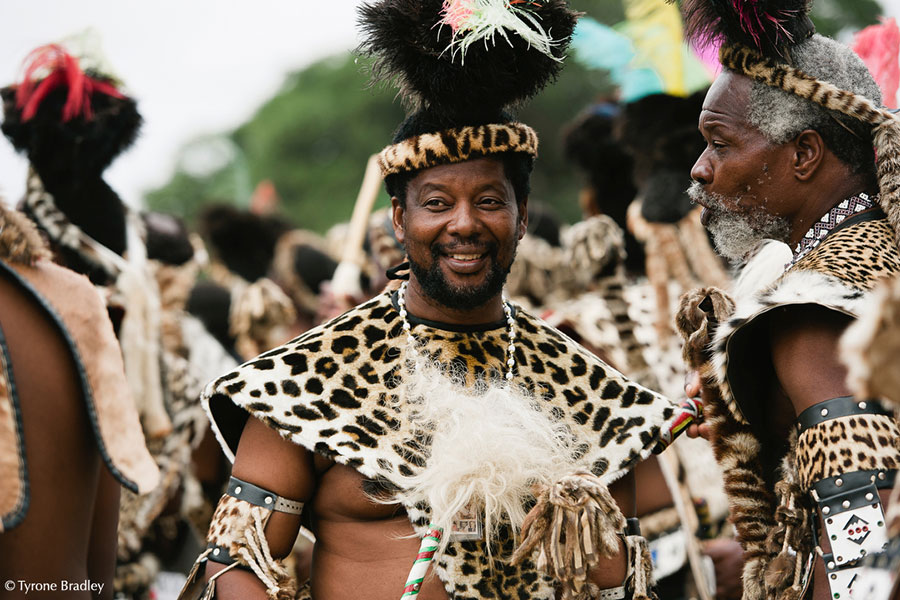
“Fake it until you make it,” is a phrase you’re more likely to hear from an upwardly mobile millennial than a South African Shembe Church member. But if you venture to the eastern regions of this country that is exactly the type of comment you might hear from a man wearing a leopard skin cape. And he’s not Kanye West either.

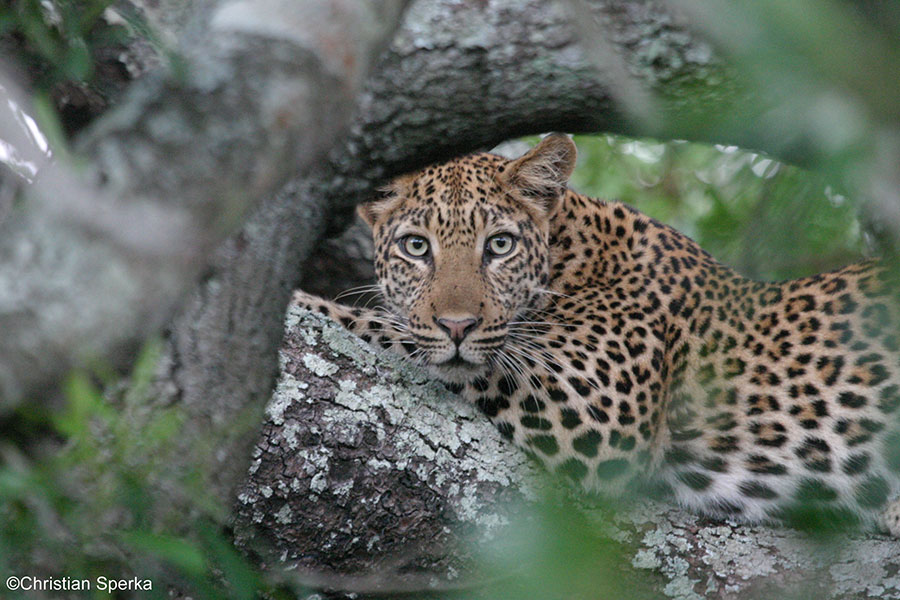
In southern Africa, leopard skins are coveted by members of the Nazareth Baptist ‘Shembe’ Church who wear the furs during religious celebrations and ceremonies. Unfortunately, thousands of the world’s most persecuted big cats – the leopard (often mistakenly called the panther) must die to supply these skins. Panthera, a wild cat conservation organization has come up with an innovative solution to save these indigenous leopards and offer an alternative to a demand that shows no signs of slowing down.

The solution? Fake leopard skins.

Shania Twain has just been named a Leopard Ambassador for Panthera and is proudly sporting her fake spots at every opportunity. “We want to capitalize on the fact that people everywhere are wearing more leopard print than ever, but so few know what’s actually happening to them in the wild,” says Twain.

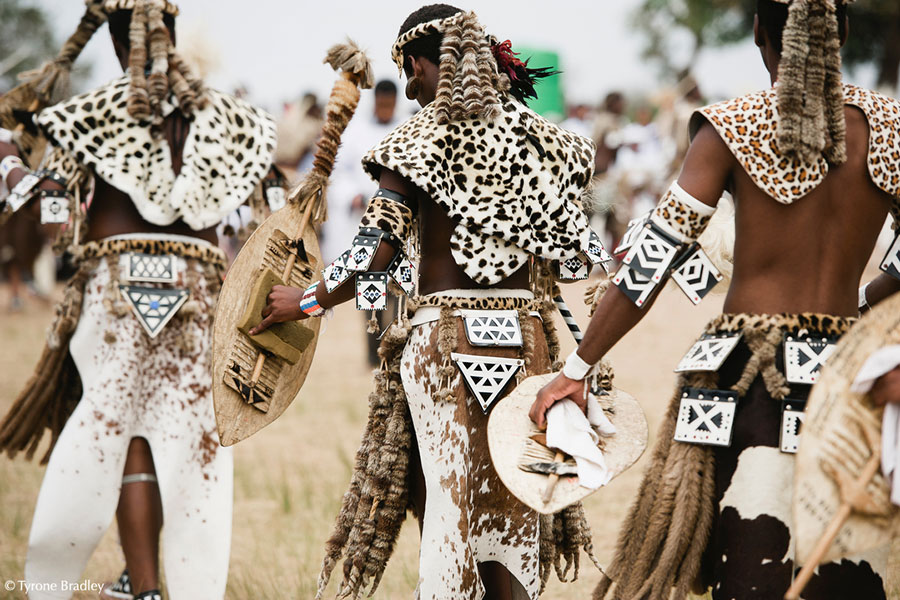
While many consider fakes a scourge and detrimental to the bottom lines of popular fashion brands, Panthera has embraced it wholeheartedly by establishing the Furs for Life Leopard Project, a global wild cat conservation organization that has partnered with luxury brand Cartier and the Peace Parks Foundation to protect and revive southern Africa’s leopard populations. Fake leopard skins, made in China, are donated to Shembe community members, who are delighted at the realistic manufacturing – almost indistinguishable from the real thing.

The sophisticated equipment needed to create the fake skins was not available in South Africa and the team needed to look abroad. In an ironic twist, a country known best for exporting fake goods and importing endangered wildlife products, ended up providing a solution that protects the African leopard.

panthera-1

Panthera Leopard Program director, Guy Balme, reckons there are around 20,000 illegal leopard skins in circulation in Southern Africa and Panthera decided they needed to introduce a similar quantity into local communities by the close of 2017 to create meaningful impact. “The species has vanished from nearly 40 percent of its habitat in Africa and over 50 percent in Asia,” explains Balme. And it’s their beauty that is partly responsible. While leopards are also in jeopardy from loss of habitat and conflict with people, the demand for their skins is one of the main causes of their decline.

“We decided to collaborate with digital designers and clothing companies to create a high-quality, durable and realistic fake leopard fur cape, known as an amambatha,” says Balme. A real leopard skin can cost up to $700 while the fake Panthera alternative costs $30. They are now collaborating with church leaders to encourage their members to use these sustainable fake capes at religious ceremonies and to date, more than 7,000 fakes have been donated to members throughout South Africa.

It hasn’t been without its problems. “The first batch from China arrived with red leopard spots because the manufacturer ran out of black ink,” says Balme. “Amazingly, this batch has become quite coveted among the Shembe, who wear the skins as if it’s a limited edition fashion rage,” he says. “The original idea came from observing how poorer Shembe members used goat skins with painted spots as a substitute,” says Balme. “We knew that a more authentic looking replica would easily be adopted.”

The fakes look and feel like real leopard skin and last longer (they are even machine washable). However, the already established value of real leopard skin was a problem from the start. “Panthera originally hoped to sell the fake skins at cost to the church leadership, assuming they would mark it up with a small margin and sell it on to their congregation,” says Balme. On a visit to one of the gatherings Balme was shocked to discover that the $30 furs were being sold for up to $200. Predictably, the stock was not moving very fast. The alliance with Cartier and The Peace Parks Foundation, an initiative to create wildlife conservation areas that ignore political borders, has now allowed thousands of furs to be distributed for free. At $30 per leopard saved it’s a steal.

sperkaleopard

“It’s very rare in conservation to have a business solution such as this,” explains Balme. “We usually have to appeal to peoples’ conscience or compete for dollars with dozens of other conservation efforts around the world.” Balme attributes most wildlife conservation problems to food security and overpopulation and knows that economic solutions for local communities will ultimately win the battle. Evoking sympathy and tears for a dead leopard will not.

A global operation to save endangered wild cats needs people on the ground in the affected areas and the organization has developed a network of specialists – all with the vision of conserving big cats for future generations. A leadership team of eight works with six Species Directors, who in turn work with nearly 50 field staff across the world.

panthera-2

Panthera is the brainchild of founder Thomas Kaplan, who has had a fascination with wild cats and their conservation since childhood. His single-minded pursuit is to identify all the key hurdles facing cat conservation globally and find solutions for them. It’s no small task and he’s fond of quoting American broadcast journalist Edward R. Murrow: “Difficulty is the one excuse which history does not accept.” Last year Kaplan arranged the signing of the Global Alliance for Wild Cats. Along with his wife, Daphne, he signed a pledge that saw each member give $20 million to Panthera. The high profile members, have created a unique coalition of Gulf Arabs, Chinese, Indians and Americans that have united in a common cause to change the face of cat conservation forever.

A social media and fundraising campaign, #ifakeit, is raising global awareness around the plight of leopards and Panthera have set their sights on countries, such as India, Nepal and Zambia – where a similar cultural demand exists for leopard skin. Their business model is an easy one to scale because it’s based on the swapping out of an existing product, rather than on the outlawing and denying of something.

The leader of the predominantly Zulu party in South Africa, Mangosuthu Buthelezi, has been convinced of the merits of the program and has pledged his support, along with other dignitaries. While some Shembe are likely to continue their traditional ceremonies as they have for the past hundred years, unfazed by the authenticity of their outfits, many others have thankfully realized that by “faking it” they’re helping bring the leopard back from the edge of extinction.

Sustainable Harvest Brews Relationship Coffee

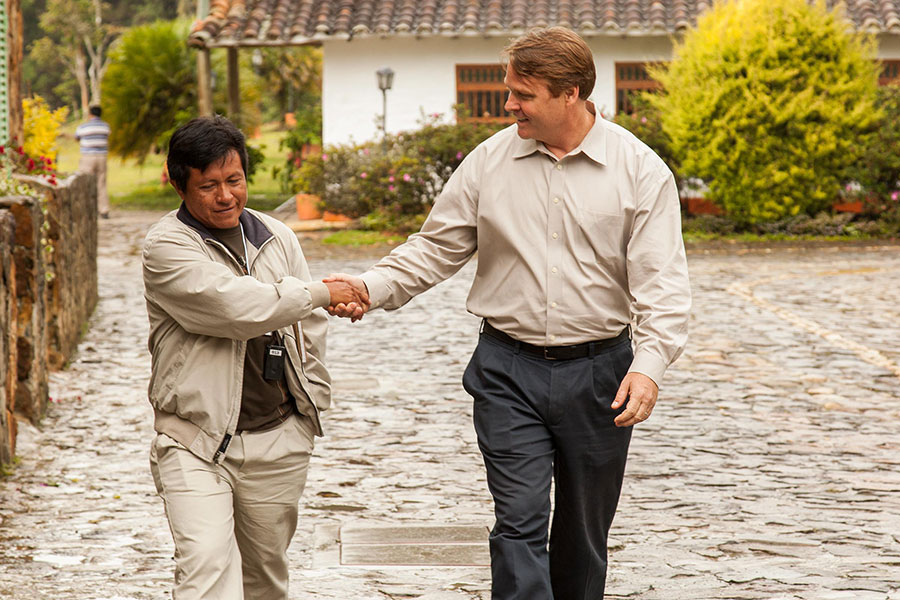
Coffee is a global product with billions of cups being drunk daily around the world. While most people appreciate their coffee as a secondary focus to reading their morning newspaper or as the backdrop to a great conversation at a coffee shop, David Griswold (pictured above, right) decided there were too many unnecessary middlemen involved in getting that cup of coffee to your table – many with a vested interest in keeping the supply chain opaque as a way of maximizing their profits. This moment of realization started with a knock on his door in 1989. Griswold was in Mexico City and a volunteer for the National Coordination Body of Coffee Farmer Cooperatives, his personal goodwill mission as a volunteer in the developing world before returning to the U.S. to get a master’s in business administration.

He had been hoping to answer a question that he’d been pondering over for a while: What work could I do to make a difference in the world? Griswold opened the door to find a man with deep lines etched in his leathery face.  “He introduced himself as Pedro and at once thrust a plastic bag of coffee still in parchment into my hands,” recalls Griswold. “I have come from an ejido (communally owned land) in the state of Nayarit,” he began, “on behalf of 40 families who grow coffee.

We are told we have very good coffee. Can you help us find a way to sell it?” There was a note of cautious optimism in his voice. The Berlin Wall had just fallen in the West and in Mexico coffee prices had tumbled too because the Cold War coffee quota and pricing system run by the International Coffee Organization was no longer in place. Coffee prices had held firm for decades through a managed supply-demand system, but that had just ended.

As a result, prices went into a tailspin, dropping from $1.20 a pound to below $0.50. Griswold’s year of relaxed pondering was about to end. When he examined the coffee beans that Pedro had brought, he immediately saw that they were still in parchment: a peanut-like layer around the coffee seeds – inside which are the beans that are later roasted. Griswold knew little about coffee, but he knew that receiving un-milled coffee beans as a sample was something a coffee broker in New York would reject outright. “He didn’t know how to prepare the coffee sample for the American coffee market and I realized these farmers needed to understand the rules of engagement in a global market,” says Griswold.

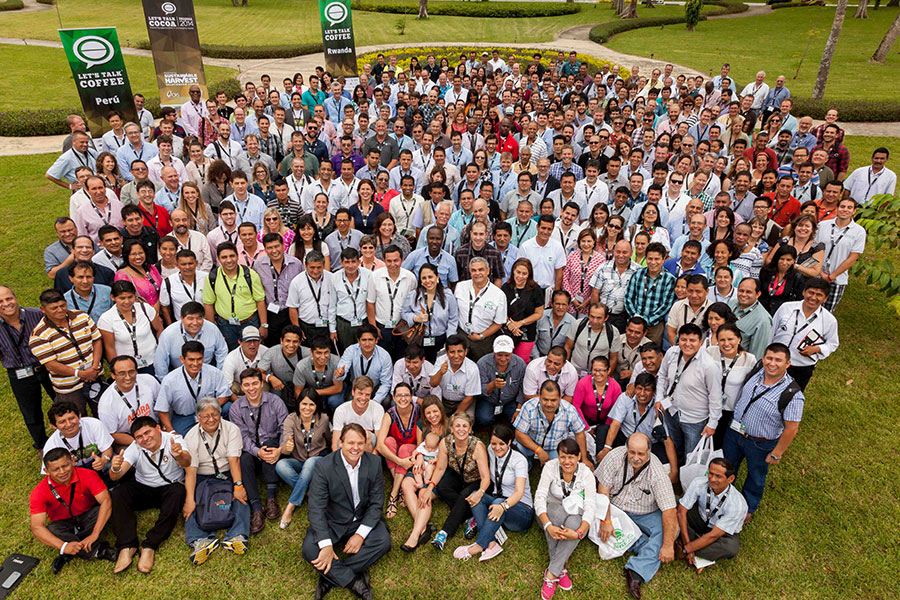
As Griswold thought about Pedro’s question, he saw a path for his future come into focus. “At that time I I did not have a clear vision for my life’s work,” he says. “In asking his question, Pedro had answered mine. I knew then I would spend my life helping farmers find a sustainable market for their coffee and teaching them to succeed in supplying that market.” Lets-Talk-Coffee

And so Relationship Coffee was born, a direct trading relationship model far ahead of its time. The business ethos aimed to understand coffee farmers’ point of view while giving them tools to better understand the market. Griswold had no earlier coffee or business background, so intuitively he established an environment of transparency that included all parties in the supply chain. It was an unheard-of business model in a volume-driven commodity world where a single-cent-per-pound differential could make the difference between a sale and a year of unsold product.

But his idea of full transparency was a leap of faith that has paid off hugely: Sustainable Harvest is now the largest organic fair trade coffee importer in North America. Consumer awareness around coffee has grown immensely in recent years, and the beverage is already a mature industry within the sustainability sector compared to many other commodities.

Today, the transparency that Griswold started in the early years has resulted in actual Facebook relationships between farmer and consumer. “At the outset people didn’t know who they were selling to and people didn’t know who there were buying from,” says Griswold. “Coffee is a little like wine, it’s something that people have become fascinated with and want to know more.” He points to the fact that when he started 25 years ago, coffee was simply “coffee.” No statement of origin, no fancy names and no branding with long stories of how it came about. George Clooney had yet to become the face of Nespresso and restaurant menus had yet to develop tongue-twisting lists of exotic-sounding varieties of Arabica coffees.

Coffee has historically been associated with social discourse. During the French and American Revolutions people had heated conversations in coffee houses, that would later form into political movements. Griswold is of the opinion that the close tie between social debate and coffee originally made the industry one of the first to inspect global supply chains. “Our most useful tool was building an iPad application that allowed farmers to taste coffee and share their results with their customers thousands of miles away. It’s called Tastify®, and it develops a common language of taste that is highly visual and can be translated into a language of their choice,” says Griswold.

A Tastify workshop, held anywhere in the world, can capture the coffee cupping (tasting) notes and make it available in multiple languages for the benefit of tasters in other countries. Has it paid off financially? “Yes it has,” says Griswold. “It’s not as profitable as being involved in traditional importing though. If you look at the value chain of any commodity the importing part will never be the most profitable.”

sustainable-harvest coffee

While companies might net 7-10% in profit, Griswold expects to only gross that amount and net around 1%. But that is fairly standard for commodity importers and why only big companies tend to survive. “We’ve still stayed in business,” he says. “We’ve been profitable for the last 15 years and been growing fast.”

His modesty stops him from mentioning that Sustainable Harvest has also made the Inc. 5000 list for the last five years, an amazing accomplishment when considering that Griswold reinvests up to half his budget back into training programs and offices at origin to help coffee farmers. “I wanted to share back more than just a tiny amount of pre-tax profit towards training farmers,” he says “For me it’s not a corporate social responsibility donation, but rather a central part of our mission. It’s a big part of why we’re still in business today. “Cost and production is often not covered along the way,” says Griswold.

“It’s impossible to make long-term investments in the current coffee market. Everybody’s wondering how to change something as big as global agriculture and make it better for the growers. I only know from my own experience, but what I’ve learned is that to solve big problems, you have to do it one relationship at a time.”

Earth Day 2015: 33 Commitments to Solve Climate Change

Critical Commitments Announced to Audience of Over 250,000 on the National Mall Washington D.C., April 19, 2015 – On Saturday, April 18, 2015, Earth Day Network and The Global Poverty Project hosted Global Citizen 2015 Earth Day on the National Mall in Washington, D.C. Global Citizen 2015 Earth Day, which celebrated achievements made and confronted challenges still facing the world toward solving climate change and ending extreme poverty, featured performances by Usher, Fall Out Boy, Mary J. Blige, Train, My Morning Jacket, Common, D’Banj, Fally Ipupa, Vixx, Roy Kim, and a finale by No Doubt.

Throughout the day, more than a quarter of a million people packed the National Mall and over two million watched live via YouTube. The event brought together global policymakers, finance ministers, environment and development NGOs, industry executives, and high-profile artists, all working to educate and inspire citizens to take immediate action to protect our planet and its people. The event was timed to coincide with the IMF/World Bank Spring Meetings – the only time world leaders would be in one place before September when they will set the world’s sustainability agenda at the UN General Assembly. Global Citizen 2015 Earth Day was a call to ensure that these world leaders act now to both address climate change and end extreme poverty.

The day’s event is a further testament to the idea that when citizens coalesce around a united goal, our world leaders pay attention. World leaders, corporate innovators, and other dignitaries announced 33 critical commitments on stage to end extreme poverty and solve climate change. Notable commitments made at Global Citizen 2015 Earth Day are outlined below:

WORLD LEADER MESSAGES ON SOLVING CLIMATE CHANGE AND ENDING EXTREME POVERTY

International Monetary Fund (IMF), Managing Director Christine Lagarde Quote: “At the IMF, 188 Ministers of Finance and Governors of Central Banks heard a big noise, and it was you. I’m here to give you a piece of good news – because they heard you, they are committed to ending poverty and financing development.”

United Nations, Secretary-General Ban Ki-moon Quote: “Will you support women’s empowerment? Will you speak up to bring all the children to school? Will you raise your voice for people and our planet? It’s our best chance to end global poverty. It’s our last chance to tackle climate change before it is too late. You have the power. Your generation can make it happen. Be a global citizen. Take your passion and compassion to make this world sustainable, prosperous. And, let’s make that our global reality!”

World Bank Group, President Jim Kim Quote: “Each person must do their part. We need engineers and entrepreneurs, we need doctors, we need lawyers, artists, teachers, we need students and activists – we need YOU. We are the first generation in human history with the opportunity to end extreme poverty.”

Sweden, Minister for International Development Cooperation and Minister for Foreign Affairs Isabella Löven Quote: “Bono actually dedicated his song One – to Sweden. Because Sweden gives one percent of our Gross National income to international development aid. And I’d like to take the opportunity here to make a recommitment on behalf of the Swedish citizens, of giving one percent of our Gross National Income to development assistance! And I hope other countries will follow as well.”

Organizer of the first Earth Day in 1970, Denis Hayes Quote: “Climate justice is THE issue facing this generation. Ruthless, powerful carbon companies are buying votes and lying like the cigarette industry did for so long. So far, they are winning. The main power on the other side is you—you and billions of other people who actually care about tomorrow.”

EDUCATION

Denmark’s Minister for Trade and Development Mogens Jensen committed an additional US $60 million to the Global Partnership for Education for 2015 – an increase of over 30%. Belgium’s Vice-prime Minister and Minister for Development Cooperation, Digitization, Telecommunications and Postal Services Alexander de Croo committed 50% of his country’s foreign aid to the world’s least developed countries, and also committed an additional €36,000,000 between 2015 and 2019 to Global Partnership for Education. This commitment is set to affect more than 300,000 lives.

In partnership with President Clinton and the Clinton Global Initiative, the Hult Prize has invested $25 million dollars in the next generation and mobilized hundreds of thousands of youth to solve our planet’s most crippling challenges through new and innovative business approaches that are both profitable and sustainable. Quote: “Today, we are excited to announce an incredible new partnership with Earth Day Network enabling 500,000 high school students from across the world to dream up innovative ideas and global solutions. We will pair their ideas with a million dollars of seed funding so that these students, our future, can make their dreams of a better world a reality.” – Ahmad Ashkar, CEO, The Hult Prize

WATER AND SANITATION

The World Bank Group’s Senior Director of its Global Water Practice, Junaid Ahmad, said it is on track to provide US $4 billion by September to support countries like India, Pakistan, Nepal and Haiti with water and sanitation efforts. The First Lady of Malawi, Gertrude Maseko Mutharika, presented a strong call to action through the Women on Water and Sanitation Declaration, signed by prominent women from around the world including CEOs, prime ministers, other first ladies and celebrities like Freida Pinto. Dutch Minister for Foreign Trade and Development Cooperation, Lilianne Ploumen announced a new commitment to reach 30 million people with water and another 50 million people with clean toilets.

FOOD SECURITY

US Representatives Betty McCollum (D-MN), Ed Royce (R-CA), Dave Reichert (R-WA), and Senator Isakson (R-GA) announced their support for passing the Global Food Security Act through Congress. Congressman Ed Royce, Chairman of the House Foreign Affairs Committee, committed to mark up the Global Food Security Act. Quote: “Next week, when the Foreign Affairs committee votes on the Global Food Security Act, we’ll get a second chance. And with your help we can get this important bill through Congress and to the President’s desk without further delay.”- Representative Ed Royce Via video message, Federal Chancellor of Germany Angela Merkel committed to put food security on the agenda for the G7 Summit.

HEALTH

The Obama Administration committed to provide $126 million dollars to Ebola-affected countries – Liberia, Sierra Leone, and Guinea – to improve health care. Norway’s Foreign Minister Børge Brende pledged US $12 million over four years to aid pollution reduction. This commitment is expected to affect the lives of 42 million people.

POLITICAL ACTION

The NAACP Voter Fund, Southwest Voter Registration Education Project (SVREP), League of Conservation Voters (LCV) and Earth Day Network (EDN) commited to registering one million new climate voters for the 2016 election. Quote: “Through the Million Climate Voters Campaign we will empower our communities to fight for real climate change legislation, and give more people a stronger voice in our democracy. One Person. One Vote. Money Out. Voters In.” – Greg Moore, Executive Director, NAACP Voter Fund.

MARINE PROTECTION

Over 80% of marine debris is plastic. Worldwide, we throw away 50 billion plastic bottles every year and 80% of them still end up in landfills and then our oceans where they take over 450 years to degrade. Quote: “We cannot sit by and watch this crisis unfold. We have to change the way we interact with plastics, redesign greener products and rethink our waste practices to ultimately clean-up our oceans. Over the next four years, my organization will commit over $200 million dollars to ocean and coastal issues. But we can’t do this alone. We need your commitment to be part of the solution to reduce, reuse and recycle our plastics. It all starts today, with your plastic bottle. Join us!”

ENVIRONMENTAL AWARENESS

Rovio Entertainment, whose Angry Birds game has been downloaded 2.8 billion times, in cooperation with the Earth Day Network, announced Angry Birds’ “Champions for Earth.” Quote: “I am now committing, on behalf of Rovio and Earth Day Network, to bring an amazing game experience to Angry Birds in time for Climate Week and the UN General Assembly in September. Stay tuned, get ready!” – Patrick Liu, Creative Director, Rovio Entertainment.

ENVIRONMENTAL SERVICE

40 million young people – boys and girls – from 223 countries and territories around the globe are Scouts. By learning to live with nature, Scouts are on the front line taking action to protect it. Quote: “I stand before you today to declare, with confidence, that Scouts worldwide will log an additional one billion hours of community service, including planting trees, over the next five years.” – Scott A. Teare, Secretary General, World Organization of the Scout Movement The proud partners for Global Citizen 2015 Earth Day included Caterpillar Inc., Citi, CJ Corporation, Toyota, iHeartMedia, Clear Channel Outdoor, MSNBC, YouTube, Google, Alcantara, and Connect4Climate.

Content was presented in partnership with the World Bank Group. Published on EarthDay.org

Celebrities Work Towards A More Sustainable Fashion Future This Earth Day

After learning the staggering fact that the vast majority of fabric can be recycled, yet 85% of all textiles end up in landfills each year, H&M became the first fashion company to launch a global garment collecting initiative. With the aim to minimize waste going into landfills by finding a solution to reuse and recycle textile fibers for new use, all donated clothing is sent to a recycling facility where they will be given a new life. Since the launch in 2013, almost thirty million pounds of product has been collected. H&M offers garments in every category made from more sustainable materials.

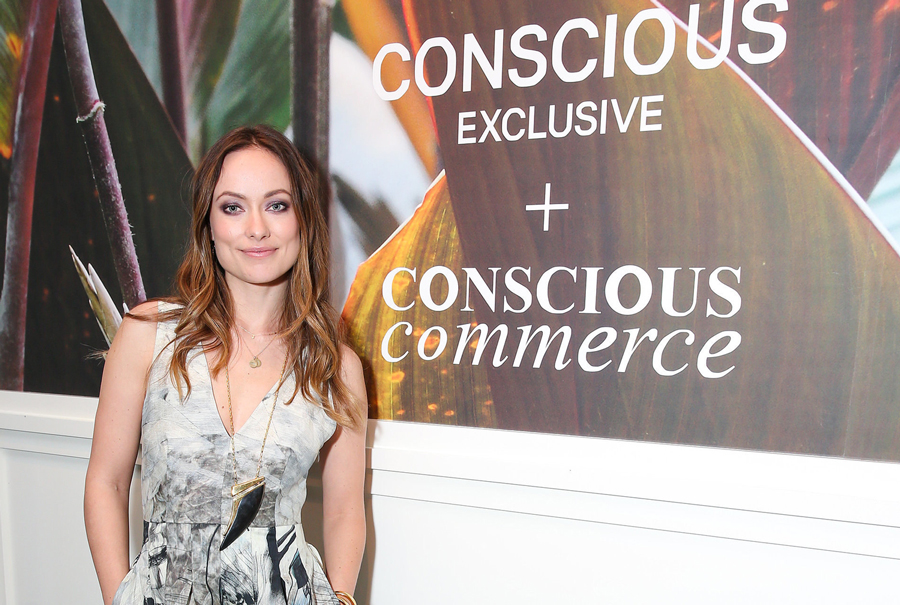
As the world’s number one user of organic cotton, the brand is consistently evolving to source new materials and innovative processes. New fabrications such as PET bottles turned into recycled polyester, and assessments on methods such as testing and using less energy and water to create capsule collections such as H&M’s Conscious Denim collection, all work together to create a positive impact on our planet. Most recently highlighted is H&M’s fourth Conscious Exclusive collection fronted by actress and humanitarian Olivia Wilde, which launched in stores on April 16th.

The limited-edition collection, which embodies details derived from global influences and cultures, is made from more sustainable and recycled materials including recycled sequins and beads, recycled silk, and Tencel/Lyocell. Coming off the heels of the release of the brand’s thirteenth Sustainability Report, everything that the brand does must be run in a way that is economically, socially, and environmentally friendly.

Focusing on the desire to increase the use of renewable energy and recycled materials, H&M’s goal is to make more sustainable fashion choices available, affordable, and attractive to as many people as possible.

0