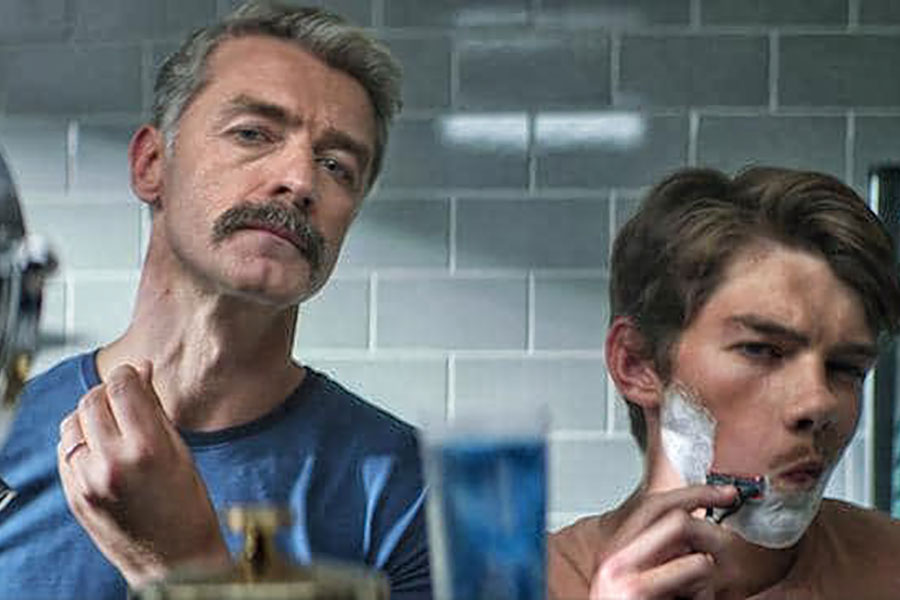
Gillette’s Brave Message Lacks Action. Here’s How They Can do More

The “shiny red object” in marketing these days is “adver-activism.” This development is inspiring creatives around the world to consider social issues central to their campaigns.

While exciting that advertising agencies are convincing clients to jump into the often-roiling waters of hotly-debated social issues, the new Gillette ad (or “short film,” according to the brand) shows that social purpose should not be left just to creatives: 

https://www.youtube.com/watch?v=koPmuEyP3a0

I commend Gillette and its parent Proctor & Gamble, who want to use their brands for good: “Media companies can and should have a purpose, identifying areas where the company can have a voice that makes a difference while building the business,” said Marc Pritchard, Chief Brand Officer of P&G.

Beyond relevance with today’s zeitgeist and the desire from Millennials and Gen Zs for brands to contribute to society, it’s also likely that P&G wants to challenge purpose-brand leader Unilever through provocative communications and innovative products.

So, reactions to the new Gillette campaign? Brilliant? Horrible? As I write, there are more than 11 million views, 625k dislikes, and 250k likes on YouTube with social posts ranging from praise to abuse and outrage:

“For their 30th… this commercial is awful,” said a post. “It is dripping with contempt for men and upholds ridiculous [stereotypes].”

“It’s a massive conglomerate selling frivolous throw-away plastics at ridiculously over-inflated prices. Please don’t get too evangelical over their desires to sell more. The fashion for loading brands with profound political & cultural resonance is nauseating in the extreme.” (That comment has 108 likes so far).

And it’s a big flashing red light to other marketers who attempt to navigate social activism.

Gillette is a smart marketer. The brand knew the ad would provoke controversy and lots of conversation – and it seems that conversation is what they were aiming for. Elena Valbonesi, Gillette’s and Venus’s European shave care director, stated that the divisive U.S. campaign marked “another step” for Gillette in its global mission to help men work towards their personal best. “When we look at the younger generations, they ask more of brands than just selling them a product,” said Valbonesi. “They appreciate Gillette meaning something to them. That’s exactly what we wanted to do and keep doing in the future.”

Talk and controversy can spark change. But Gillette should do more if it truly wants to drive behavior change related to toxic masculinity. (Perhaps they and others can benefit from Unilever’s booklet, The Five Levers for Change).

How is Gillette’s provocation – what it means to be a man – sustained through actions to have a real impact?

Gillette committed to give $3 million over three years to the Boys and Girls Clubs of America (BGCA) is commendable, but it’s a tiny drop in the bucket. More, it doesn’t seem strategic enough to support impactful programming directed at creating change.

Don’t get me wrong. I love BGCA. But where is the sizeable $10+ million X-prize type challenge to uncover new solutions and drive new behaviors? Let’s unite creatives and ad strategists with social purpose experts, all on equal footing regarding strategy and budgets, to create thoughtful, insights-driven, sustainable programs that can become new cultural touch-points. How about another Boston based revolution, Gillette?

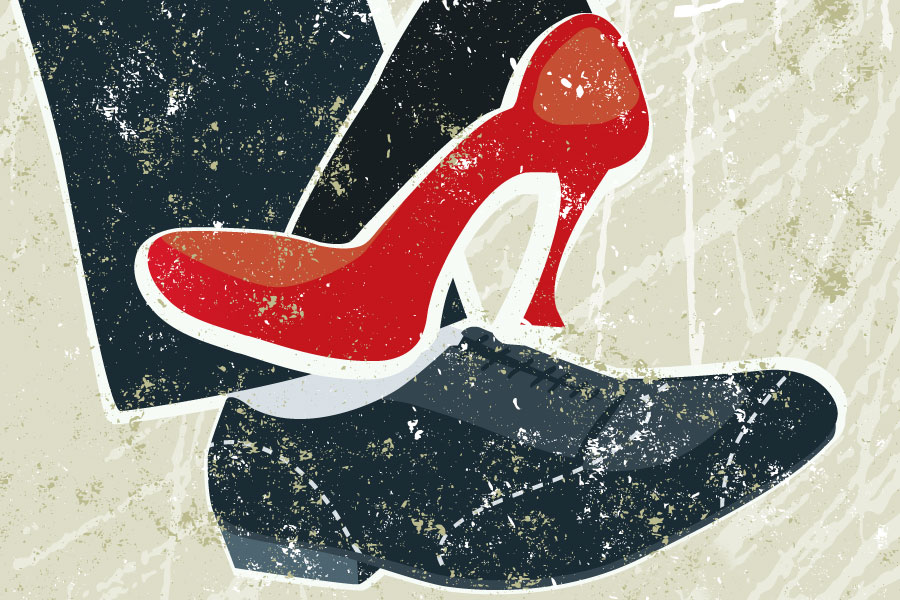
Gillette’s ad will be compared to the Nike adver-activism Colin Kaepernick spot. Nike’s ad captured the true essence of its ethos and brand. In contrast, if Gillette really wants to make a change, the brand should use this piece as the beginning of a very long journey about what it means for a man to be his personal best. Only then will they find authentic ways to have a social impact to change toxic masculinity.

I agree with Esquire’s headline: “Gillette’s new ad Is a big step for men’s grooming. We still need a giant leap.”

Meghan Markle to Help Vulnerable British Women

A British charity transforming the lives of some of the country’s most vulnerable women has said that Meghan Markle would help them “reach for the stars” as it announced she had become a patron.

Smart Works, which provides high quality interview clothes and interview training to long-term unemployed women, described Markle as a “natural coach”.

The former actress, who became the Duchess of Sussex when she married Britain’s Prince Harry last year, is already widely recognised as a champion of women’s equality and empowerment.

Smart Works founder Juliet Hughes-Hallett said Markle would motivate more women to come to its centres and “get the job that will transform their lives”.

“The duchess’s patronage will inspire the women we serve and help them reach for the stars,” she said.

The charity, which operates in six cities, helps women referred from prisons, care homes, homeless shelters, mental health charities and job centres. A third of the women have been turned down from over 50 jobs.

The duchess, who has visited the charity several times in the last year, dropped in on its London headquarters on Thursday where she joined a discussion with volunteers and met some of the women they help.

“Her empathy and insight were obvious. The duchess is a natural coach and our clients were inspired and helped by her,” Hughes-Hallett said in a statement.

Markle, who starred in television legal drama Suits, helped pick outfits for two women who had just secured jobs and needed a basic wardrobe to see them through to their first paypacket.

The duchess, a self-declared feminist who has previously campaigned for the United Nations on gender equality, promised last year that women’s rights would be a focus of her charity work as she joined Britain’s royal family.

The duchess will also become patron of The National Theatre, The Association of Commonwealth Universities – two roles previously held by the queen – and patron of the Mayhew animal charity.

By Emma Batha @emmabatha; Editing by Claire Cozens.

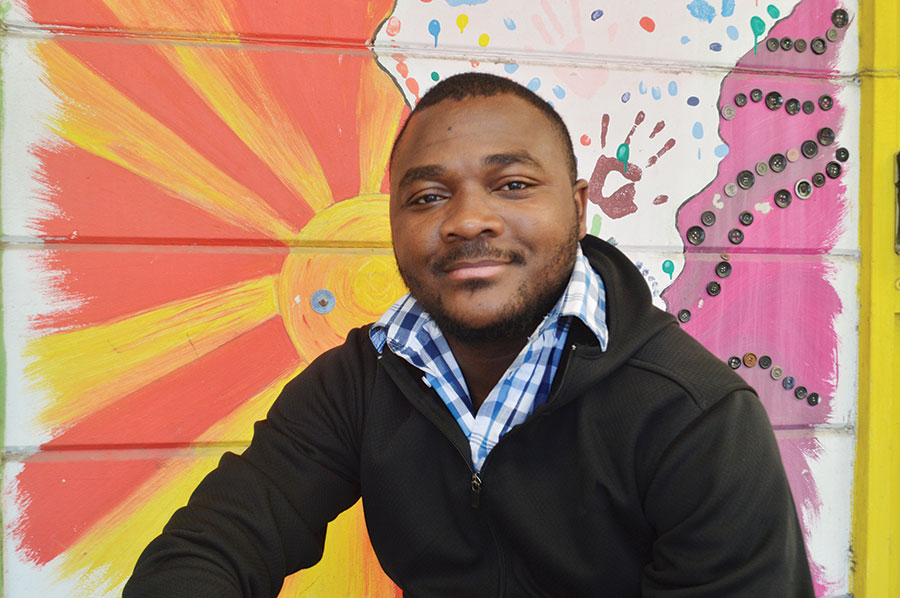
They Killed my Mother, This is How I fought Back

The life of a child in a refugee camp is hard. There are shortages everywhere, But the worst is growing up without a future. A Congolese child refugee learned that if you don’t risk anything, you risk even more.

Seven-year-old Baruani Ndume was almost another silent statistic of the ongoing conflict in the Democratic Republic of Congo. The rebel soldiers spared him because of his age, but his mother was not so lucky – rounded up with the rest of the group trying to flee to neighboring Tanzania, locked inside a house and burnt to death.

Now 26-years-old Baruani is one of 33 million refugee children trying to live his life in limbo – stateless and without parents. The Nyarugusu refugee camp in Tanzania, where he spent the next 18 years, and where noone was allowed to leave, taught him that hope only came if you created it yourself. He started a radio station with the help of the U.N. Refugee Agency to help reunite children like himself with their families.

“You are given the gift of life for free. Use it to live freely with others and to create big things. ”  – Baruani Ndume

Thousands of children and adults tuned in every Sunday, and tens of thousands have been reunited. His radio show ‘Sisi Kwa Sisi’ (Children for Children), saw 20 child reporters address the problems, challenges and frustrations faced by children in refugee camps by teaching them to speak from the heart and not be afraid.

In 2009 he won the International Children’s Peace Prize. “I was amazed at age nine to learn that kid’s actually have rights,” he says. “I wanted to see what I could do with this new information. By defending my rights I worked on my future; it’s the only way to escape these camps. 

www.kidsrights.org

10 Findings on The Biggest Transport Challenges Facing Women

Safety is the biggest concern for women using public and private transport in five of the world’s biggest commuter cities, according to a global poll as improving city access for women becomes a major focus globally.

Here are 10 results of the poll of 1,000 women that was conducted in LondonNew York, Cairo, Mexico City and Tokyo between Aug 13-24 by the Thomson Reuters Foundation:

1. Security was the top concern cited by 52 percent of women.

2. Time spent traveling was the second concern, cited by 33 percent.

3. Women in Mexico City were most worried about safety with nearly three in four fearing sexual harassment, abuse and violence.

4. Cairo’s transport system was seen by women as the second most dangerous after Mexico City.

5. Women in Tokyo felt most confident about their safety and also were most in favour of single-sex carriages.

6. Time spent traveling was the top concern for women in New York with many saying this has swayed decisions over jobs.

7. Women in London were most worried about cost with nearly three in four saying public transport was expensive.

8. Women in London were most confident that other passengers would come to their help if they were being abused.

9. Women in Tokyo were most confident other travellers would give up a seat for a pregnant or elderly women without being asked.

10. More than half of women – 56 percent – said emergence of ride-hailing apps had improved their ability to get around.

Editing by Ellen Wulfhorst.

Preventing Sexual Misconduct: A Leaders Guide

[et_pb_section bb_built=”1″][et_pb_row][et_pb_column type=”4_4″][et_pb_text _builder_version=”3.17.4″]

Since the New Yorker exposed the longstanding sexual predation by Harvey Weinstein in October 2017, headlines of other sexual harassment cases proliferated and public response has been emotionally charged, with demands for far-reaching reforms.

As leaders of their own organization and advisors to their clients, The River Group, a CEO advisory company, decided to publish a white paper around  their perspective on this social and organizational imperative. By sharing their thoughts, they hope to invite other companies and leaders to a meaningful and constructive conversation about this topic.

If you like this, subscribe here for more stories that Inspire The Future.

Any organization’s culture – built on accepted behaviors and practices – is mostly created by its leaders. Therefore, if sexual misconduct exists in the organization, it has been tolerated by – perhaps even started by – leadership. The authors wrote from their experience of working with leaders and shared their insights on the power of their role. This paper contends that allowing sexual misconduct in the workplace is a failure of leadership. Why? Because leaders hold a moral obligation to do the right thing. In this paper, they explore the definition of sexual misconduct, address the moral imperative of leadership, and provide suggestions on how to respond to an onset of sexual misconduct cases at work.

Leaders need a moral compass because they have a moral obligation to do the right thing – to do good. It’s part of the essence of leadership. Download the full report below:

[/et_pb_text][et_pb_button _builder_version=”3.17.4″ button_text=”DOWNLOAD” url_new_window=”on” button_url=”https://old.real-leaders.com/wp-content/uploads/2018/11/Sexual-Misconduct_TheRiverGroup.pdf” button_alignment=”center” custom_button=”on” button_bg_color=”#ffffff” button_border_color=”#e02b20″ button_font=”|700|||||||” button_text_color=”#e02b20″ button_border_width=”3″ /][et_pb_image _builder_version=”3.17.4″ /][/et_pb_column][/et_pb_row][/et_pb_section]

13-Year-Old Develops Cancer Treatment

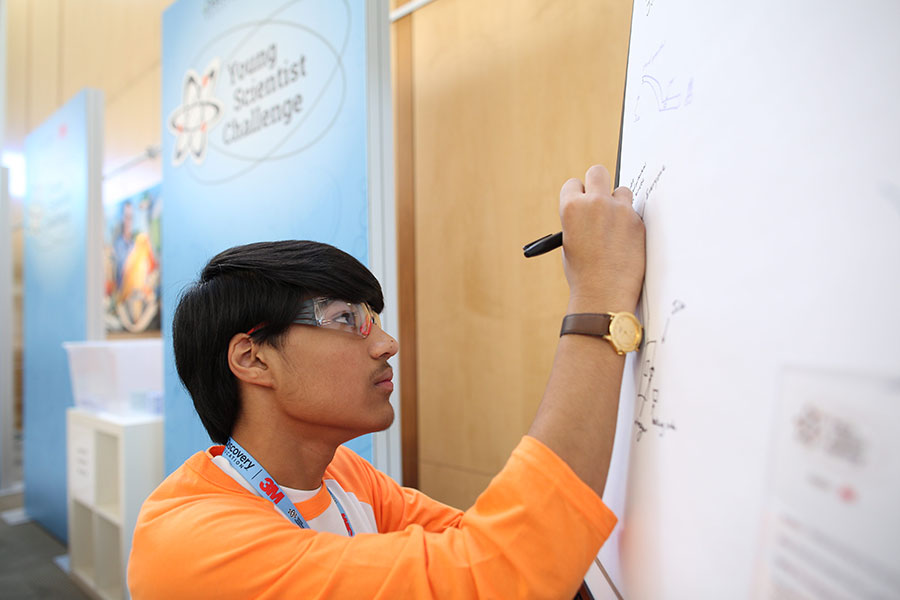
Discovery Education and 3M have named 13-year-old Rishab Jain (above) the winner of the 2018 Discovery Education 3M Young Scientist Challenge for creating an algorithm to make pancreatic cancer treatment more effective.

Jain’s algorithm uses artificial intelligence to accurately locate and track the pancreas in real-time during MRI radiotherapy.

If you like this, subscribe here for more stories that Inspire The Future.

Pancreatic cancer is the third-leading cause of cancer-related deaths in the United States, according to pancreatic.org. An inherent challenge of radiation treatment for pancreatic cancer resides in targeting the pancreas itself. Firstly, it is often obscured by the stomach or other nearby organs, making the pancreas difficult to locate and second, breathing and other anatomical changes may cause the pancreas to move around in the abdominal area. As a result, radiotherapy treatment can inadvertently target and impact healthy cells.

Jain developed and tested his algorithm using images of the human digestive system, and found it could correctly detect the pancreas with a 98.9 percent success rate. The innovation aims to improve accuracy, reduce invasiveness and increase efficiency during treatment, resulting in better quality of life and chance for survival among patients.

A seventh-grader at Stoller Middle School in Portland, Oregon, Jain competed alongside nine other finalists during a live competition at the 3M Innovation Center in St. Paul, Minn. He was awarded the title of “America’s Top Young Scientist” and received a $25,000 prize.

During the summer, the finalists had the exclusive opportunity to work with 3M scientists to develop their innovations as part of a unique mentorship program. Jain was paired with Dr. Döne Demirgöz, a 3M corporate supply chain, product development and research expert who takes innovations developed in 3M labs and brings them to the marketplace.

The finalists presented their inventions to an esteemed panel of scientists and leaders from both Discovery Education and 3M. In addition, they competed in two other challenges that combined multiple 3M technologies to solve a real-world problem.

“All of the finalists for America’s Top Young Scientist embody the same curiosity, creativity, and passion that 3M uses when we apply science to life,” said Paul Keel, senior vice president, business development and marketing-sales, 3M. “These talented young men and women are just beginning their lives as scientists. I’m excited by the endless possibilities that await each of them. We wish them all the joy and success that comes from a lifelong journey of exploration.”

If you like this, subscribe here for more stories that Inspire The Future.

Serena Williams: Financial Abuse is Domestic Violence Too

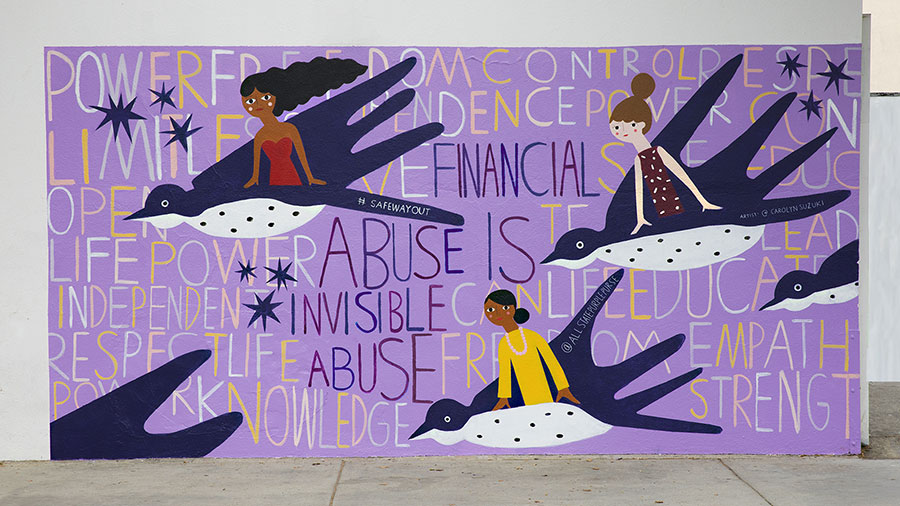
Not all abuse is visible. The Allstate Foundation has teamed up with tennis champion and Serena Williams to raise awareness of financial abuse – a type of abuse that happens in 99% of domestic violence cases. Yet, nearly 50% of Americans don’t know about it.

Titled “Invisible Weapon,” the new video aims to bring awareness to financial abuse, a controlling tactic frequently used by domestic violence abusers and one of the primary reasons victims stay in or return to abusive relationships. The urgent call for support for domestic violence survivors coincides with the start of the Allstate Foundation Purple Purse® Challenge, which takes place 2 – 31 October.

https://www.youtube.com/watch?v=zK23R3Tyfz4&feature=youtu.be

Propelled by a powerful narrative from Williams, “Invisible Weapon” dramatizes the differences between the clear visual signs of physical abuse and the invisible signs of financial abuse, exposing the hidden challenges victims face. The video closes with a call-to-action for people to help empower survivors in their communities.

If you like this, subscribe here for more stories that Inspire The Future.

“For more than a decade, The Allstate Foundation has put a spotlight on this devastating issue, stood up for the victims who have been silenced, and given hope to the survivors trying to break free,” said Vicky Dinges, Allstate’s senior vice president of corporate relations. “Everyone needs to care about this pervasive issue. With Serena joining us to deliver this important message in ‘Invisible Weapon,’ we hope more men and women will speak up about domestic violence and financial abuse and be compelled to end it – once and for all.”

From restrictions on spending to ruined credit, the signs of financial abuse are often invisible, and many people don’t even know it exists. According to a 2018 national public opinion survey conducted by The Allstate Foundation, nearly 50 percent of respondents are unaware that financial abuse is a form of domestic violence.

“I’m proud to speak up for women who can’t use their voices, and let them know we’re working to end the cycle of abuse,” said Williams. “I hope that after viewing the video, people will be more aware of the hidden signs of financial abuse and they’ll understand the need to help those who’ve been burdened by it.”   

New research has found that 1 in 3 Americans think domestic violence is a taboo topic, a 10-point increase since 2014. The study also revealed that nearly half of Americans are not familiar with financial abuse as a form of domestic violence, when in fact it’s one of the top reasons victims can’t “just leave.” Financial abuse tactics include preventing victims from working or keeping them from accessing bank accounts, credit cards or cash.

Championed by The Allstate Foundation, nearly 300 domestic violence nonprofits from across the U.S. are participating in the 2018 Allstate Foundation Purple Purse Challenge. Now in its fifth year, the annual fundraiser coincides with National Domestic Violence Awareness Month. Funds raised by participating nonprofits will go toward providing life-changing services for survivors and their families, such as financial aid and financial empowerment, emergency shelter and child care, and food and transportation.

To support the nonprofits’ fundraising efforts, Williams designed a limited-edition purse. This year’s unique design is a suede and leather purple backpack, which is a first of its kind for Allstate Foundation Purple Purse.

“A purse is symbolic of a woman’s financial domain. We’re thrilled Serena Williams took that to heart when designing the purse for the 2018 Allstate Foundation Purple Purse Challenge, and we’re confident it will encourage an even greater number of people to get involved and support the participating nonprofits,” said Dinges.

If you like this, subscribe here for more stories that Inspire The Future.

How I Helped Provide Shelter to 26,000 Earthquake Victims

I was born into a family of nine in the Lalitpur district in Kathmandu Valley, Nepal. My father worked up to 16 hours per day to provide for me and my six siblings. I hated the fact that I was born into a poor, undeveloped country.

Throughout my childhood, I faced many social and financial struggles. When I was in 5th grade, I was constantly mocked by my school teachers and eventually kicked out for not being able to pay for my studies. I grew up hearing stories of failures and disappointment, which almost made me believe that I too was not capable of changing my situation.

If you like this, subscribe here for more stories that Inspire The Future.

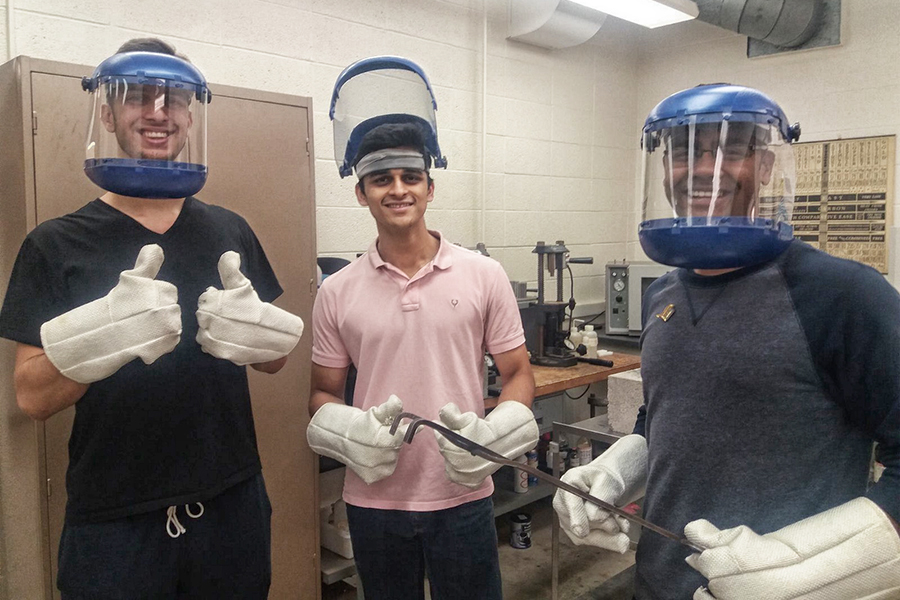
Fueled by the desire to overcome my financial limitations, at the age of 14, I began to earn money by selling pens to my classmates, and, later on by the age of 15, by working in a mechanical workshop. I began to make more money, which I used to buy and sell cell phones at a marked-up price. After graduating from high school with a background in welding and machining, I started working as an independent contractor. I began to execute business deals with many national and international agencies, including the United Nations, which was one of my biggest clients. It was at this time, in 2013, that I realized I could use my skills, hard work, and dedication to become a successful social entrepreneur.

The impact that I could make through social entrepreneurship became more evident after the devastating earthquake hit my home country in 2015. This earthquake killed over 9,000 Nepalese and affected millions of others. Due to the aftershocks, my family and I, alongside thousands of others, were forced to flee our homes and live in open, desolate fields.

In these hard times, as I looked at the suffering of everyone around me, I felt the need to use my skills and expertise in welding and machining to help my fellow community members in need. I began by making improvised shelters from scraps of trash and bamboo that were strewn all across the field we were living in. I vividly remember building one such shelter for a terrified old woman. The serene sense of security that came with having a roof over her head motivated me to further my relief efforts.

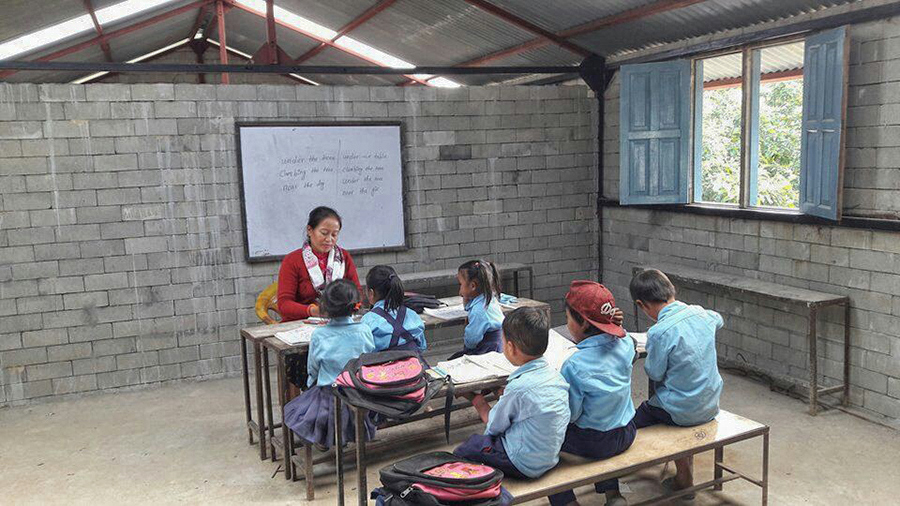
A classroom in Nuwakot (courtesy of Suman Kumar)

Soon after this encounter, I started working with one of my previous business colleagues, Caleb Spear, who had conceived of the idea for a relief project called Portable Shelters. The idea was to create metal shelters that could be mass-produced in a short amount of time. We put our building skills to use and fabricated a working model for the shelters. Fueled by donations and help from approximately 130 organizations and individuals, including young people, we were able to provide more than 5,300 shelters for over 26,000 earthquake victims.

These temporary shelters were constructed using bent metal pipes, corrugated sheets, reinforced rods and metal wires. The bent pipes were attached to reinforcing rods, which were stumped onto the ground. Next, the corrugated sheets were put over the bent pipes and then tied on using metal wires in order to create an igloo-shaped structure. The survivors who received these structures then used salvaged parts to cover the open ends by building walls with doors and windows salvaged from their old houses. When we started, our goal was just to help as many people as we possibly could. We certainly did not expect to reach such a large number of people. But, through our hard work and dedication, we were able to provide much-needed relief to communities.

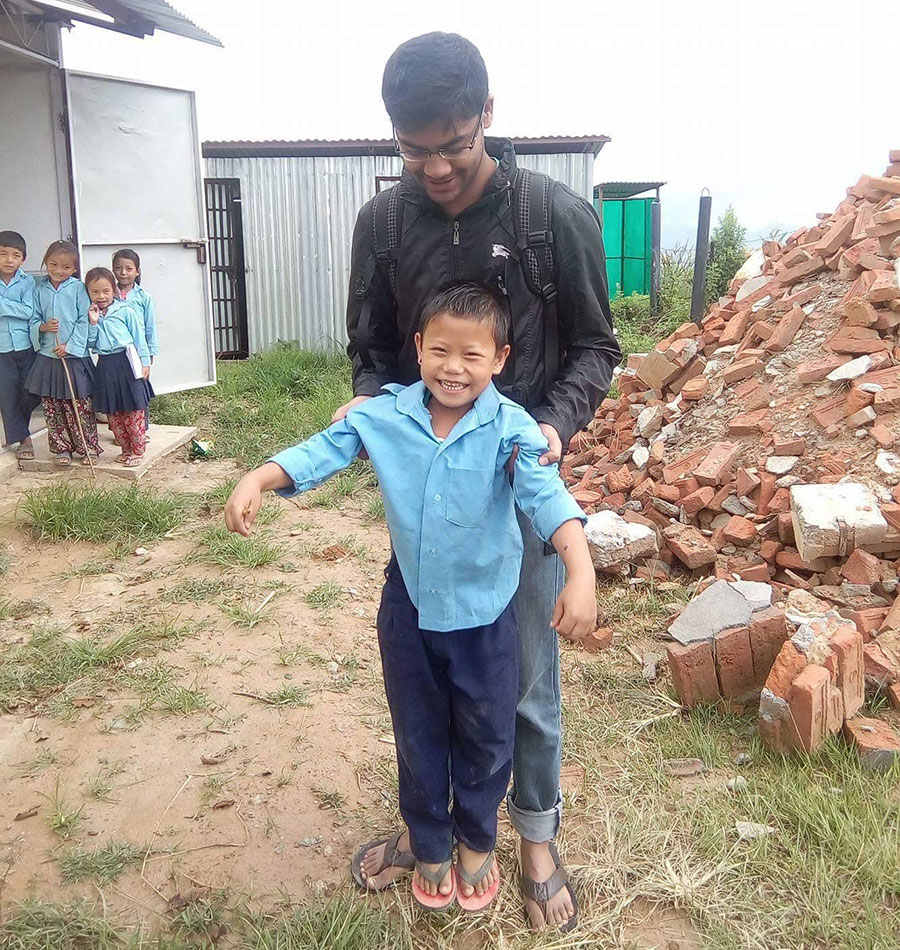
After the earthquake, I had the opportunity to pursue higher education at the University of Rochester. During my time in the United States, however, I was constantly wondering what I could continue to do to help the people of my country, and particularly the hundreds of thousands of children whose schools had been destroyed, and whose education had been put in peril. One school located in Chautarale, Nuwakot, had been completely destroyed, leaving 70 students and 4 teachers studying in the fields, with only a tarpaulin for protection.

In response, I initiated a project through which earthquake-resistant technology could be used to rebuild the school. I presented this idea at a Resolution Social Venture Challenge during the Youth Assembly at the United Nations in 2017, and was fortunate enough to win a Resolution Fellowship, which included seed funding to launch my project. With further fundraising, I was able to implement my idea, and successfully rebuilt the school in Nuwakot this past summer. I am happy to report that 25 students and 4 teachers are now back in school.

One of the main reasons why I am working in the education sector is that even with my difficult upbringing, I was fortunate to get an education. However, there are a lot of students back in Nepal who do not have any access to education, so I feel a great need to give back. By building schools, my team and I are not just investing in the education of these children’s future, but we are also building their future and helping to uplift the next generation of Nepal. As I continue to learn and grow, I plan to build more schools in the most affected areas and help even more children who are less fortunate than I am.

Suman Kumar is a Fellow of The Resolution Project

If you like this, subscribe here for more stories that Inspire The Future.

Invest in Inexperience to Solve The Global Leadership Crisis

In a tumultuous world grappling with serious challenges in practically every domain, from violence and intolerance, to climate degradation, poverty, systemic inequality, and a global leadership crisis, it has become self-evident that we need to renew and expand our efforts to have a positive impact, rather than a destructive one, on the world around us.

This process will require not only determination but innovation, a fresh set of perspectives that will allow us to identify and correct what isn’t working. In short, it will require young people.

If you like this, subscribe here for more stories that Inspire The Future.

The youth population is currently the largest it’s ever been; it is more connected and has better tools than any prior generation. Yet young people currently find themselves overwhelmed by economic hardships and trapped in hierarchical systems that silence their voices, rather than being given the support they could use to combat some of the problems they soon stand to inherit.

At this moment, more than 500 million young people are living on less than $2 a day – that’s about 30% of all young people. Without the thousands of dollars on hand that are needed to guarantee access to higher education, many young people are excluded from the education opportunities that would create careers and pathways to success. This holds true even for young people in richer countries, in which rising tuition rates every year make education a luxury that fewer and fewer can afford. Without the resources to support themselves with education, healthcare, and other services, young people are struggling to survive, let alone support others.

Those few who do manage to still maintain an interest in leadership are faced with yet another host of challenges: their lack of agency in political discourse and even in their own communities. Young people, especially women, minorities, and other marginalized groups, are discouraged and systematically excluded from building political and economic power within rigidly hierarchical systems.

Yet members of this generation are showing a deep resilience, working tirelessly to better the world on their own because they don’t want their children to inherit today’s problems. And they could be doing so much more if given a helping hand.

At the Resolution Project, a global non-profit fostering youth leadership development through social entrepreneurship, we’ve found that a little bit of mentorship and funding can transform the type of leadership we get from college students. We’ve invested in more than 400 Fellows, providing them with mentorship, seed funding, and access to global advisory resources from within our network. Most importantly, we have shared with them the very message of this piece – that we believe in them, in their capabilities and in their ideas.

Armed with this very modest set of tools, our Fellows have already gone on to collectively impact over 1.5 million lives and counting. And while they aren’t blind to the challenges we all face, they are optimists, believing that leaders can bring about a turnaround, if they have an approach that is grounded in social responsibility, sustainability, and social justice.

If you’d like a few examples, take a look at:

  • Louise Mabulo (age 19) helping develop sustainable agricultural practices (The Cacao Project) or
  • Juan Bol (age 26) bringing leadership training and opportunities to underprivileged children (PODER) or
  • Suman Kumar (age 26) rebuilding schools devastated by earthquakes (School Relief) abroad.

And domestically, look at

  • Hannah Dehradunwala (age 25) facilitating the transfer of extra food from corporations with excess to those in need (Transfernation),
  • Samir Goel (age 24) establishing circular savings programs to create better financial outcomes for communities in the United States (Esusu), and
  • Derrius Quarles (age 26) offering an instructive e-platform to help students across the country win scholarships and avoid higher education debt (Million Dollar Scholar).

If we want a better future, we need to drastically change the way we think about young leaders today. Otherwise, in 5, 10, 20 years, when we’re still disappointed by the state of our world, after we continued telling young people that their ideas to improve their communities were naive or wouldn’t work, after we discouraged them from getting involved in politics, after we told them they lacked the experience to have good ideas, after we broke down their optimism and drive to help, who will be to blame if they simply look out for themselves like many of the leaders we have today? That’s on us for turning our backs on their potential. Because, in truth, they don’t need us – we need them. 

It’s time to try something new, so the next time you see a young person running for office, think about the fact that they may understand the technology around us enough to inform good decision-making and regulations (vs., for example, the Zuckerberg hearings); when you see a young person working on a community service project, build them up and encourage them to scale it, rather than undermining it as a drop in the bucket; and when you see a young person taking a brave stance, even if you disagree with them, celebrate their principles and integrity in seeing injustice and wanting to root it out.

In my work as the CEO and Co-founder of The Resolution Project, I’ve watched more than 400 young people help over 1.5 million in one decade. Imagine what they will do over a lifetime, and imagine what we can do together by building up a generation of such young leaders who value impact over profit, sustainability over scale, and reduced inequality over individual wealth accumulation, all through market-based approaches. This isn’t some utopian socialism – this is just involving the people who will inherit the world in what that world will be. Don’t you wish someone had asked you?

George Tsiatis is the CEO & Co-Founder of The Resolution Project

If you like this, subscribe here for more stories that Inspire The Future.

How First Ladies are Becoming Model Citizens

She enlisted style to fight for social causes and invited First Ladies from around to network with top luxury brands. Evie Evangelou has combined runway glamor with sustainable fashion and celebrity names.

What do 55 impeccably dressed First Ladies from around the world have in common? Fashion, of course. When did you last see a shabbily-dressed First Lady? Each year, the wives of global leaders, top luxury brands and celebrities do lunch in New York. Madam Ban Soon-Taek, First Lady of the United Nations, welcomes DKNY founder Donna Karan. Franca Sozzani, Editor-in-Chief of Vogue Italia, gets to share a joke with The Daily Beast founder, Tina Brown, and the Crown Princess of Norway, Mette Marit, may well get to exchange pleasantries with America’s own royalty – Hollywood’s Angelina Jolie and Charlize Theron.

At the gatherings, First Ladies from around the world have an opportunity to network with top luxury brand executives and celebrities, cleverly taking advantage of the General Assembly of the United Nations, to which they have traveled with their spouse. The annual gathering is the brainchild of entrepreneur and former model Evie Evangelou, who realized the influence of such highly regarded people and formulated a plan on how they can inspire change.

Evangelou created Fashion 4 Development (F4D), inspired by what she saw by an exuberant career in the international arena of cultural diplomacy and international relations. F4D is a global platform that supports the United Nations Sustainable Development Goals by harnessing the power of the fashion and beauty industries.

“Through your daily choices of what you eat and what you wear, you not only impact your life but the planet.”

After years of fashion and entertainment projects, which included UN programs, as well as gazing into a photographer’s lens as a model, Evangelou decided she could use the power of fashion to rather swing the spotlight onto social causes. She crafted a catchy tag line “Giving Back is the New Luxury” and set about showing how the fashion and beauty industries can develop creative strategies for sustainable economic growth.

fashion_02

“We want to promote Innovations that are designed to do more with less and influence the way fashion is produced and sold,” says Evangelou. In an unprecedented cooperation between diplomacy and fashion, leading women from politics, business, culture, fashion and the arts have come together to serve for the greater good of women worldwide. The focus is on the female side of HIV/AIDS and on highlighting the United Nation’s initiative “Every Woman Every Child.”

F4D’s global initiatives have been felt in 24 countries and have contributed to fashion production, trade, health, skills training and education. As in any business transaction, both parties want to see a return on investment. Evangelou has structured deals that create a win-win situation for brands and communities in need. A collaboration between Vogue Italia and Yoox.com saw 60,000 designer bags get produced in Africa, generating USD500,000 in wages for workers and delivering USD10 million worth of global media value to the fashion partners.

Givenchy provided costumes to Chinese singer Li Yuchun, allowing the funds that would have been spent on a performance wardrobe to be donated to Chinese healthcare for women and children. The approach raised USD200,000 for this cause, with Givenchy receiving USD500,000 worth of press coverage. With returns like these, outperforming the stock market doesn’t always need to involve aggressive business techniques – just a clever trade-off.

“Through your daily choices of what you eat and what you wear, you not only impact your life but the planet and the others you share it with.”

“We offer the conscious-minded woman access to the newest, most talented, green and compassionate designers,” says Evangelou. Not one to rest on her achievements, she has already created a new venture, Sustainia Living, a platform created in collaboration with Sustainia, an offshoot of leading Scandinavian think tank Monday Morning, with followers in more than 100 countries. “It’s the new fashion,” says Evangelou. “We’ve developed this project as a fashionable lifestyle choice to excite people about the benefits and possibilities of sustainability.” Moving beyond fashion, Evangelou has now added food to the mix, and thinks this is the way forward for a healthier you and a healthier world.

“Through your daily choices of what you eat and what you wear, you not only impact your life but the planet and the others you share it with,” she explains. Inspiring and motivating individuals to be conscious consumers, to develop conscious brands and to adopt conscious business practices is the goal of Sustainia Living.” At a recent U.N. function, Evangelou started proceedings by reading a message from her friend, Suzy Amis Cameron, environmental activist, founder, former actress and wife of Hollywood director James Cameron. “Every single bite you take tonight deliciously addresses climate change,” she read. An entire plant-based menu had been specially prepared for the event and  used as a striking example to guests that they had cut their total carbon “foodprint” in half that night.

As business leaders around the world wake up to the new opportunities around them, in an economy that values values, Evangelou’s job can only get easier. Surrounding yourself with like-minded people is a good start. Perhaps her success is best summed up by F4D’s Global Goodwill Ambassador Franca Sozzani: “Sometimes we get the feeling we don’t know where to start, but then we happen to meet people so capable and valued that all problems seem to slowly unravel.”

For men, meanwhile, Evangelou has launched the League of Gentlemen, with top fashion model Chris Collins. They came up with the idea of leveraging the voices and influence of distinguished gentlemen around the globe to harness the power of fashion, sports, entertainment and business to promote the work of the UN’s Sustainable Development Goals. There’s no need to perfect your “blue steel’ look from the movie Zoolander either – you’ll just need a serious attitude of wanting to change the world for the better.

0