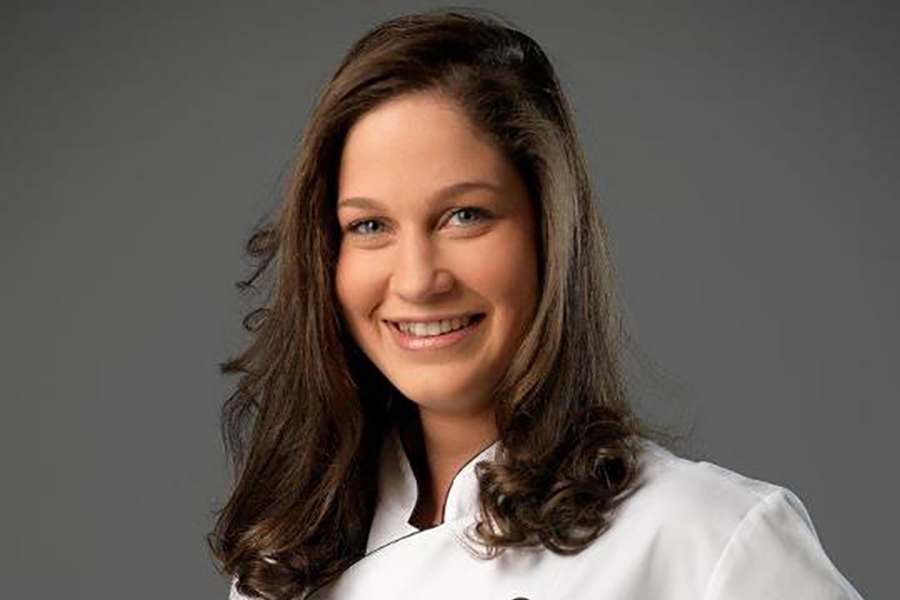
Arianna Huffington, Founder of The Huffington Post

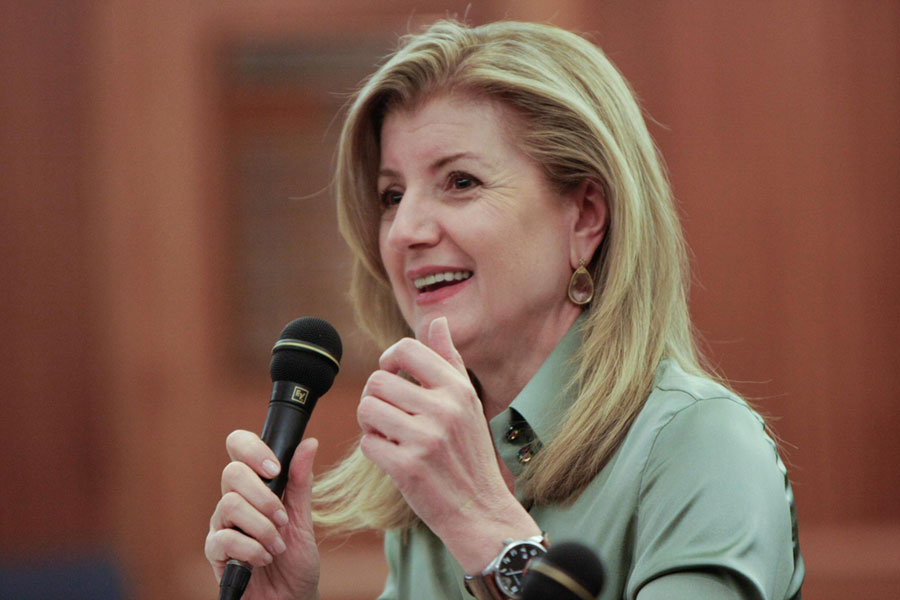
Huffington was born in Athens, Greece and at the age of 16 moved to the United Kingdom to study economics at Girton College in Cambridge. Here, she became the first foreign, and third female President of the Cambridge Union.

Huffington began writing books in the 1970s, with editorial help from Benard Levin, the love of her life, mentor and role model. The two traveled to music festivals around the world for the BBC. In 1980 she moved to New York. 
Huffington rose to national U.S. prominence during the unsuccessful Senate bid in 1994 by her then husband, Michael Huffington, a Republican.

She became known as a reliable supporter of conservative causes such as Newt Gingrich’s “Republican Revolution” and Bob Dole’s 1996 candidacy for president. She teamed up with liberal comedian Al Franken as the conservative half of “Strange Bedfellows” during Comedy Central’s coverage of the 1996 U.S. presidential election. For her work, she and the writing team of Politically Incorrect were nominated for a 1997 Emmy for Outstanding Writing for a Variety or Music Program.
 
In 2009, Huffington was ranked number 12 in Forbes’s first-ever list of the Most Influential Women In Media and also ranked number 42 in The Guardian’s Top 100 in Media List. As of 2014, she was listed by Forbes as the 52nd Most Powerful Woman in the World. 

AOL acquired The Huffington Post in 2011 for US$315 million, and she became the President and Editor-in-chief of The Huffington Post Media Group, which included The Huffington Post and other AOL properties, including AOL Music, Engadget, Patch Media, and StyleList. 

In 2016, she announced that she was stepping down from her role at The Huffington Post to devote her time to her new startup, Thrive Global, that focuses on health and wellness.
 

Meet Moringa, The Most Nutrient-dense Plant on The Planet

Meet Kuli Kuli, an Oakland-based startup that is showing how business can create social change by combating malnutrition in developing countries, and America too.

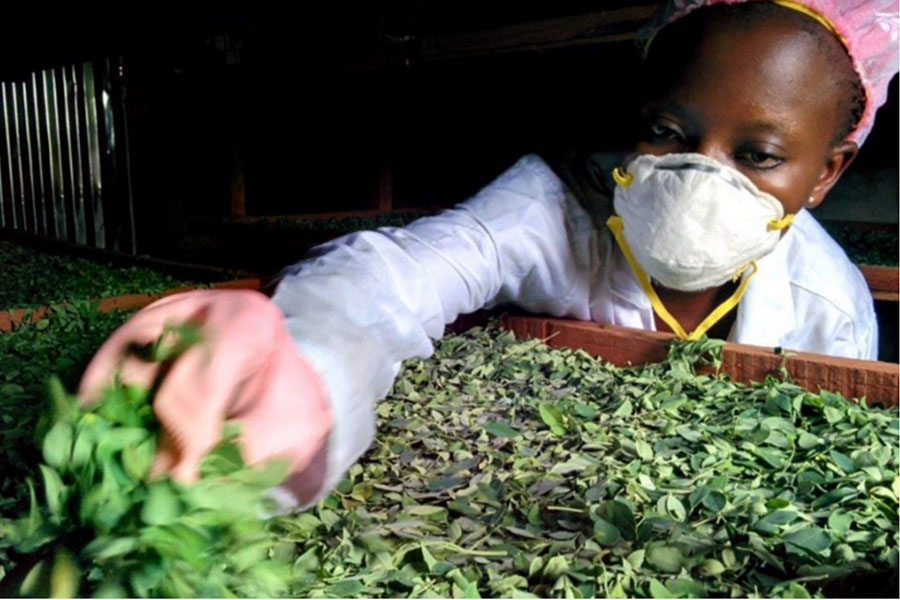
Have you ever heard of Moringa before? This miracle tree is the most nutrient-dense food on the planet, beating kale, spinach, and even spirulina for health benefits. Moringa is packed with vitamins A, C and E, and is high in calcium, which promotes bone health and prevents heart disease. Moringa is also an excellent source of potassium, which reduces anxiety and stress.

If you like this, subscribe here for more stories that Inspire The Future.

Moringa is also the second fastest growing plant in the world, growing an astounding two inches a day. A single tree matures fast enough to feed an entire family within one year. Unlike other superfood greens, the moringa tree continues to deliver long after the first harvest. It has the potential to combat malnutrition for extended periods.

Kuli Kuli’s founder, Lisa Curtis, got her first taste of moringa as a Peace Corps volunteer in a small village in Niger. As a vegetarian, she was eating mostly rice and millet — a diet that left her feeling sluggish. When she mentioned her fatigue to women at the community health center, they suggested she try moringa. After buying the leaves from a neighbor’s tree, she mixed them with a popular peanut snack, called kuli-kuli, and noticed her health improve.

“It’s common knowledge that when you invest in a woman, you invest in a community. As a social enterprise, we need to be successful because we’ve seen so many failed aid and government projects, so we keep that in mind when working with our producers. We don’t want to overpromise and underdeliver.” Valerie Popelka, Kuli Kuli, Inc.

After returning to the U.S. in 2011, Lisa launched Kuli Kuli through an Indiegogo crowdfunding campaign with co-founders Valerie Popelka, Jordan Moncharmont, and Anne Tsuei that raised $53,000. Before the funding drive, the group had been selling moringa bars in farmers markets around the Bay Area to test out their product. In 2013, they were approached by Whole Foods and began regional distribution in Northern California, achieving sales of $500,000. Last year, the company made more than $1 million in sales and are on track to double this amount by 2018.

Now with nine full-time employees and a board of advisors from large corporations such as Numi Organic Tea, Guyaki and Stonyfield Organics, Kuli Kuli’s mission is to improve nutrition and livelihoods worldwide. They work with small coops in Africa and Central America and embrace the validity of third-party certification systems to prove their commitment.

“We are continuing to grow our moringa supply chain by providing fair, sustainable wages to farmers and women-led coops around the world,” explains Valerie Popelka, COO. “We’ve always wanted to become Fair Trade certified because that conveys our vision of social impact. We can say and show whatever we want on our website to sell our product, but consumers want a verified third-party endorsement because they can become skeptical. With Fair Trade, we have an independent auditor that confirms we’re doing what we say we’re doing.

In 2015 Kuli Kuli proposed an initiative with Whole Foods Market, the Clinton Foundation’s Haiti Program, and the Smallholder Farmers Alliance to plant hundreds of moringa trees in Haiti. As part of this initiative, Kuli Kuli launched a second crowdfunding campaign that raised $100,000. This ambitious new project will help reforest Haiti with drought-tolerant moringa trees while providing Haitian smallholder farmers access to a growing market for moringa leaf powder.

“We want to become an example to other social enterprises and our producers,” says Osama Shahzad, Associate Operations Manager. “We keep seeing the same recurring problems when we deal with scaling the operation and with food safety. We want to teach producers to tackle those problems and not become overwhelmed by recall actions.”

The group describes their commitments to social change and ‘desire to change the world’ on a personal level as the main reason for their success. If they’re anything like the fast-growing tree on which their company is based, Kuli Kuli will undoubtedly achieve that vision.

If you like this, subscribe here for more stories that Inspire The Future.

10 Things You May Not Know About Teen Driver Safety

The biggest threat to teens’ safety is the vehicle sitting in their parents’ driveways. Yet, many parents and teenagers remain under-educated about the risks new drivers face. 

If you like this, subscribe here for more stories that Inspire The Future.

The National Safety Council has compiled a list of statistics and facts many parents and young people do not – but should – know about teen driver safety:

  1. Car crashes are the number one killer of teens in the U.S.
  2. The most dangerous year of a teen’s life is the year he or she receives a license
  3. Half of all teens will be involved in a car crash before graduating from high school
  4. A teen’s crash risk is three times that of more experienced drivers
  5. After years of declines, teen driving crashes and fatalities are on the rise
  6. Just one teen passenger can increase a teen driver’s crash risk by 44 percent
  7. 75 percent of teen driver crashes occur because the teen made a critical error due to inexperience, such as driving too fast for conditions, not scanning for hazards or being distracted
  8. 52 percent of teens who are killed in a car crash are unbelted
  9. Cell phones are a huge driver of distraction for already inexperienced teen drivers, yet twelve states still allow some form of cell phone use for novice drivers
  10. About 20 percent of teen car crashes involve an underage drinking driver

“As teen traffic fatalities rise, parents are in a unique position to reverse this trend,” said Deborah A.P. Hersman, president and CEO of the National Safety Council. “Parents have more influence on their teens’ driving habits than they think. National Teen Driver Safety Week is the perfect time for parents to educate themselves, teach their teens safe driving habits and save lives.”

According to the NSC State of Safety Report, individual states vary greatly in their efforts to reduce teen driving fatalities. California is the only state considered to be “On Track” for teen driver safety, however, other states, such as New Jersey, are finding success with new tactics to avoid teen crashes.

The NSC parent education initiative, DriveitHOME, is a website created for parents that focuses on the most important things parents can do to protect teen drivers. The site demonstrates that, though teen drivers face many dangers on the road, parent involvement can significantly reduce these crash risks. Visit DriveitHOME.org with your teen to sign the New Driver Deal and make a commitment to safety for your teen’s sake.  

If you like this, subscribe here for more stories that Inspire The Future.

The Man Who Fell From Space: Five Years on

On the fifth anniversary of the record jump from the edge of space, we asked Felix Baumgartner and other key Red Bull Stratos team members for their memories of the incredible day.

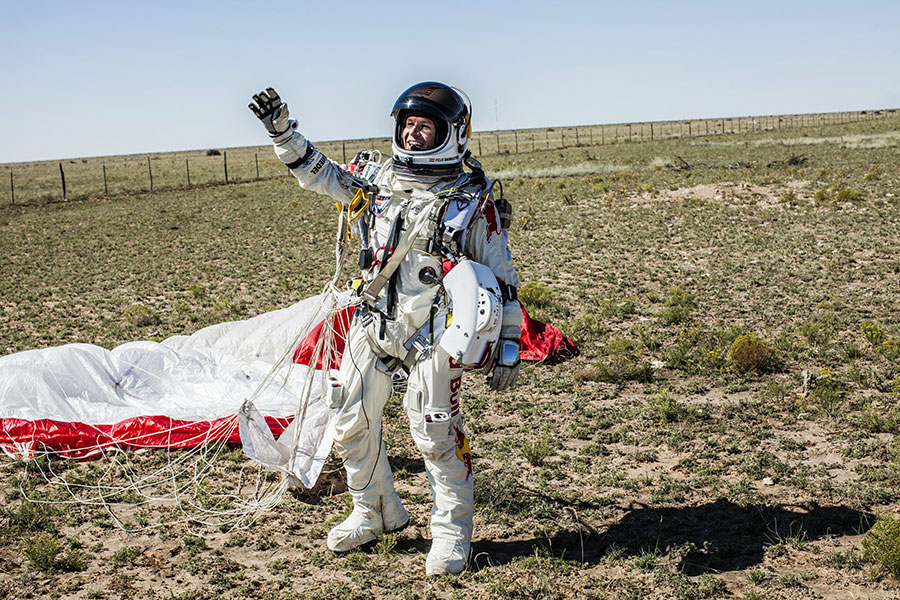
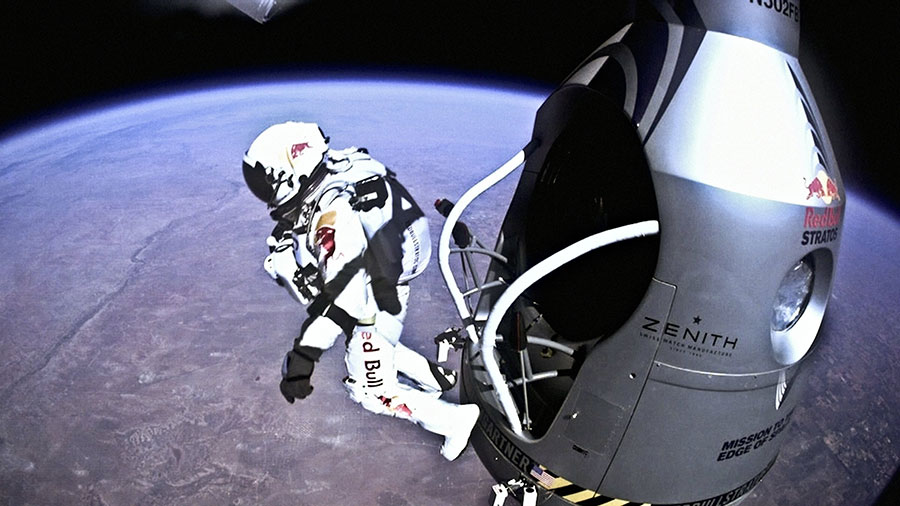
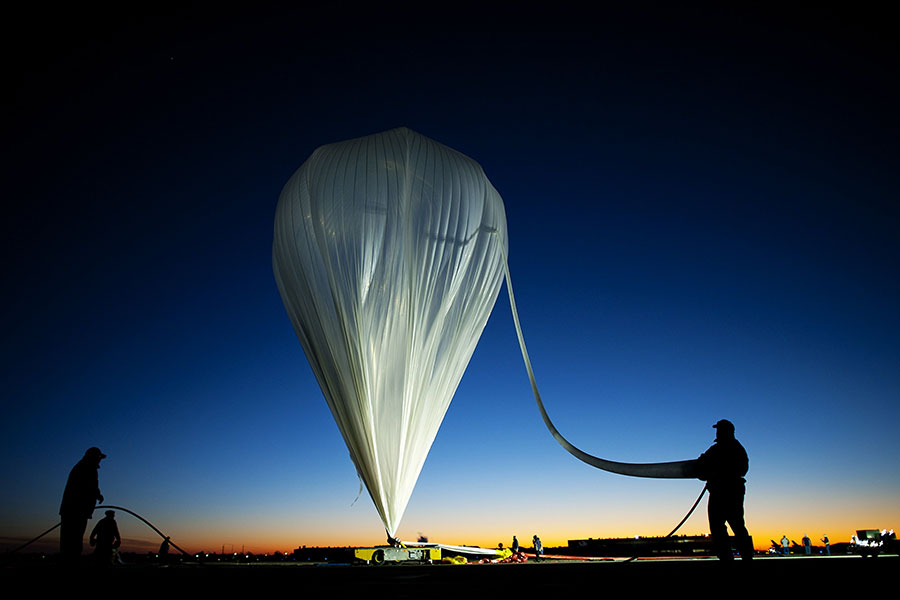
On October 14, 2012, the world was spellbound as the Red Bull Stratos project launched a helium balloon to near space, where Austrian skydiver Felix Baumgartner jumped from 38,969.4m/127,852.4ft to become the first, and so far only, person to break the speed of sound without the protection or propulsion of a vehicle. The project broke numerous records and contributed valuable data to the scientific community. Five years later to the day, Baumgartner and key team members are celebrating at a special Red Bull Stratos exhibition held in conjunction with the season finale of the Red Bull Air Race World Championship at Indianapolis Motor Speedway.

If you like this, subscribe here for more stories that Inspire The Future.

Baumgartner – as well as Joe Kittinger (Flight Operations and Safety, Capcom 1), Art Thompson (Technical Project Director) and Mike Todd (Life Support Engineer) – took time to answer some questions. Here are excerpts from that extraordinary exchange.

Felix, happy anniversary. How does it feel?

Felix Baumgartner: “I think this is amazing. It’s like Christmas, birthday and New Year’s Eve all at the same time, because it’s Indianapolis, it’s the last Red Bull Air Race of the season and it’s our anniversary, so I’m getting to meet with a lot of the team. It’s really cool to see everyone again and share some stories.”

Overcoming your issues with the suit turned out to be one of the most dramatic stories over five years of developing Red Bull Stratos?

Felix Baumgartner: “You know, at the time I was really struggling because I never liked the suit. The suit is a very complex tool, and while it’s necessary to survive, it’s no fun to wear it – you’re kind of locked in your own little world. That was a time when I had a lot of internal problems with myself, mentally, but I couldn’t talk to anyone.”

The Red Bull Stratos balloon was the largest ever launched with a human on board, and it took a lot of testing with various sizes of balloons before the final launch?

Joe Kittinger: “Balloons are very fragile creatures, requiring perfect conditions for launch, and the critical part is getting inflated. When that balloon took off, a lot of people were extremely happy.”

Felix Baumgartner: “When we launched the balloon and finally the capsule got released from the ground, I knew we were on the way. We were still at the beginning, but the balloon launch was the first step. Once that was successful, I was a lot more relaxed.”

Art, you were the technical project director. What do you think when you saw the capsule?

Art Thompson: “It’s pride for the team, for what we accomplished together as a family – which is what this group really is. This was an effort of people with a passion to accomplish a scientific task. We have a personal bond, and it doesn’t matter how far we are stretched around the world, there’s a certain pride that what we accomplished was significant to the aerospace industry and inspired so many. It’s about all of us together.”

With five years to reflect on it, what do you now think some of the mission’s biggest accomplishments were?

Joe Kittinger: “One of the significant contributions that I think we made was developing features toward the next generation full-pressure suit, so astronauts in the future will have increased mobility. Also, the team proved out a completely new approach to physiological monitoring, which was really a contribution for the scientific community.”

Art Thompson: “Over the last five years what Red Bull Stratos has really showed me is the impact it had on people around the world, to inspire them to do better and be better. We’ve given talks around the globe and met with educators, and kids come to me all the time wanting to know how to get into aerospace, or how to get into science.”

Felix Baumgartner: “Everything we accomplished really proves what a small group of people can do. We were very uncertain at the beginning if it was ever going to be successful, because there were so many unknowns that we had to overcome. But now we know that everything you have in your mind can turn into reality if you work with the right people, if you put the effort into it and you go the extra mile.”

On the moment Felix jumped from the capsule…

Joe Kittinger: “He was standing there on the shoulders of a couple-hundred team members, a great team of people working for his benefit. I was thinking of all the people and the contributions they made to put him on that step. It was a historic moment because of a great team of people who made it happen.”

Felix Baumgartner: “That moment was definitely why we all worked so hard. All that effort for five years, all those hurdles we had to overcome. Finally standing on top of the world, knowing that the whole world was watching, was quite extraordinary. Then you take that one step forward and you’re on the way, not knowing what to expect. Nobody knew what would happen to a person breaking the speed of sound, but I had to find out, and I will always remember that moment.”

If you like this, subscribe here for more stories that Inspire The Future.


IMF: Forget Taxing The Rich, Close The Gender Gap

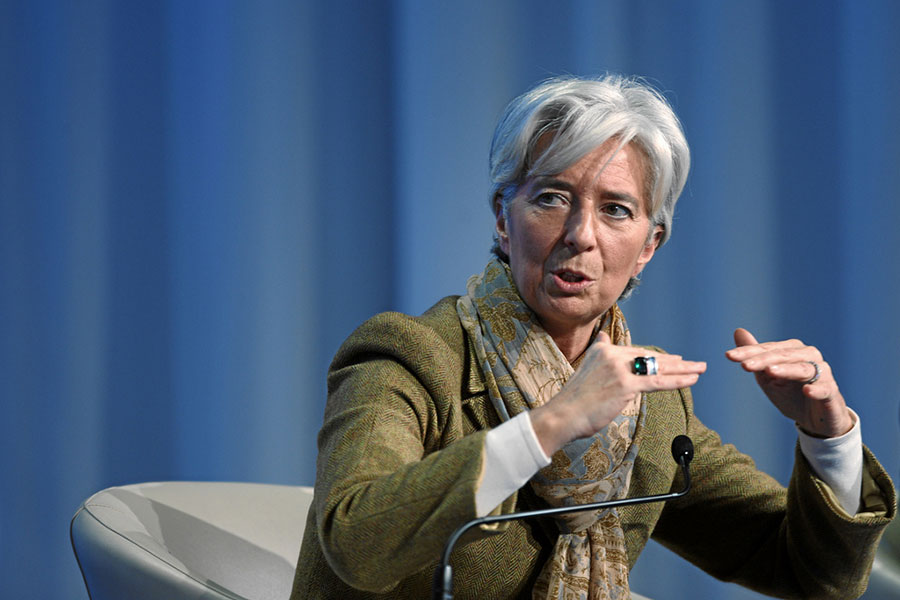
At a news conference to open the IMF-World Bank Annual Meetings, IMF Managing Director Christine Lagarde urged world leaders in October to reinforce a strengthening global recovery and seize an opportunity to promote inclusive and sustainable growth.

“Our suggestion is that it is not time to be complacent. It’s time to take those policy decisions that will actually enable more people and more countries to benefit from that recovery that should be made sustainable,” said Lagarde.

If you like this, subscribe here for more stories that Inspire The Future.

Lagarde emphasized the need for growth to be inclusive and benefit all people. The Fund this week highlighted strategies to combat inequality, including progressive taxation. Lagarde was asked if such policies are simply about taxing the rich to even out income.

“I disagree with that point that you just made. That, quote-unquote, taxing the rich would be the most efficient way to reduce inequalities. I think the most efficient way to reduce inequalities would be to actually close the gender gap between men and women. And, that is a no-brainer. Whether it’s access to the labor market, whether it’s access to finance. Whether it’s the gender gap in terms of compensation, that would achieve a lot to reduce inequalities. And that applies across the world.”

Lagarde added that countries do have room to adjust tax rates.

“Given the significant drop in average tax rate in most advanced countries, increasing the higher brackets would not prejudice growth. Now, from that, any policy makers have to decide what they want to do in terms of policymaking, but there are countries where, clearly, reducing excessive inequalities would support growth,” she said.

Lagarde said the IMF stands ready to support efforts to promote sustainable growth.

“What I’ve heard from all engaged is that the international financial safety net, that is so needed, has to have the IMF as its center. We will continue to play that role and we will share experience and we will provide support when and wherever needed and whenever a country asks for it.”

Asked about how the International Monetary Fund sees the risks of a Brexit without a deal, Lagarde expressed hope that negotiations will bear fruit.

“I just cannot imagine that that would happen. For the people themselves, what does it mean? The Europeans who are based in the U.K. The British who are based and residing in the European Union. WTO does not provide for such rules. When I think of the airline industries, the landing rights in various European countries. There is so much that has been brought together between the continent and the United Kingdom that it really requires a very specific approach that will reduce the uncertainty that is damaging potential.”

If you like this, subscribe here for more stories that Inspire The Future.


Real Leaders Holds Global Newsstand Kick Off in New York

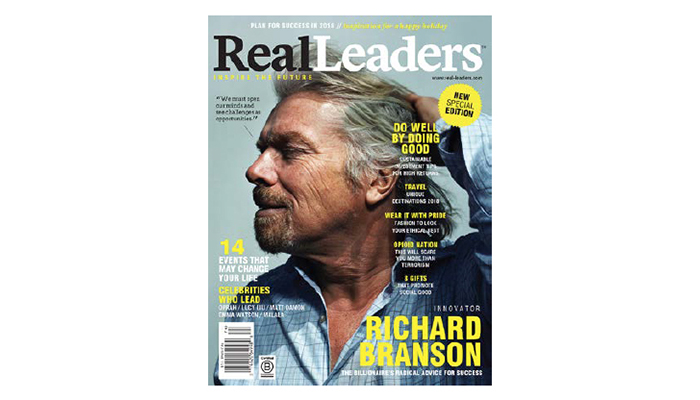
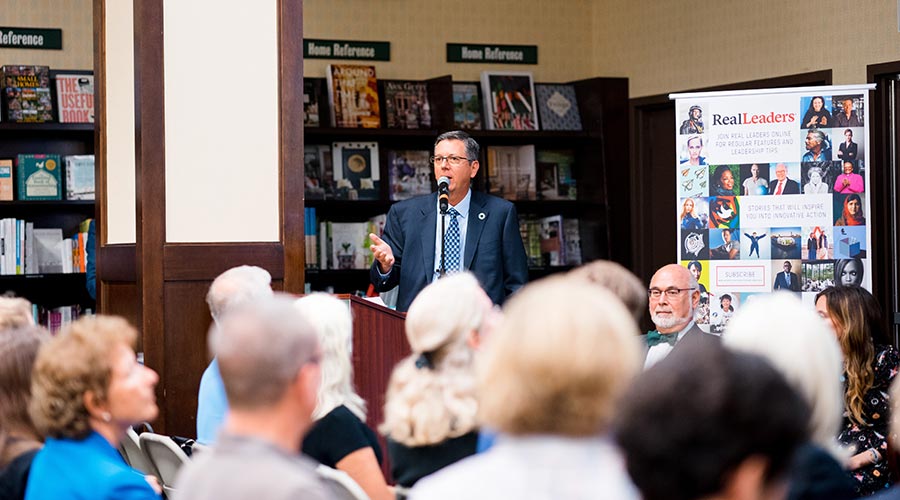
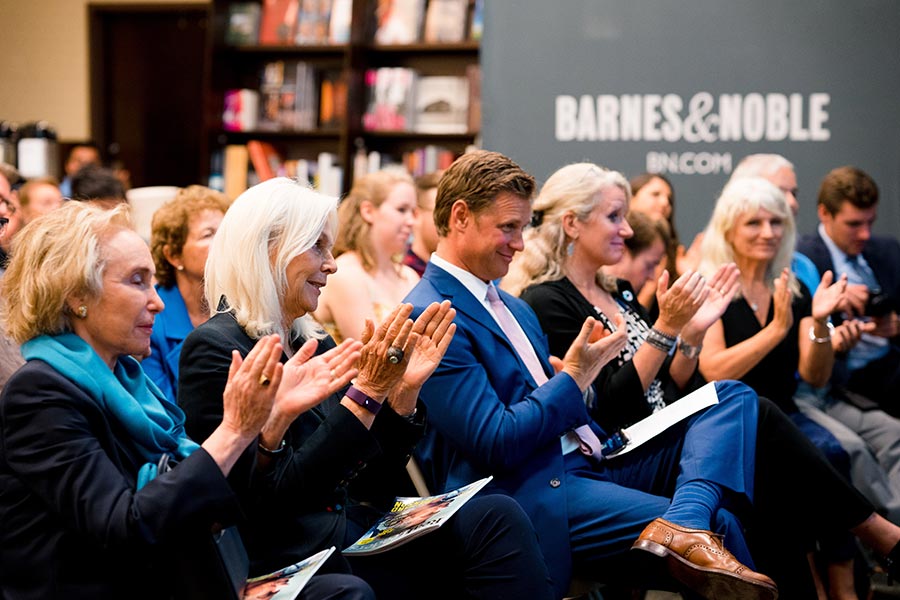
Real Leaders held an event at Barnes & Noble in Tribeca, Manhattan to kick of their new global newsstand expansion during the week of the United Nations General Assembly in New York City. The publication is the world’s first sustainable business & leadership magazine, which aims to inspire better leaders for a better world.

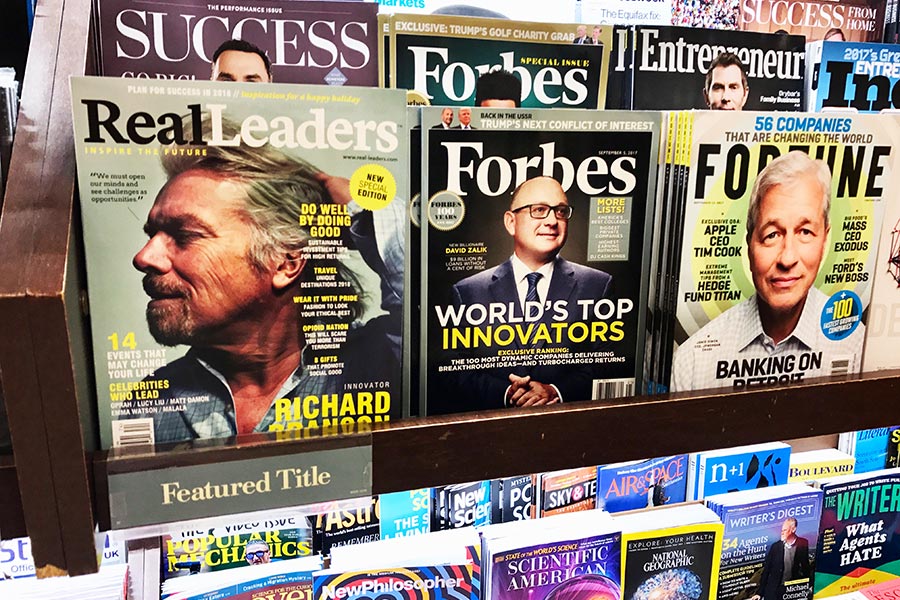
The magazine is now available in Barnes & Noble, Amazon, Hudson newsstands and select distributors around the world.

Real Leaders is now available on newsstands alongside other mainstream publications.

To mark the occasion of the special fall release of the magazine, Real Leaders hosted a panel of impact leaders in conjunction with the United Nations to discuss how both established and emerging citizens are taking innovative action to achieve the United Nations 17 Sustainable Development Goals. Each panelist described the goal most important to them, the action they are taking and what others can do to make a positive difference in the world.

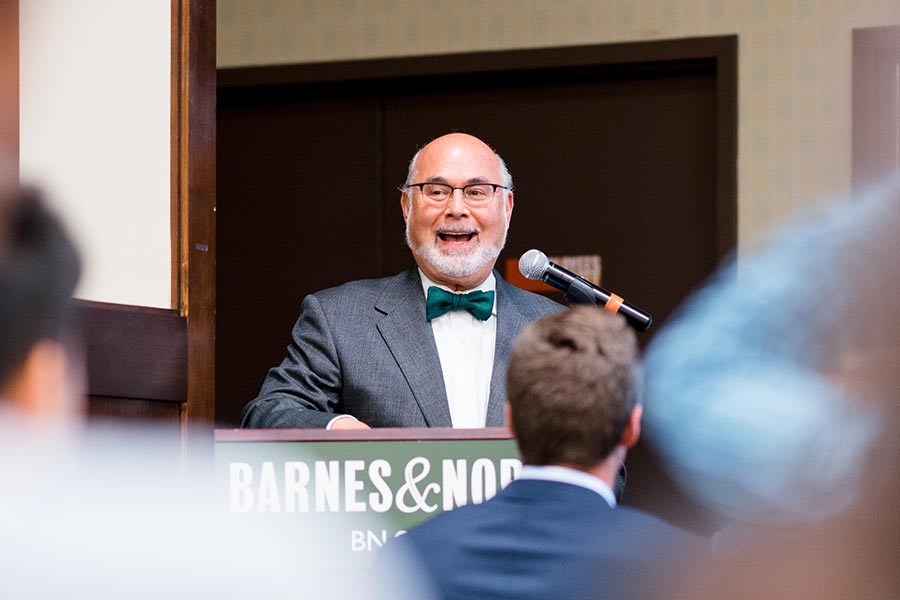
Mark Van Ness, Founder of Real Leaders explains why we cannot wait for politicians to solve our problems.

Grant Schreiber, Editor of Real Leaders, moderated the panel discussion and spoke about the need for a magazine such as Real Leaders to focus on far-sighted leaders who inspire the future (#inspirethefuture).

If you like this, subscribe here for more stories that Inspire The Future.

“We cannot wait for politicians to solve the world’s problems,” said Mark Van Ness, Founder of Real Leaders. “Leaders in our everyday lives, including business leaders, are stepping up everywhere to fill the leadership void.”

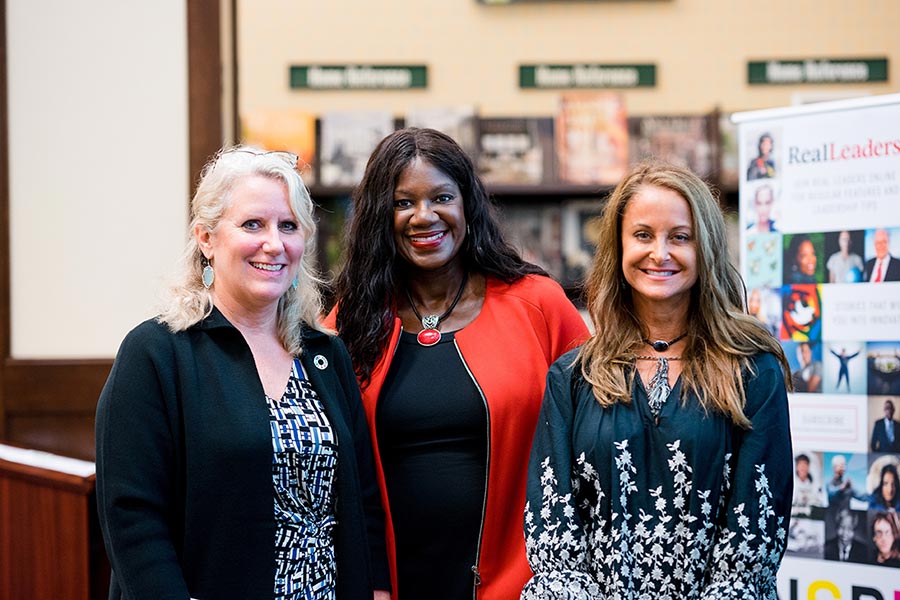
From left: Julie Van Ness, President of Real Leaders; Benita Fitzgerald Mosley, CEO of Laureus and Marci Zaroff, Founder of MetaWear Organic.

In addition to a call for real leadership, Julie Van Ness, expressed the importance of diversity and inclusion in leadership. “We strive for our magazine to be diverse,” said Van Ness, President of Real Leaders. “For example, we make sure that women are represented in equal numbers to men throughout our entire magazine.”

The diverse panel added valuable insights around their social impact work. 

Grant Schreiber, editor of Real Leaders in discussion with Maya Bruhmam of The World Bank.

Marci Zaroff, Founder of MetaWear Organic and BeyondBrands, talked about the negative environmental impacts of conventional apparel manufacturing and how to combat this. Jonathan Granoff, President of the Global Security Institute, pointed out the many actions that are being taken to address the global goals and encouraged everyone to get involved for elevated impact. Jay Shetty, award-winning online host and filmmaker, discussed how to make a difference on social media. And Jess Jacobs, Actress, Global Advocate and Co-Founder of Invisible Pictures, talked about her work to achieve gender equality in TV and film production.

Other panelists included Alex Amouyel, Executive Director of MIT Solve, Benita Fitzgerald Mosley, Olympian and CEO of Laureus USA and Maya Brahmam, Senior Communications Officer of The World Bank.

To subscribe to the bigger and newly-redesigned Real Leaders magazine click here

Jonathan Granoff, President of the Global Security Institute.

Alex Amouyel, Executive Director of MIT Solve.

Julie Van Ness, President of Real Leaders speaks about the commitment to portraying women in equal numbers in the magazine.

Jay Shetty, award-winning online host and filmmaker shares his views on online influence and social impact.

Actress and Cofounder of Invisible Pictures, Jess Jacobs, speaks about the importance of positive female role models in movies.

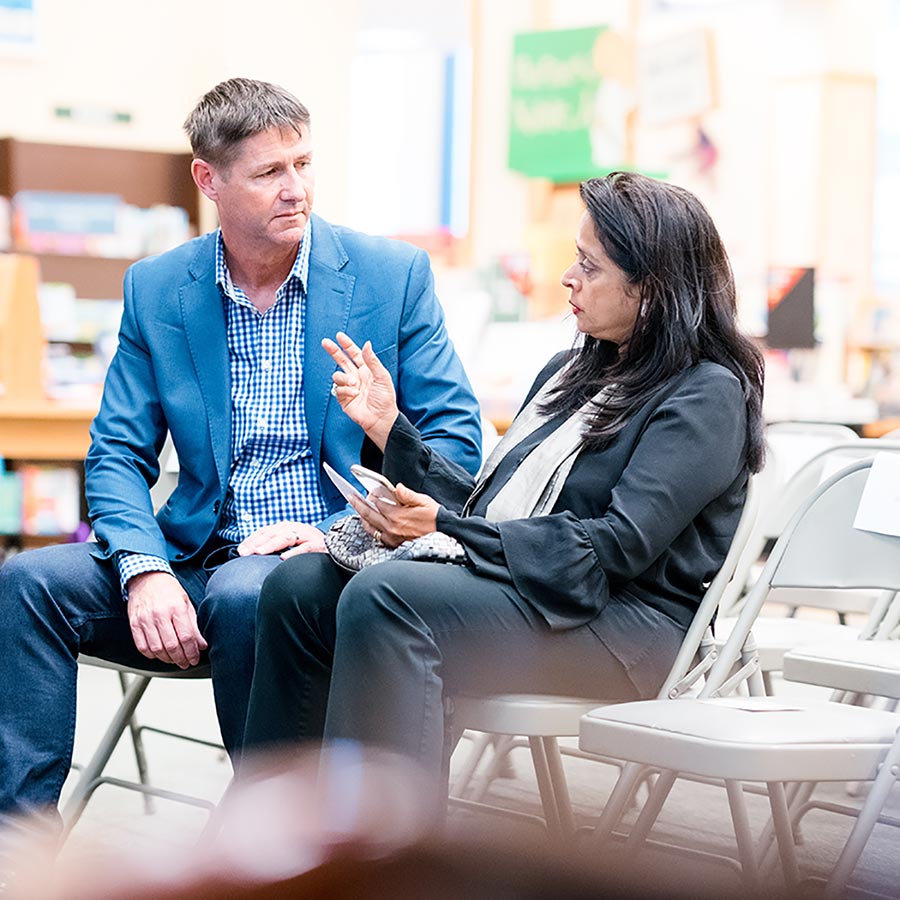
A capacity crowd of media, entrepreneurs and business leaders listen to the panel.

If you like this, subscribe here for more stories that Inspire The Future.


Mindfulness as a Path Toward Achieving The Global Goals

The world is a beautiful place, but somehow it seems that humankind’s presence here has done more harm than good.

As a species, we kill other species and our own; we destroy natural habitats of wildlife, while mindlessly depleting our food supplies. Poverty and inequality plague us and have done so for decades. We are shooting ourselves in our own metaphorical feet… and the way we are moving, eating, consuming, and behaving is simply not sustainable.

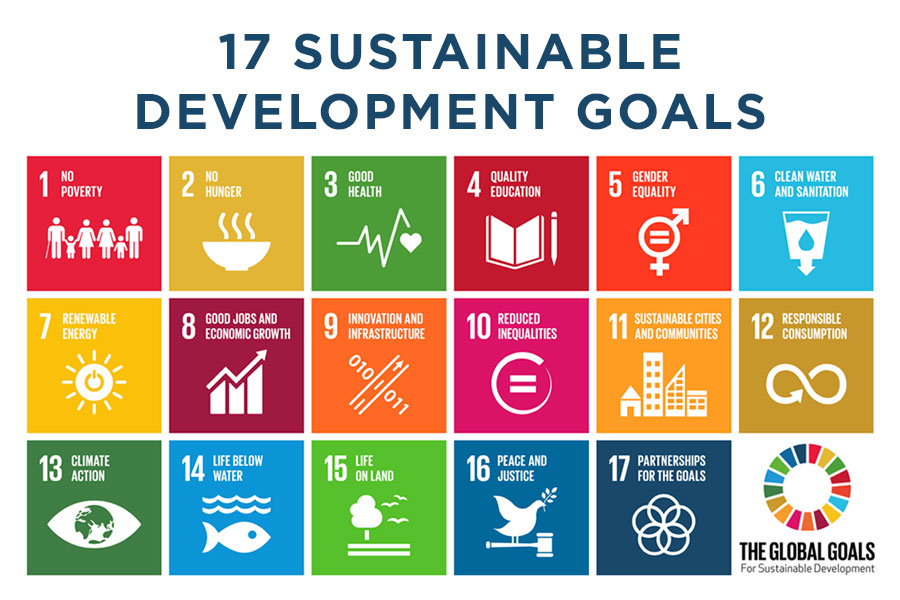
For most of us, this is common knowledge. Even the United Nations, one of the world’s largest international organizations, has noted that things must change, and soon. It’s done this through the creation and promotion of the Sustainable Development Goals (aka. The Global Goals). 17 goals ranging from zero hunger to protecting life in our oceans, are nicely branded and shared widely as an aspiration for the United Nations to reach towards.

But, these goals are not for the institution of the United Nations alone. While they originate from the UN, they stem from a global survey, and I doubt that anyone would look at this list and think “Nope, we don’t need to work on any/all of this as humanity.” I think most people would look at these goals with a quiet recognition sounding more like “Oh yeah..we messed up pretty bad, didn’t we?”

The goals are actually for all of us.

Now, before we start to feel too guilty and wallow in the feelings that may inevitably arise when we look at these 17 boxes and contemplate the state of the world today (including the truly unnecessary stuff that’s out there, like the complex wars, battles for oil, and let’s not forget the questionable political tactics and fear-mongering of certain politicians) – we need to make an acknowledgment. We need to make a few:

Firstly, we created these problems.

Secondly, we are responsible for solving them, and ideally, as Albert Einstein once famously said, to not “solve problems with the same way of thinking that created them.”

Lastly, we need to recognize that we can, if we choose to, make positive steps towards achieving these goals, on a personal level. We don’t have to don a superhero cape and save the world on our own, either.

I can hear the questions already arising, and the resistance. “But I wasn’t responsible for the wars in the Middle East, why and how can I possibly help?” “But, I’m a vegan! I’m already doing my part..it’s all the other people who need to get on board.”

Stop it right there. Ego aside for a second, please. We live here. We affect the world around us. I think we need to accept that too. We are all in some way responsible for every single one of the earth’s ailments in one way or another. If not directly, then indirectly.
I am no exception, and I’m certainly not a saint. I can’t say I started the war in the Middle East directly. But you know what I didn’t do to prevent it? I didn’t write a letter to my government when Canada decided to go to war. I didn’t protest more than once. I didn’t blog about it. I watched TV and just added negative energy to an already awful situation and felt powerless. And also, there was that one time someone was in a rage arguing that we NEED to be in the Middle East, and I just had too much of all of it that I didn’t bother to muster up the energy to inform him that many of his views were based on false knowledge. I didn’t tell him there was a better way. I get ZERO brownie points for that – especially for someone who calls herself a peace practitioner.

But that’s a pretty big example. Let’s try something smaller. I don’t think I’m particularly responsible for climate change..but I am. Every time I drove my rusted old minivan given to me by my grandparents when I was younger, even though that exhaust was spewing garbage into the air, I was helping contribute to the depletion of the ozone layer. Every flight I fly on (and I fly quite a bit), I am adding to the supply and demand of airlines and flights, and through the use of airplanes contributing to the same depletion of the ozone layer. Do you know how much gas it takes for an airplane to fly? How much of that has to be pumped out of the earth, polluting our oceans along the way, to be able to sustain this thing we often righteously call the necessities and privileges of human life?

And guess what? We all do this stuff without thinking about it. When one of us does it, it’s not such a big problem. When many of us do it, repeatedly, and unconsciously- well, then we need the Sustainable Development Goals, a large world session of singing kumbaya, and a huge ocean and land clean up… and maybe some praying. Praying would probably help.

BUT, here’s the good news. Even though these goals and problems are massive, we can make our lifestyle changes to move the sliding scale in another direction.

They say:

“The devil’s in the details.”

“It’s the little things.”

“One drop in the ocean can raise the tide.”

All these potentially cheesy quotes have some serious truth behind them. We can make a small, subtle difference, every day, which through the ripple effect, and amplified effort can drastically shift our world in the right direction… towards any one of these goals.

If tomorrow we all woke up, and mindfully ate our breakfasts, choosing which brand of cereal we eat – and don’t choose the one that uses slave labour; if we choose to recycle the cardboard box, and reuse the plastic bag within it; or better yet, if we get our cereal at a local organic, ethical, food store where the cereal comes directly from a dispenser, and we put it into a reusable container, we skip the whole “trash” part of it altogether. If we all did this, what would happen to the cereal industry? To farming standards? To our landfills? Heck, what would happen to your body without all the toxins from generic cereal and to the amount of trash you have to take out weekly?

And your morning cereal is just one of the thousands of things you can choose to think about on a daily basis consciously. Just one! We have thousands of decisions to make throughout the day. Imagine what might happen to your life and the world if we slowed down for a moment and were more mindful, and present to make those decisions.*

So, here’s my challenge to you, and to me, and anyone else either of us may talk to: take a moment to be mindful about your decisions today, even if just one. Contemplate your breakfast, and its impact; or your choice of running shoe brand; or how full your trash can is and where that trash is going. And then, mindfully make a change. It can be small. But make it.

If we all tune in, act as mindfully as we can, imagine what a difference that can make.

In the mean time, I’m going to try to fly less, plant some trees, live with an open heart and mind, try to keep it minimal… and keep talking about this stuff, because to me, this world matters, and if I can make my small difference. I most definitely will.

I hope you’ll join me.

Sergey Brin, Co-founder of Google

Sergey Mikhaylovich Brin is a Russian-born American computer scientist, internet entrepreneur, and philanthropist who, together with Larry Page, he co-founded Google. Brin is also the President of Google’s parent company Alphabet Inc.

As of July 2017, Brin is the 12th richest person in the world, with an estimated net worth of US$45 billion.

Brin immigrated to the United States with his family from the Soviet Union at the age of six. He earned his bachelor’s degree at the University of Maryland, following in his father’s and grandfather’s footsteps by studying mathematics, as well as computer science. After graduation, he enrolled in Stanford University to acquire a Ph.D. in computer science, where he met Page. They crammed their dormitory room with inexpensive computers and applied Brin’s data mining system to build a web search engine. The program became popular at Stanford, and they suspended their Ph.D. studies to start up Google in a rented garage.

The Economist referred to Brin as an “Enlightenment Man”, and as someone who believes that “knowledge is always good, and certainly always better than ignorance”, a philosophy that is summed up by Google’s mission statement, “Organize the world’s information and make it universally accessible and useful,”and the unofficial and sometimes controversial motto, “Don’t be evil”.

In 2004, he and Page were named “Persons of the Week” by ABC World News Tonight, and in 2005 he was nominated to be one of the World Economic Forum’s “Young Global Leaders.” In June 2008, Brin invested $4.5 million in Space Adventures, the Virginia-based space tourism company. 

Brin was also involved in the Google driverless car project. In September 2012, at the signing of the California Driverless Vehicle Bill, Brin predicted that within five years, robotic cars would be available to the general public.


Transforming The Way The World Views Failure

Fear of failure is an epidemic that stifles human potential and it’s time we rethink it.

Whether stemming from a lack of confidence or negative past experiences, the effect of fear of failure can be immobilizing, stopping most people before they even get started.

Over the years, I’ve coached hundreds of clients from all over the globe. My clients have been entrepreneurs, executives, artists and filmmakers. What I’ve learned is that almost everyone experiences fear of failure, regardless of how successful or accomplished they may be.

The truth is that we all fail far more often than we succeed, but because we are conditioned to constantly project success, our failures often go unseen, doing more damage than good.

I believe projecting success while never recognizing failure only perpetuates fear of failure. I believe that life’s biggest lessons can come from some of life’s biggest failures.

I believe failure allows us the opportunity to practice humility and compassion while building resilience and wisdom.

I believe fear of failure is an epidemic that stifles human potential and this is my attempt to inoculate it.

We Fail Forward: The Podcast On A Mission To Transform The Way The world Views Failure

On the show, we interview massively successful entrepreneurs, innovators and changemakers about their biggest failures. Our goal is to uncover how those failures have contributed to their success, shaped who they’ve become YOU the listener to play bigger and fail forward.

Each guest submits a “Resume of Failures” used as interview prep and then published on the website.

You can check them and more out at: wefailforward.org


71% of Washington DC Chefs Are Immigrants

If the proposed immigrant and travel ban in the U.S. goes ahead, the capital – Washington DC – may go hungry.

According to DistrictMeasured.com, the website of the District of Colombia’s Office of Revenue Analysis, a whopping 71% of chefs in the Washington D.C. area are immigrants. With so many big mouths to feed, and proper nutrition needed for making important decisions and passing laws, you can’t help but wonder what would happen should the kitchens run out of qualified staff – a country cannot run on homemade sandwiches alone.

Jobs that involve cooking and preparing food may feature highly in the capital city, but other sectors are heavily reliant on immigrant labor too. Other immigrant-heavy jobs include 80% of carpenters, 57% of childcare workers, 51% nurses and psychiatric workers and 46% of economists. Think about that the next time you build a house in D.C., drop your kids at childcare, check your bank balance and then need psychiatric help after doing so. 

Immigrants make up nearly a quarter of the Washington region’s population but account for a disproportionate number of entrepreneurs – 33% of business owners were born outside the U.S.

The question needs to be asked: If the Washington area suddenly lost its entire foreign-born population, what would happen to the local economy?

Tell us what you think in the comments section below.

0