Simon Sinek: Why Not Just Do More Good?

By Carla Kalogeridis and Kathryn Deen

The unshakable optimist, the why guy — whatever comes to mind when you think of Simon Sinek — our exclusive interview provides fresh insight from this wildly popular leadership author, speaker, and founder.

Real Leaders: You had a milestone birthday last year. How did you feel about turning 50, and was this one hard for you?
Photo Credit: Jake Rosenberg


Simon Sinek: I’m not a big birthday person. I don’t like being the center of attention and wasn’t planning on doing anything, but my friends said I had to, so I threw them a party. I knew there were six other guests who also had milestone birthdays that year, and so when it was cake time, I had six additional cakes with their names and ages on them because why should I be the only person who celebrates my milestone? 

RL: We have a special section in this edition about executive coaches. Have you ever had a coach? 
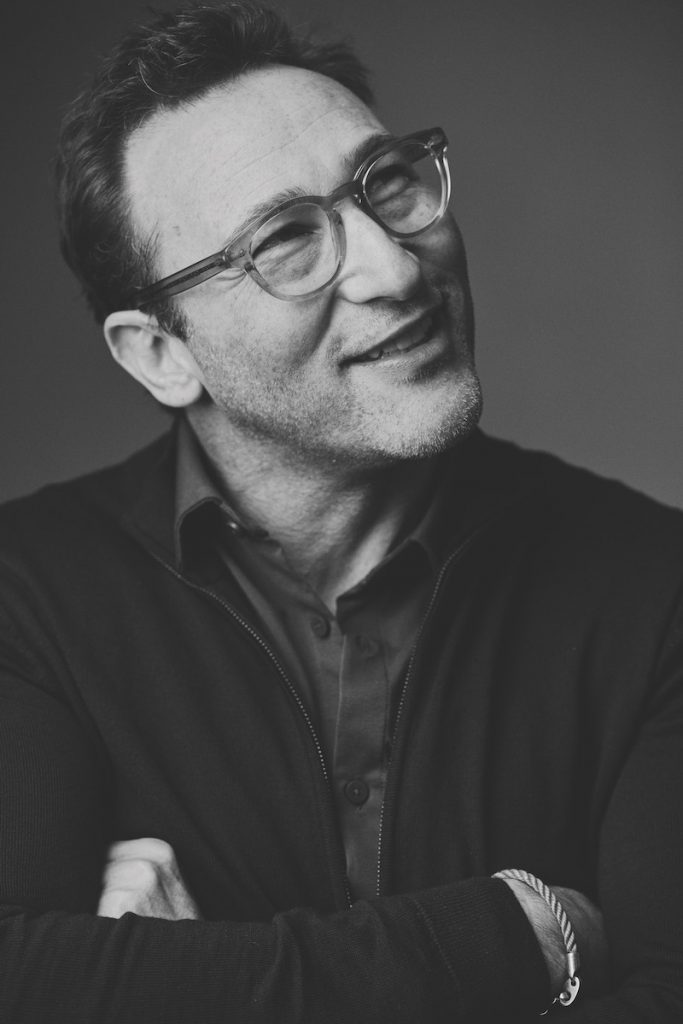
Photo Credit: Jake Rosenberg


Sinek: I have had a coach. I’m a great believer in having a coach. Finding a coach is like finding a partner. It’s got to be somebody who gets you, and there’s got to be a good personality match. You might need a couple sessions to figure that out, and it can be hard. I don’t understand how people in senior positions think they don’t need it. Professional athletes think they need it — how are we the exception?

Maybe because we can’t see our swing. We have blind spots, and sometimes it’s good to talk through a problem with a dispassionate person who’s not involved. Most of the conversations we have are with coworkers who are quite passionate about the decisions we make.

RL: What leadership blind spots are you noticing these days?
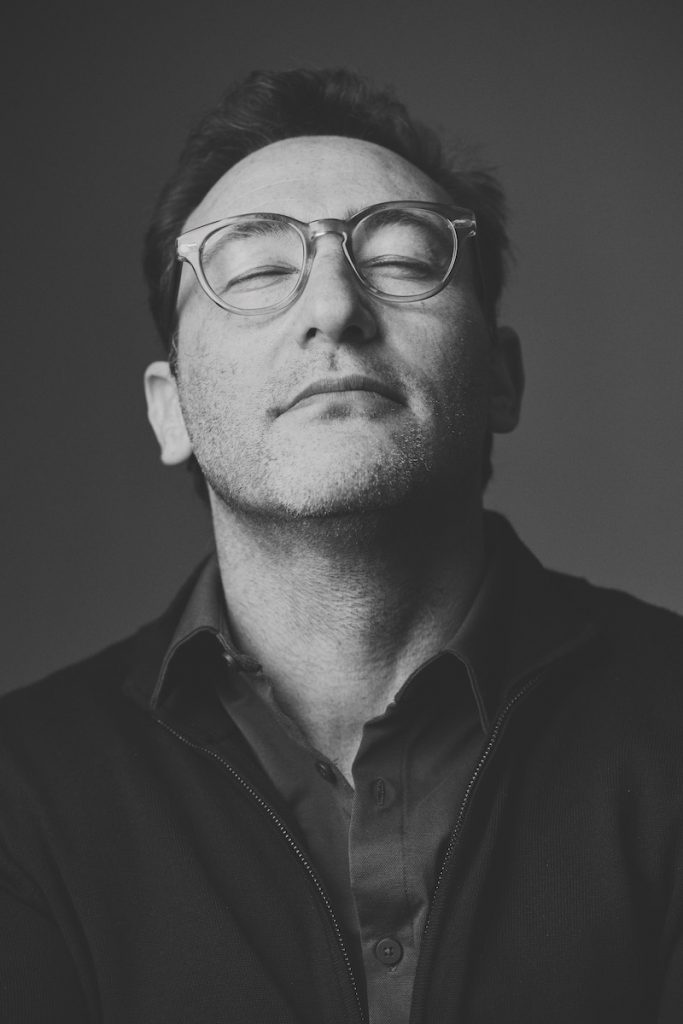
Photo Credit: Jake Rosenberg


Sinek: Most leaders think they’re good listeners. It’s hilarious. Also, people get promoted, and they forget that a whisper becomes a shout. A little offhanded “way to go” could make someone’s week, but an offhanded “that wasn’t very good work” could destroy someone’s confidence. Learning how to manage that is very, very difficult for leaders.

I’ll tell you one funny story. I was having a photo shoot, and we started pretty early. I asked what time lunch was, and they said 1 o’clock. I said, “Can we get the food in here at noon? I’m kind of hungry.” So they got it in at noon, no big deal. Then we had another shoot and we started pretty late, like 10 a.m., and the food came at noon. I was like, “Why is the food here so early?” And I found out in the background that when they were making the schedule, someone said, “Simon insists on having the food at noon,” which, of course, is nonsense.

Self-awareness is one of the biggest blind spots. Actually, self-awareness is a misnomer — self-awareness is situational awareness. When you’re sitting in a meeting, do you know that you’re talking too much? Well, you won’t know that unless you see people in the room trying to speak but you keep interrupting them. You learn self-awareness by honing the skill of situational awareness — in other words, paying attention to the room.

Another leadership blind spot is asking for people’s advice after you’ve already given your opinion. That’s a big one. I would classify that under listening skills. 

RL: You do quite a bit of keynote speaking and ranked No. 2 on the Real Leaders Top Keynote Speakers list for the last two years. How does speaking relate to your why? 

Sinek: My why is to inspire people to do the things that inspire them, so together, each of us can change our world for the better. I’m agnostic as to how I deliver that message. It happened by accident that I became a speaker, but clearly, it fulfills the why. For many years, I thought of myself spreading my message as a preacher. I was spreading a gospel of the way business should work. It made perfect sense. It’s not the only way I can spread my message, but it certainly has been a good one for me. 

RL: How do you give your audience goosebumps?
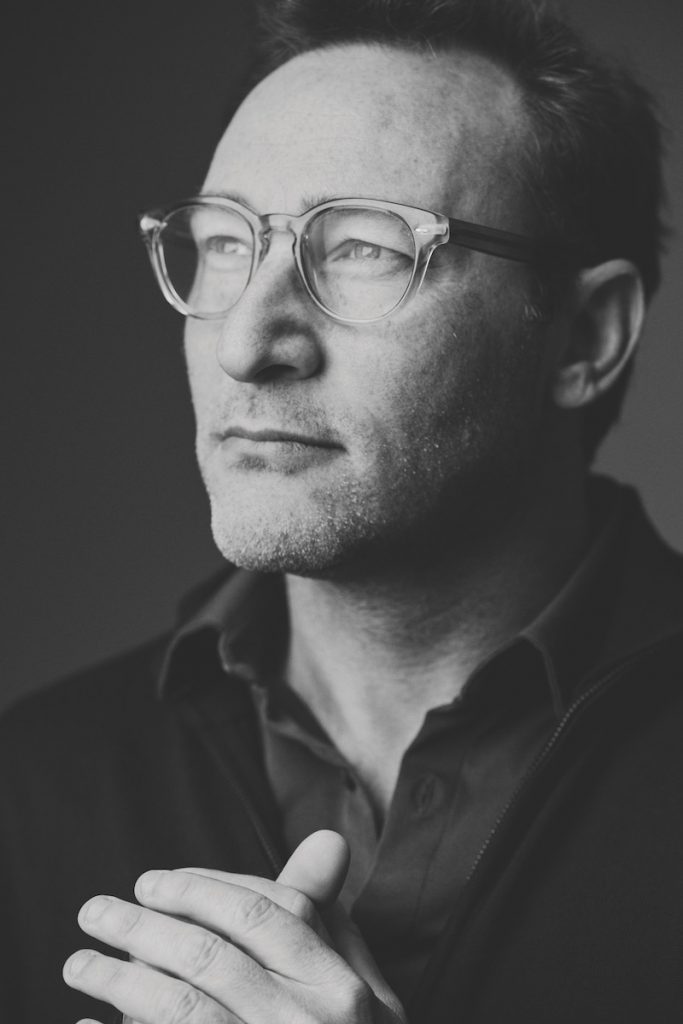
Photo Credit: Jake Rosenberg


Sinek: That’s an underappreciated skill, which is the art of storytelling. When most people speak, they make it about themselves. “Let me tell you how great I am. Let me tell you about all my accomplishments.” There’s some ulterior motive — buy my book, buy my product, subscribe.

The way you connect with an audience is you have no ulterior motive other than to serve. I don’t ever think I’m right. I think I have a point of view, and I’m there to share it. I’m not looking for people to agree with me. I’m looking to offer an invitation. One of the reasons I connect with an audience is because I’m genuinely there as an act of service. I’m there for them. I’ve always had that mindset. Before I go on stage, I’ll mutter out loud to myself under my breath, “You’re here to give,” just to remind myself. It’s wonderful.

RL: Would impact company leaders benefit from seeing themselves as preachers of their cause?

Sinek: The simple answer is of course, but frequently saying that you’re an impact company is preaching to the converted, and it can potentially alienate the unconverted. Don’t talk about it so much — just do it. Just be impact, right? 

To constantly say you’re an impact company is about self-aggrandizing. It’s virtue signaling for the people who are already in the club. If you’re truly an impact person, your responsibility is to invite people who are not already in the club and to find the language, methods, and systems that are an invite rather than an attempt to convince or shame. Just do the good work, and then you’ll reach the cause that you’re preaching. Find the language that invites as many people as possible.

I don’t use the words vision or mission or cause or purpose. I use the term why. I found new language that reinforced those who already believed but that invited people who weren’t sure to take a look. The only way a movement can move is with new people.

RL: After the murder of George Floyd, you started a nonprofit called The Curve to support better leadership in policing. Why did that particular incident resonate with you so deeply?

Sinek: Multiple reasons. It’s a profoundly human problem caused by humans, and the impact is on humans. It is largely a leadership and culture problem. Yes, policing has issues in training and hiring, and those are symptomatic of the leadership and culture problems that policing suffers from. If you look at the advances in leadership theory, the military is way ahead of most corporations when it comes to embracing new ideas, but policing is about 20 years behind. Though often well-intentioned, outside pressures and legislative fixes either flat out won’t work or will have a short-term or minor impact without completely changing the culture of policing, which is what’s needed.

The only way to do it is from the inside out. I was drawn to it because it’s an unbelievably complex human problem, which interests me. I like very difficult things. And there’s already plenty of people looking for the cure for cancer. There weren’t enough people who were doing this except as outsiders looking in.

RL: You are known for being unshakably optimistic, but is a little pessimism helpful for leaders? 
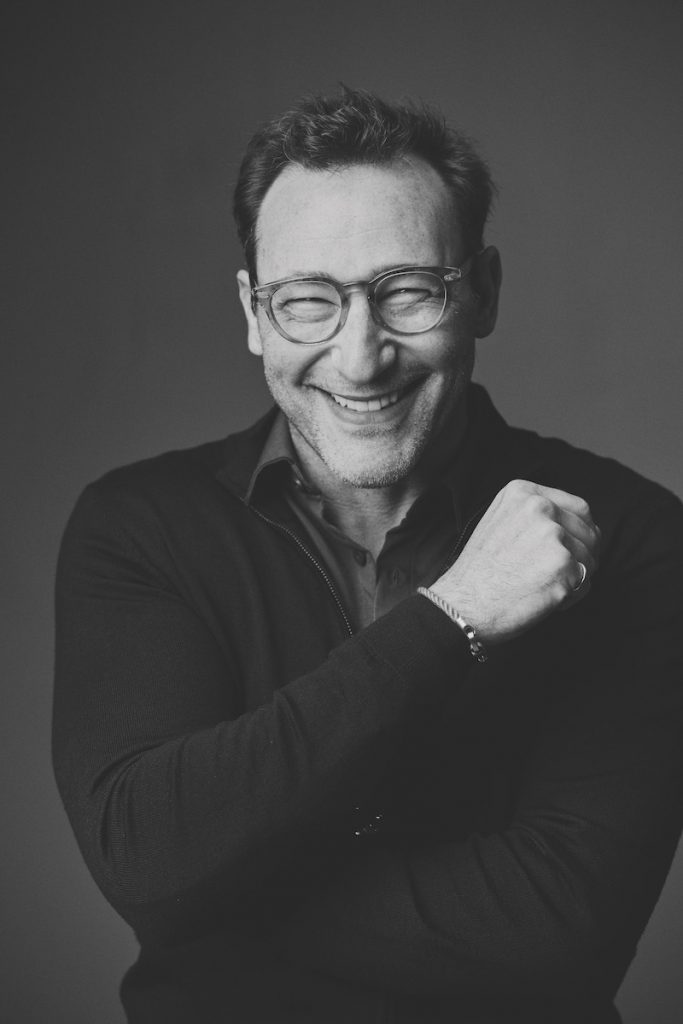
Photo Credit: Jake Rosenberg


Sinek: Let’s first define optimism, which is not blind, nor is it naive positivity where you’re saying everything’s fine, everything’s good — that’s dangerous. Optimism is the undying belief that the future is bright. It allows for darkness, it allows for difficulty, it allows for frustration, it allows for anger, it allows for pessimism. But fundamentally, it is the undying belief that even if it’s a difficult time now, if we work together, we will get through this and come out stronger.

I’m cynical very often. I can be grumpy, I can be judgy, but that doesn’t affect the fact that I fundamentally believe the future is bright. 

RL: Leaders are often deeply devoted to their causes. Talk a little about your concept of cause blindness and how they can avoid that pitfall.

Sinek: We are living in leaderless times. There seems to be a distinct lack of idealism in the world. Our presidents don’t talk of world peace anymore. Go back a few years and world leaders like Ronald Reagan and John F. Kennedy literally talked about peace on earth in their inaugurations. Being driven by a higher calling is very important to inspire people and instill trust, loyalty, and innovation. 

We’re very short-termist these days. We’re driven by short-term growth or short-term impact investor pressures, and a large part of it is because of the loss of idealism.

One of the things that prevents and insulates you from cause blindness is idealism because you’re looking so far ahead to advancing a cause that is for all practical purposes unrealizable. World peace is not realistic, but it is inspiring, and we can take steps toward it. Cause blindness tends to be when we become sheltered and looking down and can’t see the forest for the trees. When you look up at the grand vision, it actually makes you more awake. 

RL: What about your term ethical fading? How can leaders make sure that ethical fading doesn’t creep in to their businesses?

Sinek: We’re all susceptible to ethical fading, and this is where strong leadership and strong culture inoculate you — if you have a truly just cause and are not simply driven by short-term financial gains. You must also spend the time to build strong teams where there’s psychological safety, and if you do these things, you are inoculated from ethical fading.

In any company, people will have stupid, unethical ideas. We all do. But in a good company, someone will go, “We’re not going to do that.” It’s not the generation of the idea; it’s whether the idea gets implemented or not. Ethical fading happens with poor leadership and an incentive structure that rewards short-termism. Good leadership and good incentive structures are the antidote.

RL: You talk about the importance of having worthy rivals, not competitors. What have you learned from making that mindset shift? 

Sinek: This is one of the most magical mindset changes that somebody can make, and it’s so easy to do. 

You’re going to learn so much by being grateful for those who do things better than you rather than trying to undermine or compete or put them down. You become more like, “Damn. They’re good.” And it makes you better because they become pacers that push you harder, right? You’ll find solutions to problems that you’ve been struggling with from a worthy rival. It makes you much more self-confident and relaxed and better at what you do. You are less distracted by the silliness of creating fake competitions where there are no finish lines.

RL: How have you implemented this mindset in your organization?

Sinek: It’s become a practice that when we’re working on something, someone will ask, “Who’s the worthy rival on this?” and we’ll go find the best of breed, the people who are more experienced, way better, and really innovative. 

RL: How does your concept of infinite-mindedness impact leadership?

Sinek: It depends where in the pecking order you are. If you’re at the top of the pecking order, you know that having just causes is really where it starts, and then adjusting the incentive structures to ensure that you and your people are building an infinite-minded company.

If you’re just in the organization, you have no say over the incentive structures or setting the vision. But you can come to work every day to be the leader you wish you had and to ensure that the people with whom you work go home every day feeling inspired, safe, and fulfilled. Infinite-mindedness is: “How do I help the people around me rise?” They’ll become better versions of themselves because I worked with them and because they worked with me.

That mindset has a massive impact on someone because you find yourself in service, which is ultimately what an infinite mindset is.

RL: As a trained ethnographer, you’ve discovered patterns about how the best leaders and organizations thrive. What are the prominent patterns you’re seeing today?
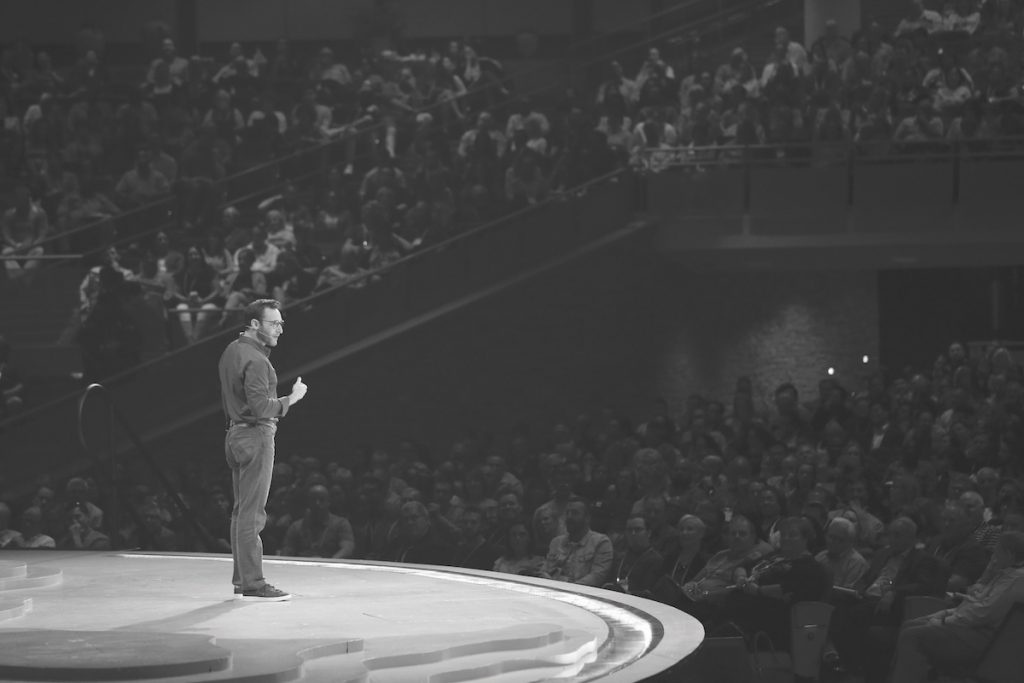
Photo Credit: Jake Rosenberg


Sinek: The big one — and I don’t say it explicitly, but all my work touches on it — is this idea of human skills. Cats don’t have to work very hard to be good at being a cat, but it turns out that people have to work pretty hard to be good at being human. We are not good listeners. We are not good at giving or receiving feedback. We’re not good at having difficult conversations, and the list goes on. The biggest pattern I’ve seen is that to be human takes work, and those who do the work become better human beings, better leaders, better friends, better spouses, better sons, better daughters, better parents.

It doesn’t matter where we learn it. If you learn to be a better listener because your relationship is struggling, you’ll bring that skill set to work. At work, we can teach people how to be better listeners because we want them to cooperate better. And then, you’ll bring that skill set home to your relationships and to your parenting because the skills are the skills. They don’t teach human skills in business school, and I think companies have the opportunity to pick up the slack.

Companies that teach human skills tend to outperform the companies that don’t. And though it’s hard to measure, I would venture a guess that companies that double down on teaching those things, I bet the people who work for them have lower divorce rates, their kids do better at school, and they have lower rates of cancer and diabetes and things like that, which are all stress-related disorders.

There are a lot of good reasons to hone our human skills. All my work is in some way, shape, or form talking about human skills. Notice I don’t use the term soft skills. I hate the term soft skills. Hard and soft are opposites, and these are not opposite skills. Hard skills I need to do my job. Human skills I need to be a better human. And I need both those things to excel in life and at work.

RL: You implemented an agreement with your friends during the COVID pandemic that none of you would cry alone. When it comes to leadership, is there anything that just has to be done alone?

Sinek: Accountability. Ultimately, if you’re the leader, the buck stops somewhere, and if a decision is made and it goes wrong, you can’t cast blame if someone on your team made the decision and you trusted that they could. You have to support them in the difficulty of repairing whatever that bad decision was. We’re not talking about negligence here. We’re talking about someone just made a bad call. Accountability is a solo affair. Everything else can be shared. Joy and congratulations can always be shared. I would never do that alone.

We see lack of accountability a lot. When people say, “The lawyer said we can’t do that,” what they’re really saying is, “I won’t take accountability for the decision that needs to be made because of the risk associated with it.” Lawyers don’t make decisions. Lawyers advise on risk. My lawyers tell me that I can’t do things all the time, and I say, “Tell me what the risks are,” and then I’ll either do it or not because I think it’s worth the risk or not. But ultimately, it’s my decision. Anybody who pushes that off is becoming a refugee from accountability.

RL: Your last book came out in 2019, and it’s 2024…
Photo Credit: Jake Rosenberg


Sinek: You sound like my publisher.

RL: When are we going to see your next book? What will it be about?


Sinek: I’m working on a book about friendship. There’s an entire industry to help us be better leaders. There’s an entire industry to help us be better parents. There’s an entire industry to help us eat better, work out better, sleep better. Yet there’s precious little to help us be better friends.

If you look at all the challenges we face in the world today, and with anxiety and depression and suicide on the rise — even our obsession with longevity — friendship is the ultimate biohack. If you learn to be a good friend, you live longer, you’re healthier, you’re less susceptible to addiction. It is the greatest thing in the world, and yet there’s so little that teaches us how to be good friends. I’ve really become quite obsessed with what it means to be a friend.

The number of us who prioritize work over friendship because our friends will understand when we cancel on them is really gross. Your work will never be there for you in hard times. Your work’s not going to save you, but your friends will. Nobody calls their work ride or die.

So many of us think we’re a good friend, but if you really peel the onion back a little bit, are you sooner to cancel on a friend for a meeting, or would you postpone a meeting for a friend? Do you know how to be there for someone when they’re struggling, or do you just try and fix their problems? Do you know how to listen to someone so that they feel heard? If a friend’s depressed, do you tell them to buck up, or do you go to their house, get into bed with them, eat ice cream, watch movies all day, and be depressed with them so that they don’t feel alone in that space?

We all have a lot to learn about how to be a better friend, so I’m writing that book with my friend Will Guidara, who wrote Unreasonable Hospitality.

RL: Can you expand on how being a better friend makes you a better leader?

Sinek: Friendship is scalable, right? Being a better leader doesn’t necessarily make you a better friend, but being a better friend definitely makes you a better leader. It is the only truly scalable skill. Being a better dad doesn’t necessarily make you a better friend, but being a better friend makes you a better dad.

RL: Are you good at friendship? Or is it a self-identified weakness that led you down this journey?

Sinek: Like everybody, I thought I was a good friend, but I still have some stuff that I’m learning. I’ll give you an example. I thought I was a great listener — until I took a listening class. I learned that I am an absolutely fantastic listener with people I will never see again for the rest of my life, but with my friends, I was appalling. When my friends would say, “You’re such a bad listener,” I’d be like, “Do you know what I do for a living?” Turns out I was crap. I was useless. And so I called my friend and said, “Remember when you told me I’m a bad listener? Turns out you were right.”

There’s a lot to learn. I’m definitely a better friend now than I have been in the past because I am learning more about human skills. Managing a friendship is difficult and requires a lot of intentionality. 

RL: Circling back to that big birthday, how would you characterize your first 50 years? How do you envision your next 50?

Sinek: It’s all a magical journey. I’m in life for the fun of it. Some of it is easy, some of it is hard, some of it is clear, some of it is foggy. But all of it goes better when I do it with others. “Remember that time…” is a much more fun conversation than, “Let me tell you what I did.”

And any kind of stress is endurable with others around us. It’s a journey with others. We all make the mistake sometimes of forgetting that we are surrounded by people who love us. They’re there to help us if we just ask. So the first 50 years has been learning those lessons, quite frankly, that I’m not alone. It’s OK to ask for help. It’s OK to accept it. It doesn’t make me dumb or weak. In fact, it makes me stronger. It makes me more confident. It makes me more grateful, more humble.

The next part of my life, however long it is, is the joy of getting to live with purpose, to take all those lessons and actually do it all. 

RL: What’s your message for the Real Leaders community?

Sinek: The best thing that this audience has is each other. I hope they spend time in this community without their phones, without their computers, without their emails. I hope they talk to each other about what works and doesn’t work.

I cannot emphasize enough the value of community when doing something difficult and bucking the system of how capitalism has worked for the past 30–40 years. It’s the status quo that is working against us. And even though it’s trendy for every company now to have a purpose on their website, go compare the decisions they make to the statements on their websites, and in many cases it’s just marketing. How are you treating your employees? You can’t call yourself an impact company and not practice good leadership or learn good leadership or teach your people good leadership. 

Just go do the good work. Do the work that demonstrates the impact that you’re having because the people who want to come work for you in this new generation of employees, they care about that stuff.

RL: What companies are your gold standard when it comes to leadership and impact?
Photo Credit: Jake Rosenberg


Sinek: I love Patagonia. They demonstrate it in their bottom line. They demonstrate it in the way they treat people. They demonstrate it in the way they talk about the impact they’re having on the communities in which they operate. They don’t use any euphemisms — they just do it. They just get it done, and they’re open, and they’re accountable. They still do damage, and they don’t recycle everything, and they’re super honest about it. We should copy their model.

Airbnb is also pretty good, and Brian Chesky is open about being an infinite-minded company. All of them have work to do. None of them are perfect. They all have blind spots. They all have pressures. But the way that Airbnb treated its people during COVID when they had to have layoffs was a model of how to do it. They were so generous. They set up a page on their website and uploaded everybody’s resume who lost their job, and the day they got laid off, you could hire them. That’s so much more than just saying, “We care about our people.” This is a company that even cared about them after they let them go. They didn’t just let them go — they helped them land on their feet. That, to me, is impact. 

Level Up Your Human Skills

Interested in Simon Sinek’s’ online courses? Visit simonsinek.com and use code REAL LEADERS for 15% off all e-learning (not to be combined with other promotions).

From Child Farmworker to Keynote Speaker

These are my top lessons in leadership and resilience.


By Ovidilio Vásquez


In this fast-moving world, leadership must be visionary, resilient, and purpose-driven, creating social value and impact in every aspect of business. As a keynote speaker, I share the lessons I learned as a child farmworker in Central America with leaders across the United States.

Building the Foundation


Born in the ‘90s in a small Central American village, I grew up without electricity until I was 8. We farmed all our food — beans, cassava, plantains, corn, and other crops — and worked hard. I learned about grit and the importance of working diligently from sunrise to sunset. After arriving in the United States as a teenager, I learned English because it was a great equalizer for education and work. There were so many obstacles to learning this language, but it was paramount for me to learn it.

After that, I immersed myself in formal education, graduating from high school in three years while working a graveyard shift to support my family back home. These years developed the ability to focus amid distraction and tiredness and expanded the work ethic — a family trait I learned from my grandmother — that would define me. I earned a bachelor’s degree in management within two years and was accepted into Harvard Business School Online. Hard work and a belief in one’s potential can propel a person beyond what seems conceivable.

The Power of Education and Technology


My career as a keynote speaker has taken me to some of the globe’s most forward-thinking companies — Apple, Tesla, Salesforce, and Uber — where I witnessed bleeding-edge product development, revolutionary approaches to workforce management, data analytics, and real-time human-machine collaboration. Through these experiences, I learned how technology can make the world a better place while cultivating a culture of innovation.

In 2022 I released a mobile app that would serve as the hub for $5 million in available scholarships for underserved and underprivileged students to help them build a bridge between potential and opportunity through technology.

Resilience in Leadership


Now, leaders are expected to be resilient and develop resilience by consistently learning from life’s challenges and opportunities. My career followed an unplanned trajectory that blended a fast-paced educational track with misfortune, and finally with a family. As a husband juggling my business, three children, and a desire for lifelong learning, I wondered how resilience could be taught to the next generation.

Fostering a resilient culture is an essential task for any current leader. As I learned in Resilient Leadership — A Case Study of Sir Winston Churchill by A. Kishore Kumar and K. Ajay Kumar, resilient leaders push their teams to master challenges, build strength from failures, and increase team performance.

Sowing Seeds for a Better World

My work contributes to the United Nations Sustainable Development Goals through youth motivational speaking, systemic thinking, and innovation that drives social impact, especially in schools. My highest purpose — to plant seeds of hope — contributes to SDG 4: Quality Education. Innovation and technology can scale solutions and impact people’s lives and businesses.

When redefining business as usual, the leader will ultimately catalyze more effective and sustainable societal development. Concurrently, they will ensure that the company is well- positioned to be more resilient, more reputable, and more resourceful over the long term. The success of a company is ultimately tied to contributing to a more successful and fulfilled world.

Embracing the Future


From farmworker to national keynote speaker, I have witnessed firsthand how education combined with grit, resilience, and enlightened leadership can transform not only myself but our planet and the pervasive social challenges we face. Let’s share this vision and believe that better leaders will create a better world.

As we become adept at learning, adapting, and regenerating, executives must embrace sustainability to ensure the long-term well-being of their organizations, communities, and humanity. We are ready to lead.

Ovidilio “Ovi” Vásquez is a social entrepreneur, author, and national motivational keynote speaker who champions the profound transformative impact leaders have on our next generation. He made the 2023 Real Leaders Top Keynote Speakers’ Ones to Watch list.

Water Safety Warrior Miren Oca

Here’s how my swim school surpassed 2.5 million lessons in 30 years and became employee-owned.


By Miren Oca


My journey with Ocaquatics Swim School began with a passion for water safety. As a swim instructor and single mother of a young child, I was alarmed by the high rates of drowning, especially in children in my South Florida community. But I didn’t view the rates as merely statistics — I saw them as preventable tragedies. This set me on a mission to teach families to love swimming and become safer, more comfortable, and more responsible around water. At Ocaquatics, we are proud of our work to help significantly reduce drowning rates through high-quality water safety and swim education. 

I started the business three decades ago by teaching swimming lessons in backyard home pools and eventually leased locations like country clubs and hotel pools. As the business grew, I started hiring part-time team members. The more people I hired, the more the business continued to grow. I realized that I needed to develop a business model and operating philosophy. We also needed to address the weather challenge of working solely outside because it was negatively impacting our ability to consistently teach our swimming classes. 

So after 15 years of teaching in outdoor leased locations, I decided that I was going to need purpose-built indoor facilities. The change was a big, bold, scary move that required significant capital investment, but I realized that moving to indoor locations and implementing more sustainable practices could affect greater change. The expansion allowed us to teach year-round, which was very different in South Florida at the time. It also allowed us to make a greater impact and reach more people to make children and families safer around water. 

Investing in Our Employees

With this new growth, we were also able to create a more sustainable model. We added a second part to our mission specifically dedicated to our team members. We committed to helping them grow within a framework of social and environmental responsibility so that we could expand our school in a sustainable way and make a bigger impact in our world.

We realized that we could not honor our mission to our families without a strong commitment to our team members. We wanted to be a workplace that cared about our people and invested in their development. We made sure our team had fair wages, good benefits, and personal and professional growth opportunities. We grow our team from within, helping them learn the skills they need to lead in a culture that is supportive and inclusive. 

We discovered that our team members really enjoy working with an organization that is making a difference in the community. As a certified B Corp, we teach our team members about social and environmental responsibility and how a business can be a force for good. We ask our team to help us designate our charitable contributions by making donations to the charity of their choice on work anniversaries, birthdays, and key milestones. We offer paid community service time and paid time off to vote in elections. We help our community and environment with all of these initiatives and are excited to continue doing them.

Expanding Our Operations

Between 2009 and 2019, Ocaquatics underwent significant expansion. We built five new, dedicated, indoor facilities and remained true to our mission for our families and our team members. Expanding our operations required navigating financial uncertainties, regulatory landscapes, and building a team that shared our values and mission. These challenges taught me the importance of resilience, adaptability, and the value of community support. 

Our greatest milestones include celebrating Ocaquatics’ 30th anniversary and transitioning to a 100% employee-owned company through an employee ownership trust. These achievements are not just markers of success; they are affirmations of our mission’s impact. We now have 165 team members between five year-round, indoor, warm-water locations where we have taught over 2.5 million lessons. 

As we embrace our new identity as a 100% employee-owned company, I am filled with optimism about the future. This transition marks a new chapter for Ocaquatics, with every employee-owner playing a pivotal role in our journey forward. Together, we are committed to deepening our impact on water safety and swim education, leveraging our collective creativity, dedication, and passion. This collaborative approach will ensure that Ocaquatics continues to thrive, making a difference in every life we touch.

To my fellow impact CEOs and those aspiring to make a difference, my hope is that our journey serves as an inspiration. The path to making an impactful change is paved with collaboration, dedication, and a deep sense of purpose. Embrace your values, cherish your team, and remember that the most sustainable path forward is one walked together. We are stronger together. I encourage anyone interested in this space to join a group of like-minded, purpose-driven businesses, such as those that participate in the Real Leaders Membership.

Kakariki Capital: Decarbonizing the Planet

Investing in carbon and environmental projects and assets could be key to moving the needle forward.


By Real Leaders

Kakariki Capital is on a mission to decarbonize the planet.

The privately owned, Australia-based company invests in carbon and environmental projects and assets — a new, rapidly expanding sector — from early stage pre-development to de-risked. Kakariki’s philosophy and purpose are reflected in its name, which refers to the color green in Maori and is also a parakeet native to New Zealand fighting to survive despite climate change.

Founder and Chief Investment Officer Izzy Jensen applies close to a decade of experience leading research and origination in carbon and environmental markets to guide Kakariki’s investments in environmental solutions aligned with the United Nations Sustainable Development Goals. Core to its investment thesis is that carbon credits are crucial to achieving net-zero targets, and carbon credits make other global challenges bankable, such as biodiversity. Kakariki looks to identify assets that are fundamentally undervalued due to the complex nature of the carbon market. 

“While value is our major driver, investing behind our values is our passion,” Jensen says. Thus, Kakariki aims for exposure to reputable project developers, impactful projects for the environment, and projects that improve the lives of stakeholders. The organization manages individual management agreements, the wholesale Kakariki Carbon Fund 1.0, and the Kakariki Land Generation Fund.

Carbon Fund 1.0


Kakariki’s Carbon Fund 1.0 is the first fund of its kind in the Australian market that takes a long-term view of carbon credits and related assets. The wholesale, open-ended Australian unit trust invests in high-quality carbon assets and offsets. While the fund focuses on nature-based projects in the international market, it also invests in Australian and compliance market assets.

One key example, Verity Nature is a significant investment in Kakariki’s inaugural fund. As an integrated carbon project developer operating in Australia and East Africa, Verity Nature not only focuses on carbon emissions reduction, but it also prioritizes positive social, cultural, environmental, and economic impacts within the communities in which it engages. Its projects create employment opportunities, support local communities, and generate wealth through wages, taxes, and business ventures while simultaneously removing carbon emissions and restoring biodiversity. 

Land Generation Fund


Kakariki recently launched its own land generation fund to acquire and steward land assets with substantial carbon sequestration potential. By employing innovative practices and technologies, it aims to maximize carbon offset generation while fostering biodiversity conservation.

“This will have a huge impact on restoring cleared and degraded land and enhancing biodiversity,” Jensen says. The fund’s overarching goal is to promote the harmonious coexistence of agricultural and carbon farming with a targeted distribution yield of 6–7% per annum, offering investors the option to generate income from cash, Australian carbon credit units, or other environmental credits with a targeted 12–14% total internal rate of return. 

Looking ahead, Jensen says there’s no time to waste when it comes to decarbonizing the planet. “In the imperfect landscape of carbon and environmental markets, perfection is a luxury our climate and planet cannot afford,” Jensen says. “It’s imperative to act now to simultaneously reduce emissions and offset our environmental impact. Let us harness every available tool at our disposal to forge a sustainable path forward for the sake of our planet and the generations to come.” 

Recognition for Collaboration


Kakariki earned a 2024 Real Leaders Impact Award for Best Collaboration with Impact Outfit. Impact Outfit, also based in Australia, supports family offices, foundations, and funds to use business and capital for positive impact. It works with clients on strategy and advisory, stakeholder engagement, and experience design and curation. The partnership advanced both companies’ sustainability goals while fostering mutual growth and success. 

When Kakariki was a newly established carbon fund, it sought guidance from Impact Outfit to maximize its impact and reach and to create and nurture sustainable relationships with investors and family offices. Leveraging Impact Outfit’s expertise in the impact investment space, the collaboration enabled Kakariki to identify high-impact investment opportunities and build a network of values-aligned potential partners.

“The collaboration was meaningful to us because when Kakariki first started, we didn’t really know what the impact space was,” Jensen says. “We just saw this as a financial opportunity that obviously did good. Then we learned that there was this whole group of investors and this way of thinking about having a positive impact.”

Conversely, Impact Outfit gained experience and exposure through its partnership with Kakariki. By working closely with Jensen, Impact Outfit expanded its portfolio of impactful clients and built expertise in a nascent and important new market. It gained firsthand insights into the complexities of carbon offsetting and sustainable investment, enhancing its ability to advise clients on navigating similar challenges.

From Farmworker to Keynote Speaker: Lessons in Leadership and Resilience

From Farmworker to Innovator: Lessons in Leadership and Resilience


By Ovidilio Vasquez


In this fast-moving world, leadership must be visionary, resilient and purpose-driven, creating social value and impact in every aspect of business I now apply the lessons I learned as a child farmworker in Central America, to my work with leaders across the United States.

The Early Years: Building the Foundation

Born in the 90s in a small Central American village, I grew up without electricity, until I was eight. We grew all our own food; beans, yuca “cassava”, plantains, corn, and other crops, and worked hard – really hard, always. I learned so much about grit, and the importance of working hard from sunrise to sunset. Later, after arriving to the United States, as a teenager, I learned English because it was a great equalizer – for education, for working life. There were so many obstacles to learning this language, but it was paramount for me to learn it.

Fast-Tracking Education: A Testament to Determination

After that, I knew I had to change things, so I immersed myself into education, graduating from high school in three years after starting and working a graveyard shift to support my family back home. These years forcefully implanted the ability to focus amid distraction and tiredness, and put in place the work ethic that would define me as a family trait I learned from my grandmother. After that, I earned a Bachelors Degree in Management within two years, and was also accepted into Harvard Business School Online. Hard work and a belief in one’s potential can propel a person beyond what seems conceivable.

The Power of Education and Technology

My career as a Keynote Speaker, has taken me to some of the globe’s most forward-thinking companies – Apple, Tesla, Salesforce, and Uber – where I witnessed bleeding-edge product development, revolutionary approaches to workforce management, data analytics and real-time human-machine collaboration. Through these experiences, I learned how technology can make the world a better place while cultivating a culture of innovation.

In 2022, I released a mobile app that would serve as the hub for $5 million in available scholarships for underserved and underprivileged students to help them build a bridge between potential and opportunity through technology, after learning about my story, based on my own experiences.

Resilience in Leadership: Navigating Complex Challenges

Now, leaders are also expected to be resilient and develop resilience by consistently learning from a multitude of life’s challenges and opportunities. My career followed an unplanned trajectory that blended a fast-paced educational track with misfortune, and finally with a family. Standing there, as a husband, juggling with my business, my three children, education for life-long learning, I wondered how resilience could possibly be taught to our next generation.

Fostering a resilient culture is an essential task for any current leader. Resilient leaders push their teams to master challenges, build strength from failures, and increase team performance.

(Churchill et al.)

Sustainable Leadership for a Better World

My work contributes to the UN Sustainable Development Goals (SDGs) – through my youth motivational speaking work, systemic thinking and innovation that drives social impact, specially in schools. My personal highest purpose, to ‘Plant Seeds of Hope’, contributes to SDG 4: Quality Education. Innovation and technology can scale solutions and consequently impact people’s lives and businesses.

When re-base lining business as usual, the leader will ultimately catalyze more effective and sustainable societal development. Concurrently, he or she will ensure that the company is well-positioned to be more resilient, more reputable and more resourced over the long-term. Indeed, the success of a company is ultimately tied to the achievement of a more successful and fulfilled world.

Case Studies and Real-World Examples

Global Tech Company: A global tech company lowered its carbon footprint and invested more in thermoelectric this year. This then strengthens their brand image and the connection with our customers.
(Boyle)

Restricted to just one non-profit. Confined to outdated cultural stereotypes. Solar-powered electronics startup: Using green technology, this nonprofit transformed a community’s living conditions. The impact: Not only did they power local villages, the tech also provided Bandwidth to children, enabling them to learn continuously.

(benevity)

Conclusion: Embracing the Future of Leadership

From farmworker to National Keynote Speaker, I have witnessed firsthand how education combined with grit, resilience and enlightened leadership can transform not only myself, but our planet and the pervasive social challenges we face. Let’s share this vision and believe that better leaders will create a better world. 

As we become adept at learning, adapting, and regenerating, executives must embrace sustainability to ensure the long-term well-being of their organizations, communities, and humanity. We are ready to lead.

Maria Menounos: A New Picture of Health

Maria Menounos says real leaders must be CEOs of their own health — and that means making health care one of your best skill sets.

By Carla Kalogeridis

After having an intracranial tumor removed in 2017 and successfully battling stage 2 pancreatic cancer in 2023 — both of which she attributes in part to an accumulation of poor health choices including not prioritizing her health — Maria Menounos is on a mission. Her message: Leaders must be CEOs of their own health.

Menounos is best known for her work in the entertainment world. She was a TV correspondent and host (Entertainment Tonight, Extra, E!News, Today, Access Hollywood), presenter (Miss Universe pageant, Eurovision Song Contest), actress, bestselling author, entrepreneur, award-winning journalist, and host of the daily podcast Heal Squad.

She describes her earlier life as a whirlwind of 18-hour days, driven determination, high stress, and poor eating. Taking care of herself was not on the priority list — until her body just couldn’t keep pace any longer. Her health traumas led her to what she considers her higher purpose.

For Menounos, it took a brain tumor to open her eyes.

“I knew I had to make changes; I just didn’t know how,” she tells Real Leaders. “I was trapped in an old dream. I wasn’t really happy anymore. I wasn’t fulfilled. But I was doing great.”

At the time, she was hosting E!News. “I was doing like 50 jobs at once,” she recalls. “The first thing I remember waking up from surgery was thinking, ‘What the f— was I doing? I was trying to keep up with people. I don’t need this. This doesn’t define me at all.’”

Menounos describes it as “a rebirth moment.”

“I knew it was my chance to make changes in my life. My body was screaming for help for so long, and I would just shush it, like, ‘Body, be quiet. I’ve got to go back to work.’ My priorities were not in place.” 

Menounos knows her story is not unique. “It’s a general issue with high performers. We must go from illiterate health kindergarteners to being CEOs of our health. Kindergarteners don’t know anything. They just do what their friends are doing. Likewise, we tend to follow what we hear about health without any research, and that’s just not serving us. With all the things happening to our air, our water, our food supply, that’s just not good enough anymore. Unfortunately, there is no health literacy, and we are farming out our health decisions to doctors without really understanding what they’re fully capable of and what their expertise is.”

Growing up, Menounos says she loved being with older people because she wanted to learn from their mistakes and avoid making the same ones. “Similarly, my goal is to affect people with what I’ve learned so they can start implementing little things in their life that will make a big difference down the road. Health trauma is so often an accumulation of poor choices. It’s trauma that takes us to the places where we are forced to learn, but I really want to help people find this message without the trauma.”

She points out that leaders hear all the time about work-life balance, but they don’t realize that the balance comes from taking care of themselves. “All we know how to do is win and succeed,” she says. “From the time we are little kids, we are taught to get good grades so that we can go to a great college, get a huge job, make a lot of money. But nowhere in that equation is anyone talking about your health and getting enough sleep, making sure your circadian rhythm is balanced, your hormones are balanced.”

Health Literacy as a Business Skill

Menounos says that to be a real leader and take the best care of your people, you need to develop health literacy as one of your business skills.

“Health literacy is so important because your people need to know that you care about them,” she says. “It’s not normal to do the job of 10 people just because computers have made it possible. We’re taking in so much, and our brains are exhausted and fried. You’re not going to get the best work out of people. Health is just one of those things that you can’t delegate — not anymore.”

Menounos says real leaders show people that succeeding isn’t the only thing. “What you need is 360-degree succeeding,” she says. “It’s really feeling fulfilled — achieving, of course, and doing something meaningful — but also taking care of yourself. If leaders show their people that it is OK to prioritize their health, and other people do the same, then we have a whole new health care system.”

Menounos recalls being terrified to take a day off from work, terrified to not be at the morning meeting. “Living like this, how are you supposed to fit health care into your life? Your employees will work so much harder for you if you give them the freedom and flexibility to take care of themselves,” she says. “Real leaders don’t say that productivity is the most important thing. This is a new area that leaders need to tackle, and they’re going to benefit from it too.”

Your Thoughts Are Your Body

One important step to being CEO of your health, she says, is to learn to manage your thoughts. “It’s a hard pill to swallow, but our thoughts become things,” she says. “As much as we want to avoid the idea that we are contributing to our health, from everything I’ve studied and everyone I’ve learned from, your brain doesn’t know the difference between perception and reality. So, you can tell the brain anything you want — good or bad — and that has a huge impact on what you’re going to experience. The relationship between mental and physical is one thousand percent real. Changing your thinking can change your reality.”

Menounos does a great deal of work on meditation and the mind-body connection, studying people like Dr. Joe Dispenza and Gabby Bernstein. “I want full mind-body-soul healing. I realize what a massive task and undertaking I’m asking of Dream Big Maria. But I’m learning that things bubble up to the surface to be healed. Sometimes you’re trapped in an old dream, and you don’t even realize it. You’ve got to listen and follow the breadcrumbs.”

The Servant Leader Mistake

Menounos says high achievers often think of themselves as servant leaders, and to them, that means putting themselves at the bottom of the list. “But are you going to be valuable to those people you serve when you go down?” she points out. “What are your employees supposed to do — keep pumping you for information while you’re in your hospital bed?”

She recognizes that coaching your people to take care of themselves can be a delicate conversation. “The message about how to take care of yourself must be applied to the right person at the right time. If you’re young and you want to succeed, you’re going to have to work hard. I’m a believer in working hard. But get your sleep, eat right, wear blue light glasses. Good health is an accumulation of choices.”

Menounos believes her health issues were the result of an accumulation of bad choices, extreme stress, and working in a toxic environment. “Now I’m accumulating so many more good choices, and I’m trying to turn that train back,” she says. “Young leaders today can start out making good choices. I thought it was cool to be a workaholic. What an idiot I was. Now, I prioritize my well-being at all costs. I don’t want another brain tumor to learn this lesson all over again.” 

Where to Start

Maria Menounos’ message for real leaders:

“You cannot lay your care at anyone’s doorstep but your own. You must become an expert who knows what each doctor you deal with is good at and what they’re not good at. It’s hard work to be healthy these days. But you must do this in a way that sets an example for your employees, and then allow them to follow your example.”

Menounos clarifies that she is more critical of the medical system than of doctors themselves. “Doctors are amazing, but most of them are amazing at a few things,” she says. “As Tony Robbins puts it, ‘Doctors can be sincere, but they can be sincerely wrong.’”

She underscores that the smart play is to take charge of your own health plan. “When you get an opinion, you’ve got to get another opinion. Get multiple opinions until you feel good. You need to know your surgeon has done this thousands of times — not one time, not 10 times.”

Menounos admits that asking questions is hard. “People come into doctors’ offices with their Google stuff, and doctors get really abrasive,” she says. “So now you’re fighting egos when all you’re wanting to do is to be an advocate for yourself. You have to ask the right questions: How many of these surgeries have you performed? How long have you been doing this? What possible things could go wrong? Their experience is the No. 1 thing, but you must ask about it in a nice way.

“Nurses and doctors are overstretched,” she continues. “They’re exhausted. By the time they see you, they’ve already dealt with a lot of cranky people who have been mean to them. So, you must find a way to massage egos and communicate and get what you want, which is a good outcome.”

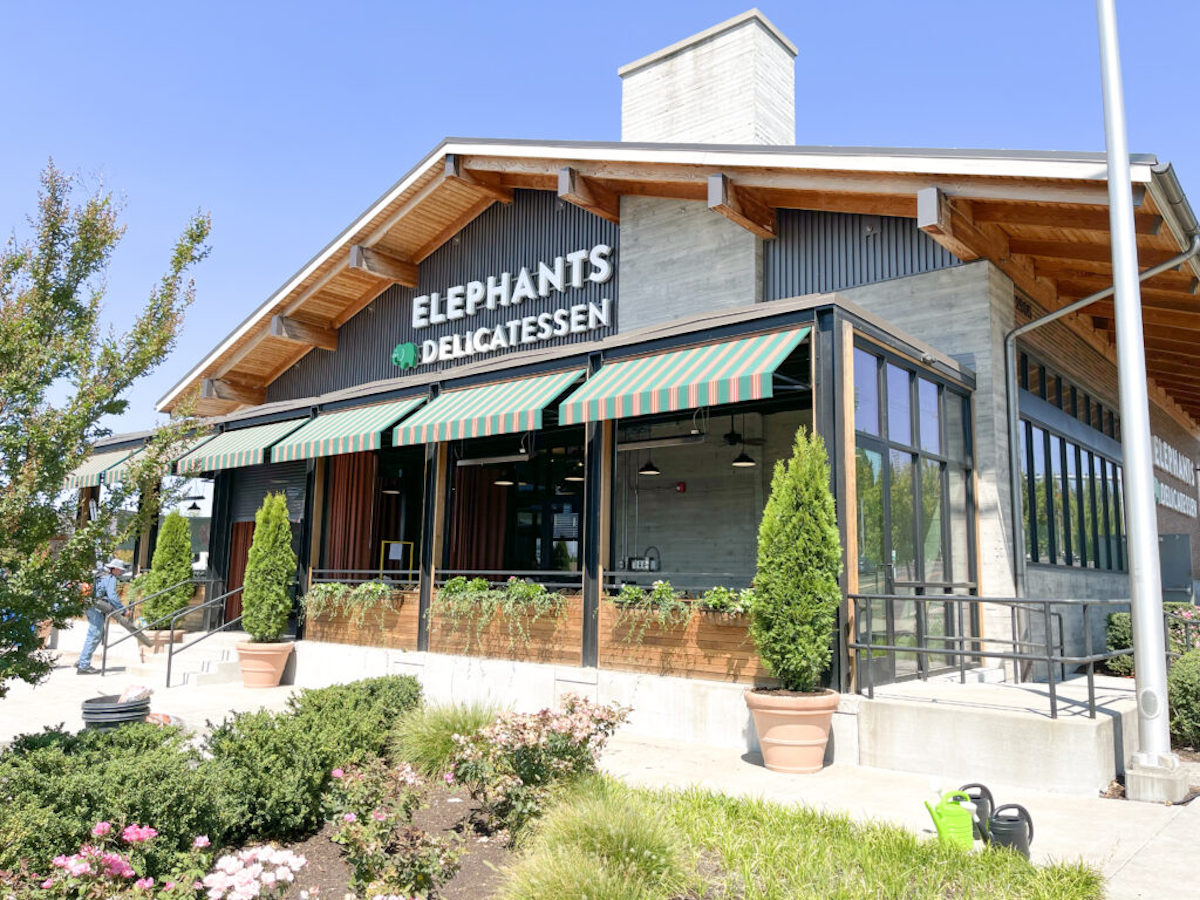
Elephants Delicatessen: Serving Up Sustainability

This specialty food store is pioneering a better way forward.

By Real Leaders

Among the first specialty food stores in the U.S., Elephants Delicatessen was founded in 1979 in Portland, Oregon. Within 45 years, the company expanded into eight retail locations, a catering and events company, and a wholesale division. 

Elephants Delicatessen, a 2024 Real Leaders Top Impact Company, also prides itself on pioneering sustainable practices.

In 2011, it became Oregon’s first business to invest in an electric vehicle; and in 2015, the company earned B Corp certification. In 2020, it enrolled in Energy Trust of Oregon’s Strategic Energy Management program and since then has received over $18,000 in incentives for reducing its energy use and thousands of dollars more to pay for equipment and lighting upgrades. The company cut its electricity and natural gas use by 25% and committed to reach net-zero emissions by 2030. 

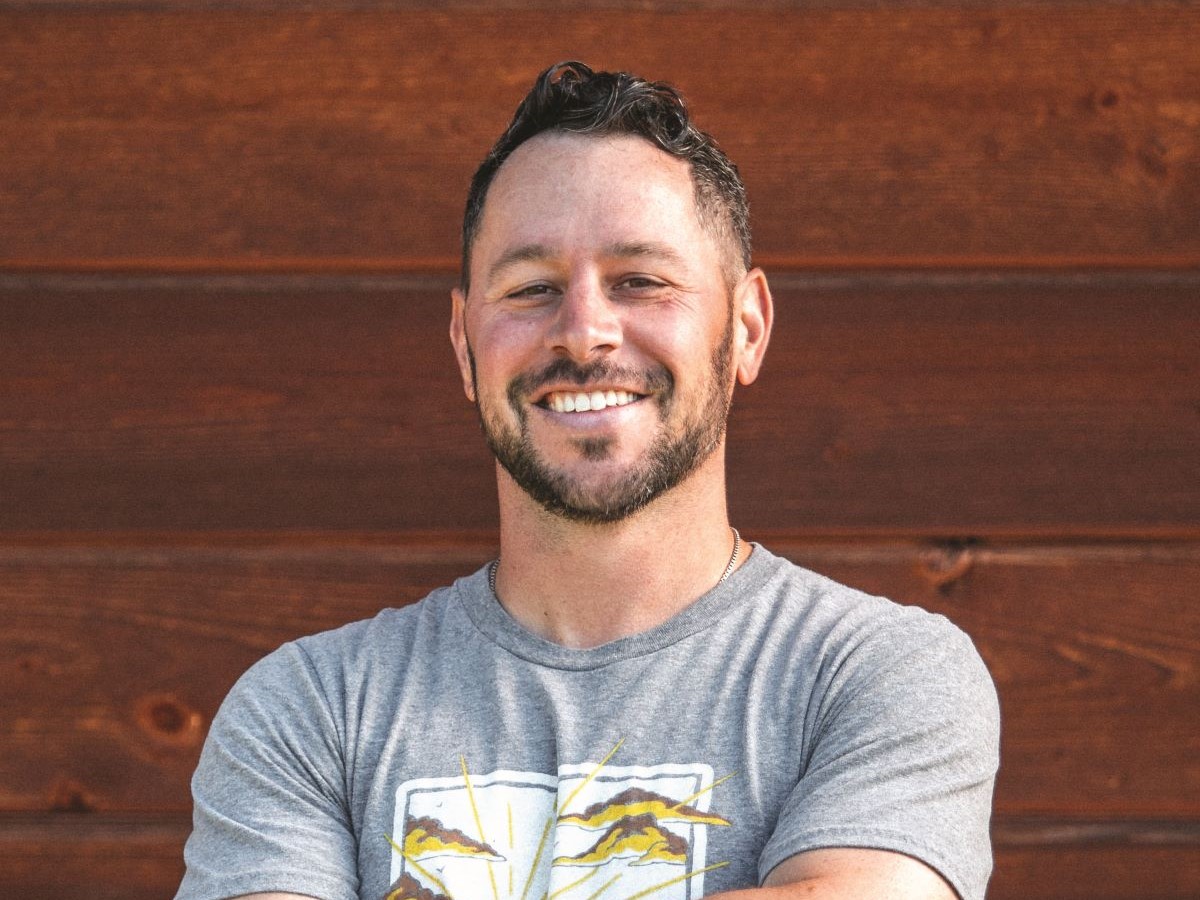
“Restaurants have the unique ability to help the communities we are part of,” co-owner and CEO Anne Weaver says. “We have the opportunity to showcase our values through our business. Restaurants can lead in a significant way.”

Elephants Delicatessen opts to share an annual sustainability report on its website, which looks at the company’s use of water, electricity, natural gas, and fleet vehicles, as well as refrigerant loss, greenhouse gas emissions, and waste management. Its latest summary reads, in part, “Elephants saw significant increases in production, staffing, and revenue. … And yet, with a few exceptions, increases in resources and emissions lagged the increases in productivity and revenue.” 

Weaver says, “We never settle for ‘good enough’ – in our food, our business, or our sustainability practices. We’ve learned the wins are worth it — to sustain both our business and our environment.” 

Pictured Above is one of their Catering Entree’s, Chicken Peperonata and Northwest Salmon

Net Zero by 2030

In its latest sustainability report, Elephants Delicatessen identified the following initiatives to mitigate its environmental impact and help reach its goal of net-zero emissions by 2030.

  • Continue participating in Energy Trust of Oregon’s Strategic Energy Management program and reconsider existing goals.
  • Establish a comprehensive water management plan with revised focus, goals, and practices.
  • Establish a comprehensive refrigerant management plan to initiate a transition to less emissions-intensive operations.
  • Establish a fleet management plan to guide reduction and mitigation efforts through 2028.
  • Conduct waste audits for all locations to better understand the scope and challenges of its waste disposal practices.
  • Expand its food donation and diversion efforts to better mitigate the negative social and environmental impacts of food waste.
  • Translate existing and future policies and plans into Spanish to expand accessibility for employees and stakeholders.
  • Implement more consistent tracking of its actions and practices to better understand and measure their impacts.
  • Perform a material environmental impact assessment for the entirety of its operations.

The Only 3 Meetings You’ll Ever Need

By Scot Chisholm

I’ve been a founder and CEO for nearly 20 years, and I’ve read countless books on management and leadership. My conclusion? Most meetings are a waste of time and money — but there are three meetings you shouldn’t operate without.

1 All-Hands Meeting

This is your most important meeting. Don’t waste it.

Who: Include everyone on the team. No one should be left out.

Why: It aligns the entire team on direction and progress.

When: Convene monthly (one hour) or quarterly (two hours).

Agenda

Where you’re going: Find ways to talk about the longer-term vision and goals.

How you’re doing: Share progress against monthly, quarterly, and annual goals.

Why it matters: A customer story shows the impact you’re having. A team member demonstrates your values.

2 Top-Goal(s) Meeting

Schedule a meeting to review progress against your annual goals (three maximum). You can also break it up into three separate meetings.

Who: Invite key people who are responsible for the goal (fewer than seven).

Why: It tracks progress against your top three most important items.

When: Meet biweekly (one hour per goal).

Agenda

How you’re doing: Each goal should have one main owner who leads the update to the group. 

If you’re behind: Dedicate the meeting to creating a plan to get back on track.

If you’re ahead: Talk about upcoming risks and how to mitigate early –– or just end the meeting early.

3 One-on-One Meeting

Plan a meeting with each person on your team. If you have a large team, it’s only with your direct reports.

Who: Have just you and the person.

Why: It tracks progress against individual goals and offers help.

When: Meet biweekly, or weekly if you feel it’s necessary (30 minutes to one hour).

Agenda

How you’re doing: The person should start by giving an update on their goals.

If they’re behind: Offer help. Create a plan together in the meeting to get back on track.

If they’re on pace: Use the time for other items, but let the person set the agenda.

Scot Chisholm founded software company Classy (acquired by GoFundMe), serving as CEO for over 10 years and leading it to 300+ people and billions in platform donations. More recently he founded Haskill Creek, a new spin on the traditional pharmacy. He coaches founders/CEOs, helping them transition to high-impact leaders.

The Case for DEI: A Pathway to Innovation 

A journey from advocacy to action, and the imperative of building inclusive leadership in a changing world.

By Artika Tyner

Where My DEI Journey Started

When I started my career in DEI nearly twenty years ago, I remember pleading with my boss and other business leaders to invest in DEI through time, resources, and talent. I hoped that they would recognize the transformative power it holds for organizational success and societal impact. As an attorney, I stood ready to advance my case for the importance of inclusion. My opening statement focused on the necessity of evolving from diversity being viewed as a moral imperative of being well-intentioned to a business imperative of strategic action. 

I asked them to imagine the results outlined by research from A Great Place to Work for All.

  • Greater Profitability: Inclusion could increase your company’s revenue by more than 24%. 
  • Greater Productivity and Improved Employee Recruitment and Retention: Becoming more ethnically diverse increases the likelihood of outperforming your competitors by 35%.

I built the momentum for an unassailable closing argument by reiterating the data on the benefits of inclusion. My case was met with a passive shrug and dismissive nod. I was undeterred and committed to becoming an expert in advancing DEI.  

Fast forward to today, I am now in key leadership roles and reaping the benefits of my fervent commitment to mentoring young professionals from marginalized groups and unwavering faith in building inclusive workplaces. I have built teams where belongingness is a core value that drives strong performance, fuels innovation, and activates collaboration. 

What will you do to tap into the power of inclusion?

The rich diversity of the United States is one of our greatest strengths. We are the very essence of: E pluribus unum (“out of many, one”). 

Did you know today we have the most diverse communities in this Nation’s history? 

As we near the 2040s in the United States no racial group will represent the majority of the population (according to U.S. Census). Meaning the United States has evolved into a rich multicultural tapestry where not one single group will be the majority (over 50%). This also reflects that diversity coupled with equity and inclusion will help to strengthen our community as talented people of all colors, experiences, and backgrounds work to build a more perfect union and sustainable economy. 

Diversity tends to be mischaracterized as a conglomeration of people from different backgrounds. Or it is a declaration manifested by stating “all are welcome” through policy statements and colorful posters. For many organizations, diversity and inclusion may begin simply with representation, by bringing a woman’s or maybe a person of color’s perspective to the table. Often, this is seen as the first step in creating a melting-pot recipe of ideas, thoughts, and perspectives. Cultural assimilation is the broth and diverse individuals are the ingredients. Simmer on low for two or three years, and diversity will miraculously emerge. The challenge with cooking stews, however, is that the flavors are all absorbed into the broth, which means each employee is not valued for his or her unique contributions and individual attributes. Is this diversity? Another metaphor is the mixed salad, with each person representing a distinct vegetable, be it a crisp carrot, a vibrant beet, or lush romaine lettuce. Then the magic occurs when the salad is doused with dressing and all flavors become one—ranch, french, or a light balsamic vinaigrette. Once again, the dressing of choice masks the complexity and the very essence of diversity and inclusion. This still leaves us begging the question: Is this diversity? And where is the equity and inclusion? Inclusive leaders, like you, help to ensure that we move beyond words to deeds. You not only steer the ship by setting your organizational goals, but you also chart the course across the difficult tides of modern business practice.  

What will you do to serve as an inclusive leader?

Your commitment to serve as an inclusive leader is needed now more than ever as the future of diversity initiatives may feel uncertain as mounting legal cases emerge challenging DEI education, alleging discrimination by venture capital firms focused on serving minority business owners, and eliminating contract programming for minority-owned companies. CEOs are quietly disinvesting in DEI commitments and removing DEI positions. Yet, challenging times can serve as an invitation for you to lean into change and redefine the path forward. 

Inclusive leaders embark on a lifelong learning journey in these four key areas:

Intrapersonal: Engage in self-discovery by exploring your leadership story which is shaped by your cultural values, socialization, and beliefs. This self-reflection will aid you in gaining the insights needed to connect your leadership story to building an organizational culture of inclusion.

Interpersonal: Build and strengthen effective teams by challenging organizational barriers like stereotype threat, cultural taxation, and microaggressions. 

Organizational: Align your equity goals with strategic impact. Help your team define how inclusion advances business priorities, productivity, and engagement. 

Societal: Promote the values of our shared humanity and common destiny by addressing some of the most pressing social justice challenges of our time.

Diversity is needed to bring together the brightest minds to create solutions to business, economic, and social challenges of the 21st century and beyond. Diversity creates an atmosphere where inclusion can be unveiled as people come together and exchange ideas from diverse perspectives, life experiences, and cultural backgrounds. It empowers teams to see through the eyes of ingenuity and creativeness. This lays the foundation for future business success through the transformative power of innovation.

Reimagining Sustainable Building Practices

Mass Timber Home by Green Canopy Node revolutionizes construction and advances sustainable building practices.

By Real Leaders

For the last several decades, the U.S. housing supply has not kept pace with demand, leaving America short millions of homes today in a gap that continues to widen. To help address that problem, Green Canopy NODE, a sustainable construction technology company, developed a Mass Timber Model Home Assembly Kit that provides developers a path to deliver housing twice as fast with greater predictability.

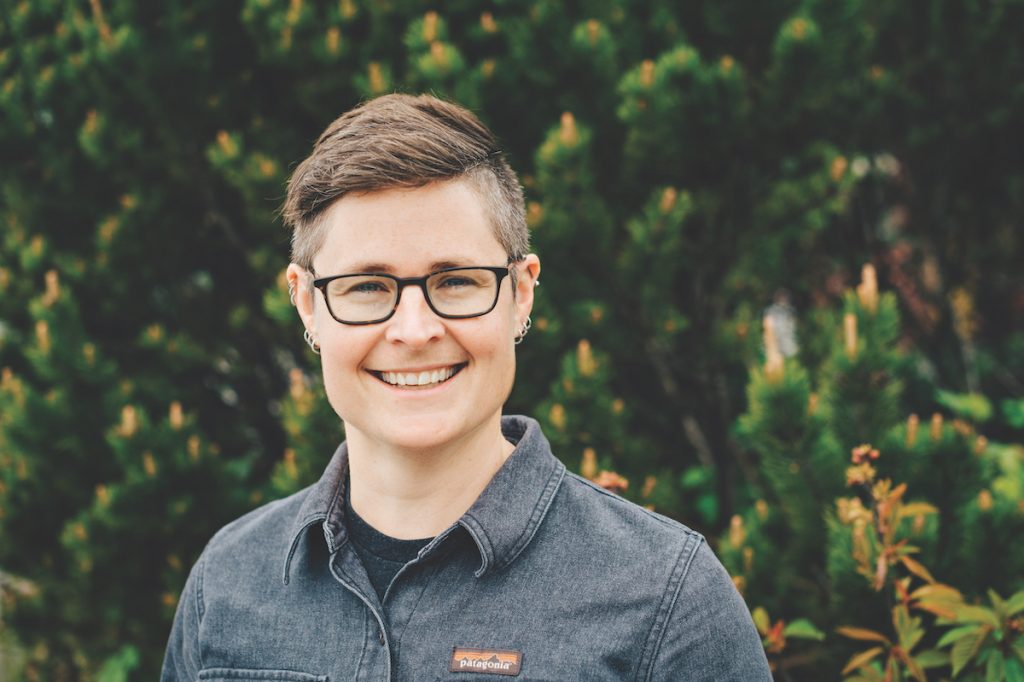
Green Canopy NODE’s Mass Timber Model Home is a game-changer for developers,” Co-CEO Bec Wilder says. “We all want to solve the housing market’s pains, but we get stuck in long development timelines and traditional construction schedules. Our model home will help cut out a lot of hurdles and risks we all have traditionally struggled with and help us all simply deliver more housing.”

Pictured Above is Bec Wilder (Chapin) Co-CEO of Green Canopy NODE

From Months, Not Years: Building Better & Faster for Communities

The model home was designed as a turnkey housing unit and completed it in March 2023 in partnership with Mercer Mass Timber. They controlled costs with pre-planned and streamlined construction, delivered it faster through simultaneous manufacturing and site prep, and avoided weather delays in construction through off-site manufactured modular installation.

“Addressing the housing crisis with the same solutions we’ve been using for the last 100+ years simply isn’t going to achieve the outcomes we need,” Co-CEO Aaron Fairchild says. “We are excited to bring the power of manufacturing to help regenerate communities and environments all while reducing waste and minimizing embodied carbon.”

The Mass Timber Model Home is a 1,200-square foot, two-story modular home with a rooftop deck, two bedrooms, and one-and-a-half bathrooms. It was built using precision-engineered mass timber components manufactured offsite, demonstrating the power of prefabrication, installation, and logistics. 

Game-Changer for Developers: Speed & Sustainability

The modules for the home were assembled offsite in Spokane, Washington, and were ready for shipping in two days. Onsite assembly for the entire home occurred in two days during a blizzard, further testing the company’s process and capabilities to build under extreme conditions.

“Building with mass timber delivers increased efficiency, enhanced sustainability, health benefits, and unparalleled aesthetics, making it an ideal choice for developers and investors interested in low- and mid-rise residential construction technology,” Fairchild says. “One of our bigger goals is carbon negativity. I think that we will crack the code and we will be able to have people housed affordably, humanely, and with dignity.” 

Benefits of Mass Timber Homes

  • Increases efficiency and is 44% faster to complete than traditional construction (under 100 days from project start to completion)
  • Controls costs with pre-planned and streamlined construction
  • Avoids weather delays through off-site manufactured modular installation
  • Enhances sustainability by reducing embodied carbon footprint and waste 
  • Stores 6.6 times more carbon than a stick frame home and offsets two-and-a-half stick frame houses with carbon storage
  • Lasts longer than standard code-built homes and can be deconstructed and reused
0