Rescue Agency: Reimagining Advertising

Here’s how I’m defying a profit-obsessed industry to tackle the nation’s most important health topics.


By Kristin Carroll

As a teen, my bedroom walls were lined with Nike ads:

“Too often we are scared. Scared of what we might not be able to do. Scared of what  people might think if we tried.” “Just do it,” they declared, offering inspiration and encouragement. The ads sparked my lifelong passion for advertising. 

My journey took me not only deep into the inner workings of the marketing and advertising industry but also into the heartbeat of corporations themselves. My college honors thesis, Nike: The Role of Advertising in Global Corporate Responsibility, explored ads championing girls by proclaiming, “If you let me play … I will have more self-confidence, [and] I will be less likely to get pregnant before I want to.” At the same time, headlines exposed the outsourcing of labor to sweatshops that hired children overseas.

Working at a top-tier New York City ad agency on a coveted car account, I saw how creative egos were satiated with big ad budgets. And working at a tech startup, I experienced the thrill of going public on the New York Stock Exchange only to be sold to private equity, which would “operationalize the business,” translating our vision into no more than a payment processing platform. 

These were normal business practices. Yet, I couldn’t ignore the dichotomy between the vision and the forced reality of making short-term, exclusively profit-driven decisions. In each case, increasing value for shareholders — the very raison d’être of a company — came at the expense of employees, customers, and the communities in which we live. 

I wondered if there was a different way.

A Positive Pivot

That brought me to Rescue Agency, a full-service marketing agency that focuses exclusively on creating health-behavior-change marketing campaigns. I joined over a decade ago when Rescue was a 30-person organization that had successfully launched a few state-focused tobacco control campaigns testing approaches to make smoking less desirable, despite decades of image-focused advertising. Today, we’re home to over 275 people with $100 million in billings.

Soon after I joined, we began campaign implementation for the Food and Drug Administration to develop the very first national tobacco prevention campaigns for multicultural teens and LGBTQ+ young adults. These campaigns (in the years that preceded electronic cigarette company JUUL) did something no other health campaign had done before: We specifically communicated to the highest-risk and highest-use subcultures and created environments that made it more normal not to smoke. We were the first health campaign to spend more on digital, social, and experiential media than traditional advertising and the first to target smaller audiences. In late 2017, after two-and-a-half years of our campaigns (in conjunction with other efforts), smoking among high-risk teens was at its lowest levels ever recorded. We were using cutting-edge advertising tactics to change social norms and behaviors.


Expanding the Fight

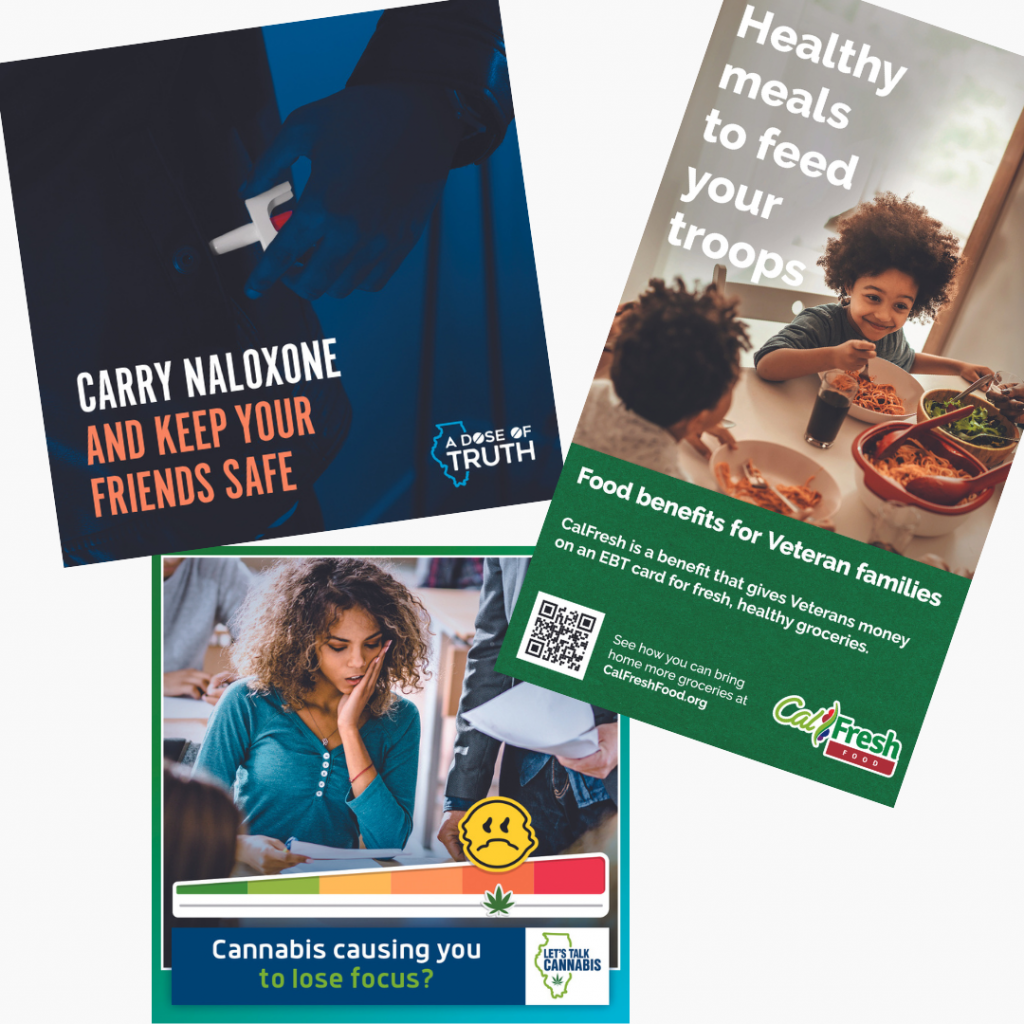
Every day at Rescue, we harness the power of marketing and communications to help people live healthier lives. We’ve since applied our behavior change models and messaging frameworks to the most important health topics facing our nation today, from substance use prevention to mental health treatment promotion, from early childhood education to nutrition assistance, and much more. 

Over time, we’ve been able to measure the impact of these campaigns. Our work with the nation’s largest tobacco cessation service providers led to triple-digit increases in adult quitline enrollments. 81% of teens who saw our Behind the Haze vaping prevention campaign (currently running in 17 states) reported an intention to quit. We’ve urgently educated young people about the fentanyl crisis and accidental overdose risks and helped thousands gain access to life-saving naloxone.

Yet, our work not only allows us to address crises but promotes health too. We’ve increased nutrition assistance benefits enrollment among college students, immigrants, and families. And, we’re in a unique position to see how mental health challenges contribute to nearly every other health issue. 96% of those aware of our very targeted mental health stigma reduction campaigns have taken action to find out more about mental health concerns. 

Creating a business that delivered more than results against the bottom line fueled my pursuit of our certified B Corp status within the first few months of taking the helm at Rescue in 2014. We transitioned to a public benefit corporation in 2017, cementing our mission of making healthy behaviors easier and more appealing into the legal charter of our company. And as of Jan. 1, we transitioned to being a 100% employee-owned company through an employee stock ownership plan. When we grow, we deliver improved health results in more communities at the county, state, and national levels. At the same time, Rescue’s profits go back into a retirement plan to support employees’ long-term financial health. 

Challenging Industry Norms

With these important steps, we’ve reimagined how an advertising agency can work. Instead of promoting products or angling to create purpose-driven brands, we are delivering improved measurable impact outcomes and are poised to contribute to the long-term financial success of our team. For me, building this type of company that channels business for good on so many levels has been an incredible learning journey. Almost every part of our corporate structure and economic engine works against the inertia of a traditional corporation — let alone typical marketing practices. 

It’s not easy to be impact-driven. Trade-offs are real, and the pull toward profitability over doing the right thing creates tension almost every day. Whether it’s saying no to an attractive new contract that doesn’t fit our mission or adding 12-week paid parental leave for all our new parents, Rescue is proving that doing the hard work is worth it. 

Our work is deployed at the national level as well as across 27 U.S. states, sharing life-changing and life-saving messages where more than half of the U.S. population lives. We know our model can positively impact value-driven health care models as well.

I know young Kristin would be proud of our work, and I know our incredible team is always pushing to create those unskippable ads that will end up in someone’s Instagram story or even on their bedroom wall propelling other young people to create new, better realities for themselves and the world in which they live, work, and play.


Sustainable Shopping for Spring 

By Real Leaders

Whether you’re looking for a unique gift for someone special or to treat yourself to a guilt-free find, here are some do-good options to consider from 2024 Real Leaders Top Impact Companies.

Squeaky Clean Supply Chain

Every Man Jack (No. 39 on the 2024 Real Leaders Top Impact Companies list) makes body wash, deodorant, hair care, skin care, and beard care that’s inspired by the outdoors and better for the planet. Not only does it use as many naturally derived and plant-based ingredients as possible, but also it uses source reduction, hazardous waste disposal, greener packaging, and chemical reduction methods. everymanjack.com


Laying a Kind Foundation

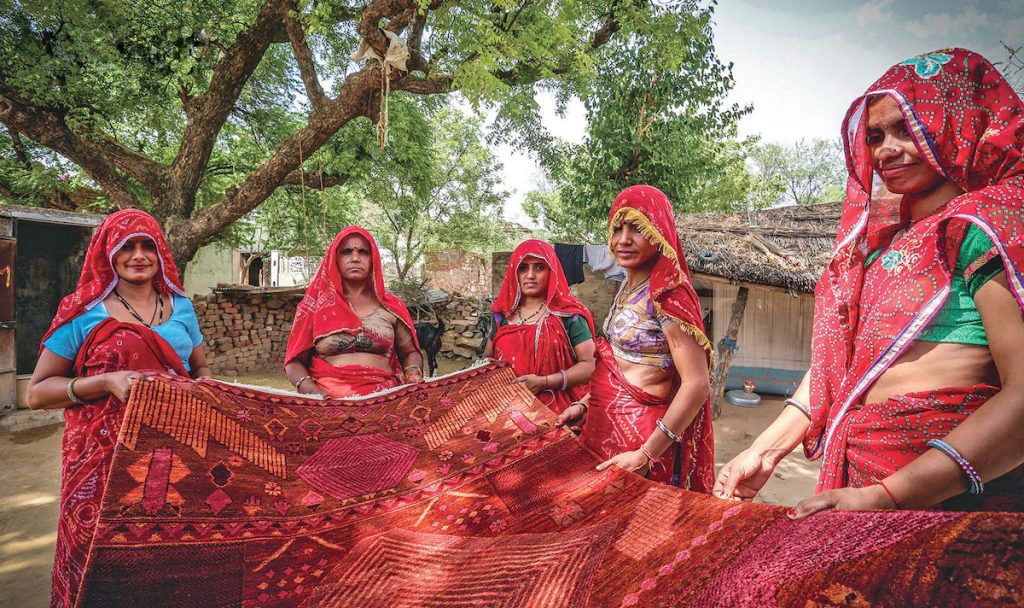
Jaipur (No. 10) creates beautiful bespoke and custom living area rugs like Genesis, pictured. It employs 40,000 disadvantaged artisans (85% women) in 700+ Indian villages to provide a reliable living wage with an age-old art. The family business is built on kindness, compassion, and humility, creating economic and humanitarian benefits for stakeholders. jaipurliving.com


Earth-Friendly E-Marketplace

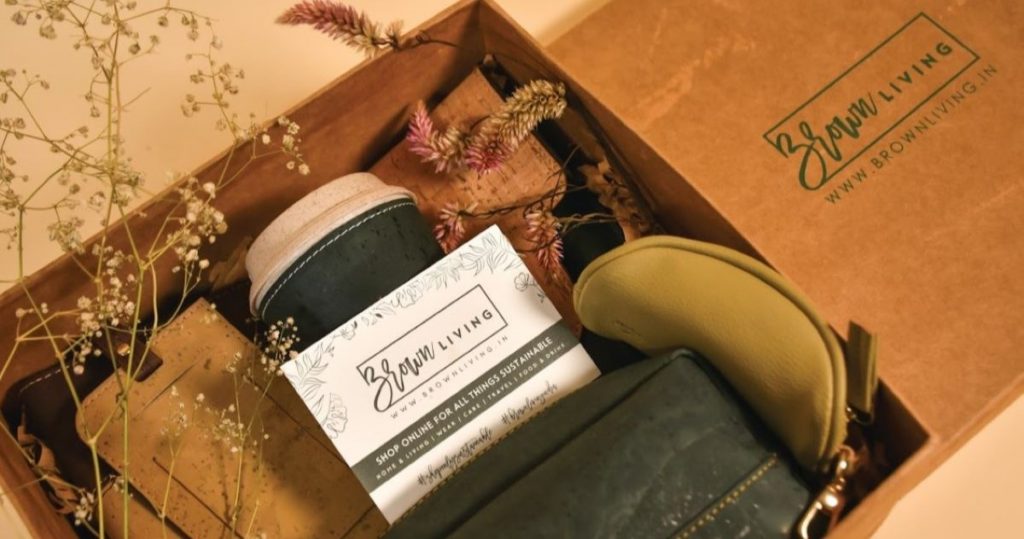
Brown Living’s (No. 70) online shop offers environmentally sustainable, plastic-free products with zero-waste packaging sourced from over 450 artists, artisans, and small businesses. The Conscious Traveler Premium Gift Hamper, pictured, includes travel items made with Forest Stewardship Council-certified cork, a high-grade natural bamboo fiber tumbler, and stainless steel cutlery. brownliving.in


Eyeglasses for the Planet

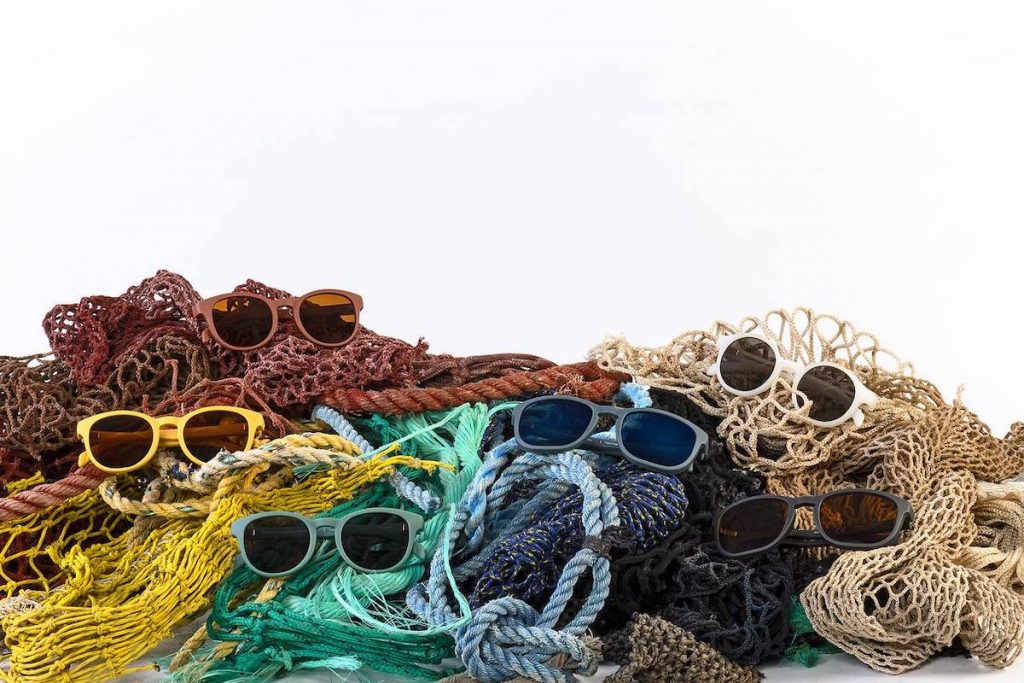
Karün (No. 3) makes high-quality eyewear and is building its value chain under a circular, regenerative model to protect nature and empower rural entrepreneurs. The carbon-neutral company makes all of its products with natural, noble, and recycled materials, like fishing nets, metals, recycled polycarbonate, and wood. karuneyewear.com


Steeped in Goodness

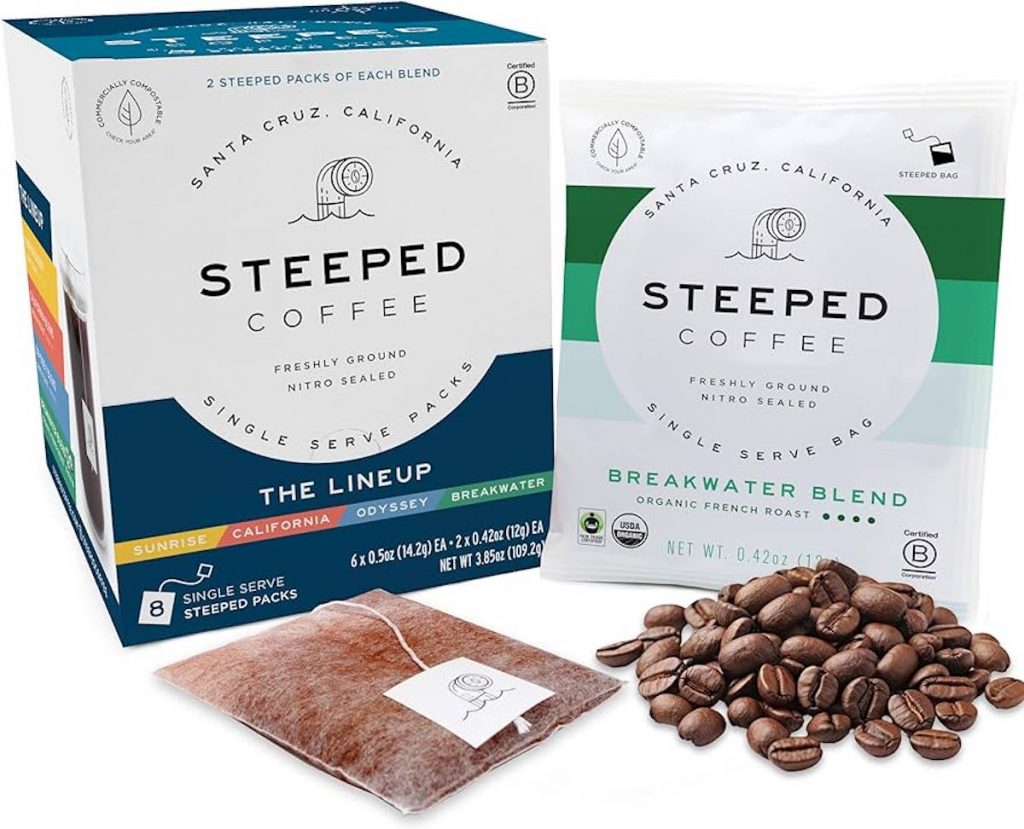
Steeped Coffee (No. 147) makes single-serve specialty coffee that works like a tea bag with compostable packaging. Simply drop it in hot water — no pods, plugs, or brewing equipment needed. Coffee beans are carefully sourced from ethical suppliers with Fair Trade Certified and organic options, and the company donates 1% of its top-line revenue to communities in need. steepedcoffee.com

The Southwest Debacle has Wreaked Havoc on a Beloved Brand

When you think of your favorite brands, how do you feel? Whatever those feelings are, for successful brands, the way you feel has been fully orchestrated from the day you first encountered the brand.  

For instance, for those who embrace Nike’s brand, it elicits very strong feelings. And from the brand’s culture to its designs to its marketing, those feelings are intentional. Apple elicits strong feelings. Netflix, Harley Davidson and Red Bull also elicit strong feelings. Until recently, Southwest Airlines was among that set, although now, feelings about the brand seem to be shifting. More on that in a minute. 

In his marketing classic, Becoming a Category of One, author Joe Calloway gives what has become our favorite definition of branding. Calloway says, “Your brand is what people think it’s like to do business with you.” That statement isn’t grounded in product attributes and quarterly profits. It’s grounded in feeling.  

How does engaging with your brand make me feel? Is your brand congruent? Do what you say and do align, and will they every time I interact with your brand? When the interaction makes me feel good, strong, proud and happy, and the brand is fully congruent, that’s how brand evangelists are born.  

At their core, brands are meaning-making systems designed to reflect, signal and communicate a company’s values. That’s why brands that focus on culture win. It’s also why company culture is something that requires constant curating. Let’s jump back to Southwest Airlines.  

Even Cultures Built to Last, Don’t 

On January 4, 2019, the day after Southwest Airlines founder Herb Kelleher passed away, an article ran in Forbes, “20 Reasons Why Herb Kelleher Was One of the Most Beloved Leaders of Our Time.” In it, authors and leadership experts Kevin and Jackie Freiberg said this about their longtime friend:  

“Herb played the game of life full throttle. One of the most passionate people we have ever known, he had a zest for life, an indefatigable spirit, a contagious sense of humor, a servant’s heart and an intellectual acumen that allowed him to carry on an interesting conversation with anyone, anywhere, about anything. For almost 30 years we’ve been asking, ‘What if you could build a company that is as human as the human beings in it? What if you could create a culture that inspires passionate people to come to work fully awake, fully engaged, firing on all cylinders because they know they are doing epic work?’ Herb did.” 

Yes, Herb did. But even cultures that seem perfect can crumble when left unattended. For years, the team at Southwest could do no wrong and we loved them for it. From turning planes in record time day after day, to making flying fun again, Southwest was a cultural touchstone and one of the most beloved challenger brands of all time. But the events of the last month show there were also cracks in the culture at the top that company leaders ignored until their infrastructure was imploding along with consumers’ trust across the country.  

While the long-term fallout remains to be seen, Southwest Airlines is now a cautionary tale for the leaders of every company and brand culture. Leadership isn’t a top-down edict that demands buy in. It’s an employee-first, customers-second, leaders-third mindset. The debacle at Southwest happened the week of Christmas but it started 20 years ago when a leader wholly committed to his employees and customers gave way to a CEO who focused exclusively on ROI, cutting expenses, and Wall Street. When that happens, culture becomes the sacrificial lamb for profit, and while that can certainly inflate numbers temporarily, it’s not sustainable. You can only cut your way to profitability for so long. 

3 tips for building a strong brand 

Building a brand your team will embrace and your customers will love in perpetuity takes time, energy and vision. It also takes the realization that brand building — just like culture building — is a constant process. When those two efforts work in strong, strategic alignment, the world sits up and takes notice. Here are three tips for how to make that happen: 

1. Start with “lighthouse leadership.” 

The single-most effective way to differentiate your brand is to firmly ground it in company culture and that culture has to begin with leadership. In challenger branding, we talk about brands having a “lighthouse identity” — an identify based on an authentic truth that burns so brightly even those not looking for it will see it. Lighthouse leadership is what happens when self-aware leaders have crystal clarity about who they are, where they want to take their companies and how they intend to get there. Your team doesn’t need a manager. It needs a beacon of clarity. It needs an inspired thinker. It needs a champion who can build team members up and lead them into battle with clear direction, conviction and support. 

2. Embrace the greater good. 

If you’re unaware of the Conscious Capitalism movement afoot across the country, read up and learn all you can. Conscious Capitalism is about embracing the idea of doing well by doing good espoused by a stakeholder model that rewards all the constituent groups involved in commerce — versus the shareholder model that squeezes everyone possible to drive all profit to the shareholders. The movement’s mission is more than simply elevating humanity through good business. It’s something that delivers results. In his book Firms of Endearment: How World-Class Companies Profit From Passion and Purpose, author Raj Sisodia (co-author of Conscious Capitalism), cites research that, from 1996 to 2011, consciously led publicly traded companies outperformed the S&P 500 by a factor of 10.5. That’s the power of positive culture.  

3. Think like your customers and deliver for them without fail. 

Remember the Joe Calloway quote we started with? “Your brand is what people think it’s like to do business with you.” Great brands — challengers or not — never lose sight of the customers’ perspective. Thousands of brands die on the vine every year because they never stop to ask, “What kind of experience do our customers want from us?” It’s not about faking it or trying to be something you’re not. Brand loyalty is built on authenticity as much as anything. Smart, successful, lasting brands understand they have to consistently show up in a meaningful way for their customers, not the other way around. Whatever your authentic truth, be the brand you say you are, build the culture that will support your team, and do whatever you have to do to deliver without fail. Do that, and when failure inevitably comes, it’s something you’ll most likely survive.  

0