How ‘Net-Zero’ and ‘Passive’ Houses Can Cut Carbon Emissions — And Energy Bills

From the street, you wouldn’t be able to tell a net-zero or passive house from any other recently built home. Even from the inside, the only visible clues are thick walls and deep windowsills. Only if you looked at the utilities bill would you know.

“Net-Zero” and “Passive House” are certification labels for ultra-low energy buildings that use very little energy to heat and cool them.

Although the origins of the passive house date back to the 1970s, its popularity only began to spread in the past decade or so. It is now the world’s most energy-efficient building standard. Globally, passive house construction has exceeded 30,000 and is increasing as people seek cost benefits, ways to protect the climate and contribute to a healthy living environment.

As Canada and other countries around the world look for ways to decrease their dependence on fossil fuels and reduce carbon emissions to tackle climate change, the housing and construction industry has been identified as one area that can have an almost immediate impact.

Buildings account for 13 per cent of energy use in Canada. In a typical house that’s been constructed according to the building code, roughly 60 to 70 per cent of the energy use goes towards heating and cooling.

There really hasn’t been a significant shift in the way houses are built since the 1960s. But technological advances and new materials now allow for high-performance houses to be built with lower carbon emissions through the use of fibre-reinforced concrete, prefabrication, smart-glass and recycled and sustainable materials such as cork flooring and wool insulation.

A passive house can cut energy use by 90 per cent. Its thickly insulated walls, air-tight construction, high-efficiency mechanical systems, compact building shape and orientation capture the heat of the sun when it’s most needed. They are easier to operate, maintain temperatures more efficiently and save up to 90 per cent in heating and cooling energy costs, mostly through the use of an energy recovery ventilator to exchange the interior air with fresh outside air.

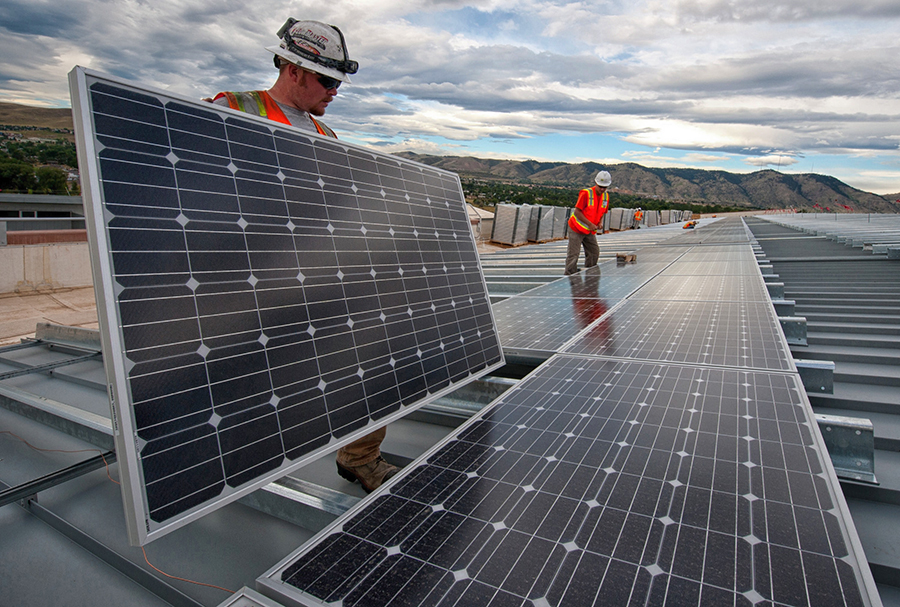
A net-zero building produces as much energy as it consumes. It starts with an energy-efficient building envelope (walls, foundation, roof), high-quality windows, and high-efficiency heating and ventilation systems to keep the overall consumption as low as possible. Renewable energy sources like rooftop solar panels provide enough power to operate it. They can store energy or sell it to the grid when they produce more than needed.

Building high-performance, energy-efficient passive homes costs more — about five to 10 per cent more than a similar-sized home built to code, after incentives. And the certification process itself runs about $5,000, but the costs can be recouped through rebates and long-term energy efficiency. For example, the average monthly energy savings on the net-zero home will be significantly greater than the added monthly mortgage payment cost.

Over the past decade, the costs of renewable energy have fallen nearly 69 per cent, a trend powered by strong government schemes around the world. Solar energy production costs have fallen the most of any other energy source since 2010, dropping by nearly 82 per cent.

The high costs of heating oil and electricity — and growing awareness of climate change and carbon emissions — are drawing people to net-zero homes. As the costs of solar photovoltaic systems and heat pumps fall and become more readily available — even IKEA sells solar panels in many countries — highly energy-efficient homes are paying for themselves more quickly.

And you don’t need to live in sunny California to have significant savings. Net-zero homes can be built almost anywhere, even in places with brutal winters.

Air-tight and well-insulated, a net-zero home maintains its temperature by recovering heat from the outgoing air to heat the air coming into the house. This decreases the need for additional heating and cooling, and boosts air quality with a constant supply of fresh incoming air and high-level air filtration.

These sorts of buildings are still a rarity in Canada. According to the Canada Home Builders Association, there are 456 certified net-zero buildings, and Passivehouse Canada reports 67 certified residential, commercial and institutional buildings in the country.

Yet Canada was briefly a world leader in passive design. In 1976, when gas prices doubled virtually overnight, a Saskatchewan Research Council engineer named Harold Orr designed and built a pioneering energy-efficient and solar-powered passive house in Saskatoon. The Saskatchewan Conservation House was so radical that engineers from around the world came to see it. But then cheap gas and oil returned, and energy-efficient homes were forgotten.

Each province has renewable energy programs such as the net metering for residential and commercial customers to reduce or eliminate a building’s energy consumption by selling extra energy back to the electrical grid. British Columbia’s energy efficiency program, EfficiencyBC, provides financial incentives to switch to high-efficiency heating equipment and to make improvements to the building envelope that save energy and reduce greenhouse gas emissions.

Europe has invested heavily in energy-efficient homes through tax credits, grants, subsidies, guaranteed loans, reduced repayment schedules, education and technical assistance. But Canadian provinces and cities could do more.

Although the federal government announced in July that it was investing $2.4 million toward the construction of energy-efficient residential buildings across Canada, only seven certified builders will benefit.

Canada’s residential construction industry must support energy efficiency; architects, builders and contractors are beginning to give a strong look at building with Passive House and Net-Zero technologies and standards. Consumers also play a role; upgrades to existing homes that increase energy efficiency and affordability help move towards net-zero energy.


How ‘Net-Zero’ and ‘Passive’ Houses Can Cut Carbon Emissions — And Energy Bills

From the street, you wouldn’t be able to tell a net-zero or passive house from any other recently built home. Even from the inside, the only visible clues are thick walls and deep windowsills. Only if you looked at the utilities bill would you know.

“Net-Zero” and “Passive House” are certification labels for ultra-low energy buildings that use very little energy to heat and cool them.

Although the origins of the passive house date back to the 1970s, its popularity only began to spread in the past decade or so. It is now the world’s most energy-efficient building standard. Globally, passive house construction has exceeded 30,000 and is increasing as people seek cost benefits, ways to protect the climate and contribute to a healthy living environment.

As Canada and other countries around the world look for ways to decrease their dependence on fossil fuels and reduce carbon emissions to tackle climate change, the housing and construction industry has been identified as one area that can have an almost immediate impact.

Buildings account for 13 per cent of energy use in Canada. In a typical house that’s been constructed according to the building code, roughly 60 to 70 per cent of the energy use goes towards heating and cooling.

There really hasn’t been a significant shift in the way houses are built since the 1960s. But technological advances and new materials now allow for high-performance houses to be built with lower carbon emissions through the use of fibre-reinforced concrete, prefabrication, smart-glass and recycled and sustainable materials such as cork flooring and wool insulation.

A passive house can cut energy use by 90 per cent. Its thickly insulated walls, air-tight construction, high-efficiency mechanical systems, compact building shape and orientation capture the heat of the sun when it’s most needed. They are easier to operate, maintain temperatures more efficiently and save up to 90 per cent in heating and cooling energy costs, mostly through the use of an energy recovery ventilator to exchange the interior air with fresh outside air.

A net-zero building produces as much energy as it consumes. It starts with an energy-efficient building envelope (walls, foundation, roof), high-quality windows, and high-efficiency heating and ventilation systems to keep the overall consumption as low as possible. Renewable energy sources like rooftop solar panels provide enough power to operate it. They can store energy or sell it to the grid when they produce more than needed.

Building high-performance, energy-efficient passive homes costs more — about five to 10 per cent more than a similar-sized home built to code, after incentives. And the certification process itself runs about $5,000, but the costs can be recouped through rebates and long-term energy efficiency. For example, the average monthly energy savings on the net-zero home will be significantly greater than the added monthly mortgage payment cost.

Over the past decade, the costs of renewable energy have fallen nearly 69 per cent, a trend powered by strong government schemes around the world. Solar energy production costs have fallen the most of any other energy source since 2010, dropping by nearly 82 per cent.

The high costs of heating oil and electricity — and growing awareness of climate change and carbon emissions — are drawing people to net-zero homes. As the costs of solar photovoltaic systems and heat pumps fall and become more readily available — even IKEA sells solar panels in many countries — highly energy-efficient homes are paying for themselves more quickly.

And you don’t need to live in sunny California to have significant savings. Net-zero homes can be built almost anywhere, even in places with brutal winters.

Air-tight and well-insulated, a net-zero home maintains its temperature by recovering heat from the outgoing air to heat the air coming into the house. This decreases the need for additional heating and cooling, and boosts air quality with a constant supply of fresh incoming air and high-level air filtration.

These sorts of buildings are still a rarity in Canada. According to the Canada Home Builders Association, there are 456 certified net-zero buildings, and Passivehouse Canada reports 67 certified residential, commercial and institutional buildings in the country.

Yet Canada was briefly a world leader in passive design. In 1976, when gas prices doubled virtually overnight, a Saskatchewan Research Council engineer named Harold Orr designed and built a pioneering energy-efficient and solar-powered passive house in Saskatoon. The Saskatchewan Conservation House was so radical that engineers from around the world came to see it. But then cheap gas and oil returned, and energy-efficient homes were forgotten.

Each province has renewable energy programs such as the net metering for residential and commercial customers to reduce or eliminate a building’s energy consumption by selling extra energy back to the electrical grid. British Columbia’s energy efficiency program, EfficiencyBC, provides financial incentives to switch to high-efficiency heating equipment and to make improvements to the building envelope that save energy and reduce greenhouse gas emissions.

Europe has invested heavily in energy-efficient homes through tax credits, grants, subsidies, guaranteed loans, reduced repayment schedules, education and technical assistance. But Canadian provinces and cities could do more.

Although the federal government announced in July that it was investing $2.4 million toward the construction of energy-efficient residential buildings across Canada, only seven certified builders will benefit.

Canada’s residential construction industry must support energy efficiency; architects, builders and contractors are beginning to give a strong look at building with Passive House and Net-Zero technologies and standards. Consumers also play a role; upgrades to existing homes that increase energy efficiency and affordability help move towards net-zero energy.

Chinese Artist Creates Wedding Dress Made From Masks to Show Hope

Wearing a dress she made of eight giant plastic inflatable roses over a wire structure and a headpiece crowned by a globe, Chinese performance artist Kong Ning is using fashion to draw attention to environmental protection.

“Roses represent love,” she said on Wednesday, the 50th anniversary of Earth Day.

“I think I have responsibility to let everyone know about the love that I express, so that more people can love and care about the earth, care about our home.”

Kong, 63, has been an advocate for environmental protection for two decades, designing big and bold dresses that make a statement.

Earlier this year, she created a two-dress project called “Big mask of the blue skies”, which included a white wedding dress adorned with blue surgical masks, to show hope in the fight against the coronavirus outbreak, which began in China.

Pope Says Nature Will Not Forgive Our Trespasses

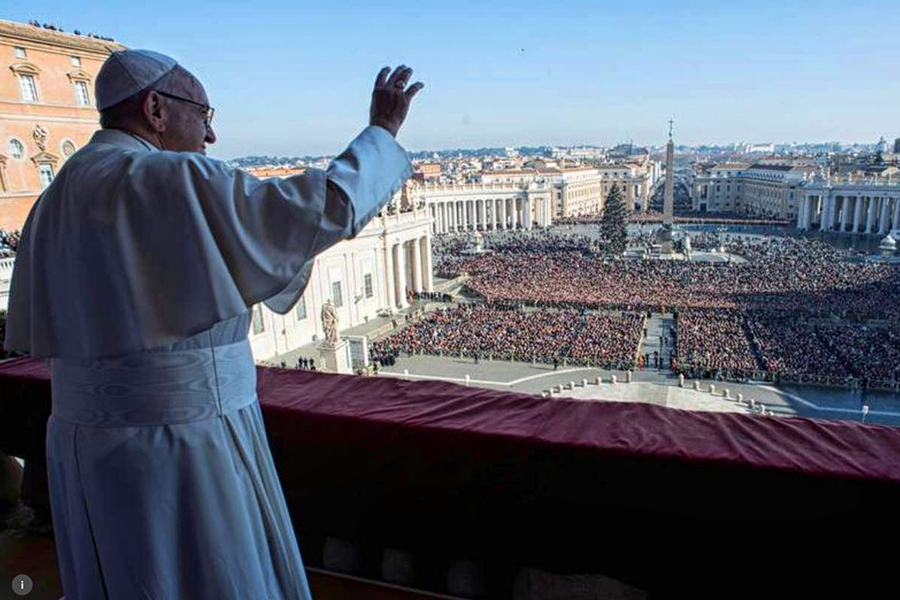
Pope Francis made an impassioned plea for protection of the environment on Wednesday’s 50th anniversary of the first Earth Day, saying the coronavirus pandemic had shown that some challenges had to be met with a global response.

Francis praised the environmental movement, saying it was necessary for young people to “take to the streets to teach us what is obvious, that is, that there will be no future for us if we destroy the environment that sustains us”.

The pope, who wrote a major encyclical in 2015 on the defence of nature and the dangers of climate change, dedicated his general audience – broadcast from his library because of the coronavirus lockdown – to the theme.

Recounting a Spanish proverb that God always forgives, man sometimes forgives but nature never forgives, Francis said: “If we have deteriorated the Earth, the response will be very ugly.”

A landmark in the emergence of the environmental movement when it first took place in 1970, this year’s Earth Day has prompted calls from many, including U.N. Secretary-General Antonio Guterres, for governments to pursue “green recovery” in response to coronavirus

Both the pope and Guterres have made environmental protection and climate change signature themes of their offices.

“We see these natural tragedies, which are the Earth’s response to our maltreatment,” Francis said. “I think that if I ask the Lord now what he thinks about this, I don’t think he would say it is a very good thing. It is we who have ruined the work of God.”

Saying the Earth was not an endless deposit of resources to exploit, he said: “We have sinned against the Earth, against our neighbour and, in the end, against the creator.”

Last year, after a synod of bishops from the Amazon region, Francis said he was considering adding a definition of “ecological sins” in the Roman Catholic Church’s Catechism, a compendium of teachings and rules.

Francis, like Guterres, has likened the response to environmental dangers to that of the coronavirus.

“Only together, and looking after the most fragile (members of society) can we win global challenges,” the pope said.

So far, massive economic stimulus packages launched by the United States, China and European governments have focused mainly on staunching the damage to existing industries and staving off the threat of a global depression.

But ministers from Germany, France and other EU members have signalled their support for subsequent interventions to align with climate goals, a theme taken up by climate campaign groups around the world.

Time to Tackle Two Crises at Once, Activist Thunberg Says on Earth Day

Swedish activist Greta Thunberg joined calls for a combined effort to tackle coronavirus and the climate crisis, saying the 50th anniversary of Earth Day on Wednesday was the time to choose a “new way forward”.

Dramatic improvements in air and water quality as coronavirus lockdowns have cut pollution have prompted calls for a low-carbon future, but the need to get millions back to work is clouding the picture for the future.

Thunberg, taking part in a streamed event to mark Earth Day, said the extraordinary measures to stop the spread of the novel coronavirus did not mean the climate crisis had gone away.

“We need to tackle two crises at once,” she said.

“Whether we like it or not the world has changed, it looks completely different from how it did a few months ago and it will probably not look the same again and we are going to have to choose a new way forward,” the teenager said.

With economies round the world shut down, wildlife has returned to some city streets, with wolves, deer and kangaroos spotted on thoroughfares usually teeming with traffic.

Fish have been seen in Venice canals no longer polluted by motor boats, while residents of some Indian cities have reported seeing the Himalayas for the first time in decades.

Satellite imagery has shown significant air quality improvements across Europe and Asia, including China, where the coronavirus pandemic emerged at the end of last year.

Residents in some of China’s most smog-prone cities said they feared blue skies would not last as the world’s second biggest economy got back to work, however.

“In the second half of the year, when the epidemic eases, the weather will slowly be worse after factories reopen,” said Tang Zhiwei, 27, a resident of Shanghai. “Try your best to enjoy the blue sky now.”

Shanghai saw emissions fall by nearly 20% in the first quarter of 2020, which also saw China’s economy contract for the first time on record.

TOGETHER

U.N. chief Antonio Guterres echoed Thunberg, urging governments to use their economic responses to the pandemic to tackle the “even deeper emergency” of climate change.

With battle lines emerging between investors backing “green stimulus” measures and industry lobbyists aiming to weaken climate regulations, Guterres cautioned governments against bailing out heavily polluting industries.

“On this Earth Day, all eyes are on the COVID-19 pandemic,” Guterres said. “But there is another, even deeper emergency, the planet’s unfolding environmental crisis.”

U.S. Democratic presidential candidate Joe Biden, who on Wednesday was endorsed by two of his party’s most prominent climate change campaigners, including former vice president Al Gore, said green jobs “can be the very thing that helps us get through this existential threat to our economy.”

In November, Biden will run against President Donald Trump, who wants to re-open the U.S. economy to get the 22 million Americans who filed for unemployment benefits in the past month back to work. Trump has touted a strong economy as one of the biggest reasons why he should be re-elected.

Peter Betts, a former lead climate negotiator for Britain and the European Union, said although there was now pressure for coronavirus economic stimulus packages to be “low-carbon, climate-smart,” the effort faced strong headwinds.

“A risk, clearly, is that for some governments around the world there will be a huge premium on getting the economy moving, getting people back into jobs,” Betts, now with the Chatham House think-tank in London, told Reuters Television.

HOTTEST ON RECORD

The environmental stakes have been rising.

Last year was the hottest on record in Europe, extending a run of exceptionally warm years driven by unprecedented levels of heat-trapping greenhouse gases in the atmosphere, according to a study released on Earth Day.

Of Europe’s 12 warmest years on record, 11 have occurred since 2000, the European Union’s Copernicus Climate Change Service (C3S) said.

“This warming trend is now unequivocal anywhere on the planet. And as a consequence of that, the frequency of these record breaking events is going up,” C3S director Carlo Buontempo told Reuters.

The coronavirus pandemic is expected to drive carbon dioxide emissions down 6% this year, the head of the World Meteorological Organization (WMO) said, in what would be the biggest yearly drop since World War Two.

But that’s not enough to stop climate change, the WMO said.

“COVID-19 may result in a temporary reduction in greenhouse gas emissions, but it is not a substitute for sustained climate action,” the WMO said in an Earth Day statement.

In a general audience at the Vatican streamed over the internet, Pope Francis prayed for the protection of the planet.

“This is an occasion for renewing our commitment to love and care for our common home and for the weaker members of our human family,” Francis said, and urged children to “take to the streets to teach us the obvious: we have no future if we destroy the very environment that sustains us.”