The Intersection of Love and Leadership in Business: Insights from Greg Harmeyer

Here’s how leaders can reimagine their business culture for the better.


By Real Leaders


Introduction

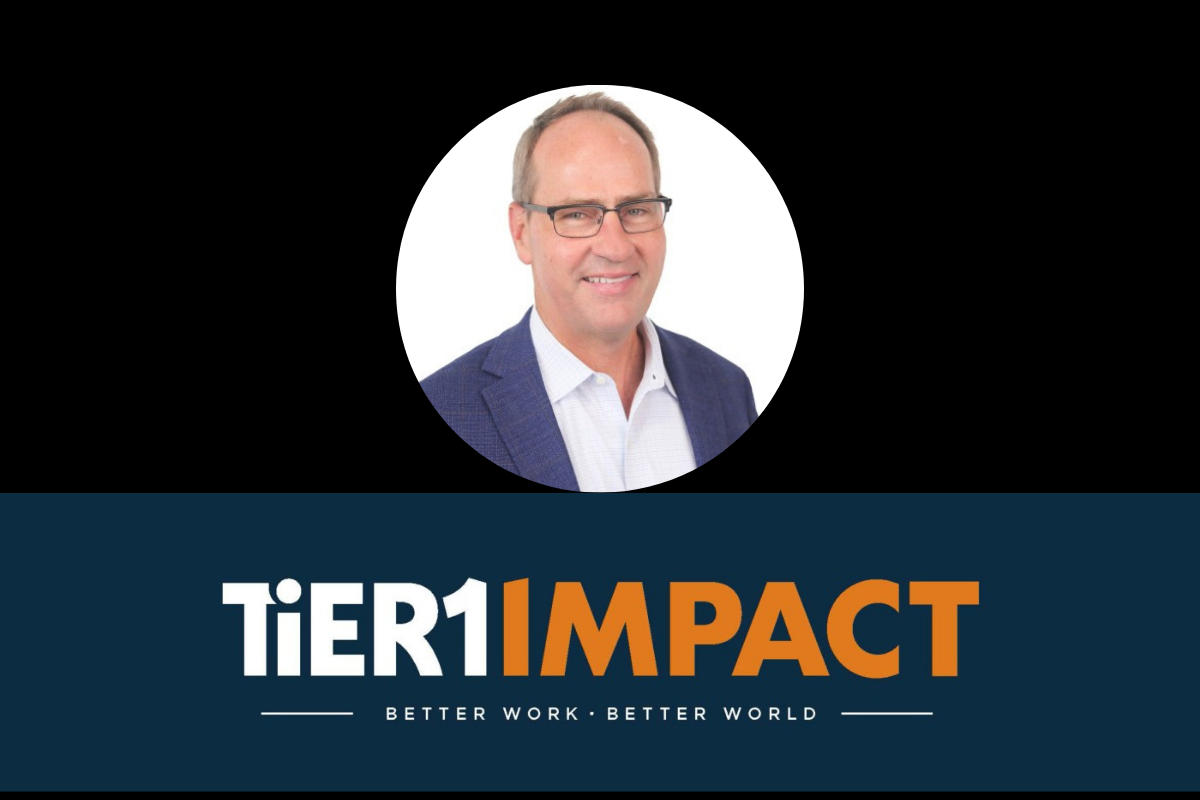
Greg Harmeyer, the CEO of Tier 1 Impact, shares profound insights into leadership, hiring practices, and the often-overlooked concept of love in business. In a candid conversation with Kevin Edwards, Harmeyer delves into how these components intersect and drive long-term organizational success.

Surviving the Early Years

Entrepreneurship often involves navigating existential challenges. Harmeyer acknowledges the fear of transparency during tough times but emphasizes the importance of honesty. By sharing the reality of the business’s situation with the team, leaders can build trust and commitment. People are more likely to stay and contribute to the company’s recovery if they feel genuinely included and valued.

Evolving Hiring Practices

In the early years, Tier 1 primarily hired through personal networks. While fostering trust and connectivity, this approach had limitations, particularly in scaling and diversity. Over time, Harmeyer’s hiring strategy evolved to focus on identifying candidates’ strengths and passions rather than merely filling specific job postings. By aligning roles with individual talents and interests, Tier 1 nurtured innovation and growth from within.

Onboarding and Long-Term Commitment

Harmeyer subscribes to the philosophy of “hire slow, fire fast,” but with a nuanced approach. While careful hiring is crucial, he believes in giving employees ample time and support to succeed. Trust from day one, accountability, and continuous effort are key. A long-term outlook fosters a supportive environment where employees can thrive and contribute significantly.

The Role of Love in Leadership

Harmeyer’s book, Impact With Love, underscores the importance of caring for employees beyond transactional relationships. True leadership involves caring for individuals despite what it may mean for you personally. This creates a magnetic, trust-based culture where people are motivated to contribute to the organization’s success. Harmeyer argues that love in leadership isn’t about leniency but about fostering a genuinely supportive and connected environment.

Balancing Empathy and Performance

Balancing empathy with performance metrics can be challenging. Harmeyer believes in embracing the tension between achieving business goals and caring for people. He advocates for transparency about performance expectations while maintaining a supportive culture. Organizations should avoid quick layoffs as they damage trust and long-term performance. Instead, leaders should focus on sustainable strategies that prioritize both human and business needs.

Personal Reflections on Leadership

Harmeyer describes himself as calm and supportive during challenging times, which he sees as his strength. Conversely, he acknowledges that irritability and impatience are his weaknesses. Maintaining empathy helps him stay centered and effective as a leader. He emphasizes that truly understanding and caring for the people in your organization fosters a healthier and more resilient business.

Conclusion

Greg Harmeyer’s insights highlight the profound impact of empathetic and love-centered leadership on organizational success. By prioritizing human connections and trust, leaders can navigate challenges more effectively and build a thriving, committed workforce. His approach underscores that genuine care and performance are not mutually exclusive but rather complementary forces that drive long-term success.

Gifts for Good: Real Leaders’ Summer Shopping Cart

We have plenty of bright ideas for your shopping cart this summer. All of these products are made by 2024 Real Leaders Top Impact Companies, so you can rest assured — preferably poolside — knowing that your purchases are making a splash for good.


By Real Leaders

Get One, Give One: Soap with Hope

Smell sweet and feel even sweeter about the mission you’re supporting with Soapbox’s naturally derived bath and body products. For every item sold, the company donates a bar of soap to someone in need. Plus, products are made with 100% recyclable packaging. Try the Coconut Oil Hydrating Shampoo and Conditioner, pictured, after a day in the sun. 


Beat the Heat: Righteous Gelato 

Righteous Gelato makes flavorful small-batch gelato and sorbet without artificial ingredients. The cherry on top? It’s giving back along the way by donating 1% of its revenue to charity, using sustainable packaging, and diverting 95% of its waste away from landfills. Cool off with a refreshing scoop of Dairy Free Raspberry Lime Sorbetto or Dairy Free Blueberry Limeade Sorbetto, pictured. 


Getaway for Good: Better Leather Bags

Parker Clay sells quality handmade sustainable leather bags, wallets, and other accessories. Premium, full-grade Ethiopian leather is ethically sourced from food animals and is crafted with the environment in mind. The company employees at-risk Ethiopian women, paying living wages and providing benefits. Take the San Ysidro Weekender, pictured, on your next trip. 


Sustainable Sipping: Finer Wine

In the Oak Knoll District of Napa Valley, California, Trefethen Family Vineyards is among the first wineries to use carbon capture technology as well as to fully offset its electricity usage with on-site solar power, earning the 2022 California Green Medal Environmental Award. Pour a glass of S.I.N. Summer in Napa Rosé, pictured, and kick back with a good book. 


Poolside for the Planet: Swimmingly Good Bathing Suits

Period underwear company Pantys offers stylish swimsuits for comfortable, sustainable, leak​-proof protection in the water. Bonus: Pantys’ products minimize environmental impact, so they’re carbon-neutral and made with biodegradable fabrics that decompose in three years. Take the Triangle One-Piece, pictured, for a swim. 

Tree-Mendous Aerial Adventures: Outdoor Adventure Innovated

Tree-Mendous Aerial Adventures is helping people of all ages disconnect from their smartphones and connect with nature in playful ways.


By Real Leaders

Tree-Mendous designs and builds custom aerial attractions including adventure parks, tree houses, zip lines, canopy tours and walks, and netted attractions in a variety of spaces, from forests to skyscrapers, from the East Coast to the West Coast of the U.S. 

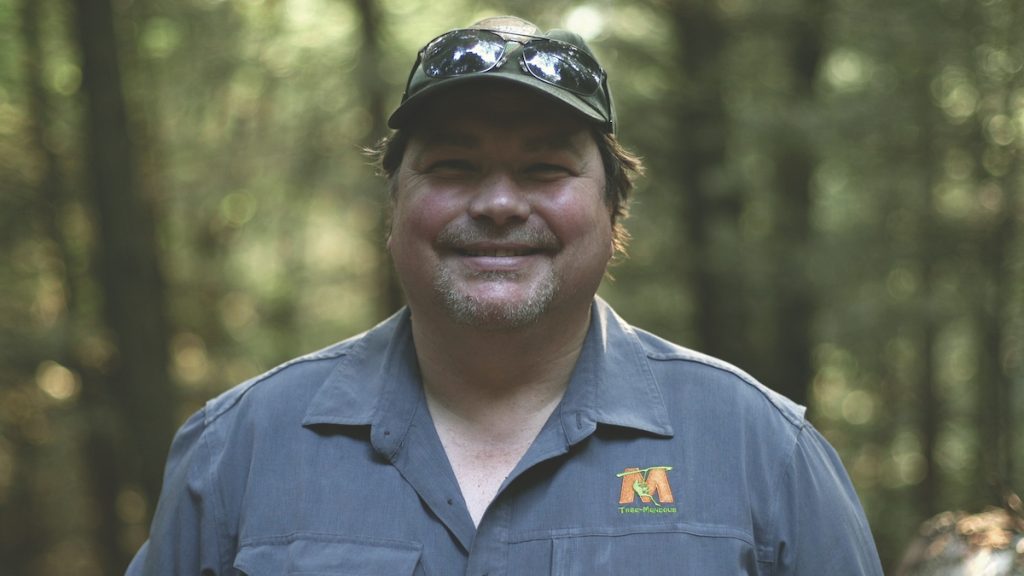
Gerhard Komenda combined his experience as a bio-dynamic forester and a social therapist to found the company in 2011. He notes that outdoor play and experiential learning in nature help nurture independence, self-confidence, creativity, coordination, resilience, improved cognitive function, and physical health. 


“My goal is to motivate people to be outdoors and enable them to have non-virtual experiences, safely leaving their comfort zone and fostering personal growth,” he says. “A return to nature is an instinctive need in our modern world, creating an increasing demand for healthy outdoor activities. Tree-Mendous is perfectly poised to feed this new market.”


One With Nature

The certified B Corporation utilizes low-impact building methods and environmentally sustainable materials such as locally harvested and naturally rot-resistant lumber, avoiding toxic pressure-treated wood. Its patented friction lock-and-wrap system avoids damaging the trees by forgoing screws or drills during installation.


On the Map

The company’s portfolio includes a canopy walk in the California Redwoods, indoor adventure trails in Oregon, an Americans with Disabilities Act-accessible nature trek in New York City, and a 150-foot-long suspension bridge in the Berkshire Mountains. Tree-Mendous plans to break ground on several large projects this year, including elevated netted bridge structures at the Detroit Zoo and the U.S. National Arboretum.


Listen to our full conversation with Tree-Mendous Founder and CEO Gerhard Komenda on Episode 310 of the Real Leaders Podcast.

Tree-Mendous Aerial Adventures: Outdoor Adventure Innovated

Tree-Mendous Aerial Adventures is helping people of all ages disconnect from their smartphones and connect with nature in playful ways.


By Real Leaders

Tree-Mendous designs and builds custom aerial attractions including adventure parks, tree houses, zip lines, canopy tours and walks, and netted attractions in a variety of spaces, from forests to skyscrapers, from the East Coast to the West Coast of the U.S. 

Gerhard Komenda combined his experience as a bio-dynamic forester and a social therapist to found the company in 2011. He notes that outdoor play and experiential learning in nature help nurture independence, self-confidence, creativity, coordination, resilience, improved cognitive function, and physical health. 


“My goal is to motivate people to be outdoors and enable them to have non-virtual experiences, safely leaving their comfort zone and fostering personal growth,” he says. “A return to nature is an instinctive need in our modern world, creating an increasing demand for healthy outdoor activities. Tree-Mendous is perfectly poised to feed this new market.”


One With Nature

The certified B Corporation utilizes low-impact building methods and environmentally sustainable materials such as locally harvested and naturally rot-resistant lumber, avoiding toxic pressure-treated wood. Its patented friction lock-and-wrap system avoids damaging the trees by forgoing screws or drills during installation.


On the Map

The company’s portfolio includes a canopy walk in the California Redwoods, indoor adventure trails in Oregon, an Americans with Disabilities Act-accessible nature trek in New York City, and a 150-foot-long suspension bridge in the Berkshire Mountains. Tree-Mendous plans to break ground on several large projects this year, including elevated netted bridge structures at the Detroit Zoo and the U.S. National Arboretum.


Listen to our full conversation with Tree-Mendous Founder and CEO Gerhard Komenda on Episode 310 of the Real Leaders Podcast.

Is your Business Future Fit?

Learn how to think more strategically about sustainability as a business driver.


By Real Leaders

GlobeScan is a global insights and advisory consultancy working at the intersection of brand purpose, sustainability, and trust. In this interview with CEO and author Chris Coulter, who co-hosts a podcast about sustainability leadership and business, he explains how companies can think more strategically about sustainability as a business driver.

Real Leaders: Where is society today when it comes to sustainability?

Chris Coulter: We are 40 to 50 years into the conversation of limits, growth, where things are at, and how all of these things are connected. Now, the conversation is more about how we transition and transform into a place that’s going to be more prosperous, more stable, more secure, and more thriving. 

We’ve hit this critical mass threshold at a stakeholder level. Businesspeople, civil society, governments, the financial community, and the scientific community all crossed over a hump a decade ago where we have a collective understanding of where to go. While we have sophistication on the stakeholder side, every day there’s something new in understanding where it goes, how to regulate it, how to invest around it, and how to drive supplier perspectives. Now the debate is how, when, how fast, and where, and we can see the back-and-forth pendulum shifting. 

On the consumer side, we have not engaged the average person on the street in this conversation very effectively. In some parts of the world, it’s part of the culture war between those who don’t want to change and those who do. So on the stakeholder side, we’ve moved miles and we’re at a much more sophisticated place. On moving society, consumers, and citizens, we’re pretty glacial with very little progress overall.


RL: Has the fundamental core driver of business shifted, as opposed to just maximizing share profit?

Coulter: I don’t think it’s transformative, but it has shifted. There have been generational shifts in chief executives, at senior C-suite levels, and even at the board levels that multi-stakeholder approaches to business are sensible, smart, and a long-term success pathway. However, the execution of that has been limited. 

As for fully embracing what a multi-stakeholder approach to business looks like, companies know how to engage investors and listen to investors, and the ESG conversation has been quite catalytic in how companies have responded from at least a disclosure and compliance perspective. As for governments, there are government affairs teams that have had a fracture between traditional lobbying and then policy advocacy that could be oriented toward sustainability — and that’s beginning to move as well. 

But other stakeholders beyond that constellation — communities of impact, civil society, those more peripheral stakeholder audiences — most companies haven’t approached that with a true multi-stakeholder mindset. The ones that do see what’s coming around the corner and how to prepare become future fit for this new reality. And those that don’t can be very successful for a long time until they can’t. There’s an attitudinal orientation and shift and lots of data that’s coming behind it, but the full execution and embracing at some sort of scale has not happened yet. And that’s an interesting place to support business more fully.


RL: What resonates with the multinational companies that GlobeScan works with? How do you convince them that making a difference is good for business?

Coulter: The business case for long-term success equals sustainability, and I can’t think there’s any data, model, or example where that isn’t the case. In the short term, you can make a crazy amount of money, burn bridges, and destroy things, and you can be successful — but in the long term, it’s almost impossible. There’s a great quote by a former CMO at Unilever, Keith Weed, who said he’d love to see the business case for unsustainable business. 

So broadly, the way we meet our clients and engage, we have a shared mind that in the long term, this is what we’re trying to play for and prepare for. Once you begin to plan strategically by looking 10 or 20 years out and ask, “How will consumer sentiments or expectations or sensibility be changing in the future? Who is this younger generation versus the older? What are their preferences? What are their trends?” you can see that it’s being more inclusive, equitable, and sustainable, so that’s the future marketplace.

The problem is that people are so naturally preoccupied with short-term pressures and responses that we can’t get over the hump. Those companies that have been able to create a planning process, an engagement process to have their eye on the long-term, it equals strong sustainability commitment and performance, inevitably.


RL: How should leaders handle resistance to change among different generations?


Coulter: With any sort of generational tension there are new ideas, and the older guard are like, “That’s not how we do business. Let’s go easy. Slow down a little bit.” That’s OK. What’s remarkable is the Gen Z cohort, a portion of them — not all of them because there’s diversity in all cohorts — are remarkably smart, sophisticated, and super passionate about some of these issues that create this generational tension, especially around inclusion. 

As for what’s changing, there are all kinds of conversations. Advertising and marketing have gotten a little more challenging with greenwashing that’s in the greenhushing pendulum. The real shift is that people are feeling that the world is changing for the worse when it comes to climate change. We do lots of consumer public opinion surveys, and in our latest global study, 40% of the world says that they now feel they’ve been very greatly personally impacted by climate change. That’s different than a decade ago when it was less than half of that. 

The biggest obstacle now to sustainability orientation is future discounting. As a species, we’ve evolved to be quite short-term focused. Future discounting is a phenomenon where, if we look too far ahead, we discount the planning toward that. So if I’m a farmer 40,000 years ago trying to eke out a living, I’m not going to be thinking about the next 10 years; I’m thinking about tomorrow or next week. And that has served us well as a species. The challenge with climate and most environmental issues is that if we don’t straighten things out, things are going to get worse, and the worse in the future is a future-discounting problem. 

Now there is an immediacy taking over what people are actually feeling and sensing, which is that things are changing — and not in a good way. This is our moment to try and transform it. The U.S. has the biggest gap anywhere in the world between younger people and older people feeling that climate is having a negative impact. 

As leaders, you have to feel people’s pain, be part of the solution, and show responsibility. Half of us are getting away with, “It’s all inflated. It’s exaggerated. Let’s go back to traditional approaches.” That’s a natural reaction when change is imminent, but we’re going to work through it, and eventually, this is not going to be so politicized. It’ll be a standard status-quo approach to business — but we’re not there yet.


Becoming Employee Owned

Looking out for its own sustainability, GlobeScan became an employee ownership trust.

Here, Coulter talks about the decision-making process:

“We’re 36 years old as an organization, but we were at that juncture where we asked ourselves, ‘Do we go to a bigger agency and be sold, do we find a management buyout, or do we do something more innovative?’ It wasn’t an easy thing to do because of the legal and tax implications, and we’re a small organization — just 60 people spread across nine cities in the world — but we’ve grown substantively over the last couple of years. 

“So we chose this idea of an employee trust, which is not an employee-owned framework. It is a separate trust very much like the John Lewis Partnership in the UK where no one really owns it — the trust owns it. As employees, we’re the beneficiaries, and we get profit-sharing because of that. But once we leave, the trust continues and part of this was to maintain our independence, to be an objective voice, and to ride through what’s going to be a very disruptive, exciting, but transformative and challenging multiple decades going forward. 

“We’re trying collectively to think of not only what we’re doing in our work now with our clients, but what about future GlobeScanners? We’re trying to have a very long-term approach.”

Listen to our full conversation with Globescan’s Chris Coulter on The Real Leaders Podcast, Episode 408.

Environmental Expeditions

Participate in hands-on science while visiting some of the world’s most astounding places. 

By Real Leaders

Earthwatch is an international environmental nonprofit that invites travelers to be more than tourists. 

Founded in 1971, the organization connects volunteers with scientists worldwide to address some of the world’s most pressing environmental challenges. Visitors conduct research and are empowered with knowledge to conserve the planet. Opportunities abound for teens and adults, and no prior experience is needed. Choose from more than 40 field research expeditions spanning six continents with varying accommodations and activity types and levels.

CUBA – Map Forest Biodiversity


Document birds and bats, survey forest trees, and connect with the rural and neighboring communities at Lomas de Banao Ecological Reserve. It’s home to species only found in the Caribbean, including the vulnerable Cuban Parakeet and the near-threatened Cuban Amazon Parrot. While long-term political complexities stymied collaborative international research, international relations are improving, making this a critical moment to take stock of Cuba’s wildlife to inform management and conservation plans as the island becomes increasingly developed.

INDONESIA – Monitor Coral Reefs

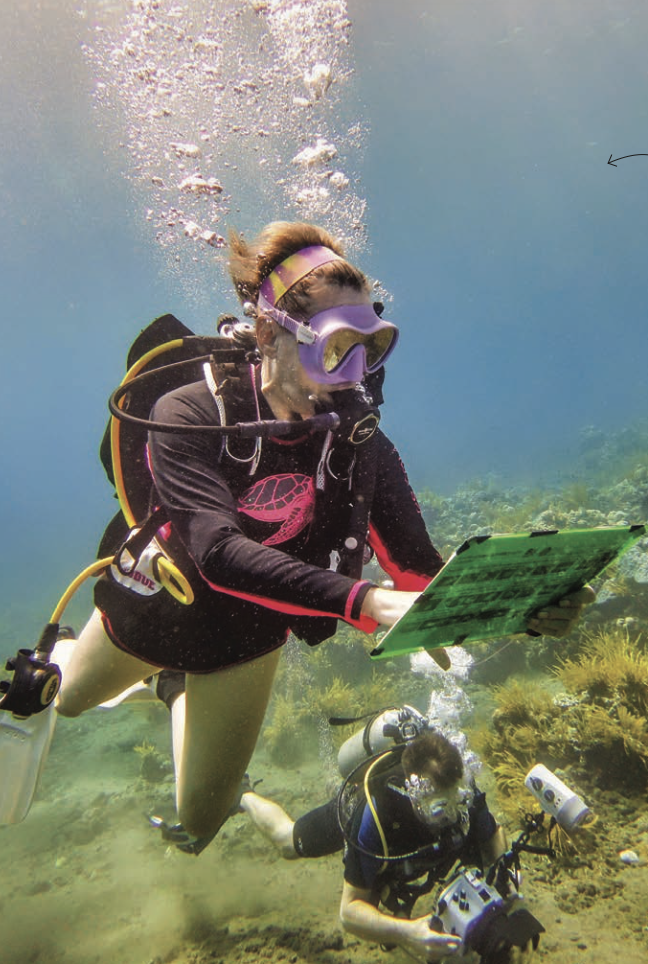
Snorkel or scuba dive in a marine-protected area over natural and artificial reefs on the island of Bali. It lies within the coral triangle, a global center of marine biodiversity. Over the last several decades, some of Bali’s reef ecosystems have been heavily degraded by destructive fishing practices, warming ocean temperatures, pollution, and other human activities. You’ll conduct reef surveys, deploy video units, and analyze project data, helping determine how closely fish communities, carbon cycling, and predator populations on artificial reefs match those on natural reefs.


PERU – Explore by Riverboat


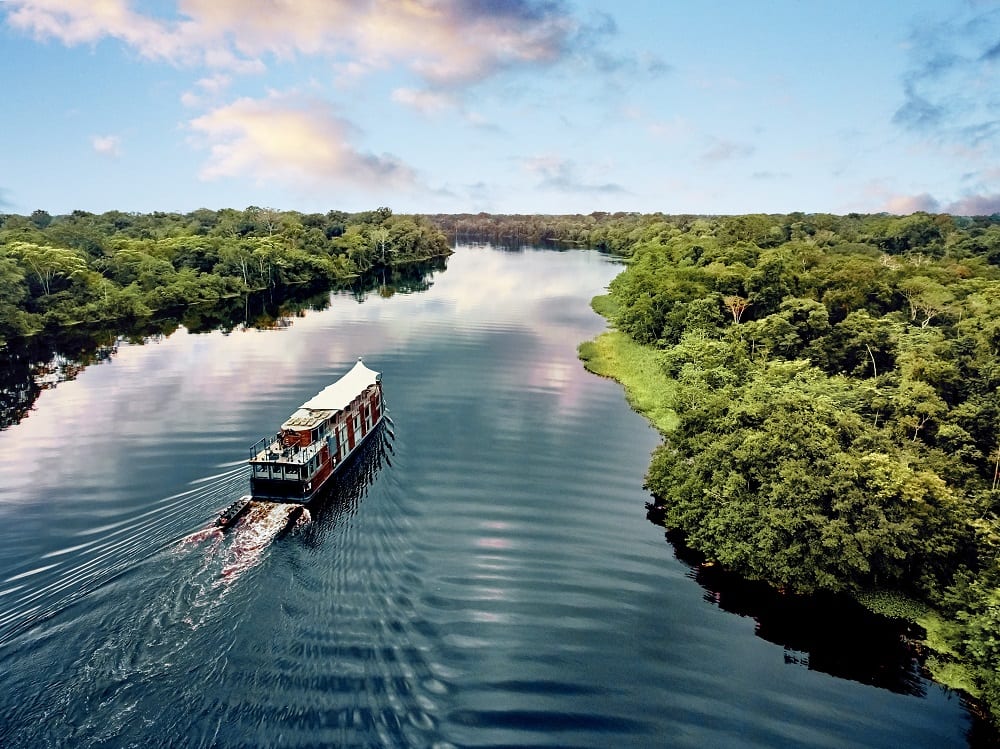
Board a riverboat in the heart of Peru’s flooded Amazon region and disembark to hike the rainforest. Log sightings of pink dolphins, caimans, fish, wading birds, macaws, and fishing bats, and even record vocalizations. The wildlife in northeastern Peru’s Amazonian forests is declining due to recent intense climate fluctuations that have caused floods and droughts. You’ll gather information about the health of the ecosystem and the sustainability of traditional hunting and fishing to help researchers develop conservation strategies to protect wildlife and the needs of indigenous people.

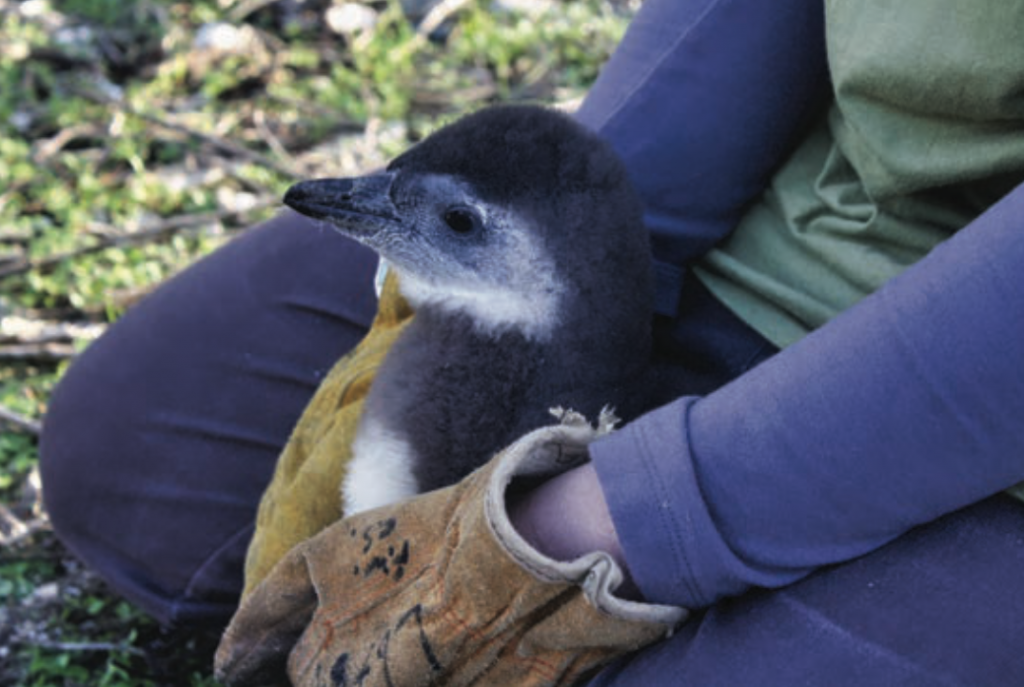
SOUTH AFRICA – Protect Penguins


Help scientists monitor penguin nests, assess chick body conditions, assist injured birds, and reduce the impact of various threats to the fragile environment of Robben Island. This hotspot for seabird biodiversity includes endangered cape cormorants, bank cormorants, and 2,900 African penguins. About 90% of the island’s penguin population disappeared in the past century in part due to oil spills, as Robben Island is in the middle of major shipping lanes.

Successfully Integrate Your New CEO

Follow this advice to hit the ground running.

By Real Leaders

Everyone appreciates a good onboarding process — whether you are the new kid on the block or an existing team member trying to understand the changing dynamics when a new leader steps in. But what if onboarding simply isn’t enough?

Eileen Rieder is an executive coach and integration expert who works with leaders and organizations to integrate high-performing executives into their new roles. New Leader Integration (NLI) is a proprietary process that accelerates the time-to-value for leaders who have accepted significant leadership roles in new organizations or have been promoted to higher, more impactful roles.

“Typical onboarding efforts are focused on getting the leader administratively into the role, getting the systems and tools, introducing them to their team, and providing a brief overview of the role,” explains Rieder.

“New Leader Integration, on the other hand, meets a more aspirational goal — doing what it takes to make the leader a fully functioning member of the team as quickly as possible.”

In an Egon Zehnder survey of 588 executives (one-third of whom were C-suite), 60% reported that it took six months and 20% reported that it took nine months to have a real impact in their role. Less than one-third said they received any kind of meaningful support during their transition.

NLI engages key stakeholders early to begin the psychological contract between the leader and the stakeholders. The process reveals expectations and opportunities for the leader in the immediate and near-term and identifies pitfalls that have tripped up other leaders in the organization. Rieder says this work is best accomplished with the help of a third-party integration expert versus assigning the new CEO an in-house mentor.


“A third-party integrator can remain objective about the role and the organization,” Rieder explains.

“They have no interest in gleaning anything but honest feedback from the stakeholders, which provides for greater candor during the interview process. A well-seasoned practitioner from outside of the organization can remain curious about the role and the company, understanding how to follow a thread and ask the next best question to uncover challenges or barriers that someone internal to the organization may miss because of existing biases or assumptions.”

In Rieder’s experience, the most common roadblock is the disconnect in expectations between the hiring manager and other key stakeholders within the organization. “A common expectation is the degree to which the hiring manager expects the new leader to be an agent of change,” Rieder says. “Key stakeholders may not see the case for change, and it may not be clear that the new leader was brought on specifically to bring about that new change.”

There can also be a disconnect in the expectations related to the magnitude and pace of the change effort. One of the keys to effective integration is exposing those disconnects for leadership so they can be transparently discussed and expectations can be aligned.


Advice From a CEO

John Arendes has over 30 years’ experience leading teams in the software and compliance training industries. He served as CEO of Traliant and grew the business by double digits under his tenure. He is a strong believer in continual leadership development, and he recently completed New Leader Integration for his new role.

“Upon learning that I would be going through this integration process, I was excited about the opportunity to do this assessment,” he says. “I believed it would help me get a head start on

understanding how I could work effectively with the organization based on my strengths and weaknesses. My understanding of my weaknesses, in particular, would help me avoid any potential pitfalls early on in my tenure.”


During his coaching sessions, Arendes became more aware of his thought patterns. “I realized that sometimes what I thought was a problem with only two possible solutions can have several solutions if I approach it from a different perspective,” he says.

Arendes says that while he didn’t have any issues with receiving feedback on himself, he noticed that his team members initially hesitated to share honest feedback. “They were concerned that it would get back to me and affect their working relationship,” he recalls. “However, the coach helped us overcome this hurdle, and eventually we could provide and receive feedback more freely.”

Without going through the integration process and its associated coaching, Arendes says he would have taken much longer to understand what his team values and how he can contribute value to them. “As a first-time CEO, there are various nuances that one does not consider initially,” he says. “You must look at the entire organization and assess how a decision can impact many people.”


To a new leader considering the implementation of an integration process, Arendes has the following advice:

  • Recognize the value of the program. “It’s a powerful tool for accelerating your integration into a new leadership role, understanding the organization’s culture, and building solid relationships with your team and peers,” he says.
  • Be committed. “To get the most out of the process, staying committed and maintaining consistency is essential.”
  • Establish confidentiality and trust with your coach. “Privacy in the coaching relationship is crucial,” Arendes says. “Being open and honest with your coach is vital, and your discussions should be confidential and nonjudgmental. Have a willingness to be transparent about your challenges, strengths, and areas for growth.”
  • Identify your objectives. Arendes says to approach coaching with transparency about challenges and your need for help.
  • Build relationships. “Use this process to enhance your relationship-building skills within your team and with key stakeholders. Effective relationships are often the foundation of leadership success,” he says.

Environmental Expeditions

Participate in hands-on science while visiting some of the world’s most astounding places. 

By Real Leaders

Earthwatch is an international environmental nonprofit that invites travelers to be more than tourists. 

Founded in 1971, the organization connects volunteers with scientists worldwide to address some of the world’s most pressing environmental challenges. Visitors conduct research and are empowered with knowledge to conserve the planet. Opportunities abound for teens and adults, and no prior experience is needed. Choose from more than 40 field research expeditions spanning six continents with varying accommodations and activity types and levels.

CUBA – Map Forest Biodiversity


Document birds and bats, survey forest trees, and connect with the rural and neighboring communities at Lomas de Banao Ecological Reserve. It’s home to species only found in the Caribbean, including the vulnerable Cuban Parakeet and the near-threatened Cuban Amazon Parrot. While long-term political complexities stymied collaborative international research, international relations are improving, making this a critical moment to take stock of Cuba’s wildlife to inform management and conservation plans as the island becomes increasingly developed.

INDONESIA – Monitor Coral Reefs

Snorkel or scuba dive in a marine-protected area over natural and artificial reefs on the island of Bali. It lies within the coral triangle, a global center of marine biodiversity. Over the last several decades, some of Bali’s reef ecosystems have been heavily degraded by destructive fishing practices, warming ocean temperatures, pollution, and other human activities. You’ll conduct reef surveys, deploy video units, and analyze project data, helping determine how closely fish communities, carbon cycling, and predator populations on artificial reefs match those on natural reefs.


PERU – Explore by Riverboat


Board a riverboat in the heart of Peru’s flooded Amazon region and disembark to hike the rainforest. Log sightings of pink dolphins, caimans, fish, wading birds, macaws, and fishing bats, and even record vocalizations. The wildlife in northeastern Peru’s Amazonian forests is declining due to recent intense climate fluctuations that have caused floods and droughts. You’ll gather information about the health of the ecosystem and the sustainability of traditional hunting and fishing to help researchers develop conservation strategies to protect wildlife and the needs of indigenous people.

SOUTH AFRICA – Protect Penguins


Help scientists monitor penguin nests, assess chick body conditions, assist injured birds, and reduce the impact of various threats to the fragile environment of Robben Island. This hotspot for seabird biodiversity includes endangered cape cormorants, bank cormorants, and 2,900 African penguins. About 90% of the island’s penguin population disappeared in the past century in part due to oil spills, as Robben Island is in the middle of major shipping lanes.

Is your Business Future Fit?

Learn how to think more strategically about sustainability as a business driver.


By Real Leaders

GlobeScan is a global insights and advisory consultancy working at the intersection of brand purpose, sustainability, and trust. In this interview with CEO and author Chris Coulter, who co-hosts a podcast about sustainability leadership and business, he explains how companies can think more strategically about sustainability as a business driver.

Real Leaders: Where is society today when it comes to sustainability?

Chris Coulter: We are 40 to 50 years into the conversation of limits, growth, where things are at, and how all of these things are connected. Now, the conversation is more about how we transition and transform into a place that’s going to be more prosperous, more stable, more secure, and more thriving. 

We’ve hit this critical mass threshold at a stakeholder level. Businesspeople, civil society, governments, the financial community, and the scientific community all crossed over a hump a decade ago where we have a collective understanding of where to go. While we have sophistication on the stakeholder side, every day there’s something new in understanding where it goes, how to regulate it, how to invest around it, and how to drive supplier perspectives. Now the debate is how, when, how fast, and where, and we can see the back-and-forth pendulum shifting. 

On the consumer side, we have not engaged the average person on the street in this conversation very effectively. In some parts of the world, it’s part of the culture war between those who don’t want to change and those who do. So on the stakeholder side, we’ve moved miles and we’re at a much more sophisticated place. On moving society, consumers, and citizens, we’re pretty glacial with very little progress overall.


RL: Has the fundamental core driver of business shifted, as opposed to just maximizing share profit?

Coulter: I don’t think it’s transformative, but it has shifted. There have been generational shifts in chief executives, at senior C-suite levels, and even at the board levels that multi-stakeholder approaches to business are sensible, smart, and a long-term success pathway. However, the execution of that has been limited. 

As for fully embracing what a multi-stakeholder approach to business looks like, companies know how to engage investors and listen to investors, and the ESG conversation has been quite catalytic in how companies have responded from at least a disclosure and compliance perspective. As for governments, there are government affairs teams that have had a fracture between traditional lobbying and then policy advocacy that could be oriented toward sustainability — and that’s beginning to move as well. 

But other stakeholders beyond that constellation — communities of impact, civil society, those more peripheral stakeholder audiences — most companies haven’t approached that with a true multi-stakeholder mindset. The ones that do see what’s coming around the corner and how to prepare become future fit for this new reality. And those that don’t can be very successful for a long time until they can’t. There’s an attitudinal orientation and shift and lots of data that’s coming behind it, but the full execution and embracing at some sort of scale has not happened yet. And that’s an interesting place to support business more fully.


RL: What resonates with the multinational companies that GlobeScan works with? How do you convince them that making a difference is good for business?

Coulter: The business case for long-term success equals sustainability, and I can’t think there’s any data, model, or example where that isn’t the case. In the short term, you can make a crazy amount of money, burn bridges, and destroy things, and you can be successful — but in the long term, it’s almost impossible. There’s a great quote by a former CMO at Unilever, Keith Weed, who said he’d love to see the business case for unsustainable business. 

So broadly, the way we meet our clients and engage, we have a shared mind that in the long term, this is what we’re trying to play for and prepare for. Once you begin to plan strategically by looking 10 or 20 years out and ask, “How will consumer sentiments or expectations or sensibility be changing in the future? Who is this younger generation versus the older? What are their preferences? What are their trends?” you can see that it’s being more inclusive, equitable, and sustainable, so that’s the future marketplace.

The problem is that people are so naturally preoccupied with short-term pressures and responses that we can’t get over the hump. Those companies that have been able to create a planning process, an engagement process to have their eye on the long-term, it equals strong sustainability commitment and performance, inevitably.


RL: How should leaders handle resistance to change among different generations?


Coulter: With any sort of generational tension there are new ideas, and the older guard are like, “That’s not how we do business. Let’s go easy. Slow down a little bit.” That’s OK. What’s remarkable is the Gen Z cohort, a portion of them — not all of them because there’s diversity in all cohorts — are remarkably smart, sophisticated, and super passionate about some of these issues that create this generational tension, especially around inclusion. 

As for what’s changing, there are all kinds of conversations. Advertising and marketing have gotten a little more challenging with greenwashing that’s in the greenhushing pendulum. The real shift is that people are feeling that the world is changing for the worse when it comes to climate change. We do lots of consumer public opinion surveys, and in our latest global study, 40% of the world says that they now feel they’ve been very greatly personally impacted by climate change. That’s different than a decade ago when it was less than half of that. 

The biggest obstacle now to sustainability orientation is future discounting. As a species, we’ve evolved to be quite short-term focused. Future discounting is a phenomenon where, if we look too far ahead, we discount the planning toward that. So if I’m a farmer 40,000 years ago trying to eke out a living, I’m not going to be thinking about the next 10 years; I’m thinking about tomorrow or next week. And that has served us well as a species. The challenge with climate and most environmental issues is that if we don’t straighten things out, things are going to get worse, and the worse in the future is a future-discounting problem. 

Now there is an immediacy taking over what people are actually feeling and sensing, which is that things are changing — and not in a good way. This is our moment to try and transform it. The U.S. has the biggest gap anywhere in the world between younger people and older people feeling that climate is having a negative impact. 

As leaders, you have to feel people’s pain, be part of the solution, and show responsibility. Half of us are getting away with, “It’s all inflated. It’s exaggerated. Let’s go back to traditional approaches.” That’s a natural reaction when change is imminent, but we’re going to work through it, and eventually, this is not going to be so politicized. It’ll be a standard status-quo approach to business — but we’re not there yet.


Becoming Employee Owned

Looking out for its own sustainability, GlobeScan became an employee ownership trust.

Here, Coulter talks about the decision-making process:

“We’re 36 years old as an organization, but we were at that juncture where we asked ourselves, ‘Do we go to a bigger agency and be sold, do we find a management buyout, or do we do something more innovative?’ It wasn’t an easy thing to do because of the legal and tax implications, and we’re a small organization — just 60 people spread across nine cities in the world — but we’ve grown substantively over the last couple of years. 

“So we chose this idea of an employee trust, which is not an employee-owned framework. It is a separate trust very much like the John Lewis Partnership in the UK where no one really owns it — the trust owns it. As employees, we’re the beneficiaries, and we get profit-sharing because of that. But once we leave, the trust continues and part of this was to maintain our independence, to be an objective voice, and to ride through what’s going to be a very disruptive, exciting, but transformative and challenging multiple decades going forward. 

“We’re trying collectively to think of not only what we’re doing in our work now with our clients, but what about future GlobeScanners? We’re trying to have a very long-term approach.”

Listen to our full conversation with Globescan’s Chris Coulter on The Real Leaders Podcast, Episode 408.

Successfully Integrate Your New CEO

Follow this advice to hit the ground running.

By Real Leaders

Everyone appreciates a good onboarding process — whether you are the new kid on the block or an existing team member trying to understand the changing dynamics when a new leader steps in. But what if onboarding simply isn’t enough?

Eileen Rieder is an executive coach and integration expert who works with leaders and organizations to integrate high-performing executives into their new roles. New Leader Integration (NLI) is a proprietary process that accelerates the time-to-value for leaders who have accepted significant leadership roles in new organizations or have been promoted to higher, more impactful roles.

“Typical onboarding efforts are focused on getting the leader administratively into the role, getting the systems and tools, introducing them to their team, and providing a brief overview of the role,” explains Rieder.

“New Leader Integration, on the other hand, meets a more aspirational goal — doing what it takes to make the leader a fully functioning member of the team as quickly as possible.”

In an Egon Zehnder survey of 588 executives (one-third of whom were C-suite), 60% reported that it took six months and 20% reported that it took nine months to have a real impact in their role. Less than one-third said they received any kind of meaningful support during their transition.

NLI engages key stakeholders early to begin the psychological contract between the leader and the stakeholders. The process reveals expectations and opportunities for the leader in the immediate and near-term and identifies pitfalls that have tripped up other leaders in the organization. Rieder says this work is best accomplished with the help of a third-party integration expert versus assigning the new CEO an in-house mentor.


“A third-party integrator can remain objective about the role and the organization,” Rieder explains.

“They have no interest in gleaning anything but honest feedback from the stakeholders, which provides for greater candor during the interview process. A well-seasoned practitioner from outside of the organization can remain curious about the role and the company, understanding how to follow a thread and ask the next best question to uncover challenges or barriers that someone internal to the organization may miss because of existing biases or assumptions.”

In Rieder’s experience, the most common roadblock is the disconnect in expectations between the hiring manager and other key stakeholders within the organization. “A common expectation is the degree to which the hiring manager expects the new leader to be an agent of change,” Rieder says. “Key stakeholders may not see the case for change, and it may not be clear that the new leader was brought on specifically to bring about that new change.”

There can also be a disconnect in the expectations related to the magnitude and pace of the change effort. One of the keys to effective integration is exposing those disconnects for leadership so they can be transparently discussed and expectations can be aligned.


Advice From a CEO

John Arendes has over 30 years’ experience leading teams in the software and compliance training industries. He served as CEO of Traliant and grew the business by double digits under his tenure. He is a strong believer in continual leadership development, and he recently completed New Leader Integration for his new role.

“Upon learning that I would be going through this integration process, I was excited about the opportunity to do this assessment,” he says. “I believed it would help me get a head start on

understanding how I could work effectively with the organization based on my strengths and weaknesses. My understanding of my weaknesses, in particular, would help me avoid any potential pitfalls early on in my tenure.”


During his coaching sessions, Arendes became more aware of his thought patterns. “I realized that sometimes what I thought was a problem with only two possible solutions can have several solutions if I approach it from a different perspective,” he says.

Arendes says that while he didn’t have any issues with receiving feedback on himself, he noticed that his team members initially hesitated to share honest feedback. “They were concerned that it would get back to me and affect their working relationship,” he recalls. “However, the coach helped us overcome this hurdle, and eventually we could provide and receive feedback more freely.”

Without going through the integration process and its associated coaching, Arendes says he would have taken much longer to understand what his team values and how he can contribute value to them. “As a first-time CEO, there are various nuances that one does not consider initially,” he says. “You must look at the entire organization and assess how a decision can impact many people.”


To a new leader considering the implementation of an integration process, Arendes has the following advice:

  • Recognize the value of the program. “It’s a powerful tool for accelerating your integration into a new leadership role, understanding the organization’s culture, and building solid relationships with your team and peers,” he says.
  • Be committed. “To get the most out of the process, staying committed and maintaining consistency is essential.”
  • Establish confidentiality and trust with your coach. “Privacy in the coaching relationship is crucial,” Arendes says. “Being open and honest with your coach is vital, and your discussions should be confidential and nonjudgmental. Have a willingness to be transparent about your challenges, strengths, and areas for growth.”
  • Identify your objectives. Arendes says to approach coaching with transparency about challenges and your need for help.
  • Build relationships. “Use this process to enhance your relationship-building skills within your team and with key stakeholders. Effective relationships are often the foundation of leadership success,” he says.
0