India’s Solar Farm Overtakes California’s as World’s Largest

India has overtaken California and now has the largest solar farm in one location in the world. It was built in a record eight months, despite monsoons and floods.

The vast 2,500 acre site in Tamil Nadu is the size of nearly 60 Taj Mahals, while the area of the solar panels alone could hold 476 football pitches. And, during the construction, just the storage area was the equivalent of 6 Sydney Opera Houses.

The southern Indian solar farm can generate 648 megawatts of clean, green electricity. By 2022, India aims to power 60 million homes by the sun. This will help propel India as a world leader in renewable energy generation.

Vneet Jaain, CEO of Adani Power, says, “Before us, the largest solar power plant at a single location was in California in the U.S. That was 550 MW and was completed in around three years. We wanted to set up a solar plant of 648 MW in a single location in less than a year.”

The enormous solar farm took just eight months to build by 8,500 people in Kamuthi, Ramanathpuram, in the southern state of Tamil Nadu – a staggeringly short amount of time, given the sheer scale of the project and the massive floods and monsoon in the region at the time of construction.

The plant comprises of 380,000 foundations, 2,500,000 solar modules, 27,000 metric tonnes of structure, 576 inverters, 154 transformers and 6,000 km of cables (that’s almost the equivalent distance of India to Australia). The overall cost of the mega-structure was approximately U.S. $679 million.

Chairman of the Adani Group – the company who owns the solar farm – Guatam Adani says, “We have a deep commitment to nation-building. We plan to produce 11,000 MW of solar energy in the next five years, putting India on the global map of renewable energy.”

The huge number of solar panels is cleaned daily by a robotic system, itself charged by its own solar panel. The solar farm is part of the Indian government’s ambitious targets to reduce carbon emissions by 33-35% and to produce 40% of its power by non-fossil fuels by 2030.


Effective Leaders Don’t Forget to Move

Humans are made to move. This is clear by the huge number of benefits exercise has for mind and body.

“There is a linear relation between physical activity and health status; an increase in physical activity and fitness directly improves your health status,” says Dr Craig Nossel, head of Discovery Vitality Wellness in South Africa.

“Exercise can easily get boring or routine,” notes Steph Donaldson, Discovery Vitality biokineticist. “The multi-disciplinary nature of triathlons keeps training interesting and challenging. Plus, the variety of racing distances makes it accessible for all fitness levels: from kids’ races and sprint distances right through to ultra-distance races.” In short – multisport offers something for everyone.

“Exercise can easily get boring or routine.”

Multisport also has a great social element. Family and friends can get involved, which is a great motivator to keep you exercising.

There are many health and fitness benefits of multisport training. These include:

Full body strengthening
Each aspect of a triathlon offers its own health benefits. Swimming creates definition in your upper body and improves flexibility; running develops long and lean muscles; and cycling tones the lower body while building strength.

Strengthens bones:
People who run often have a higher bone density than those who don’t. That’s because the body increases the density of bones in an effort to accommodate for the impact of running. Running boosts bone strength and development more than cycling or swimming do.

Improved health:
A regular combination of swimming, cycling and running can help you lower your blood pressure; prevent diabetes, obesity, cardiovascular diseases and cancer; as well as lower the risk of osteoporosis or depression.

A workout for the arteries:
The inner lining of artery walls can be damaged by factors like high blood pressure, high cholesterol, diabetes, smoking and the wear and tear of ageing. Injured spots in the lining, in turn, are often the starting points for the growth of plaques that can block arteries, leading to a heart attack. Researchers believe that the regular expansion and contraction of arteries during exercise keeps the blood vessels “in shape” and preserves their inner lining.

Mental health:
When you begin to improve your health, you also start to improve your perspective on what you can achieve and how far you can push yourself. You will begin to notice an increased level of self-confidence and a difference in the way others perceive you. 

Quick tip: You get a sense of achievement by completing a race, improving your overall fitness levels and progressing to the next racing distance. These feats help to improve your self-confidence and self-image.

More energy:
A dramatic increase in your exercise and the change in your diet will help to heighten your energy levels and improve productivity. Although some training sessions will be gruelling, and you will obviously be tired afterwards, your overall energy levels will be much higher.

“We’ve invested in multisport to encourage greater activity levels, especially among novice athletes. The beauty of multisport is that anyone can do it. There are events to suit all ability and fitness levels, and it’s a great way for families to spend time together having fun,” says Dr Nossel. 

“Many studies have shown that maintaining a minimum quantity and quality of exercise decreases the risk of death, prevents the development of certain cancers, lowers the risk of osteoporosis and increases longevity. Training programs should include exercises aimed at improving cardio-respiratory fitness and muscle function, as well as flexibility and balance,” adds Nossel.“Multi-disciplinary sports can be a great way to accomplish these health and well-being benefits.”


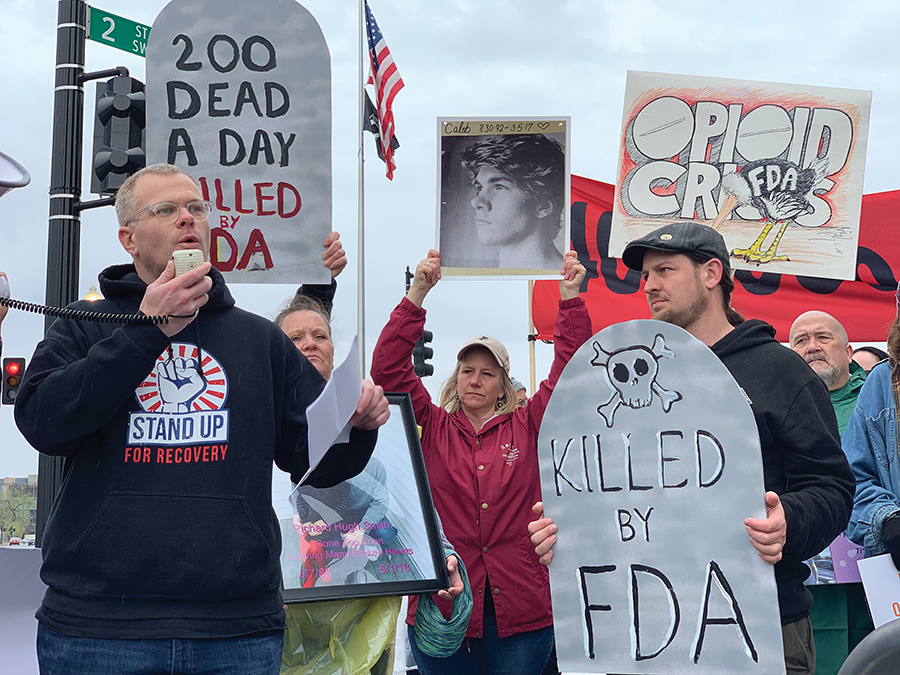
My Son is Dead: Changing the Way We Treat Addiction

How do we change addiction treatment from being substandard to being effective at saving lives? First, the stigma must die. Second, those suffering from the disease, the addiction professionals, the insurance industry and society must rethink the concept that addiction treatment consists of a 30 day in-patient or intensive out-patient level of care — that somehow this chronic, treatable disease will go away and stay away after a mere 30 days of treatment.

We as a society need to understand that if we are going to overcome this horrific addiction epidemic, we need to start by looking at the model of care for addiction treatment being used today and admit that it’s a failure. We need to examine and acknowledge the research that states addiction is a brain altering disease that requires longterm intensive treatment — allowing the damaged brain the necessary time to heal. We need to look at the chronic disease of addiction as we do the chronic disease of cancer.

Many argue that addiction is self-inflicted, that addicts caused their own disease. We must also acknowledge that some cancers may also be self induced. Smokers know they increase the chance of developing cancer if they continue to smoke. Yet, smokers disregard the information and continue to smoke anyway. The warnings are printed on every pack of cigarettes: “Smoking may cause lung and other cancers.”

What society and the insurance industry continue to ignore is that many of those addicted became addicts by taking legally prescribed drugs. Prescribed after surgery or injury, opioids hijacked the brains of those taking the drugs. According to the National Institute on Drug Abuse (NIH), “An estimated 2.1 million people in the United States suffer from Substance Use Disorders relating to prescription opioid pain relievers.” Those statistics are from 2012. In a mere 6 years those numbers have skyrocketed. The (ASAM) American Society of Addiction Medicine noted in 2015: “20.5 million Americans 12 or older have a Substance Use Disorder.”

(adsbygoogle = window.adsbygoogle || []).push({});

According to the CDC, from 2000 to 2015 more than half a million people died from drug overdoses. The amount of prescription opioids sold in the United States nearly quadrupled since 1999. Use of prescription opioids is the driving factor for the massive increase in overdose deaths. Yet, unlike cigarettes, there were no warnings. Big Pharma and physicians withheld the highly addictive properties of the drugs they prescribed like candy. People fell victim to the drug industry and greedy doctors who were more concerned with making money than providing the truth — that the same drugs taking away your pain could also kill you. No warnings, just an endless supply of highly addictive drugs.

The problem with prescription opioid addiction is that more than not it leads to heroin use. According to a survey conducted by NIDA, half of the survey subjects reported abusing prescription opioids before turning to heroin.

The difference between these two so called self inflicted diseases is one gets comprehensive long term treatment and immediate follow up if relapse occurs. No roadblocks or insurance discrimination. No stigma or finger pointing. Just care and compassion. The other gets a limited number of days in a combination of both in-patient and out-patient treatment. Setting up those that suffer from addiction to relapse and possibly die. The disease of addiction is the most discriminated against and stigmatized disease in this country. The mindset is addicts are disposable, unworthy of saving. The insurance industry refuses to recognize Parity. Most companies only approving short stays in treatment rather than unlimited days of care.

You might ask why I care. Why I bother to try to make a difference. I’m a Registered Nurse who witnessed the differences in treatment for both of these “self inflicted” diseases. My father was a smoker for years. Diagnosed with lung cancer in his 70’s. I watched as the medical community embraced my family. No questions asked. No finger pointing or accusatory looks. Just good old fashion quick, comprehensive treatment. Surgery followed by a plan of out patient care and followup. No fighting the insurance companies or waiting for a bed when chemo made him sick.

In sharp contrast, my youngest son, Matt suffered from addiction or to be politically correct, Substance Use Disorder. He became a victim of pill pushing doctors after a back injury and subsequent surgery. You talk about night and day in the world of treatment. Matt had to fight to gain entrance to a detox facility upon realizing his symptoms of distress were the after effects of long term opioid use. Every admission was battled by his insurance company. Days of allowable in-patient treatment were limited. Ten days here, seven days there.

I referred to his plan as the revolving door of addiction. Fighting both the medical community and the insurance industry became his full time job. His “self inflicted” disease caused by a pill mill clinic was stigmatized and degraded. I used to wish Matt had cancer. The medical community and the insurance industry fought to save my father’s life. That same community and industry discriminated and downgraded my son’s. My father survived his cancer. My son is dead.

(adsbygoogle = window.adsbygoogle || []).push({});

After witnessing the vast differences in attitude and treatment options toward the diseases afflicting my father and my son, I’ve come to realize that as a society we must change our mind set and behavior toward those suffering from the disease of addiction.

The medical society must recognize and enforce long-term treatment as the standard of care. We must model addiction treatment after cancer care. From diagnosis through comprehensive treatment, substance use disorder deserves the quality and continuum of care as any other chronic disease. Self inflicted or not, the insurance industry must recognize Parity. The medical and pharmaceutic communities must be held accountable for their combined role in this deadly disease.

Compassion and understanding must replace stigma and discrimination. We must look beyond the disease. Self inflicted or caused by the irresponsibility of others, every life is worthy of saving.

MaryBeth Cichocki is a registered nurse living in the state of Delaware. She lost her youngest son, Matt, to an overdose of prescription drugs on January 3rd 2015 and now devotes her time to raising awareness and educating the community on the addictive nature of prescription drugs. @mecichocki

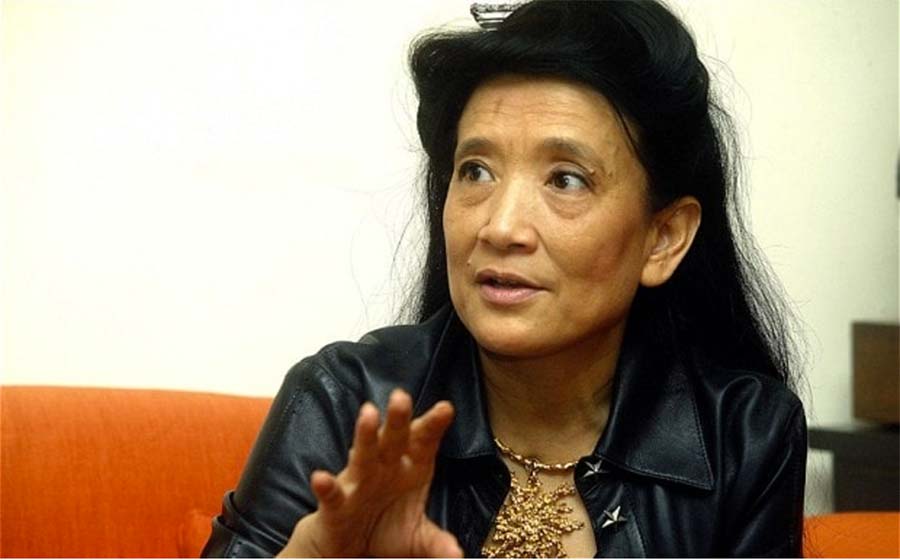
Jung Chang: Chinese-born British Writer

Jung Chang is a Chinese-born British writer now living in London, best known for her family autobiography Wild Swans, selling over 10 million copies worldwide but banned in the People’s Republic of China.

Her 832-page biography of Mao Zedong, Mao: The Unknown Story, written with her husband, the Irish historian Jon Halliday, was published in June 2005.

Chang was born 25 March 1952 in Yibin, Sichuan Province, China. Her parents were both Communist Party of China officials, and her father was greatly interested in literature. As a child she quickly developed a love of reading and writing, which included composing poetry. Like many of her peers, Chang chose to become a Red Guard at the age of 14, during the early years of the Cultural Revolution. In Wild Swans she said she was “keen to do so”, “thrilled by my red armband”. In her memoirs, Chang states that she refused to participate in the attacks on her teachers and other Chinese, and she left after a short period as she found the Red Guards too violent.

Chang left China in 1978 to study in Britain on a government scholarship, staying first in London. She later moved to Yorkshire, studying linguistics at the University of York with a scholarship from the university. She received her PhD in linguistics from York in 1982, becoming the first person from the People’s Republic of China to be awarded a PhD from a British university.

The publication of Jung Chang’s second book Wild Swans made her a celebrity. Chang’s unique style, using a personal description of the life of three generations of Chinese women to highlight the many changes that the country went through, proved to be highly successful. Large numbers of sales were generated, and the book’s popularity led to its being sold around the world and translated into nearly 40 languages.

Chang became a popular figure for talks about Communist China; and she has travelled across Britain, Europe, America, and many other places in the world. She returned to the University of York on 14 June 2005, to address the university’s debating union and spoke to an audience of over 300, most of whom were students.


U.S. Turns From Pain Drug, Producer Eyes Global Market

According to a recent in-depth report by the LA Times, the painkilling drug OxyContin has seen sales fall in the U.S. by 40% since 2010. The owners, the Sackler family, are now pursuing a new strategy: global domination.

The authors of this global marketing intrigue, Harriet Ryan, Lisa Girion and Scott Glover, claim to have uncovered a global strategy by OxyContin manufacturer, Purdue Pharma, to market the drug to Latin America, Asia, the Middle East and Africa after top health officials had begun discouraging primary care doctors from prescribing painkillers for chronic pain due to a fear of addiction that may lead to harder, illegal drugs such as heroin.

With billions of lost revenue from falling sales a network of companies owned by the Sacklers, going by the name of Mundipharma, has begun using some of the same controversial marketing practices that made OxyContin a huge seller in the U.S. and are running training seminars in Brazil and China to urge doctors to overcome their “Opiophobia” and start prescribing painkillers.

Given the opioid epidemic currently facing the U.S. it would be wise for countries less equipped to deal with large-scale addiction issues to examine carefully the consequences.

U.S. Surgeon General Vivek H. Murthy said he would advise his peers abroad “to be very careful” with opioid medications and to learn from American “missteps.”

Former U.S. Food and Drug Administration commissioner David A. Kessler has called the failure to recognize the dangers of painkillers one of the biggest mistakes in modern medicine. Speaking of Mundipharma’s push into foreign markets, he said, “It’s right out of the playbook of Big Tobacco. As the United States takes steps to limit sales here, the company goes abroad.”

The LA Times story states that Purdue was acquired in 1952 by the Sackler family and that OxyContin has generated nearly $35 billion in revenue over the last two decades, making the Sacklers one of the nation’s wealthiest families.

Despite cheap morphine, at a cost of 15 cents a day, being a safe alternative to managing the world’s pain problems, it’s not very profitable. OxyContin charges hundreds of dollars a bottle for a month’s supply. 

More than 20 countries now have OxyContin operations and five Latin American countries are lined up with plans to launch. The link between pain management, opioid addiction and illicit drugs should be better understood in the context of the marketing objectives of multi-national corporations before another U.S. opioid epidemic is unleashed on unsuspecting countries.

Read the full LA Times story here.


20 Influential Women Share Secrets on Leadership, Business and Life

Pursuing gender balance in the executive suite and boardroom is clearly a good business decision. Documented benefits include higher profits, better employee retention and a deeper talent pool.

But achieving that balance takes intentional focused efforts. On the company side, simply stating the goal does not ensure a flow of qualified women applying for the jobs. On the women’s side, they need to develop some new skills and alliances.

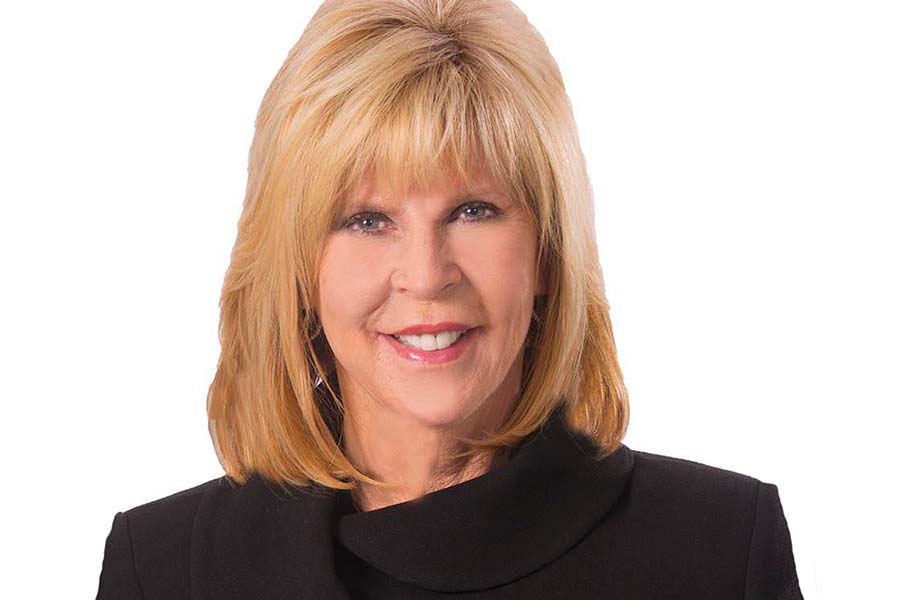
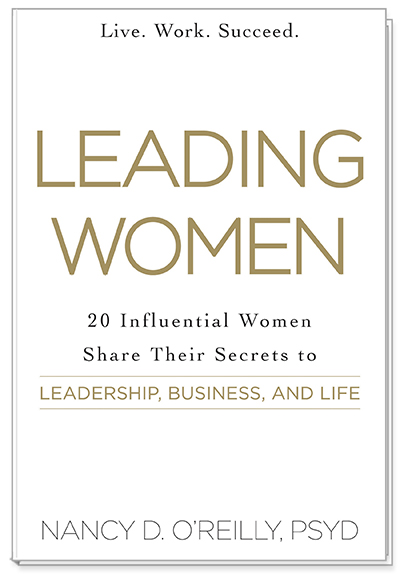
Dr. Nancy O’Reilly has long had a mission in support of filling the gender-diversity gap with a new generation of women leaders. That’s why she selected international leaders to contribute to her book, Leading Women: 20 Influential Women Share Their Secrets to Leadership, Business, and Life. The co-authors shared their wisdom, real-life stories and advice to help women conquer their internal barriers, claim their power and respect, and change the world by helping other women do the same. Each co-author offered immediately actionable steps to help women change their relationship with power, increase their confidence, and capitalize on their feminine skills.

The conscious business model identifies the value of feminine assets of collaboration, cooperation, vulnerability and big picture thinking. In the chapter, “Soft Is The New Hard,” Birute Regine details how feminine management transformed results for Kim Campbell, former Canadian Prime Minister, in negotiating a difficult piece of legislation.

When the bill was adopted, male observers assumed she must have watered it down to get it passed. But no, she used her feminine management skills to get the dissenting parties to talk to each other and negotiate. Obviously, this approach is not limited to women. Many men have long adopted feminine leadership techniques when it works best to get the job done. While these approaches come naturally to women, everyone with a conscious and open mind can learn to use them.

Opening to possibilities is the challenge of trying to change a culture while living in it. We remain stuck in the old culture where we expect men to earn the living and women to care for the family. Even though today most women are doing both, they aren’t getting the promotions, the pay or the support to propel them to the top of the organizations.

Women drop out of companies to start their own businesses. In fact, women-owned business is the fastest growing segment of US business start-ups. Companies are losing female talent before it even approaches the C-suite. And this female flight is getting worse. The brightest and the best of the new generation of millennials won’t even interview with a company that doesn’t include people who look like them, whether it’s women of color or a diversity of age and gender.

Other chapters of Leading Women address issues and ideas that hold women back from attaining top leadership positions. Gloria Feldt addresses the fraught relationship women have with power. They shun “power over” others, having been victims of oppressive power in the past. But when Gloria reframes the paradigm as the “power to” accomplish their goals, women welcome power as a tool for success.
Lois Phillips urges women to speak out and tells them how to use the podium to gain credibility and be seen and heard. If no one knows your wonderful ideas, how can you possibly get that promotion? M. Bridget Cook-Burch shows how recasting her own life story liberated her from old thought patterns, so she could embark on a new career and succeed in business.

The lesson here is that many women create their own glass ceilings. They don’t see themselves as leaders when the fact is that they lead in a myriad of ways every day.  They limit their reach by being suspicious of other women in the workplace instead of clarifying motives and looking for ways to support one another in the climb up the corporate ladder. But most of all, the biggest hurdle to overcome is fear. Whether you avoid pursuing an idea because you’re afraid of failure, or afraid of how your life will change if you succeed, it’s the fear itself that stops us from even trying.

Licensed psychologist Nancy O’Reilly relates how she has learned to do what she most fears. Once she’s accomplished it and found it’s not that difficult, she tackles the next thing, and the next. This method of building self-confidence works so well, obstacles that once loomed like unscalable cliffs become little more than speed bumps along the way.

Internationally acclaimed author Dr. Lois Frankel says in her chapter, “Women have become natural and necessary leaders… by building relationships, motivating others to succeed, carefully crafting their communications, and creating environments of trust and safety.” When corporations truly appreciate the value of these qualities, more women will enter the C-suite to create the diversity and gender equality required for profitable and self-sustaining growth.


Friedrich Trump, Donald Trump’s Grandfather

A German historian, Roland Paul, has uncovered a local council letter from 1905 informing Donald Trump’s grandfather Friedrich Trump – who had become a United States citizen – that he would not be granted his German citizenship back and that he had eight weeks to leave the country or be deported. He also claimed that Trump had illegally left Germany, failing to notify authorities of his plan to immigrate.

Paul came across the document on Friedrich Trump’s threatened deportation in German state archives and also found several letters from him pleading with authorities to allow him to stay. Paul mused on how this one administrative decision seemed to have changed the course of history.

Donald Trump’s father was born in the US, where he met Trump’s mother, Mary Anne MacLeod, who hailed from Scotland.

In 1885, at age 16,Friedrich Trump emigrated to the United States aboard a steamship and arrived at the Emigrant Landing Depot in New York City on October 19. U.S. immigration records list his name as “Friedrich Trumpf”, last place of residence as “Kallstadt”, country of birth as “Germany”, and his occupation as “farmer”. He moved in with his older sister Katharina – who had emigrated in 1883 – and her husband Fred Schuster. Only a few hours after arriving, he met a German-speaking barber who was looking for an employee and began working the following day. Trump lived with his relatives in the Lower East Side of Manhattan in a neighborhood with many other immigrants.

In May 1904, when he applied in New York for a U.S. passport to travel with his wife and his daughter, he listed his profession as “hotelkeeper”. In Germany, Trump deposited into a bank his life’s savings of 80,000 marks, equivalent to $505,248 in 2016.

Soon after returning, Bavarian authorities determined that Trump had emigrated from Germany to avoid his military-service obligations, and he was labeled a draft dodger. On December 24, 1904 the Department of Interior announced an investigation to expel Trump from the country. Officially, they found that he had violated the Resolution of the Royal Ministry of the Interior number 9916, a 1886 law that punished emigration to North America to avoid military service with the loss of German citizenship. For several months, he unsuccessfully petitioned the government to allow him to stay.
 
He and his family finally returned to New York on June 30, 1905 where Donald Trump’s father, Fred, was born on October 11, 1905, in Queens, New York.
 

Join Forest Whitaker in Defeating a “Death Star” for $50,000

An online auction of “Star Wars: Rogue One” items is being held by actor Forest Whitaker to support the young women and men of The Whitaker Peace & Development Initiative (WPDI).

In a time of conflict, a group of unlikely heroes band together on a mission to steal the plans to the Death Star, the Empire’s ultimate weapon of destruction. This key event in the Star Wars timeline brings together ordinary people who choose to do extraordinary things. Among them is someone doing something extraordinary in real-life – selling the movie experience and items from it to help save the planet.

Forest Whitaker, who plays the role of Saw Gerrera in “Star Wars: Rogue One” the newest episode in the celebrated “Stars Wars” series, is sharing this incredible experience with fans from all over the world – the chance to attend a private screening and after-party, where they’ll have a rebel encounter with Forest Whitaker. The funds raised will support their peace work with young people from vulnerable communities in Mexico, Uganda, South Sudan and the United States.

Star Wars related online auction offerings have been placed on If Only and Sotheby’s websites and are sure to spark the magic of “Star Wars: Rogue One” to fans, while helping bring peace and prosperity to communities in need. Among the unique items auctioned are tickets for the Los Angeles and London premieres and after-parties, valued at between $50,000-$70,000, and includes the chance to meet Forest himself at the London event. 

Other items from the movie include photographs and baseball caps autographed by Whitaker and  a “Rogue One: A Star Wars Story” suitcase filled with collectables.

By participating in the online auction, a handful of lucky will enjoy a once-in-a-lifetime experience and contribute to making positive change happen by helping young people from conflict affected places build the future of their communities. 

To bid on the items visit the If Only platform: https://bit.ly/2fYg6u7  or Sotheby’s platform : https://bit.ly/2gSiOlF


International Children’s Peace Prize 2016 Finalists

Children’s rights organisation KidsRights has announced the three finalists for the International Children’s Peace Prize 2016.

The prize is awarded annually to a child who fights courageously for children’s rights. Every year, the message of the new young winner has enormous impact and demonstrates to millions of people globally that change is possible. The International Children’s Peace Prize was founded by Marc Dullaert, founder and chair of the KidsRights Foundation. Nobel Peace Laureate Muhammad Yunus will present the prize to the winner in the Hall of Knights (Ridderzaal) in The Hague, international city of peace and justice, on Friday 2nd December.

The finalists are: Divina Maloum, 12 years old, Cameroon – nominated for her fight against extremist violence in her country; Kehkashan Basu, 16 years old, United Arab Emirates – nominated for her environmental campaigns to protect the environment and Muzoon Almellehan, 18 years old, Syria – nominated for her work promoting girls’ education in refugee camps.

International Children’s Peace PrizeDivina Maloum’s Story

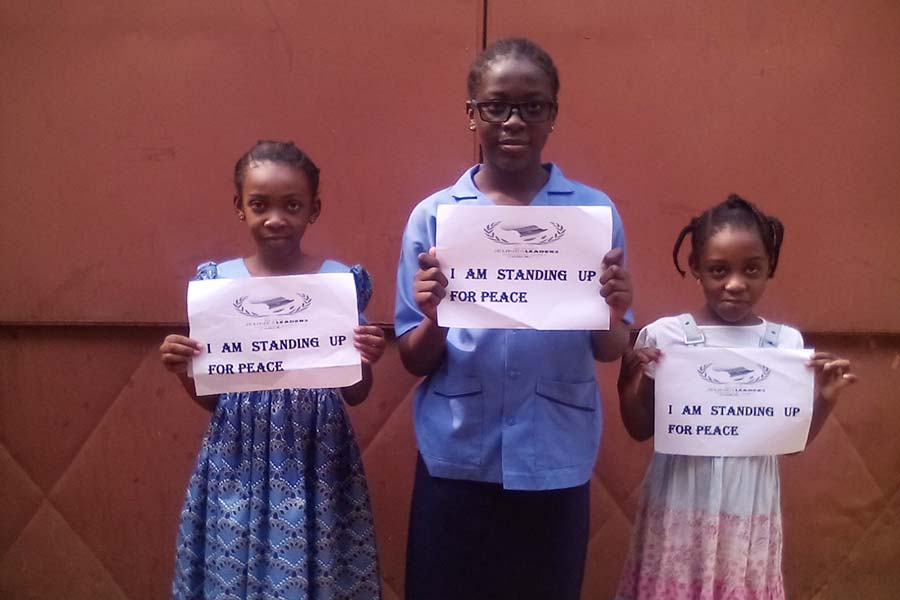
Divina is a 12-year-old girl who lives in Cameroon. After learning about extremist violence and its impact on children, she started a program called ‘I am standing up for peace’. Thousands of children have disappeared in Cameroon, Chad, Niger and Nigeria. They have been separated from their families and are facing exploitation, abuse and recruitment by armed groups as child soldiers. Attacks and suicide bombings in communities are killing children, destroying schools and are sowing fear.

Through the program ‘I am standing up for peace’, Divina stimulates the civic and voluntary engagement of children in the fight against violent extremism. She interviewed 50 children about the dangers of violent extremism and she organized group discussions with children and young people on beliefs and extremist attitudes. Based on her engagement with these children Divina developed the program and it now operates in all ten regions of the country and has reached nearly 5.000 children through awareness raising campaigns and workshops in kindergartens, elementary and high schools. Her goal is to keep the peace in Cameroon and to raise awareness of the dangers of violent extremism and radicalization. In the future, Divina wants to extend the program beyond Cameroon, helping children to become resilient to extremist speech. She wants to be an inspiration in the fight against violent extremism.


International Children’s Peace Prize

Muzoon Almellehan’s Story

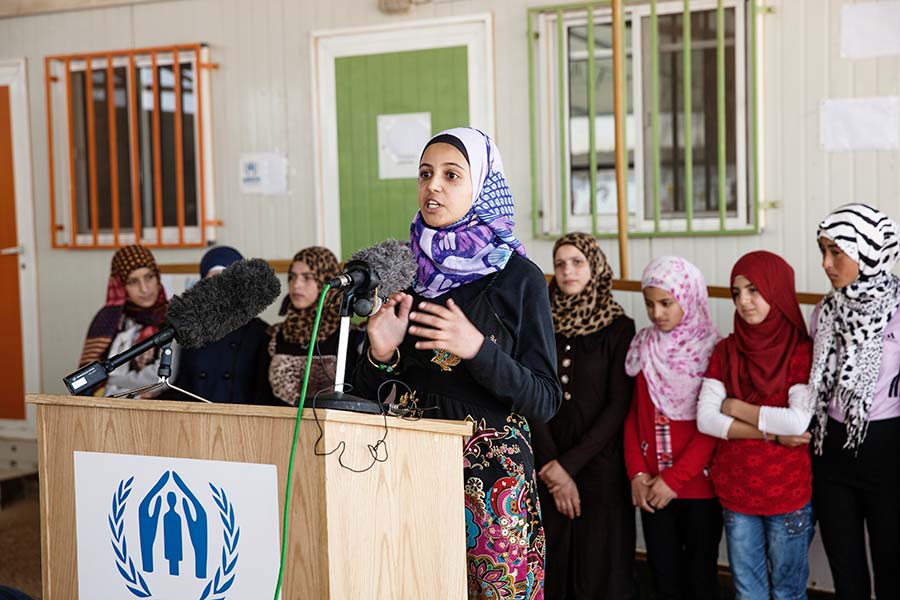
Muzoon is an 18-year-old girl who comes from Syria. Three years ago, Muzoon and her family were forced to flee their country and they found shelter in a refugee camp in Jordan. The war has put almost half of the country’s pre-war population of 23 million in need of urgent humanitarian assistance. 4.8 million Syrians have fled their country, and another 6.5 million are displaced within Syria; half of all Syrian refugees are children. Refugee children are extremely vulnerable; malnutrition and diseases brought on by poor sanitation, are threatening the health of children. Occurrences of early marriage and child labor have risen dramatically among Syrian refugee children, and the longer children are out of school, the lower the likelihood they will return and get an education. This, together with the lack of educational opportunities, has left almost 3 million Syrian children out of school.

Muzoon is aware of the importance of education and therefore she embarked on a campaign to ensure that every Syrian refugee girl had access to a good education. She convinced countless parents to send their children to school, rather than marry them off at an early age. Early marriage is a particular problem in refugee camps, where parents see it as the only way to protect their daughters. Muzoon went from tent to tent in the refugee camp and talked to children and their parents. She persuaded many children to go and to stay in school. Her campaign garnered global media coverage and high praise from refugees, international decision makers and journalists. This gave her a platform to meet world leaders, convincing them to do more and spend more to ensure a proper education for Syrian refugee children. Muzoon and her family moved to the United Kingdom in the summer of 2016, where she continues her advocacy for Syrian girls’ education.


International Children’s Peace Prize

Kehkashan Basu’s Story

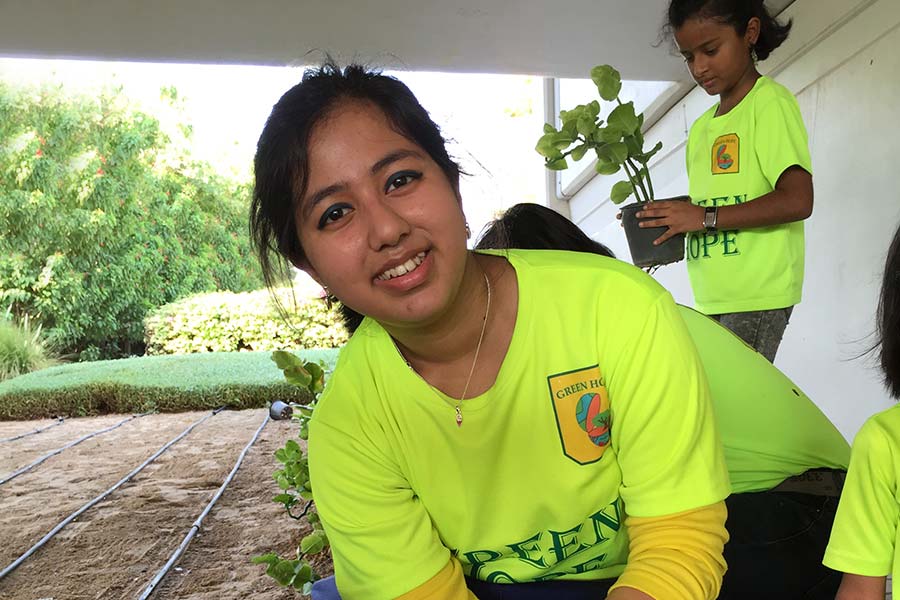
Kehkashan, a girl of 16 years, was born and raised in the United Arab Emirates. She fights to safeguard the future of our planet. Environmental degradation is a real threat to children and their rights. All over the world children are suffering from the harmful effects of man-made environmental disasters, such as toxics and pollution, and climate change. Yearly more than 3 million children under the age of five die from environment-related causes and conditions. The consequences of climate changes, like floods, droughts and hurricanes, destroy infrastructures, food, water supplies and houses and make it sometimes necessary for families to flee from their homes. Heavy rainfalls and temperature changes have an impact on water and sanitation and therefore they can increase water-borne diseases. Young children are the first to get sick and every day, 6.000 children die of waterborne and sanitation-related illnesses, including diarrhea and malaria. A healthy environment is a precondition for the enjoyment of other children’s rights.

Kehkashan became an environmental activist at the age of eight, raising awareness in her neighborhood about the need to recycle waste. In 2012, she founded her own organization, Green Hope, which runs all kinds of activities witch children such as recycling, cleanups on beaches, tree planting and awareness campaigns. She has reached over 3,000 school and university students with awareness-raising workshops and conferences about the environment and sustainability. Green Hope also does relief work, both nationally and internationally, for people in poverty or despair. Green hope is active in ten countries and has over 1,000 members worldwide. Kehkashan has also spoken at numerous national and international conferences, such as the Rio+20 Earth Summit in Brazil and the COP 20 UN Climate Change Summit in Peru, on the vital future of our planet. She has written a children’s book called “The Tree of Hope” to even educate the smallest children on the protection of our planet.


Don’t Even Think About Littering at This Colorado Stadium

Eco-Products and the University of Colorado have teamed up to make Folsom Field one of the nation’s greenest stadiums – on the outside as well as on the inside.

The university has expanded its zero-waste efforts from inside the stadium — where virtually all food and drink packaging is refillable, recyclable or compostable – to outside the stadium at a special tailgating area on Franklin Field.

The grassy area – now called the Aluminum Can Zone Presented by Ball Corporation – is the latest in a recent wave of updates to the fan experience in and around Folsom Field. Special tents available for rent come complete with furniture, a cooler, and specially designed compostable tailgate supplies. The tents are so popular that they’ve long been sold out.

“This is a perfect example of how easy it can be for fan experience and sustainability to coexist,” said Sarah Martinez, Sustainability Maven for Eco-Products. “This is about as green as a tailgating area can get.”

Eco-Products, based in Boulder, Co., already supplies hundreds of thousands of compostable cups, plates, trays, utensils and straws at Folsom Field. Now it is also supplying special plates, cups and utensils – all of which are compostable and all in University of Colorado colors – for the tailgating area as well. 

The partnership simplifies waste disposal for fans. All plates, cups, and utensils can go into the same compostable bins – along with any leftover food.

Fans can walk to the special tailgating area after parking at the stadium’s new solar-powered underground garage. Then, once inside Folsom Field, fans find “Zero Waste Goalies” wearing green shirts and showing which recyclable and compostable bins to put waste into.

“Even at CU, we still see some blank stares when people walk up to the bin stations,” Martinez said. “But we make it as easy for fans, and they’re always happy to learn that their trash is not headed to the landfill.”

Together, the efforts make up Ralphie’s Green Stampede, the NCAA’s first sports sustainability program. Fans now recycle at a 90 percent rate during football games at Folsom Field.

“Fans have good reason to be proud of the University of Colorado’s commitment to the environment,” said Rick George, CU’s Athletic Director. “Ralphie’s Green Stampede has been a huge success, keeping tons of garbage out of area landfills. This new approach to zero-waste tailgating builds on our momentum and represents the next step in our sustainability journey.”

Everyone involved is excited about this success. “But no one is resting on their laurels,” Martinez added. “We want to keep doing more.”


0