A United Front: 50th G7 Summit Recap

By Real Leaders


The world’s leading industrialized nations are taking these actions together.

The Group of Seven’s leaders gathered for the 50th G7 Summit in June 2024 in Apulia, Italy. The G7 is made up of leading industrialized nations Canada, France, Germany, Italy, Japan, the United Kingdom, and the United States, as well as the European Union. Here are several actions on which they pledged to collaborate.

Promoting Economic Resilience and Security

The G7 is looking to take further steps to protect workers, industries, and the investments being made from being undermined by unfair practices, which create global spillovers that undercut market firms and lead to supply chain dependencies in several sectors. This includes:

  • Leveling the playing field and protecting economic security
  • Promoting resilient supply chains and reducing critical dependencies
  • Protecting critical and sensitive technologies


Investing in Developing Countries’ Future

The G7 is taking steps to scale up support to developing countries and accelerate progress toward the UN Sustainable Development Goals. These include:

  • Backing the Nairobi-Washington Vision that calls on the international community to step up support for developing countries to make critical investments and reforms
  • Planning contributions to multilateral development banks which once approved domestically would make it possible for the World Bank to boost lending by $70 billion over the next decade
  • Reaffirming their commitment to unlocking public and private capital for investments in partner countries


Accelerating the Clean Energy Transition

The G7 is accelerating its work to address the challenges of climate change, pollution, and biodiversity loss. G7 members reaffirmed ambitious COP28 commitments to triple renewable energy capacity, double global energy efficiency by 2030, and strengthen energy security. These efforts include:

  • A first-time commitment to phase out unabated coal power generation in energy systems during the first half of the 2030s, a target to deploy 1,500 gigawatts of long-duration energy storage by 2030, and building on the COP28 pledge to triple globally installed renewable energy by 2030
  • Building clean and resilient supply chains through its Partnership for Resilient and Inclusive Supply-Chain Enhancement, launched by the G7 last year, which supports low- and middle-income countries to drive the clean energy transition and promote resilient supply chains
  • Recognizing nuclear energy as a clean/zero-emissions energy source that can reduce dependence on fossil fuels to improve global energy security, and pledging to support multilateral efforts to strengthen the resilience of nuclear supply chains


Promoting Health and Food Security

The G7 continues to lead global efforts to address the food security crisis and support strong, resilient, and responsive health systems around the world. Efforts include:

  •   Launching the Apulia Food Security Initiative, which addresses structural barriers to food security and nutrition and builds more resilient, sustainable, and productive agriculture and food systems
  • Transforming global health security financing by calling for at least $2 billion in new pledges for the Pandemic Fund, and pledging equal to or greater than that for catalytic financing, which helps developing countries build pandemic prevention, preparedness, and response capacities
  • Expanding immunization coverage through a sustainable replenishment of Gavi, the Vaccine Alliance with the goal of significantly expanding immunization coverage globally this year
  • Addressing the emergence, spread, and impact of antimicrobial resistance


Investing in Childcare

The G7 is tackling the unequal gender distribution of care work, which contributes to gender inequality. The G7 committed to support, by 2035, at least 200 million more women to join the workforce by investing in efforts to close the global gap in the availability of childcare. G7 partners have contributed more than $100 million to the World Bank to support high-quality investments in childcare globally.


Enhancing the Partnership on Migration

The G7 affirmed a collective commitment to addressing migration. Leaders endorsed a three-pronged approach focused on addressing root causes of irregular migration, strengthening safe and regular migration pathways, enhancing border management and enforcement, and curbing transnational organized crime.


Cooperating on Artificial Intelligence

The G7 is building partnerships around the world to ensure the benefits of artificial intelligence and other technologies are widely shared while mitigating risks. G7 leaders affirmed the importance of international partnerships to bridge the digital divide and ensure people everywhere access the benefits of AI and other technologies to make scientific advancements, promote sustainable development, improve public health, accelerate the clean energy transition, and more. G7 labor ministers will develop an action plan to leverage AI’s potential to increase quality jobs and empower workers while addressing its potential challenges and risks to workers and labor markets.


Promoting AI Safety

G7 leaders committed to stepping up efforts to enhance interoperability between their approaches to AI governance and risk management. This includes deepening cooperation between the G7 countries to advance international standards for AI development and deployment. The G7 welcomed the establishment of a Semiconductors G7 Point of Contact Group to bolster its coordination on issues impacting this critical sector underpinning the AI ecosystem.
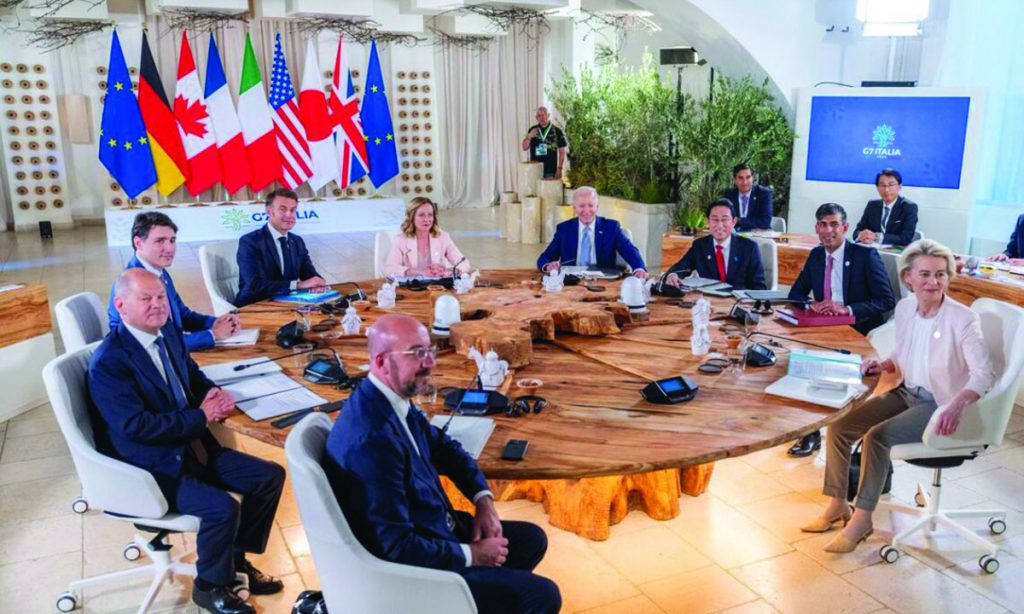
For the 50th G7 Summit, leaders from Canada, France, Germany, Italy, Japan, the United Kingdom, and the United States as well as the European Union gathered in June 2024 in Apulia, Italy, to set global priorities.

Learn more about the G7 Summit at g7italy.it/en/summit.

A United Front: 50th G7 Summit Recap

By Real Leaders


The world’s leading industrialized nations are taking these actions together.

The Group of Seven’s leaders gathered for the 50th G7 Summit in June 2024 in Apulia, Italy. The G7 is made up of leading industrialized nations Canada, France, Germany, Italy, Japan, the United Kingdom, and the United States, as well as the European Union. Here are several actions on which they pledged to collaborate.

Promoting Economic Resilience and Security

The G7 is looking to take further steps to protect workers, industries, and the investments being made from being undermined by unfair practices, which create global spillovers that undercut market firms and lead to supply chain dependencies in several sectors. This includes:

  • Leveling the playing field and protecting economic security
  • Promoting resilient supply chains and reducing critical dependencies
  • Protecting critical and sensitive technologies


Investing in Developing Countries’ Future

The G7 is taking steps to scale up support to developing countries and accelerate progress toward the UN Sustainable Development Goals. These include:

  • Backing the Nairobi-Washington Vision that calls on the international community to step up support for developing countries to make critical investments and reforms
  • Planning contributions to multilateral development banks which once approved domestically would make it possible for the World Bank to boost lending by $70 billion over the next decade
  • Reaffirming their commitment to unlocking public and private capital for investments in partner countries


Accelerating the Clean Energy Transition

The G7 is accelerating its work to address the challenges of climate change, pollution, and biodiversity loss. G7 members reaffirmed ambitious COP28 commitments to triple renewable energy capacity, double global energy efficiency by 2030, and strengthen energy security. These efforts include:

  • A first-time commitment to phase out unabated coal power generation in energy systems during the first half of the 2030s, a target to deploy 1,500 gigawatts of long-duration energy storage by 2030, and building on the COP28 pledge to triple globally installed renewable energy by 2030
  • Building clean and resilient supply chains through its Partnership for Resilient and Inclusive Supply-Chain Enhancement, launched by the G7 last year, which supports low- and middle-income countries to drive the clean energy transition and promote resilient supply chains
  • Recognizing nuclear energy as a clean/zero-emissions energy source that can reduce dependence on fossil fuels to improve global energy security, and pledging to support multilateral efforts to strengthen the resilience of nuclear supply chains


Promoting Health and Food Security

The G7 continues to lead global efforts to address the food security crisis and support strong, resilient, and responsive health systems around the world. Efforts include:

  •   Launching the Apulia Food Security Initiative, which addresses structural barriers to food security and nutrition and builds more resilient, sustainable, and productive agriculture and food systems
  • Transforming global health security financing by calling for at least $2 billion in new pledges for the Pandemic Fund, and pledging equal to or greater than that for catalytic financing, which helps developing countries build pandemic prevention, preparedness, and response capacities
  • Expanding immunization coverage through a sustainable replenishment of Gavi, the Vaccine Alliance with the goal of significantly expanding immunization coverage globally this year
  • Addressing the emergence, spread, and impact of antimicrobial resistance


Investing in Childcare

The G7 is tackling the unequal gender distribution of care work, which contributes to gender inequality. The G7 committed to support, by 2035, at least 200 million more women to join the workforce by investing in efforts to close the global gap in the availability of childcare. G7 partners have contributed more than $100 million to the World Bank to support high-quality investments in childcare globally.


Enhancing the Partnership on Migration

The G7 affirmed a collective commitment to addressing migration. Leaders endorsed a three-pronged approach focused on addressing root causes of irregular migration, strengthening safe and regular migration pathways, enhancing border management and enforcement, and curbing transnational organized crime.


Cooperating on Artificial Intelligence

The G7 is building partnerships around the world to ensure the benefits of artificial intelligence and other technologies are widely shared while mitigating risks. G7 leaders affirmed the importance of international partnerships to bridge the digital divide and ensure people everywhere access the benefits of AI and other technologies to make scientific advancements, promote sustainable development, improve public health, accelerate the clean energy transition, and more. G7 labor ministers will develop an action plan to leverage AI’s potential to increase quality jobs and empower workers while addressing its potential challenges and risks to workers and labor markets.


Promoting AI Safety

G7 leaders committed to stepping up efforts to enhance interoperability between their approaches to AI governance and risk management. This includes deepening cooperation between the G7 countries to advance international standards for AI development and deployment. The G7 welcomed the establishment of a Semiconductors G7 Point of Contact Group to bolster its coordination on issues impacting this critical sector underpinning the AI ecosystem.

For the 50th G7 Summit, leaders from Canada, France, Germany, Italy, Japan, the United Kingdom, and the United States as well as the European Union gathered in June 2024 in Apulia, Italy, to set global priorities.

Learn more about the G7 Summit at g7italy.it/en/summit.

Destinations: Few and Far

By Real Leaders

Travel wildly and experience carbon-neutral excursions among the world’s most extraordinary sustainable luxury lodges.

Few and Far creates sustainable eco-hospitality experiences to protect, preserve, and impact green spaces around the world. These thoughtfully curated, culturally enriching itineraries keep mother nature at the forefront while putting you in some of the most incredible lodges around the world. 

Passionate advocates of the wild and avid travelers Sarah and Jacob Dusek founded Few and Far in 2024, 12 years after starting glamping company Under Canvas. 

“Travel has a powerful role to play in protecting and preserving our planet,” Sarah Dusek says. “We think long term about everything we do and know that by creating sustainable access to some of the world’s most incredible places, we can do our part to protect them.”

Here are five of their excursions in sustainable luxury lodges.

Rwandan National Parks (East-Central Africa)


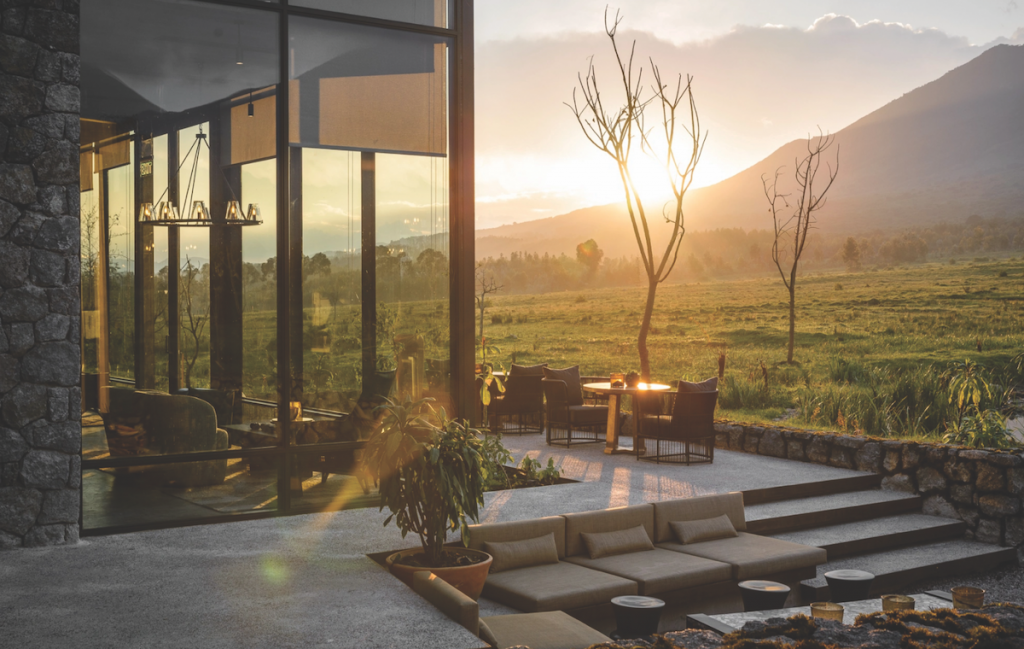
Embark on a Rwandan adventure and experience the rich biodiversity of its national parks. On this 12-day excursion, explore Kigali’s charm, witness Akagera’s wildlife at Wilderness Magashi Camp, discover Nyungwe’s forests and its chimpanzees, and encounter the famed gorillas and golden monkeys of Volcanoes National Park at Singita Kwitonda Lodge.

Kenya and Tanzania Wildlife Adventure (East Africa)

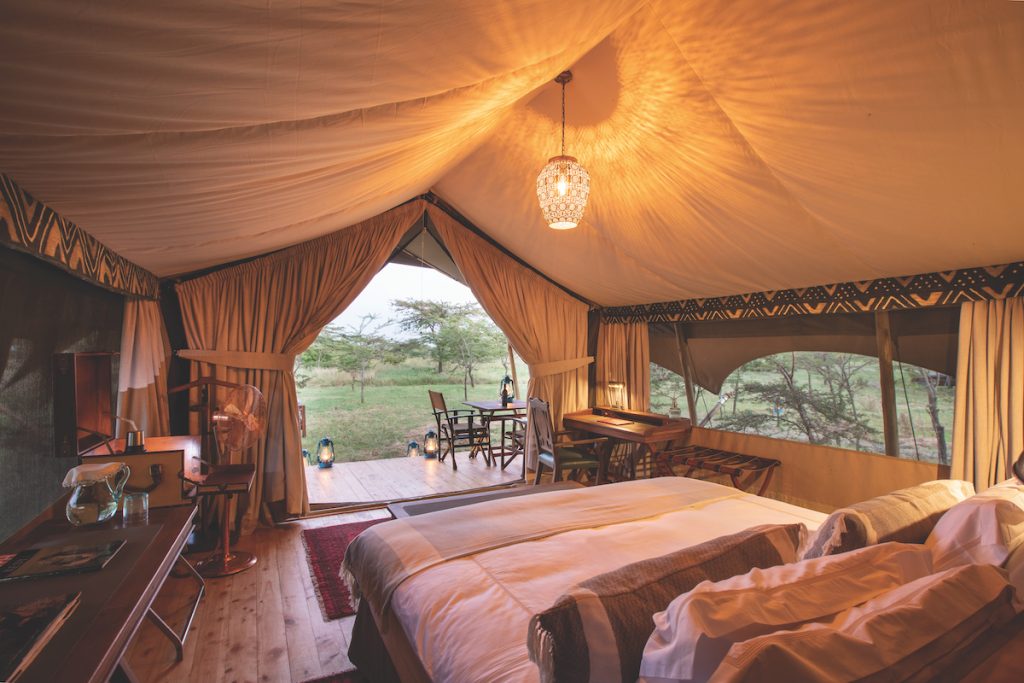
Experience a mindful safari with Chem Chem Safaris, where luxury meets purpose. Explore the natural splendors of the Masai Mara, Amboseli National Park, and the Serengeti. Immerse in an 11-day journey that values conservation, leaving a positive impact on wildlife and ecosystems.

Summer in the Dolomites (Southern Europe)


Spend seven days of summer in northern Italy, an escape into nature. Immerse in luxury in the floating city of Venice and venture to the Dolomites, where alpine meadows bloom. Indulge in hiking, biking, and blissful moments by pristine lakes. Gourmet dining and relaxation await in this idyllic summer haven.

Iguazú Falls and Ibera Wetlands Adventure (South America)


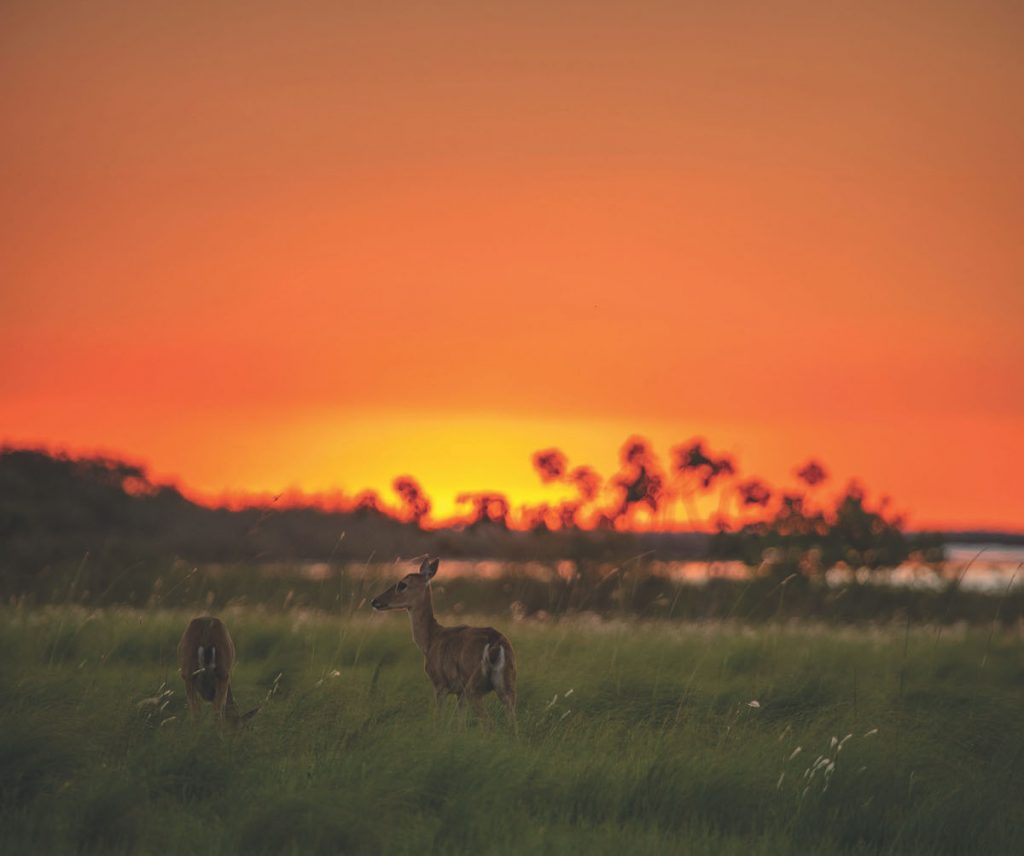
Explore the captivating landscapes of Iguazú Falls and the serene beauty of the Iberá Wetlands. Witness the awe-inspiring power of nature before the thundering cascades of Iguazú, feeling the mist on your skin. Immerse yourself in the tranquility of the Ibera Wetlands, where wildlife thrives in lush marshes and lagoons. This nine-day excursion blends the exhilarating with the peaceful.

Destinations: Few and Far

By Real Leaders

Travel wildly and experience carbon-neutral excursions among the world’s most extraordinary sustainable luxury lodges.

Few and Far creates sustainable eco-hospitality experiences to protect, preserve, and impact green spaces around the world. These thoughtfully curated, culturally enriching itineraries keep mother nature at the forefront while putting you in some of the most incredible lodges around the world. 

Passionate advocates of the wild and avid travelers Sarah and Jacob Dusek founded Few and Far in 2024, 12 years after starting glamping company Under Canvas. 

“Travel has a powerful role to play in protecting and preserving our planet,” Sarah Dusek says. “We think long term about everything we do and know that by creating sustainable access to some of the world’s most incredible places, we can do our part to protect them.”

Here are five of their excursions in sustainable luxury lodges.

Rwandan National Parks (East-Central Africa)


Embark on a Rwandan adventure and experience the rich biodiversity of its national parks. On this 12-day excursion, explore Kigali’s charm, witness Akagera’s wildlife at Wilderness Magashi Camp, discover Nyungwe’s forests and its chimpanzees, and encounter the famed gorillas and golden monkeys of Volcanoes National Park at Singita Kwitonda Lodge.

Kenya and Tanzania Wildlife Adventure (East Africa)

Experience a mindful safari with Chem Chem Safaris, where luxury meets purpose. Explore the natural splendors of the Masai Mara, Amboseli National Park, and the Serengeti. Immerse in an 11-day journey that values conservation, leaving a positive impact on wildlife and ecosystems.

Summer in the Dolomites (Southern Europe)


Spend seven days of summer in northern Italy, an escape into nature. Immerse in luxury in the floating city of Venice and venture to the Dolomites, where alpine meadows bloom. Indulge in hiking, biking, and blissful moments by pristine lakes. Gourmet dining and relaxation await in this idyllic summer haven.

Iguazú Falls and Ibera Wetlands Adventure (South America)


Explore the captivating landscapes of Iguazú Falls and the serene beauty of the Iberá Wetlands. Witness the awe-inspiring power of nature before the thundering cascades of Iguazú, feeling the mist on your skin. Immerse yourself in the tranquility of the Ibera Wetlands, where wildlife thrives in lush marshes and lagoons. This nine-day excursion blends the exhilarating with the peaceful.

Growing a Blue Economy With GreenWave

Regenerative ocean farming is breathing life back into our oceans

By Real Leaders

Regenerative ocean farming is a zero-input, polyculture seaweed and shellfish farming model where crops grow vertically below the surface, producing high yields with a small footprint. 

Founded in 2014 in New Haven, Connecticut, GreenWave is working to replicate and scale regenerative ocean farming. The nonprofit partners with coastal communities across North America to create a blue economy by leveraging a mix of farmer-forward training and support, climate subsidies, and market development.

On a Mission

Bren Smith co-founded GreenWave to train and support the next generation of ocean farmers. The former fisherman and oysterman remade himself into a farmer after weathering a few literal and metaphorical storms.

“If there’s one thing I’ve learned during my journey, it’s that you don’t need to be an environmentalist or foodie to be part of building a climate-resilient food system,” Smith says. “We need all hands on deck if we’re going to make a living on a living planet.”  

Thimble Island, Oysters, Bren Smith

At the Helm

Smith, also co-executive director of GreenWave, is among the early pioneers of the development of regenerative ocean farming. He owns Thimble Island Ocean Farm, GreenWave’s floating classroom. Smith is an Ashoka, Castanea, and Echoing Green Climate Fellow. He authored Eat Like a Fish: My Adventures Farming the Ocean to Fight Climate Change.

Back to Basics

Drawing on 1,000 years of ocean farming dating back to Roman times and Indigenous practices in the Pacific Northwest, Smith got started to synthesize the good and refuse the bad of industrial practices. His one hard-and-fast rule? Grow only zero-input species that won’t swim away and don’t need to be fed.

What’s Growing?

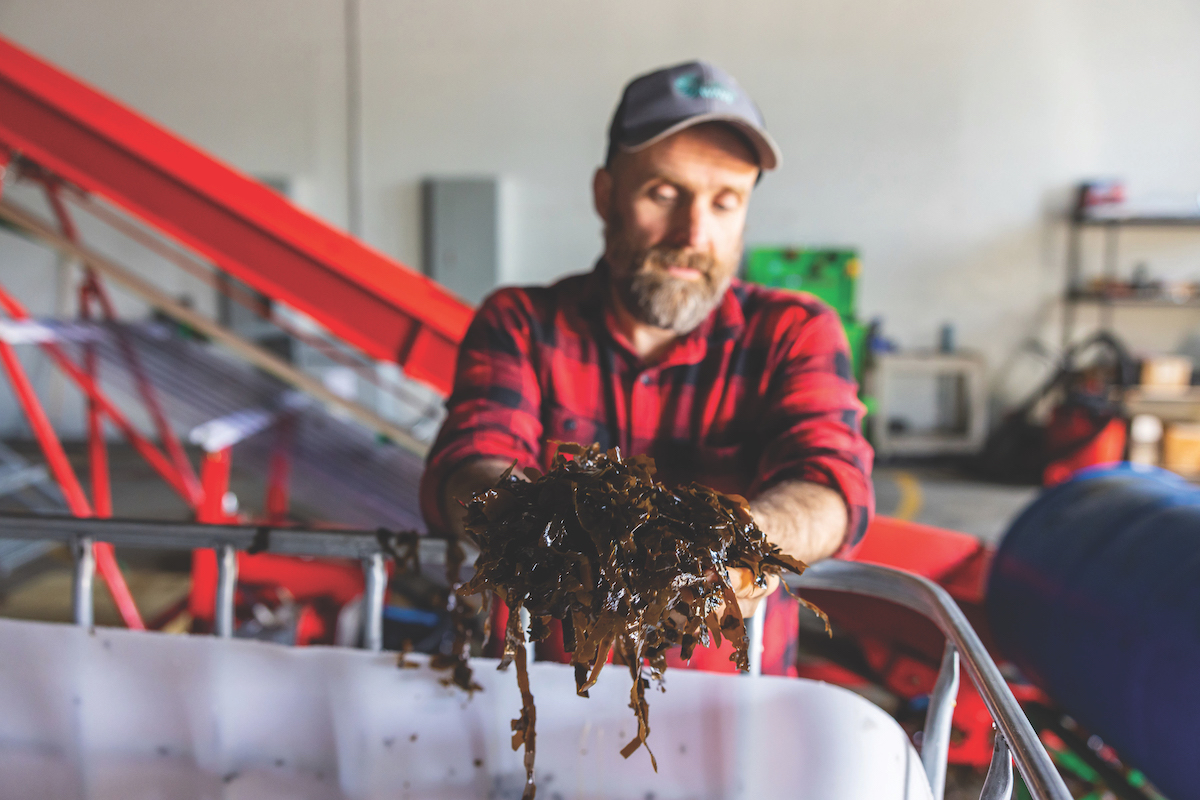
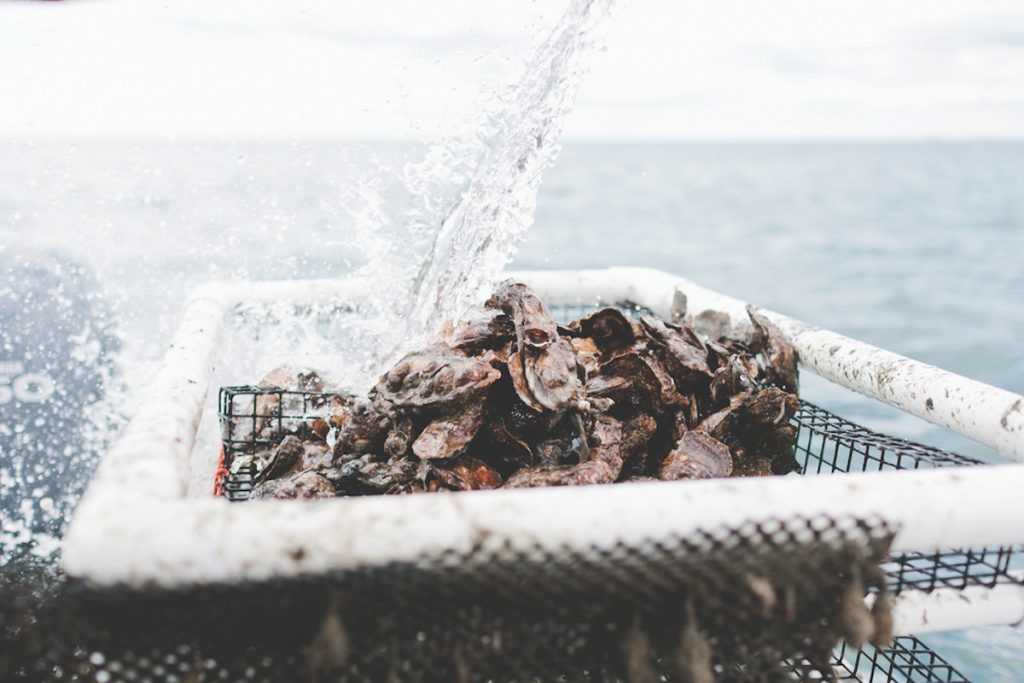
GreenWave’s farm design is a simple rope scaffolding with hurricane-proof anchors on the edges connected by horizontal ropes floating 6 feet below the surface. From these lines, kelp grows vertically downward next to mussels held in suspension in mesh socks. On the seafloor below sit oysters in cages.

Powerful Renewal Agents

Shellfish and seaweeds are regenerative and are powerful agents of renewal. A seaweed like kelp is heralded as the culinary equivalent of the electric car. Regenerative ocean farming works in partnership with the ocean to increase the supply of this marine crop that can unlock solutions to many of the issues we face in food, agriculture, materials, and other industries.

Combatting Dead Zones

Oysters and mussels filter up to 50 gallons of water a day, removing nitrogen, a nutrient that is the root cause of the ever-expanding dead zones in the ocean. These farms function as storm surge protectors and artificial reefs, helping protect shoreline communities and attracting a range of aquatic species that come to hide, eat, and thrive.

Endless Benefits

GreenWave’s crops are a climate sweet spot, requiring no fresh water, fertilizer, or feed. They also create economic opportunities for coastal communities. Ocean farmers simultaneously create jobs, feed the planet, and fight climate change.

Growing a Blue Economy With GreenWave

Regenerative ocean farming is breathing life back into our oceans

By Real Leaders

Regenerative ocean farming is a zero-input, polyculture seaweed and shellfish farming model where crops grow vertically below the surface, producing high yields with a small footprint. 

Founded in 2014 in New Haven, Connecticut, GreenWave is working to replicate and scale regenerative ocean farming. The nonprofit partners with coastal communities across North America to create a blue economy by leveraging a mix of farmer-forward training and support, climate subsidies, and market development.

On a Mission

Bren Smith co-founded GreenWave to train and support the next generation of ocean farmers. The former fisherman and oysterman remade himself into a farmer after weathering a few literal and metaphorical storms.

“If there’s one thing I’ve learned during my journey, it’s that you don’t need to be an environmentalist or foodie to be part of building a climate-resilient food system,” Smith says. “We need all hands on deck if we’re going to make a living on a living planet.”  

Thimble Island, Oysters, Bren Smith

At the Helm

Smith, also co-executive director of GreenWave, is among the early pioneers of the development of regenerative ocean farming. He owns Thimble Island Ocean Farm, GreenWave’s floating classroom. Smith is an Ashoka, Castanea, and Echoing Green Climate Fellow. He authored Eat Like a Fish: My Adventures Farming the Ocean to Fight Climate Change.

Back to Basics

Drawing on 1,000 years of ocean farming dating back to Roman times and Indigenous practices in the Pacific Northwest, Smith got started to synthesize the good and refuse the bad of industrial practices. His one hard-and-fast rule? Grow only zero-input species that won’t swim away and don’t need to be fed.

What’s Growing?

GreenWave’s farm design is a simple rope scaffolding with hurricane-proof anchors on the edges connected by horizontal ropes floating 6 feet below the surface. From these lines, kelp grows vertically downward next to mussels held in suspension in mesh socks. On the seafloor below sit oysters in cages.

Powerful Renewal Agents

Shellfish and seaweeds are regenerative and are powerful agents of renewal. A seaweed like kelp is heralded as the culinary equivalent of the electric car. Regenerative ocean farming works in partnership with the ocean to increase the supply of this marine crop that can unlock solutions to many of the issues we face in food, agriculture, materials, and other industries.

Combatting Dead Zones

Oysters and mussels filter up to 50 gallons of water a day, removing nitrogen, a nutrient that is the root cause of the ever-expanding dead zones in the ocean. These farms function as storm surge protectors and artificial reefs, helping protect shoreline communities and attracting a range of aquatic species that come to hide, eat, and thrive.

Endless Benefits

GreenWave’s crops are a climate sweet spot, requiring no fresh water, fertilizer, or feed. They also create economic opportunities for coastal communities. Ocean farmers simultaneously create jobs, feed the planet, and fight climate change.

Building an Inclusive Economy

Enable Ventures is working to close the wealth gap through disability investment.

By Real Leaders


Enable Ventures is an impact venture fund focused on closing the disability wealth gap while achieving competitive, market-rate returns. Founder and managing partner Regina Kline was among the early players to invest in companies in the global disability technology industry.

She secured backing from Jim Sorenson and Sorenson Impact to launch Enable Ventures in 2022 and has since sourced, led, and supported seed through Series A investments across the spectrum of disability in a portfolio that includes digital software as a service, neurotechnology solutions, and wide-ranging applications of artificial intelligence. Real Leaders spoke with Kline to learn more.

Real Leaders: From lawyer to business owner, tell us about your path to starting Enable Ventures.

Kline: My previous career as a civil rights lawyer was vindicating the civil rights of Americans with disabilities. The largest untapped talent pool hiding in plain sight is people with disabilities who can generate great value in the labor force. There’s a nearly $2-trillion hole in global GDP where disability talent should be.

As a lawyer, I was looking at problem identification. Now I’m looking at building the rival image to those problems and finding like- minded people with conviction who want to fill that wealth gap by getting people access to skills training, higher education, workforce training, and workforce tech. Enable Ventures is the first impact venture capital firm dedicated to closing the disability wealth gap.

The disability community will usher in a new era in technology by leading with conviction around the idea that technology has a great equalizing effect. There is a magnificent market opportunity in people with disabilities in the tools they need as consumers. People with disabilities alongside their friends and families control over $13 trillion in disposable income.

RL: How do you decide what companies you invest in?

Kline: Our investment strategy involves focusing on technology that will drive changes at work in upskilling and reskilling. We’re also focused on what it takes to compete in today’s global marketplace in terms of workplace technology — how people find, obtain, and sustain employment.

Many of the founders in our industry are focused on digital technologies that will bridge the gap and help employers source, obtain, and retain the most talented people who have disabilities to enrich the talent pool and the bottom line. We know from many studies, but particularly from Accenture’s 2018 disability inclusion report, that businesses that retain disabled, diverse talent over time have 30% higher net-profit margins. So we’re looking at the kind of tech that will allow inclusion of disability at scale and employee recruitment and retention.

We’re also really focused on the next generation of assistive technology in the world. What can the tremendous advances in technology at the bleeding edge of AI, machine learning, sensor technology, and light detection and ranging technology in augmented and virtual realities do to remove barriers for people who are deaf or blind, who have barriers to cognition, communication, and speech? How can we allow technology to uplift human potential instead of replacing human potential? How can technology assist people to be on equitable ground with their peers at work, in school, and in education? We’re really focused on those strategies that have the potential to do that but also have significant effects to the rest of society and the rest of the consumer market.

RL: You were recognized with a 2024 Real Leaders Impact Award for Best Collaboration with CIONIC, a neurotechnology company that makes bionic clothing to improve mobility. What has made your partnership successful?

Kline: CIONIC has a very experienced founder, Jeremiah Robison, who is enlightened in the way of leveraging engineering, wearable technology, and sensing technology. I met Jeremiah in a community forum around cerebral palsy and observed the product and the way others reacted to it. I got to understand how the company intended to listen, learn, and grow with the community and saw that there is very much a need for the technology that CIONIC is creating.

As a parent of a daughter with a disability, Jeremiah is approaching this with particular sensitivity to the consumer experience, and he is putting human-centered design at the heart of the product. He is at the cutting edge of bionic clothing and allowing people to resume full integration into their lives and community in an inconspicuous way.

We’re really proud to be an investor in CIONIC. We work together as partners to ensure that as the company grows, it’s scaling with fidelity not only to best business practices and revenue growth, but it’s scaling its impact at the same time.

Building an Inclusive Economy

Enable Ventures is working to close the wealth gap through disability investment.

By Real Leaders


Enable Ventures is an impact venture fund focused on closing the disability wealth gap while achieving competitive, market-rate returns. Founder and managing partner Regina Kline was among the early players to invest in companies in the global disability technology industry.

She secured backing from Jim Sorenson and Sorenson Impact to launch Enable Ventures in 2022 and has since sourced, led, and supported seed through Series A investments across the spectrum of disability in a portfolio that includes digital software as a service, neurotechnology solutions, and wide-ranging applications of artificial intelligence. Real Leaders spoke with Kline to learn more.

Real Leaders: From lawyer to business owner, tell us about your path to starting Enable Ventures.

Kline: My previous career as a civil rights lawyer was vindicating the civil rights of Americans with disabilities. The largest untapped talent pool hiding in plain sight is people with disabilities who can generate great value in the labor force. There’s a nearly $2-trillion hole in global GDP where disability talent should be.

As a lawyer, I was looking at problem identification. Now I’m looking at building the rival image to those problems and finding like- minded people with conviction who want to fill that wealth gap by getting people access to skills training, higher education, workforce training, and workforce tech. Enable Ventures is the first impact venture capital firm dedicated to closing the disability wealth gap.

The disability community will usher in a new era in technology by leading with conviction around the idea that technology has a great equalizing effect. There is a magnificent market opportunity in people with disabilities in the tools they need as consumers. People with disabilities alongside their friends and families control over $13 trillion in disposable income.

RL: How do you decide what companies you invest in?

Kline: Our investment strategy involves focusing on technology that will drive changes at work in upskilling and reskilling. We’re also focused on what it takes to compete in today’s global marketplace in terms of workplace technology — how people find, obtain, and sustain employment.

Many of the founders in our industry are focused on digital technologies that will bridge the gap and help employers source, obtain, and retain the most talented people who have disabilities to enrich the talent pool and the bottom line. We know from many studies, but particularly from Accenture’s 2018 disability inclusion report, that businesses that retain disabled, diverse talent over time have 30% higher net-profit margins. So we’re looking at the kind of tech that will allow inclusion of disability at scale and employee recruitment and retention.

We’re also really focused on the next generation of assistive technology in the world. What can the tremendous advances in technology at the bleeding edge of AI, machine learning, sensor technology, and light detection and ranging technology in augmented and virtual realities do to remove barriers for people who are deaf or blind, who have barriers to cognition, communication, and speech? How can we allow technology to uplift human potential instead of replacing human potential? How can technology assist people to be on equitable ground with their peers at work, in school, and in education? We’re really focused on those strategies that have the potential to do that but also have significant effects to the rest of society and the rest of the consumer market.

RL: You were recognized with a 2024 Real Leaders Impact Award for Best Collaboration with CIONIC, a neurotechnology company that makes bionic clothing to improve mobility. What has made your partnership successful?

Kline: CIONIC has a very experienced founder, Jeremiah Robison, who is enlightened in the way of leveraging engineering, wearable technology, and sensing technology. I met Jeremiah in a community forum around cerebral palsy and observed the product and the way others reacted to it. I got to understand how the company intended to listen, learn, and grow with the community and saw that there is very much a need for the technology that CIONIC is creating.

As a parent of a daughter with a disability, Jeremiah is approaching this with particular sensitivity to the consumer experience, and he is putting human-centered design at the heart of the product. He is at the cutting edge of bionic clothing and allowing people to resume full integration into their lives and community in an inconspicuous way.

We’re really proud to be an investor in CIONIC. We work together as partners to ensure that as the company grows, it’s scaling with fidelity not only to best business practices and revenue growth, but it’s scaling its impact at the same time.

Renewaball: Serving Sustainability

The world’s first circular tennis and padel ball is a win for athletics and the environment.

By Hannah Blume


The lifecycle of a tennis or padel ball follows a cut-and-dried path: The ball is born, spends a short while propelling across the court, and eventually meets one of two fates — landfill or incineration. Regardless, it doesn’t decay.

Sometimes the ball serves another purpose after its metaphorical death. It might end up going between the slobbering mouth of a dog and its owner, or it could be recycled to create the flooring for a court, playground, or turf. These initiatives only provide temporary solutions though. The old ball is tossed after one too many bite marks, and the flooring wears down.

When discussing sustainability, tennis balls are not usually top of mind. In the U.S. alone, about 125 million of them end up in a landfill — and that’s after they’ve already released 1.2 pounds of carbon emissions per ball from sourcing to shipping, according to Stanford University. Tasked with helping the ABN AMRO World Tennis Tournament become more sustainable, Renewaball stepped up to the challenge.

Founded in 2020 in Amsterdam and certified as a B Corp in 2023, Renewaball is working to eliminate the environmental impacts of tennis and padel balls. “A real leader wants to make an impact,” Renewaball co-founder and CEO Hélène Hoogeboom says. “That’s the main goal.”

The process of recycling old tennis and padel balls did not seem possible previously. The leading issue was that the pure partitions of rubber and felt on the original tennis or padel ball could not easily be separated. These materials are glued together, making it difficult to properly pull them apart, but Renewaball found a solution that opened the door for others to do the same, and its circular balls are an important breakthrough in sustainability.

Renewaballs are made of recycled materials collected from used tennis and padel balls as well as locally sourced, organic wool to create the felt. They are 100% recyclable and are packaged in fully recyclable pressurized tubes. Wool from Norway and Yorkshire is used to develop the felt, and the balls contain no polyester, nylon, or microplastics. Every time a traditional tennis ball is hit, microplastics are spread throughout the air, negatively impacting the environment. Renewaball avoids this with its biodegradable felt.

While the majority of tennis and padel balls are made in South East Asia, where Hoogeboom questions employees’ working conditions, Renewaball’s production takes place in Western Europe in a small factory that it works closely with.

Having an affordable product is also important to the company. “It should be on the same price level as our less sustainable competitors,” Hoogeboom notes. “Otherwise, we don’t solve the problem at all.”

The circular tennis and padel balls need to perform well too. Renewaballs are certified by the International Tennis Federation and the International Padel Federation. Its products are easily compared to traditional tennis and padel balls in terms of how they play, although they play slower on a wet court since natural felt does not absorb as much moisture as traditional balls. Plus, Renewaball padel balls last about twice as long as any other padel ball due to their felt being woven, not punched.

With the rise of sustainability efforts, circular balls have become more popular.

Hoogeboom believes the support Renewaball has received from clubs and players has been crucial to its success. “You can only solve problems and be more sustainable if you collaborate,” Hoogeboom says. “There is no competition in collaboration.”

Renewaball: Serving Sustainability

The world’s first circular tennis and padel ball is a win for athletics and the environment.

By Hannah Blume


The lifecycle of a tennis or padel ball follows a cut-and-dried path: The ball is born, spends a short while propelling across the court, and eventually meets one of two fates — landfill or incineration. Regardless, it doesn’t decay.

Sometimes the ball serves another purpose after its metaphorical death. It might end up going between the slobbering mouth of a dog and its owner, or it could be recycled to create the flooring for a court, playground, or turf. These initiatives only provide temporary solutions though. The old ball is tossed after one too many bite marks, and the flooring wears down.

When discussing sustainability, tennis balls are not usually top of mind. In the U.S. alone, about 125 million of them end up in a landfill — and that’s after they’ve already released 1.2 pounds of carbon emissions per ball from sourcing to shipping, according to Stanford University. Tasked with helping the ABN AMRO World Tennis Tournament become more sustainable, Renewaball stepped up to the challenge.

Founded in 2020 in Amsterdam and certified as a B Corp in 2023, Renewaball is working to eliminate the environmental impacts of tennis and padel balls. “A real leader wants to make an impact,” Renewaball co-founder and CEO Hélène Hoogeboom says. “That’s the main goal.”

The process of recycling old tennis and padel balls did not seem possible previously. The leading issue was that the pure partitions of rubber and felt on the original tennis or padel ball could not easily be separated. These materials are glued together, making it difficult to properly pull them apart, but Renewaball found a solution that opened the door for others to do the same, and its circular balls are an important breakthrough in sustainability.

Renewaballs are made of recycled materials collected from used tennis and padel balls as well as locally sourced, organic wool to create the felt. They are 100% recyclable and are packaged in fully recyclable pressurized tubes. Wool from Norway and Yorkshire is used to develop the felt, and the balls contain no polyester, nylon, or microplastics. Every time a traditional tennis ball is hit, microplastics are spread throughout the air, negatively impacting the environment. Renewaball avoids this with its biodegradable felt.

While the majority of tennis and padel balls are made in South East Asia, where Hoogeboom questions employees’ working conditions, Renewaball’s production takes place in Western Europe in a small factory that it works closely with.

Having an affordable product is also important to the company. “It should be on the same price level as our less sustainable competitors,” Hoogeboom notes. “Otherwise, we don’t solve the problem at all.”

The circular tennis and padel balls need to perform well too. Renewaballs are certified by the International Tennis Federation and the International Padel Federation. Its products are easily compared to traditional tennis and padel balls in terms of how they play, although they play slower on a wet court since natural felt does not absorb as much moisture as traditional balls. Plus, Renewaball padel balls last about twice as long as any other padel ball due to their felt being woven, not punched.

With the rise of sustainability efforts, circular balls have become more popular.

Hoogeboom believes the support Renewaball has received from clubs and players has been crucial to its success. “You can only solve problems and be more sustainable if you collaborate,” Hoogeboom says. “There is no competition in collaboration.”

0