Singapore has an innovative way of putting nature at the heart of construction that can make us happier, healthier and closer to the natural world.
It’s called biophilic design, and it replaces walls, windows, columns, signs and neon, with leaves, bark, birds and insects. Khoo Teck Puat Hospital is the most biophilic hospital in Asia with more than 700 species of native plants growing on the site. Users feel a greater sense of calm with lower stress levels, and patients take fewer strong doses of painkillers.
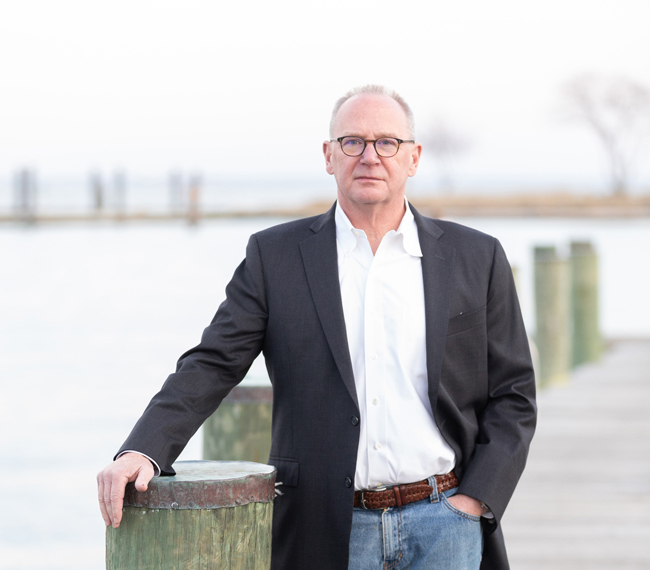
“As humans we evolved in nature, surrounded by the natural world,” says Richard Hassell, cofounder of WOHA, an architectural firm that focuses on the integration of the environment at every stage of design. If you feel helpless watching the destruction of natural resources on a grand scale, think of what you can change — properties and land that you control.
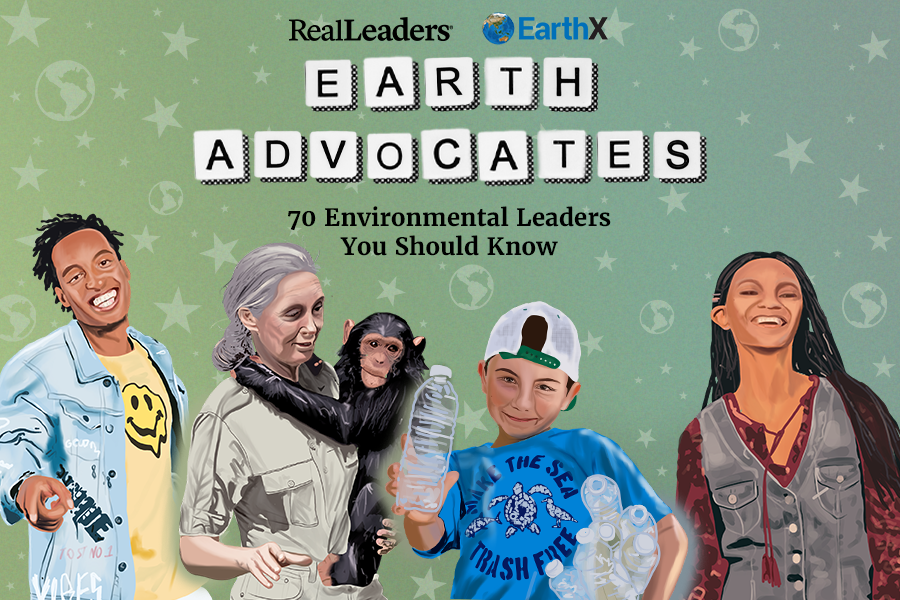
Real Leaders has been recognizing the leaders who are creating a better world for our future for over 10 years. EarthX has created the largest environmental experience for sharing the latest initiatives, discoveries, research, innovations, policies, and corporate practices that are reshaping our world. The climate crisis is one of the world’s most pressing and complicated issues facing us today. To celebrate Earth Day, we featured 70 Earth Advocates who are fighting to save the environment and our future!
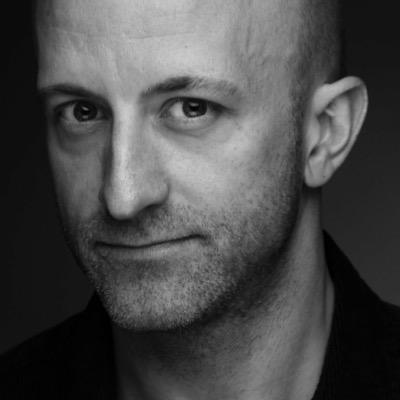
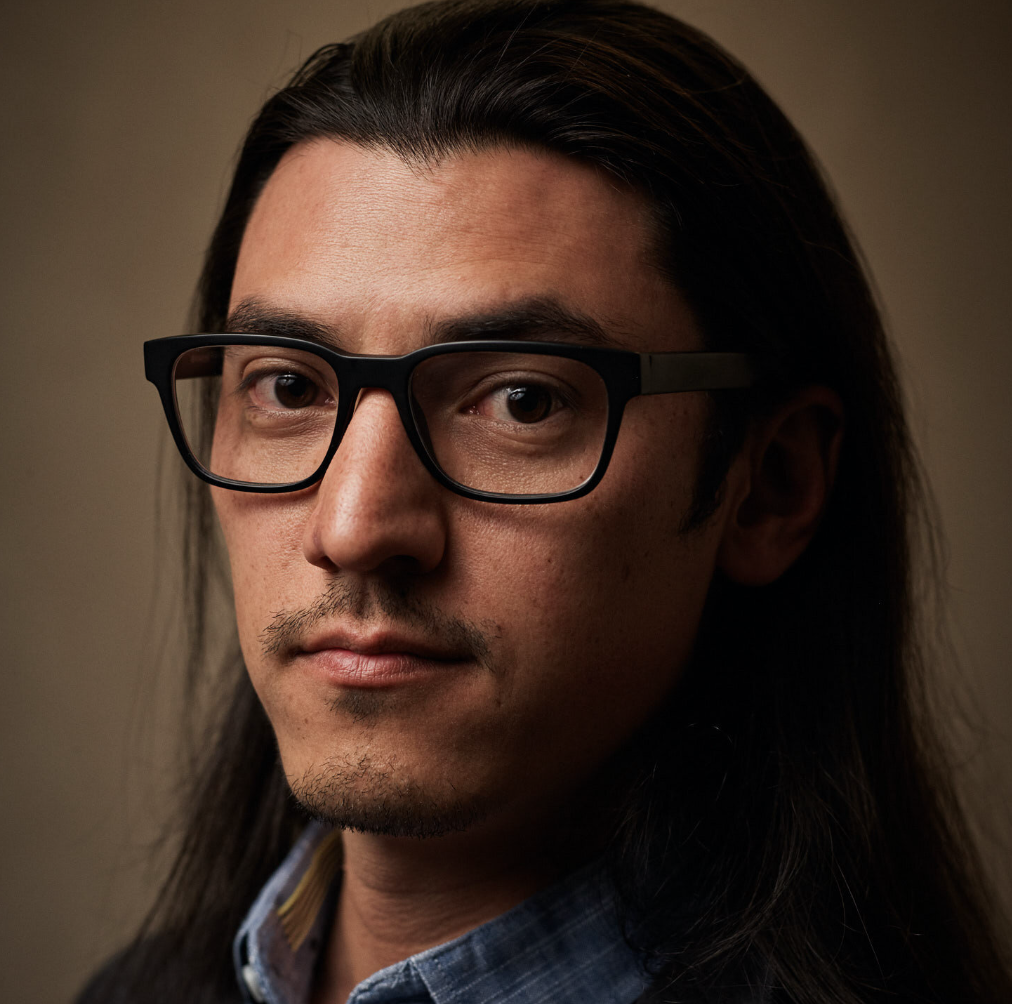
AY, Artist, Entrepreneur, and Sustainability Activist
AY is an artist, entrepreneur, and sustainability activist who raises awareness for energy storage, beneficial electrification, sustainability, United Nations SDGs, demand-side management, utility companies, movements, companies/corporations, sustainable solutions, social media influencers, artists, bands, producers, entrepreneurs and more. AY is also one of the first artists to to power his concerts with 100% renewable energy.
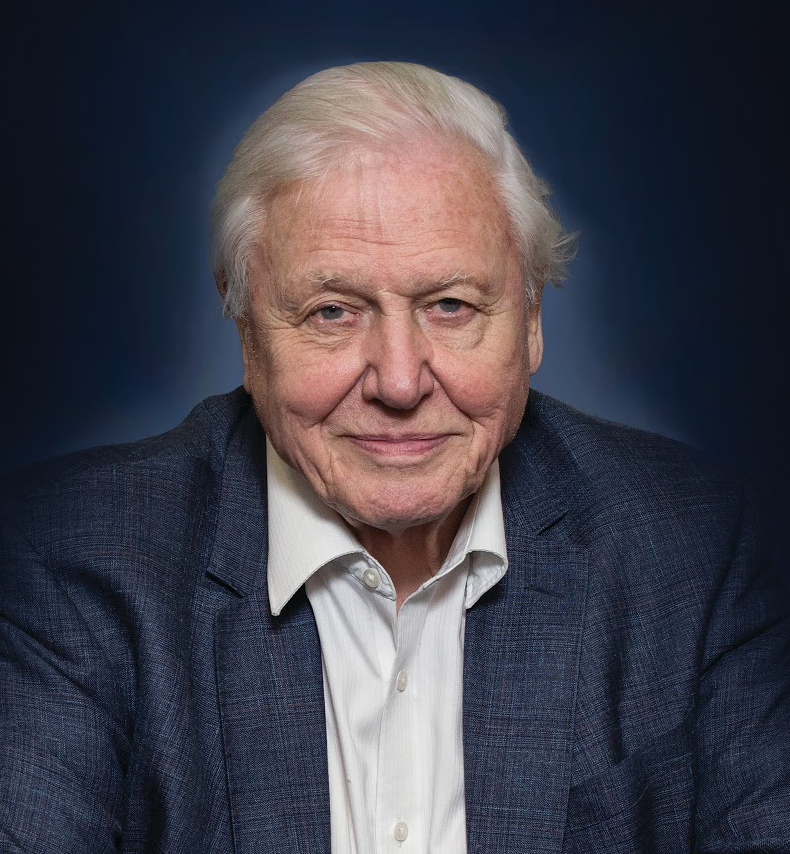
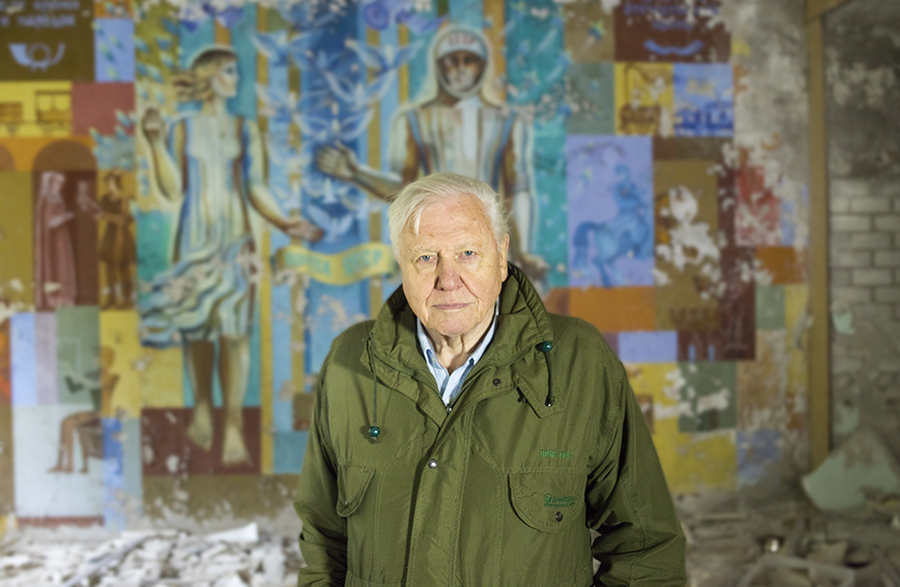
David Attenborough, Broadcaster, Writer and Naturalist
David Attenborough is an English broadcaster, writer, and naturalist noted for his innovative educational television programs with a major focus on environmental issues, especially climate change. Over nine decades Attenborough has visited every continent on the globe, and his honest, revealing, and urgent messages are a powerful, firsthand account of humanity’s impact on nature and a message of hope for future generations.
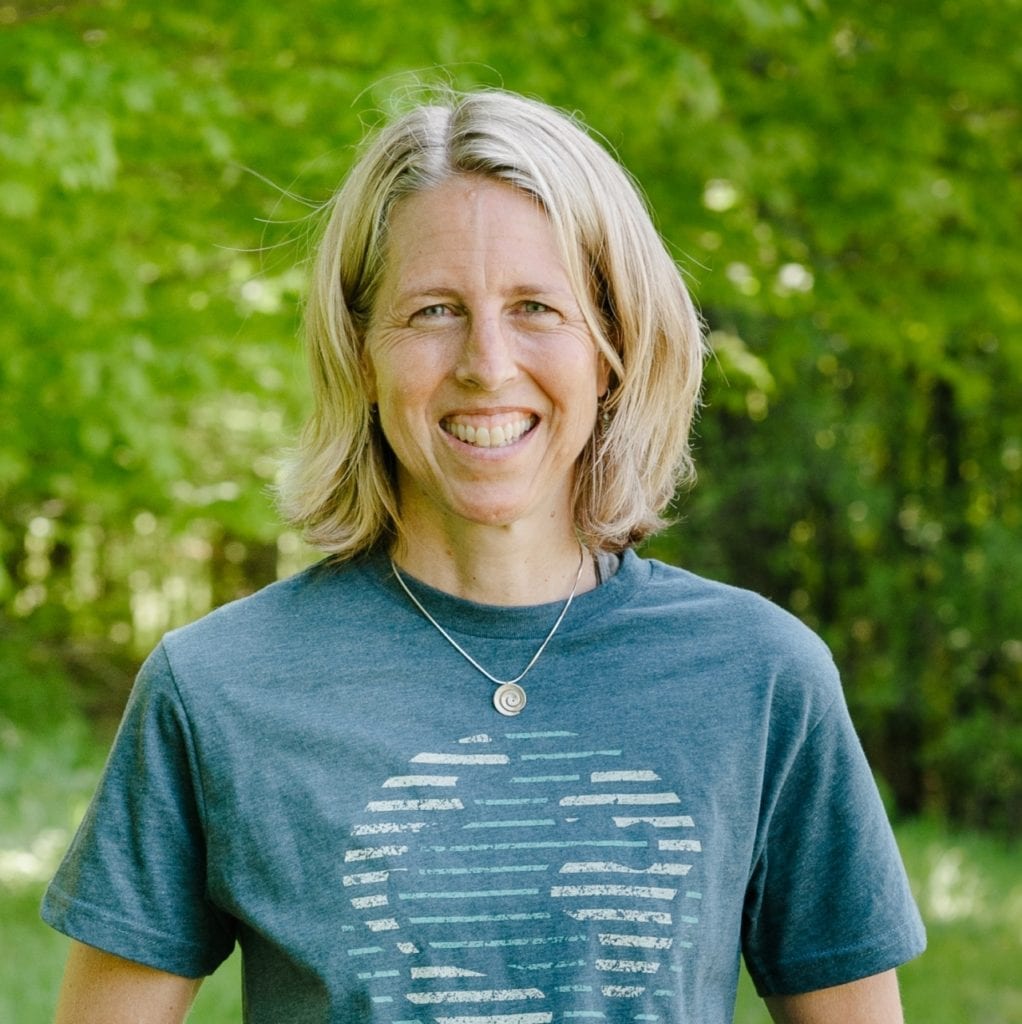
Kate Williams, CEO, 1% for the Planet
Kate Williams is the CEO of 1% for the Planet. Having already given a total of more than $270 million from over 3000 companies, the 1% for the Planet community is an ecosystem of the most innovative individuals and organizations dedicated to creating a better world.
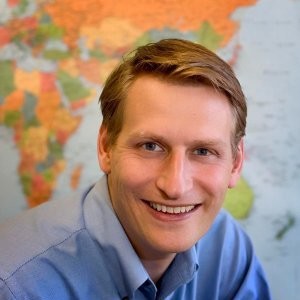
Tony Salas, CEO, Shared-X
Tony Salas is the CEO of Shared-X, a company that accelerates Impact Farming companies, aiming to revolutionize the traditional farming industry by consolidating the value chain and empowering smallholder farmers. Salas holds a Ph.D. in crop science, plant breeding, and genetics, as well as a strong background in AgTech and innovation.
David Bronner, CEO, Dr. Bronner’s
David Bronner is Cosmic Engagement Officer (CEO) of Dr. Bronner’s, the top-selling natural brand of soaps in North America and producer of a range of organic body care and food products. He is a grandson of the company founder, Emanuel Bronner, and a fifth-generation soap-maker. David established Dr. Bronner’s as a sustainable leader in the natural products industry by becoming one of the first body care brands to formulate with hemp seed oil
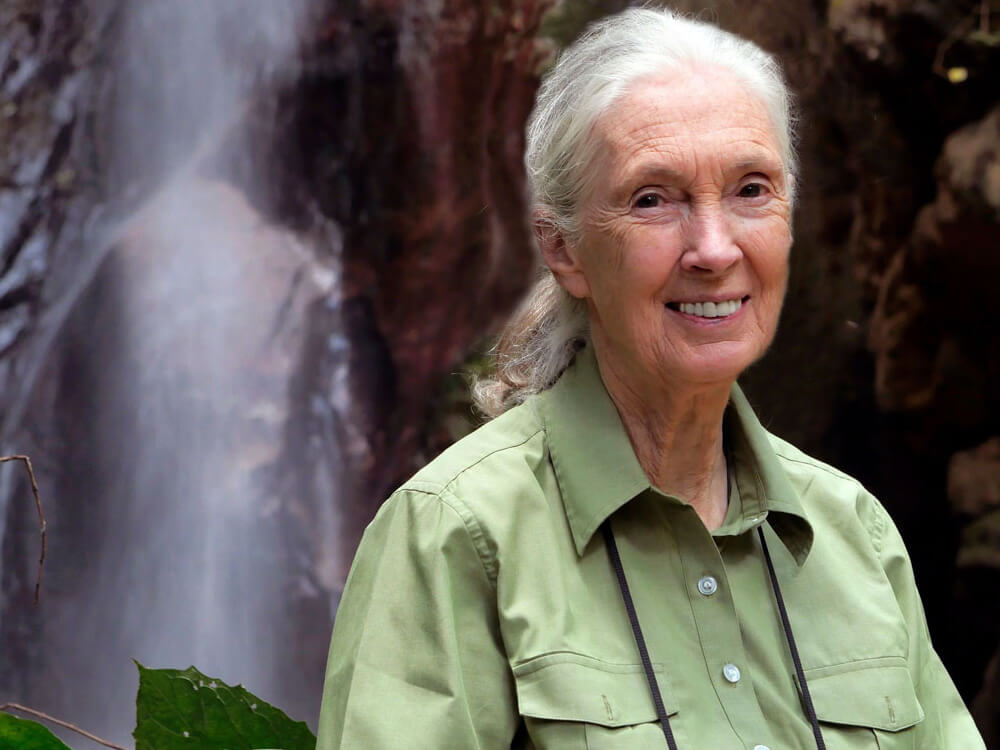
Jane Goodall, Founder, Jane Goodall Institute
Jane Goodall is the founder of the Jane Goodall Institute. Through nearly 60 years of groundbreaking work, Dr. Goodall has the urgent need to protect chimpanzees from extinction while redefining species conservation to include the needs of local people and the environment. Today she travels the world, speaking about the threats facing chimpanzees and environmental crises, urging each of us to take action on behalf of all living things and the planet we share.
Ian Urbina, Reporter
Ian Urbina is an investigative reporter and author of the best-selling book The Outlaw Ocean, based on more than five years of reporting, much of it offshore, exploring lawlessness on the high seas. As a journalist, his investigations typically focus on human rights, worker safety and the environment.
Dr. Katharine Wilkinson, Author, Strategist and Teacher
Dr. Katharine Wilkinson is an author, strategist, and teacher, working to heal the planet we call home. Her books on climate include the bestselling anthology All We Can Save and the bestseller Drawdown. Dr. Wilkinson co-founded and leads The All We Can Save Project in support of women leading on climate.
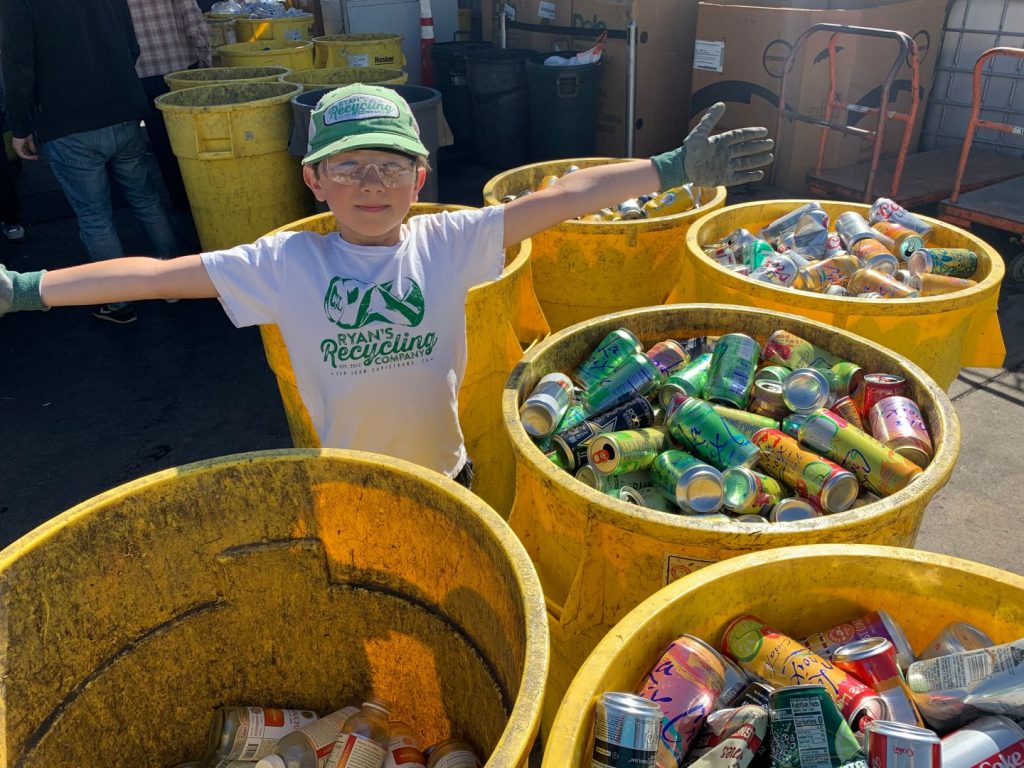
Ryan Hickman, Founder, Ryan’s Recycling
Ryan Hickman is the Founder of Ryans Recycling. Hickman has customers all over Orange County, CA and he has a passion to recycle. His goal is to recycle to keep cans and bottles from reaching the ocean where it’s harmful to the environment. Ryan spends a part of every week sorting through cans and bottles from his customers and getting them ready to take to the recycle center. He has recycled over a million bottles and cans to date.
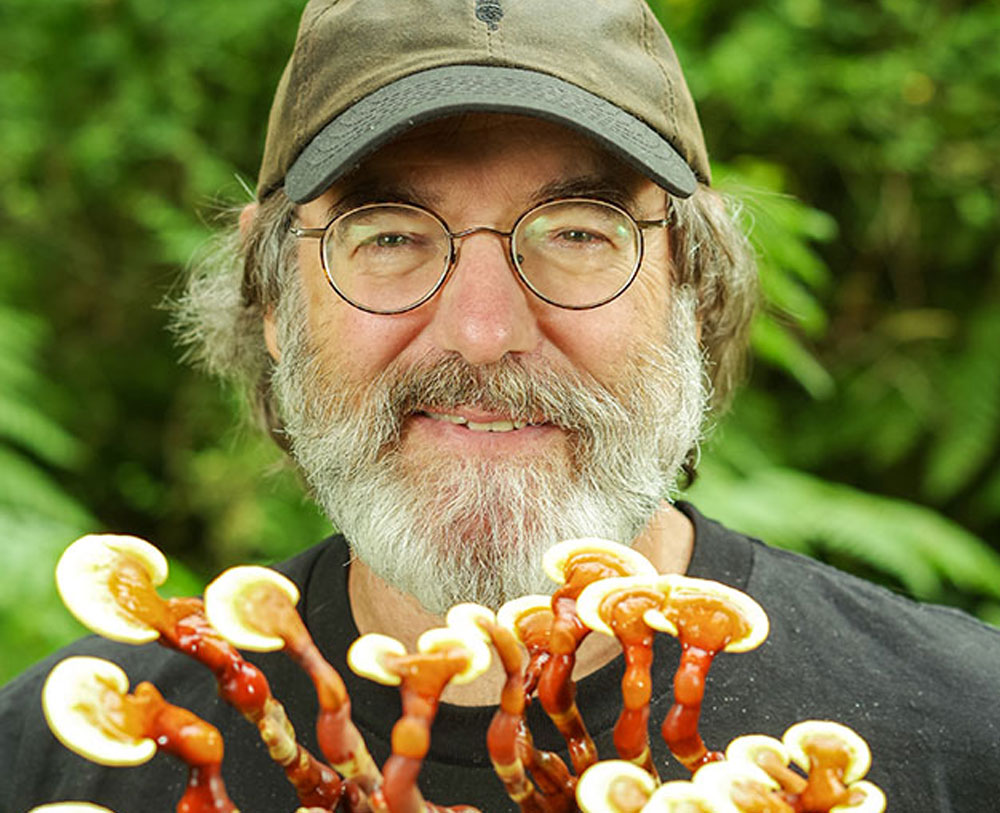
Paul Stamets, Mycologist and Founder of Fungi Perfecti
Paul Stamets, speaker, author, mycologist, medical researcher, and entrepreneur, is considered an intellectual and industry leader in fungi: habitat, medicinal use, and production. He lectures extensively to deepen the understanding and respect for the organisms that literally exist under every footstep taken on this path of life. His presentations cover a range of mushroom species and research showing how mushrooms can help the health of people and the planet.
Osprey Orielle Lake, Founder and Executive Director, WECAN
Osprey Orielle Lake is the Founder and Executive Director of the Women’s Earth and Climate Action Network (WECAN) International, working nationally and internationally with grassroots and frontline women leaders, policy-makers, and diverse coalitions to build women’s leadership, climate justice, resilient communities, and a just transition to a decentralized, democratized clean energy future.
Danni Washington, TV Host and Science Communicator Danni Washington is a TV host and Science Communicator who is also the first African American woman/woman of color to host her own science television series. She is featured as a correspondent on a weekly nationally syndicated CBS series called Mission Unstoppable. Danni has also come to be known as a thought leader and advocate in the SciComm and ocean conservation realms. She has been a featured speaker for both live and in person events for global organizations.
Damien Mander, Founder, International Anti-Poaching Foundation (IAPF)
Damien Mander is a former Australian Royal Navy Clearance Diver and Special Operations Military Sniper turned anti-poaching crusader, environmental and animal welfare activist. Damien used his life savings and liquidated his investments to fund the start-up and running costs of the International Anti-Poaching Foundation (IAPF). Mander is outspoken about the priorities of mankind in an increasingly challenged society and advocates the use of military equipment and tactics for the purpose of protecting animals.
Seth Goldman, Founder, Eat the Change
Seth Goldman is the founder of Eat the Change, a platform that combines marketplace solutions with education and activism to empower consumers to make dietary choices aligned with their concerns around climate and health. Goldman also co-founded Honest Tea and is Chairman of the Board of Beyond Meat.
Mark Hertsgaard, Co-Founder and Executive Director, Covering Climate Now
Mark Hertsgaard is the Co-Founder and Executive Director of the Covering Climate Now initiative which has grown to 460+ news publications reaching over 2 billion people in 57 countries. Hertsgaard has covered climate change since 1989, reporting from 25 countries in his books as well news outlets.
Jeffrey W. Eckel, Chairman and CEO, Hannon Armstrong
Jeffrey W. Eckel is Chairman and CEO of Hannon Armstrong, a leading investor in climate solutions. Under his leadership, the firm has become globally recognized for its pioneering approach to sustainable investing, serving as a trusted capital provider to leading companies in renewable energy, energy efficiency, and other sustainable infrastructure markets.
Greta Thunberg, Environmental Activist
Greta Thunberg is a Swedish environmental activist who worked to address the problem of climate change, founding a movement known as Fridays for Future. Her action inspired hundreds of thousands of students around the world to participate in their own Fridays for Future around the world. She has been recognized and praised worldwide by heads of state and schoolchildren alike, all captivated by the simplicity of her profound message: Start taking world problems seriously, or future generations will inherit the dire consequences.
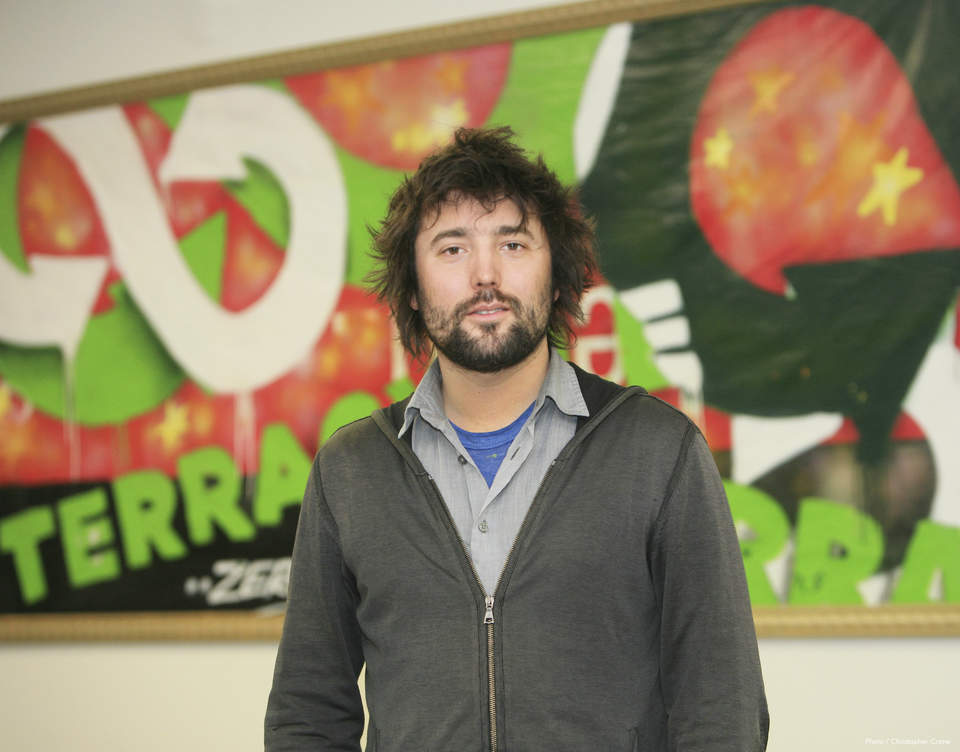
Tom Szaky, Founder and CEO, TerraCycle
Tom Szaky is the Founder and CEO of TerraCycle, Inc. He is a world-renowned entrepreneur, business leader, innovator, and public speaker, who oversees one of the world’s few green multinational companies. Through TerraCycle, Tom has pioneered a range of business models that engage manufacturers, retailers and consumers in recycling products and packaging that would otherwise be destined for landfill or incineration.
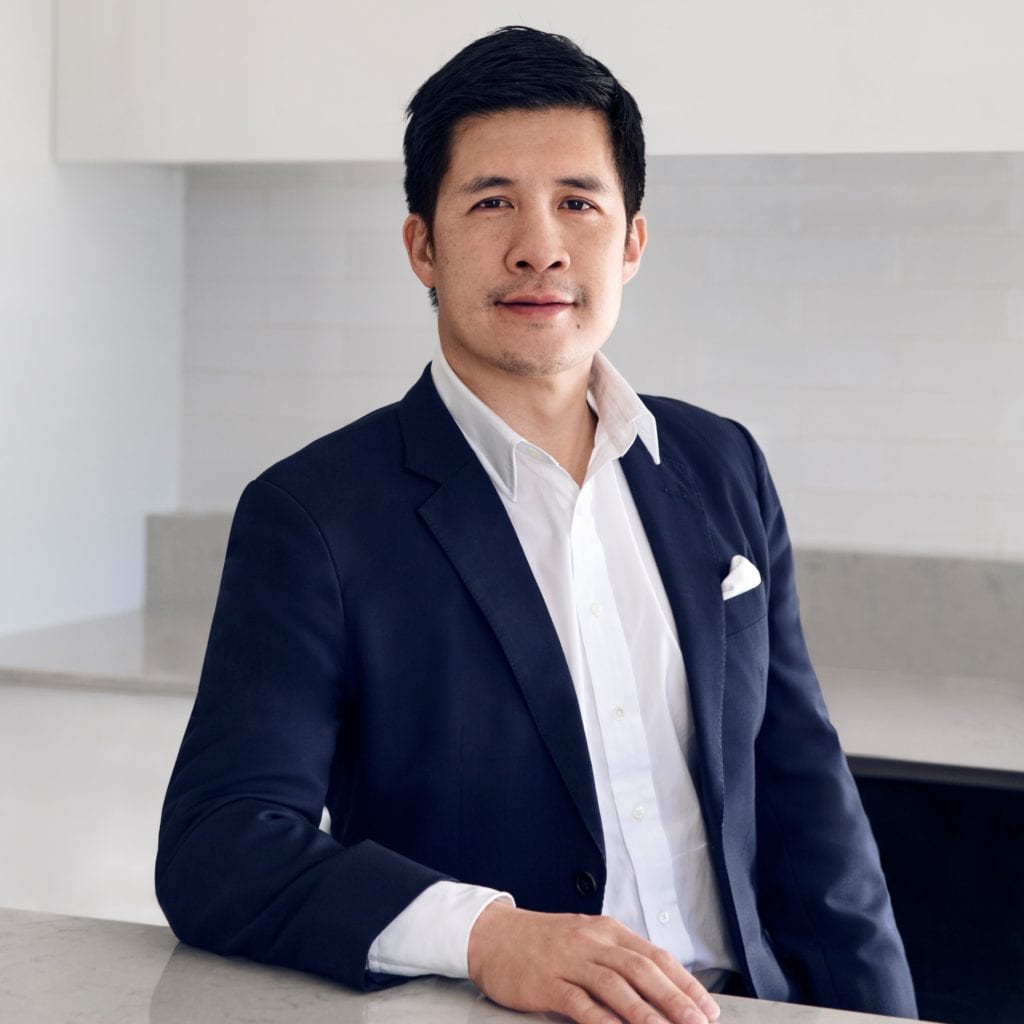
Kevin Chin, Chairman and CEO, VivoPower
Kevin Chin is the Chairman and CEO of VivoPower International PLC is an international electric vehicle, battery tech, solar energy and critical power company. Chin is also the Chairman and Executive Chair of Arowana & Co., an international B Corp accredited investment group with private and publicly listed businesses in solar power, electric vehicles, critical power services, vocational and professional education, traffic management, technology and impact asset management fields.
Trevor Hardy, CEO, BlueWave
Trevor Hardy is the CEO of BlueWave, where he leads all aspects of the company’s finance, operations, and expansion activity. Trevor helped grow the company into one of the most respected solar developers and community solar service providers in New England. The company’s purpose is to revolutionize energy with simple, powerful solar solutions.
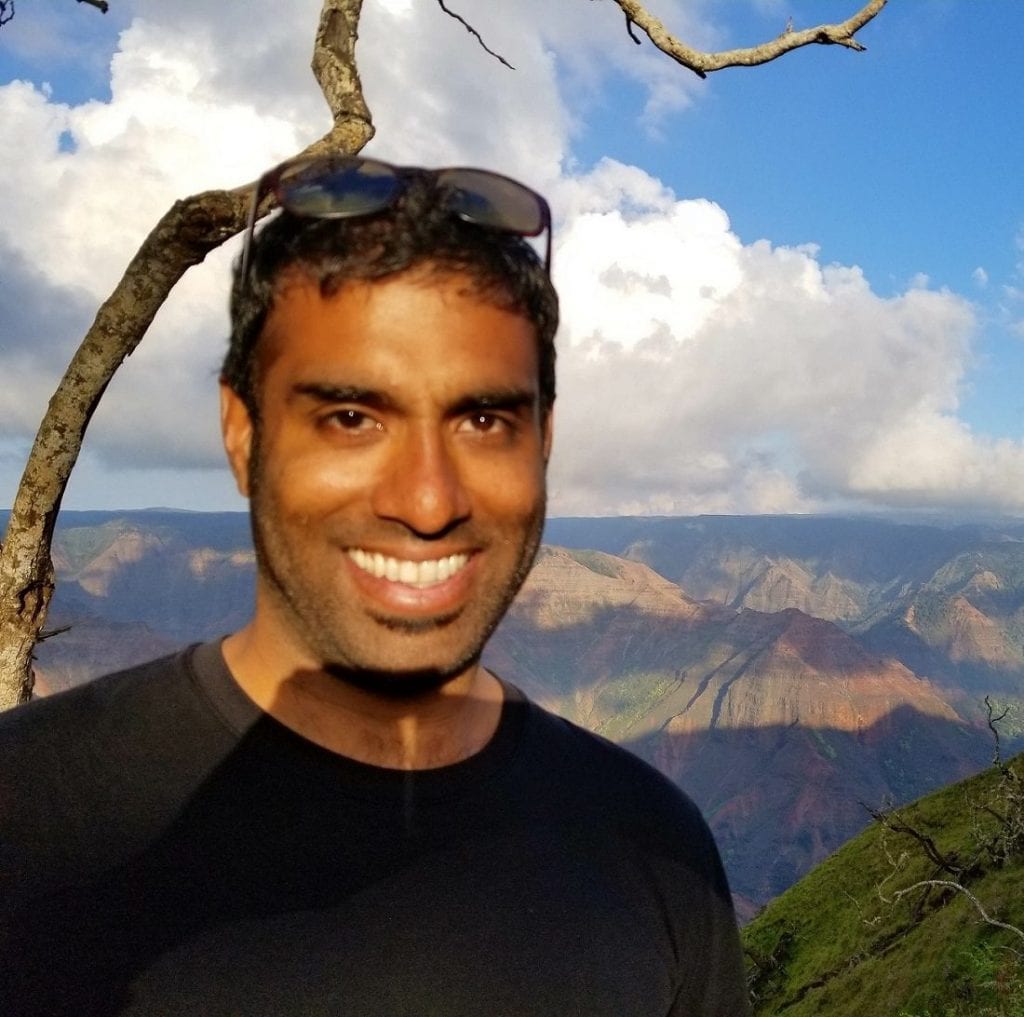
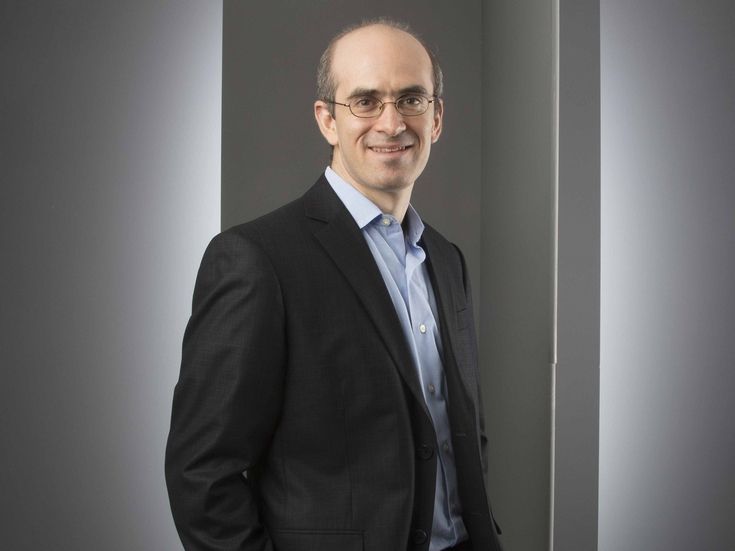
Hari Balasubramanian, Managing Partner, EcoAdvisors
Hari Balasubramanian leads two ventures – the consulting firm EcoAdvisors and the investment firm EcoInvestors Capital – both with a specific focus on demonstrating the business and societal value of sustainability and thereby growing the amount of capital flowing toward environmental impact. EcoInvestors Capital advances the environmental-related SDGs through private investments that generate net positive impact and competitive returns, without compromise.
Jordan Ramer, CEO, EV Connect
Jordan Ramer is the CEO of EV Connect, a company on a mission to build a better planet by enabling electricity as a transportation fuel. Ramer is an accomplished technology executive and entrepreneur. He has helped raise tens of millions of dollars in financing for growth companies in the clean energy, transportation, and resource efficiency sectors.
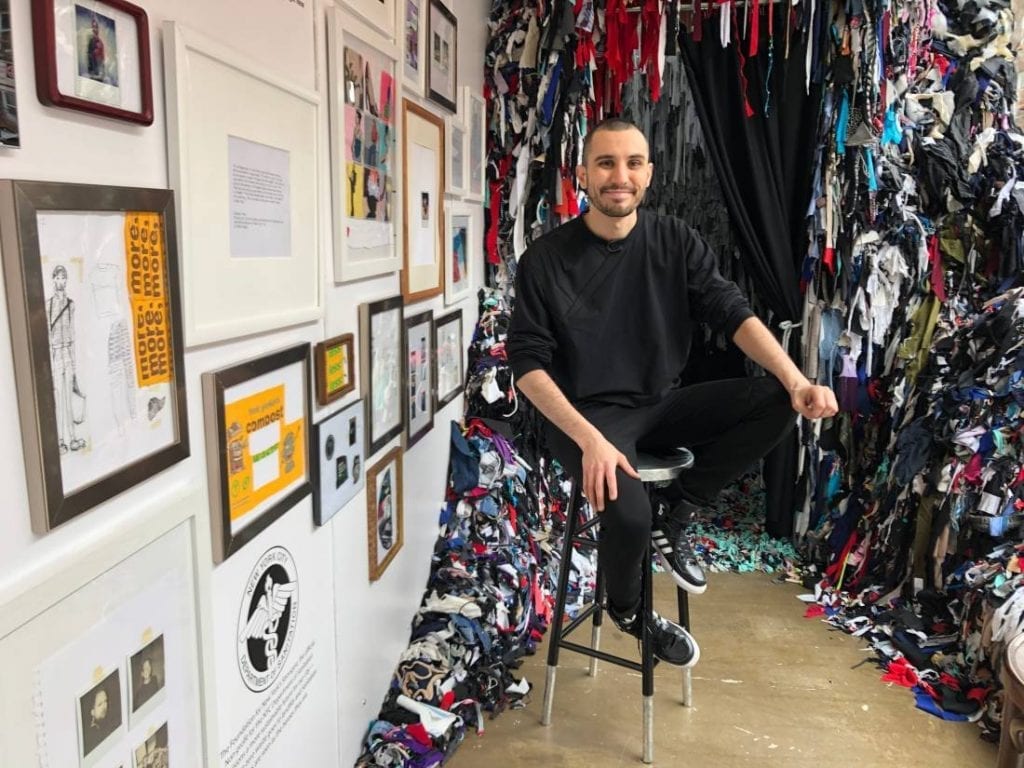
Daniel Silverstein, Founder, Zero Waste Daniel
Daniel Silverstein aka Zero Waste Daniel is a New York-based clothing designer and zero-waste lifestyle pioneer who uses pre-consumer waste sourced from New York City’s garment industry, as well as other hard-to-recycle materials, to create his line of genderless clothing and accessories that send nothing to landfills. Daniel continues to inspire change and make headlines by growing the mission of ending waste culture and redefining the meaning of “sustainable design” as a call to action for all who wish to participate.
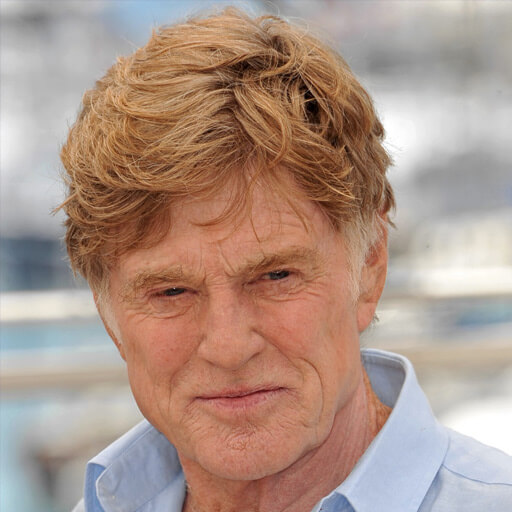
Robert Redford, Actor and Conservationist
Robert Redford is an ardent conservationist and environmentalist, a man who stands for social responsibility and political involvement, and an artist and businessman who is a staunch supporter of uncompromised creative expression. Redford has been a noted environmentalist and activist since the early 1970s and has served for over 40 years as a Trustee of the Board the Natural Resources Defense Council.
Green Girl Leah Thomas, Environmentalist
Leah Thomas is an environmentalist with a love for writing and creativity. Thomas is passionate about advocating for and exploring the relationship between social justice and environmentalism. She is the founder of eco-lifestyle blog @greengirlleah, which is a resource and media hub that aims to advocate for environmental justice and inclusivity within environmental education.
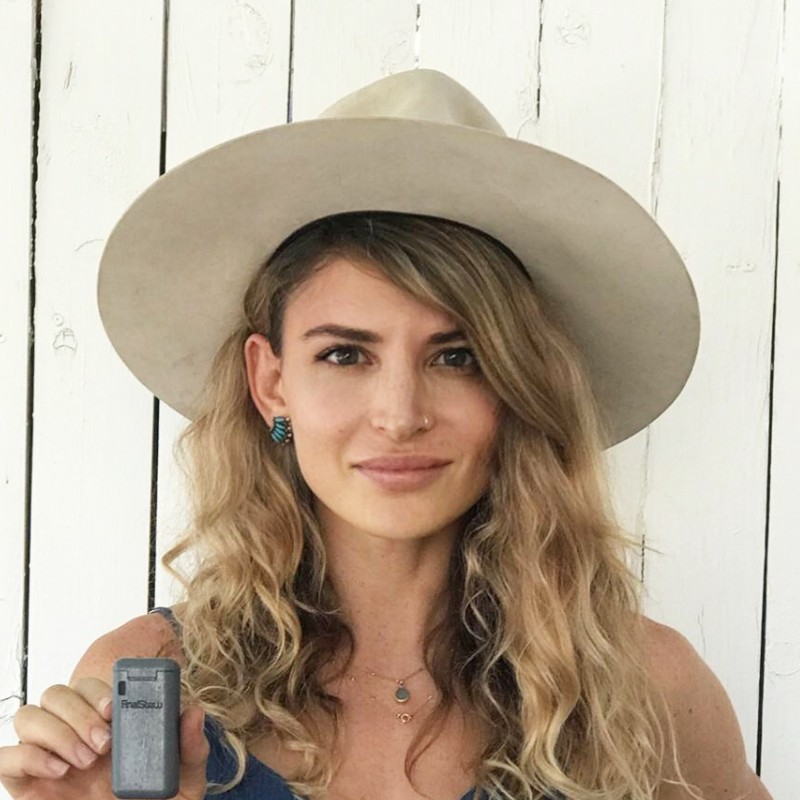
Emma Rose Cohen, CEO, Final Emma Rose Cohen is the CEO and founder of Final, creators of FinalStraw—the world’s first reusable, collapsible straw. In the last decade, Emma’s passion for sustainability motivated her to help found a nonprofit, Save the Mermaids, with a mission to educate children about the harmful effects of single-use plastics. Emma has grown Final from a one product company to a company with an entire line of convenient, sustainable alternatives. Waste is just a design flaw. Emma and the Final team are on a mission to change that.
Shadi Bakour, CEO, Pathwater
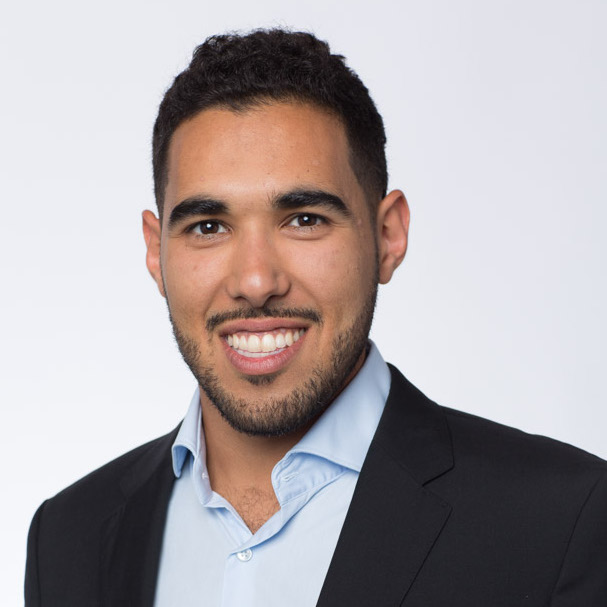
Shadi Bakour is the CEO of Pathwater, who has a passion for tackling the world’s largest ideas and problems. Bakour started PathWater with a vision to disrupt and change the way we think about an industry that is destroying our environment and to help everyone break the addiction to single-use plastic bottled water.
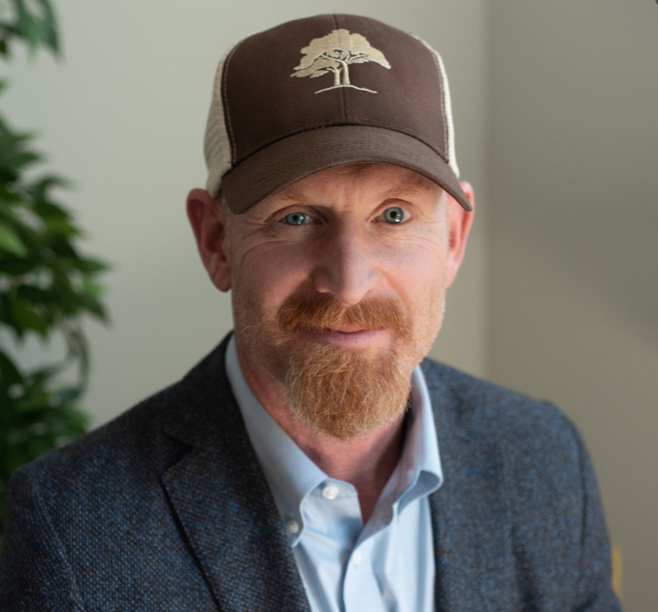
Chad Farrell, Founder and CEO, Encore Renewable Energy
Chad Farrell is the Founder and CEO of Encore Renewable Energy, a leader in community-scale renewable energy project development services. Farrell has led innovative and collaborative efforts to design, permit, finance and construct over 75 different commercial-scale solar PV projects throughout the State of Vermont and beyond Many of these projects involve reclaiming undervalued real estate for clean energy generation and storage, helping to revitalize communities and create a cleaner, brighter future for all.
Amelia Baxter, Co-Founder and CEO, WholeTrees
Amelia Baxter is Co-Founder and CEO of WholeTrees Architecture and Structures. WholeTrees was founded in 2007 to develop and sell products and technologies that would scale the use of waste trees in commercial construction, increasing forest revenues, and offering green construction markets a new material for the 21st century.
Steven Novick, Founder and CEO, Farmstand
Steven Novick is the Founder and CEO of Farmstand,a company that delivers healthy, convenient and affordable meals to your door to cook in minutes. His commitment to health and the environment showed when Covid hit, Novick sold his house to fund Farmstand’s pivot into a direct-to-consumer meal delivery service that is 100% sustainable and transparent.
Gene Gebolys, Founder, President, and CEO, World Energy
Gene Gebolys founded World Energy in a time when the social consciousness surrounding alternative fuel sources was starting to grow. Today, Gebolys continues to lead World Energy, pushing the boundaries of innovation into new low-carbon fuel markets and collaborating with leaders of change to address the world’s growing energy needs with simple, clean, and renewable solutions.
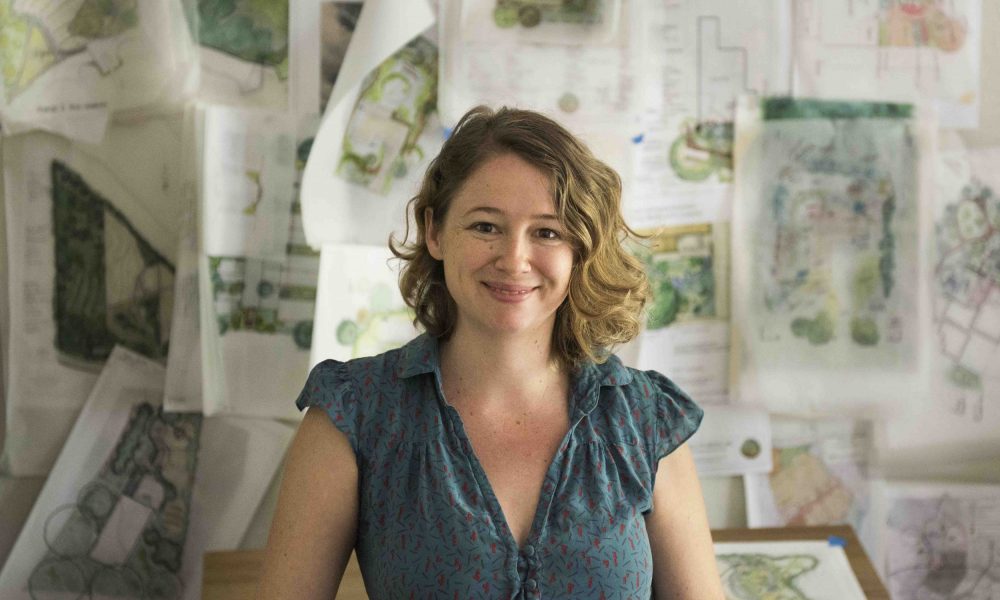
Brandy Hall, Founder and CEO, Shades of Green Permaculture
Brandy Hall is the Founder and CEO of Shades of Green Permaculture, a regenerative landscape design, build and education firm. Hall founded the company with the fundamental belief that wherever you’re from, whatever your background, and however you’re willing to contribute to the regeneration of our planet, your particular shade of green is not just important but essential.
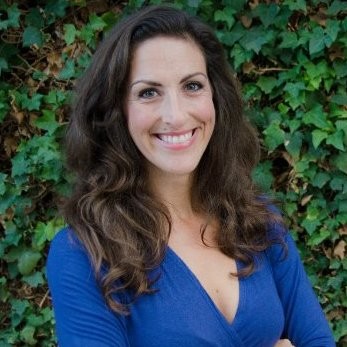
Brandi DeCarli, Founding Partner and CEO, Farm from a Box
Brandi DeCarli is the Founding Partner and CEO of Farm from a Box, a cleantech-powered infrastructure for community-based local food production. As an off-grid, modular farm system, the company helps strengthen local and regional food systems by providing the technology needed to help small and medium-scale enterprises flourish with high-quality outdoor crops.
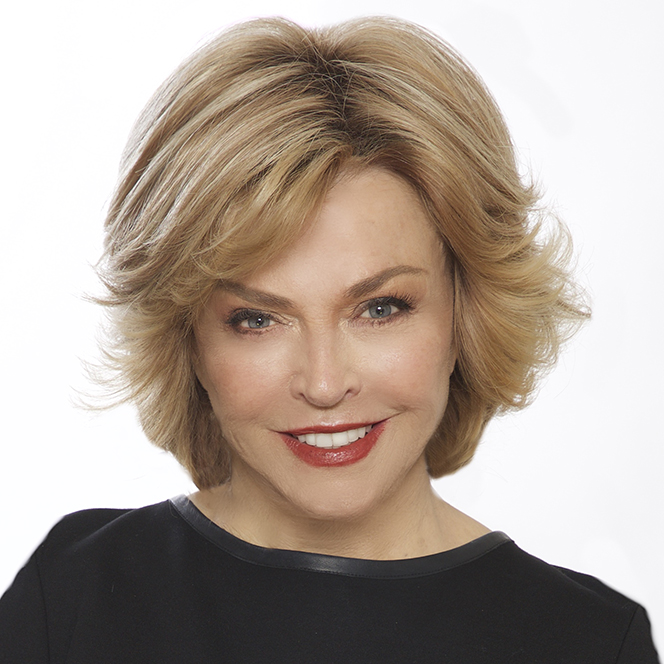
Pat Mitchell, Co-Founder, TEDWomen
Pat Mitchell is the Co-Founder, curator and host of TEDWomen. Throughout her career as a journalist, Emmy-winning producer and executive, Mitchell focused on elevating women’s stories and increasing their representation everywhere, especially in environmentalism.
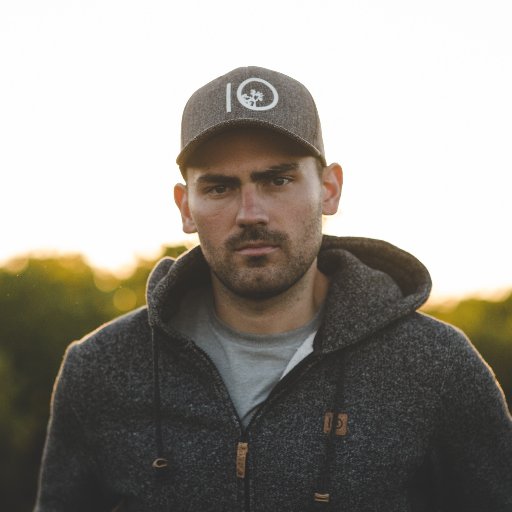
Derrick Emsley, Founder and CEO, tentree
Derrick Emsley is the Co-Founder and CEO of tentree International who offers environmentally progressive, lifestyle apparel with the mandate of planting ten trees for every item purchased. tentree was founded on the premise that every consumer wants to know that they are contributing to the well-being of our planet. Emsley is empowering a new generation of environmentally active consumers.
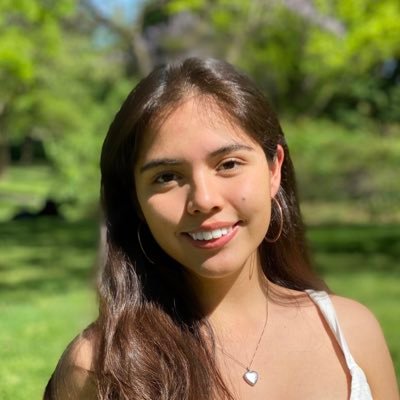
Xiye Bastida, Climate Activist
Xiye Bastida is a climate activist and member of the indigenous Mexican Otomi-Toltec nation. She is one of the major organizers of Fridays for Future New York City and has been a leading voice for indigenous and immigrant visibility in climate activism. Bastida is on the administration committee of the People’s Climate Movement and a member of Sunrise Movement and Extinction Rebellion.
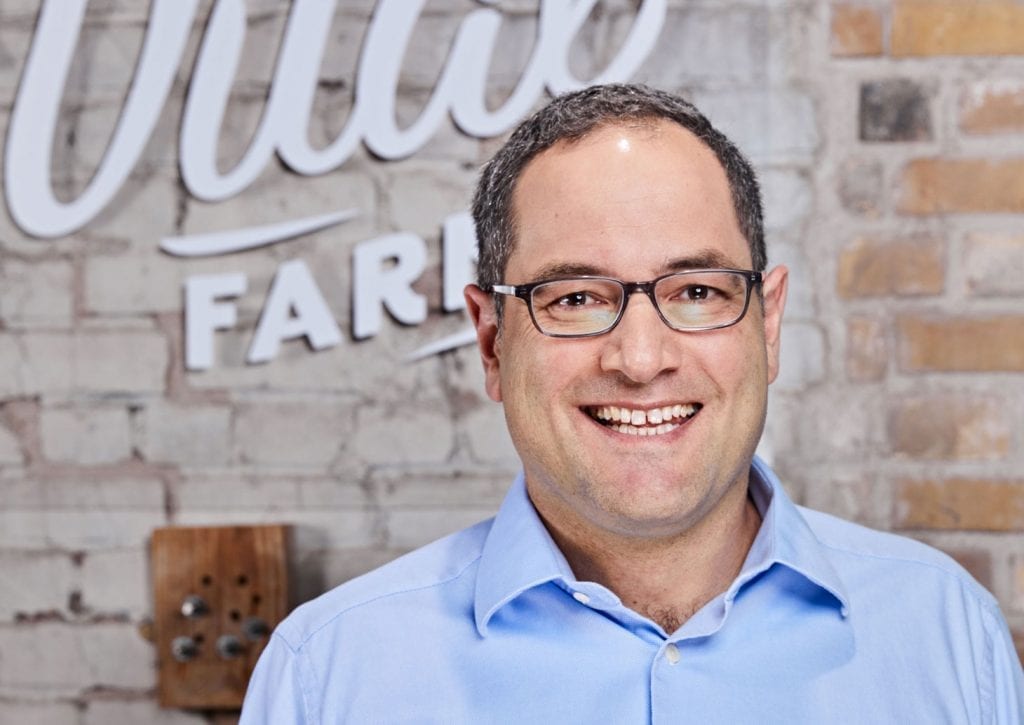
Russell Diez-Canseco, President and CEO, Vital Farms
Russell Diez-Canseco is the President and CEO of Vital Farms, who is on a mission is to bring ethical food to the table. Russell believes it is possible to produce ethical food at scale, and year-by-year his efforts help prove it. Under his leadership, Vital Farms have expanded its product line while improving the lives of people, animals, and the planet through food.
Peter Krull, Founder, Director of Investments and CEO, Earth Equity Advisors
Peter Krull is the Founder, CEO and Director of Investments of Earth Equity Advisors, who manages diversified investment portfolios for clients across the country with a focus on sustainable, responsible, and impact investing. Krull focuses on creating and managing Earth Equity’s investment portfolios as well as writing thought leadership pieces and sharing the responsible investing story.
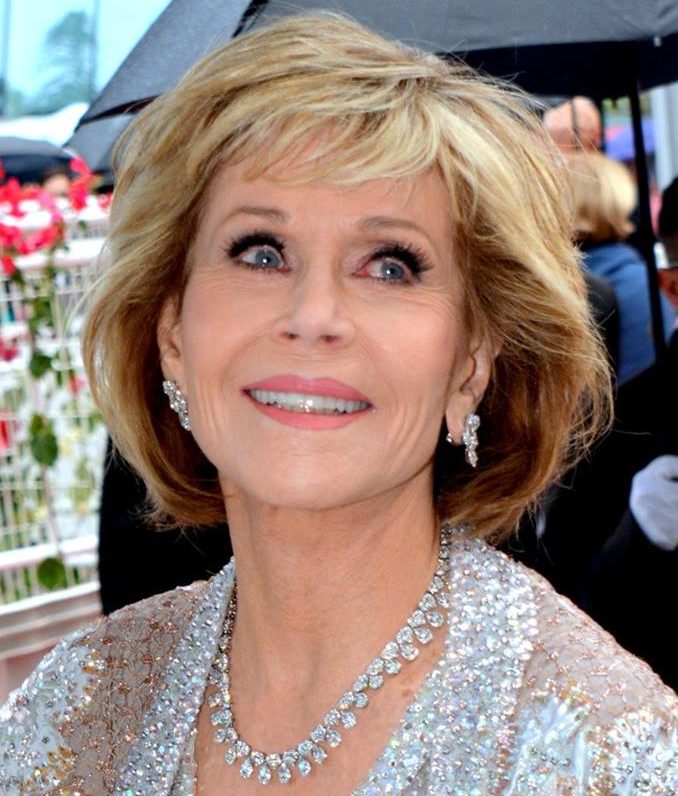
Jane Fonda, Actress and Activist
Jane Fonda is a renowned American actress, activist, and lifetime advocate for women and environmental issues. She co-founded the Women’s Media Center, an organization that works to amplify the voices of women in the media through advocacy, media and leadership training, and the creation of original content. Fonda currently serves on the board of the organization and continues to be a prominent voice for women and the environment.
Matt Hill, Founder and Chief Environmental Evangelist, One Tree Planted
Matt Hill is the founder and Chief Environmental Evangelist of One Tree Planted, a nonprofit organization that helps global reforestation efforts by making it easier for individuals and businesses to give back to the environment: one dollar plants one tree. While tree-planting is good for the planet, One Tree Planted ensures contributors know exactly how far their planting contributions go.
Leilani Münter, Race Car Driver and Environmental Activist
Leilani Münter is a biology graduate turned race car driver and environmental activist. She believes it is essential for humans to adapt and evolve the way we are living to a sustainable way that does not destroy the world around us. Leilani is an advocate for renewable energy, solar power, electric cars, plant-based diet, and animal rights. She sits on the board of three non-profits: Oceanic Preservation Society, Empowered by Light, and EarthxFilm.
Pete Davis, Co-Founder and CEO, GreenPrint
Pete Davis is the Co-Founder and CEO of GreenPrint, who focuses on the calculation and reduction of greenhouse gas and other environmental emissions, to reduce the carbon footprint for all of the groups served. Pete’s purpose is to make sustainability truly convenient, so it’s easy for people and businesses to do the right thing.
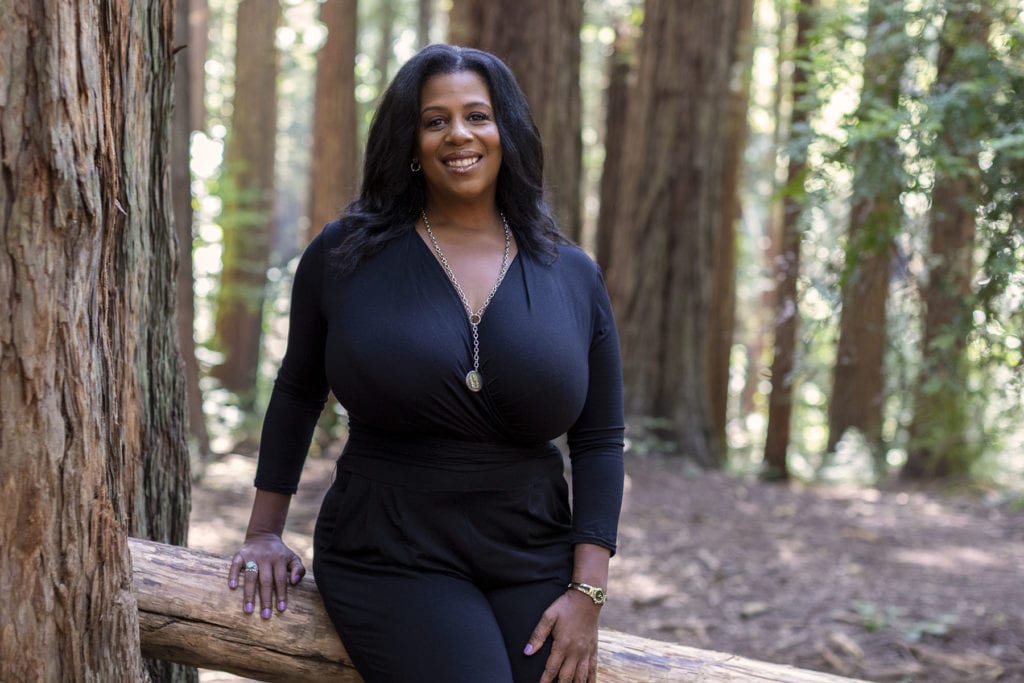
Rue Mapp, Founder, Outdoor Afro
Rue Mapp is the Founder and CEO of Outdoor Afro, the nation’s leading, cutting-edge network that celebrates and inspires Black connections and leadership in nature. Mapp has captured the attention and support of millions through a multimedia approach that is grounded in personal connections and community organizing.
Chaz Berman, Board Member and CEO, Grower’s Secret
Chaz Berman has conceived and built many successful companies over the past three decades. Berman is the CEO and Board Member at Grower’s Secret, Inc. an ag-tech company that produces an OMRI listed nitrogen, other amino acid fertilizers & a plant growth enhancer that is added to many other fertilizers.
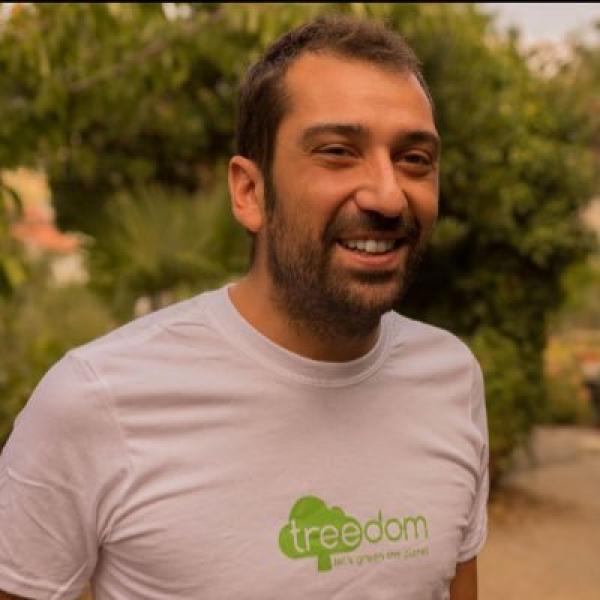
Frederico Garcea, Co-Founder and CEO, Treedom
Frederico Garcea is the Co-Founder and CEO at Treedom, the first project that allows companies and individuals to adopt a tree or a forest, which then become always visible on the web. Since its foundation in 2010, more than 1,000,000 trees have been planted in Africa, South America and Italy. All trees are planted directly by local farmers and bring environmental, social and financial benefits to their communities.
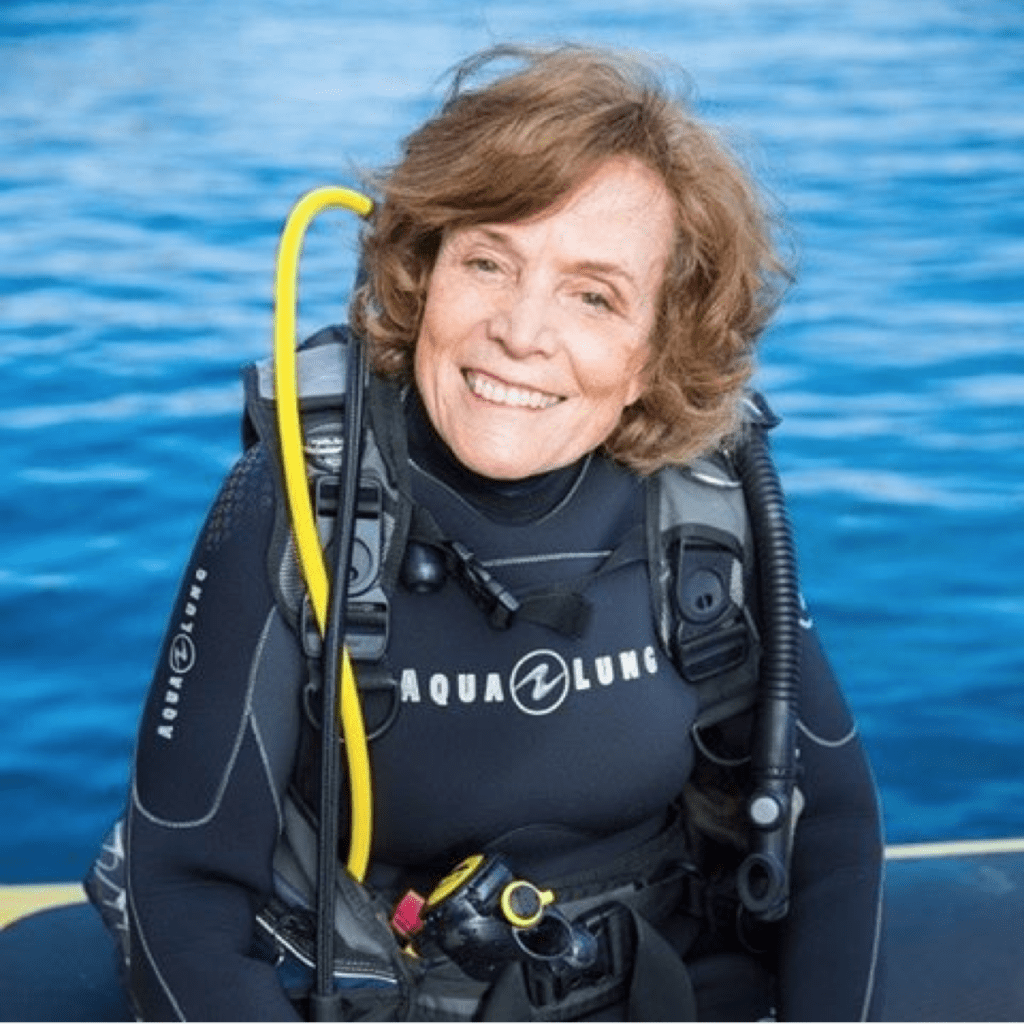
Sylvia Earle, President and Chairman, Mission Blue
Sylvia Earle is President and Chairman of Mission Blue and The Sylvia Earle Alliance. She is a National Geographic Society Explorer in Residence and is called “Living Legend” by the Library of Congress. She is an oceanographer, explorer, author and lecturer with experience as a field research scientist, government official, and director for several corporate and non-profit organizations.
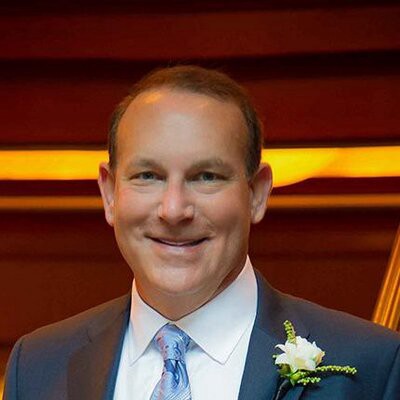
Jeffrey Perlman, President, Founder and CEO, Bright Power
Jeffrey Perlman is the CEO, President & Founder of Bright Power. An experienced energy auditor, energy analyst, and solar-energy-system designer, he has built Bright Power from a single rented desk in a shared office to the substantial enterprise that enhances building performance, simplify building operations, and contribute to a healthier environment inside and out.
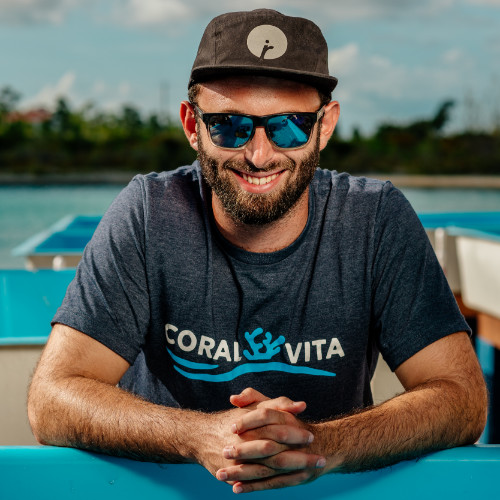
Sam Teicher, Chief Reef Officer, Coral Vita
Sam Teicher is the Chief Reef Officer at Coral Vita, a company that creates high-tech coral farms that incorporate breakthrough methods to restore reefs in the most effective way possible. Teicher’s vision is to produce billions of corals from our farms each year in order to maintain these magical ecosystems for generations to come.
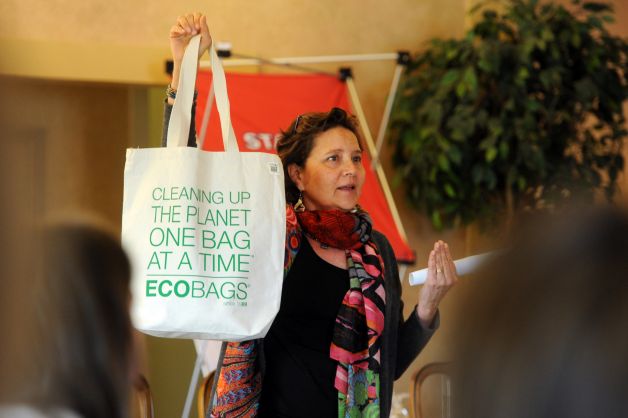
Sharon Rowe, Founder and CEO, Eco-Bags
Sharon Rowe is the CEO and Founder of Eco-Bags Products, Inc. Eco-Bags is the original reusable bag brand, sold worldwide, recognized for social and environmental commitments and standards. Rowe is recognized as a thought leader in social innovation, sustainable and responsible production. She speaks regularly on building profitable, mission & value aligned businesses, believing that business can be a force for good, a currency for ideas that shape culture.
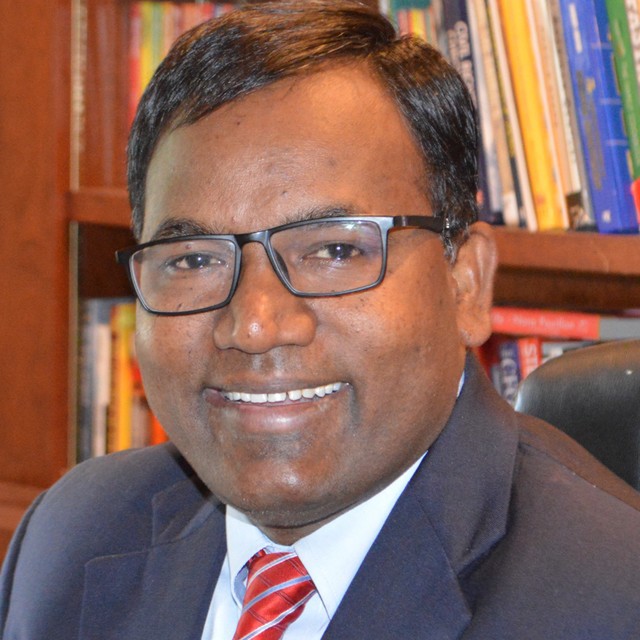
Dr. Venkat Maroju, CEO, SourceTrace Systems
Dr. Venkat Maroju is CEO of SourceTrace Systems, a company that has become a global leader in providing software solutions to agriculture and allied sectors. The use of these technological solutions has made the agriculture value chain more sustainable, transparent and equitable, thus empowering hundreds of thousands of smallholder farmers in developing countries.
Sally Ranney, Founder and CEO, Global Choices
Sally Ranney is an environmental visionary, strategist and advocate. Founder/President Ranney is the Founder and President of Global Choices and the American Renewable Energy Institute (AREI). She serves on the Board of Directors of the National Wildlife Federation, the Aspen Brain Institute, and the Climate Accountability Institute. She is also CEO of Stillwater Preservation LLC, a wetlands mitigation banking company and Senior Advisor to the One Humanity Institute and the Women’s Earth and Climate Action Network (WECAN).
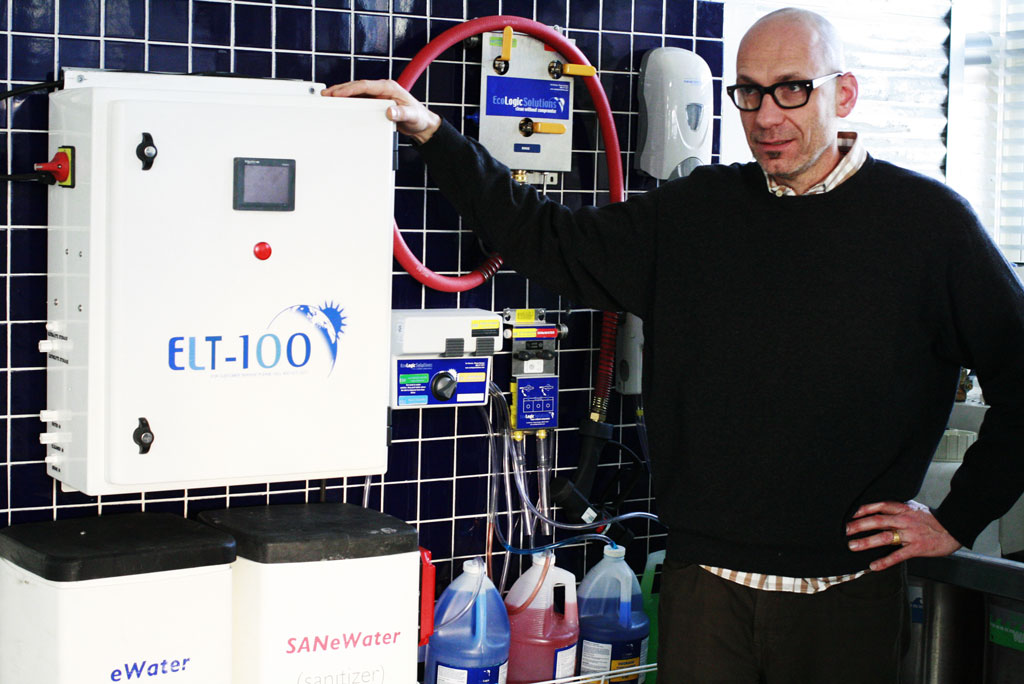
Anselm Doering, Founder, President & CEO, Ecologic Solutions
Anselm Doering is the Founder, President, and CEO of Ecologic Solutions, a mission-driven, trusted leader providing the safest, most sustainable cleaning program in the world. With over 30 years of experience as an impact entrepreneur, eco-product developer and strategist, Doering has delivered highly effective, safer solutions to protect people and the planet.
Andrew Shakman, Co-Founder and CEO, Leanpath
Andrew Shakman is the Co-Founder and CEO of Leanpath, the industry-leading food waste prevention platform working with client partners to fight waste around the world. Andrew is a passionate food waste prevention advocate who wants to bring true reform to the food industry.
JoAnna Abrams, Founder and CEO, MindClick
JoAnna Abrams is the Founder and CEO of MindClick, an environmental health product intelligence company committed to empowering suppliers and their customers’ marketing, design, sustainability, and supply chain teams with easy-to-understand, easy-to-use insights and knowledge needed to meet global demand for healthier products and healthier environments.
Graham Ray, CEO, DeepRoot
Graham Ray is the CEO of DeepRoot, a company on a mission to create a more livable built environment, providing a high level of ecosystem services, by using green infrastructure like trees, soil, and on-site stormwater management. DeepRoot has more than forty years of experience helping trees thrive in cities, nurturing over 500 blocks of urban treescape in the built environment around the world.
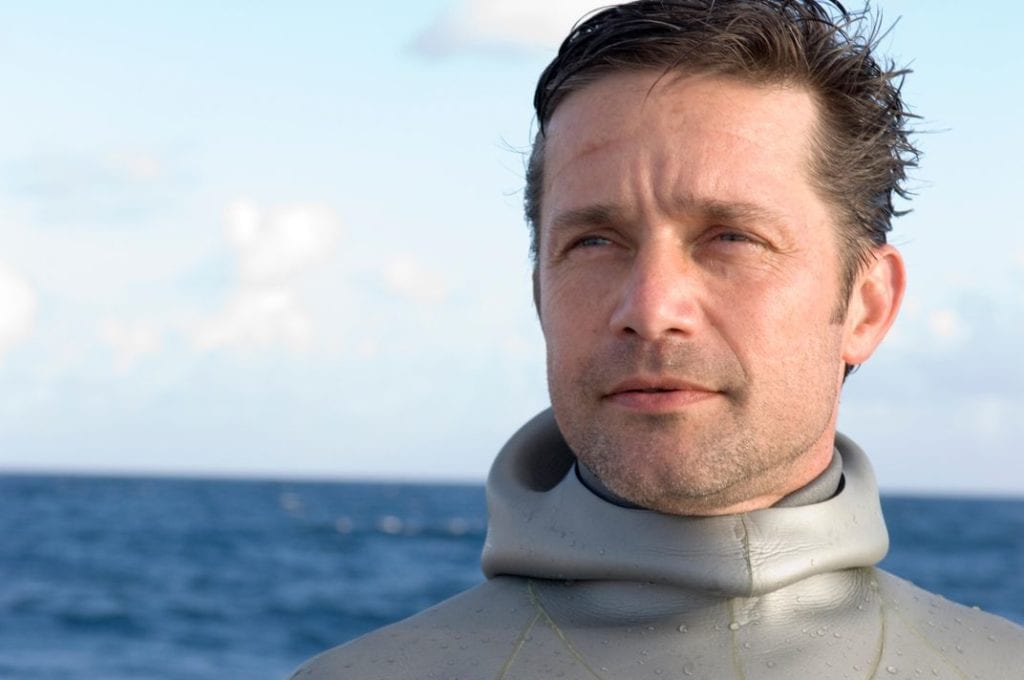
Fabien Cousteau, Aquanaut
Fabien Cousteau is a third-generation ocean explorer, aquanaut, and environmentalist who is at the forefront of today’s ocean exploration. His latest project, Project Proteus, entails an underwater research center for the betterment of the ocean, the earth, and humanity.
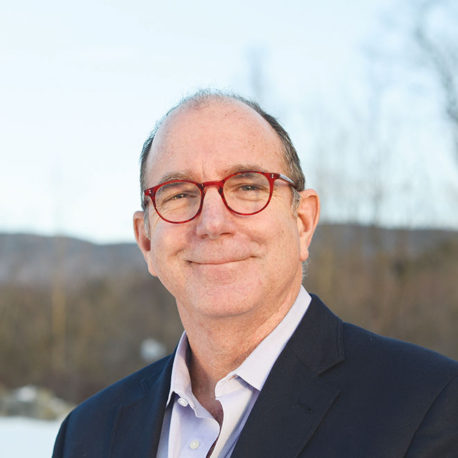
Duane Peterson, Co-President and Founder, SunCommon
Duane Peterson is the Co-President and Founder of SunCommon, a solar company making renewable energy simple and affordable. Peterson is a social entrepreneur with an eclectic 35-year career in socially responsible business, campaign management, government service and community involvement.
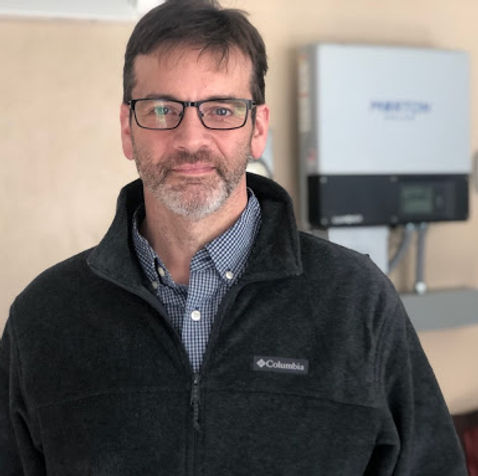
Brad Morton, Principal and CEO, Mortan Solar & Electric
Brad Morton is the Principal and CEO of Morton Solar & Electric, a full-service licensed electrical contractor specializing in energy efficiencies and renewable energy. Morton is very passionate about reducing the size of communities’ carbon footprint, which is why he has become so involved in the renewable energy industry throughout his career.
Aaron Fairchild, CEO, Green Canopy
Aaron Fairchild is the CEO of Green Canopy, the only for-profit homebuilder in America that was intentionally and deliberately started to combat and lessen the negative impacts of climate change and resource scarcity via in-city homebuilding.
Julia Jackson, Founder, Grounded
Julia Jackson is committed to bringing together the brightest minds to foster greater collaboration, drive mass awareness and scale game-changing solutions to urgently address the climate crisis. Jackson founded Grounded.org, a philanthropic initiative that convenes scientists, policymakers, investors, executives, activists and front-line organizations to elevate solutions that create systemic change in order to stay below 1.5˚C in global temperature rise and ensure a livable planet.
John-Paul Maxfield, Founder, Waste Farmers
John-Paul Maxfield is the Founder of Waste Farmers, the first regenerative holding and operating company. Maxfield helps develop people, businesses, and brands that transform emerging social and environmental needs into market-based opportunities.
Joey Bergstein, CEO, Seventh Generation
Joey Bergstein is the CEO of Seventh Generation, a company that sells eco-friendly cleaning, paper, and personal care products. Bergstein has been transforming its business while pursuing the company’s quest to transform the world into a healthier, more sustainable and more equitable place for all.
Paul Watson, Conservationist and Environmental Activist
Paul Watson is a marine wildlife conservationist and environmental activist who was one of the founding members and directors of Greenpeace. He later left Greenpeace to create the Sea Shepherd Conservation Society, an organization that sought to protect marine wildlife.
Marci Zaroff, Founder and CEO, ECOfashion Marci Zaroff coined the term “ECOfashion” and is an internationally recognized ECOlifestyle expert, educator, innovator, author and serial ecopreneur. Founder and CEO of ECOfashion Corp, a Greenhouse of Brands, including B2B turnkey sustainable fashion manufacturer MetaWear, regenerative in-conversion-to-organic cotton farm project RESET, QVC organic lifestyle brands Farm to Home and Seed to Style, and new D2C ECOfashion brand YES AND. Marci has been instrumental in driving authenticity, environmental leadership & social justice worldwide for nearly three decades.
Nana Boateng Osei, Co-Founder and CEO, Bôhten
Nana Boateng Osei is the Co-Founder and CEO of Bôhten, a company revolutionizing eco-luxury. Osei has created an eyewear line that uses sustainable materials such as discarded materials and reclaimed wood. Osei also plans to bring manufacturing to Ghana to create a place for education and resources to tackle climate change.
Collin O’Mara, President and CEO, National Wildlife Federation
Collin O’Mara serves as President and CEO of the National Wildlife Federation, America’s largest wildlife conservation organization. Under O’Mara’s leadership, the National Wildlife Federation is focused on recovering America’s wildlife while improving the management of and access to public lands.
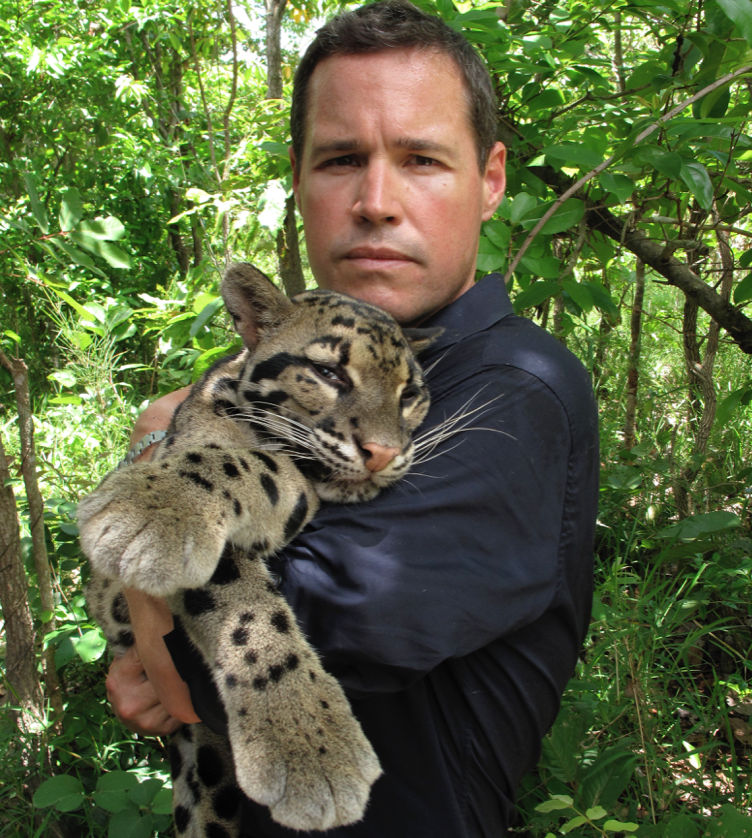
Jeff Corwin, Biologist and Conservationist
Emmy-winning TV host Jeff Corwin has worked for the conservation of endangered species, natural resources, and ecosystems. Through education and awareness, he believes these vital elements of our planet can be conserved for future generations. Jeff also hosts a variety of popular television series seen worldwide including Animal Planet’s Jeff Corwin Experience.
Jeff Orlowski, Filmmaker
Filmmaker Jeff Orlowski served as director, producer, and cinematographer of the Sundance Award-Winning films, Chasing Ice and Chasing Coral. He is a two-time Emmy-Award winning filmmaker, and founder of the award-winning production company Exposure Labs, with a mission maximize the impact of film, creating a company dedicated to both quality storytelling and powerful campaigns.
Nancy E. Pfund, Founder and Managing Partner, DBL Partners
Nancy E. Pfund is the Founder and Managing Partner of DBL Partners a venture capital firm who goals is to combine top tier financial returns with meaningful social, economic and environmental impact.
Miyoko Schinner, Founder and CEO, Miyoko’s Miyoko Schinner is the tenacious, award-winning vegan chef behind Miyoko’s. Her passion for her craft and mission is unrivaled. The publication of her groundbreaking book, Artisan Vegan Cheese, kicked off the start of the vegan cheese revolution. Whether in the kitchen or the farm, Miyoko makes her mission of feeding the world with delicious, compassionate food the drive behind everything she does.
How does this 95-year-old environmentalist stay cool while the planet is heating up, and why is his strategy of “explain, inspire and rationalize” (rather than tell) showing the business world where the real opportunities lie?
Over more than 90 years, and countless trips around the globe, David Attenborough has witnessed a severe decline in the living world over his lifetime. He has seen the rainforests retreating and the grasslands emptying and has searched ever harder for species hanging on in hidden corners of the world. He’s observed a downward trend that is set to cause a disaster far more profound and with more lasting impacts than the desolation of Chernobyl – a decline that will have a more limited impact on his life but will come to define the lives of all those who follow him.
At age 92, he hit the road again for a few grueling months to document the state of the natural world. Colin Butfield was the executive producer of David Attenborough: A Life On Our Planet, and worked closely with Attenborough at filming locations worldwide. The film was created by award-winning natural history filmmakers Silverback Films and global environmental organization WWF. Netflix came onboard as a distribution partner. With Attenborough’s classic British accent for the narration, WWF provided the scientific verification and evidence-based facts.
The film opens and closes with Attenborough visiting Chernobyl, a part of the world once made desolate from human error, but without us has now begun to rewild again. “Humanity has got this far by being the smartest species that has ever lived. But, to endure, we need more than intelligence; we need wisdom,” says Attenborough.
When the film was still under discussion three years ago, Attenborough turned to Butfield impatiently and said, “Don’t you think we ought to get on with this? I’m already 92, you know.” Butfield laughs recalling Attenborough’s immense energy when the shooting finally began. “I’m half his age, and it was sometimes tough keeping up with him.”
Over nine decades Attenborough has visited every continent on the globe, and his honest, revealing, and urgent message is a powerful, firsthand account of humanity’s impact on nature and a message of hope for future generations. His decades of observing animals and nature have given him a profound insight into the challenges we face today.
“The COVID-19 pandemic has caused, and will continue to cause, immense suffering,” he says. “If there is hope that can come out of it, then that may arise from the whole world having experienced a shared threat and found a sense that we are all in it together. The same unique brains and communication skills that fueled the development of our civilizations now have access to technologies and institutions that allow all nations of the world to collaborate and cooperate should we choose to do so.”
To Attenborough, there should be no more excuses and hiding behind national identities or regional politics to avoid confronting what he views as an existential risk to humanity.
“The time for pure national interests has passed,” he explains. “If we are to tackle climate change, enable sustainable development, and restore biodiversity, then internationalism has to be our approach. In doing so, we must bring about greater equality between what nations take from the world and what they give back. The wealthier nations have taken a lot, and the time has now come to give.” …
Read the full story in the latest edition of Real Leaders magazine. Subscribe Here
How does this 95-year-old environmentalist stay cool while the planet is heating up, and why is his strategy of “explain, inspire and rationalize” (rather than tell) showing the business world where the real opportunities lie?
Over more than 90 years, and countless trips around the globe, David Attenborough has witnessed a severe decline in the living world over his lifetime. He has seen the rainforests retreating and the grasslands emptying and has searched ever harder for species hanging on in hidden corners of the world. He’s observed a downward trend that is set to cause a disaster far more profound and with more lasting impacts than the desolation of Chernobyl – a decline that will have a more limited impact on his life but will come to define the lives of all those who follow him.
At age 92, he hit the road again for a few grueling months to document the state of the natural world. Colin Butfield was the executive producer of David Attenborough: A Life On Our Planet, and worked closely with Attenborough at filming locations worldwide. The film was created by award-winning natural history filmmakers Silverback Films and global environmental organization WWF. Netflix came onboard as a distribution partner. With Attenborough’s classic British accent for the narration, WWF provided the scientific verification and evidence-based facts.
The film opens and closes with Attenborough visiting Chernobyl, a part of the world once made desolate from human error, but without us has now begun to rewild again. “Humanity has got this far by being the smartest species that has ever lived. But, to endure, we need more than intelligence; we need wisdom,” says Attenborough.
When the film was still under discussion three years ago, Attenborough turned to Butfield impatiently and said, “Don’t you think we ought to get on with this? I’m already 92, you know.” Butfield laughs recalling Attenborough’s immense energy when the shooting finally began. “I’m half his age, and it was sometimes tough keeping up with him.”
Over nine decades Attenborough has visited every continent on the globe, and his honest, revealing, and urgent message is a powerful, firsthand account of humanity’s impact on nature and a message of hope for future generations. His decades of observing animals and nature have given him a profound insight into the challenges we face today.
“The COVID-19 pandemic has caused, and will continue to cause, immense suffering,” he says. “If there is hope that can come out of it, then that may arise from the whole world having experienced a shared threat and found a sense that we are all in it together. The same unique brains and communication skills that fueled the development of our civilizations now have access to technologies and institutions that allow all nations of the world to collaborate and cooperate should we choose to do so.”
To Attenborough, there should be no more excuses and hiding behind national identities or regional politics to avoid confronting what he views as an existential risk to humanity.
“The time for pure national interests has passed,” he explains. “If we are to tackle climate change, enable sustainable development, and restore biodiversity, then internationalism has to be our approach. In doing so, we must bring about greater equality between what nations take from the world and what they give back. The wealthier nations have taken a lot, and the time has now come to give.” …
Read the full story in the latest edition of Real Leaders magazine. Subscribe Here
Real Leaders has been recognizing the leaders who are creating a better world for our future for over 10 years. EarthX has created the largest environmental experience for sharing the latest initiatives, discoveries, research, innovations, policies, and corporate practices that are reshaping our world. The climate crisis is one of the world’s most pressing and complicated issues facing us today. To celebrate Earth Day, we featured 70 Earth Advocates who are fighting to save the environment and our future!
AY, Artist, Entrepreneur, and Sustainability Activist
AY is an artist, entrepreneur, and sustainability activist who raises awareness for energy storage, beneficial electrification, sustainability, United Nations SDGs, demand-side management, utility companies, movements, companies/corporations, sustainable solutions, social media influencers, artists, bands, producers, entrepreneurs and more. AY is also one of the first artists to to power his concerts with 100% renewable energy.
David Attenborough, Broadcaster, Writer and Naturalist
David Attenborough is an English broadcaster, writer, and naturalist noted for his innovative educational television programs with a major focus on environmental issues, especially climate change. Over nine decades Attenborough has visited every continent on the globe, and his honest, revealing, and urgent messages are a powerful, firsthand account of humanity’s impact on nature and a message of hope for future generations.
Kate Williams, CEO, 1% for the Planet
Kate Williams is the CEO of 1% for the Planet. Having already given a total of more than $270 million from over 3000 companies, the 1% for the Planet community is an ecosystem of the most innovative individuals and organizations dedicated to creating a better world.
Tony Salas, CEO, Shared-X
Tony Salas is the CEO of Shared-X, a company that accelerates Impact Farming companies, aiming to revolutionize the traditional farming industry by consolidating the value chain and empowering smallholder farmers. Salas holds a Ph.D. in crop science, plant breeding, and genetics, as well as a strong background in AgTech and innovation.
David Bronner, CEO, Dr. Bronner’s
David Bronner is Cosmic Engagement Officer (CEO) of Dr. Bronner’s, the top-selling natural brand of soaps in North America and producer of a range of organic body care and food products. He is a grandson of the company founder, Emanuel Bronner, and a fifth-generation soap-maker. David established Dr. Bronner’s as a sustainable leader in the natural products industry by becoming one of the first body care brands to formulate with hemp seed oil
Jane Goodall, Founder, Jane Goodall Institute
Jane Goodall is the founder of the Jane Goodall Institute. Through nearly 60 years of groundbreaking work, Dr. Goodall has the urgent need to protect chimpanzees from extinction while redefining species conservation to include the needs of local people and the environment. Today she travels the world, speaking about the threats facing chimpanzees and environmental crises, urging each of us to take action on behalf of all living things and the planet we share.
Ian Urbina, Reporter
Ian Urbina is an investigative reporter and author of the best-selling book The Outlaw Ocean, based on more than five years of reporting, much of it offshore, exploring lawlessness on the high seas. As a journalist, his investigations typically focus on human rights, worker safety and the environment.
Dr. Katharine Wilkinson, Author, Strategist and Teacher
Dr. Katharine Wilkinson is an author, strategist, and teacher, working to heal the planet we call home. Her books on climate include the bestselling anthology All We Can Save and the bestseller Drawdown. Dr. Wilkinson co-founded and leads The All We Can Save Project in support of women leading on climate.
Ryan Hickman, Founder, Ryan’s Recycling
Ryan Hickman is the Founder of Ryans Recycling. Hickman has customers all over Orange County, CA and he has a passion to recycle. His goal is to recycle to keep cans and bottles from reaching the ocean where it’s harmful to the environment. Ryan spends a part of every week sorting through cans and bottles from his customers and getting them ready to take to the recycle center. He has recycled over a million bottles and cans to date.
Paul Stamets, Mycologist and Founder of Fungi Perfecti
Paul Stamets, speaker, author, mycologist, medical researcher, and entrepreneur, is considered an intellectual and industry leader in fungi: habitat, medicinal use, and production. He lectures extensively to deepen the understanding and respect for the organisms that literally exist under every footstep taken on this path of life. His presentations cover a range of mushroom species and research showing how mushrooms can help the health of people and the planet.
Osprey Orielle Lake, Founder and Executive Director, WECAN
Osprey Orielle Lake is the Founder and Executive Director of the Women’s Earth and Climate Action Network (WECAN) International, working nationally and internationally with grassroots and frontline women leaders, policy-makers, and diverse coalitions to build women’s leadership, climate justice, resilient communities, and a just transition to a decentralized, democratized clean energy future.
Danni Washington, TV Host and Science Communicator Danni Washington is a TV host and Science Communicator who is also the first African American woman/woman of color to host her own science television series. She is featured as a correspondent on a weekly nationally syndicated CBS series called Mission Unstoppable. Danni has also come to be known as a thought leader and advocate in the SciComm and ocean conservation realms. She has been a featured speaker for both live and in person events for global organizations.
Damien Mander, Founder, International Anti-Poaching Foundation (IAPF)
Damien Mander is a former Australian Royal Navy Clearance Diver and Special Operations Military Sniper turned anti-poaching crusader, environmental and animal welfare activist. Damien used his life savings and liquidated his investments to fund the start-up and running costs of the International Anti-Poaching Foundation (IAPF). Mander is outspoken about the priorities of mankind in an increasingly challenged society and advocates the use of military equipment and tactics for the purpose of protecting animals.
Seth Goldman, Founder, Eat the Change
Seth Goldman is the founder of Eat the Change, a platform that combines marketplace solutions with education and activism to empower consumers to make dietary choices aligned with their concerns around climate and health. Goldman also co-founded Honest Tea and is Chairman of the Board of Beyond Meat.
Mark Hertsgaard, Co-Founder and Executive Director, Covering Climate Now
Mark Hertsgaard is the Co-Founder and Executive Director of the Covering Climate Now initiative which has grown to 460+ news publications reaching over 2 billion people in 57 countries. Hertsgaard has covered climate change since 1989, reporting from 25 countries in his books as well news outlets.
Jeffrey W. Eckel, Chairman and CEO, Hannon Armstrong
Jeffrey W. Eckel is Chairman and CEO of Hannon Armstrong, a leading investor in climate solutions. Under his leadership, the firm has become globally recognized for its pioneering approach to sustainable investing, serving as a trusted capital provider to leading companies in renewable energy, energy efficiency, and other sustainable infrastructure markets.
Greta Thunberg, Environmental Activist
Greta Thunberg is a Swedish environmental activist who worked to address the problem of climate change, founding a movement known as Fridays for Future. Her action inspired hundreds of thousands of students around the world to participate in their own Fridays for Future around the world. She has been recognized and praised worldwide by heads of state and schoolchildren alike, all captivated by the simplicity of her profound message: Start taking world problems seriously, or future generations will inherit the dire consequences.
Tom Szaky, Founder and CEO, TerraCycle
Tom Szaky is the Founder and CEO of TerraCycle, Inc. He is a world-renowned entrepreneur, business leader, innovator, and public speaker, who oversees one of the world’s few green multinational companies. Through TerraCycle, Tom has pioneered a range of business models that engage manufacturers, retailers and consumers in recycling products and packaging that would otherwise be destined for landfill or incineration.
Kevin Chin, Chairman and CEO, VivoPower
Kevin Chin is the Chairman and CEO of VivoPower International PLC is an international electric vehicle, battery tech, solar energy and critical power company. Chin is also the Chairman and Executive Chair of Arowana & Co., an international B Corp accredited investment group with private and publicly listed businesses in solar power, electric vehicles, critical power services, vocational and professional education, traffic management, technology and impact asset management fields.
Trevor Hardy, CEO, BlueWave
Trevor Hardy is the CEO of BlueWave, where he leads all aspects of the company’s finance, operations, and expansion activity. Trevor helped grow the company into one of the most respected solar developers and community solar service providers in New England. The company’s purpose is to revolutionize energy with simple, powerful solar solutions.
Hari Balasubramanian, Managing Partner, EcoAdvisors
Hari Balasubramanian leads two ventures – the consulting firm EcoAdvisors and the investment firm EcoInvestors Capital – both with a specific focus on demonstrating the business and societal value of sustainability and thereby growing the amount of capital flowing toward environmental impact. EcoInvestors Capital advances the environmental-related SDGs through private investments that generate net positive impact and competitive returns, without compromise.
Jordan Ramer, CEO, EV Connect
Jordan Ramer is the CEO of EV Connect, a company on a mission to build a better planet by enabling electricity as a transportation fuel. Ramer is an accomplished technology executive and entrepreneur. He has helped raise tens of millions of dollars in financing for growth companies in the clean energy, transportation, and resource efficiency sectors.
Daniel Silverstein, Founder, Zero Waste Daniel
Daniel Silverstein aka Zero Waste Daniel is a New York-based clothing designer and zero-waste lifestyle pioneer who uses pre-consumer waste sourced from New York City’s garment industry, as well as other hard-to-recycle materials, to create his line of genderless clothing and accessories that send nothing to landfills. Daniel continues to inspire change and make headlines by growing the mission of ending waste culture and redefining the meaning of “sustainable design” as a call to action for all who wish to participate.
Robert Redford, Actor and Conservationist
Robert Redford is an ardent conservationist and environmentalist, a man who stands for social responsibility and political involvement, and an artist and businessman who is a staunch supporter of uncompromised creative expression. Redford has been a noted environmentalist and activist since the early 1970s and has served for over 40 years as a Trustee of the Board the Natural Resources Defense Council.
Green Girl Leah Thomas, Environmentalist
Leah Thomas is an environmentalist with a love for writing and creativity. Thomas is passionate about advocating for and exploring the relationship between social justice and environmentalism. She is the founder of eco-lifestyle blog @greengirlleah, which is a resource and media hub that aims to advocate for environmental justice and inclusivity within environmental education.
Emma Rose Cohen, CEO, Final Emma Rose Cohen is the CEO and founder of Final, creators of FinalStraw—the world’s first reusable, collapsible straw. In the last decade, Emma’s passion for sustainability motivated her to help found a nonprofit, Save the Mermaids, with a mission to educate children about the harmful effects of single-use plastics. Emma has grown Final from a one product company to a company with an entire line of convenient, sustainable alternatives. Waste is just a design flaw. Emma and the Final team are on a mission to change that.
Shadi Bakour, CEO, Pathwater
Shadi Bakour is the CEO of Pathwater, who has a passion for tackling the world’s largest ideas and problems. Bakour started PathWater with a vision to disrupt and change the way we think about an industry that is destroying our environment and to help everyone break the addiction to single-use plastic bottled water.
Chad Farrell, Founder and CEO, Encore Renewable Energy
Chad Farrell is the Founder and CEO of Encore Renewable Energy, a leader in community-scale renewable energy project development services. Farrell has led innovative and collaborative efforts to design, permit, finance and construct over 75 different commercial-scale solar PV projects throughout the State of Vermont and beyond Many of these projects involve reclaiming undervalued real estate for clean energy generation and storage, helping to revitalize communities and create a cleaner, brighter future for all.
Amelia Baxter, Co-Founder and CEO, WholeTrees
Amelia Baxter is Co-Founder and CEO of WholeTrees Architecture and Structures. WholeTrees was founded in 2007 to develop and sell products and technologies that would scale the use of waste trees in commercial construction, increasing forest revenues, and offering green construction markets a new material for the 21st century.
Steven Novick, Founder and CEO, Farmstand
Steven Novick is the Founder and CEO of Farmstand,a company that delivers healthy, convenient and affordable meals to your door to cook in minutes. His commitment to health and the environment showed when Covid hit, Novick sold his house to fund Farmstand’s pivot into a direct-to-consumer meal delivery service that is 100% sustainable and transparent.
Gene Gebolys, Founder, President, and CEO, World Energy
Gene Gebolys founded World Energy in a time when the social consciousness surrounding alternative fuel sources was starting to grow. Today, Gebolys continues to lead World Energy, pushing the boundaries of innovation into new low-carbon fuel markets and collaborating with leaders of change to address the world’s growing energy needs with simple, clean, and renewable solutions.
Brandy Hall, Founder and CEO, Shades of Green Permaculture
Brandy Hall is the Founder and CEO of Shades of Green Permaculture, a regenerative landscape design, build and education firm. Hall founded the company with the fundamental belief that wherever you’re from, whatever your background, and however you’re willing to contribute to the regeneration of our planet, your particular shade of green is not just important but essential.
Brandi DeCarli, Founding Partner and CEO, Farm from a Box
Brandi DeCarli is the Founding Partner and CEO of Farm from a Box, a cleantech-powered infrastructure for community-based local food production. As an off-grid, modular farm system, the company helps strengthen local and regional food systems by providing the technology needed to help small and medium-scale enterprises flourish with high-quality outdoor crops.
Pat Mitchell, Co-Founder, TEDWomen
Pat Mitchell is the Co-Founder, curator and host of TEDWomen. Throughout her career as a journalist, Emmy-winning producer and executive, Mitchell focused on elevating women’s stories and increasing their representation everywhere, especially in environmentalism.
Derrick Emsley, Founder and CEO, tentree
Derrick Emsley is the Co-Founder and CEO of tentree International who offers environmentally progressive, lifestyle apparel with the mandate of planting ten trees for every item purchased. tentree was founded on the premise that every consumer wants to know that they are contributing to the well-being of our planet. Emsley is empowering a new generation of environmentally active consumers.
Xiye Bastida, Climate Activist
Xiye Bastida is a climate activist and member of the indigenous Mexican Otomi-Toltec nation. She is one of the major organizers of Fridays for Future New York City and has been a leading voice for indigenous and immigrant visibility in climate activism. Bastida is on the administration committee of the People’s Climate Movement and a member of Sunrise Movement and Extinction Rebellion.
Russell Diez-Canseco, President and CEO, Vital Farms
Russell Diez-Canseco is the President and CEO of Vital Farms, who is on a mission is to bring ethical food to the table. Russell believes it is possible to produce ethical food at scale, and year-by-year his efforts help prove it. Under his leadership, Vital Farms have expanded its product line while improving the lives of people, animals, and the planet through food.
Peter Krull, Founder, Director of Investments and CEO, Earth Equity Advisors
Peter Krull is the Founder, CEO and Director of Investments of Earth Equity Advisors, who manages diversified investment portfolios for clients across the country with a focus on sustainable, responsible, and impact investing. Krull focuses on creating and managing Earth Equity’s investment portfolios as well as writing thought leadership pieces and sharing the responsible investing story.
Jane Fonda, Actress and Activist
Jane Fonda is a renowned American actress, activist, and lifetime advocate for women and environmental issues. She co-founded the Women’s Media Center, an organization that works to amplify the voices of women in the media through advocacy, media and leadership training, and the creation of original content. Fonda currently serves on the board of the organization and continues to be a prominent voice for women and the environment.
Matt Hill, Founder and Chief Environmental Evangelist, One Tree Planted
Matt Hill is the founder and Chief Environmental Evangelist of One Tree Planted, a nonprofit organization that helps global reforestation efforts by making it easier for individuals and businesses to give back to the environment: one dollar plants one tree. While tree-planting is good for the planet, One Tree Planted ensures contributors know exactly how far their planting contributions go.
Leilani Münter, Race Car Driver and Environmental Activist
Leilani Münter is a biology graduate turned race car driver and environmental activist. She believes it is essential for humans to adapt and evolve the way we are living to a sustainable way that does not destroy the world around us. Leilani is an advocate for renewable energy, solar power, electric cars, plant-based diet, and animal rights. She sits on the board of three non-profits: Oceanic Preservation Society, Empowered by Light, and EarthxFilm.
Pete Davis, Co-Founder and CEO, GreenPrint
Pete Davis is the Co-Founder and CEO of GreenPrint, who focuses on the calculation and reduction of greenhouse gas and other environmental emissions, to reduce the carbon footprint for all of the groups served. Pete’s purpose is to make sustainability truly convenient, so it’s easy for people and businesses to do the right thing.
Rue Mapp, Founder, Outdoor Afro
Rue Mapp is the Founder and CEO of Outdoor Afro, the nation’s leading, cutting-edge network that celebrates and inspires Black connections and leadership in nature. Mapp has captured the attention and support of millions through a multimedia approach that is grounded in personal connections and community organizing.
Chaz Berman, Board Member and CEO, Grower’s Secret
Chaz Berman has conceived and built many successful companies over the past three decades. Berman is the CEO and Board Member at Grower’s Secret, Inc. an ag-tech company that produces an OMRI listed nitrogen, other amino acid fertilizers & a plant growth enhancer that is added to many other fertilizers.
Frederico Garcea, Co-Founder and CEO, Treedom
Frederico Garcea is the Co-Founder and CEO at Treedom, the first project that allows companies and individuals to adopt a tree or a forest, which then become always visible on the web. Since its foundation in 2010, more than 1,000,000 trees have been planted in Africa, South America and Italy. All trees are planted directly by local farmers and bring environmental, social and financial benefits to their communities.
Sylvia Earle, President and Chairman, Mission Blue
Sylvia Earle is President and Chairman of Mission Blue and The Sylvia Earle Alliance. She is a National Geographic Society Explorer in Residence and is called “Living Legend” by the Library of Congress. She is an oceanographer, explorer, author and lecturer with experience as a field research scientist, government official, and director for several corporate and non-profit organizations.
Jeffrey Perlman, President, Founder and CEO, Bright Power
Jeffrey Perlman is the CEO, President & Founder of Bright Power. An experienced energy auditor, energy analyst, and solar-energy-system designer, he has built Bright Power from a single rented desk in a shared office to the substantial enterprise that enhances building performance, simplify building operations, and contribute to a healthier environment inside and out.
Sam Teicher, Chief Reef Officer, Coral Vita
Sam Teicher is the Chief Reef Officer at Coral Vita, a company that creates high-tech coral farms that incorporate breakthrough methods to restore reefs in the most effective way possible. Teicher’s vision is to produce billions of corals from our farms each year in order to maintain these magical ecosystems for generations to come.
Sharon Rowe, Founder and CEO, Eco-Bags
Sharon Rowe is the CEO and Founder of Eco-Bags Products, Inc. Eco-Bags is the original reusable bag brand, sold worldwide, recognized for social and environmental commitments and standards. Rowe is recognized as a thought leader in social innovation, sustainable and responsible production. She speaks regularly on building profitable, mission & value aligned businesses, believing that business can be a force for good, a currency for ideas that shape culture.
Dr. Venkat Maroju, CEO, SourceTrace Systems
Dr. Venkat Maroju is CEO of SourceTrace Systems, a company that has become a global leader in providing software solutions to agriculture and allied sectors. The use of these technological solutions has made the agriculture value chain more sustainable, transparent and equitable, thus empowering hundreds of thousands of smallholder farmers in developing countries.
Sally Ranney, Founder and CEO, Global Choices
Sally Ranney is an environmental visionary, strategist and advocate. Founder/President Ranney is the Founder and President of Global Choices and the American Renewable Energy Institute (AREI). She serves on the Board of Directors of the National Wildlife Federation, the Aspen Brain Institute, and the Climate Accountability Institute. She is also CEO of Stillwater Preservation LLC, a wetlands mitigation banking company and Senior Advisor to the One Humanity Institute and the Women’s Earth and Climate Action Network (WECAN).
Anselm Doering, Founder, President & CEO, Ecologic Solutions
Anselm Doering is the Founder, President, and CEO of Ecologic Solutions, a mission-driven, trusted leader providing the safest, most sustainable cleaning program in the world. With over 30 years of experience as an impact entrepreneur, eco-product developer and strategist, Doering has delivered highly effective, safer solutions to protect people and the planet.
Andrew Shakman, Co-Founder and CEO, Leanpath
Andrew Shakman is the Co-Founder and CEO of Leanpath, the industry-leading food waste prevention platform working with client partners to fight waste around the world. Andrew is a passionate food waste prevention advocate who wants to bring true reform to the food industry.
JoAnna Abrams, Founder and CEO, MindClick
JoAnna Abrams is the Founder and CEO of MindClick, an environmental health product intelligence company committed to empowering suppliers and their customers’ marketing, design, sustainability, and supply chain teams with easy-to-understand, easy-to-use insights and knowledge needed to meet global demand for healthier products and healthier environments.
Graham Ray, CEO, DeepRoot
Graham Ray is the CEO of DeepRoot, a company on a mission to create a more livable built environment, providing a high level of ecosystem services, by using green infrastructure like trees, soil, and on-site stormwater management. DeepRoot has more than forty years of experience helping trees thrive in cities, nurturing over 500 blocks of urban treescape in the built environment around the world.
Fabien Cousteau, Aquanaut
Fabien Cousteau is a third-generation ocean explorer, aquanaut, and environmentalist who is at the forefront of today’s ocean exploration. His latest project, Project Proteus, entails an underwater research center for the betterment of the ocean, the earth, and humanity.
Duane Peterson, Co-President and Founder, SunCommon
Duane Peterson is the Co-President and Founder of SunCommon, a solar company making renewable energy simple and affordable. Peterson is a social entrepreneur with an eclectic 35-year career in socially responsible business, campaign management, government service and community involvement.
Brad Morton, Principal and CEO, Mortan Solar & Electric
Brad Morton is the Principal and CEO of Morton Solar & Electric, a full-service licensed electrical contractor specializing in energy efficiencies and renewable energy. Morton is very passionate about reducing the size of communities’ carbon footprint, which is why he has become so involved in the renewable energy industry throughout his career.
Aaron Fairchild, CEO, Green Canopy
Aaron Fairchild is the CEO of Green Canopy, the only for-profit homebuilder in America that was intentionally and deliberately started to combat and lessen the negative impacts of climate change and resource scarcity via in-city homebuilding.
Julia Jackson, Founder, Grounded
Julia Jackson is committed to bringing together the brightest minds to foster greater collaboration, drive mass awareness and scale game-changing solutions to urgently address the climate crisis. Jackson founded Grounded.org, a philanthropic initiative that convenes scientists, policymakers, investors, executives, activists and front-line organizations to elevate solutions that create systemic change in order to stay below 1.5˚C in global temperature rise and ensure a livable planet.
John-Paul Maxfield, Founder, Waste Farmers
John-Paul Maxfield is the Founder of Waste Farmers, the first regenerative holding and operating company. Maxfield helps develop people, businesses, and brands that transform emerging social and environmental needs into market-based opportunities.
Joey Bergstein, CEO, Seventh Generation
Joey Bergstein is the CEO of Seventh Generation, a company that sells eco-friendly cleaning, paper, and personal care products. Bergstein has been transforming its business while pursuing the company’s quest to transform the world into a healthier, more sustainable and more equitable place for all.
Paul Watson, Conservationist and Environmental Activist
Paul Watson is a marine wildlife conservationist and environmental activist who was one of the founding members and directors of Greenpeace. He later left Greenpeace to create the Sea Shepherd Conservation Society, an organization that sought to protect marine wildlife.
Marci Zaroff, Founder and CEO, ECOfashion Marci Zaroff coined the term “ECOfashion” and is an internationally recognized ECOlifestyle expert, educator, innovator, author and serial ecopreneur. Founder and CEO of ECOfashion Corp, a Greenhouse of Brands, including B2B turnkey sustainable fashion manufacturer MetaWear, regenerative in-conversion-to-organic cotton farm project RESET, QVC organic lifestyle brands Farm to Home and Seed to Style, and new D2C ECOfashion brand YES AND. Marci has been instrumental in driving authenticity, environmental leadership & social justice worldwide for nearly three decades.
Nana Boateng Osei, Co-Founder and CEO, Bôhten
Nana Boateng Osei is the Co-Founder and CEO of Bôhten, a company revolutionizing eco-luxury. Osei has created an eyewear line that uses sustainable materials such as discarded materials and reclaimed wood. Osei also plans to bring manufacturing to Ghana to create a place for education and resources to tackle climate change.
Collin O’Mara, President and CEO, National Wildlife Federation
Collin O’Mara serves as President and CEO of the National Wildlife Federation, America’s largest wildlife conservation organization. Under O’Mara’s leadership, the National Wildlife Federation is focused on recovering America’s wildlife while improving the management of and access to public lands.
Jeff Corwin, Biologist and Conservationist
Emmy-winning TV host Jeff Corwin has worked for the conservation of endangered species, natural resources, and ecosystems. Through education and awareness, he believes these vital elements of our planet can be conserved for future generations. Jeff also hosts a variety of popular television series seen worldwide including Animal Planet’s Jeff Corwin Experience.
Jeff Orlowski, Filmmaker
Filmmaker Jeff Orlowski served as director, producer, and cinematographer of the Sundance Award-Winning films, Chasing Ice and Chasing Coral. He is a two-time Emmy-Award winning filmmaker, and founder of the award-winning production company Exposure Labs, with a mission maximize the impact of film, creating a company dedicated to both quality storytelling and powerful campaigns.
Nancy E. Pfund, Founder and Managing Partner, DBL Partners
Nancy E. Pfund is the Founder and Managing Partner of DBL Partners a venture capital firm who goals is to combine top tier financial returns with meaningful social, economic and environmental impact.
Miyoko Schinner, Founder and CEO, Miyoko’s Miyoko Schinner is the tenacious, award-winning vegan chef behind Miyoko’s. Her passion for her craft and mission is unrivaled. The publication of her groundbreaking book, Artisan Vegan Cheese, kicked off the start of the vegan cheese revolution. Whether in the kitchen or the farm, Miyoko makes her mission of feeding the world with delicious, compassionate food the drive behind everything she does.
Dealing with prejudice—whether it’s microaggressions, bias, or discrimination—is physically and psychologically demanding. But avoiding it is not always an option.
“Not everyone has the luxury of leaving a prejudicial workplace or neighborhood,” said Natasha Thapar-Olmos, PhD, Program Director at OnlinePsychology@Pepperdine, the online Master of Arts in Psychology at Pepperdine University’s Graduate School of Education and Psychology. External link “But there might be things we can do and some tools to cope.”
What are those tools? Use this guide to understand where prejudice comes from, what it looks like, and how you can help others experiencing it.
What Is Prejudice?
Word choice matters. We often use words like prejudice, bias, and bigotry interchangeably, and there are aspects to each of these concepts that overlap. But when addressing prejudice, it’s important to understand some of the subtle distinctions.
To understand prejudice, we also need to understand stereotypes. A stereotype is an oversimplified and widely held standardized idea used to describe a person or group. A form of social categorization, stereotypes are a shortcut for the brain when grouping information. Categories of stereotypes include:
Positive Stereotypes: Beliefs perceived as favorable qualities for a group.
Helpful Stereotypes: Beliefs that assist people in rapidly responding to situations that are similar to past experiences.
Negative Stereotypes: Beliefs perceived as unfavorable qualities for a group.
Harmful Stereotypes: Beliefs that spur people to respond unfairly or incorrectly to situations because of their perceived similarity to past experiences.
Stereotypes can help lay the foundation for prejudice—a preconceived, unfair judgement toward a person, group, or identity. Prejudice is formed without sufficient evidence or reason and can be based on qualities such as these:
Race
Ethnicity
Nationality
Gender
Sexuality
Religion
Disability
Class
Age
Prejudice can dictate how people treat each other, resulting in any of the following:
Bias: an inclination, tendency, or particular perspective toward something; can be favorable or unfavorable. When bias occurs outside of the perceiver’s awareness, it is classified as implicit bias.
Microaggressions: an indirect, subtle, or unintentional comment or action that is prejudicial toward a marginalized group.
Bigotry: the intolerance of different opinions, beliefs, or ways of life.
Hate: disgust or contempt for another group that facilitates a desire for separation, strong emotions of fear or anger, and dehumanizing beliefs. Hate can take the form of:
Hate Speech: form of expression intended to attack or incite hatred of a class of persons.
Hate Crime: criminal offense motivated by a bias.
Hate Group: organization that attacks or condemns a class of people.
Discrimination: unfair and negative treatment different categories of people or things, especially on the grounds of race, age, or sex.
Oppression: a cruel and unjust abuse of power that prevents people from having opportunities and freedom.
Although acts of hate can be a result of prejudice, prejudice does not require hate. Engaging in sexist behavior, for example, does not require an individual to be a misogynist. Prejudiced behavior can’t simply be viewed through the lens of interpersonal interactions; it must also be understood at an institutional and societal level. For example, anyone can be prejudiced against a person of another race. But understanding racism necessitates acknowledging who has historically been marginalized, who is privileged, and what power dynamics exist.
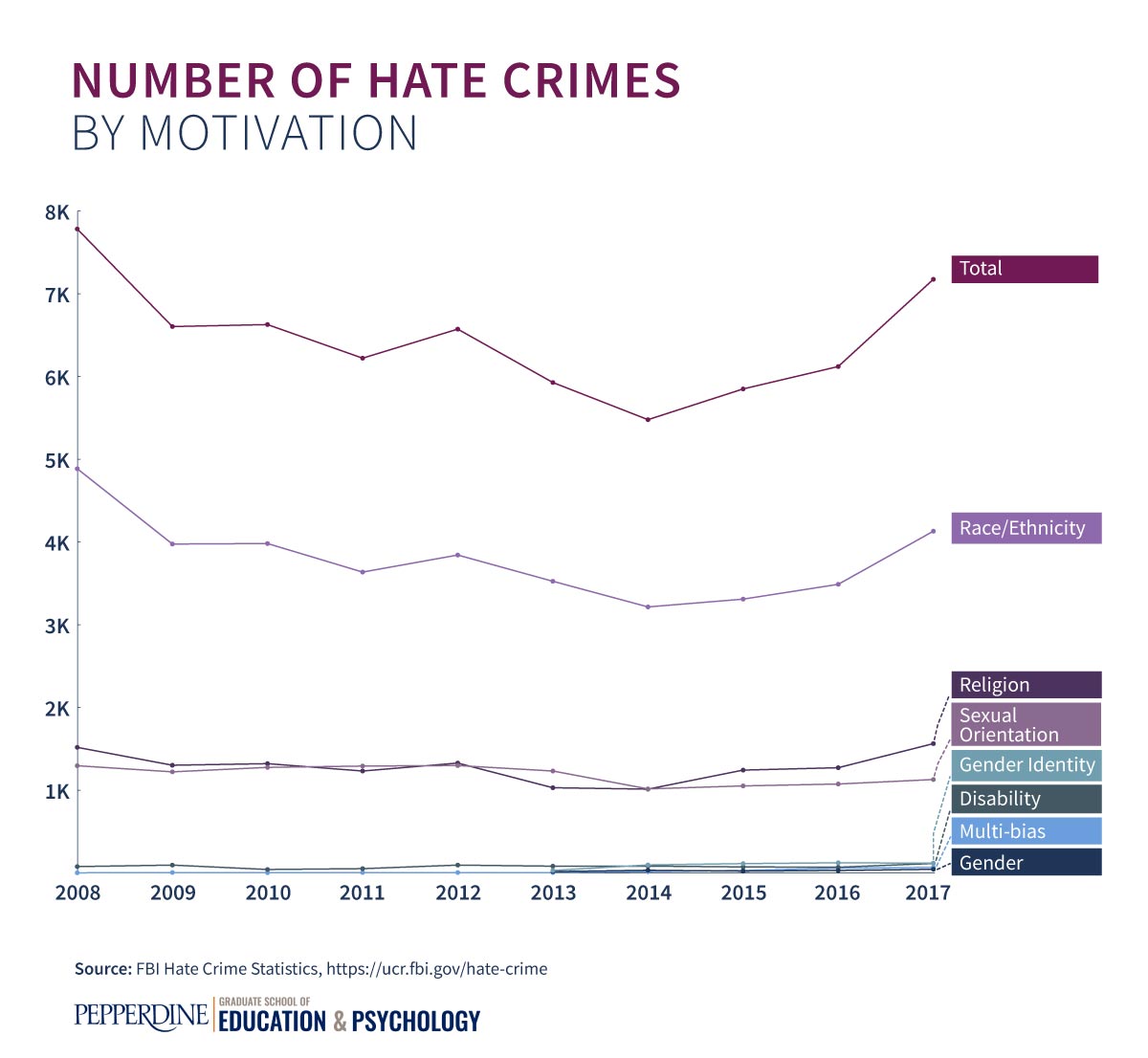
Elissa Buxbaum, director of campus affairs for the Anti-Defamation League, said they’ve noticed the trend, too. However, she points out that increases can be attributed to a few different things.
“It doesn’t necessarily mean that more incidents were happening,” she said. “But it does mean that more people were reporting it and that more people were feeling comfortable to report.”
What Are the Health Effects of Prejudice?
Social determinants of health (SDOH) External link are the environmental factors that contribute to the well-being of communities and individuals. Some examples of such influences include access to educational opportunities, exposure to crime, and transportation options.
African American men living in poverty are almost three times as likely to die early than those living above the poverty line, according to a JAMA study on race and poverty as a risk. External link There is no difference for white men in and out of poverty.
On the individual level, prejudice can have direct health consequences. Just the anticipation of prejudice or discrimination can lead to cardiovascular and psychological stress responses, according to a 2011 AJPA study on discrimination and stress. External link Over time this can contribute to depression, anxiety and feelings of isolation or loneliness.
It can also lead to self-stigmatization.
“People of marginalized or discriminated groups can develop negative beliefs towards themselves,” Thapar-Olmos said. “That gets in the way of all kinds of things—relationships, functioning, recovery.”
How Can You Build Resilience Against Prejudice?
It is never your responsibility to educate someone who is hateful or discriminatory toward you.
Combating prejudice is the oxygen mask on an airplane, Thapar-Olmos explained. If you’re traveling with someone who requires assistance, place your own mask on first before helping the person next to you.
“If we’re not healthy and we’re not monitoring our own emotional reserves, then we’re not doing anyone else any favors,” she said. Thapar-Olmos recommends the framework below to start building internal resilience against prejudice and discrimination.
Face reality head-on. Denial can be powerful. Name and acknowledge your experiences, whether it is to a family member, friend, or counselor.
Make meaning out of experiences. How can we learn from these experiences? How can they inform us? “I think a lot of people find meaning in growing from pain by enriching others,” Thapar-Olmos said.
Control what you can. You may not be able to change other people, but what do you have control over? How can you structure your interactions? What are some healthy outlets you can use? Exercise agency whenever possible.
How Can You Help Others Who Experience Prejudice?
While it’s important to put your own mask on first, there are instances where you will be called to step in when others are the victims of prejudice.
Listen and Validate
If a friend comes to you with a story about their experience with prejudice or discrimination, it’s natural to want to help or fix the situation. But there are some things you should do before trying to spring into action.
Listen to their story. Stop everything else and take time to let them talk. Interrupting or jumping to conclusions, even with the best of intentions, isn’t helpful. Practice active listening and ask questions, paraphrase back, and watch for non-verbal cues.
Validate their experience. In situations of prejudice, there can be a lot of unknowns: What was the intent? Do they realize what they said? Uncertainty can make it easy for people to feel like it’s all in their head or they’re making it up. Validation is not blind agreement; it helps you understand someone’s response through their lens. It is saying, “I understand why you feel this way, based on who you are, what your history is, and what your experiences have been.”
Intervene in the Moment
If you witness an act of prejudice happening, there are ways you can act in the moment. The 4 Ds of bystander intervention External link are often used to address instances of sexual harassment or assault but can be applied for all kinds of scenarios.
Direct: Step in and address what’s happening directly. The direct method can be simple and effective, but it can also be uncomfortable or seem confrontational. Sometimes, this works better if you have a relationship with one or all of the people involved. Only intervene directly if you feel safe. Try saying:
Hey, what you’re saying isn’t okay. Please stop.
Leave them alone.
This isn’t appropriate. You should walk away.
Distract: Sidetrack either person with a new conversation, question, or activity. This is a more casual method than Direct, but can still be effective. Try saying:
Excuse me, will you show me where the bathroom is?
Did you see the game today? I can’t believe we lost.
We’re going to grab lunch. Come join us!
Delegate: Find someone who can help. Whether it’s a friend of yours, or a friend of theirs, having some backup can make you feel more comfortable to address the situation. Try saying:
That woman looks uncomfortable. Can you distract the guy she’s talking to so I can check with her?
Do you know him? I think he needs some help.
I think something is going on, but I don’t know what to do. Will you help me?
Delay: Check in with the person later. Sometimes, you may not feel comfortable or safe intervening in the moment. When that happens, reach out when you can and see how you can help. Try saying:
Are you okay? I saw what happened back there.
Can I help you out of this situation?
Do you know her? I heard what she said to you and wanted to check in.
Be an Ally, Advocate, and Activist
Thapar-Olmos recommends finding agency and voice where you feel comfortable. Identify ways you can support, speak, and act on behalf of causes and people you care about. Allyship, advocacy, and activism are not mutually exclusive for any person or act
Allyship is support for a particular group, especially a marginalized group that you are not a member of.
Advocacy is public support for a cause or movement
Activism is action for social or political change in the form of campaigning, protesting, and the like.
Everyone can still be surprised by their own biases, and that can make people feel vulnerable or defensive. But people need to push through that reaction.
“There’s no end point. It’s not like you ever fully eliminate bias,” Thapar-Olmos said. “But I think we have to be willing to engage in the discomfort if we’re going to talk about it and try to help other people.”
Dealing with prejudice—whether it’s microaggressions, bias, or discrimination—is physically and psychologically demanding. But avoiding it is not always an option.
“Not everyone has the luxury of leaving a prejudicial workplace or neighborhood,” said Natasha Thapar-Olmos, PhD, Program Director at OnlinePsychology@Pepperdine, the online Master of Arts in Psychology at Pepperdine University’s Graduate School of Education and Psychology. External link “But there might be things we can do and some tools to cope.”
What are those tools? Use this guide to understand where prejudice comes from, what it looks like, and how you can help others experiencing it.
What Is Prejudice?
Word choice matters. We often use words like prejudice, bias, and bigotry interchangeably, and there are aspects to each of these concepts that overlap. But when addressing prejudice, it’s important to understand some of the subtle distinctions.
To understand prejudice, we also need to understand stereotypes. A stereotype is an oversimplified and widely held standardized idea used to describe a person or group. A form of social categorization, stereotypes are a shortcut for the brain when grouping information. Categories of stereotypes include:
Positive Stereotypes: Beliefs perceived as favorable qualities for a group.
Helpful Stereotypes: Beliefs that assist people in rapidly responding to situations that are similar to past experiences.
Negative Stereotypes: Beliefs perceived as unfavorable qualities for a group.
Harmful Stereotypes: Beliefs that spur people to respond unfairly or incorrectly to situations because of their perceived similarity to past experiences.
Stereotypes can help lay the foundation for prejudice—a preconceived, unfair judgement toward a person, group, or identity. Prejudice is formed without sufficient evidence or reason and can be based on qualities such as these:
Race
Ethnicity
Nationality
Gender
Sexuality
Religion
Disability
Class
Age
Prejudice can dictate how people treat each other, resulting in any of the following:
Bias: an inclination, tendency, or particular perspective toward something; can be favorable or unfavorable. When bias occurs outside of the perceiver’s awareness, it is classified as implicit bias.
Microaggressions: an indirect, subtle, or unintentional comment or action that is prejudicial toward a marginalized group.
Bigotry: the intolerance of different opinions, beliefs, or ways of life.
Hate: disgust or contempt for another group that facilitates a desire for separation, strong emotions of fear or anger, and dehumanizing beliefs. Hate can take the form of:
Hate Speech: form of expression intended to attack or incite hatred of a class of persons.
Hate Crime: criminal offense motivated by a bias.
Hate Group: organization that attacks or condemns a class of people.
Discrimination: unfair and negative treatment different categories of people or things, especially on the grounds of race, age, or sex.
Oppression: a cruel and unjust abuse of power that prevents people from having opportunities and freedom.
Although acts of hate can be a result of prejudice, prejudice does not require hate. Engaging in sexist behavior, for example, does not require an individual to be a misogynist. Prejudiced behavior can’t simply be viewed through the lens of interpersonal interactions; it must also be understood at an institutional and societal level. For example, anyone can be prejudiced against a person of another race. But understanding racism necessitates acknowledging who has historically been marginalized, who is privileged, and what power dynamics exist.
Elissa Buxbaum, director of campus affairs for the Anti-Defamation League, said they’ve noticed the trend, too. However, she points out that increases can be attributed to a few different things.
“It doesn’t necessarily mean that more incidents were happening,” she said. “But it does mean that more people were reporting it and that more people were feeling comfortable to report.”
What Are the Health Effects of Prejudice?
Social determinants of health (SDOH) External link are the environmental factors that contribute to the well-being of communities and individuals. Some examples of such influences include access to educational opportunities, exposure to crime, and transportation options.
African American men living in poverty are almost three times as likely to die early than those living above the poverty line, according to a JAMA study on race and poverty as a risk. External link There is no difference for white men in and out of poverty.
On the individual level, prejudice can have direct health consequences. Just the anticipation of prejudice or discrimination can lead to cardiovascular and psychological stress responses, according to a 2011 AJPA study on discrimination and stress. External link Over time this can contribute to depression, anxiety and feelings of isolation or loneliness.
It can also lead to self-stigmatization.
“People of marginalized or discriminated groups can develop negative beliefs towards themselves,” Thapar-Olmos said. “That gets in the way of all kinds of things—relationships, functioning, recovery.”
How Can You Build Resilience Against Prejudice?
It is never your responsibility to educate someone who is hateful or discriminatory toward you.
Combating prejudice is the oxygen mask on an airplane, Thapar-Olmos explained. If you’re traveling with someone who requires assistance, place your own mask on first before helping the person next to you.
“If we’re not healthy and we’re not monitoring our own emotional reserves, then we’re not doing anyone else any favors,” she said. Thapar-Olmos recommends the framework below to start building internal resilience against prejudice and discrimination.
Face reality head-on. Denial can be powerful. Name and acknowledge your experiences, whether it is to a family member, friend, or counselor.
Make meaning out of experiences. How can we learn from these experiences? How can they inform us? “I think a lot of people find meaning in growing from pain by enriching others,” Thapar-Olmos said.
Control what you can. You may not be able to change other people, but what do you have control over? How can you structure your interactions? What are some healthy outlets you can use? Exercise agency whenever possible.
How Can You Help Others Who Experience Prejudice?
While it’s important to put your own mask on first, there are instances where you will be called to step in when others are the victims of prejudice.
Listen and Validate
If a friend comes to you with a story about their experience with prejudice or discrimination, it’s natural to want to help or fix the situation. But there are some things you should do before trying to spring into action.
Listen to their story. Stop everything else and take time to let them talk. Interrupting or jumping to conclusions, even with the best of intentions, isn’t helpful. Practice active listening and ask questions, paraphrase back, and watch for non-verbal cues.
Validate their experience. In situations of prejudice, there can be a lot of unknowns: What was the intent? Do they realize what they said? Uncertainty can make it easy for people to feel like it’s all in their head or they’re making it up. Validation is not blind agreement; it helps you understand someone’s response through their lens. It is saying, “I understand why you feel this way, based on who you are, what your history is, and what your experiences have been.”
Intervene in the Moment
If you witness an act of prejudice happening, there are ways you can act in the moment. The 4 Ds of bystander intervention External link are often used to address instances of sexual harassment or assault but can be applied for all kinds of scenarios.
Direct: Step in and address what’s happening directly. The direct method can be simple and effective, but it can also be uncomfortable or seem confrontational. Sometimes, this works better if you have a relationship with one or all of the people involved. Only intervene directly if you feel safe. Try saying:
Hey, what you’re saying isn’t okay. Please stop.
Leave them alone.
This isn’t appropriate. You should walk away.
Distract: Sidetrack either person with a new conversation, question, or activity. This is a more casual method than Direct, but can still be effective. Try saying:
Excuse me, will you show me where the bathroom is?
Did you see the game today? I can’t believe we lost.
We’re going to grab lunch. Come join us!
Delegate: Find someone who can help. Whether it’s a friend of yours, or a friend of theirs, having some backup can make you feel more comfortable to address the situation. Try saying:
That woman looks uncomfortable. Can you distract the guy she’s talking to so I can check with her?
Do you know him? I think he needs some help.
I think something is going on, but I don’t know what to do. Will you help me?
Delay: Check in with the person later. Sometimes, you may not feel comfortable or safe intervening in the moment. When that happens, reach out when you can and see how you can help. Try saying:
Are you okay? I saw what happened back there.
Can I help you out of this situation?
Do you know her? I heard what she said to you and wanted to check in.
Be an Ally, Advocate, and Activist
Thapar-Olmos recommends finding agency and voice where you feel comfortable. Identify ways you can support, speak, and act on behalf of causes and people you care about. Allyship, advocacy, and activism are not mutually exclusive for any person or act
Allyship is support for a particular group, especially a marginalized group that you are not a member of.
Advocacy is public support for a cause or movement
Activism is action for social or political change in the form of campaigning, protesting, and the like.
Everyone can still be surprised by their own biases, and that can make people feel vulnerable or defensive. But people need to push through that reaction.
“There’s no end point. It’s not like you ever fully eliminate bias,” Thapar-Olmos said. “But I think we have to be willing to engage in the discomfort if we’re going to talk about it and try to help other people.”
New data commissioned by GFI and PBFA shows U.S. sales of plant-based meat, dairy, and eggs have outpaced conventional animal products’ sales for the third consecutive year.
New data released by the Plant-Based Foods Association (PBFA) and The Good Food Institute (GFI) shows that U.S. retail sales of plant-based foods continued to increase by double digits in 2020, growing 27%, bringing the total plant-based market value to $7 billion. This growth in dollar sales (“sales”) was consistent across the nation, with more than 25% growth in every U.S. census region. The plant-based food market grew almost twice as fast as the total U.S. retail food market, which increased 15% in 2020 as Covid-19 shuttered restaurants and consumers stocked up on food amid lockdowns. Fifty-seven percent of households now purchase plant-based foods, up from 53% in 2019. GFI and PBFA commissioned the data from SPINS and custom refined the data to reflect only plant-based products that directly replace animal-based products.
The value of plant-based meat — the second-largest plant-based category — hit $1.4 billion in 2020, with sales growing 45%, up from $962 million in 2019. The plant-based meat category grew twice as fast as conventional meat and now accounts for 2.7% of retail packaged meat sales. Eighteen percent of U.S. households now purchase plant-based meat, up from 14% in 2019. Consumers are coming back for more — 63% of shoppers are high-repeat customers. Refrigerated plant-based meat sales grew 75% in 2020, with products increasingly shelved adjacent to conventional meat. This placement in the meat section helped propel growth in the segment, with refrigerated plant-based meat sales increasing more than twice as fast as frozen plant-based meat sales, which grew 30% in 2020 — 10 times faster than in 2019.
“The data tells us unequivocally that we are experiencing a fundamental shift as an ever-growing number of consumers are choosing foods that taste good and boost their health by incorporating plant-based foods into their diet,” says PBFA Senior Director of Retail Partnerships Julie Emmett.
Plant-based milk — the largest plant-based category — has reached $2.5 billion and accounts for 35% of the total plant-based food market. Even as the most developed category, plant-based milk grew 20% in dollar sales, up from 5% in 2019. Plant-based milk grew twice as fast as cow’s milk and is now purchased by 39% of U.S. households. Almond milk remains the category leader and accounts for about 2/3 of plant-based milk dollar sales. Oat milk catapulted to the second-leading segment, ahead of soy milk, with sales more than tripling in 2020 and growing 25-fold since 2018. Plant-based product share of all conventional categories is increasing, with plant-based milk now making up 15% of the milk category, plant-based butter making up 7% of the butter category, and plant-based creamer making up 6% of the creamer category. While plant-based milk boasts a significant share of milk sales in all stores at 15%, it constitutes an even greater share of milk sales in natural food stores at 45%.
Plant-based milk’s success has laid the groundwork for major increases in sales of other plant-based dairy products, which are collectively approaching $2 billion. Across the store, plant-based food dollar sales are growing faster than those of many conventional animal products. In 2020, plant-based yogurt grew 20%, almost seven times the rate of conventional yogurt; plant-based cheese grew 42%, almost twice the rate of conventional cheese; and plant-based eggs grew 168%, almost 10 times the rate of conventional eggs. The plant-based egg category grew more than 700% from 2018, 100 times the rate of conventional eggs.
“The plant-based category has evolved to the point that retailers can’t limit who they consider the plant-based shopper,” says SPINS Head of Retail Dawn Valandingham. “They should now assume everyone is a potential plant-based buyer and educate them enough to see the possibilities. Between the innovation in plant-based products and the gradual return to less restrictive shopping measures, 2021 offers many opportunities for retailers to appeal to more customers and expand their plant-based offerings.”
Covid-19 gave retail sales of plant-based foods an extra boost when interest in the sector was already surging, driven by a focus among consumers on personal health, sustainability, food safety, and animal welfare. These factors will continue to propel consumption of plant-based foods far into the future. According to Mintel, 35% of U.S. consumers agree with the statement “the Covid-19/coronavirus pandemic proves that humans need to eat fewer animals.” The market has responded by meeting consumer interests with plant-based claims on-pack rising 116% among U.S. food and drink introductions between 2018 and 2020.
New data commissioned by GFI and PBFA shows U.S. sales of plant-based meat, dairy, and eggs have outpaced conventional animal products’ sales for the third consecutive year.
New data released by the Plant-Based Foods Association (PBFA) and The Good Food Institute (GFI) shows that U.S. retail sales of plant-based foods continued to increase by double digits in 2020, growing 27%, bringing the total plant-based market value to $7 billion. This growth in dollar sales (“sales”) was consistent across the nation, with more than 25% growth in every U.S. census region. The plant-based food market grew almost twice as fast as the total U.S. retail food market, which increased 15% in 2020 as Covid-19 shuttered restaurants and consumers stocked up on food amid lockdowns. Fifty-seven percent of households now purchase plant-based foods, up from 53% in 2019. GFI and PBFA commissioned the data from SPINS and custom refined the data to reflect only plant-based products that directly replace animal-based products.
The value of plant-based meat — the second-largest plant-based category — hit $1.4 billion in 2020, with sales growing 45%, up from $962 million in 2019. The plant-based meat category grew twice as fast as conventional meat and now accounts for 2.7% of retail packaged meat sales. Eighteen percent of U.S. households now purchase plant-based meat, up from 14% in 2019. Consumers are coming back for more — 63% of shoppers are high-repeat customers. Refrigerated plant-based meat sales grew 75% in 2020, with products increasingly shelved adjacent to conventional meat. This placement in the meat section helped propel growth in the segment, with refrigerated plant-based meat sales increasing more than twice as fast as frozen plant-based meat sales, which grew 30% in 2020 — 10 times faster than in 2019.
“The data tells us unequivocally that we are experiencing a fundamental shift as an ever-growing number of consumers are choosing foods that taste good and boost their health by incorporating plant-based foods into their diet,” says PBFA Senior Director of Retail Partnerships Julie Emmett.
Plant-based milk — the largest plant-based category — has reached $2.5 billion and accounts for 35% of the total plant-based food market. Even as the most developed category, plant-based milk grew 20% in dollar sales, up from 5% in 2019. Plant-based milk grew twice as fast as cow’s milk and is now purchased by 39% of U.S. households. Almond milk remains the category leader and accounts for about 2/3 of plant-based milk dollar sales. Oat milk catapulted to the second-leading segment, ahead of soy milk, with sales more than tripling in 2020 and growing 25-fold since 2018. Plant-based product share of all conventional categories is increasing, with plant-based milk now making up 15% of the milk category, plant-based butter making up 7% of the butter category, and plant-based creamer making up 6% of the creamer category. While plant-based milk boasts a significant share of milk sales in all stores at 15%, it constitutes an even greater share of milk sales in natural food stores at 45%.
Plant-based milk’s success has laid the groundwork for major increases in sales of other plant-based dairy products, which are collectively approaching $2 billion. Across the store, plant-based food dollar sales are growing faster than those of many conventional animal products. In 2020, plant-based yogurt grew 20%, almost seven times the rate of conventional yogurt; plant-based cheese grew 42%, almost twice the rate of conventional cheese; and plant-based eggs grew 168%, almost 10 times the rate of conventional eggs. The plant-based egg category grew more than 700% from 2018, 100 times the rate of conventional eggs.
“The plant-based category has evolved to the point that retailers can’t limit who they consider the plant-based shopper,” says SPINS Head of Retail Dawn Valandingham. “They should now assume everyone is a potential plant-based buyer and educate them enough to see the possibilities. Between the innovation in plant-based products and the gradual return to less restrictive shopping measures, 2021 offers many opportunities for retailers to appeal to more customers and expand their plant-based offerings.”
Covid-19 gave retail sales of plant-based foods an extra boost when interest in the sector was already surging, driven by a focus among consumers on personal health, sustainability, food safety, and animal welfare. These factors will continue to propel consumption of plant-based foods far into the future. According to Mintel, 35% of U.S. consumers agree with the statement “the Covid-19/coronavirus pandemic proves that humans need to eat fewer animals.” The market has responded by meeting consumer interests with plant-based claims on-pack rising 116% among U.S. food and drink introductions between 2018 and 2020.
PODCAST PEOPLE:A Summary from the Real Leaders Podcast
“The pandemic has really given us a sense of urgency because now all of our lines are blurred. You’re not either at work or at home. You’re not either a mother or a boss or a daughter. Many of us are everything at the same time, even because of such a practical thing as working from home.”
Sahra-Josephine Hjorth is CEO and Co-Founder of CanopyLAB, an educational technology company that has built an AI-powered social learning platform for corporate training. Through personalization this platform enables all learners to realize their potential in a way that is fast, fun and future-proof.
The following is a summary of Episode 183 of the Real Leaders Podcast, a conversation with CanopyLAB CEO and co-founder Sahra-Josephine Hjorth. Listen to the full conversation below.
AI and Education
Sahra explains that educational systems are hesitant to incorporate AI into the learning process. But the pandemic has made it apparent that AI could greatly benefit students and educators. When the entire world went online, this became an open invitation to change how we’re working, and to start learning in a smarter way.
“Education has to learn that we are influenced by trends that transcend industry.”
While many are afraid to embrace AI in education for fear of it replacing teachers and limiting possibilities for feedback, Sahra emphasizes that its purpose is to supplement — and in many ways enhance — education. If aspects like quizzes (and even lectures) could be done online at home, the classroom could be reserved for a more interactive learning experience. This would afford more time for discussion and debate.
Listen to Episode 183 on Spotify, Anchor, Crowdcast, and Apple Podcasts
The Future is Personalization
Sahra describes how the future of learning will be the personalization of learning. We have all come to expect curation in our tastes for music and entertainment, so why not enable algorithms for education, too?
“People are increasingly hacking their own education. Whether it’s just taking one class at a university in Denmark, one class at Yale, subscribing to a Youtube channel, people are curating —it’s more learner-centered.”
Sahra explains that with CanopyLAB, from the moment people log onto the platform, their goal is to get to know their students, why they’re there, and how they prefer to learn. The most difficult aspect of curation is thus not knowing what people know and don’t know, but rather knowing how they prefer to learn and what their competencies are. Curating the approach to each individual learner offers a more comprehensive learning experience, one Sahra predicts institutions will have to adopt in order to catch up.
“The big universities are resisting it, because this means the dismantling of their existing business model. But they won’t be able to do it much longer, especially because companies have said they no longer require you to have a bachelor’s degree to work there. For a long time we bought into the model because it was necessary for our career advancement. Soon it won’t be.”