Investing for Impact – An In-Depth Interview with Alternative Wealth Partners CEO Kelly Ann Winget

Impact investor Kelly Ann Winget is a believer in investing for impact, yet she’s going about it in a different way.
 

By Real Leaders

As founder and CEO of Alternative Wealth Partners, Winget has built a successful career pursuing her unique, contrarian approach to driving positive change.

While others focus on checklists, Winget emphasized leveraging one’s lived experiences to make a difference on any scale. There are global leaders, but impact also happens locally within communities.

When asked about her philosophy, Winget dove into opportunities she sees differently. Where some concentrate on funding diverse founders, she stressed the need to develop the investor pipeline itself. Currently, most investment committees lack diversity, hindering their ability to properly evaluate all opportunities.

She continued by saying that by educating more women and minority investors, these groups gain knowledge and confidence to become impact investors supporting their own communities. Winget’s book “Pitch the Bitch” aims to bring more women into investing through financial literacy.

In her portfolio, Winge looks outside norms to drive change. She actively invests in traditionally male-dominated industries like manufacturing, energy infrastructure, and oil/gas extraction. One example was acquiring an ammunition component manufacturer, now the only woman-owned business in that field.

Winget believes diverse leadership provides a fresh perspective that can spot new problems and innovative solutions others may miss.

For too long, industries like oil/gas have narrowly focused on extraction costs rather than broader stakeholder impacts. Her approach weighs safety, environmental stewardship, and community impacts equally with returns.

Statistics show women reinvest profits more into local communities compared to men. For Winget, impact means redistributing wealth tangibly for the world, not just short-term profits. By empowering underrepresented groups as both investors and entrepreneurs, real, sustainable change can happen from within industries over time.

Winget’s experience-based philosophy challenges conventional wisdom.

Rather than checklists, she focuses on developing a more diverse ecosystem where underserved markets may finally gain needed attention and funding to drive progress.

In a deeper dive into her investment process, Winget looks for founders who truly believe in their vision for the long-haul, remaining calm under pressure with a sense of responsibility to investors. As an entrepreneur herself, Winget understands the dedication required and only partners with others equally committed.

When discussing ESG metrics, Winget noted challenges in industries like oil/gas but aims to operate sustainably within regulations. 

For stakeholders, she emphasized building relationships with suppliers to overcome obstacles together through open communication and mutual understanding of challenges.

By empowering underrepresented groups from the inside-out, Winget believes her contrarian approach can make the greatest impact where it’s needed most. Through financial education and diverse leadership, industries may finally address problems previously overlooked, benefiting communities and the planet.

Winget’s experience-driven philosophy challenges norms to drive progress through an expanded definition of impact investing. By developing inclusive ecosystems, underserved markets may gain long- overdue support for positive change.

Investing for Impact – An In-Depth Interview with Alternative Wealth Partners CEO Kelly Ann Winget

Impact investor Kelly Ann Winget is a believer in investing for impact, yet she’s going about it in a different way.
 

By Real Leaders

As founder and CEO of Alternative Wealth Partners, Winget has built a successful career pursuing her unique, contrarian approach to driving positive change.

While others focus on checklists, Winget emphasized leveraging one’s lived experiences to make a difference on any scale. There are global leaders, but impact also happens locally within communities.

When asked about her philosophy, Winget dove into opportunities she sees differently. Where some concentrate on funding diverse founders, she stressed the need to develop the investor pipeline itself. Currently, most investment committees lack diversity, hindering their ability to properly evaluate all opportunities.

She continued by saying that by educating more women and minority investors, these groups gain knowledge and confidence to become impact investors supporting their own communities. Winget’s book “Pitch the Bitch” aims to bring more women into investing through financial literacy.

In her portfolio, Winge looks outside norms to drive change. She actively invests in traditionally male-dominated industries like manufacturing, energy infrastructure, and oil/gas extraction. One example was acquiring an ammunition component manufacturer, now the only woman-owned business in that field.

Winget believes diverse leadership provides a fresh perspective that can spot new problems and innovative solutions others may miss.

For too long, industries like oil/gas have narrowly focused on extraction costs rather than broader stakeholder impacts. Her approach weighs safety, environmental stewardship, and community impacts equally with returns.

Statistics show women reinvest profits more into local communities compared to men. For Winget, impact means redistributing wealth tangibly for the world, not just short-term profits. By empowering underrepresented groups as both investors and entrepreneurs, real, sustainable change can happen from within industries over time.

Winget’s experience-based philosophy challenges conventional wisdom.

Rather than checklists, she focuses on developing a more diverse ecosystem where underserved markets may finally gain needed attention and funding to drive progress.

In a deeper dive into her investment process, Winget looks for founders who truly believe in their vision for the long-haul, remaining calm under pressure with a sense of responsibility to investors. As an entrepreneur herself, Winget understands the dedication required and only partners with others equally committed.

When discussing ESG metrics, Winget noted challenges in industries like oil/gas but aims to operate sustainably within regulations. 

For stakeholders, she emphasized building relationships with suppliers to overcome obstacles together through open communication and mutual understanding of challenges.

By empowering underrepresented groups from the inside-out, Winget believes her contrarian approach can make the greatest impact where it’s needed most. Through financial education and diverse leadership, industries may finally address problems previously overlooked, benefiting communities and the planet.

Winget’s experience-driven philosophy challenges norms to drive progress through an expanded definition of impact investing. By developing inclusive ecosystems, underserved markets may gain long- overdue support for positive change.

Why The Commercial Real Estate Sector May Be One of The Best Sustainable Investments You Can Make

Clean Fund is creating one of the largest opportunities to drive clean energy progress in the commercial real estate sector.

By Real Leaders

The commercial real estate sector stands as a colossal opportunity for driving clean energy progress, offering avenues for innovation and investment that can reshape the landscape of sustainability.

At the forefront of this movement is John Kinney, the founder and managing partner of Clean Fund, who has spearheaded a groundbreaking solution known as Property Assessed Clean Energy (PACE) financing. This innovative approach is designed to catalyze clean energy investments in commercial real estate on a large scale.

The essence of PACE lies in its ability to empower property owners to finance energy-efficient upgrades through an unconventional means: increased property taxes rather than traditional debt. This unique financing model not only provides property owners with access to capital at lower rates but also serves to enhance the value of their assets. Moreover, for lenders, PACE opens up a new frontier in the form of a “clean energy line of credit,” enabling financial institutions to integrate sustainable practices into their real estate lending portfolios. By embracing PACE, these institutions can expand the pool of available capital for energy-efficient upgrades while simultaneously bolstering their environmental performance and bottom line.

Kinney’s vision is straightforward yet profound: by collectively overcoming the financial barriers that impede the adoption of cleaner building practices, we can pave the way for a more sustainable future.

As interest rates climb, the appeal of PACE financing grows even stronger compared to conventional options, positioning it as an increasingly attractive choice for property owners seeking to undertake environmentally responsible upgrades. Drawing parallels to how homeowners finance solar panels or other energy-efficient improvements, Kinney elucidates how commercial property owners can seamlessly incorporate PACE financing into their financial obligations, with repayments structured as a new line item on their annual property tax bill.

While PACE legislation has been successfully enacted in 35 states, its adoption rates vary across local jurisdictions. Nevertheless, Kinney points out that the recent uptick in interest rates has spurred greater utilization of PACE financing, as its long-term nature becomes comparatively more cost-effective. Additionally, insurance companies are playing a pivotal role by investing in PACE bonds on the secondary market, thereby mitigating their long-term liabilities and further bolstering the viability of clean energy initiatives.

In essence, Kinney’s approach transcends mere financial transactions; it represents a concerted effort to dismantle the barriers obstructing the widespread adoption of clean energy solutions.

By making PACE financing accessible and lucrative for all stakeholders involved, he aims to inspire the kind of innovation necessary to confront climate change with the urgency and magnitude it demands. Indeed, achieving meaningful environmental progress hinges on aligning ecological imperatives with economic interests, and it is pioneering leaders like Kinney who continue to drive the transformation of traditional industries toward a more sustainable future.

Elephants Delicatessen: Serving Up Sustainability

This specialty food store is pioneering a better way forward.

By Real Leaders

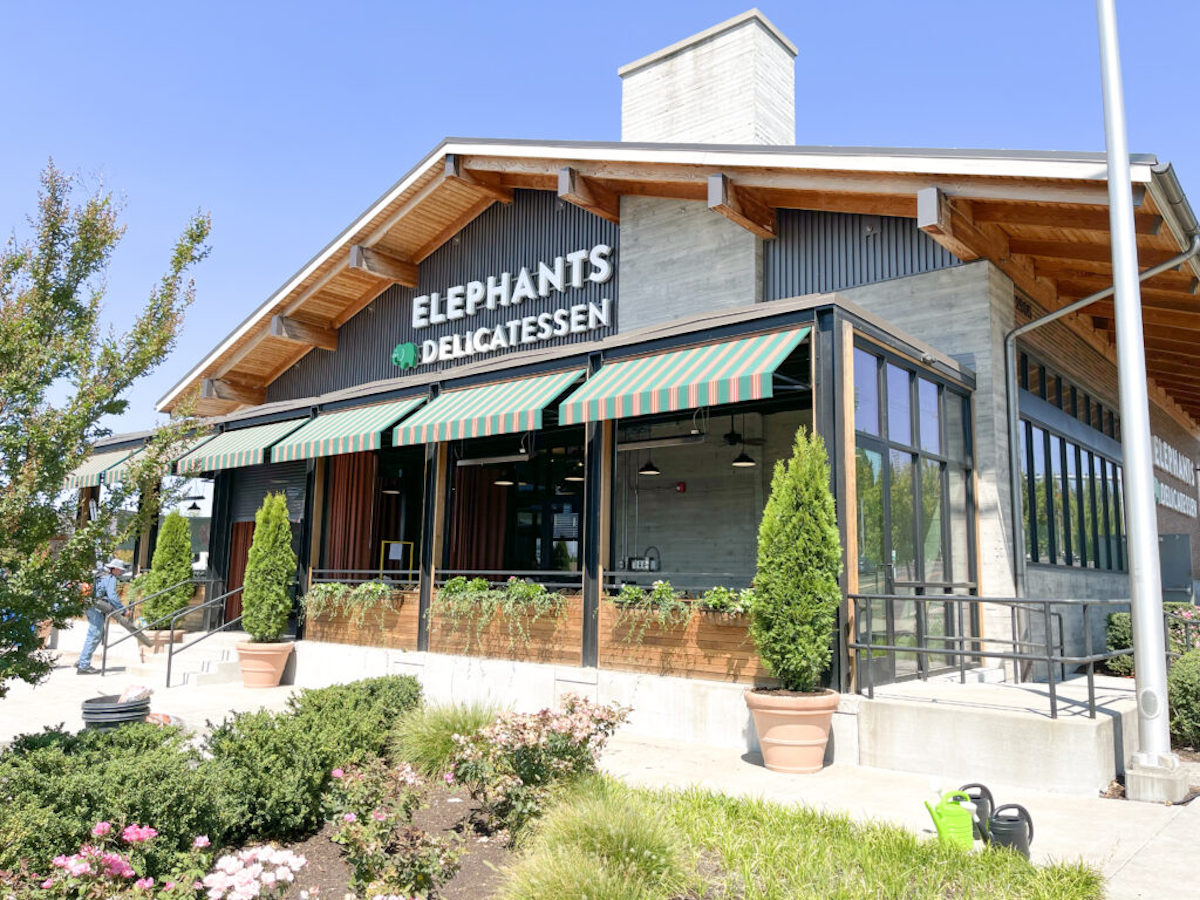
Among the first specialty food stores in the U.S., Elephants Delicatessen was founded in 1979 in Portland, Oregon. Within 45 years, the company expanded into eight retail locations, a catering and events company, and a wholesale division. 

Elephants Delicatessen, a 2024 Real Leaders Top Impact Company, also prides itself on pioneering sustainable practices.

In 2011, it became Oregon’s first business to invest in an electric vehicle; and in 2015, the company earned B Corp certification. In 2020, it enrolled in Energy Trust of Oregon’s Strategic Energy Management program and since then has received over $18,000 in incentives for reducing its energy use and thousands of dollars more to pay for equipment and lighting upgrades. The company cut its electricity and natural gas use by 25% and committed to reach net-zero emissions by 2030. 

“Restaurants have the unique ability to help the communities we are part of,” co-owner and CEO Anne Weaver says. “We have the opportunity to showcase our values through our business. Restaurants can lead in a significant way.”

Elephants Delicatessen opts to share an annual sustainability report on its website, which looks at the company’s use of water, electricity, natural gas, and fleet vehicles, as well as refrigerant loss, greenhouse gas emissions, and waste management. Its latest summary reads, in part, “Elephants saw significant increases in production, staffing, and revenue. … And yet, with a few exceptions, increases in resources and emissions lagged the increases in productivity and revenue.” 

Weaver says, “We never settle for ‘good enough’ – in our food, our business, or our sustainability practices. We’ve learned the wins are worth it — to sustain both our business and our environment.” 

Pictured Above is one of their Catering Entree’s, Chicken Peperonata and Northwest Salmon

Net Zero by 2030

In its latest sustainability report, Elephants Delicatessen identified the following initiatives to mitigate its environmental impact and help reach its goal of net-zero emissions by 2030.

  • Continue participating in Energy Trust of Oregon’s Strategic Energy Management program and reconsider existing goals.
  • Establish a comprehensive water management plan with revised focus, goals, and practices.
  • Establish a comprehensive refrigerant management plan to initiate a transition to less emissions-intensive operations.
  • Establish a fleet management plan to guide reduction and mitigation efforts through 2028.
  • Conduct waste audits for all locations to better understand the scope and challenges of its waste disposal practices.
  • Expand its food donation and diversion efforts to better mitigate the negative social and environmental impacts of food waste.
  • Translate existing and future policies and plans into Spanish to expand accessibility for employees and stakeholders.
  • Implement more consistent tracking of its actions and practices to better understand and measure their impacts.
  • Perform a material environmental impact assessment for the entirety of its operations.

Elephants Delicatessen: Serving Up Sustainability

This specialty food store is pioneering a better way forward.

By Real Leaders

Among the first specialty food stores in the U.S., Elephants Delicatessen was founded in 1979 in Portland, Oregon. Within 45 years, the company expanded into eight retail locations, a catering and events company, and a wholesale division. 

Elephants Delicatessen, a 2024 Real Leaders Top Impact Company, also prides itself on pioneering sustainable practices.

In 2011, it became Oregon’s first business to invest in an electric vehicle; and in 2015, the company earned B Corp certification. In 2020, it enrolled in Energy Trust of Oregon’s Strategic Energy Management program and since then has received over $18,000 in incentives for reducing its energy use and thousands of dollars more to pay for equipment and lighting upgrades. The company cut its electricity and natural gas use by 25% and committed to reach net-zero emissions by 2030. 

“Restaurants have the unique ability to help the communities we are part of,” co-owner and CEO Anne Weaver says. “We have the opportunity to showcase our values through our business. Restaurants can lead in a significant way.”

Elephants Delicatessen opts to share an annual sustainability report on its website, which looks at the company’s use of water, electricity, natural gas, and fleet vehicles, as well as refrigerant loss, greenhouse gas emissions, and waste management. Its latest summary reads, in part, “Elephants saw significant increases in production, staffing, and revenue. … And yet, with a few exceptions, increases in resources and emissions lagged the increases in productivity and revenue.” 

Weaver says, “We never settle for ‘good enough’ – in our food, our business, or our sustainability practices. We’ve learned the wins are worth it — to sustain both our business and our environment.” 

Pictured Above is one of their Catering Entree’s, Chicken Peperonata and Northwest Salmon

Net Zero by 2030

In its latest sustainability report, Elephants Delicatessen identified the following initiatives to mitigate its environmental impact and help reach its goal of net-zero emissions by 2030.

  • Continue participating in Energy Trust of Oregon’s Strategic Energy Management program and reconsider existing goals.
  • Establish a comprehensive water management plan with revised focus, goals, and practices.
  • Establish a comprehensive refrigerant management plan to initiate a transition to less emissions-intensive operations.
  • Establish a fleet management plan to guide reduction and mitigation efforts through 2028.
  • Conduct waste audits for all locations to better understand the scope and challenges of its waste disposal practices.
  • Expand its food donation and diversion efforts to better mitigate the negative social and environmental impacts of food waste.
  • Translate existing and future policies and plans into Spanish to expand accessibility for employees and stakeholders.
  • Implement more consistent tracking of its actions and practices to better understand and measure their impacts.
  • Perform a material environmental impact assessment for the entirety of its operations.

Why The Commercial Real Estate Sector May Be One of The Best Sustainable Investments You Can Make

Clean Fund is creating one of the largest opportunities to drive clean energy progress in the commercial real estate sector.

By Real Leaders

The commercial real estate sector stands as a colossal opportunity for driving clean energy progress, offering avenues for innovation and investment that can reshape the landscape of sustainability.

At the forefront of this movement is John Kinney, the founder and managing partner of Clean Fund, who has spearheaded a groundbreaking solution known as Property Assessed Clean Energy (PACE) financing. This innovative approach is designed to catalyze clean energy investments in commercial real estate on a large scale.

The essence of PACE lies in its ability to empower property owners to finance energy-efficient upgrades through an unconventional means: increased property taxes rather than traditional debt. This unique financing model not only provides property owners with access to capital at lower rates but also serves to enhance the value of their assets. Moreover, for lenders, PACE opens up a new frontier in the form of a “clean energy line of credit,” enabling financial institutions to integrate sustainable practices into their real estate lending portfolios. By embracing PACE, these institutions can expand the pool of available capital for energy-efficient upgrades while simultaneously bolstering their environmental performance and bottom line.

Kinney’s vision is straightforward yet profound: by collectively overcoming the financial barriers that impede the adoption of cleaner building practices, we can pave the way for a more sustainable future.

As interest rates climb, the appeal of PACE financing grows even stronger compared to conventional options, positioning it as an increasingly attractive choice for property owners seeking to undertake environmentally responsible upgrades. Drawing parallels to how homeowners finance solar panels or other energy-efficient improvements, Kinney elucidates how commercial property owners can seamlessly incorporate PACE financing into their financial obligations, with repayments structured as a new line item on their annual property tax bill.

While PACE legislation has been successfully enacted in 35 states, its adoption rates vary across local jurisdictions. Nevertheless, Kinney points out that the recent uptick in interest rates has spurred greater utilization of PACE financing, as its long-term nature becomes comparatively more cost-effective. Additionally, insurance companies are playing a pivotal role by investing in PACE bonds on the secondary market, thereby mitigating their long-term liabilities and further bolstering the viability of clean energy initiatives.

In essence, Kinney’s approach transcends mere financial transactions; it represents a concerted effort to dismantle the barriers obstructing the widespread adoption of clean energy solutions.

By making PACE financing accessible and lucrative for all stakeholders involved, he aims to inspire the kind of innovation necessary to confront climate change with the urgency and magnitude it demands. Indeed, achieving meaningful environmental progress hinges on aligning ecological imperatives with economic interests, and it is pioneering leaders like Kinney who continue to drive the transformation of traditional industries toward a more sustainable future.

Leading from the Front, By Sustainable Technology Pioneer Chomp

The Company That Is Turning Food Waste Into A Valuable Resource

By Real Leaders

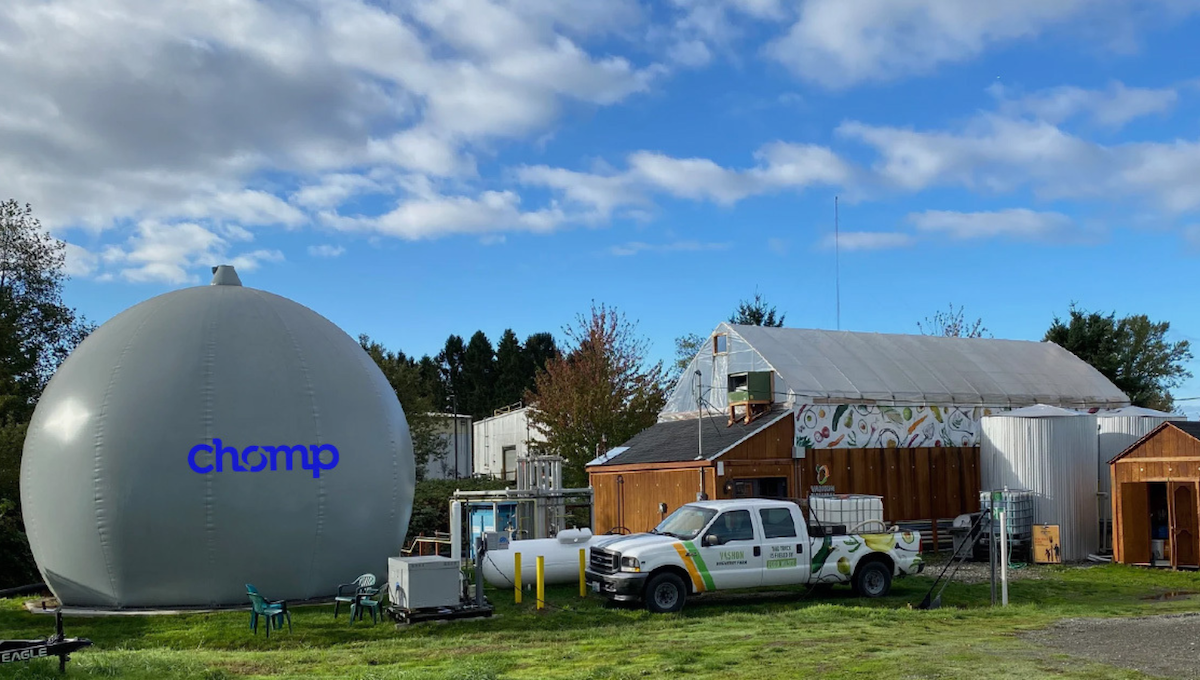
As the CEO of Chomp, an innovative Sustainable Technology company based in Seattle, Tim Tiscornia leads with a hands-on approach that exemplifies empowering others from the front lines. Through modular anaerobic digestion systems, Chomp turns food waste into renewable energy and fertilizer, reducing emissions and supporting circular economies.

In a recent interview, Tim provided insights into his unique leadership style. From rolling up sleeves for on-site tasks to prioritizing employee well-being, Tim aims to foster an authentic, learning-focused culture. He discussed the challenges of scaling unproven sustainable technology and emphasized financial discipline crucial for growth.

Tim’s dedication to serving others through experience-based guidance is propelling Chomp’s mission forward. Under his direction, the company is positioned to maximize positive environmental and social impact through proven solutions.

Kevin Edwards: Tim, thanks for taking the time to chat today. Can you start by telling us about your background and how you came to be the CEO of Chomp?

Tim Tiscornia: For sure, Kevin. I grew up in Seattle and have always been passionate about sustainability and the outdoors. As an avid surfer and foiler, finding ways to reduce our environmental impact is personal for me. I came to Chomp because I believed in the founder’s vision of turning food waste into a resource through anaerobic digestion. After proving the technology worked, I came on as CEO around 5 years ago to help scale our solutions further.


KE: What does a typical day look like for you as CEO? How do you balance operational and leadership responsibilities?

TT: My days vary quite a bit. In the mornings I focus on reviewing reports, forecasts and other operational details to ensure everything is running smoothly. A few afternoons a week you’ll find me at one of our manufacturing facilities, often helping out with tasks like equipment maintenance or quality checks alongside the team. I also carve out time each week for one-on-one check-ins to understand how people are doing and identify any support needed. Leadership is about serving others so their work can thrive.


KE: That’s interesting. Why do you feel it’s important to take a hands-on approach as CEO?

TT: For me it’s about authenticity, learning and trust-building. Anyone can talk about values from an office but being right there alongside employees shows I’m committed through both words and actions. It also allows me to continuously learn from experience on the ground. I want our culture to feel psychologically safe so people are empowered to take risks, just as I do through challenges like foiling. Leading authentically from the front sets that tone.


KE: What would you say is the biggest challenge Chomp has faced in scaling your solutions?

TT: Gaining early customer adoption for innovative technology was definitely tough. We had to find partners willing to take a chance on an unproven solution. It took time to prove our systems through those initial installations but it established credibility. Now cash flow management is key with growth. My focus is financial planning and discipline to fuel our success in a capital-intensive industry.


KE: Thanks for your insights, Tim. It’s clear you lead Chomp with passion and commitment. What’s your vision for the future?

TT: Our goal is to maximize positive environmental and social impact through our solutions. With over 150 million in identified opportunities, I’m focused on converting that pipeline over the next 2-3 years. If we can continue innovating to make our technology even more accessible, I believe Chomp can play a major role in advancing sustainability globally. 


KE: I’m Kevin Edwards asking you to go out there, empower other leaders, and always keep it real. Thanks, Tim.

Leading from the Front, By Sustainable Technology Pioneer Chomp

The Company That Is Turning Food Waste Into A Valuable Resource

By Real Leaders

As the CEO of Chomp, an innovative Sustainable Technology company based in Seattle, Tim Tiscornia leads with a hands-on approach that exemplifies empowering others from the front lines. Through modular anaerobic digestion systems, Chomp turns food waste into renewable energy and fertilizer, reducing emissions and supporting circular economies.

In a recent interview, Tim provided insights into his unique leadership style. From rolling up sleeves for on-site tasks to prioritizing employee well-being, Tim aims to foster an authentic, learning-focused culture. He discussed the challenges of scaling unproven sustainable technology and emphasized financial discipline crucial for growth.

Tim’s dedication to serving others through experience-based guidance is propelling Chomp’s mission forward. Under his direction, the company is positioned to maximize positive environmental and social impact through proven solutions.

Kevin Edwards: Tim, thanks for taking the time to chat today. Can you start by telling us about your background and how you came to be the CEO of Chomp?

Tim Tiscornia: For sure, Kevin. I grew up in Seattle and have always been passionate about sustainability and the outdoors. As an avid surfer and foiler, finding ways to reduce our environmental impact is personal for me. I came to Chomp because I believed in the founder’s vision of turning food waste into a resource through anaerobic digestion. After proving the technology worked, I came on as CEO around 5 years ago to help scale our solutions further.


KE: What does a typical day look like for you as CEO? How do you balance operational and leadership responsibilities?

TT: My days vary quite a bit. In the mornings I focus on reviewing reports, forecasts and other operational details to ensure everything is running smoothly. A few afternoons a week you’ll find me at one of our manufacturing facilities, often helping out with tasks like equipment maintenance or quality checks alongside the team. I also carve out time each week for one-on-one check-ins to understand how people are doing and identify any support needed. Leadership is about serving others so their work can thrive.


KE: That’s interesting. Why do you feel it’s important to take a hands-on approach as CEO?

TT: For me it’s about authenticity, learning and trust-building. Anyone can talk about values from an office but being right there alongside employees shows I’m committed through both words and actions. It also allows me to continuously learn from experience on the ground. I want our culture to feel psychologically safe so people are empowered to take risks, just as I do through challenges like foiling. Leading authentically from the front sets that tone.


KE: What would you say is the biggest challenge Chomp has faced in scaling your solutions?

TT: Gaining early customer adoption for innovative technology was definitely tough. We had to find partners willing to take a chance on an unproven solution. It took time to prove our systems through those initial installations but it established credibility. Now cash flow management is key with growth. My focus is financial planning and discipline to fuel our success in a capital-intensive industry.


KE: Thanks for your insights, Tim. It’s clear you lead Chomp with passion and commitment. What’s your vision for the future?

TT: Our goal is to maximize positive environmental and social impact through our solutions. With over 150 million in identified opportunities, I’m focused on converting that pipeline over the next 2-3 years. If we can continue innovating to make our technology even more accessible, I believe Chomp can play a major role in advancing sustainability globally. 


KE: I’m Kevin Edwards asking you to go out there, empower other leaders, and always keep it real. Thanks, Tim.

Sustainable Shopping for Spring 

By Real Leaders

Whether you’re looking for a unique gift for someone special or to treat yourself to a guilt-free find, here are some do-good options to consider from 2024 Real Leaders Top Impact Companies.

Squeaky Clean Supply Chain

Every Man Jack (No. 39 on the 2024 Real Leaders Top Impact Companies list) makes body wash, deodorant, hair care, skin care, and beard care that’s inspired by the outdoors and better for the planet. Not only does it use as many naturally derived and plant-based ingredients as possible, but also it uses source reduction, hazardous waste disposal, greener packaging, and chemical reduction methods. everymanjack.com


Laying a Kind Foundation

Jaipur (No. 10) creates beautiful bespoke and custom living area rugs like Genesis, pictured. It employs 40,000 disadvantaged artisans (85% women) in 700+ Indian villages to provide a reliable living wage with an age-old art. The family business is built on kindness, compassion, and humility, creating economic and humanitarian benefits for stakeholders. jaipurliving.com


Earth-Friendly E-Marketplace

Brown Living’s (No. 70) online shop offers environmentally sustainable, plastic-free products with zero-waste packaging sourced from over 450 artists, artisans, and small businesses. The Conscious Traveler Premium Gift Hamper, pictured, includes travel items made with Forest Stewardship Council-certified cork, a high-grade natural bamboo fiber tumbler, and stainless steel cutlery. brownliving.in


Eyeglasses for the Planet

Karün (No. 3) makes high-quality eyewear and is building its value chain under a circular, regenerative model to protect nature and empower rural entrepreneurs. The carbon-neutral company makes all of its products with natural, noble, and recycled materials, like fishing nets, metals, recycled polycarbonate, and wood. karuneyewear.com


Steeped in Goodness

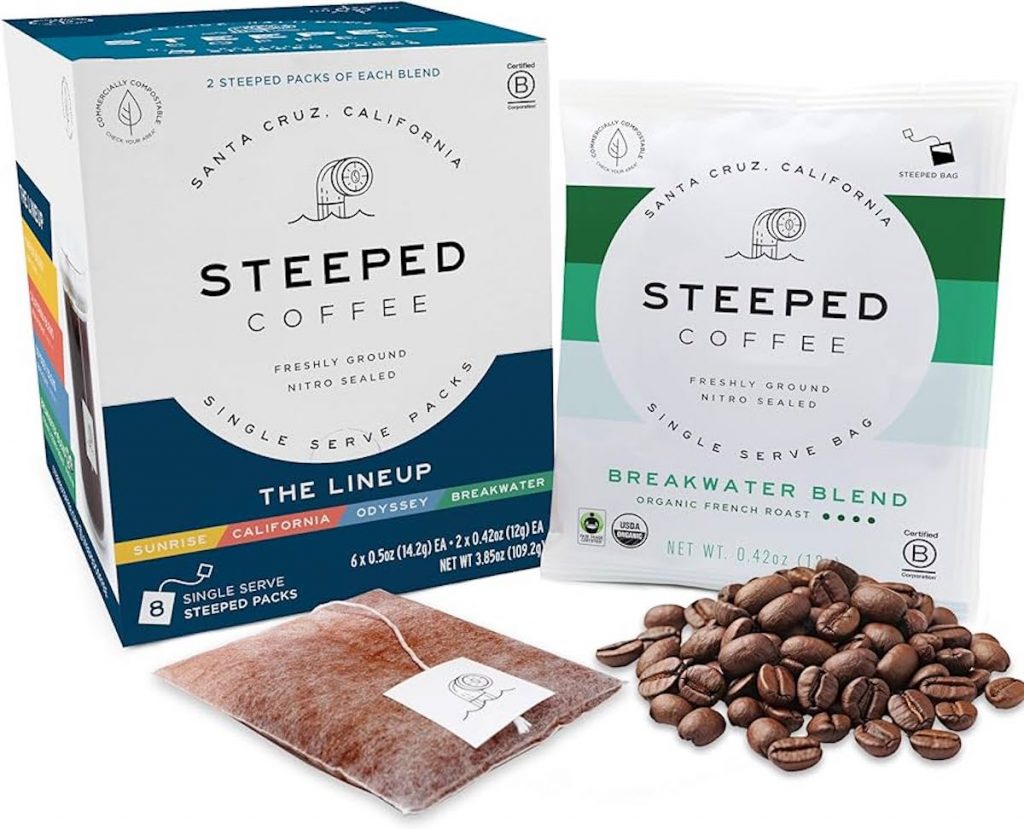
Steeped Coffee (No. 147) makes single-serve specialty coffee that works like a tea bag with compostable packaging. Simply drop it in hot water — no pods, plugs, or brewing equipment needed. Coffee beans are carefully sourced from ethical suppliers with Fair Trade Certified and organic options, and the company donates 1% of its top-line revenue to communities in need. steepedcoffee.com

Sustainable Shopping for Spring 

By Real Leaders

Whether you’re looking for a unique gift for someone special or to treat yourself to a guilt-free find, here are some do-good options to consider from 2024 Real Leaders Top Impact Companies.

Squeaky Clean Supply Chain

Every Man Jack (No. 39 on the 2024 Real Leaders Top Impact Companies list) makes body wash, deodorant, hair care, skin care, and beard care that’s inspired by the outdoors and better for the planet. Not only does it use as many naturally derived and plant-based ingredients as possible, but also it uses source reduction, hazardous waste disposal, greener packaging, and chemical reduction methods. everymanjack.com


Laying a Kind Foundation

Jaipur (No. 10) creates beautiful bespoke and custom living area rugs like Genesis, pictured. It employs 40,000 disadvantaged artisans (85% women) in 700+ Indian villages to provide a reliable living wage with an age-old art. The family business is built on kindness, compassion, and humility, creating economic and humanitarian benefits for stakeholders. jaipurliving.com


Earth-Friendly E-Marketplace

Brown Living’s (No. 70) online shop offers environmentally sustainable, plastic-free products with zero-waste packaging sourced from over 450 artists, artisans, and small businesses. The Conscious Traveler Premium Gift Hamper, pictured, includes travel items made with Forest Stewardship Council-certified cork, a high-grade natural bamboo fiber tumbler, and stainless steel cutlery. brownliving.in


Eyeglasses for the Planet

Karün (No. 3) makes high-quality eyewear and is building its value chain under a circular, regenerative model to protect nature and empower rural entrepreneurs. The carbon-neutral company makes all of its products with natural, noble, and recycled materials, like fishing nets, metals, recycled polycarbonate, and wood. karuneyewear.com


Steeped in Goodness

Steeped Coffee (No. 147) makes single-serve specialty coffee that works like a tea bag with compostable packaging. Simply drop it in hot water — no pods, plugs, or brewing equipment needed. Coffee beans are carefully sourced from ethical suppliers with Fair Trade Certified and organic options, and the company donates 1% of its top-line revenue to communities in need. steepedcoffee.com

0