How Breathing Fully Releases Your Leadership

I coached the director a national women’s magazine recently for her speech at the journal’s tenth anniversary ceremony. The keys to her success the following night were two. On one side she understood that she should be the leader to make her 400 guests feel safe and engaged by her voice. The second clue was just as important: breathe in more often to release your spontaneous leadership.

Often people talk in very long sentences, dragging on the very bottom of their lungs to get to the end of what they want to tell us. Their voices seem unnecessarily deep, flat and effortful. Other times executives make a horse whistle noise when quickly inspiring a much-needed breath of air at obtuse corners of the conversation. But if we don’t breathe appropriately, we can’t replenish energy and color into our voices, our eyes lose their candor, and we feel old and tired. Sound familiar?

Inspiration is the first half of our breath wave. The more air we take in, the more energy circulates throughout our organic tissues. As that energy lights up our body in waves, sensations come alive again. Believe it or not, this is exactly why we fail to breathe appropriately.

Newborn children and animals give us good examples of what a full breath wave should look like: everything should move in and out. Everything means everything. Abdominal walls move forward and back, shoulders move up and down, back and neck also tilt slightly back to let more air in…and the taboo parts too: pelvic floor muscles also stretch out and back in. Limbs can show an advance and retreat wave as well some times. This is how an organism without worry or fear breathes.

We adults, however, don’t want to experience all there is to feel in our muscles, tissues and layers of skin. It’s not a conscious decision, of course. We stopped breathing fully at such an early age that we can’t remember it, and don’t really know why. It was probably a very gradual process of slowly, ever so subtly, reducing the width and depth of our breathing patterns until we got to our current meager inspirations.

We block our own generous breathing patterns instinctively, you see, in order not to feel an emotion we don’t know how to handle, or we do it to make ourselves invisible. Just like any other animal who finds itself in danger of exposure to a nearby predator, we inhibit breath to keep as silent, odorless and hidden as possible. Think of all the times you were surprised by an unexpected presence and instinctively stopped breathing for a second. It’s a very old, very wise evolutionary reflex in our mammal organism that kept a lot of our ancestors alive.

The big difference between our primitive ancestors and ourselves is that they were much better at processing their own blocked emotions after danger passed. We, on the contrary, have no intention of looking back into our past to search for events which could have been misinterpreted by our undeveloped brain as deathly. We really want to keep intact stories about happy childhoods or brave resolutions which require no more dwelling upon. And so any and every unresolved emotion from the many, many imperfect situations in our upbringing remains hidden in our muscles, tissues and organs, hoping our next inspiration will pass it by one more time.

Meditation, mindfulness and emotional management techniques all take us back to our breathing patterns. We are asked to alter our natural breathing movements to explore other alternative pathways. Many of us get lost, however, in our effort to master the technique itself. What’s really interesting about breathing more in than usual, or emptying our lungs, or holding in our breath is what happens in our body sensations. What wakes up, what stirs and spreads, what pulls at our attention in a new way?

In my coaching session we basically went through the speech marking pauses for my client to breathe in, and we made sure that we left no long sentences to drag her voice on and on and on. Even before the speech, I suggested she breathe in big waves of air every time she remembered to do so in her everyday routines. This small change in habits strongly increases the body’s usual levels of sensation in a few days. Beyond a successful speech — which it was, very successful, by all accounts–, the goal we set together was to increase her natural energy levels by simply getting more air in more often.

Yesterday I met another client who also burned his bodily fuel deposits empty when talking. So much so that his voice wavered like a car choking for gas at certain moments. It was quite remarkable because this executive meditates regularly: 45 minutes every day is a very disciplined meditation practice for any CEO!

The trick, though, is how our body fools us to keep breathing with the same pattern all the time, or how it finds ingenious turns and adaptations to any new technique in order to avoid the very sensations it really doesn’t want to have to face. Let’s not forget: the moment in which our innocent animal body decides to inhibit breath is a time of risk…or even of expected death.

The emotions held in during these occasions are of enormous intensity, more so as we go back in time. An incident at five years of age, for example, contains emotions at a much more intense level than a trauma at fifteen or twenty-five. Yet at five years of age our brain already has five years of neuron pathways and connections of safety, trust and harmony to rely on. If we get a mortal fright at five months of age, the intensity of the emotions we will refrain from feeling is on an all new level of horror. It can be something as innocent as losing sight of our Mom: to our still undeveloped nervous systems this can feel like an inevitably mortal tragedy.

Or it can be a total fit of anger from when we were only two years old, which we had no permission to express. The man I worked with yesterday kept saying “I’m a very nervous guy, this is why I meditate”. And this is why he still won’t breathe a real mouthful of air despite diligently meditating every morning…that old unresolved tantrum of rage might suddenly take over his entire life! As soon as he starts pausing for air more frequently while talking, anger in its many shades will certainly begin to seep up into consciousness and demand freedom. In which case boxing and other exercises involving physical impacts in a safe environment will be a great relief mechanism. His meditation practice will move to a new level of depth and serenity without doubt.

Yes. Breathing differently opens Pandora’s box in every sophisticated executive and business owner. It allows old feelings to come up into our busy minds and demand resolution. If you meditate, please don’t get lost in another stupid competition to maximize the number of minutes you empty your mind. That is NOT the goal.

The goal is to release every unresolved shred of negative emotion that is keeping you from breathing fully, happily, wisely. Increasing your perception of sensations in your own muscles and tissues will improve your interpretation of event around you significantly. Meditation should be more about observing what happens inside your body, and helping it find resolution, than about reaching silence. When your body finds peace, trust me, your mind will too!

The more and better you breathe, the more and better you will lead. Ohmmmmmm.

Don’t Run With Wolves, Swim With Dolphins

“Women who run with the wolves” is a book written in the seventies by Clarissa Pinkola Estés. Dismissed copies rot away on many women’s shelves as an uncomfortable symbol of the untamed female soul. Forty years after its publication we’ve come to the era of women who swim with dolphins. Here’s why.

One of the earliest dolphin myths in human history involves Greek sun god Apollo, the killing of goddess Gaia – also known as Mother Nature or Earth – and the mysterious but very prosperous Oracle of Delphi. The Greek word Delphi, in fact, is said to mean womb. Among Eastern myths and carvings dolphins are often associated to Atargatis, goddess of vegetation, nourisher of life and supernatural guide of the dead to be reborn again.

Dolphins appear in our stories at a time when men became a lot braver about going out to sea, the primal womb from which all life on Earth emerged. They were greeted by curious dolphins who swam alongside their boats. It was a time when writing things down became important, overthrowing previous oral traditions who believed wisdom was too sacred to put into writing. A huge revolution was taking place. The masculine energy of intellect, effort and centralized power was rebelling violently against traditional rule of feminine instincts, wild emotion and life nourishing wombs among nomadic peoples. As always history is told, and recorded, by winners.

This explains why you won’t find many stories about ancient female warriors or wise women shamans. They were too busy fighting for their lives to sit down and write about it. They were too powerful to be ignored. Everywhere around the planet we beheaded each and every woman who led tribes in order to submit her peoples, and we made sure no written trace was left of such warrior queens’ existence. Several thousand years later, however, Lara Croft or Uma Thurman’s Kill Bill bride, among other sexually alluring warrior queens, are increasing popular in adult comics. Such tastes are also kind of concealed on our book shelves. Just as wild untamed women remain hidden somewhere in our collective unconscious, slowly but surely coming back to life.

I spent all last week at a dolphin facility whose name I won’t mention to save them harassment from verbally violent so-called animal lovers. I encountered a charming social group of ten dolphins led by a senior female, as is often the case among mammal packs or, in this case, pods. Officially I was training in dolphin therapy for disabled kids. Unofficially I was researching the realities of dolphins in human care as part of my plan to engage them in leadership training. Passionate male scientists, researchers and trainers pushed their certainties and knowledge at me. I, in turn, mystified them with provocative questions, earthy feminine humor and moving reflections bathed in emotional wisdom. I felt my new dolphin friends silently laughing with me as certainties melted away and poses lost balance.

As the week came to its end I realized all those dolphins knew a lot more about each of the humans in our group than we suspected. They see very well above water. They don’t waste time gossiping about unimportant details between lessons. They don’t only use eco-location to sense obstacles around them. It’s like a very special sense of smell, or an intuitive curiosity to identify who they can trust. My colleagues sat around the pool chatting with each other, whatsapping on cell phones or intelligently discussing dolphin facts and research conclusions. I sat there in silence admiring the dolphins at play. I worked with my inner sensations and feelings whenever I could. I gave the animals all my available attention when I was not attending the autistic child whose careful social development I supported in the water. Complicity grew among us all as the week advanced. The dolphins began swimming beside me as I walked past the pool, or coming up to the underwater glass to touch it with their heads as if I could pet them. My heart thumped. My emotions expanded. My mind wondered if I was imagining all these timid gestures of friendship and warmth. My guts knew this was a lot more real than all our elevated intellectual analysis.

I chuckled when I heard trainers speak of fish as primary motivation and loving cuddles as secondary reinforcement: only we over-intellectualized idiots could come up with such a back at the front understanding of life! I couldn’t help wondering if dolphins just take the fish from trainers to play along with our adult games of rationale. Bribery is always effective in the short term with subordinates – human or animal – …it’s irrelevant in the long run when true deep trust is alive among us. But well, let’s not take dolphin parks too far out of their current comfort zones, shall we?

Don’t agree with me please. I’d rather you thought long and hard about it. Felt deeply and strongly about all this for a while. Women who swim with dolphins don’t need to convince you instantly. We just want you to let go of your intellectual security and dive down into your emotional doubts: What if dolphins are not what we think they are? What if all animals and Nature are simply trying to help us remember where we came from? What if dolphins in parks and in the wild are sending us subtle waves of warmth, complicity and untamed wisdom?

That most men don’t get it is no surprise. Most women are used to that. But that women don’t get it is more worrying. It means we’ve lost contact with the part of ourselves that loved running with wolves. We’ve lost faith in the goddesses of abundance and wisdom that inhabit our instincts, passions and especially our legitimate anger. We’ve believed all those stupid written stories about how intellect killed instinct to make the world a better place. And we question all those moments in which we feel connections that can’t be explained with – honestly! — very limited scientific thinking.

Have I unsettled you? Good. That means you’re a little bit wiser than you were a thousand words ago.

Don’t be shy. Fall into your mysteries. Throw light on your obscured shelves. Stop thinking so much and start believing your feelings, however dark or conflicted they may be. Find that ancient female wisdom inside your heart and relish the animal instincts that mobilize your gut.

Rebirth the wild feminine in your life all round. Our oceans await her reappearance among men and women today. We have a lot of trash to clean up. A lot of pain to let go. A lot of joy to release. And a new conception of untamed leadership wisdom to unveil.

What if dolphins are unintentionally teasing us forward? Next time you see one ask yourself what he’s trying to share with you. Embrace the wild within you!

Don’t Run With Wolves, Swim With Dolphins

“Women who run with the wolves” is a book written in the seventies by Clarissa Pinkola Estés. Dismissed copies rot away on many women’s shelves as an uncomfortable symbol of the untamed female soul. Forty years after its publication we’ve come to the era of women who swim with dolphins. Here’s why.

One of the earliest dolphin myths in human history involves Greek sun god Apollo, the killing of goddess Gaia – also known as Mother Nature or Earth – and the mysterious but very prosperous Oracle of Delphi. The Greek word Delphi, in fact, is said to mean womb. Among Eastern myths and carvings dolphins are often associated to Atargatis, goddess of vegetation, nourisher of life and supernatural guide of the dead to be reborn again.

Dolphins appear in our stories at a time when men became a lot braver about going out to sea, the primal womb from which all life on Earth emerged. They were greeted by curious dolphins who swam alongside their boats. It was a time when writing things down became important, overthrowing previous oral traditions who believed wisdom was too sacred to put into writing. A huge revolution was taking place. The masculine energy of intellect, effort and centralized power was rebelling violently against traditional rule of feminine instincts, wild emotion and life nourishing wombs among nomadic peoples. As always history is told, and recorded, by winners.

This explains why you won’t find many stories about ancient female warriors or wise women shamans. They were too busy fighting for their lives to sit down and write about it. They were too powerful to be ignored. Everywhere around the planet we beheaded each and every woman who led tribes in order to submit her peoples, and we made sure no written trace was left of such warrior queens’ existence. Several thousand years later, however, Lara Croft or Uma Thurman’s Kill Bill bride, among other sexually alluring warrior queens, are increasing popular in adult comics. Such tastes are also kind of concealed on our book shelves. Just as wild untamed women remain hidden somewhere in our collective unconscious, slowly but surely coming back to life.

I spent all last week at a dolphin facility whose name I won’t mention to save them harassment from verbally violent so-called animal lovers. I encountered a charming social group of ten dolphins led by a senior female, as is often the case among mammal packs or, in this case, pods. Officially I was training in dolphin therapy for disabled kids. Unofficially I was researching the realities of dolphins in human care as part of my plan to engage them in leadership training. Passionate male scientists, researchers and trainers pushed their certainties and knowledge at me. I, in turn, mystified them with provocative questions, earthy feminine humor and moving reflections bathed in emotional wisdom. I felt my new dolphin friends silently laughing with me as certainties melted away and poses lost balance.

As the week came to its end I realized all those dolphins knew a lot more about each of the humans in our group than we suspected. They see very well above water. They don’t waste time gossiping about unimportant details between lessons. They don’t only use eco-location to sense obstacles around them. It’s like a very special sense of smell, or an intuitive curiosity to identify who they can trust. My colleagues sat around the pool chatting with each other, whatsapping on cell phones or intelligently discussing dolphin facts and research conclusions. I sat there in silence admiring the dolphins at play. I worked with my inner sensations and feelings whenever I could. I gave the animals all my available attention when I was not attending the autistic child whose careful social development I supported in the water. Complicity grew among us all as the week advanced. The dolphins began swimming beside me as I walked past the pool, or coming up to the underwater glass to touch it with their heads as if I could pet them. My heart thumped. My emotions expanded. My mind wondered if I was imagining all these timid gestures of friendship and warmth. My guts knew this was a lot more real than all our elevated intellectual analysis.

I chuckled when I heard trainers speak of fish as primary motivation and loving cuddles as secondary reinforcement: only we over-intellectualized idiots could come up with such a back at the front understanding of life! I couldn’t help wondering if dolphins just take the fish from trainers to play along with our adult games of rationale. Bribery is always effective in the short term with subordinates – human or animal – …it’s irrelevant in the long run when true deep trust is alive among us. But well, let’s not take dolphin parks too far out of their current comfort zones, shall we?

Don’t agree with me please. I’d rather you thought long and hard about it. Felt deeply and strongly about all this for a while. Women who swim with dolphins don’t need to convince you instantly. We just want you to let go of your intellectual security and dive down into your emotional doubts: What if dolphins are not what we think they are? What if all animals and Nature are simply trying to help us remember where we came from? What if dolphins in parks and in the wild are sending us subtle waves of warmth, complicity and untamed wisdom?

That most men don’t get it is no surprise. Most women are used to that. But that women don’t get it is more worrying. It means we’ve lost contact with the part of ourselves that loved running with wolves. We’ve lost faith in the goddesses of abundance and wisdom that inhabit our instincts, passions and especially our legitimate anger. We’ve believed all those stupid written stories about how intellect killed instinct to make the world a better place. And we question all those moments in which we feel connections that can’t be explained with – honestly! — very limited scientific thinking.

Have I unsettled you? Good. That means you’re a little bit wiser than you were a thousand words ago.

Don’t be shy. Fall into your mysteries. Throw light on your obscured shelves. Stop thinking so much and start believing your feelings, however dark or conflicted they may be. Find that ancient female wisdom inside your heart and relish the animal instincts that mobilize your gut.

Rebirth the wild feminine in your life all round. Our oceans await her reappearance among men and women today. We have a lot of trash to clean up. A lot of pain to let go. A lot of joy to release. And a new conception of untamed leadership wisdom to unveil.

What if dolphins are unintentionally teasing us forward? Next time you see one ask yourself what he’s trying to share with you. Embrace the wild within you!

Why Rituals Are Critical To Your Leadership

Rituals are as old as mankind. As we grow up we are slowly brought into them by families, friends, religious communities and teachers. But we don’t really get them until we are much more seasoned in life’s perils and thrills. In today’s obsessively rational society many people don’t get them at all. Why are rituals so critical to leadership?

Quite simply, rituals are vehicles of emotion, and leadership mostly takes place in our hearts: we follow those who make us feel safe, worthy and belonging to something bigger than ourselves. Rituals concentrate our attention on certain emotions, adding each individual contribution together to create a shared sensation of significance, which seems to magically multiply exponentially sometimes: “Whoa!! Did you feel that?”

In just a few of such “Whoa!” occasions I have fallen in love with the ritual of the talking stick. Several facilitators at the prestigious Foundation for Natural Leadership in the Netherlands carry a wooden stick adorned by several colors to symbolize awakening, wisdom, inner shadows and sharing. They are made with special care by native Indians in Canada on a chosen day of the year. A quick search on Google shows there are many variations to talking sticks, and many tribal traditions that use them in their gatherings and councils. The talking stick, I kid you not, would seem to have a life of its own.

A ritual only works if everybody involved agrees to take it seriously, performing each task and symbolic gesture with reverence. In the case of the talking stick, the ritual consists of leaving the stick in the center of the circle formed by participants, and picking it up if you want to speak out loud. Nobody can talk without the talking stick. The leader or facilitator of such an exercise, of course, is responsible for setting the tone, creating the mindset and walking his or her own talk when performing the ritual.

You might sit there thinking “what am I doing here with all these strangers and what on Earth am I going to say when it’s my turn?” Or you might start playing your thoughts around in your mind to prepare your own speech instead of listening to the guy talking at the moment, holding the stick in his hand. It doesn’t really matter. The collective energy of the people assembled around you will pull you in to the ritual sooner or later. This is the enchantment of the stick: it harnesses the energy of all those involved, sweeping over you gradually like an ancient aboriginal drum rhythm, seeping into your bones and mobilizing your limbs before you know what’s happening.

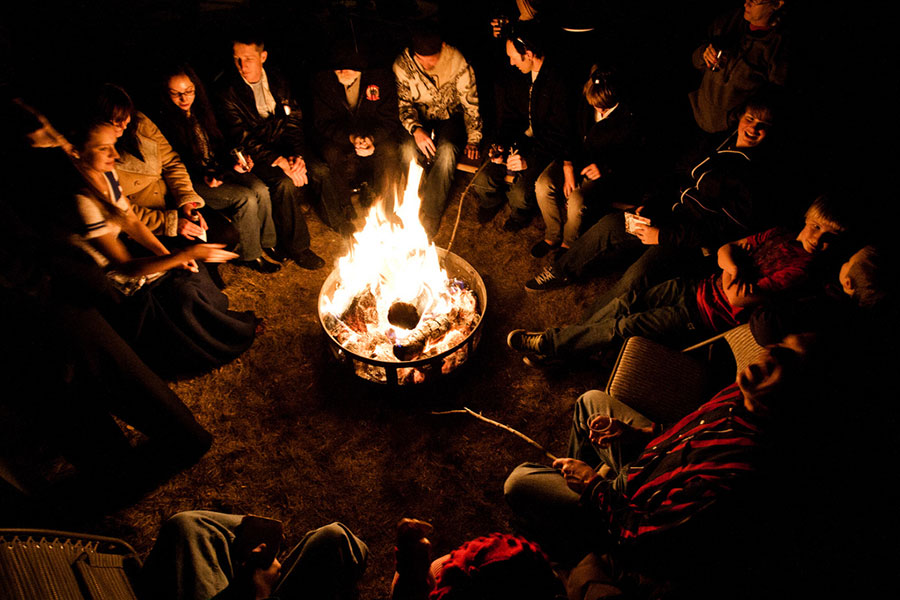
No matter what you might have thought about before the stick fell in your hands, everything can change when you grab it. As we sat in a circle around a fire at night last week, one man blurted out how it was five years since his mother had died and he felt he needed to get to understand the historic awkwardness between them a little better. Somebody else shared how much he had feared losing his wife during the birth of this third child, and how he realized he wanted to spend more time with his family. We were all strangers to each other. Investment bankers, hot-shot executives, elite business school researchers and no-nonsense business owners. We hadn’t planned to share such intimate details with each other. We were conquered by the power of an age-old ritual, which brought us together on a level of sharing we could easily relate to. It’s like we bridged all our differences –gender, age, country, profession, religion, you name it!—in a single chat around a mesmerizing camp fire.

In my case the stick seemed to sew together a heavy storm of thoughts, doubts and worries which had been circling over my head all day. To the point that I was quite hesitant about taking up the dammed stick to share my unruly and very scary insides. It worked wonders on me. I picked it up and breathed heavily a few times. Words came to me in such clarity and simplicity that I almost wondered if anybody had cast a spell on me. The mental chaos which had bothered me all day dissolved as I felt supported by a bunch of strangers who had promised to respect each other’s secrecy, speak from their hearts and perform this simple but powerful ritual.

Was it the stick? Was it the fire? Was it the facilitator or was there some scientifically provable substance mixed in with our supper? I don’t know. And frankly, I don’t care.

What I do care about is how that ritual melted resistance in such intellectually sophisticated people. How softly and respectfully each executive found his moment and pace to let go of armors and share his insides. How very significant and beautiful it felt to all of us. How human we felt together. How together we felt with all humans: before us, beside us, after us.

Rituals harness our feelings, emotions and sensations to create a sense of community without which we can not solve the challenges we face today. The Dalai Lama tweeted this week that “since climate change and global economy now affect us all, we have to develop a sense of the oneness of humanity”.

Yes. Our destinies are truly joined together more than ever before in human history. Yet our differences keep us busy arguing, fighting, debating and doing our own thing. Maybe it’s time to recycle our earliest ancestors’ tribal rituals, symbols and beliefs…those through which they risked their own lives if it meant saving their tribes.

I tell you this: without ritual there can be no leadership. You may only lead your teams if they feel they are part of something bigger than themselves. If they want to sacrifice their own wellbeing to build something better for all. If they drive you to be the best possible leader you could ever be every single day, just for the honor of making their sacrifices worthwhile. If you feed on their joyful success as if it were your own.

Bring rituals back into your business. Invest time and effort into finding the ones your people respond to. Repeat them again and again until you all stop giggling nervously and finally give in to the shared vibe of belonging. Then your destinies will have linked together to do something more beautiful and significant than you ever thought you would even try. Then you will feel humane on a whole new level.

How Mountains Teach Us To Lead

I am dizzy today. I just got back from a four-day trail in the mountains just outside of Madrid with a group of Dutch executives from the Foundation for Natural Leadership. It all seems like a dream in a far-off land now, but deep inside of me I know this trail impacted my growth as a person and as a leader on a whole new level.

Intuitively I knew what I was getting into. We’ve been working on bringing this unique leadership program to Spain for a few months now. I’ve done my share of seminars in all kinds of techniques and therapeutic approaches in the past. I know that when you leave your life to share who you are and reflect on where you’re going with a group of strangers, your perception of yourself, your leadership and your business inevitably takes a great leap forward.

The mountains seemed to multiply the effect of feedback, introspection and learning.

What I experienced, however, went way beyond what happens on a day of leadership mirroring with horses or a weekend of reflection, debate and exercises in a classroom somewhere. The mountains seemed to multiply the effect of feedback, introspection and learning with such intensity that coming back to the city has been like a brusque awakening from a faraway adventure dreamland. Each one of us left a part of ourselves up among the solitary mountain peaks of Ayllon, uncovering other deeper truths about our values, our motivations and our intentions as we strolled down one slope, crossed a stream or climbed another tree covered hill. At night we shared our secrets with the group under the intimate glow of our camp fire when grabbing the talking stick put down by somebody else.

No matter how sure you may have been of all the intellectual things you were going to say, once you had the stick in your hands a certain weight came over you, stripping all your mental mess down to simple, humble truths. “Nature does all the work”, one of the senior trainers from the Foundation told me, as we replenished water supplies in our fifteen kilogram rucksacks at a small village fountain. And indeed Nature did add a special intensity to the physical challenges we placed ourselves in each day. Awe inspiring views mixed with the smallest of symbolic clues about life, growth, survival and death: this leaf, that flower, the way those plants react to the wind or the lonely eagle swooping over our heads… each one of us found our own parallelisms to the problems we face as leaders, executives, parents, husbands or wives, sons or daughters.

My biggest learning was, ironically, my most frequent teaching: flexibility.

My biggest learning was, ironically, my most frequent teaching: flexibility. I learned that climbing up the mountain requires strength, of which I have as much as I need to have. But coming down again requires flexibility. While the large muscles that cover our limbs, arms, chest and abdomen enable strong powerful movements, it is the much smaller muscles underneath which render us pliable and light as deer. The small muscles that wrap around our key articulations: ankles, knees, hips and necks. The hardest part of the trail for me was always coming down steep slopes. It wasn’t until the last day of the trail that I clearly saw myself over-complicating my descent with fear. Each step down was heavily calculated in my mind before I carefully tried my forward foot on a pointy rock. Exhausting amounts of energy invested in my back leg, fearfully grabbing on to the mountain in case my forward move should fail.

As my colleagues easily hopped along from bush to slope to stone to log, I painfully lagged behind sweating snowballs and swearing in all the languages I speak. A good thing the mountains didn’t judge me for my terrible language and my new found Dutch soul mates found me charming in my insistence to outdo myself whatever it took. As I descended the tallest mountain peak of our trail on the last day I gradually increased my speed, if only to relieve my worn out knees in order to make it to our final destination. Until I was told I seemed to be “dancing with the stones” way in front of the rest of the group. I’ve never felt so proud of myself. And I know that it has taken many years of risk taking, falling and getting back up again in business to finalize my own very flat learning curve of performance in the face of great uncertainties.

Back at work I can recognize the change in my pace as I walk faster into risky decisions.

Back at work I can recognize the change in my pace as I walk faster into risky decisions and dance with piled up stones of future cash flows, shifting rates, project deadlines and client engagements. I can see how I used to think fifty times about all possible scenarios before choosing my next step, and how it feels better and more effective to worry less as I lunge swiftly forward. Just as I learned to give in to the pull of gravity on those mountains, I am now much more confident about adapting to political movements that could hurt me badly or just as easily strengthen my position. I’m not the only one who is good at climbing mountains with strength, effort and intelligence, but bad at flowing down with carefree flexibility. It seems to be a sign of our time.

It is so generalized among the elite of socioeconomic leadership society. We value will power and strong muscle tone above all else. Yet we show complete inability to give in to the pull of shrinking markets, falling prices or soon-to-be obsolete technologies. We’re all about youthful energy, so much so that we seem to be running backwards in time, trying to avoid old age, retirement or the unspeakable ‘D’ word. Both individually and organizationally. I have come to define leadership as perfect adaptation to every business context. I’ve learned that it’s all about fluidity, dancing with the stones of destiny and the cliffs of failure.

As I gradually improve my own reactions to become faster and more exquisite in my own battles with the swords of uncertain global economies, I see myself needing smaller resources, fewer hours of work, lower amounts of investment and way less clothes, outfits or adornments. The secret to reducing world trash is surely hidden behind our epidemic inability to give in to destiny.

The secret to reducing world trash is surely hidden behind our epidemic inability to give in to destiny.

You might like to think you are already a very flexible guy. But let me kindly disagree. Unless you grew up among wild animals or aboriginal tribes, my dear reader, you carry the chronic rigidity of civilized ideals in your muscles and your bones just as much as I do. Our increasingly littered mountains and oil-smeared oceans are begging us all to give in to the pull of our fears, our sorrows and angers… all those inner mirrors that hold us against the loving embrace of gravity, destiny and wilderness.


Is Your Leadership Economic?

The more I spend time with animals and Nature, the more I admire the sublime perfection of Evolution’s optimized economy. Nature never wastes a single impulse of energy. Every Natural phenomenon we take for granted is actually a masterful blow of targeted movement to keep pushing life forward. All animals enact this principle of optimized economy through apparently random instincts and impulses, except human beings. We seem to be the most uneconomic animals on the Planet. How so?

We seem to be the most uneconomic animals on the Planet.

Take CEOs, founders and business owners, for example. These people are supposed to be the smartest, most efficient specimens among us. I can affirm that in many ways they are. I watch them at work every day. There’s a dangerously generalized habit, however, that betrays humanity’s current misconceptions about leadership: paternal and maternal tendencies.

There’s a dangerously generalized habit, however, that betrays humanity’s current misconceptions about leadership: paternal and maternal tendencies.

Let’s get closer and look at Tim, who I’m going to make up for obvious reasons…executive coaches who betray their clients’ secrets don’t do well and shouldn’t be trusted with any actually interesting or useful details! So Tim is an invented CEO who has done very well in business. He started his own company twenty years ago and has successfully grown it to employ a large number of employees, expand into several countries and build an enviable and non-contested reputation in his industry.

I’m sure you know lots of Tims. Oh, yes. Of course. He is also handsome and proud to display pictures of a vomitively perfect family. Ha,ha,ha!! Anyway. Tim always looks like a million dollars. He is full of interesting ideas, actually implementing several of them through his own company and other non-profit entities or cross-industry teams. Like I said, Tim makes you want to vomit with his level of total multi-purpose efficiency. The only thing that stops you from dropping dead with envy, in fact, is that he keeps fidgeting with his cell phone and he has to get up several times during your meeting to go respond to an urgency.

Tim is far too necessary to be as perfect as he sounds because he is another paternal CEO. So in reality, Tim is kidding himself and everybody else in a society that no longer thinks economically. At least in Natural and animal terms. If we sat Tim in front of a horse, a dog, a dolphin or any ancient tribal leader, they would all react exactly the same way: laughing profusely at Tim’s simple but deadly mistake. It wouldn’t be a mean laugh. It would be the generous good humor of a savvy parent training his young apprentice to become as efficient and economic as survival in the wild demands. How so?

Our notions of economy are so completely off they are deadly

Very simple. Very economic, again. Tim’s mistake is to run after his teams like an insecure father or overprotective mother. Have you seen lots of human CEOs do this? Yes. It’s incredible. No wonder we’re wrecking the planet at super-effective speed. Our notions of economy are so completely off they are deadly: wasting the most important and expensive resource of the pack, its leader’s precious attention, on every little thing every moment of the day, makes the pack mortally vulnerable in every way. Plus Tim is chronically exhausted and out of breath, no matter how energetically he acts and how much he loves pleasing all his followers.

He has to jump and respond every time one of his very numerous crybaby or rebellious employees needs him to. Tim doesn’t move his pack members. His pack members move him. Tim can’t sit back and relax or think straight, and frankly, Tim’s strategic vision must be about as sound as that of any other scatter brain you cross on the street. Tim, like so many other high-level executives, does his thinking only when his main activity allows for it: cab rides, air planes, showers, babysitting at the park or beach, and other unspeakable moments like these.

He would only move when the entire pack, herd or company, was in serious danger or dire need of direction.

What would a horse do? What would Tim be like if he was truly economic in his leadership? He would only move when the entire pack, herd or company, was in serious danger or dire need of direction. And he would only apply the minimum amount of energy needed to communicate what he wanted from them. Tim really needs to see Lorca at play! Lorca is the mare in charge of the herd of horses at my ranch. These days she is easily found grazing on the field with other mares and their foals.

As I approach the fence to greet her and her year-old foal, they both come over to check me out. The foal is playful and full of beans. Lorca is slow, uninterested, but still acknowledging my presence. Another mare moves towards us to join in the fun and Lorca, gradually and with minimal energy, looks back and bites her neck. The mare retreats out of reach. Every horse on the field is looking at Lorca’s movements, in fact. Even if they look like they are only grazing or minding their own business. All eyes are on the leader. A little while later the same mare takes a small step in our direction from about four or five meters away.

Lorca doesn’t look up. She doesn’t stop lazily grazing. All she does is lift her back leg about three centimeters from the floor. To a gravely distracted and economically ignorant person like Tim, this leg movement is random and means nothing. But to all the very wise horses around us, it is clear that Lorca is being frightfully direct about what she wants from us all. With a minuscule shift in posture she lets everybody know what they have to do, where they are expected to move to, and how they need to behave in order to guarantee the herds’ safety and fun. This, my friends, is economic leadership at play. This is the wisdom of the Wild I so admire.

Every team member looks at you more than you look at them, and they all move according to you instead of you moving to follow or mobilize them.

The key is, once again, amazingly simple to understand with your head, and incredibly hard to materialize with your body: every team member looks at you more than you look at them, and they all move according to you instead of you moving to follow or mobilize them. Lorca’s human version is the kind of graceful, wise leader who makes you feel like nothing and nobody is more important to her than you, right here, right now. Because she knows that her entire pack is under control.

She knows that all her employees and partners are looking at her, waiting for her instructions, and informing her of things only as needed. They too learn from her the importance of being economic with emails, phone calls, whatspp messages and other communication channels. Can you do this? If you can, the world is at your feet and you are a walking example of economic, mindful and charismatic leadership. But if you can’t, don’t despair. Take a deep breath. Laugh at how you betrayed yourself again in an excessive response or an insufficient gesture, and analyze what still makes your body disobey your mind’s intention. And then try again.

Like a loving mother, Nature is ready to die at our hands if her last breath of air is spent to make us learn our lesson: the economy of life.

Horses, dogs, dolphins, and ancient tribal ancestors are watching you and I try and try again with a loving smile on their faces. Nature in all its mesmerizing shapes and forms is patiently teaching us humans to stop wasting energy and other precious resources. Like a loving mother, Nature is ready to die at our hands if her last breath of air is spent to make us learn our lesson: the economy of life.

The Birth That Delivers True Leaders

Birth is the first process we experience in life. It’s the first door we open to the rest of our days on this Earth, and as it turns out, it’s a pattern of growth we will find ourselves repeating till the very end. Whether you know it or not, your leadership depends entirely on whether your dare to give birth to yourself. As many times as it takes.

Whether you know it or not, your leadership depends entirely on whether your dare to give birth to yourself.

It’s one of the pieces of advice I find myself offering most often to clients and students from all walks of life. Especially those who are in the midst of perfect storms. I explain how all the problems and difficulties and sleepless nights are no more than birth contractions, and I recommend they breathe through them the best they can. Soon they will be born to a new way of thinking, feeling and reacting to events around them. Soon they will have leapt forward into a new level of leadership performance. But yes. Until then, the pain will most probably be unbearable.

Soon they will be born to a new way of thinking, feeling and reacting to events around them.

I don’t know why the process of personal growth follows this critical pattern of life and death. The timeless beauty of it simply grabs me every time I witness it. As you may already know, a pregnancy often starts with a period of happy and content enjoyment. As the months roll forward, the mother feels growing discomfort with the growth of a new baby inside the same space previously occupied by her own organs.

Moving around and even finding resting positions becomes increasingly uncomfortable as the evolving size and shape of her body imposes new challenges on everyday tasks she used to complete without blinking. Then one day her water breaks and a truly painful ordeal begins. Once the pain ceases, several long hours later, however, the best possible prize is handed to her: a new baby full of life, hope and new beginnings.

The human body follows this very same cycle relentlessly throughout its whole life in order to heal old wounds and correct unwanted behavior patterns

The human body follows this very same cycle relentlessly throughout its whole life in order to heal old wounds and correct unwanted behavior patterns: happy new phase begins, pressure gradually builds, until contractions break out, and then finish just as suddenly, giving way to another new phase of relaxed performance and contentment. New jobs or promotions are perfect examples. At the beginning you love the job, your boss is smart and inspiring, your colleagues seem to appreciate what you bring to the table, and your main daily challenges are about adapting your work space to reflect your personality and values.

A few weeks or months down the road you begin to realize that your boss isn’t as smart as you thought, and that your projects are encountering unforeseen barriers in the form of budgets, territories or invisible office politics. As you push on, things tend to get more and more complicated. You run into unexpected conflicts with colleagues, promises are broken, and plans are mercilessly thrown in the bin. You feel your motivation waver, you go through all kinds of negative emotions, and the number of hours you spend convincing yourself that you’re doing your best, and that things just have to get better, gradually increases. Sound familiar?

Then one day you get up and your water breaks: Something truly terrible happens. A huge fight with your boss, or even worse, your boss’s boss! An incredible financial setback, or an untimely marriage crisis, or an urgency with the children or – could you believe it! – the dog gets lost. Maybe even a health scare. Or you just get fired out of nowhere. Whatever you imagine it to be, there is no arguing: Contractions have been served. And you are in hell.

 You find yourself getting through the days the best you can, though you feel pushed to your very limit every minute of every hour.

You find yourself getting through the days the best you can, though you feel pushed to your very limit every minute of every hour. Sometimes you think you’re really not going to make it. You scream for help, hopefully finding an innocent hand to squash with your desperate iron grip of pain. But even if you are blessed with a generous soul whose inner strength can see you through your own excruciating delivery, the truth is you are still the one experiencing each blood curling contraction.

All anybody else can do is hold your hand. Until the pain stops. It just suddenly stops exactly the same way it began. You no longer feel terribly wronged, and you kind of forget why you were so angry at this guy or felt so guilty about this other person. You look at yourself with wonder because now it all seems a long distant memory or a nightmare you might have only imagined. You recognize how wrong you were in your interpretations about every single person involved in the situation, and you feel a little embarrassed.

Life seems exciting and full of opportunity once again. You might even find yourself shelling out lessons of gratitude and positive thinking to others. And guess what, you look younger. Your eyes are clearer, your skin is softer, your laughter is more open and engaging. You are reborn. You are a much better leader than before.

You are reborn. You are a much better leader than before.

If you don’t understand a word I’m saying, you are probably in for big surprises in the future. Maybe you’re still too young to have gotten into any real trouble yet. Or maybe you’re just stuck in one of the earlier phases, trying to avoid the awful delivery room so many people seem to be trapped in. You’re dancing around the cafeterias and bars of this imaginary hospital, trying to ignore the screams of horror coming out of the maternity corridors, telling yourself you’ll be smarter than them. You’ll find a way to skip the bad parts. Why not hope?

The beauty of the birth pattern in leadership growth is that the hardest one is always the first. 

The beauty of the birth pattern in leadership growth is that the hardest one is always the first. You are completely lost about what is happening to you, and you tend to distrust anybody else’s experience or advice, because only you can go through it. Nobody can do it for you. And you feel an overwhelming, irrational fear of getting stuck in one of those emotional contractions, or simply dying of exhaustion in the middle of the delivery. It’s an instinctive fear of the unknown.

But once you do go through it for the first time, you realize that there really is an end to the tunnel of despair. 

It might take you months or even years of running around the issue before you finally get up the courage to stop losing yourself in excuses and get right to it. But once you do go through it for the first time, you realize that there really is an end to the tunnel of despair. You and your irrational body confirm that it is doable. So doable, in fact, that the next challenging birth you’ll get into will be much bigger, harder and scarier than this one.

You will have forgotten the pain, just as women used to forget how much it hurt to have their first child when they became pregnant of the second. I will tell you this: the day you are born again you feel honored. Honored to have been chosen for such a difficult task. Proud of your own resilience, your effort, the inner strength you didn’t know you had in you. And humbled by the amazing opportunity of life handed to you at a whole other level of understanding, a whole new meaning to the word human.

Just breathe. 

So if you don’t know what I’m talking about, don’t worry. You soon will. If you can feel the pressure kicking against your insides, or if the contractions of incomprehensible horror have already begun, trust the process. Breathe through it. Just breathe. Soon you will be born again. The planet awaits this new you with joy and lots of hope – and awaits more brave leaders like you.

When Leading Is Not Belonging

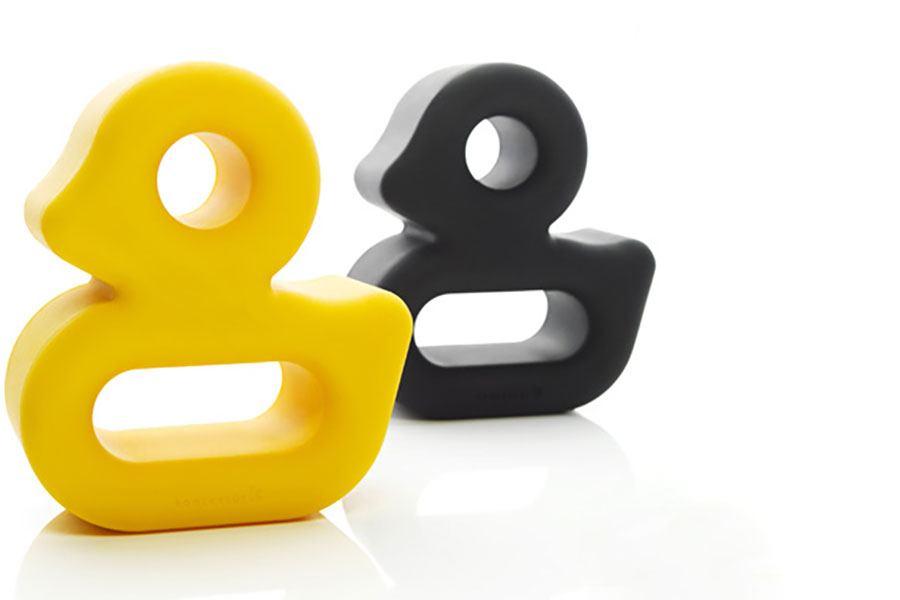
Do you remember the tale of the ugly duckling? Hans Christian Andersen reportedly described this popular fairy tale as the story of his own life, and today it is still a classic loved around the world. It depicts a swan whose egg accidentally hatches in a duck’s nest, and after going through all kinds of rejection, abuse and solitude, turns out to be a magnificent swan. Was he a leader, then? In our world of convenience, success and avoidance at all cost of troubles, the answer is no.

The ugly duckling was a total loser from the very beginning. Born in the wrong place, he was rejected and excluded once and again by every group he joined. He didn’t belong anywhere, and he didn’t lead anyone. Still, we don’t know what became of him once he flew away with the flock of wild swans he found at the end. Could he have turned out to be the strongest and bravest swan of all?

The dilemma of belonging is a huge one for us humans.

The dilemma of belonging is a huge one for us humans. It affects all mammals, in fact, because in mammal design, we are born in total dependence of our mother and/or father. Mammals are born helpless, only learning the necessary skills to socially navigate their packs of peers after birth. More importantly, to a mammal animal, not belonging is the equivalent of death. Mammals can’t survive on their own. Belonging becomes, therefore, a universal instinct of survival that no human being goes against intentionally. Yet history isn’t always fair, is it? Belonging to the pack can often set a very high price for us.

Especially if we want to one day lead such packs. Not because we want to demonstrate how much more powerful we are than the others, but because we believe there is something else out there. We want to innovate, to solve the problems others don’t want to look at, to push our peers into a new evolution, beyond today’s mediocre status quo. This is one of the most delicate and crucial questions would be leaders encounter in their lives. To belong or not to belong. How much to belong and when to break the rules in search of a bigger meaning, or a better game for all. Intellectually we all accept that at some point we may have to fly solo in order to follow our own truth. What we hardly understand at all, however, is how much that actually hurts. Both physically and emotionally.

It hurts so much if fact, that no duck has every experienced it. Only swans can know this pain. Many bright, talented executives have become superior to others precisely because they were especially challenged during childhood, just like the ugly duckling. Great charisma’s are often built on a child’s instinctive need to survive in an environment where engaging adult’s attention was the difference between life and death. Gifted negotiators may have grown up in families where adults relied on one of their children to create agreement and move the family forward.

Shameless conquerors have unavailable parents who had to be seduced by all and every possible means in order to focus their attention back on their children’s needs. And especially talented individuals may have always been the sad, ugly ducklings of their families and schools, desperately trying to be accepted by other ducks for decades. Being smarter, better athletes or becoming attractive characters will have been an instinctive survival strategy to buy acceptance or even a certain popularity. Deep down, however, they still know they’ve only bought a temporary duck passport which may expire at any minute.

If they are once again discovered as swans, something terrible will surely happen. Because though the duck was able to survive on its own in the fairy tale, a human baby or child could not. Human babies need affection, physical touch and inclusion into the family pack. When they are rejected by their parents for reasons beyond their control, these lonely kids become the perfect targets for playground bullies. And so these kids undergo the same public lynching ceremonies again and again and again.

Until one of two things happens: either they succumb to the pressure and simply die, or they become truly proud swans. As swans, however, they still pay high prices in every organisation they join. They are often innovators, fearless adventurers, breakers of the status quo. They can’t stop playing the ugly duckling role, even if they set their mind to it. Somehow they always find themselves right back where they started, facing full frontal opposition from everybody around them. Between the crowd and the deathly cliff. This leads to a tricky choice: who would you say is better prepared to lead their peers through adversity and uncertainty? The ducks who always play it safe to stay inside the group, or the swans who are ready to pay the highest possible price—exclusion, or even death—in order to succeed? It’s a tricky one, isn’t it?

What if the swan leads everybody over the cliff? Even if he does it with the best of intentions? The more pertinent question here, however, is this: Are you a swan or a duck? Because if you’re still the swan who is trying to behave like a duck, you can’t lead anybody anywhere. You’re still stuck in that life-long struggle of acceptance you remember from childhood. No, it isn’t fair. And no, it isn’t your fault. It’s your test. In traditional folklore heroes became outstanding after going through tests. Big tests. Long, long, very long tests. It took years of battle. Decades of facing the same challenge in different forms. And lots of unfair villains.

True leaders have always been forged through decades of unimaginable hardship. But lately we’ve become quite infantile about our tales: all we talk and write about is success, wealth, how to accomplish anything, and role models who made lots of money with lots of effort (and lots of unconfessed luck).

A noisy, repetitive and fairly obvious distraction we love to buy into these days on twitter and the like. Ducks quacking all day long. So if you were born a swan, rest assured, you do have an incredible opportunity in front of you. You just don’t know when it will materialise. Forget tweeting or quacking about it because none of the ducks will get it. As long as you’re still trying to fit in with the ducks, or trying to be the leading duck, or building an anti-duck club of your own, you won’t be ready.

And your heroism will not be recognised or accepted by anybody. Ducks or swans. The only way for a swan to stop behaving like a duck is to address the pain. Believe me, this pain is excruciating. It engages our deepest mammal feelings of survival and motivation to live. The pain of not belonging does require many years of introspection, learning and falling over and over and over.

It involves letting go of dreams we didn’t even know we wanted, and recognising how innocently our mammal bodies have been trafficking with our talents to escape from the certain death of pack rejection. One day you no longer let the fear of not belonging blind you. That day you will have become the true heroic leader you were always meant to be. That day your charm will be irresistible, and your swan like magnificence will be unquestionable.

That day everybody will know without being told that the test you have overcome is the highest possible challenge any mammal animal can overcome. Our world is becoming more and more uncertain as we speak. We need true swans to lead humanity into our shrinking planet paradox.

Stop trying, stop asking the ducks to follow you, stop waiting for duck success to come find you. All you need to do is transcend the pain of not belonging. The rest will all fall into place.

50 Shades Of Balanced Leadership

Yes, 50 shades is on our list of trending topics this week as momentum builds for the movie’s worldwide premier on Valentine’s day, another much loved and hated topic in social media. I’m surprised the author chose the number fifty for her title, because 50-50 seems to be missing entirely in her story, the movie, and its current ad campaign.

Here’s an invitation, however, to become aware of today’s lack of balance in our business, life, and –rather inevitably— in our bedroom. I guess I should have read the book before writing about it, but frankly, I can not bring myself to go near it. Something about the whole phenomenon reeks of mass manipulation to a woman in her forties like myself.

But the reason I’ve chosen it as topic today is an article I came across on Fast Company about how the movie’s promotional posters glorified abuse. Because despite our many protests the fact remains: this story was a total turn on to millions of women the world over. What are we missing here?

The stuff that turns us on tells us a lot about the body we drive to work every day.

The stuff that turns us on tells us a lot about the body we drive to work every day. We drive our bodies as if they were stupid, disobedient cars. But the human body is still the most sophisticated and baffling technology on this planet, superior by far to anything we can create. Our problem is we’ve lost track of how it works and what it reacts to. If we were a little less ignorant about its deeply irrational, wild and very feminine, chaotic logic, we would know that when it turns on to something, no extra effort is needed. In fact, when the human body is really into something or someone, there’s actually little we can do to stop it.

Passion, my friends, is not something you build with fantastic storytelling, but rather an infinite source of energy you discover when you learn to drive your body-car the way it was designed. Judging by the incredible success of this book, both women — and the men they engage with –find the dynamic of dominant male and submissive female utterly exciting. Is this the way it was designed to happen in Evolution? Or is this the result of thousands of years of wars, pillage and progressive domination of everything female, chaotic or scary in its unpredictability? I read recently that elephants are now being born without ivory tusks.

It seems to be an intelligent adaptation of the species to its context. So many elephants are killed for the sole purpose of stealing and selling their ivory tusks, that the mysteriously sophisticated intelligence of organics has adapted to promote survival and growth of the species. Without the tusks. Have women’s deepest bodily drives adapted to find unfair and disrespectful domination attractive? Is this what it took for women to survive in recent history?

Our biases of perception and behaviour are given away by the patterns of mistake we repeat.

Before you tell me this has nothing to do with leadership, let me stop you right there. We use exactly the same body in everything we do. The way it reacts to sexual encounters is not that different to the way it interprets social conversations or work situations. Our biases of perception and behavior are given away by the patterns of mistake we repeat.

And the deeper the causes to such error patterns are, the more pervasively do they show up in our behavior. For example, would you be interested in working for Mr. Grey? Do you think he would be respectful of your ideas? Do you think he would be fair about recognition and punishment? Or does he sound like the kind of boss who plays mind games with you all day long until you forget who you are and what you want?

We don’t even need to watch the movie to answer these questions, do we? It’s quite clear that Grey’s patterns of error are not what we want in the leaders who shape our jobs. But what about his girlfriend’s patterns? What do you think of them? I work for many companies who want to promote gender balance in their leadership.

One of the biggest problems encountered once and again in female executives is lack of self-confidence, or its twin sister: excess of self-criticism. Perfectionism and fear of risk holds hundreds of women back from positions of power. And the question is, were women always like this or did they just get that way over centuries of violent domination?

One of the biggest problems encountered once and again in female executives is lack of self-confidence, or its twin sister: excess of self-criticism.

If the organic logic of women’s bodies is anything like that of elephants’, we have to wonder if women aren’t making it to the top of our businesses and societies because we’ve adapted to a context where being strong, self-confident and defiant was dangerously threatening to our lives. Being emotional and creatively chaotic about business may be as dangerous to executives today as growing ivory tusks is to elephants. Note that emotions and instinctive approaches are not only forbidden to women. Men are also heavily motivated to stay linear, rational and dominant. Alfa male role models are glorified across industries.

Mr. Grey is just another really rich, super successful business guy who thinks women exist to make his day more entertaining. How are women discussed among powerful men? What kind of women do these alfa guys choose as partners? The ones who oppose them, challenge them and clash with them in search of a better way to do things? Nope. Those are the much hated, avoided and humiliated ex-wives! Evolution developed male and female genders through a long, complex process of innovative trial and error. The combination of male and female genders proved to be very successful, reaching its ultimate level of sophistication in humans. Women exist to help men become better versions of themselves.

And men exist to help women do the same. We are so similar in some things, and so incredibly different in others, that our species wide game against each other has pushed us to grow and progress more than any other animal on the planet. Even if we do run into deformations from time to time. In the two-hundred thousand years of history of Homo Sapiens, exploitation of women is a deformation whose seed was planted around the time when we invented agriculture, only twelve thousand years ago.

When we realized we could exploit Nature to achieve smaller goals like wealth or social status, we also began to control and suppress the feminine in all its ways. Women stopped working, hunting and leading as equals to become pretty little things men inherited or traded with each other. Wars, conquests, pillage and rape slowly extended this deformation to every corner of the Earth. Gender balance, like strategy and charity, must start at home.

So if you consider yourself a leader, let me ask you to pay attention to what happens in your office, in your family and in your bedroom. Find out when and how you suppress the feminine in yourself, and make a note to stop it a.s.a.p. Self-awareness is the first step to leadership growth. It’s also the first step towards reconciliation between any two foes.

And with growing complicity, passion will flow. Real leaders are the best lovers.

Leaders, Own Your Own Unique Place

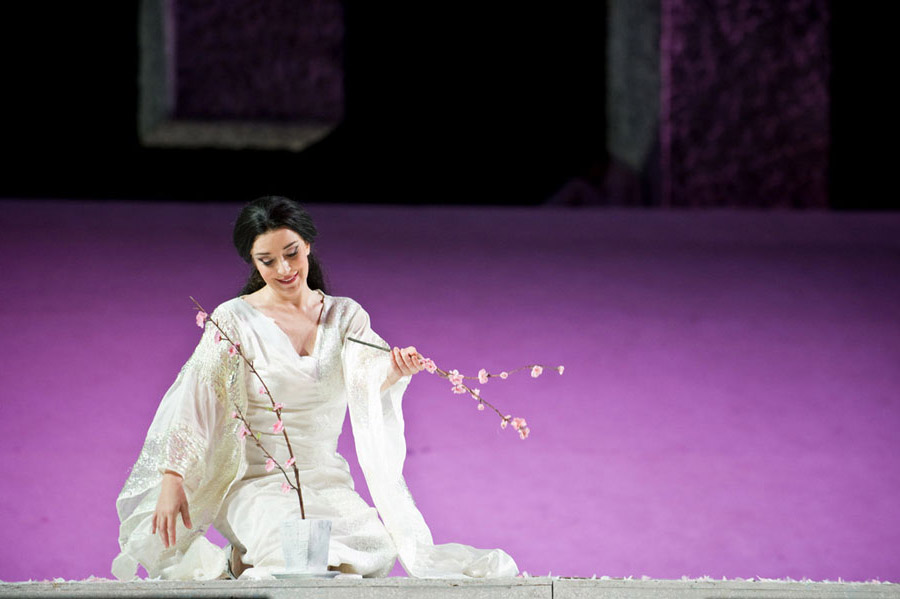
Kirsten Harms is one of my favorite friends. She directed the Berlin Deutsche Opera Theatre for ten years and just recently directed a wonderful production of Madamme Butterfly in Stockholm. She’s smart, beautiful, elegant and very talented. But what brought us together was our shared views on leadership and how the human body confirms or betrays its owners’ ambitions. In Opera as in business, owning one’s place is essential to earn follower trust.

In Opera as in business, owning one’s place is essential to earn follower trust.

It all started the way great friendships often do: drinking white wine in a hotel sky bar with spectacular views over Rome. We had attended a full day of conferences and panels in our International Women’s Forum and we were comparing notes about key messages and best speakers. As it turned out, Kirsten’s decades of experience preparing singers to impersonate kings and heroes on stage was not that far away from my own work with CEOs. In fact, we ended up joining forces to train high executives in multinational corporations. And space, believe it or not, is the first message most would-be leaders get wrong.

And space, believe it or not, is the first message most would-be leaders get wrong.

That first day in Rome we had witnessed an especially revealing example of how space influences a crowd’s opinion. During one of the panels a young, good looking Italian architect had discussed design with a discrete, brainy and supposedly prestigious woman. The fact that I can’t tell you much about her is already evidence of where she failed to create an impact. Not only did the Italian architect take up most of the talking space during the discussion.

He also occupied three fourths of the white leather sofa they were both sitting on. The woman was actually older and far more accomplished than her Italian counterpart, but we hardly saw her in her crouched little cross-legged posture. His waving arms and dynamic dance from one side of the sofa to the other, however, lulled us all, quite unknowingly, into the warm embrace of his charming accent. He created a huge impact on the room. She was forgotten a couple minutes into the following debate.

Interestingly, animals know this rule far too well. The first thing a dog does when he sees a stranger is bark: “hear how far my voice travels and recognize my territory”. Horses will fiercely run around occupying large areas to signify how much in charge they are and how little you are in comparison. Kingly opera singers will walk around the stage in slow grand strides to impress us with their might and power before they start singing. Owning the space is the first sign of leadership in the animal kingdom. So why do so many executives ignore its importance?

Owning the space is the first sign of leadership in the animal kingdom. So why do so many executives ignore its importance?

For one thing, we’re the intellectual generation. For some really dumb reason, we seem to think that anything that isn’t scientifically proven or clearly instructed in our conceptual studies is not important. So the animal wisdom carried along in millenary cultural traditions all around the world has fallen flat into oblivion with us wise guys and gals. Our next problem is we’re in a hurry about most everything in life. Which is stupid as well, because you see, in the animal kingdom if a guy is running really, really fast, there must be a bigger, stronger guy running after him.

Powerful leaders among animals move as little and as slowly as needed to make an impact. Once again Kirsten’s expertise was in agreement: “In opera you will never see a king running on stage”. They also move slowly to let the audience know how important they are. Too many executives, unfortunately, seem to be finishing a call, or sending a critical email or running late to preside meetings where they need to make an impact in order to actually get the job done.

Instead of initiating their reunions with the stance of a leader, they act like a stressed out assistant to the assistant of another really mean person in charge. The third reason why we fail to impersonate leadership with a correct use of space in the room is the secret doubts we hold about our own capacity to fulfill the task at hand. As we mentally decide to take charge and convince everybody of our plans, our bodies actually shrink like oysters beneath our very words.

Here we are, preaching our much rehearsed spiel of high and mighty intentions while our shoulders droop down, or our voice stretches into a murmur, or our head bends down to look at something on our laptop screen. Our words mean to make an impact, but our bodies escape all visibility by shutting down in our very own disappearing style.

We not only fail to use up big amounts of space with strong, booming voices, and direct, far-reaching eye contact. We also ignore the importance of specific places in the room. Those places that clearly signify leadership are often discarded or even avoided with all sorts of creative excuses about flat organizations and empathy, closeness and bla, bla, bla…you have one of these too, don’t you?

Shying away from center stage tells everybody in the room that deep down you’re not sure you can lead them. 

Meeting tables are long instead of round for a reason. Everybody wants to know who presides the meeting by looking at the header of the table. Small stages in large rooms, speaking atriums and screens often indicate the direction in which most people will be looking during the event. These are the places leaders need to occupy in order to be seen, heard and followed. Shying away from center stage tells everybody in the room that deep down you’re not sure you can lead them.

So they stop listening to you after your third word. Cell phones, tables and laptops kidnap their attention because the animal message sent to all the mammal bodies in the room is a red light of alert: “flee the scene, people. Incapable leader in charge means probable death ahead”. Yes, I did say death. In the body to body language of mammals, there is no time for subtleties.

Either it’s life or it’s death: “Tell me quick. I need to survive this very moment before I can think about it”. The next time you need to make an impact during a meeting or event of any kind, remember: Own the leader’s place like any other animal would do. You will be surprised at how much fluidly things will flow when all the animals in the room know who’s in charge.


0