Brave Face. Of Wrinkles and Leaders

Spanish elections are driving the country crazy. We’ve done two rounds already and we may find ourselves having to vote again.

But what nobody’s talking about are wrinkles. Or rather, the absence of them among our so-called political leaders. What happened to our wrinkles of wisdom?

The answer is photography. When we invented a camera to reproduce the wonders our eyes could see, we overlooked the fact that eyes don’t only record images. They also feel. Human eyes, and most animal eyes, interpret the images they record through feelings. The eye is the mirror of the soul: It chooses what details to focus on in a politician’s speech. It is moved to tears by the feelings and authenticity impersonated by the eyes it looks into. It interprets movements and gestures in a much more humane way than scientifically objective camera will ever do.

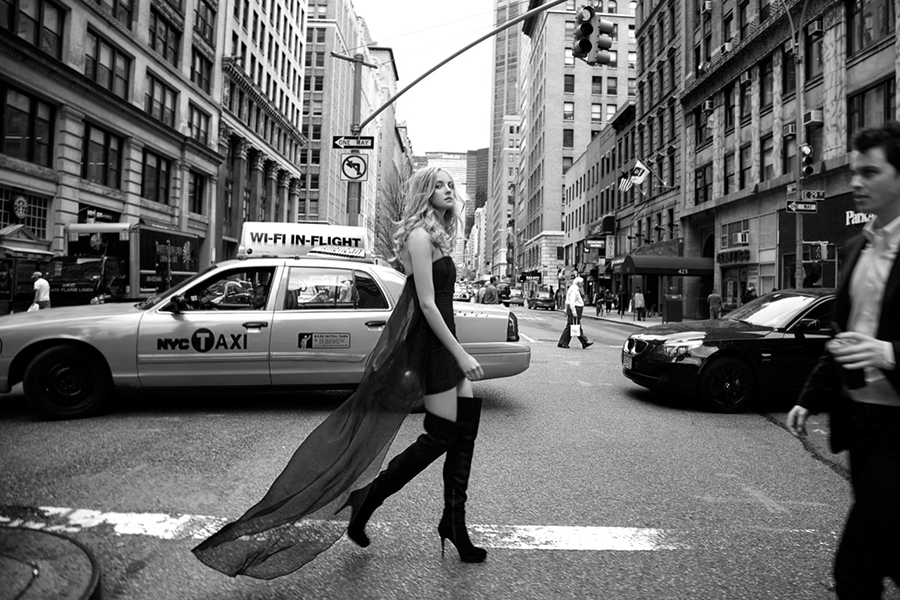
Today’s celebrities struggle to convey pure perfection in front of omnipresent cameras. We all do, in fact. We know that the camera will miss out on the subtle sway of our hips which elicits attention from a room. Indiscreet lenses will show up every imperfection in our silhouette, no matter how much our expensive dress or suit was designed to hide them among real life’s shadows, twists and turns. Most cameras, in short, will simply erase everything that makes us memorable in real life. It takes a very skilled photographer, a master of human Nature, weakness and unconscious disguise, to really capture a person’s essence in a photograph or a video.

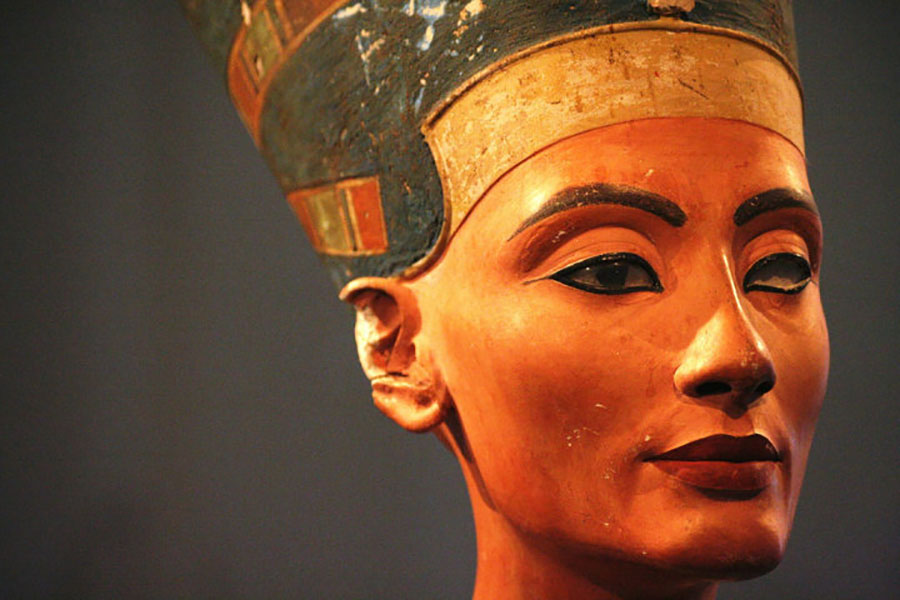
So we see many women in politics showing off shiny, wrinkle free faces. Men too. Their skin shines on camera as if they were my four-year-old niece’s chubby cheeks. Every inch of their faces has been carefully plumped up with hyaluronic acid to appear youthful. Sagging chins are rounded up. Falling eye-lids are held back up in place with a little botox here and some other awful substance there. The appearance of youth has kidnapped authenticity, wisdom and leadership. But hey! Everybody looks great on Instagram!

This may all seem the smallest of details to pass over. You may think it has no importance whatsoever. Let them all spend their salaries on a race against age that they will eventually lose anyway. If it makes them successful and happy, why not?

Well. If only because they are our leaders and they seem to have lost their own leadership. Cameras may prey on visual perfection. People don’t. People only follow those who inspire them, move them, make them feel cared for. People focus their human, non-scientific eyes on those whose own eyes convey a deep, knowing connection. The eyes of a leader are full of wrinkles and lines of expression, just like the eyes of a parent who supports you during the worst moments of your life, when nobody else dares to look you in the face. Through sickness, through loss, through personal ordeals that business meetings try to ignore and parties stay silent about. Only wrinkled eyes and skin faded like an old leather couch will look at you with love, compassion and utter faith in your ability to pull through it all. Such are faces which inspire millions to follow them into scary futures.

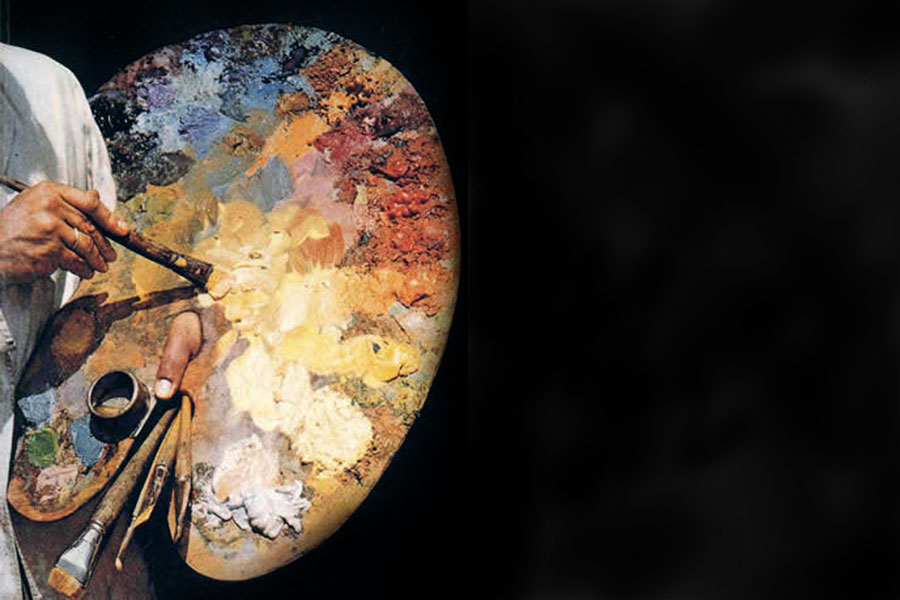
Because our eyes, our face, our very skin…they are the painter palettes of our own artistry in life, of our past experiences and how we’ve overcome them, what we’ve learned from them, how they will determine our response to future crisis, lead our people, build our societies. The rich texture our skin acquires as we live one decade after another is the outer reflection of what we come to understand about life’s layers of difficulty. Weathered cheek bones, somber brows or deeply imprinted foreheads express so much more complexity and wisdom with every gesture than the rigid, flat surface of a botoxed, hyaluronized face. Ironically, it is precisely what least flatters us on camera which makes us most interesting, memorable and humane. A leader without wrinkles is a robot nobody can feel secure or connected with.

I love to look at my niece’s innocent, glowing skin. Her shiny eyes full of surprise and wonder at every little thing she discovers in life. I laugh when I remember the time she tested me in the bathroom mirror as I washed my hands one day. She was barely two at the time. She had walked in to the bathroom behind me. “Pino I love you!” she said, purposefully spreading her mouth into a smile. I smiled back at her in the mirror and chirped in glee. “Pino I hate you!” was her next sentence. A small, pouting mouth and barely angry eyes underlined the turn in conversation. I followed her game and made crying sounds with my mouth sagging on both sides. And back to “Pino I love you!” This went on for several minutes as she thoroughly enjoyed the effect that different emotions could have on me.

Two years later my niece is still beginning to understand the six basic emotions depicted in Pixar’s “Inside Out” movie. That is all her primal expressions can come close to: joy, sadness, disgust, fear, anger –oops! It appears the movie left out surprise, our sixth basic emotion according to Paul Ekman –. The soft, smooth skin of our childhood reflects the rigid flatness of emotion we are equipped to express and comprehend.

Of course there is an irresistible magnetism to the innocent glow of youth. It reminds us of who we were before we got lost in intellectual endeavors and social masquerades. Before we faced trauma or grief. But to trust our futures into the hands of childish adults without worries, wrinkles or texture in their faces and hearts would be foolhardy. Idiotic, irresponsible, and only possible in the world of viral trends imposed by the collective ignorance of internet. It is wiki-stupidity. Pure and simple.

Melancholic joy. Sad acceptance of a difficult past. Pride in who we’ve become overshadowed by twinges of guilt on Sunday evenings. Deep love for a man who hurt us many times. Longing for a woman who knows how to be cruel, funny and irresistible all at once. These are the emotions of adults. These are the textures of middle age. This is what we need to share, express and read on our leaders’ faces. Both women and men.

Our beautiful Nature is brimming with ugly trash. Our planet full of abundance fails to feed millions while hundreds grow fat and idle. Our times of peace are more shaken than ever with terrorist attacks. Our financial markets live in a permanent turmoil we’ve begun to call normality. Our politicians can’t decide whether they want to be popular celebrities or wise pillars of our globalized society.

Our world is more complex than it’s ever been before. We need wrinkles, deep lines and weathered skins. Let’s remind ourselves every time we look in the mirror. Let us feel pride of the rich skin tissue we show the world, and the life, brimming with paradoxical emotions, that it reveals every time we smile.

Why I’m Over TED Talks. Except for This one…

Today I received a link to Dan Pallotta’s latest TED talk, “The dream we haven’t dared to dream”, delivered a couple months ago at TED2016. It was full of wonderful quotes I won’t repeat. I don’t want to wreck it for you. Let me just say it looked and sounded the way leadership should.

Once fascinated by TED talks, I’ve become terribly bored with them over the years. Especially now that we are invaded by innumerable TEDx versions, polluting the internet with over-coached, standardized-to-death accounts of scientific nonsense. They’re linear and forgettable when they’re not delusional. If I have to see another eight-year-old teach me lessons about how to be a better human being I might vomit on my laptop. But Dan was different.

He wasn’t linear. His voice upped and downed, croaked with feeling, shushed with gravity. You can’t practice how to be yourself in front of a hungry TED global audience. You just are or you aren’t. And Dan most definitely was. This is the first symptom of true leadership that rarely presents itself in today’s mass media.

He wasn’t triumphant. He wasn’t patronizing, he wasn’t there to show us how smart he was or how much he had achieved. What a relief! What a wonderful surprise to hear a person just talk about his dreams and his hopes and his pains like any one of us. He showed us pictures of his family, he shared his memories, his dreams and miracles. He was humble. Another symptom of true leadership that has fallen from grace.

He wasn’t trying to change the world. No need to make more money, grow more of this or improve more of that. No mumbo-jumbo about success, trying hard, studying this or investing in that. Thank goodness for a TED talk with somebody who knows that life isn’t so much about changing other people as it is about changing yourself. About discovering who you are under all that jazz. This used to be the way leaders were a long time ago. Unassuming, serene and completely devoid of concerns about how to conquer the world.

He’s always been brave. We all love brave, until brave gets hit in the face. Then we become more cowardly about it. But Dan got hit in the face, fell down, got up, kept going. It takes a brave man to speak openly about “a pervasive form of contemporary violence to which idealists most often succumb: activism and overwork”. It takes a brave man, in fact, to get up in front of a TED audience and say all the truths he said on that stage. Bravery is, we all agree, completely essential to any leader.

And last but not least, his speech was full of wisdom. Deep inner wisdom of the kind you only get when you plunge down into your own darkness, face your demons and cry out your most secret pains. This too should be a sign of true leadership that is sorely missing among most TED talkers, Fortune 500 CEOs and other business celebrities today.

Maybe true leadership is precisely about broken dreams. Maybe it’s a quality of being that requires a lot of wandering through the darkness, bathing in doubt, suffering through insufferable choices that others don’t seem to have had to make. Early human societies used to consider rites of passage essential to personal growth. Everybody in a tribe had to go through rites that tested their resolve, their strength, their ability to dream, their resistance to pain and hardship. Only those who could undergo the toughest, most demanding ordeals could aspire to lead the tribe. Only the strongest, bravest and most humane could rule everybody. Leadership wasn’t inherited, or passed on. It wasn’t even something you made your goal and tried to get. No. It was a gift you found within yourself and something everybody recognized.

In a society that constantly and compulsively prioritizes results, success and popularity, it’s inspiring to find a soul like Dan Pallotta on stage. He has this kind of weathered appearance full of expression that half cries and half laughs at the ironies of life he hears himself share. He looks at stuff that nobody else is looking at and thinks about it, learns from it, becomes a teacher of it: stuff like the illogical, unbearable price of our dreams.

A good friend once told me that ballerinas who had little trouble at the beginning of their careers rarely became great. It was those who had overcome great obstacles in their first years who later became world renowned artists, breathtaking dancers on stage. Broken dreams and failure are the world’s way of putting us through our ancient, forgotten rites of passage. It is in these sore episodes of existence that we become deep, humane, inspiring leaders. It is in our nightmares that we learn to look into other people’s hearts.

Dance away, Dan. Keep thinking, keep writing, keep talking, keep growing. Keep throwing light on what others fail to see or care about. It’s much harder to lead people through the dark than it is to sit on a Fortune 500 board.  Everybody knows it. Deep inside, we all really, really do.

And when the going gets tough, as it very surely will, we’ll all be searching for true leaders to guide us through uncertainty. When we all quit playing these dumb games of power against a world we mean to control, change and “make a difference to,” joy, humanity, presence and true leaders will rule again.


Lack Of Gender Equality Holding You Back? Become a Witch!

If you look up the term “witch” on Google, you’ll get a lot of images of green, old ladies. Ugly, dirty, with long yucky nails, all dressed in black. Witches get really bad press, but when you realize how powerful a woman in her own feminine strength can be, you’ll understand why.

A few years ago I had a huge fight with a male friend who told me I was a “bad, evil witch!” He was screaming at me in the middle of the street, right outside an event we’d both attended. Much as I tried to argue that I wasn’t that dark and evil, my low-cut red dress and shiny red lips didn’t support my claim to innocence. Well, guess what? He was right!

What’s worse, I’ve become convinced witches will reign again. And if you’ve followed my previous stories here, you may have figured out there was a witch inside of me long before I did. About a year ago I wrote about the witch-hunts conducted against pagan women leaders of rebellious tribal societies in Northern Spain. While visiting the valley of Baztan in Navarra I had been blown away by the energy of mystery, ancient battles and obvious persecution of those who did not submit to mainstream thinking. I felt entirely at home, as if I was in my mother’s own country: Ireland.

When I was a child I spent many summers in Ireland. Legends of leprehauns and fairies seduced my imagination all the time. I distinctly remember riding in the car up North, looking out the window at rainbows and cows. A pot of gold was supposed to await at the end of a rainbow, and if you found a leprehaun in a forest, he could lead you to the treasure if he didn’t find a way to trick you first. I spent hours anticipating strategies against those wise old magic men. Then I grew up and became an engineer. I forgot everything magical or mystical. Until now.

Ancient tribal societies were often lead by women. Not only were the first deities female, but many a shaman and druidess were to be found in pagan tribal societies, all the way up to the emergence of patriarchal societies around 3.000 years BC. Women were biologically designed to connect with the cycles of life and death seen in nature. Women had a different way of looking at survival challenges than men. They had an intangible kind of strength that made up for their lack of physical muscle. Women were deeply emotional, instinctive, cyclical, passionate creatures.

More importantly, women were mysterious. The hidden beauty in womens’ eyes was just as feral and full of its own will as a sudden storm in the jungle. Life was a mystery to be admired, enjoyed and surrendered to. Women were too.

But for ages, women have been domesticated, controlled and suppressed. Humans slowly became smarter and more ambitious. We conquered Nature. We conquered animals. And we also conquered women. The more men antagonised and centralized patriarchal civilizations, the harder we chased these unfortunate tribal leaders. The term ‘witch’ became tainted with all sorts of moral judgments which guaranteed hell, evil cruelty and demonic curses. Female healers, tribal leaders, property owners and spiritual guides were mortified, humiliated, raped morally and physically until they surrendered or died.

All kinds of non-linear logic were forbidden. Visions, gut feelings, strange dreams and superstitions – anything that couldn’t be explained with strict intellectual logic – was denied. Simple herbal remedies and fortune-telling methods became the language of the devil. Unruly passions were whipped to purify the soul. Disturbing torture machines were invented and exported to the most remote corners of emerging civilizations. Humanity discovered the psychopathic pleasure of observing another’s most desperate pain.

So monstrous was our persecution of the wild, that many generations later we still don’t dare to even look at the unconscious in our own bodies. Our current relationship with wild Nature, sadly trashed to near extinction, betrays how we relate to the wild within ourselves: our feelings, our unpredictable passions, our chaotic dreams and the sudden certainties we feel about the future. We don’t dare tell anybody what we’ve heard our dead father tell us this morning, or how we felt undisputable certainty in the dream we had last night that was way more than just a dream.

Everybody I talk to describes experiences and recollections that can’t be explained by science. They tell me like it’s an ugly dark secret not to be confessed to anybody else. Just as embarrassing and ugly as I found divination methods a few years back. Little fascinating rituals we all play into when nobody’s looking. Astrology, tarot, I Ching, tea-leaves in a cup, lucky socks or winner ties, and the many folkloric customs still alive today in every single corner of our planet. Myth, emotion and mystery abound beyond the limits of our hyper-rational internet clouds.

It comes as no surprise, then, to witness how modern women have issues with themselves. We can’t scream, we can’t cry, we can’t follow an intuition we had this morning while feeding the baby. We can’t look old, we can’t fall in love with penniless artists, we can’t make a scene at the office when we’ve been insulted beyond belief by ignorant idiots who only think of money. We can’t even bear our babies without drugs and total medical intervention, for God’s sake! We can’t do anything that may be construed as remotely similar to pagan witchcraft. Unless we want to be publicly humiliated and burnt on a stake by sorely manipulated crowds.

Men can’t either, by the way. This isn’t about women. It’s about the feminine, the self-willed, the indomitable, the rebellious… the mysterious, the seductive, the exciting, the life-motivating. This is what we’ve lost as a species. This is what we’ve been told is bad, cruel, demonic and surely leading our souls to Hell.

Today, as we fight over who sells weapons to whom, which terrorists are funded where, who spreads the most trash and who’ll be the first to stop burning fossils, wild nature sits silently watching this global confusion and fear. Because the day we burned our witches we became orphans to the unknown.

Our future is uncertain. Tomorrow seems obscure. Chaotic changes await us as global warming creeps up on our cities, tourism-exploited beaches and over-monetized crops. All our masculine big data, scientific knowledge and over-inflated egos are useless in the face of curvy, feminine, unruly and unrelenting rhythms of angry nature.

Yes, my friends, it’s time to find the witch within. They were never cruel or ill-intended. They were our best translators to the planet’s symbolic language of life. Spiritual, magical, unpredictable and completely at ease in complete obscurity, witches will help us figure out which fact to follow, just as they helped our earliest ancestors choose their hunting strategies in hidden caves, tens of thousands of years ago.

Follow your dreams. Surrender to your passions. Trust your hearts. The witch of wild wisdom within you will slowly emerge to guide you when everything else fails.


The Enormous Truth Buried Inside Every Ancient Society

We live in a world that punishes truth and praises lies. Our deepest truths come from the heart in unwritten feelings and sensations which may remain dormant or out of reach for decades. Our minds, however, are experts at fabricating words to fill in the gaps. Whatever it takes. Is it any wonder that the meaning of leadership itself has become so corrupt?

My lifelong study of leadership has brought me to nature. As I brushed away the dirt that I came across in so many books and studies, I found an enormous truth buried deep inside every ancient human society. Animals and nature follow the rules of leadership way better than we do. The logic of this original, true leadership permeates the entire animal kingdom, and is most visible among the largest, most complex of creatures: our mammal friends.

Through working with dolphins and horses, I began to discover a fundamental fact that seems to have disappeared beneath the worlds’ pyramids and buried temples. Leadership is an act of love. Not an impulse to get rich or famous. It’s not about getting respect or being remembered. It’s not about Forbes rankings. It’s not about the ideas we read about daily in magazines, books or elite university research papers. It’s about love. Deep, beautiful, selfless, complex, life-thirsty love.

In Ireland the Hill of Tara bears witness to very sexual ceremonies in which 142 High Kings of Tara were selected and crowned by Celtic kings. The ancient Egyptian Turin Erotic Papyrus graphically shows how sexual energy was closely tied to the Gods and to the afterlife for the Egyptians. Cave paintings and less sophisticated representations from primitive tribes also remind us that before we became so intellectually smart we knew that business was not too far away from erotic pleasure and love.

I used to be a very brainy industrial engineer with huge ambitions. I was a product of our times. I was told to study hard and reach for the stars. I believed it. Thirty years into this game, however, my heart started beating a different tune. Confused and bewildered, I needed more than a decade to figure out what it was trying to tell me, without any words. Now that I get it, none of the business gibberish we all talk makes any sense to me. It seems like a huge lie at the service of the few… the few willing to break every rule of life in order to get to the top.

In many mammal species the leader of the pack is female. The first human Gods were female, as so many ancient figurines symbolise – without words. This female style of leadership is about having everybody’s back. And I mean everybody: Fast hunters, young studs, innocent teenage girls, child-bearing women, wise old men. Wild animal leadership is about being last, behind everyone, the first one to be discovered by a chasing predator.

This heart-driven leadership serves life at any cost. It follows a logic of economy in which no one is killed for any reason other than promoting life itself.

No conflict is sparked for dumb reasons like money, power, conceptual beliefs or ego. A clean worthy heart is venerated above every other possible trait. Beauty, charisma, intelligence, business savvy and physical strength fall short, way below this intrinsic ability to love your people so much that you will give yourself over in order to promote their wellbeing.

If we look at human history, and evolution itself, we see that the Homo Sapien species appeared two million years ago. The oldest Goddess figurines found, the Tan Tan Venus in Morocco and the Berejat Ram Venus of the Golan Heights, could be as old as three to 500,000 years old. Homo Sapiens, our own species, is only 200,000 years old.

War, violence, degradation of women and chieftain-based leadership, in contrast, are no more than 7,000 years old. A mere hiccup in our Evolution! It’s true that without war, human societies would not have developed as miraculously as they did. We have to admit that the dynamics set in motion by those first Indo-European invaders about 4500 B.C.E. in Europe, replicated in Middle-East and America, did push humanity to overcome gigantic challenges. Business strategy still praises Sun Tzu’s “Art of War” treaty, and many of our daily comforts and technology applications come from inventions developed by the military.

But for some reason we have let this hunger for domination and supremacy blind us to the invisible cost of war and violence.

Recent Jihadist attacks come as a painful reminder to modern societies. Violence destroys life. It kills many lives in one fatal blow and alienates future generations with unbearable doses of shock, fear, vengeful anger and guilt. Guilt-ridden successors of great historic conquerors have always been weak, depressed, addicted and perverted. The cost of war is multi-generational. It takes many, many, lives to overcome the incomprehensible wounds left by meaningless death.

To our essentially mammal hearts it makes absolutely no sense to kill anyone for a reason that is not life or death. Like any other animal on our planet, it would choose first to avoid or escape the conflict, and it would only attack if it had no other choice. What’s more, if it had no chance at all, it wouldn’t even fight. It would go straight into shock to minimize pain, once again eliminating meaningless violence.

The heart is female and the mind is male. Yin and Yang. Moon and Sun. Love and Sex. Creation and destruction. In nature there is an intrinsic balance between the male and female principles that pushes life forward. But we humans have become so strategic, so brainy, so blinded by the delusional lies of our very own grey matter, that we have broken that balance. We are slowly killing nature. Animals are becoming extinct, resources are running out, trash is polluting everything.

Who will remind us that loving hearts must again rule over fearful minds? Heart’s follow mind when mind serves heart’s purpose.

Men and women who ignore their heart plant death and grow destruction around them because their minds lose all sense of purpose. They become blind to the logic of life – that nature and animals will obey at any cost.  They become leaders of hatred and worshippers of meaningless rankings. And so they become slaves to a Godless, robotic system of endless competition with each other.

It’s frustrating to fall out of the profit-making machinery of corporations. It’s alienating to choose projects that make sense, rather than money. It’s very lonely to speak from the heart in a society that can’t remember what it feels below  the neckline. As I’ve shared often on Real Leaders, it’s scary to see myself invest year after year of my career into “bringing love to the darkest, most loveless of places.”

For a very long time I was scared that I might be wrong. I seemed to be the only one talking this way. Punished once and again by people who were blind to their own hearts’ logic of life, I’ve become surprisingly strong. I’ve come to see that when you serve truth you don’t need violence. Truth is irresistible. True love is untamable. True leadership loves so deeply and effortlessly that violence and punishment melt in her presence. And a woman who rules from a heart full of love is a force of nature – a fair, wild, strong leader, a chaos of emotion full of wisdom. A woman who fully trusts her heart becomes a Goddess.


Why Instinct is Important for Leadership

What do you feel right now? Where do you feel it in your body? Can you score your body tension between one and ten? These are questions I ask clients every day. At first, they answer in monosyllables, like “fine” or “uh?” Today’s CEOs think they are good leaders. But if they are caught off guard by questions like these, it means their leadership is more theoretical than real.

We know that instincts are important to leadership. It’s an intuitive truth that we’ve read about forever, but how can we follow our instincts if we don’t know how our body feels? And how could we, in a society that does nothing to teach us the importance of looking inside ourselves from time to time?

Instincts are felt as bodily sensations. Your gut tightens up with a contraction against a certain person or situation. Your skin may crawl, as the expression goes, or it may constrict in a way that makes your hair go up in spikes. Our breath is also quick to change in the face of unexpected events, and our heart may miss a beat or beat faster than usual. All of these cues tell us that our body is reacting to something right here, right now – something that is critical to our present survival or our future progress. In a culture that medicates us to subdue every inkling of discomfort or pain, body reactions can go unnoticed.

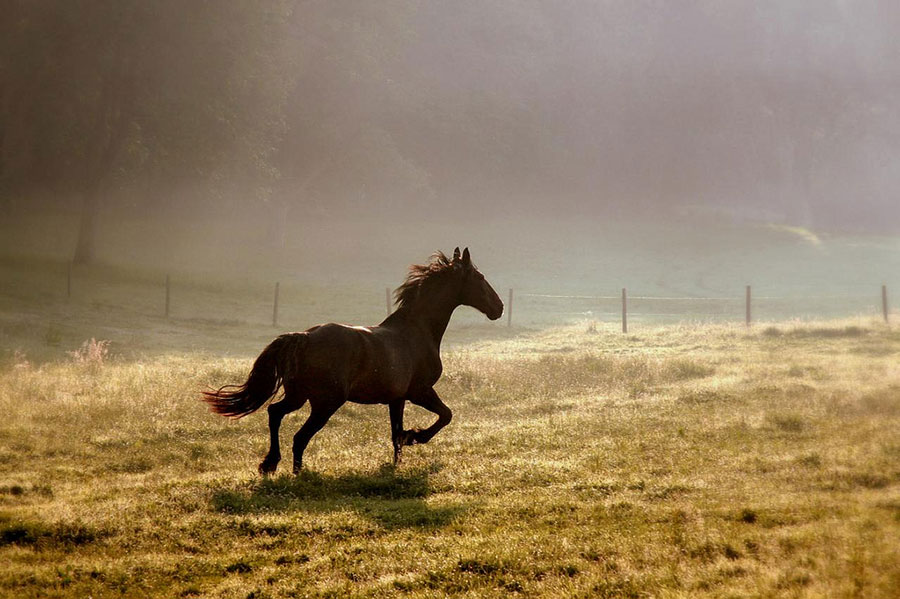
I’m presently thinking about this because we separated a two year old foal from his brother last Sunday. Both horses had been separated from their mothers about six months ago, and after a couple of very stressed days, had settled into the new routine of sharing a big box like flatmates. As a new baby came to the moment of separation from its mother, my foal was taken to an adult horse box to live alone for the first time in his life.

Suddenly alone in this new space, he is acutely sensitive to every little noise or sound happening around him. If an airplane goes by, he pricks his ears up and tenses his eyes until the engines stop disturbing the quiet of the fields. If his caretakers wheel a barrow across the lawn, he again reacts nervously. His entire body posture and his breathing immediately betray his level of tension. It rises and falls with the smallest change in the environment. So my question is: shouldn’t we be doing the same?

Nothing is happening to this horse that wasn’t going on before. The difference now is that he is not distracted, or comforted, by the company of another horse. And while their is no real danger to his survival, his most feral instincts are completely alert, just in case. Watching him I realized how humans should be paying a lot more attention to the sounds, changes and tiny cues triggering around them in order to survive and thrive. Nobody’s survival is more threatened than that of a CEO.

But our CEOs are busy analyzing market trends, or looking at multiple screens with data, or focusing on complex negotiations all the time. Rarely are they simply noticing how their own body is reacting underneath all those intelligent and strategic words.

A client of mine, Ryan, for example, came out to get some feedback from our horses last week. He went to the stable door to pet one of the younger mares. His right hand was held up front, petting her on the head, while his left shoulder kept yanking back every time she moved her head. If the mare had been his boss, or a client, or even his team, Ryan would have been forcing himself to keep up a strategy that his body was very uncomfortable with. Ryan’s focus on the content of his own words, the words he was getting back and the mental plans he was trying to materialize was making him blind to his body’s instincts.

When I pointed out the yanking shoulder, I helped Ryan step back to a distance where his body stopped shrinking away. Then I asked him to think of how he could advance in a way that felt comfortable, and I suggested protecting his space with his left hand at all times. A few minutes later he was hugging the mare over the fence. Ryan was forgetting to protect his own position while advancing, with the mare.

His negotiating position was unstable and thus his rivals could take advantage of him. His attempts at making his own team feel safe were not successful because his team sensed his own yanking back in small details: a dumb comment here, a bad joke there, a tricky email, a way of phrasing instructions that betrayed a feeling of discomfort.

Horses and all mammals in general help us focus back on our instincts, body feelings or reflexes. There is an age-old wisdom to them that protects us even if we are distracted thinking of something else. Being mindful of all these little warning signs and alerts is critical to incarnate strong leadership.

So ask yourself these questions every few hours or every time you remember to: what do you feel? Where do you feel it in your body? What level is your tension now? By turning your attention to your body a few times a day you may begin to notice your yanking shoulder, tightening guts and crawling skin. What’s more, you’ll begin to realize there is a connection between what your body expresses and the business challenges you’re facing

This is what meditation is all about. And it’s way more useful than forcing yourself to sit in silence for twenty minutes in the morning. Trust me. Effective leadership is about “right here right now”… all day long!


How to Perfect the art of Passive Conflict

There is one fundamental fact of leadership that we modern, performance-obsessed executives struggle with: repetition of ‘wrongful’ patterns. However, the path to perfection runs through every instance of imperfection.

2016 has begun with an explosion of political controversy in Spain. The Catalan region finally appointed its new governor, who swears they will become an independent nation from Spain in 18 months time. Meanwhile, the entire country has agonized as several ruling parties fight about putting together the needed majority of votes to choose a new president, or repeat the elections. Social networks and newspapers sizzle with anger, indignation, disgust and all kinds of violent, though strictly verbal, confrontations.

You could say we are repeating the same sanguinary conflicts that drove us to our civil war in 1936. Only we’ve brought it down a notch: from gunshots to verbal insults, from bomb explosions to economic manipulations, from exiles and murders to political humiliations. It feels just as horrible, but people aren’t dying.

As I turned in my last article to Grant, the editor of Real Leaders, he shared how uncertain and painful the current situation in South Africa is these days. Racism seems to be peaking again. On the other side of the world the United States has recently experienced several episodes of outrage at police brutality with Afro-Americans. And circling back to Europe, we’ve seen Germans and Dutch citizens coming out on the street to express their opposition to immigration policies concerning war refugees. It feels like every region of the planet is repeating their worse and most gruesome historic episodes. And this scares us. As it should.

Maybe the world is going to hell. And maybe we’re only repeating what happened in the past in order to finally resolve it.

We release old, trapped emotions on all sides of conflicts, wars, persecutions, genocides and all those truly awful things we humans have been doing to each other for the last seven thousand years. My hopeful guess is that all this verbal violence will not go further than a few isolated incidents of physical brutality. By reliving it we may appreciate how much our parents and grandparents paid to help us grow into more sophisticated people, understanding and supportive of the subtle differences found in others.

Because having gone through two world wars and hundreds, if not thousands, of awfully destructive conflicts on local levels. We have grown as a species. We have understood that there are two sides to every story. We have heard our families cry for those who died finding food or safety for their loved ones. We have written books and made films that interpreted what was going on. We attributed evil motivations to enemies who were just as scared and lost as we were at the time. We’ve read articles and watched documentaries about how very much it hurt them too.

Around the globe in many, many families, we have carried the victims’ angry impotence and the conquerors’ awful guilt.

Now we know what happens when you resort to violence. Now we know that nobody wins and everybody loses. Even if we forget from time to time.

Grant and I attended the World Summit of Nobel Peace Laureates here in Barcelona on the exact day of the terrorist attack in Paris last November. I remember sitting in the beautiful halls of a centric historical building that Friday, listening to wise, articulate people demand peace. “But peace can’t come without a lot of painful emotional release… a lot of hard work on all sides!” I thought to myself. It’s so easy to act peaceful. It’s so hard to actually be at peace.

It’s like a marriage. Both parties want the marriage to work. They both want to find the sexy closeness they once enjoyed. They both want the fighting to stop. And yet, many end in divorce. Some even go as far as having one last baby in a desperate effort to save and restart a mutual feeling that simply won’t come back. It’s not until many years later, once they’ve rebuilt their lives with new spouses, that they find the original peace and intimate friendship they once lost. Once they’ve worked through all their anger, frustration, fear and negativity about each other, they may come out the other side as allies, sharing the upbringing of their kids, listening to each other’s marital problems, and remembering why they once loved each other. More importantly, they will have recognized, accepted and owned their own roles in the destruction of the marriage.

This is the price of peace. Of real peace. We can stop a war, dress up, have a huge party and announce to the world we’re done fighting.

But until we surface all our pain, until we clean out all our wounds… Until we can truly look at our enemy in the eye with deep authentic gratitude for how much he or she helped us grow personally and spiritually, we will only be trying.

Looking at the world today it becomes apparent we’re on our way to finding that deeper, authentic state of true, grateful peace. We’re not there yet. And that’s why we need to repeat our conflicts. We need to vent that ancient anger we’ve been holding onto – on a personal, family and national level. It has to come out. There is no other way of resolving the past. As somebody once said, “the only way forward is through.”

Let us all become aware of what we’re feeling and experiencing. Let us all find safe spaces to express our anger, resolver our pain, release our fear. I send many clients to do kickboxing or other sports which involve kicking, screaming, hitting and growling. It allows them to release anger without hurting anybody. It helps them come to terms with the fact that they do feel terribly, horribly angry. And that there are plenty of good reasons for that anger when they look back at the history of their families. It’s only after kicking and growling that they can start talking about it.

Let us all repeat our ugly rants against historic enemies in situations which minimize the pain we inflict on others.

If we are wronged by those who blindly repeat their own destructive patterns, let us repeat the pattern of victims with acute self-awareness. Because every tear we cry will bring us closer to those who were wronged before us in our families. Every spasm of pain we surrender to will release the patterns of injustice… for ourselves, and also for our children.

I have no crystal ball. I know not where this climate of verbal violence will carry us. What I do know is this: no death is meaningless. Every tear and every loss is deeply significant, honorable and worthy. Physical destruction builds and enlarges future consciousness just as death creates new life. Let us honor and respect every price paid by humanity in order to give us, here and now, the chance to live in truly deep, conscious and effortless peace.


Real Meditation: Don’t Rise Above Your Thoughts and Emotions

Television reflects us in so many ways. The new series “Billions” starts off with a big, bad, reckless hedge-fund investor and his natural enemy, a ruthless US attorney, both meditating in their offices about how best to cheat each other. Nice use of meditation, right?

Yes sir! Meditation is here to stay. When two power-hungry TV characters, both of whom will probably cheat, lie, manipulate and even kill before the first season is over, sit silently waiting for their flashy phone alarms to go off, you gasp at how we’ve managed to corrupt yet another tool for leadership growth and illumination. Now it turns out we can use meditation to do evil unto our enemies too. Very nice indeed.

As a prospective client told me yesterday, “I know all the theory already, I just can’t get my mind to stop for a second!” The eldest of five talented brothers and founder of their rather impressive family business, he can’t rest for a second without a sibling challenging his lifelong leadership. Thus, he leads them like a tired father, too young to be so bored with parenting at only 45. Let’s call him Jerry.

In the meantime, I’m also exchanging insights on WhatsApp with the male leader of another important family office. I will call him Tom. He found meditation and spirituality a few years ago, boasting daily ritual and a very virtuous lifestyle. No alcohol, careful diet, strict discipline and lots of happiness. He tells me that, “when I feel a negative emotion I simply acknowledge it, let it go, and go back to being my very happy self without a second thought. I don’t let anger or pain hold on to me!”

Well, I beg to differ. I find something terribly amiss in this shared meditational philosophy about “rising above thoughts and emotions.” What for? Why do we need to pull ourselves up into heavenly bliss while we’re still walking our challenging lives down here in hellish civilization? Won’t we have plenty of time for delicious and obligated happiness when we die?

We seem to be stuck in this chronic inability to face, accept and actually feel our emotions. Some of us are so terrified of feeling anything that we are ready to work ourselves to our graves if it saves us from facing the demons inside our hearts. Others have invented magnificently complex intellectual beliefs to create a vertical, disdainful distance high above all that is fuzzy, wuzzy, icky and rooarrrrry inside our bodies. Meditation becomes a tool to avoid emotion rather than the vehicle to help us connect with it. And I, for one, believe it’s a huge mistake.

Tom and Jerry seem to live in the same endless world of chasing of each other, that we saw in cartoons when we were kids. Tom tries to catch Jerry and trap him inside an unwanted meditation seminar while Jerry thinks that Tom is too simple, making him run round the entire kitchen in circles. Their deeper animal selves witness this cerebral orchestration in resignation… instincts, impulses, feelings, sensations and emotions must keep silent or hide appropriately until the chase is over. But when it finally ends it will be too late, won’t it?

The road to Nirvana runs through the body, with all its stressful instincts and uncomfortable realities. Those who try to fly directly to an illumination without their bodies are fooling themselves. Proof is quite visible when you listen to Tom’s routines and logic: they’re simply too much hard work. Too strict, too self-judging, too elevated above those messy tears, greasy pizza or sex. It sounds like sad, old nuns and skinny monks renouncing their lives to hide away in a convent of ascetical self-denial. It amazes me how frequently this interpretation of spirituality is repeated around the world, in many cultures and religions – an idea that in order to find God you need to flee all pleasures in life, and rise above weakness or want in every form. Jerry can’t imagine how to achieve it. Tom spends too much energy justifying it.

If only they both stopped running, thinking, doing, or chasing long enough to let their own feelings come up into consciousness. This is, in fact, the true path to the spirit (or to God) or to deep leadership wisdom: doing nothing. Pursuing nothing. Trying nothing. Letting thoughts and emotions run around wild until you begin to see a pattern in them. And just as you identify this pattern it gently dissolves and disappears, releasing you to sink down into greater levels of simplicity, fluidity, intensity of feeling.

This is what transcending negative emotions is all about. Jerry can’t stop thinking because he is scared of feeling them. Tom can’t stop forcing ritual and discipline on himself because he too is scared of being drowned by them.

Yet when you’ve recognized and understood the patterns of emotion and sensation that tug at your body’s tissues and your mind’s neurons, you slide into a state of zero effort and total passion. Total presence in this moment is all about not having to ward off anything. No hiding away in the corner of your mind with some repetitive chant. It’s this effortless quiet that brings on deep insights about life, business, love and spirituality. The quiet that invites feelings to come as often as they need to, stay as long as they want to, grow as intense as they must.

Emotion, sensation and impulse are precisely the path to inner wisdom and total presence:  Pulsations, vibrations, tears, growls, kicks and screams that kidnap your entire body like an overpowering wave of energy. Like when you were a baby or a toddler without any notion of ridicule or judgment of yourself. Like any animal. Like everything that pushes life forward in the wild, willful overpowering passion that we call Nature.

This is meditation. All else is pure fiction. Embrace the Wild within you!

Be More Like an Egg and Less Like a Sperm

Thank goodness, the Climate Change talks in Paris have actually ended in an agreement to reduce carbon emissions, supported by 195 countries. Many world leaders have now committed to doing what many of us have been doing for a very long time. It’s taken many, many years –and a few natural disasters—to finally contain our sperm-like impetus. Acting less like sperm and more like eggs, however, could solve the situation without effort.

I was speaking at an event for entrepreneurs recently in Madrid. The previous speaker kept telling the audience how “sperm strategy” would make them rich. It was funny, a little mischievous, and very compelling: get to the goal before anybody else, push and shove your way there, never relax, seek the shortest path, etc. It sounds exactly like most of our business mumbo-jumbo, doesn’t it?

Twitter is full of spermfully reflected uses of the allowed 140 characters, designed to catch our eye and drive us to a product, a person or an idea: “the secrets of…,” “How to conquer…,” “Why you need (this) to succeed.” A total explosion of sperm-tweets pushing us to find our egg and break into it as quickly as possible, every minute of the day. Exhausting quite frankly, and you can imagine that no real egg is going to spend a lot of time sitting around in there! It’s like gang-rape!

It’s overwhelming, excessive, over-anxious and far too thrusty. Sadly, we’re all playing the same game, and though we would never, in our wildest dreams or most decadent moments actually consider anything like actual rape, we do give off this vibe of excess enthusiasm that can be quite counter-productive. Is it any wonder we’re generating too much of everything? Too much carbon dioxide, too much plastic residue, too much production is regularly dumped to control prices, too much trash is growing in piles and puddles around us every day. Enough with the proactive sperm vibes!

Now visualize the egg. The first thing we notice is size. Sheer size. The enormity of the egg beside the tiny, little jumpy sperm hovering around it. The egg is just there. Doesn’t need to move, chase, try, scream or tweet. No need at all. It just waits for the right opportunity to come along. And it somehow always knows. The cost of choosing the wrong business partner to create a new business baby is simply not worth it. Too much investment, too many years spent growing arduously, too many hopes and expectations to fail. The egg doesn’t rush into a business deal of any sort. It sits and waits.

But it’s not an anxious wait – full of hopes and expectations. No. It’s serene and mysteriously calm in its movement. Like waves on the surface of a pond going nowhere. It can recognize the absence of a feeling, a very specific chemistry of infinite success and passion without which there can be no conception. The egg knows that it will die if the right guy never comes along. But the egg has no fear. It is not worried about what other eggs will think. It doesn’t need to leave a legacy. It doesn’t need an award. The egg lives to serve life, at whatever cost that life demands of it.

Think of the calm tranquility of life. The slow, love-full accumulation of energy inside that majestic miracle of organic potential. The silence and darkness surrounding that egg, protecting it from any possible harm. The mystery of its entire future, in perfect communion with whatever it is that moves our world forward. The egg surrenders to the mysteries of its destiny without judgment, expectation or criticism.

And when that perfect tiny mate finally appears, among thousands of  wiggly little tricksters jumping over each other and kicking each other in the guts, the egg simply dissolves with pleasurable love. It opens just as little as needed to let him in. Only him. Always him. Forever him. There never was any other. It never felt this right. Only he feels like he was meant to be. Life takes off in a total explosion of growth and development that still surprises us with its magic, its wild strength, its very own agenda.

We need a lot more egg energy in our lives and businesses. It’s that dark, chaotic and mesmerizing Yin energy which Chinese philosophers described long before the war of the sexes began. We all have it. We all need it. We all recognize it as slow, serene, generous, self-confident and fully open to serve others. We’ve forgotten to give it space and respect its utter power… so impressed are we with the blind racing of millions of tiny, Yang-infused sperm.

Including the egg strategy in our lives is so simple we don’t know how to do it. Because there is nothing to do. It’s precisely about doing the opposite of doing! Stop talking. Stop tweeting. Stop thinking a million thoughts about how to get this or achieve that. Forget all that “make a difference” gibberish. Surrender. Meditate. Contemplate.

Go to your meetings and events without a sperm strategy. Forget your plans. Give up the careful games you want to play with others to get what you came for. Just sit there and breathe. Breathe in other people’s nervous energy. Breathe up your own fears, anxieties and worries. And as you notice them, they begin to disappear. They just dissolve as easily as they arose.

Create quietness around you two or three times a day. You don’t need to sperm-fight your way to total emptiness of the mind in a yoga pose that crushes your joints until you feel numb. No. A few minutes will do. Wherever and whenever you find them. Like the egg, you won’t even have to look for them. Somebody will be late for an appointment. Some electronic glitch will kill your phone battery. Some airplane crisis will ground you in an airport for a little longer than expected. But instead of opening your laptop or searching internet for sperm-friends to compete with, you can just sit there and take life in as it happens around you.

The egg strategy contains the mysteries of the feminine. It opens up to unpredictable encounters, unbelievable creativity, impassioned certainty about who you are and why you are hear. It helps us relieve the excess running, racing, thinking, doing, planning, trying, blah,blah,blah….

We are all made up of feminine, or Yin, and masculine, or Yang. But we’ve become terribly imbalanced on all individual and collective levels. We’re chronically exhausted with ourselves and others, trying to think of ways to recuperate our energy levels again. What a ridiculous hamster cycle.

Let go. Surrender. Trust. Trust yourself. Trust your destiny. Trust life. Our feminine energy is full of love, passion and abundance. All we need to do is let it come up to the surface to bathe us in everything we ever wanted but never dared to wish for.


How Trophy Hunting Perverts Leadership

Do you think trophy hunting is only a problem for innocent lions in Africa? Think again. We’re doing to animals exactly what we sometimes do to ourselves. It makes us very small leaders, compared to what we could be if we stopped competing for trophies.

Javier is a human trophy I know especially well. He’s always been very handsome. He holds several nobility titles, which places him within the very special, highly coveted elite in Europe. You can imagine how women swarm around him. He married the smartest, most strategic –and beautiful, of course! – princess of them all. His life looks like a Disneyland fairytale where everybody smiles, looks great in bikinis and swim trunks on yachts, rubbing shoulders with other handsome and influential Barbies and Kens from diverse social groups. They’re the picture of success. Although, something’s amiss.

Javier’s eyes often go blank. Very often. He’s developed an amazing talent to deviate a conversation away from himself, to escape undetected into his own hidden world of freedom. And this, my friends, is the smallest fact overlooked by most – a crack in the perfection that betrays the fact that all is not what it seems.

Javier is a trophy. He was raised to be a trophy, just like those tame lions who are secretly sold for canned hunting, as described in the new movie Blood Lions. He is hunted daily by men and women, who want to put a piece of his handsome aristocracy on their walls. Having been raised to smile and respond positively, Javier plays right into the hands of these savvy hunters.

Javier may end up being another tragic story of destruction through a lack of awareness. He doesn’t see or feel the wild lion that he is, underneath all that tame, well-behaved protocol. His loved ones love him as long as he keeps playing the game, keeps bringing prizes home, making them look good, smiling and submitting to what they need from him. They love his historically pure-bred exquisiteness so much, that they fail to notice his empty, absent eyes.

The small crack in this Disneyland family game, however, has been growing silently, slowly, almost imperceptibly. I take some credit in this, though Javier might say I’m the witch in his fairytale. I started asking questions. I gave feedback. I remained silent when his eyes went blank until he returned to the conversation, which he obviously found very annoying. He denied everything. Like many animal activists, I fought his denial. Eventually I learned that fighting isn’t the way to go if you want to raise awareness. The only thing that raises awareness is light. And time. Lots of time. Exasperating amounts of time. Light will find its way through the cracks naturally, if we allow it.

Everybody tells me I’m wrong. Everybody sees him as a silly, selfish, good-looking trophy husband and prize-winner who basks in his own glory. Women compete with each other for this attention. Brands grant him awards to get a photo of him in their corporate colors, shaking hands with their top executives in the press. Because this is what we do all day long – we compete for things.

This is what we’re taught as young children:

“Work hard. Try harder. Be smarter. Network the right people. Get Javier on your shortlist of closest friends. Give him free stuff. Invite him to your parties. Buy his products. Flatter him a little. Even better, flatter him a lot. Do him favors. Cuddle him like you would cuddle a lion cub until he walks right into your arms and can’t give up your comforting hands. Then show him off to the world and receive rightful praise. You truly must be the smartest and most beautiful of them all. Look in your mirror and ask again. Congratulations! Now others will compete to get closer to you too!”

On paper Javier is a leader. He started his own company, then ran it into the ground in a very elegant and aristocratic way. That kind of blew a few holes in his untainted Disneyland décor of success, happiness and perfection. He started a new company that now gives his owners what they want, while he can fly away to do what he loves, unbeknownst to all. This one seems to be doing well. At least on paper.

I met him when he was the only person who hadn’t yet realized that his first company was dead. It was horrible. He was in pain. Not only was he failing to bring home the prizes the entire family expected of him, he was beginning to actually feel something real – instead of manipulation, photogenic lovey-dovey and happy-happy nonsense. To lose a company you’ve built tirelessly for fifteen years is like losing a child, it’s awful. It’s a huge wake-up call in life.

To lose a company you’ve built tirelessly for over fifteen years is like losing a son, it’s awful. It’s a huge wake-up call in life.

Five years on, I’ve shed a lot of light on the wild within Javier, like the wild lion, who is magnificent when you let it do what it does best. Everything we admire and dream about in wild animals is taken away from them when we jail them or force them under our will. Everything that could be admirable in our own animal selves is forced into silent submission by the instructions we receive from society to compete, succeed, win races: “Feel happy and deny all other feelings. Smile Godammit!”

Because everybody in his life wants something from him, Javier suspects I too want to use him. I too was raised in a similar society, and yes, I did what everybody else did when we met. I too unknowingly played the hunting game. I felt very frustrated because I had no interest in the prizes, the titles or the handsomeness. I was taken by a challenge to uncover a mysterious wild beauty in him. He was the perfect trap for a leadership coach like me, who brings light into the darkest, most loveless of places.

I often laugh at the fact that learning to ride a horse as an adult was my most enlightening initiation into what true leadership is. Trying to coach the most un-coachable man I’ve ever met turned out to be even more so. He resisted me with such force that I was forced to look at myself in the mirror again and again. As I often find by learning from animals, I also received incredible insights in my battle against this mystery of a man.

As it turned out, he kicked all competitive and hunting tendencies right out of me. I slowly woke up to many of the deep truths about leadership that I regularly share at Real Leaders. It took a long time and it hurt like hell. We don’t become wise by sitting in bliss.

We don’t become wise by sitting in bliss.

I really hope Javier’s wildest self does break free from the chains of Disneyland. It must be hard to give up so much. Everybody he loves will resist violently to keep him tame inside a gold-plated cage. Society would label him a fool for giving up the glory we’re all supposed to be hunting for. If he does succeed, he will prove how incredibly superior wild passion is compared to our petty mind games. And once he’s free, deeply, truly free, he’ll be a hell of a leader. The kind our planet desperately needs: the might of a lion and the courage of a king.

True Victory is Honoring the Dead on Both Sides

On 12th of October we held Spain’s national holiday to celebrate the arrival of Christopher Columbus on American soil in 1492. More than five hundred years later, our ability to include everyone under Spanish King Felipe’s (pictured above) leadership is being tested. Here’s why.

If you’ve followed the news lately, you must have read that Cataluña is threatening to separate from Spain. At least, a group of its politicians wants to. Polls, votes and individual declarations of allegiance seem to have divided the Catalans in half. It’s an enormous issue for us Spaniards because if Catalunya did go that route, they might soon be followed by the Basque region. Then…well, Galicia, Valencia and Balear Islands might want to reinstate their autonomy too. Spain is what you might call an acutely diverse team.

Spain is what you might call an acutely diverse team.

As if this wasn’t enough, we’re also quite conflicted about our role in Latin America. Like many other European countries, once we’ve finished exploring and conquering our own continent, we focused on the rest of the world. Shamefully, we weren’t exactly elegant about it. Who was?

Twitter burned all day recently with two lines of conversation: One celebrating our country, Hispanic culture, national unity and our ambition to lead the Spanish speaking world. The other, sparked by the new mayor of Barcelona, under a Spanish hashtag, meaning “nothing to celebrate,” denounced genocide, massacre and exploitation on the new continent. Representatives of left-wing parties and regional governments, those most inclined to exit, showed their disdain by their silence. They were mentioned by the media all day long due to their angry absence. Spain gave a colorful demonstration of diversity at its most extreme.

Still, nobody was indifferent. Those opposed to the separation didn’t fail to come to Madrid to see the armed forces march down Castellana Avenue. And they obviously spent much time analyzing the press, deciding what to tweet, and gossiped with friends about proceedings at the political party they wanted nothing to do with. There couldn’t have been a more intense emotional entanglement joining us together under that red, yellow and white smoke left in the sky above our heads from the Eagle Patrol fly-by.

The opposite of love isn’t hatred. You can’t hate somebody or something you don’t still love on some level.

The opposite of love isn’t hatred. You can’t hate somebody that you don’t still love on some smaller level. This is the key to conquering the challenges of our Spanish diversity. It’s the key to leadership everywhere on our planet of infinite diversity. It requires a stronger type of leader to zap us all out of conflict, back into joyful performance. The kind of leader we haven’t seen for a long while, and certainly not in Spain by any means.


At the beginning of this holiday ceremony, once the royal family has arrived and taken their places, there’s an offering to those who have fallen during war. A large laurel wreath, adorned with a bow is placed at the foot of a monument by the King, after which, an anthem is sung. Many of these words are clearly directed at God. Not surprising, when we consider that military forces remain more tied to religion than civilians. Making a job out of death does that to you.

The problem is this: the absence of those who didn’t fight for the red, yellow and red of our flag, but for an opposing symbol. Their ancestors don’t feel included in this ritual. Their symbols are missing. It reads, or feels, like their dead aren’t being honored. As long as they aren’t included, Spain will not be united. Hispanics will also not feel allegiance. Every person who may have had an uncle, a grandfather or a great grandmother on the rebel side will feel a pang of exclusion.

And herein lies most of the leadership challenges we face today: the constant contractions and sensations within our bodies that tell us there are secrets we’ve overlooked. A deep, wild wisdom that speaks to us without words, pumping thick, emotion through our bodies throughout our lives.

Is the King consciously including all the indigenous leaders who died to hand America over to the Spanish when he sings this ritual tune? Is he honoring the powerful aboriginal warrior queens who defended Northern Spain from Roman Catholic attacks for centuries? Are we all thinking beyond our own flag when we say “brothers” in our song? Or are we still playing belittling games of rivalry, competition and satisfaction at having won? Are we looking down on those whose flags no longer fly before us? Or are we thanking them for their sacrifice?

Are we all thinking beyond our own flag when we say “brothers” in our song?

True wisdom, the kind we most lack in the rational societies of today, points to the example of ancestral leaders, who included the losers in their celebrations of battle. Magnanimous generals who pardoned an opposing fighter because he had shown courage, heroism and deep loyalty. Even Spanish bulls can be pardoned and honored in a bull-fight if they have demonstrated exceptional qualities of nobility and bravery. If we can honor a bull, why not the strong men and women who fought us to their deaths? How can we not bow our heads for the people who willfully gave up everything to build our nation, as they inevitably lost their own?

How can we not bow our heads for the people who willfully gave up everything to build our nation, as they inevitably lost their own?

This is our biggest obstacle to greatness. This is the next level of inclusion, that we all need to build  into our lives, businesses and families: respect and gratitude for all those who’ve died in battles that have shaped our world today. Heroism is heroism, no matter what flag it fights for. It should always be remembered. And once every fallen fighter is included in our songs, all hearts can then truly sing together.

0