His Holiness Pope Francis welcomed Formula E drivers to the Eternal City for the first-ever E-Prix in Rome on April 14.
Pope Francis welcomed the drivers competing in the ABB FIA Formula E Championship to his residence in Santa Marta ahead of the first-ever E-Prix on the streets of Rome. Alongside Founder & CEO of Formula E Alejandro Agag – as well as Automobile Club d’Italia (ACI) President Angelo Sticchi Damiani – the drivers, team representatives and the official championship car were given a private Apostolic Blessing before attending the papal audience.
If you like this, subscribe here for more stories that Inspire The Future.
Actress Sienna Miller also brought some additional stardust to this historic day in Rome. The Hollywood star added her name to the roster of A-listers attending Formula E races this season after Leonardo DiCaprio and Orlando Bloom celebrated Bloom’s 40th at the Marrakesh E-Prix and Kylie Minogue joined the party in Santiago.
Miller was taken for a spin around the race track at top speed in the BMW i8 Qualcomm safety car by Formula E founder and CEO Alejandro Agag.
Miller wasn’t the only celeb in attendance, there was royalty too – the Duchess of York and Prince Albert of Monaco also attended alongside actress Michelle Yeoh and Tess Daly.
The 36-year-old soaked in the festival atmosphere in the motorsport mad capital of Italy as she chatted with teams, drivers and fans at the track and insisted the unique racing on the city streets had left her a Formula E convert.
“This is the first time that I’ve ever been at a Formula E event and it has been really exciting. It’s great to see cars racing in one of the most beautiful cities in the world and fantastic that something so fun can also be helping to make a difference to the world we live in, said Miller.
Celebrities were given a tour of the Venturi Formula E garage alongside Prince Albert where they met with Venturi drivers Edoardo Mortara and Maro Engel to learn about the cars and the importance of the technology.
Formula E is more than just a race to be the best – it’s a competitive platform to test and develop road relevant technologies, helping refine the design and functionality of electric vehicle components and speeding-up the transition to clean transportation on a global scale.
For this season, more manufacturers have joined the electric revolution with reigning champion Lucas di Grassi looking to defend his title for the Audi Sport ABT Schaeffler team. More big-name manufacturers have also committed to race in Formula E – including BMW and Nissan in tandem with a new-look car and batter. Mercedes-Benz and Porsche plan to join next year.
If you like this, subscribe here for more stories that Inspire The Future.
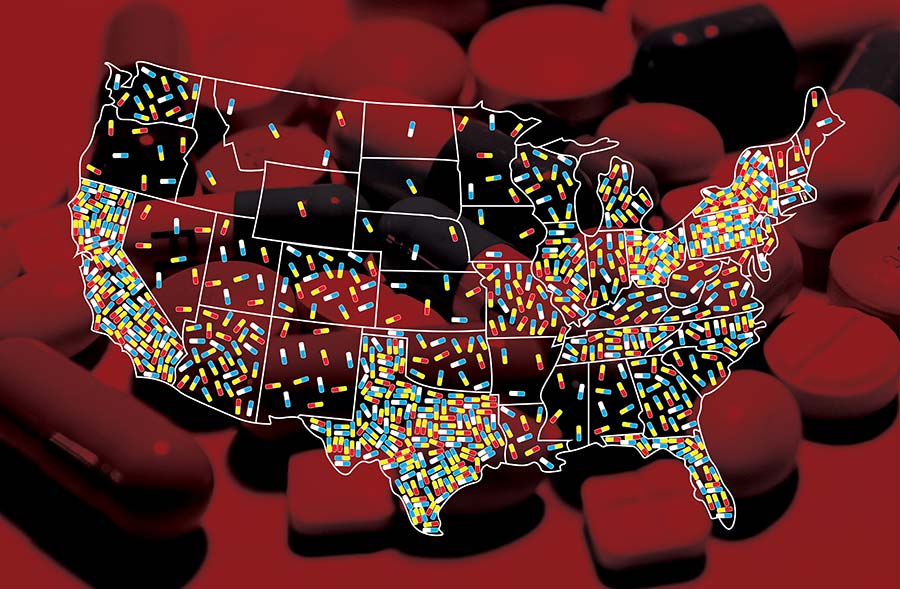
Terrorists move over. There’s a far worse terror in town that is indiscriminately targeting kids and adults, killing well over 10 times more Americans a year than all terrorist attacks of the last 16 years combined.
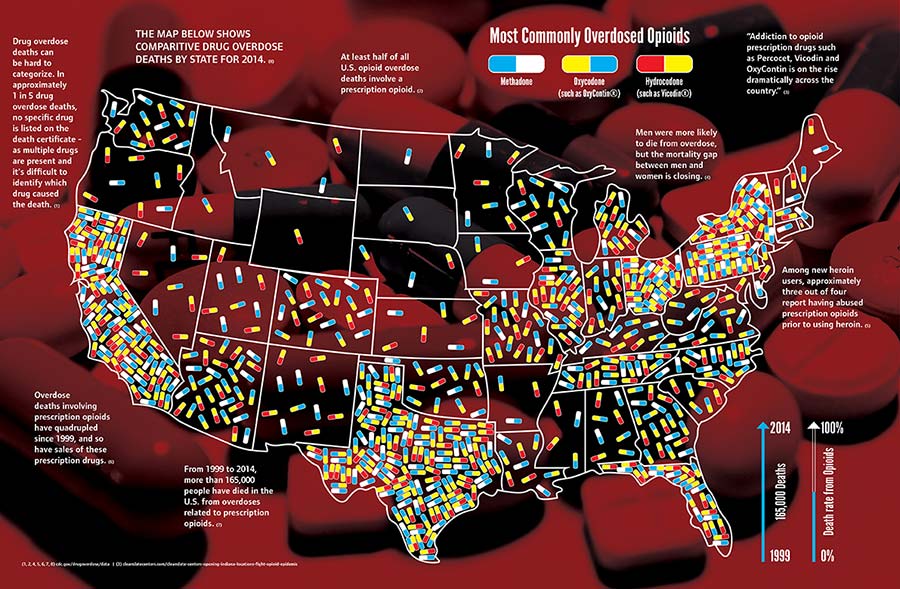
That’s correct. While politicians have spent several trillion dollars on foreign wars, they’ve distracted us from the very real threat that can be found in our own homes, targeting our families. In 1997, the United States became one of only two developed countries on the planet that made it legal for pharmaceutical companies to advertise drugs directly to consumers, including children. Since then prescription drug addiction and prescription drug overdoses have skyrocketed – in fact, quadrupled.
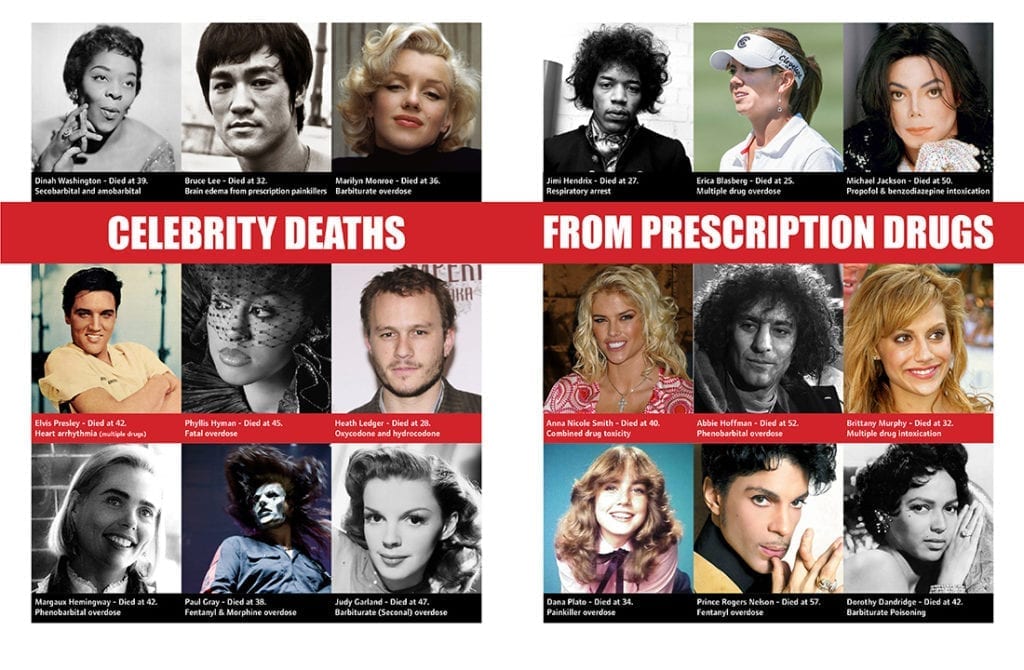
We now have a generation of young adults who grew up with a drug dealer living in their homes 24/7 – the television, magazines and internet pushing pills as a solution to every imaginable condition. Eighty percent of opioid addictions begin with a prescription for pain medication at your doctor’s office. It must be safe if a doctor prescribes it, right? According to the Centers for Disease Control and Prevention, in 2014 47,055 people died of an accidental drug overdose – 29,467 of those from opioid-related drugs, which includes prescription pain medication. To put that into perspective, firearms were used to kill 13,286 people in the United States over the same period (excluding suicide) with a total of 3,340 killed in terrorist attacks on American soil since 1995 (3,003 in the September 2001 attacks alone).
Drug overdose is now the leading cause of accidental death in the United States. Four out of five people who become addicted to heroin start out with a legal prescription from a physician – a result of injury, post-operative care or a medical procedure. Substance-abuse disorders affect 20.8 million people in the United States — as many as those with diabetes and 1½ times as many as those with cancer. Yet, only one in 10 people receives treatment.
It’s an epidemic that the CEO of CleanSlate, Gregory Marotta, says has crossed all socioeconomic boundaries. Forget about lecturing your kids on the dangers of drugs, white middle-class women are actually at higher risk. “It’s no longer considered a disease associated with race, religion or class,” he explains. “It’s indiscriminate, right across the board.”
It’s a sobering viewpoint that his colleague, Kelly Clark, the Chief Medical Officer of CleanSlate supports: “Drug addiction has always been viewed as something shameful, something to be hidden away from friends, employees and parents, but it’s actually not a moral failing,” she explains.
What if addiction was seen as just another chronic disease, alongside asthma or diabetes? Would this change your opinion of the almost 36 million people worldwide who are addicted to prescription opioid drugs? These are ordinary people who started on painkillers, prescribed by a doctor to relieve a medical problem, without realizing the risk of it turning into something deadly – addiction. We don’t talk about a diabetic being clean, or a diabetic being sober. Like other chronic illnesses, addiction is a disease that needs to be managed. “We’ve always had a tendency to create stigmas around brain diseases,” explains Clark. “Whether it’s epilepsy or mental illness, we’ve historically thought that people with these conditions were cursed or possessed, or somehow to be made fun of.”
Most cultures have branded addiction as an issue of willpower. Society views those that take drugs as weak and unproductive, but ignoring this problem and banishing millions of people to the fringes of society is not working. Our modern healthcare networks, with clinics, hospitals, and insurance schemes, were established decades ago to service the sick and dying, yet addiction treatment was somehow sidelined – with blame, guilt and shame replacing proper care. When last did you write off a relative for being in the hospital for high blood pressure or a heart condition?
Clark thinks about 50 percent of addictive diseases are genetic, but surprisingly, we already have opioids in our brain – endorphins – our body’s natural painkiller and feel-good chemical. Pills and opiates created in labs, or broken down from poppy seeds, contain levels of opiates our brains were not designed to handle.
Morphine makes most people sleepy, but some will experience an energy rush that makes them want to clean the garage. This type of person is a high addiction risk and shouldn’t be given opioids. Extended use will actually change your brain and it won’t change back if you stop.
“It’s very difficult to fight your own brain,” says Clark. Most people who abuse drugs, alcohol or marijuana don’t end up with a problem, but with opioids we see many people with permanent problems.”
At some point in the 1980s and 1990s, the medical profession came together to discuss how best to treat pain. There was post-operative pain, pain from dental procedures, and pain from accidental injuries. The world’s economies had just fired up and downtime was frowned upon. Doctors became time constrained with their patients and pharmaceutical companies had just discovered new markets for new drugs. The solution? Prescribe opioids freely and widely for all pain. Opioids began to snowball and the problem got bigger. The cure was overplayed, the consequence less considered.
“The medical community at the time didn’t look deep enough into the potential harm of opioids and didn’t understand what those opioids could do chemically and physiologically to the brain,” says Marotta.
It ended up being the perfect storm of circumstance, commercial opportunity and timing which has delivered a worldwide opioid epidemic, with America at ground zero.
To combat this epidemic, CleanSlate has attracted USD25 million in private equity to grow patient treatment from the current 7,000 per year to 50,000 by early 2019. There is a desperate need for more businesses to expand services to serve the needs of those people seeking recovery from the disease of addiction. Marotta thinks there’s a large consumer aspect to helping recovering addicts that has yet to be explored. To help with government legislation and lobbying, CleanSlate has former Congressman and mental health advocate Patrick J. Kennedy on their board. Addiction treatment is something that needs to be considered within legal frameworks too.
Business leaders can also increase productivity by helping support employees who are dealing with addiction and recovery. Instead of focusing on absenteeism, switch to focusing on presentism, to ensure people continue to be productive. “Identifying the early warning signs of addiction in employees can be problematic,” says Marotta. “Be aware of any health claims from employees that show surgical procedures – opioids are sure to be part of that recovery process. Keeping a watchful eye on staff in the months after surgery or an accident can help identify signs of addiction sooner, to enable early intervention and treatment. With fewer doctors available, and increasing numbers of patients with insurance, business needs to be creative and help in solving this problem,” explains Marotta.
The United States is only 5 percent of the global population yet uses 85 percent of all opioids. Opioids have their place in the medical world; it’s the after effects we should be wary of. Last year, the United Nations released 17 “Global Goals for Sustainable Development.” It identified key problems facing our planet and encouraged business to help find solutions. In 2013, only about one in six people worldwide suffering from drug-use disorders received treatment. It’s a reminder of the huge market demand for business solutions that have the potential to create fulfilling jobs – and most importantly, save lives.
The United Nations Global Compact has recognized 10 SDG Pioneers – individuals from around the world who are championing sustainability through their own companies and mobilizing the broader business community to take action in pursuit of the 17 Sustainable Development Goals(SDGs).
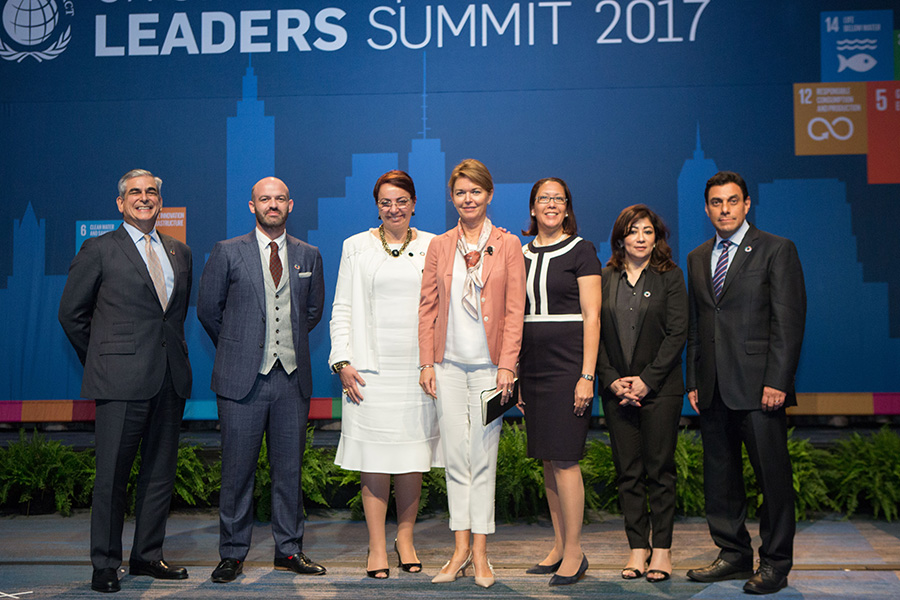
Six SDG Pioneers were recognized on stage during the UN Global Compact Leaders Summit at the New York Hilton Midtown. The United Nations Global Compact is a call to companies everywhere to align their operations and strategies with ten universally accepted principles in the areas of human rights, labour, environment and anti-corruption, and to take action in support of UN goals and issues embodied in the Sustainable Development Goals. The UN Global Compact is a leadership platform for the development, implementation and disclosure of responsible corporate practices. Launched in 2000, it is the largest corporate sustainability initiative in the world, with more than 9,500 companies and 3,000 non-business signatories based in over 160 countries, and more than 70 Local Networks
The UN Global Compact received hundreds of nominations for the 2017 SDG Pioneers submissions, from which 10 finalists were selected by a Pioneers Selection Group, comprised of experts from the UN, academia, civil society and the private sector.
The 2017 SDG Pioneers are:
Charles Immanuel Akhimien, Co-founder, MOBicure Integrated Solutions (Nigeria)
Gustavo Perez Berlanga, CSR Senior VP, Restaurante Toks SA de CV (Mexico)
Tania Conte Cosentino, President, Schneider Electric Brasil Ltda (Brazil)
Teresa Jennings, Head of Rule of Law Development, LexisNexis/RELX Group Plc (U.S.A.)
Sonia Bashir Kabir, Managing Director, Microsoft (Bangladesh)
Arthur Kay, Founder and Chairman, bio-bean (United Kingdom)
Joseph Thompson, Co-founder and CEO, AID:Tech (United Kingdom)
Jaime Augusto Zobel de Ayala, Chairman and CEO, Ayala Corporation (Philippines)
The Sustainable Development Goals (SDGs) lay out a clear vision for a sustainable future and will shape a new era for business. As part of our Making Global Goals Local Business campaign, each year the UN Global Compact celebrates a group of SDG Pioneers — business leaders who are doing an exceptional job to advance the Global Goals through a principles-based approach.
UN Deputy Secretary-General Amina Mohammed delivered a special video message to Summit attendees, emphasizing that “to achieve our goals, we need leaders from all of society, including and especially business, to show the courage that helps chart a new course for humankind.” She further highlighted that “achieving the SDGs also calls for collaboration,” encouraging participants “to partner with others, including with the United Nations, especially at the country level [where] the Global Compact Local Networks have really an important role to play.”
With a view to guide participants in rejecting the status quo and the business-as-usual mindset, the Summit featured conversations with leaders from diverse sectors on the challenges and opportunities of pursuing the Global Goals. Speakers explored the role of non-state actors and cities to protect our planet through supporting the Paris Agreement.
Phumzile Mlambo-Ngcuka, Executive Director of UN Women (pictured above), highlighted the role of technology in advancing Goal 5: Gender Equality. “Of the next 1 billion who are going to be connected to the internet, 75% of them must be women and girls. Because right now, the gap between men and women who are connecting is widening. We have to change the trend.” She continued, “Women lost out in the industrial revolution, we should not lose out in the digital revolution.”
Speaking from the perspective of his own city, the Honorable Bill Peduto, Mayor of Pittsburgh, focused on how cities can contribute to advancing the Global Goals. “There were some really smart people who started thinking about what if our future was different than our past. And instead of offering a false hope and a false narrative, they offered a long-term plan of how a city — a city that had its economic heart ripped out, a city that everyone had said had lived its time and had died — could come back,” Peduto noted.
Paul Polman, CEO of Unilever, outlined the role of business as a force for good, saying, “Business cannot be a bystander in a system that created it in the first place.” When asked what was needed to achieve the Global Goals, Polman said, “in implementing the SDGs, as in any change process, there will be bottlenecks, setbacks, cynics, skeptics. It takes courageous leadership. That’s where the breakthrough comes from: from people who understand that putting the interests of others ahead of their own is actually in their own self-interest.”
Six of the 2017 class of SDG Pioneers were also recognized at the Summit for doing an exceptional job of taking action to meet the Global Goals. They shared stories of how they are working to champion sustainability at their companies and to mobilize the broader business community.
The Summit sought to catalyze the private sector to raise their ambition level for people and planet, drive innovations and work together to create a framework for measuring progress and impact on the SDGs. With less than 5,000 days to meet these Global Goals by their 2030 deadline, the UN Global Compact released a new set of tools and resources to support business regardless of where they are on their sustainability journey.
Business reporting on the impacts and contributions to Sustainable Development Goals (SDGs) is set to become less complex following the launch of a new report – Business Reporting on the SDGs: An Analysis of the Goals and Targets.
Developed by GRI and the United Nations Global Compact, with the support of PwC, as part of a three-year initiative established to encourage and assist corporate reporting on the SDGs, the report aligns with companies’ regular reporting cycles as they work towards their SDG objectives.
Launched at the UN Global Compact Leaders Summit 2017 during the UN General Assembly in New York this week, the Analysis provides an inventory of possible disclosures per SDG at target level and is a first step towards a harmonised set of indicators and methodology for business to report on. Launching in January 2018, its sister document, APractical Guide to Defining Priorities and Reporting, will offer a structured approach to help businesses prioritise and report on relevant targets, using the Analysis to drive action.
Thousands of companies use the GRI Sustainability Reporting Standards in their sustainability reporting, and 75% of businesses participating in the UN Global Compact initiative have confirmed their intention to contribute to the SDGs in 2017.1 With investors increasingly interested in directing funds towards businesses that are leading the way on responsible business practices, transparent and effective reporting has never been more vital. The Business and Sustainable Development Commission estimates that delivering on SDGs could generate up to US$12 trillion in revenues and savings as a result of new opportunities and efficiency gains. 2
Lise Kingo, CEO & Executive Director of the UN Global Compact, said: “The SDGs provide a unique opportunity to elevate communication on sustainability. The expectations on companies are huge. The UN Global Compact, the world’s largest corporate sustainability initiative, and GRI, the world’s leading organization for sustainability reporting, are very excited to take up this challenge.
“Our ambition is for business to use only one common standard for reporting on their performance on the SDGs, in line with the Ten Principles of the UN Global Compact.”
Tim Mohin, Chief Executive of GRI, added: “At a time when the revenues of large companies exceed the GDP of many countries and supply chains stretch around the world, the private sector plays a vital role in achieving the Sustainable Development Goals.
“The document launched today represents an important step towards a unified mechanism to help companies report on the SDGs in a comparable and effective way. By reporting on their progress, companies will improve their performance, which will enable meaningful progress towards achieving the SDGs.”
There is currently no single methodology for measuring and reporting business progress and impacts on the SDGs, with most firms using reporting standards that predate the ambitious goals agreed by over 150 world leaders at the UN Summit in New York in 2015. Indeed, when the SDGs were adopted two years ago, only 13% of business leaders3 felt they had the necessary tools available to engage and report on the goals.
The Analysis and Practical Guide reports will pave the way for the development of a single mechanism and set of indicators, and therefore also the aggregation of relevant data across companies, enabling stakeholders to compare company information. Anchored in current reporting processes, they will also help businesses to better engage and communicate their contributions to the SDGs with governments and inform their sustainability reporting at a national level.
Wider stakeholder engagement has been an important part of the initiative: the three organizations consulted with representatives from more than 70 stakeholders, including over 35 leading businesses across the globe, to help inform the analysis.
As Malcolm Preston, PwC’s Global Sustainability Leader, explains, this multi-stakeholder movement will play a pivotal role in shaping the future of corporate reporting on the SDGs:
“The SDGs have ushered in a new era of global development objectives aimed at addressing the world’s most pressing problems from job creation and education to social and health protection while tackling climate change and environmental protection.
“But while it’s widely acknowledged that active participation from business is key for achieving the SDGs, no common practices for corporate reporting had been established. Transparency is becoming a basic requirement for conducting business and we’re proud to have played a pivotal role in this ground-breaking research and international stakeholder engagement. It not only contributes to a common SDG language but will help direct innovation, strategic leadership and capital towards achieving these vital goals.”
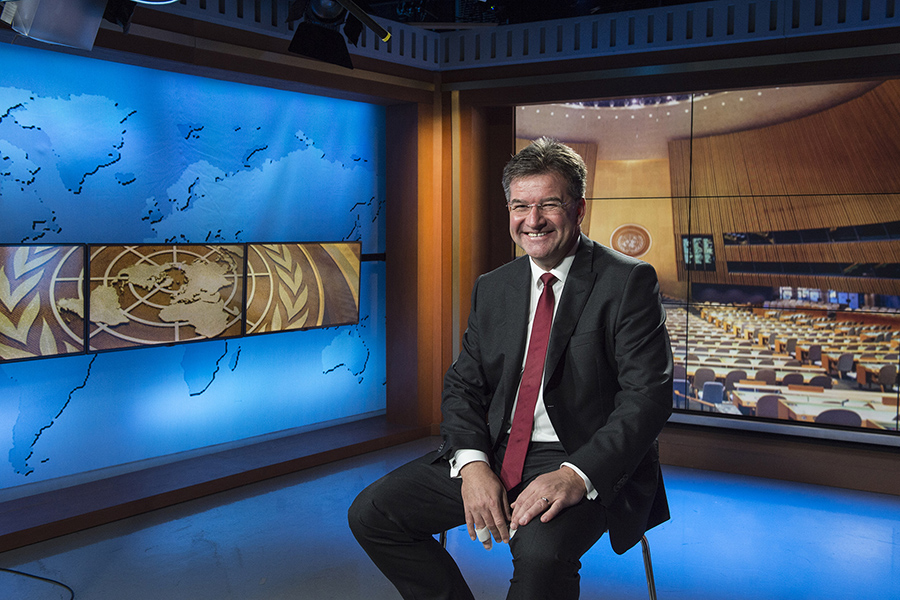
Ex Slovakian politician, diplomat and Minister of Foreign Affairs, Miroslav Lajčák has opened the 72nd session of the United Nations General Assembly in his new role as President. His fluency in English, German, Russian, Bulgarian and Serbo-Croatian, has also bestowed him with unique insights into the inter-cultural dynamics of business.
In his opening speech he expressed the wish that he could deliver the speech different to the one that he had prepared that day.
“I wish I could point to a long list of examples of mediation and early action successfully averting conflicts” he said “I would prefer to talk only about people who move and migrate out of choice – not desperation. It would be great to congratulate you all for meeting your climate-related commitments, and for relegating extreme poverty to the history books. I hope that someone will, eventually, be able to deliver such a speech from this marble podium. But it cannot be me today.”
Lajčák pointed out that conflict persists as an ugly reality of our world and that civilians – not soldiers – are paying the highest price. Schools and hospitals – not military barracks – are the targets of attacks.
More than 65 million people are currently leaving their homes because they are forced to do so – not because they want to. Lajčák indicated that he wanted to use his speech to address other major challenges, including persistent poverty, growing inequalities, indiscriminate terrorist attacks, and worsening effects of climate change.
These are global challenges, he pointed out – and that every country is coping with at least one. Yet, they are also individual in nature, touching on the lives of each person.
“That is not to say that there is nothing to celebrate today. We have made a collective promise to humanity by signing up to the SDGs. We have rallied in support of peace agreements, such as that seen in Colombia. We have said “enough is enough” when it comes to climate change by signing the Paris Agreement.”
Not wanting to dwell on past achievements, Lajčák expressed a desire to rather look ahead. “We will hear visions, ideas and – yes – criticisms and concerns over the coming week. These will chart the course of the UN as it works to address the most urgent global challenges. I am confident that they will also travel home with you, and influence your work as the world’s leaders.”
On business, Lajčák called for an end to business as usual. “If we are looking for a change in how the UN operates around the world, we should start here in New York. This can mean institutional change. But it can also mean a change in the way we work on a daily basis,” he said.
“We can engage in real dialogue – not a succession of monologues. We can concentrate on how much – and not how little – we can give up in the spirit of compromise. We can look beyond our individual agendas and positions, and see the bigger picture of why the UN is here, and what it is trying to do.”
Lajčák ended by saying that he may not have been able to deliver a happy statement in his speech, and praising us all for making the world a better place, but that he would work throughout the coming years to increase the chances that, someday, one of his successors might have this great privilege.
Elon Musk has just put your old, unemployed roof to work – by creating one that converts the suns rays into energy that will power your home. If you’re lucky, you may even earn some money from it.
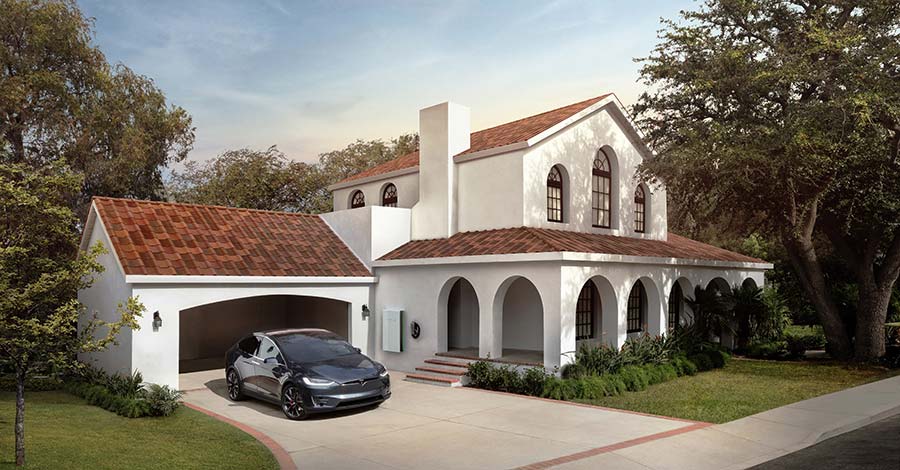
Innovative electric car manufacturer Tesla has announced the U.S. rollout of its glass, solar roof tiles, with worldwide orders expected to be fulfilled next year. Solar panels on roofs are nothing new, but instead of fixing a standalone (and let’s face it, ugly) panel to your beautiful slate or clay tiled roof, you can now turn your whole roof into one big solar panel. And the results are stunning – both visually and financially.
According to Tesla, their mission is to “accelerate the world’s transition to a sustainable energy future by creating products that are so compelling, there is no alternative.” Solar energy has always been part of their master plan, and like their groundbreaking electric cars, have recognized the need for a roof that is simultaneously affordable, durable, beautiful and integrated with battery storage.
Solar Roof complements a home’s architecture while turning sunlight into electricity. With an integrated Tesla Powerwall unit, energy collected during the day is stored and made available anytime, effectively turning a home into a personal utility. Solar energy can be generated, stored and used day and night, providing uninterrupted power even if the grid goes down.
And here’s what should convince you if saving natural resources seems too much of an effort: Solar Roof is more affordable than conventional roofs because in most cases, it ultimately pays for itself by reducing or eliminating a home’s electricity bill.
Consumer Reports estimates that a Solar Roof for an average size U.S. home would need to cost less than $24.50 per square foot to be cost-competitive with a regular roof. The cost of Solar Roof is less. The typical homeowner can expect to pay $21.85 per square foot for Solar Roof, and benefit from a beautiful new roof that also increases the value of their home.
As an example of total cost, the out-of-pocket cost of a Solar Roof for a typical home in Maryland will be around $52,000, but after considering a 30% federal tax credit (in the U.S. only) and the value of energy it generates, the roof will actually pay for itself and earn you about $8,000 over 30 years, according to Tesla.
Solar Roof uses two types of tiles – solar and non-solar. Looking at the roof from street level, the tiles look the same and homeowners can select how many solar tiles they need based on their home’s electricity consumption. For example, households that charge an electric vehicle every day may want more solar tiles on their roof.
In doing research on the roofing industry, it became clear to Tesla that roofing costs vary widely, and that buying a roof is often a worse experience than buying a car through a dealership. Initial contracts tend to be overly optimistic, and later customers face hidden costs that were never mentioned up front. In the spirit of transparency Tesla has created a Solar Roof calculator that lets homeowners estimate the upfront price of a new roof, as well as the value of the energy it can generate for their home. The calculator is based on factors like roof size, the average local price of electricity, and how much sunlight a neighborhood receives throughout the year.
Made with tempered glass, Solar Roof tiles are more than three times stronger than standard roofing tiles, yet half the weight. They do not degrade over time like asphalt or concrete and the glass itself will come with a warranty for the lifetime of the house, or infinity, whichever comes first. Oh, and they’ll also cart away your unemployed, lazy roof that’s been hanging over your head for years.
Elon Musk has just put your old, unemployed roof to work – by creating one that converts the suns rays into energy that will power your home. If you’re lucky, you may even earn some money from it.
Innovative electric car manufacturer Tesla has announced the U.S. rollout of its glass, solar roof tiles, with worldwide orders expected to be fulfilled next year. Solar panels on roofs are nothing new, but instead of fixing a standalone (and let’s face it, ugly) panel to your beautiful slate or clay tiled roof, you can now turn your whole roof into one big solar panel. And the results are stunning – both visually and financially.
According to Tesla, their mission is to “accelerate the world’s transition to a sustainable energy future by creating products that are so compelling, there is no alternative.” Solar energy has always been part of their master plan, and like their groundbreaking electric cars, have recognized the need for a roof that is simultaneously affordable, durable, beautiful and integrated with battery storage.
Solar Roof complements a home’s architecture while turning sunlight into electricity. With an integrated Tesla Powerwall unit, energy collected during the day is stored and made available anytime, effectively turning a home into a personal utility. Solar energy can be generated, stored and used day and night, providing uninterrupted power even if the grid goes down.
And here’s what should convince you if saving natural resources seems too much of an effort: Solar Roof is more affordable than conventional roofs because in most cases, it ultimately pays for itself by reducing or eliminating a home’s electricity bill.
Consumer Reports estimates that a Solar Roof for an average size U.S. home would need to cost less than $24.50 per square foot to be cost-competitive with a regular roof. The cost of Solar Roof is less. The typical homeowner can expect to pay $21.85 per square foot for Solar Roof, and benefit from a beautiful new roof that also increases the value of their home.
As an example of total cost, the out-of-pocket cost of a Solar Roof for a typical home in Maryland will be around $52,000, but after considering a 30% federal tax credit (in the U.S. only) and the value of energy it generates, the roof will actually pay for itself and earn you about $8,000 over 30 years, according to Tesla.
Solar Roof uses two types of tiles – solar and non-solar. Looking at the roof from street level, the tiles look the same and homeowners can select how many solar tiles they need based on their home’s electricity consumption. For example, households that charge an electric vehicle every day may want more solar tiles on their roof.
In doing research on the roofing industry, it became clear to Tesla that roofing costs vary widely, and that buying a roof is often a worse experience than buying a car through a dealership. Initial contracts tend to be overly optimistic, and later customers face hidden costs that were never mentioned up front. In the spirit of transparency Tesla has created a Solar Roof calculator that lets homeowners estimate the upfront price of a new roof, as well as the value of the energy it can generate for their home. The calculator is based on factors like roof size, the average local price of electricity, and how much sunlight a neighborhood receives throughout the year.
Made with tempered glass, Solar Roof tiles are more than three times stronger than standard roofing tiles, yet half the weight. They do not degrade over time like asphalt or concrete and the glass itself will come with a warranty for the lifetime of the house, or infinity, whichever comes first. Oh, and they’ll also cart away your unemployed, lazy roof that’s been hanging over your head for years.
To be competent and effective in a global market that is increasingly bringing different people, cultures and values together, business leaders need to develop a world view that acknowledges this new reality.
There are 196 countries in the world, an estimated 6,500 languages and around 4,200 religions. How do you find common ground within so much diversity? Understanding different points of view, other than your own, can be an investment in your future. Ignorance of world affairs and how other people think can result in lost business opportunities. For a start, here are 16 questions you should ask yourself now, that will make you pause and consider more deeply how the world works.
The list is derived from the Global Educational Checklist, compiled by Dr. Fred Czarra almost 15 years ago, but is still relevant today. The questions were originally developed for students, but can apply to almost anyone. Some questions may seem obvious, but you may surprise yourself if you ponder the questions a while longer and apply them to the many dire situations we see in the world today. Share them with colleagues or question your kids. Who knows, you may even be inspired to solve a big problem.
Do it for the sake of a brighter future, your business, your employees, your supply chain, the future well-being of your kids. Tomorrows business deals may rely on how well you’ve prepared an answer to the questions below. Answering just one question, and researching it further, may give you insight at your next business meeting and result in something extraordinary. For young leaders especially, being able to answer these questions could mean the difference between having an edge on the competition, and thriving or failing in an increasingly diverse future.
1. Are you aware that global issues exist that affect your life?
2. Do you know how to study global issues? Do you have the skills needed to investigate and research a topic or issue, solve problems, analyze issues, interpret information, make a case for a point of view through reasoned persuasion?
3. Do you have the ability to suspend judgment when confronted with new information about an issue when that information is in conflict with your own understandings and values?
4. Can you develop some sense of efficacy and civic responsibility by identifying specific ways that you can make some contribution to the resolution of a global issue?
5. Do you have a general knowledge about the major geographical and cultural areas of the world and some of the issues and challenges that unite and divide them?
6. Do you know and understand that members of different cultures view the world in different ways?
7. Do you know and understand that humans may identify with more than one culture and thus have multiple loyalties?
8. Do you know and understand that cultures cross national boundaries?
9. Do you know and understand how cultures are affected by geography and history?
10. Do you know how to analyze and evaluate major events and trends in a culture?
11. Do you know how to compare and contrast diverse cultural points of view and try to understand them?
12. Can you tolerate cultural diversity?
13. Do you have an appreciation that all human cultures should experience universal rights?
14. Can you identify and describe how they are connected with the world historically, politically, economically, technologically, socially, linguistically and ecologically?
15. Can you recognize, analyze and evaluate the interconnections of local and regional issues with global challenges and issues?
16. Do you read newspapers, magazines and books, and listen to radio and television programs that relate to intercultural and international topics? Can you actively respond to this information from the media?
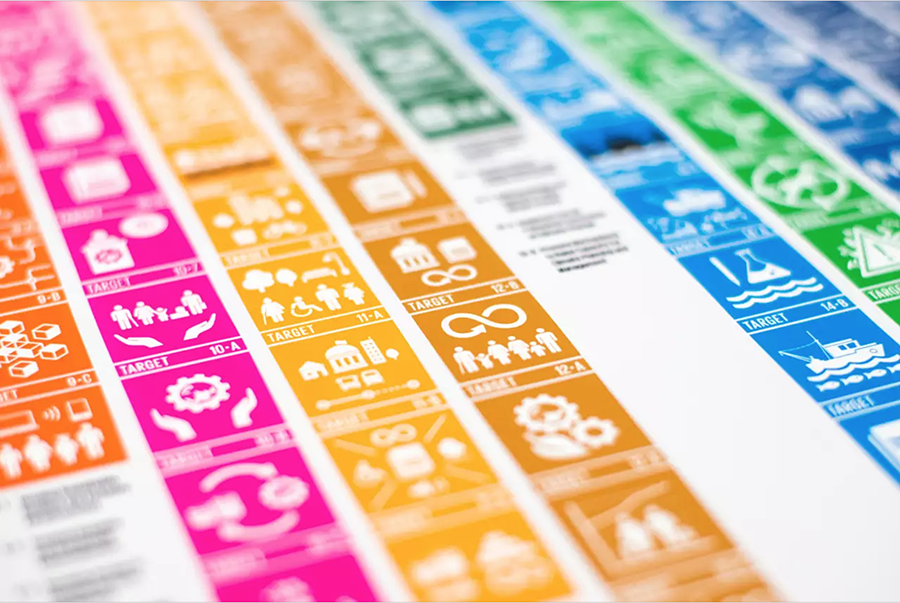
To see how some of these questions have been adopted by the United Nations and formulated into a call for action by business, view the 17 Sustainable Development Goals here. Each of these goals is a challenge to business to help solve the world’s most pressing problems. Contact Julie@old.real-leaders.com if you’d like us to guide you.
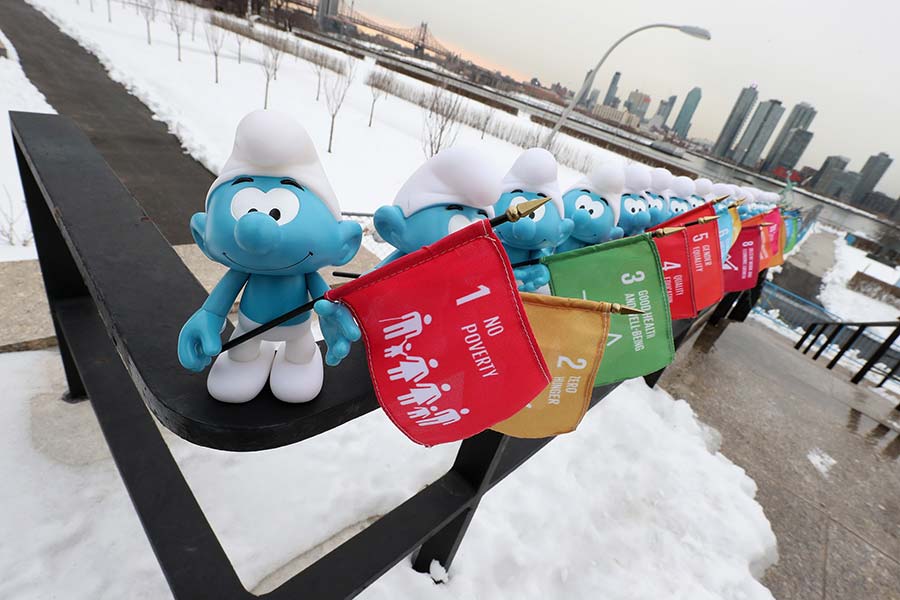
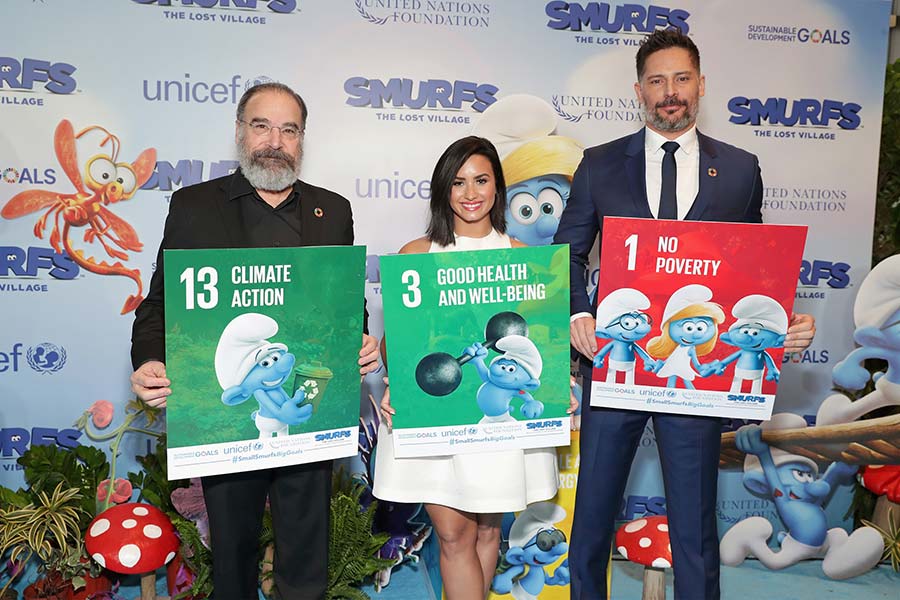
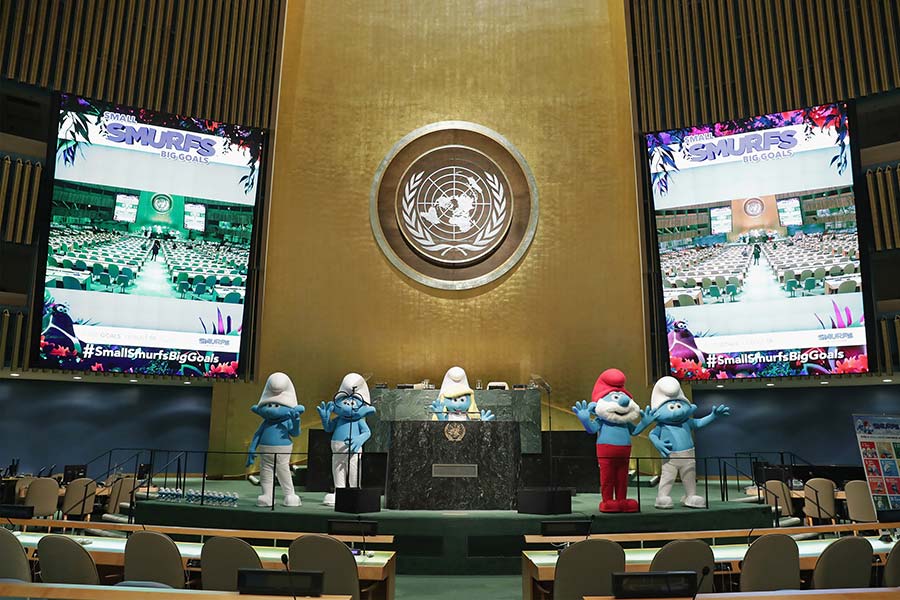
Today is International Day of Happiness. In the lead up to this day of potential elation and glee, the United Nations held a special ceremony at the UN headquarters in New York on March 18 with the cast from the movie Smurfs: The Lost Village to lend their support towards the human pursuit of happiness and well-being throughout the world.
The campaign themed “Small Smurfs Big Goals” encourages everyone to support the United Nations Sustainable Development Goals that include ending extreme poverty, protecting the planet and giving everyone the chance to enjoy peace and prosperity.
The Red Carpet Event saw UN and UNICEF dignitaries mingle with Smurfs actors Demi Lovato (voice of ‘Smurfette’), Mandy Patinkin (voice of ‘Papa Smurf’), Joe Manganiello (voice of ‘Hefty Smurf’) and film director Kelly Asbury. Smurfs: The Lost Village will be released in cinemas globally from 29rd March 2017.
A profound shift in attitudes is underway all over the world. People are now recognising that ‘progress’ should be about increasing human happiness and wellbeing, not just growing the economy.
March 20 has been established as the annual International Day of Happiness and all 193 United Nations member states have adopted a resolution calling for happiness to be given greater priority.
We are a social species and we thrive when we’re closely connected to others. But modern society is leaving more and more people feeling disconnected, isolated or lonely. On the day, thousands of people all around the world reached out to make new, positive connections with others.
The UN Ceremony, held in the iconic General Assembly Hall of the United Nations, saw the Smurfs actors present Youth Champions with the keys to “Smurfs Village.”