Spring 2025 Gifts for Good

Warmer days and April showers are just around the corner. Get ready for Spring with these refreshing, sustainable products.

Repairable at Home: Perfectly Blunt Rain Gear

Blunt, a Certified B Corp, is committed to durability and prioritizing repair over replacement by designing products to withstand the test of time and the harshest weather. Each Blunt umbrella is hand-stitched with patented tips that evenly distribute tension across the canopy, ensuring strength and reliability in any storm. With a vision to reduce waste going to landfills, the umbrellas are modular for easy repair and maintenance. Umbrella repairs take place in multiple workshops around the globe, but Blunt encourages and assists customers in doing any needed repairs at home. The Metro is pictured in Lemon & Honey.


From Recycled Plastic: Ecosexy Sandals

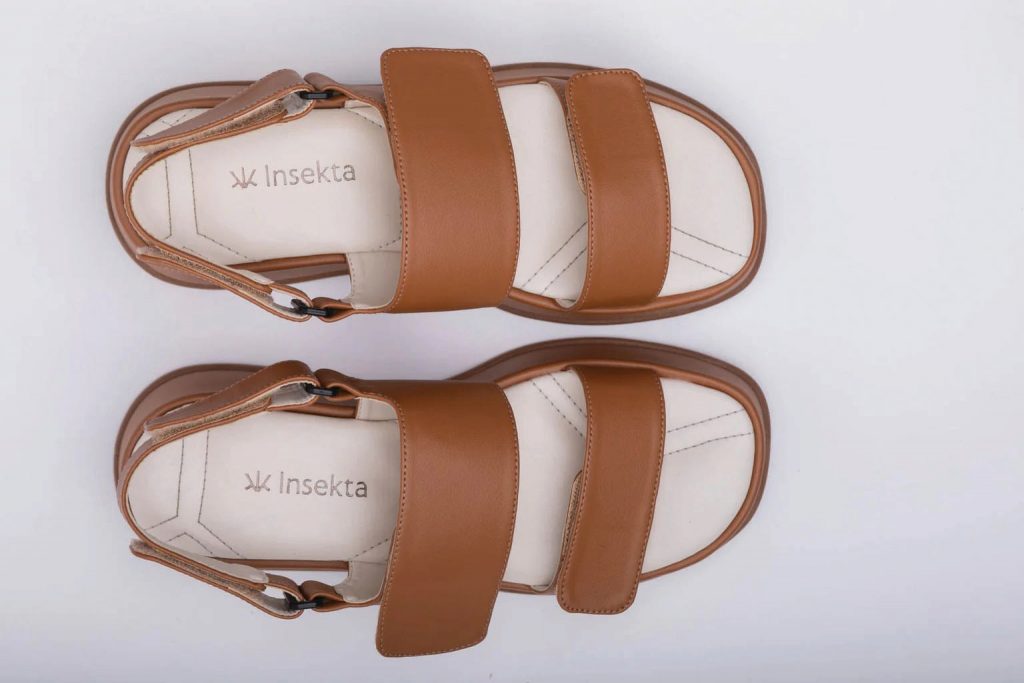
Insekta, Brazil’s first B-Certified footwear brand, transforms vintage clothing and recycled plastic bottles into stylish shoes. The featured sandals showcase handcrafted honeycomb-shaped insoles and synthetic fabric, predominantly sourced from renewable materials. The Apis sandal is shown.


Save Your Eyes, Save a Tree: Less Breakable Sunglasses

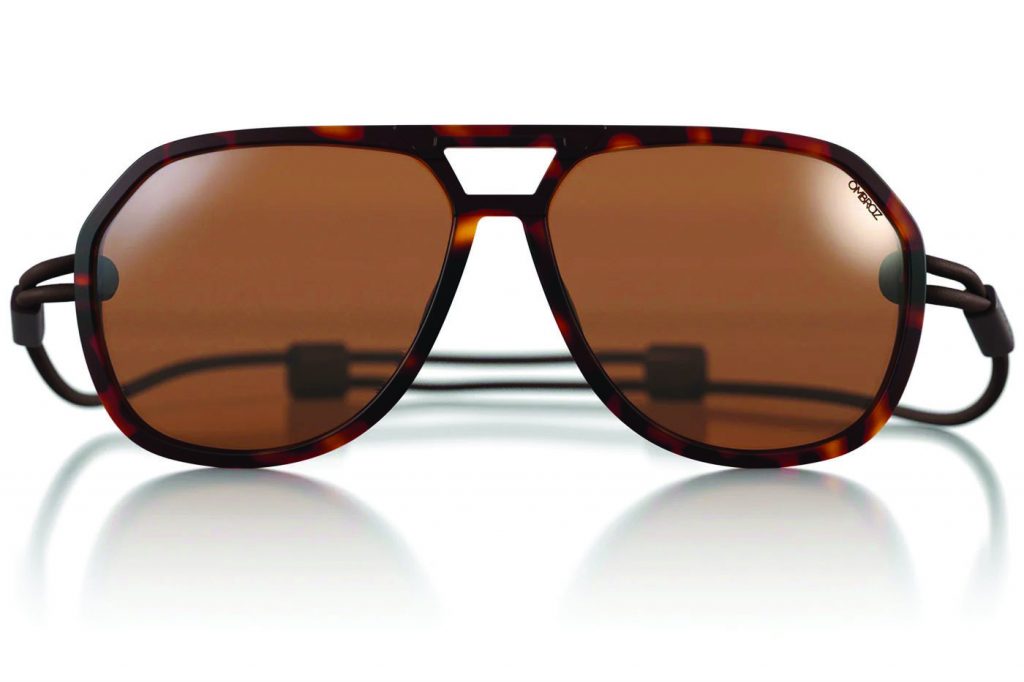
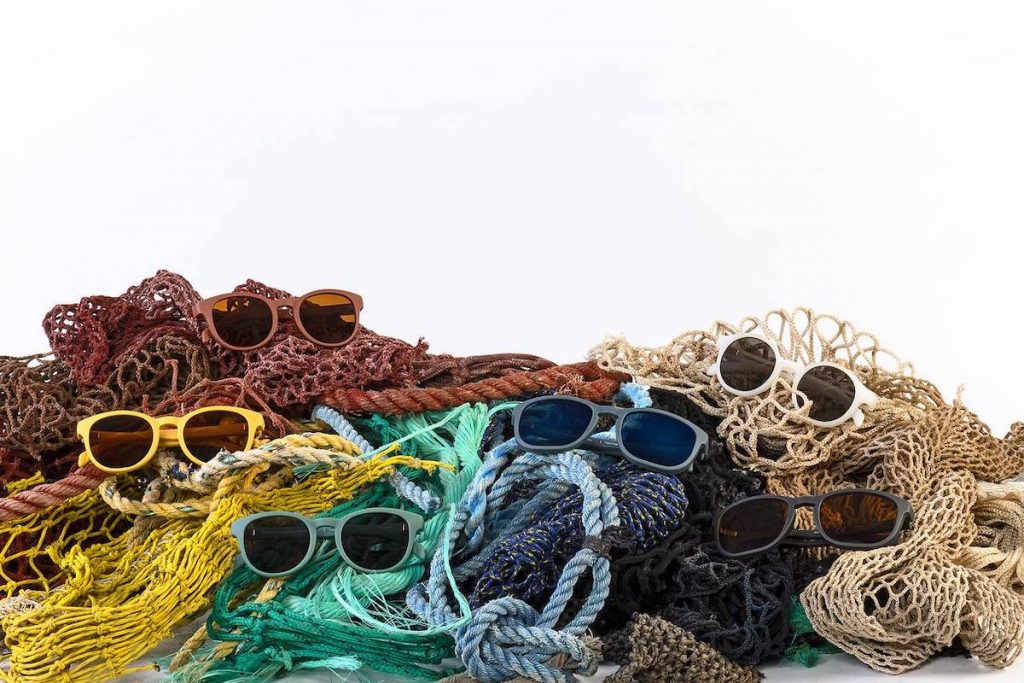
Ombraz sunglasses reinvent the classic design by swapping traditional arms for durable Japanese nylon cords, crafted from recycled fishing nets, ensuring they stay securely in place and are less prone to breaking. With each pair sold, 20 Mangrove trees are planted, supporting environmental restoration. The company’s long-term vision is to make its products 100% recycled and biodegradable, while powering all its workshops with solar and wind energy. Here is the Classic style in a tortoise frame with polarized brown lenses.


Urban Freedom: Folding Bike 

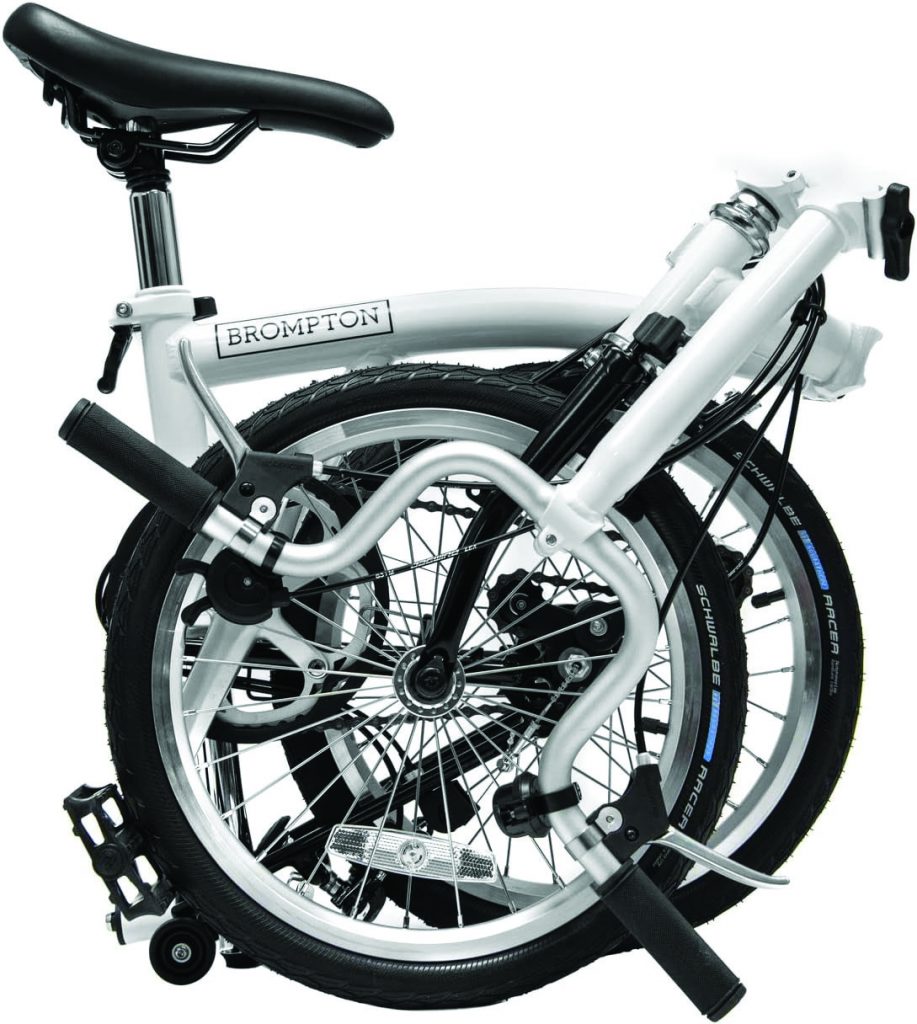
London-based B Corp Brompton makes bikes that fold up to a third of its size, available in standard or electric models. Stored easily in the trunk of your car, the 24-pound bike (30-pound electric) is perfect for commuting on trains or taking a turn around the city. The company says it takes 6.8 fewer tons of carbon to make a Brompton bike than to make a car, and 42 folded bikes can be parked in a single car parking space. The A Line is pictured.


Crafted by Women Artisans: Towel with Hidden Pocket

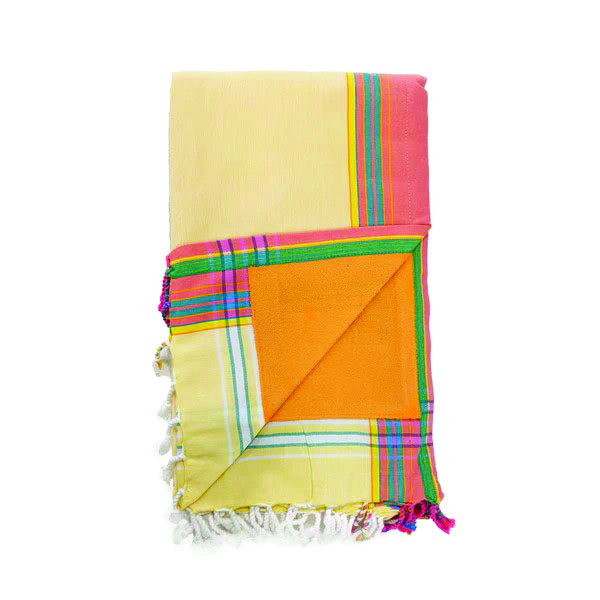
Worker-owned and managed, Swahili Coast creates lasting economic opportunities in East Africa by crafting handmade items, such as jewelry and sandals, from natural materials. The company’s mission is to provide fair wages and safe working conditions for women artisans. This Kenyan beach towel is made from 100% cotton Kikoy cloth and quick-dry microfiber terry — is ideal for sunny days and even includes a hidden Velcro pocket for your phone or keys.  

Fall 2024 Gifts for Good

As fall approaches, social gatherings, cozy cravings, and fall sports ramp up. These fun gift ideas are all from companies that won 2024 Real Leaders Impact Awards, so you can feel good about supporting their meaningful missions.

By Real Leaders


Fired Up: Greater Grilling


Brandless offers kitchen, home, and nutrition items through its wellness platform, which supports enhanced health, responsible living, and respect for the planet. The company’s grilling essentials will have you ready to play grill master at that fall tailgate party. The stainless steel brushes, spatula, and tongs are durable and dishwasher-safe.


Pure and Powerful: Skin-Soothing Suds


After struggling with unexplained infertility, Ben and Sara Jensen partnered with industry experts to create Hugh & Grace. Powerful, pure, and natural products reduce exposure to hormone-disrupting chemicals in your skin, health, and home routines. The Luxe Set includes a cleansing bar, face and night serums, and body oil to detoxify, hydrate, nourish, and smooth your skin.


Game Face: Toxic-Free Eye Black


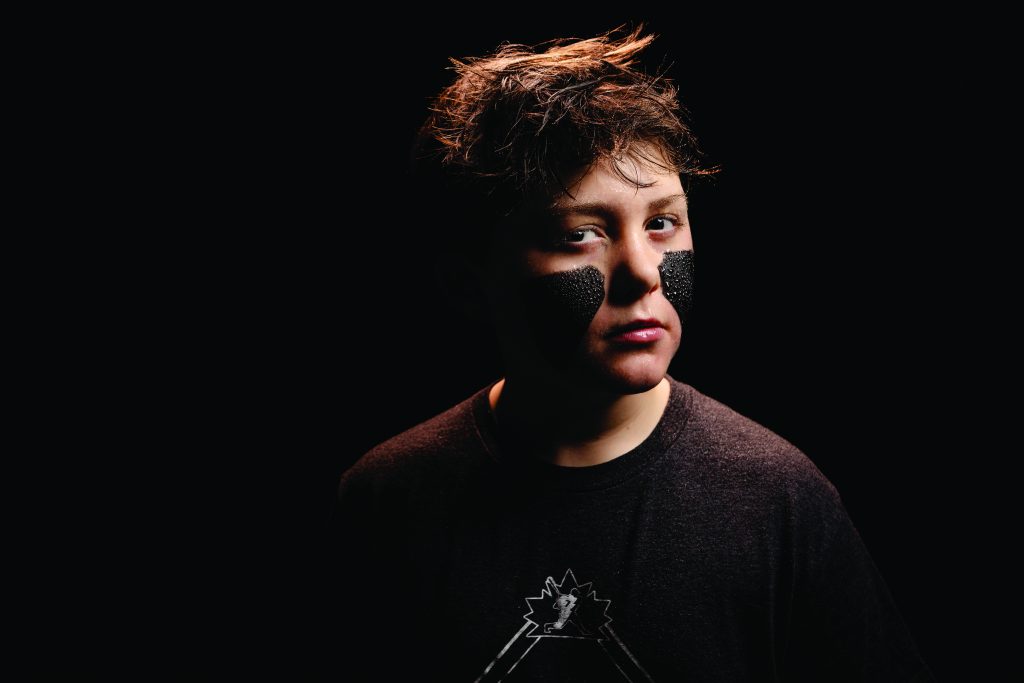
MisMacK Clean Cosmetics’ makeup is vegan, ethically sourced and made, sustainably packaged, and free of cruelty, toxic ingredients, and parabens. Game Play Eye Black is an anti-glare sports stick that’s sweat- and waterproof. Whether for an athlete or a diehard fan, this is an eye black they can feel good about using to get game-ready. Bonus: It doubles as an eyeliner or base for eye shadow.


Keep it Simple: Smart Snacking


Just Ingredients’ nutrition and beauty items are created with health in mind. They focus on clean, quality, artificial-free elements. For the popcorn lover in your life, gift the Popcorn Salts Variety Pack, which comes with five flavors: garlic butter, parmesan cheese, movie theater butter, cheddar cheese, and caramel corn.


Better Beauty: Radiant Eyewear


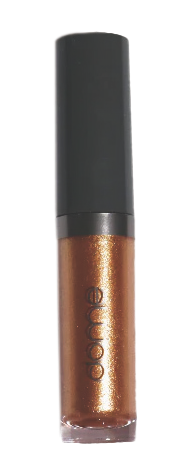
Dome BEAUTY’s eye, lip, and face products and brushes are safe, eco-friendly, sustainable, and inclusive. The makeup company’s holistic approach to being clean carries over to its packaging, application, and ethics and helps to offset its carbon. The Eye Jewels 24-Hour Radiant Mousse Shadow is lightweight and quick to dry, providing a luminescent, moisturizing finish.

Sustainable Shopping for Spring 

By Real Leaders

Whether you’re looking for a unique gift for someone special or to treat yourself to a guilt-free find, here are some do-good options to consider from 2024 Real Leaders Top Impact Companies.

Squeaky Clean Supply Chain

Every Man Jack (No. 39 on the 2024 Real Leaders Top Impact Companies list) makes body wash, deodorant, hair care, skin care, and beard care that’s inspired by the outdoors and better for the planet. Not only does it use as many naturally derived and plant-based ingredients as possible, but also it uses source reduction, hazardous waste disposal, greener packaging, and chemical reduction methods. everymanjack.com


Laying a Kind Foundation

Jaipur (No. 10) creates beautiful bespoke and custom living area rugs like Genesis, pictured. It employs 40,000 disadvantaged artisans (85% women) in 700+ Indian villages to provide a reliable living wage with an age-old art. The family business is built on kindness, compassion, and humility, creating economic and humanitarian benefits for stakeholders. jaipurliving.com


Earth-Friendly E-Marketplace

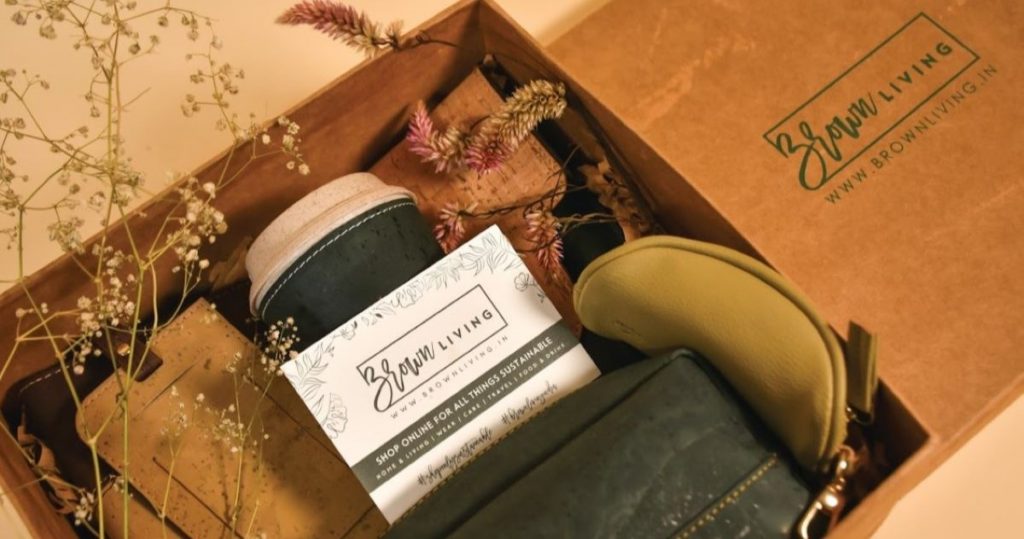
Brown Living’s (No. 70) online shop offers environmentally sustainable, plastic-free products with zero-waste packaging sourced from over 450 artists, artisans, and small businesses. The Conscious Traveler Premium Gift Hamper, pictured, includes travel items made with Forest Stewardship Council-certified cork, a high-grade natural bamboo fiber tumbler, and stainless steel cutlery. brownliving.in


Eyeglasses for the Planet

Karün (No. 3) makes high-quality eyewear and is building its value chain under a circular, regenerative model to protect nature and empower rural entrepreneurs. The carbon-neutral company makes all of its products with natural, noble, and recycled materials, like fishing nets, metals, recycled polycarbonate, and wood. karuneyewear.com


Steeped in Goodness

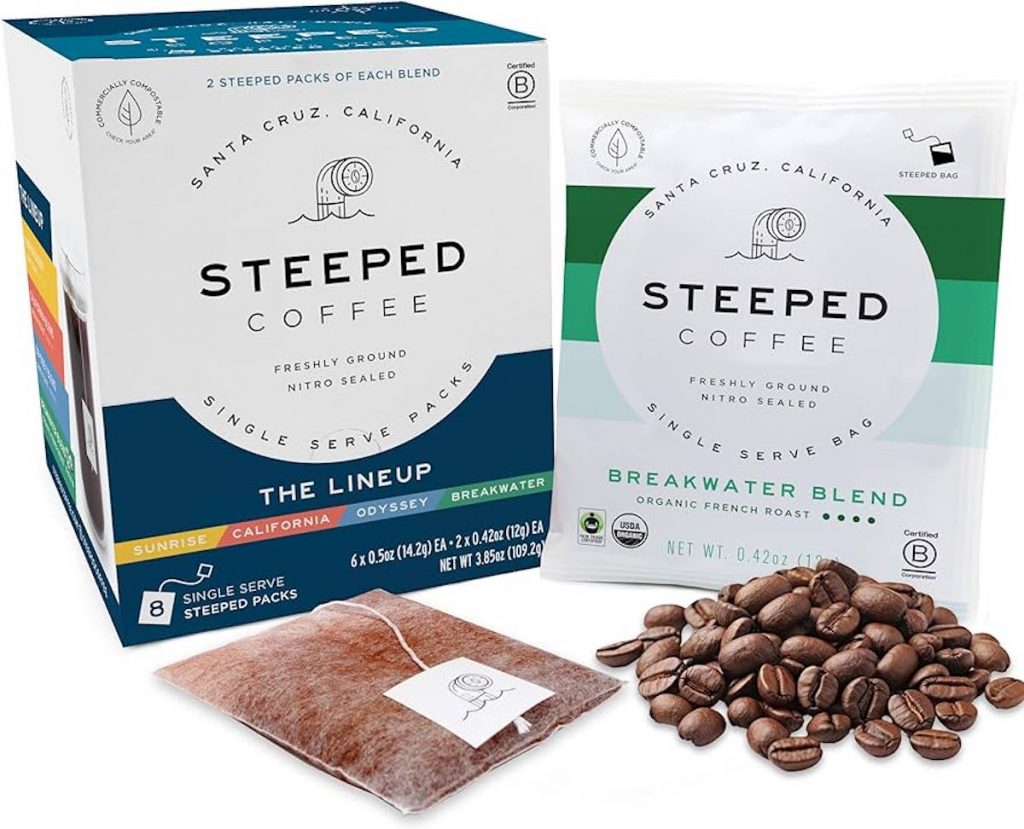
Steeped Coffee (No. 147) makes single-serve specialty coffee that works like a tea bag with compostable packaging. Simply drop it in hot water — no pods, plugs, or brewing equipment needed. Coffee beans are carefully sourced from ethical suppliers with Fair Trade Certified and organic options, and the company donates 1% of its top-line revenue to communities in need. steepedcoffee.com

6 Gifts for Good That Create a Brighter World

Packed with Purpose

Greyston Bakery’s (pictured above) mission is to create thriving communities through the practice and promotion of open hiring. The company doesn’t hire people to bake brownies; they bake brownies to hire people who face barriers to employment. “When people have the opportunity to participate fully in our economy, we all benefit,” says CEO Joseph Kenner. Every year, 6.5 million brownies are baked, and in 35 years, they’ve employed 176 individuals through their open hiring model. Profits from Greyston Bakery go to the Greyston Foundation, providing community gardens and workforce development programs to local communities. Greyston.org

Listen Up

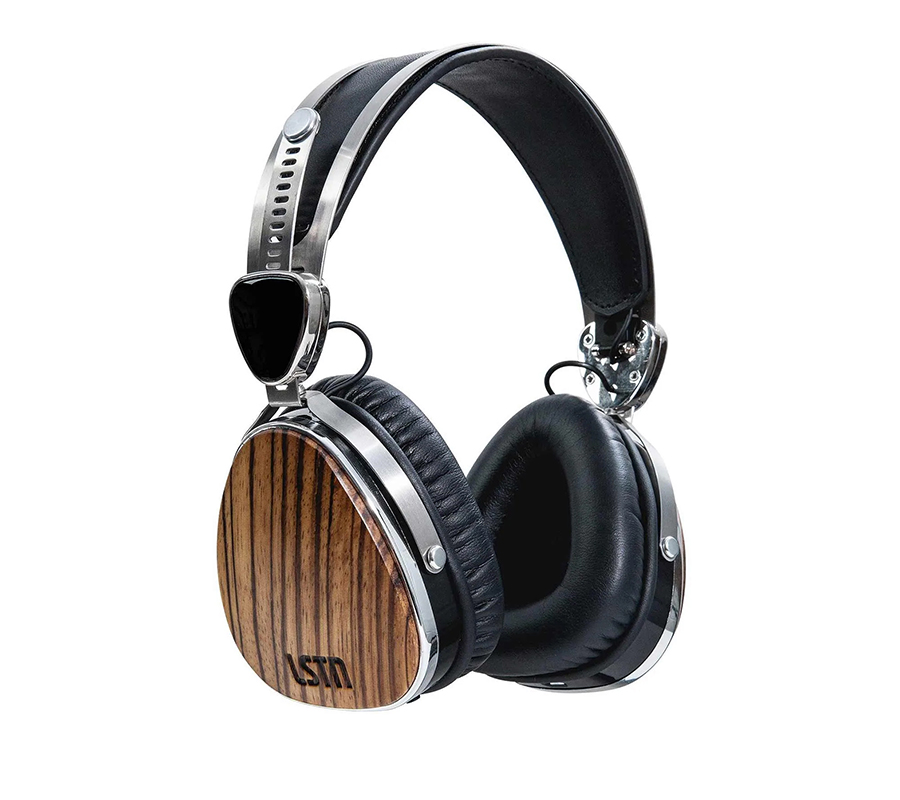
More than 360 million people have disabling hearing loss, with the most prevalence in developing countries. Less than 3% of these individuals can afford hearing aids or have access to proper care. Every purchase of LSTN Sound Co.’s audio products help someone hear for the first time by giving them a hearing aid through the Starkey Hearing Foundation. The foundation has helped over 22,000 people in nine countries — Peru, Dominican Republic, Mexico, Uganda, China, Indonesia, Sri Lanka, Kenya, and the USA. Many have experienced the sound of music, laughter, and their families’ voices for the very first time. lstnsound.com

Sustainably Yours

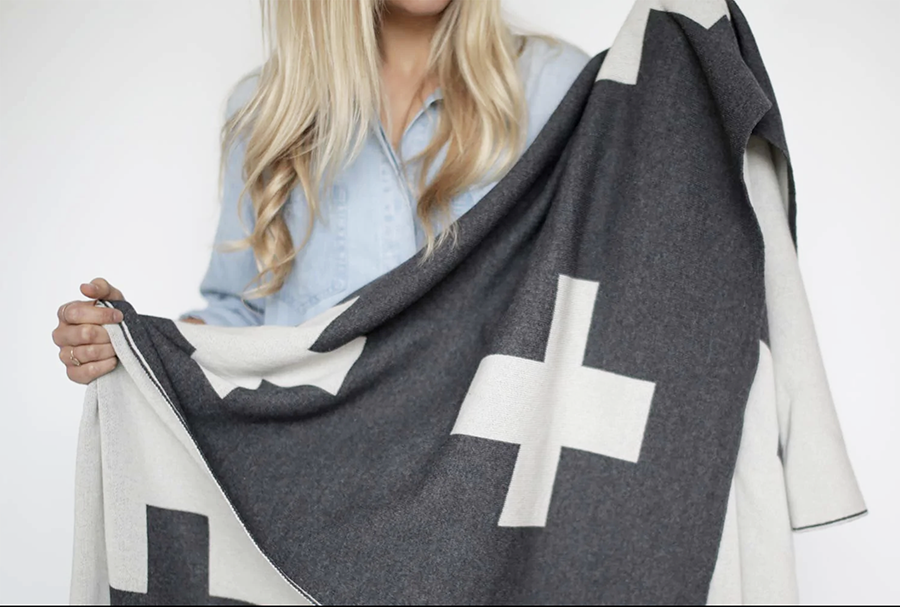
Newly makes beautiful home goods from 100% recycled or repurposed materials. The company began in 2016 with five friends, who identified what they believed to be a severe problem: not enough consumer goods made from recycled content. Each product is made from 100% recycled or repurposed materials to help conserve the Earth’s finite natural resources. In just a few years, Newly has diverted 6.12 tons of waste from landfills; recycled 7,200 plastic water bottles into blankets; and saved 1.35 million gallons of water by using recycled thread. Newly.com

Gear for Good

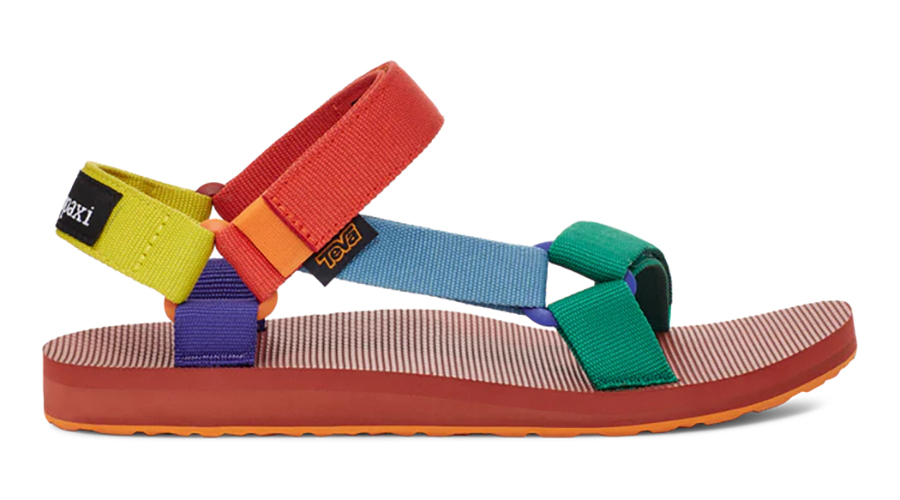
Fifty percent of the world’s population is at risk of malaria, and an infected child dies every two minutes. Providing bed nets treated with anti-malarial insecticide is one of the most cost-effective solutions to saving lives. Cotopaxi’s Nothing but Nets campaign has distributed more than 660,000 bed nets since 2000. The brand creates sustainably designed outdoor gear that fuels adventure and global change and dedicates a percentage of its revenues to nonprofits working to improve the human condition. Cotopaxi founder Davis Smith witnessed first-hand the glaring hardship of unequal access to economic opportunity while growing up across Latin America and decided to build a brand that offered a solution. Cotopaxi is a certified Climate Neutral Corporation, a certified B Corporation, and uses sustainable or recycled materials. Every purchase helps provide an antimalarial mosquito net to a refugee in Sub-Saharan Africa. Cotopaxi.com

Natural Sparkle

Jewelry designer Paula Mendoza grew up in Colombia surrounded by the reverence of Andean earth-mother figure Pachamama. When she decided to launch her jewelry brand, she spent months traveling around the southwestern region of Colombia, taking quality time to work with local artisans and learn about the symbols they use in their crafts. This hands-on experience sets her apart from many of her contemporaries. She immerses herself in every aspect of her creations, from the design process; to sourcing raw, conflict-free materials like emeralds and gold from ethical Colombian mines; to working with local artisans in her Bogotán-based workshop. This work ethic has enabled her to fully support and give back to marginalized communities and provide much-needed jobs. “To be sustainable, you first have to be sustainable with the people who work with you,” says Mendoza. PaulaMendoza.com

Making Electric Cool

The new Electric MOKE is a continuation of the 1964 Mini Moke, created by the father of the Austin Mini, Sir Alec Issigonis. It quickly became a global icon and an enduring symbol of the swinging 60s after being seen in the hands of celebrities including The Beatles and Bridget Bardot in glamorous locations like the French Riviera and the Caribbean. It replaces the combustion engine version of the MOKE which makes MOKE International the first heritage brand to go fully electric. By reinvigorating the MOKE as an electric vehicle, the company has brought the world-famous road and beach car into the era of e-mobility, ensuring generations to come will enjoy the sense of fun and freedom that made it such a hit with famous faces, travelers, and coastal resorts six decades ago. The Electric MOKE covers up to 80 miles of range on a single charge — enough for four round trips from Cap-Ferrat to Monaco — and a full charge takes just four hours via a Type 2 port.  MokeAmerica.com

5 Year-End Gifts That Are Good for the Planet

Glass Straws: Now It’s Cool to Suck

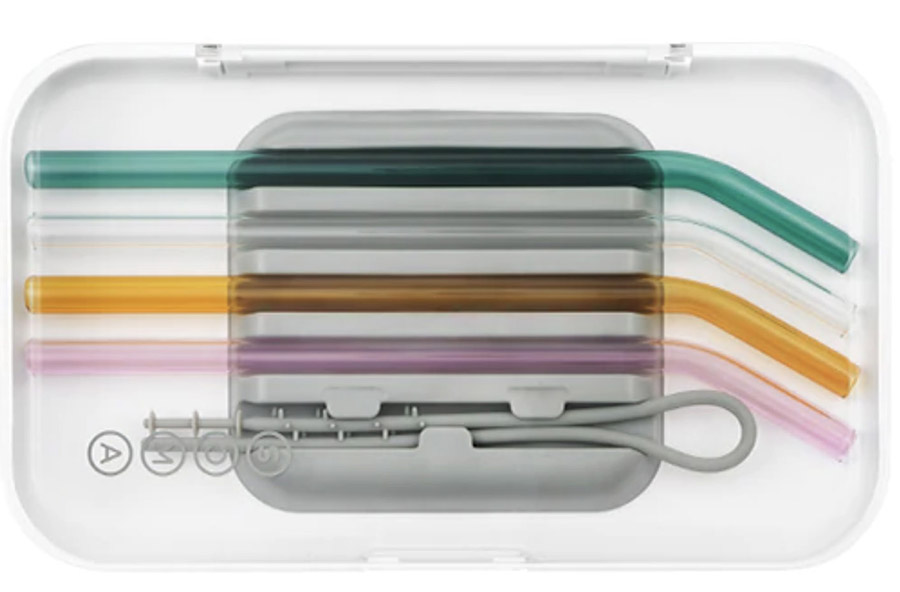
This set of four colorful glass straws with angled heads elevates your drinking experience while helping put an end to single-use plastic. It includes a companion tool that is custom designed for cleaning straws, and the sleek case has air holes, which means your straws will dry even while tucked neatly away. Made from Borosilicate glass, the straws have a very low coefficient of thermal expansion, making them more resistant to thermal shock than any other standard glass. Over 663 million people lack access to clean drinking water. With every purchase of a Soma product, a donation is made to charity: water projects. These contributions go directly to sustainable, community-owned water projects in developing countries. To date, charity: water has funded over 22,000 projects and given access to clean water to over 7 million people in 24 countries. GiftsForGood.com

Light Up Your Life: An Intelligent Table Lamp that Senses You’re There

The Dyson Lightcycle is the last desk lamp you will ever need. It automatically simulates the properties of natural daylight and adjusts its glow to the room around it and noting whether or not anyone is present, ensuring that it’s not wasting energy. The light tracks the color temperature and brightness of the daylight where you live and adjusts the light accordingly to avoid eye strain. Special technology keeps six high-power LEDs cool enough to protect light quality for 60 years, and motion sensors switch the light on when you’re near and off when you’re away for more than 5 minutes. “Our bodies can be influenced by daylight’s changing spectrum of color and brightness. So our new light adjusts with the daylight where you live,” says designer Jake Dyson, son of legendary designer James Dyson. Connect the lamp to a smartphone app through Bluetooth, and when the light is connected, it will sync the color temp to the ideal setting to match your location anywhere on Earth. It’s a clever function and is said to have a host of mental and physical benefits. Dyson.com

Sparkling Life: Put the Fun Back in Your (Re-usable) Bottle

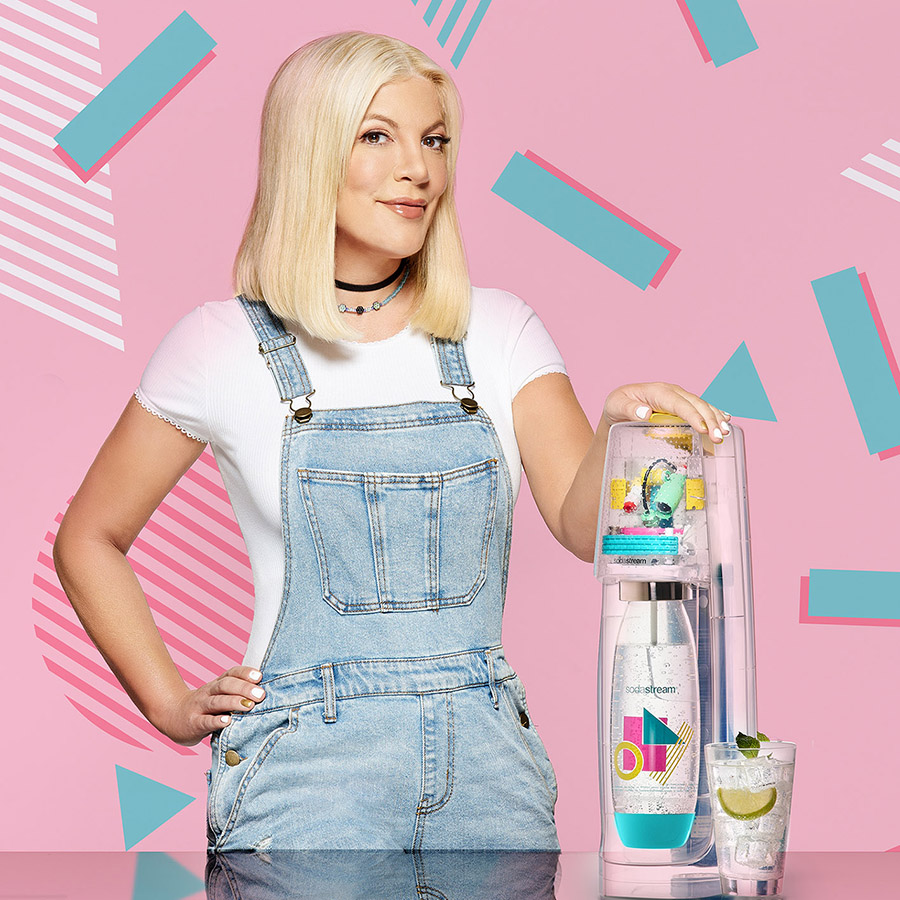
By the time you finish reading this Gifts for Good page, another 5 million single-use plastic bottles will have been sold around the world. One SodaStream carbonating bottle can save up to thousands of single-use plastic bottles and cans. While Sodastream has been around for decades, the brand has changed from the novelty idea of creating your own carbonated water at home to one focused on conserving resources. The company also makes a conscious effort to recycle its CO2 carbonating cylinders. Each exchanged cylinder shipped back to its facility is cleaned, inspected, and refilled with fresh CO2. SodaStream.com

Go Natural: Seaweed You Can Wear

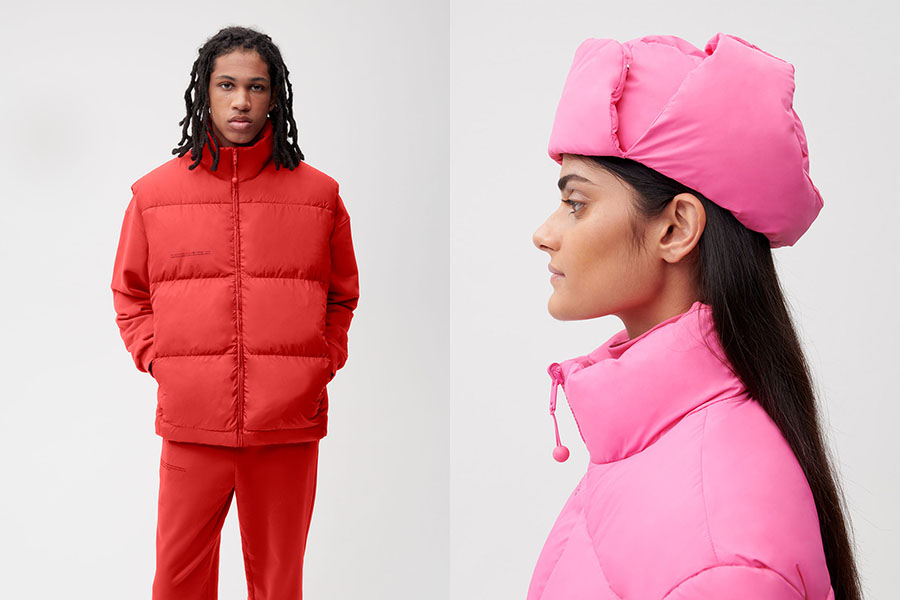
Pangaia’s mission is simple: to save our environment, one colorful hoody, tracksuit, and sweatshirt at a time. Its labels list everything from eucalyptus pulp and seaweed powder to wildflowers and non-toxic dyes, each one designed to reduce its impact on the planet. Science, purpose, and design are three things the company keeps in mind when designing innovative new materials. Two such innovations are FLWRDWN, A down-fill material made using a combination of wildflowers, a biopolymer, an aerogel, and C-FIBER, which combines eucalyptus pulp and seaweed powder — harvested every four years from Iceland — to create soft and silky styles you can wear, support the ecosystems used to make it, and give back to the planet whatever they take. The resulting fabric is water-saving, biobased, and 100% biodegradable. Around one-quarter of the chemical substances manufactured in the world are used to make textiles. Traces of these chemicals can end up in our waterways, from lakes and oceans to the water that comes out of our faucets. Pangaia.com

Engage the Wild: Quieter, Cleaner Snowmobiles

Canadian company Taiga has launched its first all-electric snowmobile, the Nomad. It allows outdoor enthusiasts to consciously explore winter terrains without compromising performance while silently gliding through nature without noise or CO2 emissions. The 90 HP Nomad has a range of 65 miles and seamlessly integrates with existing electric vehicle charging networks. “The delivery of our Nomad snowmobile is the realization of a seven-year vision to provide riders an electric snowmobile that does not compromise performance while preserving the environment,” says CEO Sam Bruneau. TaigaMotors.com

Gifts That Inspire The Future

Choose a gift that supports the work of a nonprofit or a social enterprise. These gifts may look like many others you’ve seen, but each has a story that is changing lives for the better and taking the environment into consideration.

OFFCUT SHOES

Turning Negative Space into Positive Energy.
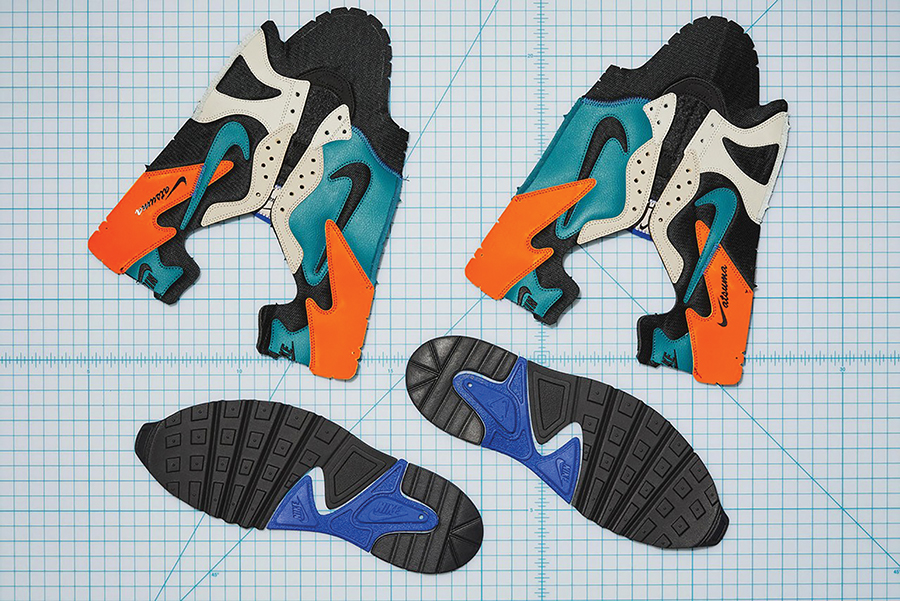
In an effort to reduce its ecological imprint, Nike has created an ingenious way to reduce waste and produce an alluring new running shoe: the Atsuma. The retro-stylized runner aims to rethink traditional cut-and-sew footwear and uses the offcuts from other styles to create a brand new one. Cutting patterns for athletic footwear produces a tremendous amount of material waste, so using offcuts — pieces of material usually discarded when a pattern is cut — has created an exercise in sustainability and a new aesthetic that highlights negative space. This rethink on how shoes are made has inspired innovation within Nike’s production lines and created a striking new shoe.
www.Nike.com

VEGAN WATCHES

Time for Change.
Votch is a cruelty-free watch company based in the United Kingdom. Struck down with a skin disease called Topical Steroid Withdrawal, founder Laura Stageman (above) educated herself on various subjects regarding animal welfare, including facts about the leather industry that genuinely shocked her.

“Seeing the suffering that animals endured simply for fashion, and having felt the pain of losing my own skin, I vowed never to wear the skin of another being again,” she says. The durable, vegan-friendly leather-like straps contain no toxic flame retardants, are Bromine-free, contain no heavy metals, and include recycled and renewable content. Stageman’s watches have won the PETA Best Men’s Watch award in the UK and France and has supported more than 13 animal sanctuaries with the proceeds. 
www.Votch.co.uk

POSITIVE VIBES

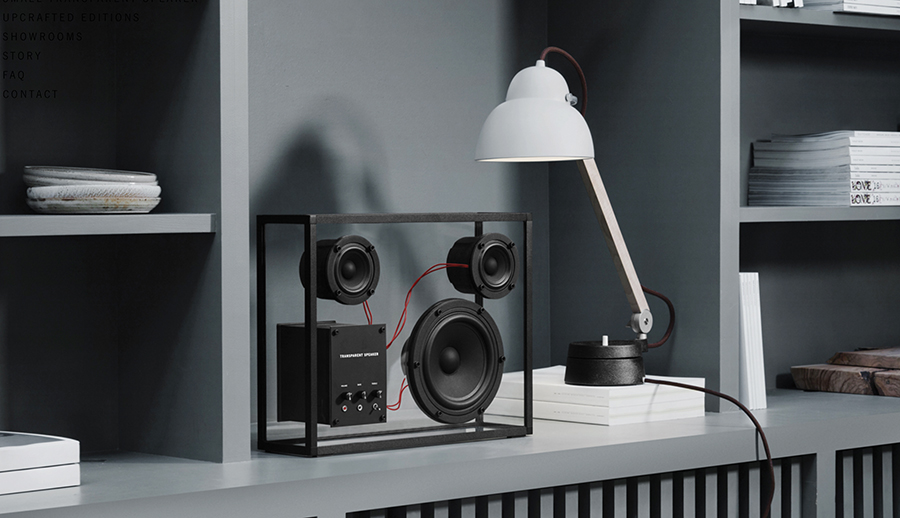
Can You Hear Me Now? Beneath the surface of most electronic gadgets lies a mass of components. These see-through speakers by the Swedish company, Transparent Sound, prove a product can still look and function perfectly while using a fraction of the material. Made with recycled materials, the speaker links to an app that lets you know when a component needs to be swapped out or fixed. Designed to be as much of an interior decor object as a great sounding piece of technology, the upgrade feature also fights the single-use, throwaway consumer culture and saves natural resources. 
www.TransparentSpeaker.com 

BAMBOO BIKES

Breaking the Cycle of Poverty. Turn heads on your next fitness or leisure ride with a bamboo bike, imported from Africa. Booomers is a social enterprise founded in 2014 by Kwabena Danso, a Ghanaian, with a mission to produce high-quality, affordable bamboo products with economic and social benefits. Their order book for the handmade frames has already surpassed 2,500, and happy customers are now cycling around Germany, Australia, and North America.

Bamboo is an established material for construction and has a tensile strength that rivals steel. Fifty young people ages 18–29 build the bike frames in the village of Apaah, 200 miles from the capital of Ghana, and a further 20 harvest the bamboo from more than 200 farmers. While some entrepreneurs spend millions developing new materials, a solution can sometimes be found growing right beneath your feet. 
www.Booomers.com

POWERWALL

Store Your Own Energy. Tesla’s Powerwall home battery can detect an outage, disconnect from the grid, and automatically restore power to your home in a fraction of a second. It’s so fast you won’t even notice the power went out. Linked to a solar panel, the battery will power your home for more than seven days, allowing lights and appliances to continue running. The battery is a backup to traditional electricity supply and is best suited to areas where electricity is scarce or expensive. It’s the perfect solution for second homes in exotic locations, where connecting to the grid can result in environmental degradation or a considerable connection cost. 
www.Tesla.com

Try Not To Give Anyone a Landfill Gift This Year

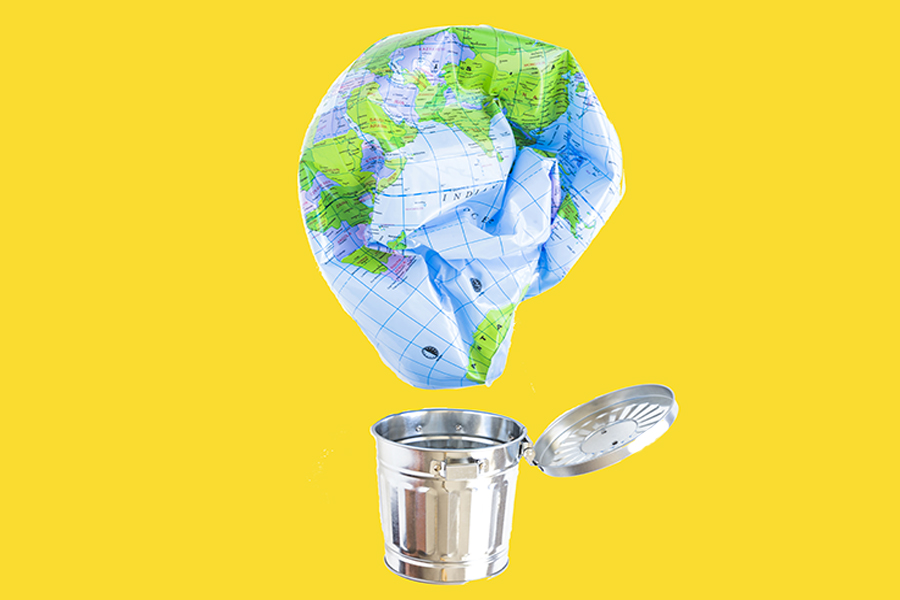
Pathological consumption has become so normalized that we scarcely notice it.

There’s nothing they need, nothing they don’t own already, nothing they even want. So you buy them a solar-powered waving queen; a belly button brush; a silver-plated ice cream tub holder; a “hilarious” inflatable zimmer frame; a confection of plastic and electronics called Terry the Swearing Turtle; or – and somehow I find this significant – a Scratch Off World wall map.

They seem amusing on the first day of giving, daft on the second, embarrassing on the third. By the twelfth they’re in a landfill. For thirty seconds of dubious entertainment, or a hedonic stimulus that lasts no longer than a nicotine hit, we commission the use of materials whose impacts will ramify for generations.

Researching her film The Story of Stuff, Annie Leonard discovered that of the materials flowing through the consumer economy, only 1% remain in use six months after sale. Even the goods we might have expected to hold onto are soon condemned to destruction through either planned obsolescence (breaking quickly) or perceived obsolescence (becoming unfashionable).

But many of the products we buy, especially for birthdays, anniversaries, holidays and parties, cannot become obsolescent. The term implies a loss of utility, but they had no utility in the first place. An electronic drum-machine t-shirt; a Darth Vader talking piggy bank; an ear-shaped iPhone case; an individual beer can chiller; an electronic wine breather; a sonic screwdriver remote control; bacon toothpaste; a dancing dog: no one is expected to use them, or even look at them, the day after they are given. They are designed to elicit thanks, perhaps a snigger or two, and then be thrown away.

The fatuity of the products is matched by the profundity of the impacts. Rare materials, complex electronics, the energy needed for manufacture and transport are extracted and refined and combined into compounds of utter pointlessness. When you take account of the fossil fuels whose use we commission in other countries, manufacturing and consumption are responsible for more than half of our carbon dioxide production. We are screwing the planet to make solar-powered bath thermometers and desktop crazy golfers.

People in Eastern Congo are massacred to facilitate smartphone upgrades of ever diminishing marginal utility. Forests are felled to make “personalized heart-shaped wooden cheese board sets.” Rivers are poisoned to manufacture talking fish. This is pathological consumption: a world-consuming epidemic of collective madness, rendered so normal by advertising and the media that we scarcely notice what has happened to us.

In 2007, the journalist Adam Welz recorded that 13 rhinos were killed by poachers in South Africa. By 2017 that number had risen to 1,028. In 2018 three rhinos per day were being poached. No one is entirely sure why. But one answer is that very rich people in Vietnam are now sprinkling ground rhino horn on their food or snorting it like cocaine to display their wealth. It’s grotesque, but it scarcely differs from what almost everyone in industrialized nations is doing: trashing the living world through pointless consumption.

This boom has not happened by accident. Our lives have been corralled and shaped in order to encourage it. World trade rules force countries to participate in the festival of junk. Governments cut taxes, deregulate business, manipulate interest rates to stimulate spending. But seldom do the engineers of these policies stop and ask “spending on what?”. When every conceivable want and need has been met (among those who have disposable money), growth depends on selling the utterly useless. The solemnity of the state, its might and majesty, are harnessed to the task of delivering Terry the Swearing Turtle to our doors.

Grown men and women devote their lives to manufacturing and marketing this rubbish, and dissing the idea of living without it. “I always knit my gifts”, says a woman in a television ad for an electronics outlet. “Well you shouldn’t,” replies the narrator. An advertisement for a Google tablet shows a father and son camping in the woods. Their enjoyment depends on the special features of the device. The best things in life are free, but we’ve found a way of selling them to you.

The growth of inequality that has accompanied the consumer boom ensures that the rising economic tide no longer lifts all boats. In the US a remarkable 93% of the growth in incomes accrues to the top 1% of the population. The old excuse, that we must trash the planet to help the poor, simply does not wash. For a few decades of extra enrichment for those who already possess more money than they know how to spend, the prospects of everyone else who will live on this earth are diminished.

So effectively have governments, the media and advertisers associated consumption with prosperity and happiness that to say these things is to expose yourself to opprobrium and ridicule. Witness a recent BBC Moral Maze program, in which most of the panel lined up to decry the idea of consuming less, and to associate it, somehow, with authoritarianism. When the world goes mad, those who resist are denounced as lunatics.

Bake them a cake, write them a poem, give them a kiss, tell them a joke, but for god’s sake stop trashing the planet to tell someone you care. All it shows is that you don’t.

www.monbiot.com

0