Time to Tackle Two Crises at Once, Activist Thunberg Says on Earth Day

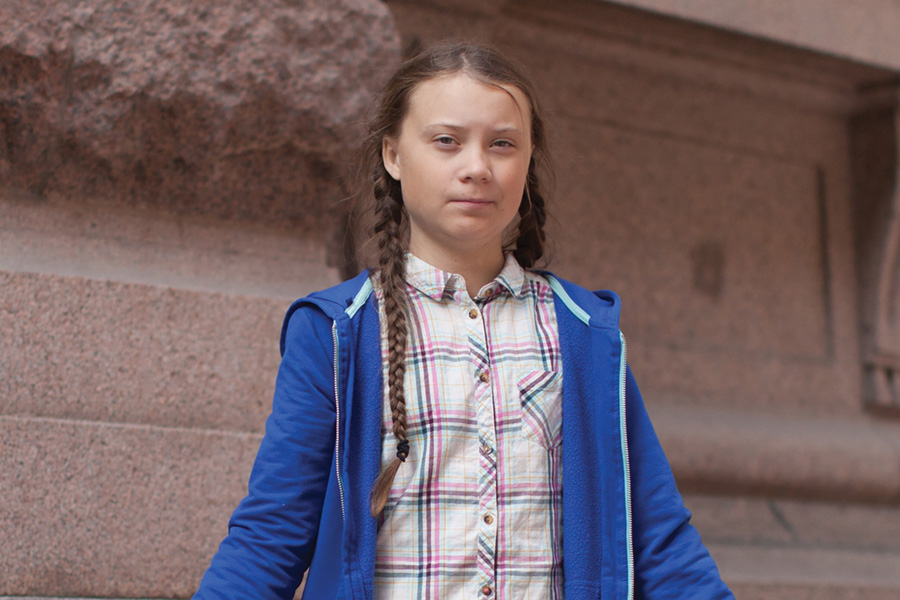
Swedish activist Greta Thunberg joined calls for a combined effort to tackle coronavirus and the climate crisis, saying the 50th anniversary of Earth Day on Wednesday was the time to choose a “new way forward”.

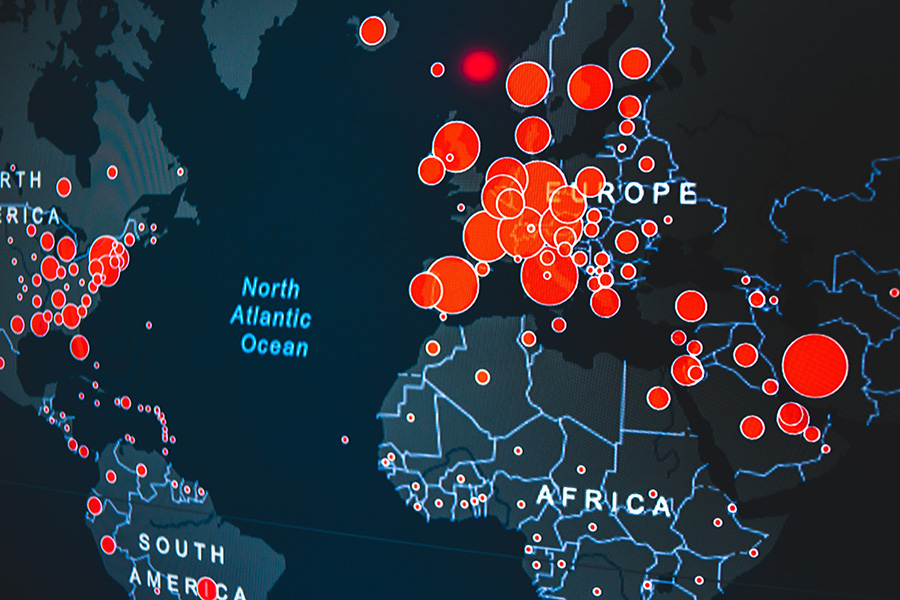
Dramatic improvements in air and water quality as coronavirus lockdowns have cut pollution have prompted calls for a low-carbon future, but the need to get millions back to work is clouding the picture for the future.

Thunberg, taking part in a streamed event to mark Earth Day, said the extraordinary measures to stop the spread of the novel coronavirus did not mean the climate crisis had gone away.

“We need to tackle two crises at once,” she said.

“Whether we like it or not the world has changed, it looks completely different from how it did a few months ago and it will probably not look the same again and we are going to have to choose a new way forward,” the teenager said.

With economies round the world shut down, wildlife has returned to some city streets, with wolves, deer and kangaroos spotted on thoroughfares usually teeming with traffic.

Fish have been seen in Venice canals no longer polluted by motor boats, while residents of some Indian cities have reported seeing the Himalayas for the first time in decades.

Satellite imagery has shown significant air quality improvements across Europe and Asia, including China, where the coronavirus pandemic emerged at the end of last year.

Residents in some of China’s most smog-prone cities said they feared blue skies would not last as the world’s second biggest economy got back to work, however.

“In the second half of the year, when the epidemic eases, the weather will slowly be worse after factories reopen,” said Tang Zhiwei, 27, a resident of Shanghai. “Try your best to enjoy the blue sky now.”

Shanghai saw emissions fall by nearly 20% in the first quarter of 2020, which also saw China’s economy contract for the first time on record.

TOGETHER

U.N. chief Antonio Guterres echoed Thunberg, urging governments to use their economic responses to the pandemic to tackle the “even deeper emergency” of climate change.

With battle lines emerging between investors backing “green stimulus” measures and industry lobbyists aiming to weaken climate regulations, Guterres cautioned governments against bailing out heavily polluting industries.

“On this Earth Day, all eyes are on the COVID-19 pandemic,” Guterres said. “But there is another, even deeper emergency, the planet’s unfolding environmental crisis.”

U.S. Democratic presidential candidate Joe Biden, who on Wednesday was endorsed by two of his party’s most prominent climate change campaigners, including former vice president Al Gore, said green jobs “can be the very thing that helps us get through this existential threat to our economy.”

In November, Biden will run against President Donald Trump, who wants to re-open the U.S. economy to get the 22 million Americans who filed for unemployment benefits in the past month back to work. Trump has touted a strong economy as one of the biggest reasons why he should be re-elected.

Peter Betts, a former lead climate negotiator for Britain and the European Union, said although there was now pressure for coronavirus economic stimulus packages to be “low-carbon, climate-smart,” the effort faced strong headwinds.

“A risk, clearly, is that for some governments around the world there will be a huge premium on getting the economy moving, getting people back into jobs,” Betts, now with the Chatham House think-tank in London, told Reuters Television.

HOTTEST ON RECORD

The environmental stakes have been rising.

Last year was the hottest on record in Europe, extending a run of exceptionally warm years driven by unprecedented levels of heat-trapping greenhouse gases in the atmosphere, according to a study released on Earth Day.

Of Europe’s 12 warmest years on record, 11 have occurred since 2000, the European Union’s Copernicus Climate Change Service (C3S) said.

“This warming trend is now unequivocal anywhere on the planet. And as a consequence of that, the frequency of these record breaking events is going up,” C3S director Carlo Buontempo told Reuters.

The coronavirus pandemic is expected to drive carbon dioxide emissions down 6% this year, the head of the World Meteorological Organization (WMO) said, in what would be the biggest yearly drop since World War Two.

But that’s not enough to stop climate change, the WMO said.

“COVID-19 may result in a temporary reduction in greenhouse gas emissions, but it is not a substitute for sustained climate action,” the WMO said in an Earth Day statement.

In a general audience at the Vatican streamed over the internet, Pope Francis prayed for the protection of the planet.

“This is an occasion for renewing our commitment to love and care for our common home and for the weaker members of our human family,” Francis said, and urged children to “take to the streets to teach us the obvious: we have no future if we destroy the very environment that sustains us.”
Climate Change is Not Our Children’s Problem to Solve — It’s up to us, the Adults

Parents discuss how they are talking to their children about climate change when they are anxious about it themselves, with journalist Alexa Phillips.

“How many animals gone extinct?” When Antonia Godber opened her laptop and saw this question typed into Google she knew immediately who had asked it: her 11-year-old son, Will.

As a mum of three and former teacher, Antonia is used to talking with children about issues that concern them – as many parents have had to recently, while explaining why we’re all staying inside and what a virus is.

But whereas most childhood fears might not seem scary to an adult, Antonia shares her son’s anxiety about the planet – an issue that we can’t hope to rid of within a year or 18 months like coronavirus, and is worth remembering ahead of Earth Day on Wednesday.

“When I read the IPCC report in 2018, it hit me like a ton of bricks,” she says. The UN document warned that humans have only 12 years to stop global warming exceeding 1.5C, to avert a significant increase in the risks of droughts, floods and extreme heat. “I became extremely frightened,” says Antonia. “I was crying all the time.”

Warnings about the impact of the climate crisis on younger generations have become increasingly stark – earlier this year, the World Health Organisation and Unicef said “ecological damage unleashed today endangers the future of children’s lives” – so it is unsurprising that some parents are desperately worried.

“It’s a primal instinct to protect your children,” says Antonia. “And the thought you might not be able to is excruciating.”

‘I nearly had a meltdown’

Liz Sampson, an accountant from Henley, Oxfordshire, started educating herself about environmental issues a year ago when she tried to do a plastic-free weekly shop. “I nearly had a meltdown, you can’t do it,” she says. “I felt like fainting and I couldn’t breathe.”

Liz doesn’t want her fears to impact her children, Alexandra, 11, and James, 13. “Children feed off parents; if parents are anxious, children pick up on it,” Liz says.

She saw the effects of this when James called her from rugby practice “in a panic”. One of their few remaining plastic bags, which he used to carry his boots, had blown away. “He thought it had gone into the river, and would harm the fish.”

In the face of this uncertainty, Antonia and Liz have taken steps to reduce their consumption, not only to minimise their impact on the environment but to help prepare their children for a world in which food and clean water might not be so widely available. Antonia saves bath water to flush the toilet; Liz, a keen gardener, shows her children how to grow vegetables.

Both are also trying to bring about wider social change, Liz through campaigning with Extinction Rebellion and Antonia through taking action in her community with Will, along with eight-year-old Toby and Maisie, who is five.

‘I’m sorry, my generation messed up’

It’s difficult for parents who are trying to support their children while dealing with their own complicated mix of emotions – including guilt – says Dr Caroline Hickman, a psychotherapist at Bath University and member of the Climate Psychology Alliance.

“We can’t continue to parent as if nothing has changed,” she tells i. “I work with parents whose teenagers are furious with them. They say: ‘What’s the point in doing exams when the world isn’t going to be the one you promised me?’”

Caroline insists that this anger needs to be acknowledged, saying: “The first thing you need to do is apologise: ‘I’m sorry, my generation messed up.’” By being honest with children, in an age-appropriate way, and by taking their feelings seriously, Caroline believes that parents can help contain their anxiety and build trust.

“If you build trust the child will feel more secure. So there may be insecurity in the world, but the child can have security in their relationship with their parents.”

Above all, Caroline says: “Parents have to process their own feelings in order to support their children. And the best people to support them are other parents.”

This is exactly what Antonia realised. After seeking professional help for her anxiety, she started a parents’ support group called Climate Change Conversations in the Netherlands where she now lives. “I wanted something like this when I was feeling terrible, and it didn’t exist. So I popped a post on Facebook, made a cake and hoovered. Then the doorbell rang.”

The group meets regularly, organising practical events like clothes swaps and marches “as that’s where the conversations happen,” says Antonia. In between, they message each other. “It’s such a lovely feeling.”

‘We can’t leave this to our kids’

Connecting with other parents has also made a huge difference to Jenny Gow, a paediatrician from Gloucestershire. She felt alone with her fears until she went on a climate march while pregnant with her third child. There, she started talking to other women, one of whom carried a sign saying: “Worried mum. One of many.”

“We felt like we had to mobilise more parents,” says Jenny. Together they founded the group Mothers Rise Up! and 3,000 people joined their first march in May 2019.

Seeing the youth climate strike movement has galvanised them further. “We can’t leave this to our kids,” says Jenny. “This is not their problem to solve. It’s us, the adults, who should be responsible for turning this ship around.”

This story originally appeared in iNews and is republished here as part of Covering Climate Now, a global journalism collaboration strengthening coverage of the climate story.

Halve the Farmland, Save Nature, Feed the World

Forget about organic farming: get the best out of the best cropland, return the rest to nature and still feed the world. It could work, say researchers.

Once again, scientists have demonstrated that humans could restore roughly half the planet as a natural home for all the other wild things, while at the same time feeding a growing population and limiting climate change.

That doesn’t mean it will happen, or could be made to happen easily. But it does yet again address one of the enduring challenges of population growth and the potentially devastating loss of the biodiversity upon which all individual species – humans more than most – depend to survive.

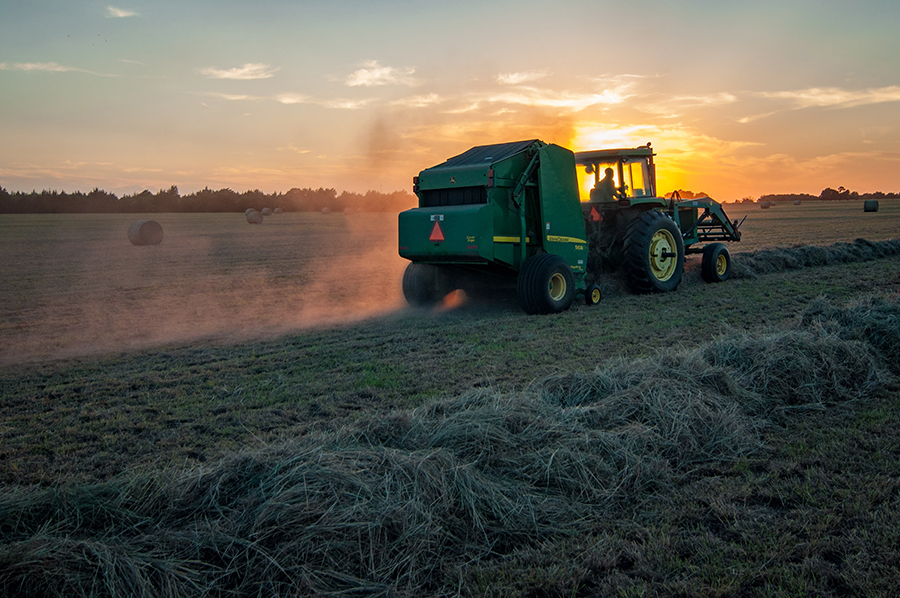
The answer? Simply to farm more efficiently and more intensively, to maximise the yield from those tracts of land most suitable for crops, and let nature reclaim the no-longer so productive hectares.

Even more effective would be to release as much land as possible in those regions that ecologists and biologists like to call “biodiversity hotspots”, among them the forests where concentrations of species are at their peak.

European researchers argue, in a study in the journal Nature Sustainability, that as less land was cultivated, but more intensively, the greenhouse gas emissions from farming would be reduced: so too would water use.

“Cropland expansion is not inevitable and there is significant potential for improving present land use efficiency”

“The main questions we wanted to address were how much cropland could be spared if attainable crop yields were achieved globally and crops were grown where they are most productive,” said Christian Folberth, a scientist with the International Institute for Applied Systems Analysis (IIASA) in Austria, who led the study.

“In addition, we wanted to determine what the implications would be for other factors related to the agricultural sector, including fertiliser and irrigation water requirements, greenhouse gas emissions, carbon sequestration potential, and wildlife habitat for threatened species.”

The problem is enormous, and enormously complex. Cropland farming alone – forget about methane from cattle and sheep – accounts for 5% of all greenhouse gas emissions from human activity. Worldwide, about 70% of all the freshwater taken from rivers and aquifers goes into irrigation.

Human populations continue to soar, while cities continue to expand  across the countryside. By the end of this century, there could be more than 9bn people to be fed.

Global heating driven by fossil fuel investment continues to increase, and this in turn threatens to diminish harvest yields across a wide range of crops, along with the nutritive value of the staples themselves.

Nature Under Threat

At the same time, both climate change driven by global warming and the expansion of the cities and the surrounding farmlands continue to amplify the threat to natural habitats and the millions of species – many yet to be identified and named by science – that depend upon them.

And this in turn poses a threat to human economies and even human life: almost every resource – antibiotic medicines and drugs, food, waste disposal, fabrics, building materials and even fresh air and water – evolved in undisturbed ecosystems long before Homo sapiens arrived, and the services each element provides depend ultimately on the survival of those ecosystems.

So the challenge is to restore and return to nature around half the land humans already use, while at the same time feeding what could be an additional 2bn people, while reducing greenhouse gas emissions but still sustaining development in the poorest nations.

Dr Folberth and his colleagues from Slovakia, France, Belgium, Spain and the UK are not the first to argue that it can be done, and not just by changing the planetary lunch menu.

The scientists looked at the data for 16 major crop species around the world to calculate that at least in theory – with careful use of the right crops on the most suitable soils, and with high fertiliser use – about half of the present cropland now cultivated could still deliver the present output.

That is, the land humans occupy is not being managed efficiently. If it were, the other half could be returned to wilderness, and conserved as natural forest, grassland or wetland.

Climate Benefits

If humans then thought about how best to slow biodiversity loss, they would do almost as well by abandoning farmland in those places where there was the greatest concentration of wild things – tropical rain forests, estuary floodplains and mangrove swamps, for instance. And just returning 20% of farmland to nature everywhere else would still reduce human farmland use by 40%.

In return, fertiliser use would remain about the same, but greenhouse gas emissions and water use would fall, while more land would become free to sequester atmospheric carbon.

There would be costs – nitrogen pollution would go up in some places, and many rural farmers would become even poorer – so more thinking needs to be done. The point the European researchers want to make is that, in principle, it should be possible to feed people, abandon farmland to the natural world and reduce emissions all at the same time.

“It shows that cropland expansion is not inevitable and there is significant potential for improving present land use efficiency,” said Michael Obersteiner, another author, now at the Environmental Change Institute at Oxford.

“If the right policies are implemented, measures such as improved production technologies can be just as effective as demand-side measures like dietary changes. However, in all cases, such a process would need to be steered by policies to avoid unwanted outcomes.”

This story originally appeared in Climate News Network and is republished here as part of Covering Climate Now, a global journalism collaboration strengthening coverage of the climate story.

Climate Change is Not Our Children’s Problem to Solve — It’s up to us, the Adults

Parents discuss how they are talking to their children about climate change when they are anxious about it themselves, with journalist Alexa Phillips.

“How many animals gone extinct?” When Antonia Godber opened her laptop and saw this question typed into Google she knew immediately who had asked it: her 11-year-old son, Will.

As a mum of three and former teacher, Antonia is used to talking with children about issues that concern them – as many parents have had to recently, while explaining why we’re all staying inside and what a virus is.

But whereas most childhood fears might not seem scary to an adult, Antonia shares her son’s anxiety about the planet – an issue that we can’t hope to rid of within a year or 18 months like coronavirus, and is worth remembering ahead of Earth Day on Wednesday.

“When I read the IPCC report in 2018, it hit me like a ton of bricks,” she says. The UN document warned that humans have only 12 years to stop global warming exceeding 1.5C, to avert a significant increase in the risks of droughts, floods and extreme heat. “I became extremely frightened,” says Antonia. “I was crying all the time.”

Warnings about the impact of the climate crisis on younger generations have become increasingly stark – earlier this year, the World Health Organisation and Unicef said “ecological damage unleashed today endangers the future of children’s lives” – so it is unsurprising that some parents are desperately worried.

“It’s a primal instinct to protect your children,” says Antonia. “And the thought you might not be able to is excruciating.”

‘I nearly had a meltdown’

Liz Sampson, an accountant from Henley, Oxfordshire, started educating herself about environmental issues a year ago when she tried to do a plastic-free weekly shop. “I nearly had a meltdown, you can’t do it,” she says. “I felt like fainting and I couldn’t breathe.”

Liz doesn’t want her fears to impact her children, Alexandra, 11, and James, 13. “Children feed off parents; if parents are anxious, children pick up on it,” Liz says.

She saw the effects of this when James called her from rugby practice “in a panic”. One of their few remaining plastic bags, which he used to carry his boots, had blown away. “He thought it had gone into the river, and would harm the fish.”

In the face of this uncertainty, Antonia and Liz have taken steps to reduce their consumption, not only to minimise their impact on the environment but to help prepare their children for a world in which food and clean water might not be so widely available. Antonia saves bath water to flush the toilet; Liz, a keen gardener, shows her children how to grow vegetables.

Both are also trying to bring about wider social change, Liz through campaigning with Extinction Rebellion and Antonia through taking action in her community with Will, along with eight-year-old Toby and Maisie, who is five.

‘I’m sorry, my generation messed up’

It’s difficult for parents who are trying to support their children while dealing with their own complicated mix of emotions – including guilt – says Dr Caroline Hickman, a psychotherapist at Bath University and member of the Climate Psychology Alliance.

“We can’t continue to parent as if nothing has changed,” she tells i. “I work with parents whose teenagers are furious with them. They say: ‘What’s the point in doing exams when the world isn’t going to be the one you promised me?’”

Caroline insists that this anger needs to be acknowledged, saying: “The first thing you need to do is apologise: ‘I’m sorry, my generation messed up.’” By being honest with children, in an age-appropriate way, and by taking their feelings seriously, Caroline believes that parents can help contain their anxiety and build trust.

“If you build trust the child will feel more secure. So there may be insecurity in the world, but the child can have security in their relationship with their parents.”

Above all, Caroline says: “Parents have to process their own feelings in order to support their children. And the best people to support them are other parents.”

This is exactly what Antonia realised. After seeking professional help for her anxiety, she started a parents’ support group called Climate Change Conversations in the Netherlands where she now lives. “I wanted something like this when I was feeling terrible, and it didn’t exist. So I popped a post on Facebook, made a cake and hoovered. Then the doorbell rang.”

The group meets regularly, organising practical events like clothes swaps and marches “as that’s where the conversations happen,” says Antonia. In between, they message each other. “It’s such a lovely feeling.”

‘We can’t leave this to our kids’

Connecting with other parents has also made a huge difference to Jenny Gow, a paediatrician from Gloucestershire. She felt alone with her fears until she went on a climate march while pregnant with her third child. There, she started talking to other women, one of whom carried a sign saying: “Worried mum. One of many.”

“We felt like we had to mobilise more parents,” says Jenny. Together they founded the group Mothers Rise Up! and 3,000 people joined their first march in May 2019.

Seeing the youth climate strike movement has galvanised them further. “We can’t leave this to our kids,” says Jenny. “This is not their problem to solve. It’s us, the adults, who should be responsible for turning this ship around.”

This story originally appeared in iNews and is republished here as part of Covering Climate Now, a global journalism collaboration strengthening coverage of the climate story.

Releasing Herds of Animals Into the Arctic Could Help Fight Climate Change, Study Finds

Herds of horses, bison and reindeer could play a significant part in saving the world from an acceleration in global heating. That is the conclusion of a recent study showing how grazing herbivores can slow down the pace of thawing permafrost in the Arctic.

The study — a computerized simulation based on real-life, on-the ground data — finds that with enough animals, 80% of all permafrost soils around the globe could be preserved through 2100.

The research was inspired by an experiment in the town of Chersky, Siberia featured on CBS News’ “60 Minutes.” The episode introduces viewers to an eccentric scientist named Sergey Zimov who resettled grazing animals to a piece of the Arctic tundra more than 20 years ago.

Zimov is unconventional, to say the least, even urging geneticists to work on resurrecting a version of the now-extinct woolly mammoth to aid in his quest. But through the years he and his son Nikita have observed positive impacts from adding grazing animals to the permafrost area he named Pleistocene Park, in a nod to the last Ice Age.

Permafrost is a thick layer of soil that remains frozen year-round. Because of the rapidly warming climate in Arctic regions, much of the permafrost is not permanently frozen anymore. Thawing permafrost releases heat-trapping greenhouse gases that have been buried in the frozen soil for tens of thousands of years, back into the atmosphere. 

Scientists are concerned that this mechanism will act as a feedback loop, further warming the atmosphere, thawing more soil, releasing more greenhouse gases and warming the atmosphere even more, perpetuating a dangerous cycle.

Last year their fears were confirmed when a study led by scientists at Woods Hole Research Center revealed that the Arctic was no longer storing as much carbon as it was emitting back into the atmosphere. 

In winter the permafrost in Chersky, Siberia stays at about 14 degrees Fahrenheit. But the air can be much colder, dropping down to 40 below zero Fahrenheit. Typically there is a thick blanket of snowfall in winter which insulates the soil, shielding it from the frigid air above and keeping it milder.

The idea behind Zimov’s on-the-ground Pleistocene Park experiment was to bring grazing animals with their stamping hooves back to the land to disperse the snow, compress the ground and chill the soil. Turns out, it worked. The 100 resettled animals, across a one-square-kilometer area, cut the average snow cover height in half, dramatically reducing the insulating effect, exposing the soil to the overlying colder air and intensifying the freezing of permafrost.

In an effort to see what impact this method could have on a much larger scale, beyond the confines of Pleistocene Park, Professor Christian Beer of the University of Hamburg conducted a simulation experiment. His team used a special climate model to replicate the impact on the land surface throughout all of the Arctic permafrost soils in the Northern Hemisphere over the course of an entire year.

The results, published in the Nature journal Scientific Reports, show that if emissions continue to rise unchecked we can expect to see a 7-degree Fahrenheit increase in permafrost temperatures, which would cause half of all permafrost to thaw by 2100.

In contrast, with animal herds repopulating the tundra, the ground would only warm by 4 degrees Fahrenheit. That would be enough to preserve 80% of the current permafrost though the end of the century.

“This type of natural manipulation in ecosystems that are especially relevant for the climate system has barely been researched to date, but holds tremendous potential,” Beer said.

CBS News asked Beer how realistic it is to expect that the Arctic could be repopulated with enough animals to make a difference. “I am not sure,” he replied, adding that more research is needed but the results are promising. “Today we have an average of 5 reindeers per square kilometer across the Arctic. With 15 [reindeer] per square kilometer we could already save 70% permafrost according to our calculations.”

“It may be utopian to imaging resettling wild animal herds in all the permafrost regions of the Northern Hemisphere,” Beer concedes. “But the results indicate that using fewer animals would still produce a cooling effect.”

Rick Thoman, a climate specialist at the International Arctic Research Center in Alaska, agrees that snow disturbed and trampled by animal herds is a much less efficient insulator, but he has his doubts about implementing this idea. “Unless the plan is to cover millions of square kilometers with horses, bison and reindeer, how could this possibly have any significant impact? I certainly would not call it ‘utopian’ to destroy permafrost lands as we know them by having these animals in the distribution and numbers required.” 

Beer and his team did consider some potential side effects of this approach. For example, in summer the animals would destroy the cooling moss layer on the ground, which would contribute to warming the soil. This was taken into account in the simulations, but the cooling impact of the compressed snow effect in winter is several times greater, they found.

“If theoretically we were able to maintain a high animal density like in Zimov’s Pleistocene Park, would that be good enough to save permafrost under the strongest warming scenario? Yes, it could work for 80% of the region” said Beer.

As a next step, Beer plans to collaborate with biologists in order to investigate how the animals would actually spread across the landscape.

This story originally appeared in CBS News and is republished here as part of Covering Climate Now, a global journalism collaboration strengthening coverage of the climate story.

Sanctuary Farms Offer a Model for Future Food System

A handful of farms across North America are blurring ethical lines by incorporating rescued farm animals into plant production. Is this the solution to our broken food system, or part of the problem?

Amidst the outbreak of the zoonotic COVID19 virus, the practice of closely confining animals bound to be food has come under increased scrutiny. Holding large numbers of animals captive in wet markets, industrial-sized barns, transport ships, and other transport vehicles can increase the risk of spreading disease among animals, and to humans.

Criticism of animal confinement though is not new. Animal and climate activists have long been highlighting the many dilemmas associated with animal confinement—mainly ethical and environmental—pointing the finger at animal agriculture and deeming most, if not all animal farming as harmful to the planet.

But, what if there is a way to incorporate domesticated animals into farming that does not include mass confinement, does not include exploitation, not even slaughter, and is beneficial to the environment? They are called sanctuary farms, and a handful of them are showing us what a successful food system could look like during the era of COVID and climate change.

On a 1,300-acre regenerative farm in the Green Hills of western Vermont, a flock of 107 rescued ducks aid in the production of fruits, nuts, hemp, and perennial vegetables. Sho Farm and Sanctuary co-owner Melissa Hoffman describes the ducks—who are allowed to live out their entire lives on the property—as “farm partners,” completely there as themselves, and not required to do anything other than how they naturally live.

“When it’s warm enough outside, they go out and forage in the orchard,” she says. The ducks eat insects and slugs that could be harmful to the crops, aerating the soil with their bills, trampling weeds, and fertilizing the land with their droppings.

Hoffman also composts the soiled hay from the ducks’ barn, which attracts worms, “creating the most amazing compost for humic acid, and humus in the soil,” she says. It’s what she calls a “non-exploitative, animal-integrated food system.”

Regarding biosecurity and the risk of spreading disease, says Hoffman: “If sanctuaries are prioritizing the health of the animals, they will tend to make decisions based on the animals themselves. So there are no other interests at play.”

At Sho Farm and Sanctuary, she says they  “always seek the most sanitary conditions for the ducks,” noting that the ducks  “are not in such confined quarters [like on industrialized farming operations where] it would cause a problem.”

At another sanctuary farm in Ontario, Canada, former cattle rancher Mike Lanigan now grows and sells certified organic vegetables with the help of his herd, which he saved from slaughter five years ago after having a change of heart.

Tim Fors, a volunteer and board member at Farmhouse Garden Animal Home, explains that composted manure produced by the 29 cows who now call the farm their permanent home can be utilized in both ethical and eco-beneficial ways.

“It’s not harming the cows in any way,” he says, “and it has to be removed anyway.”

Fors notes that the farm does not depend on manure being brought in from other sources, nor do they sell manure to other farmers.

“Being self-sufficient like that would reduce the possible spread of germs,” he says.

He also points out that without the “obvious things regarding animals being transported, slaughtered, and consumed, naturally any bio-hazards associated with that whole ugly process are eliminated in our case.”

Nate Salpeter, co-founder of Sweet Farm in the San Francisco Bay Area describes his farm sanctuary’s 125 rescued animals—including pigs, cows, chickens, and one lama—as “ambassadors for their species.”

He says that while the animals are not there to produce manure for the farm, “they just do,” and if it wasn’t used, it would have to be sent elsewhere, “which would be careless,” he says. Shipping manure off the farm would increase the operation’s carbon footprint. Instead, the manure is used to help maintain pastures and to grow flowers and important cover crops.

The animals at Sweet Farm do not actively graze the land where foods are grown, but Salpeter says one day they may swap where the animals are kept, with where food is grown to help replenish the soil, but only if necessary. Or, he says, “let’s say there’s a lot of amazing leftover volunteer root vegetables that the pigs can go out and root around, eat them, help clear the field, so that way we can go in with a clean slate.”

Salpeter says that the risk of disease spread within a sanctuary farm system is reduced for a variety of reasons, but “first and foremost is the focus on being good stewards to both the animals and the land.”

Adequate space on pastures and in barns, he says, “combined with individualized care, as opposed to blanket treatments with powerful antibiotics and antivirals, together reduce transmission vectors and resistance building opportunities.”

He emphasizes that this high standard of individualized care is done “for the health of the animals and land, as well as out of consideration of humans.”

“As we expand our understanding of food systems for the future, and as we expand and evolve our relationship with animals, the two are destined to meet,” says Hoffman, at Sho Farm and Sanctuary.

But, she explains, how she sees that happening is not the same as the way we see it today. Rather, as she describes: “caring for the refugees from that movement, from that system [of modern animal agriculture], is a form of hospicing; it’s a form of caring for the living creatures that come out of a dying industry, or potentially dying industry of the future.”

And that is where sanctuary farms come in, presenting a picture of a potential future where plant food production, animal care, earth regeneration, and reduced zoonotic disease risk, can all exist together.

Jessica Scott-Reid is a Canadian freelance journalist focused on animal rights & welfare and plant-based foods.
This story originally appeared in Sentient Media and is republished here as part of Covering Climate Now, a global journalism collaboration strengthening coverage of the climate story.

This Earth Day, Stop the Money Pipeline

We’re cooked unless investors stop funding fossil fuel companies.

Nineteen-seventy was a simpler time. (February was a simpler time too, but for a moment let’s think outside the pandemic bubble.)

Simpler because our environmental troubles could be easily seen. The air above our cities was filthy, and the water in our lakes and streams was gross. There was nothing subtle about it. In New York City, the environmental lawyer Albert Butzel described a permanently yellow horizon: “I not only saw the pollution, I wiped it off my windowsills.” Or consider the testimony of a city medical examiner: “The person who spent his life in the Adirondacks has nice pink lungs. The city dweller’s are black as coal.” You’ve likely heard of Cleveland’s Cuyahoga River catching fire, but here’s how New York Governor Nelson Rockefeller described the Hudson south of Albany: “one great septic tank that has been rendered nearly useless for water supply, for swimming, or to support the rich fish life that once abounded there.” Everything that people say about the air and water in China and India right now was said of America’s cities then.

It’s no wonder that people mobilized: 20 million Americans took to the streets for the first Earth Day in 1970—10 percent of America’s population at the time, perhaps the single greatest day of political protest in the country’s history. And it worked. Worked politically because Congress quickly passed the Clean Air Act and the Clean Water Act and scientifically because those laws had the desired effect. In essence, they stuck enough filters on smokestacks, car exhausts, and factory effluent pipes that, before long, the air and water were unmistakably cleaner. The nascent Environmental Protection Agency commissioned a series of photos that showed just how filthy things were. Even for those of us who were alive then, it’s hard to imagine that we tolerated this.

But we should believe it, because now we face even greater challenges that we’re doing next to nothing about. And one reason is you can’t see them.

The carbon dioxide molecule is invisible; at today’s levels you can’t see it or smell it, and it doesn’t do anything to you. Carbon with one oxygen molecule? That’s what kills you in a closed garage if you leave the car running. But two oxygen molecules? All that does is trap heat in the atmosphere. Melt ice caps. Raise seas. Change weather patterns. But slowly enough that most of the time, we don’t quite see it.

And it’s a more complex moment for another reason. You can filter carbon monoxide easily. It’s a trace gas, a tiny percentage of what comes from a power plant. But carbon dioxide is the exact opposite. It’s most of what comes pouring out when you burn coal or gas or oil. There’s no catalytic converter for CO2, which means you have to take down the fossil fuel industry.

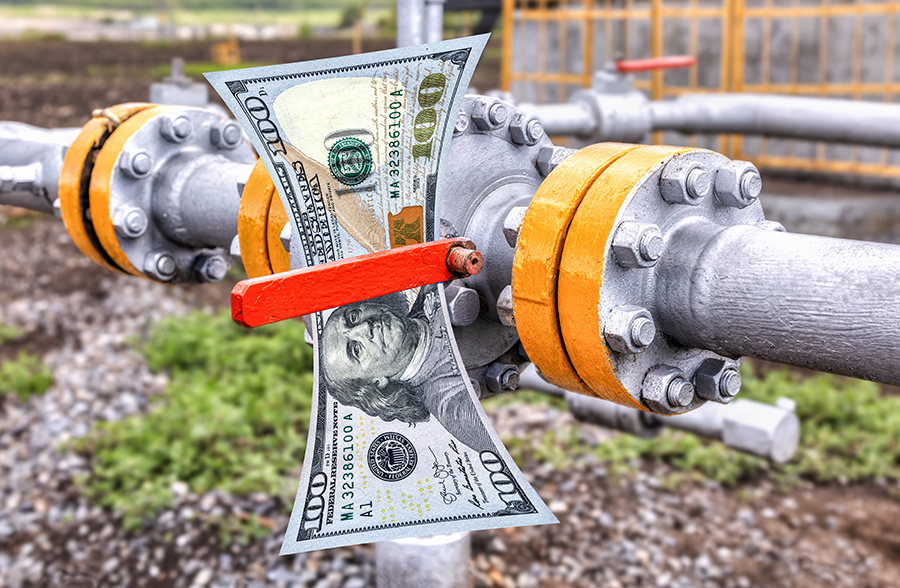
That in turn means you have to take on not just the oil companies but also the banks, asset managers, and insurance companies that invest in them (and may even own them, in the wake of the current economic crash). You have to take on, that is, the heart of global capital.

And so we are. Stop the Money Pipeline, a coalition of environmental and climate justice groups running from the small and specialized to the Sierra Club and Greenpeace, formed last fall to try to tackle the biggest money on earth. Banks like Chase—the planet’s largest by market capitalization—which has funneled a quarter-trillion dollars to the fossil fuel industry since the Paris Agreement of 2015. Insurers like Liberty Mutual, still insuring tar sands projects even as pipeline builders endanger Native communities by trying to build the Keystone XL during a pandemic.

This campaign sounds quixotic, but it seemed to be getting traction until the coronavirus pandemic hit. In January, BlackRock announced that it was going to put climate at the heart of its investment analyses. Liberty Mutual, under similar pressure from activists, began to edge away from coal. And Chase—well, Earth Day would have seen activists engaging in civil disobedience in several thousand bank lobbies across America, sort of like the protest in January that helped launch the campaign (and sent me, among others, off in handcuffs). But we called that off; there’s no way we were going to risk carrying the microbe into jails, where the people already locked inside have little chance of social distancing.

Still, the pandemic may be causing as much trouble for the fossil fuel industry as our campaign hoped to. With the demand for oil cratering, it’s clear that these companies have no future. The divestment campaign that, over a decade, has enlisted $14 trillion in endowments and portfolios in the climate fight has a new head of steam.

Our job—a more complex one than faced our Earth Day predecessors 50 years ago—is to force the spring. We need to speed the transition to the solar panels and wind turbines that engineers have worked so mightily to improve and are now the cheapest way to generate power. The only thing standing in the way is the political power of the fossil fuel companies, on clear display as President Trump does everything in his power to preserve their dominance. That’s hard to overcome. Hard but simple. Just as in 1970, it demands unrelenting pressure from citizens. That pressure is coming. Indigenous nations, frontline communities, faith groups, climate scientists, and savvy investors are joining together, and their voices are getting louder. Seven million of us were in the streets last September. That’s not 20 million, but it’s on the way.

We can’t be on the streets right now. So we’ll do what we can on the boulevards of the Internet. Join us for Earth Day Live, three days of digital activism beginning April 22. We’re in a race, and we’re gaining fast.

Bill McKibben is the founder of climate change campaign 350.org, a scholar in residence at Middlebury College, and the author of the new book Falter: Has the Human Game Begun to Play Itself Out? This story originally appeared in The Nation and is republished here as part of Covering Climate Now, a global journalism collaboration strengthening coverage of the climate story.

Rooftop Wind Power Might Take Off by Using Key Principle of Flight

A new device could open more areas to wind production by using stationary airfoils instead of twirling turbines.

Solar panels perched on the roofs of houses and other buildings are an increasingly common sight in the U.S., but rooftop wind systems have never caught on. Past efforts to scale down the towering turbines that generate wind power to something that might sit on a home have been plagued by too many technical problems to make such devices practical. Now, however, a new design could circumvent those issues by harnessing the same principle that creates lift for airplane wings.

Overall, electricity generated by renewable sources has grown in the U.S. in recent years, and wind power has been a major driver of that trend. It accounts for more than 40 percent of electricity from renewables in the U.S. (though only 7 percent of all electricity production). Unlike solar energy cells, which are limited to collecting energy during daylight hours, wind turbines can run all night in any place with the right conditions—namely, in open plains or gentle hills with consistently sufficient wind speeds. But in addition to those requirements, large turbines need open space, which is not always available near towns and sprawling cities. Installing rooftop wind systems on homes and city buildings could help harness more of this resource.

When it comes to wind power, size matters. The amount of energy an individual turbine can generate is proportional to the area its blades sweep—so devices that are small enough to fit on a roof are less powerful. “What’s kept distributed wind from being successful is that most of the systems are basically miniaturized wind turbines,” says Brent Houchens, a mechanical engineer at Sandia National Laboratories. The smaller devices do not produce enough energy to be cost-effective. Plus, their quickly spinning blades create noisy vibrations, and their many moving parts are more prone to breakage. Compared with passive rooftop solar panels, wind turbines have the potential to be quite high-maintenance.

Houchens and his colleagues think they have engineered a solution that overcomes these obstacles by borrowing from a fundamental principle of air flight. The curved shape of an airplane wing—called an airfoil—alters the air pressure on either side of it and ultimately produces lift. Houchens’ colleague Carsten Westergaard, president of Westergaard Solutions and a mechanical engineer at Texas Tech University, says he hitched two airfoils together so that “the flow from one airfoil will amplify the other airfoil, and they become more powerful.” Oriented like two airplane wings standing upright on their side, the pair of airfoils directly face the wind. As the wind moves through, low pressure builds up between the foils and sucks air in through slits in their partly hollow bodies. That movement of air turns a small turbine housed in a tube and generates electricity.

Thanks to this design, the device—which the researchers call an AeroMINE (“MINE” stands for Motionless, Integrated Extraction)—can pull wind energy from a larger area (essentially, the AeroMINE’s rectangular face) than its turbine blades could on their own in a traditional setup. Houchens likens such standard turbines to cookie cutters that leave wasted dough behind. The new device makes use of all the available wind, allowing it to extract more energy.

AeroMINEs also do not generate the same vibrations and noise as regular turbines; they are “less noisy than a ventilation fan,” Westergaard says. The relative simplicity of their design means there are fewer moving parts to malfunction. The turbine, which is housed inside a building, would be easier to access if it does need repairs. This arrangement also keeps the blades isolated from any contact with people or wildlife. The team is designing the system so that it could be used in conjunction with rooftop solar panels, plugging into the existing infrastructure to harvest the energy they generate.

“I do think this technology could be groundbreaking” for areas with good wind conditions, says Luciano Castillo, a mechanical engineer at Purdue University, who is not involved in the project but has worked with Westergaard in the past. He also thinks the simplicity of AeroMINEs could make them a good option for developing countries, because the new devices do not require specialized parts or tools and are relatively easy to fix. Castillo and Westergaard both see the potential to use the design underwater to harness tidal energy as well.

Jay Apt, co-director of the Carnegie Mellon Electricity Industry Center, who is also not involved in the project, agrees that the simplicity of the design is attractive. But he is unsure whether the system can be scaled up to efficiently generate energy at a low enough cost in a real-world setting. Houchens says that with suitable wind conditions, he and his colleagues think AeroMINEs can be competitive with the current cost of rooftop solar power.

The team, which has received funding from Sandia and the Department of Energy, has tested scaled-down models in wind tunnels to fine-tune the design. In June the researchers have plans to test a four-meter-tall version of the device on a single-story mock building at the Scaled Wind Farm Technology (SWiFT) facility, part of Texas Tech’s National Wind Institute.

Andrea Thompson, is an associate editor at Scientific American and covers sustainability. This story originally appeared in Scientific America and is republished here as part of Covering Climate Now, a global journalism collaboration strengthening coverage of the climate story.

3 New Documentaries to Watch While Quarantined This Earth Day

Today is Earth Day, but this year’s celebration will be a little different from Earth Days past as coronavirus social distancing measures make outdoor gatherings impossible.

Luckily, several networks are premiering documentaries in the U.S. Wednesday that you can watch from the safety of your couch.

Here are three new films to watch on Earth Day’s 50th anniversary to keep yourself entertained and informed about the planet, the challenges it faces and how you can help.

1. The Story of Plastic
Network: Discovery

The Story of Plastic looks at plastic over the entire course of its life cycle, from production to disposal, focusing on its impacts on the environment and human health. It also interviews people who are working to solve the plastic pollution crisis, like Capt. Charlie Moore, discoverer of the North Pacific Garbage Patch, and Yvette Arellano, who advocates for frontline communities impacted by petrochemical plants on the U.S. Gulf Coast.

The film was an official selection of Mill Valley Film Festival and 2019 DOC NYC. It is presented by The Story of Stuff Project and directed by Deia Schlosberg. Wednesday’s screening on Discovery marks its television premiere.

“The issues highlighted in THE STORY OF PLASTIC illuminate how the decisions made locally can affect us globally,” discovery and factual chief brand officer Nancy Daniels said in a press release emailed to EcoWatch. “We are eager to highlight the solutions laid out in the film that will help make our world a cleaner and healthier place to live.”

2. Climate Change – The Facts
Network: PBS

Climate Change – The Facts is an hour-long documentary special hosted by renowned nature broadcaster David Attenborough. It looks at what will happen if the earth warms by 1.5 degrees Celsius above pre-industrial levels and what can be done to reduce greenhouse gas emissions this decade.

A BBC Studios and IWC Media production for PBS, it features interviews with scientists like former director of NASA Goddard Institute for Science Studies James Hansen and activists like Greta Thunberg. It examines the consequences of the climate crisis from sea level rise to wildfires like the one that devastated Paradise, California.

“In the 20 years since I first started talking about the impact of climate change on our world, conditions have changed far faster than I ever imagined,” Attenborough says in the film, according to a press release emailed to EcoWatch. “It may sound frightening, but the scientific evidence is that if we have not taken dramatic action within the next decade, we could face irreversible damage to the natural world and the collapse of our societies. We’re running out of time, but there is still hope.”

3. She Walks With Apes
Network: BBC America

BBC America has a whole four days of programming planned to celebrate the 50th anniversary of Earth Day. At the heart of that programing is the premiere of She Walks With Apes, a look at the lives of pioneering female ape scientists and advocates Jane Goodall, Dian Fossey and Biruté Galdikas.

Each woman taught the world more about our closest animal ancestors. The British Goodall lived with chimpanzees in Africa, while the American Fossey was murdered while protecting mountain gorillas in Rwanda, and Canadian Galdikas spent time with orangutans in Borneo. The documentary is narrated by Killing Eve’s Sandra Oh and filmed by father-daughter team Caitlin and Mark Starowicz.

“Now, more than ever, many of us have come to appreciate the extraordinary beauty and deep benefits of the natural world,” Executive Director of BBC AMERICA Courtney Thomasma said in a press release emailed to EcoWatch announcing the Earth Day programming. “So at a time when we’re all staying at home, we wanted to give viewers a chance to escape into the wonders of nature as we celebrate the 50th Anniversary of Earth Day, with landmark favorites from BBC Studios and brand new documentary specials.”

This story originally appeared in Eco Watch and is republished here as part of Covering Climate Now, a global journalism collaboration strengthening coverage of the climate story.

Coronavirus Shows Us Rapid Global Response To Climate Change Is Possible

Editors Note: Real Leaders is making its archive of magazines freely available to all visitors to our website as part of our contribution to the Covid-19 pandemic. We believe you’ll emerge stronger and wiser when this crisis passes, and we hope our stories will keep you entertained and inspired while we sit out this challenging time. Sign up here and you’ll be instantly redirected to our archive.

In this op-ed, a Zero Hour co-founder says we should treat both crises like the emergencies they are.

You know that gnawing feeling of “oh, God, we’re in the midst of something horrible” you have because of the coronavirus? Are you looking around at this crisis sweeping across the world and feeling helpless because you have limited power to stop it?

That’s how many of us have long been feeling about the climate crisis.

The way the world has been able to mobilize itself and shut down in the blink of an eye to properly respond to the coronavirus is proof that political leaders actually do have the ability to make rapid change happen if they want. So where is that rapid response for the climate crisis?

For years, climate justice activists like myself have been calling for immediate action on our climate emergency. And for years, that action has not taken place. Scientists have said that we have less than a decade to completely transform how our entire economy and world runs, transitioning over to renewable energy and sustainable agriculture. Yet we continue to plow ahead with business as usual, paving the way toward a future of extreme weather events, mass displacement, disease, famine, and death. That’s not hyperbole; those are the predictions and findings of experts who have devoted their careers to this issue.

So when we’re in the middle of such an existential crisis, why have there not been coronavirus levels of shutting down and completely rewiring our society? Every time I meet with lawmakers and tell them that we need rapid transformation to halt climate change, they tell me “change that fast just isn’t possible.” But the COVID-19 world response has proven that rapid change and disruption of business as usual is possible!

What would it look like when the world actually decides to take on the climate crisis? It would look like what we’re seeing right now. Media coverage of the issue 24/7. Consistent headlines about updated death tolls. Experts appearing on the news daily to update the public on the crisis. Everyone stopping everything and putting the world on pause to deal with the immediate crisis at hand. The coronavirus response is showing us how people can mobilize and do their part when it is properly communicated to them that we are indeed in an urgent crisis.

The parallels are not exact, and the world COVID-19 response is not a perfect template for how the world must mobilize for climate justice. Many vulnerable people are being left behind in the coronavirus rapid response, and our just transition away from fossil fuels and factory farming must make sure no one is forgotten. And a global rapid response to the climate crisis, unlike the isolating quarantine required to curb the spread of COVID-19, could be joyful. We could call for the rapid creation of jobs in new renewable fields, training workers to transition from fossil fuel jobs to clean energy jobs and mass reforestation projects. Pandemic response is simply trying to mitigate a disaster, while urgent climate response is not only mitigating disaster, but actively creating a better world.

So where do we go from here? Once the coronavirus gets under control, the world cannot exhale and go back to normal. We need to move on to tackling the other deadly crisis that cannot wait.

Jamie Margolin is a youth climate activist who founded the climate justice organization Zero Hour. This story originally appeared in Teen Vogue and is republished here as part of Covering Climate Now, a global journalistic collaboration to strengthen coverage of the climate story.

0