Technology that Stops Poachers in their Tracks
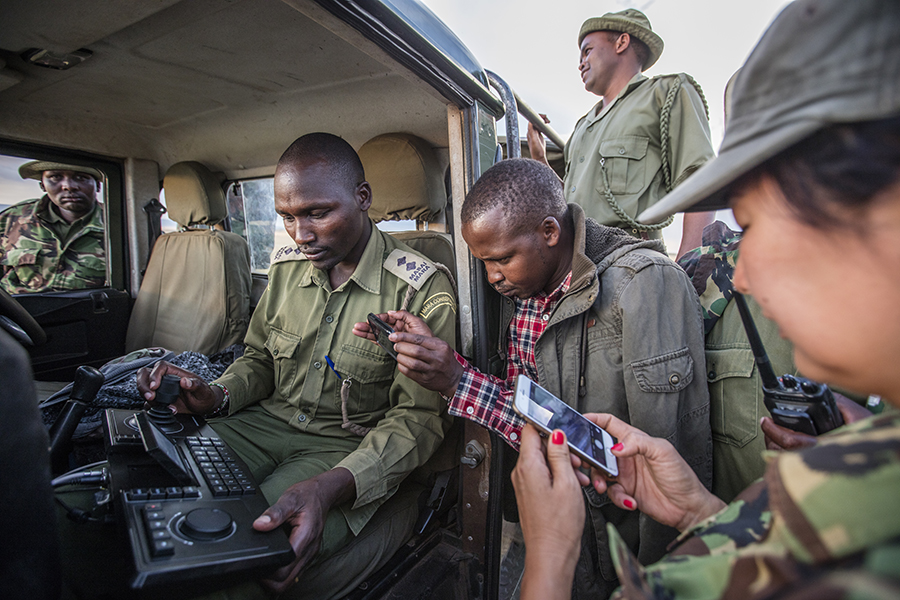
An innovative camera and software system helps rangers detect human activity in protected areas.

Africa has vast open spaces in which protected species roam. Despite the creation of protected reserves, many unmonitored, porous entry points attract poachers, who enter the park and kill wildlife for their parts. WWF used a grant from Google.org to engineer a remarkable thermal and infrared camera and software system that can identify poachers from afar and alert park rangers of their presence.

The thermal cameras come from the company FLIR and pick up heat emitted by people and animals as they cross their viewpoint. The accompanying software determines whether that heat comes from a human. If a human is identified, rangers on patrol see an alert in real-time via the camera’s software. “This system will peel back the night’s layer to assist the brave rangers in protecting wildlife and helping to keep them safe,” says Colby Loucks, WWF’s director of the Wildlife Crime Technology Project.

Madagascar’s Solar Grandmothers Lead a Renewable Revolution
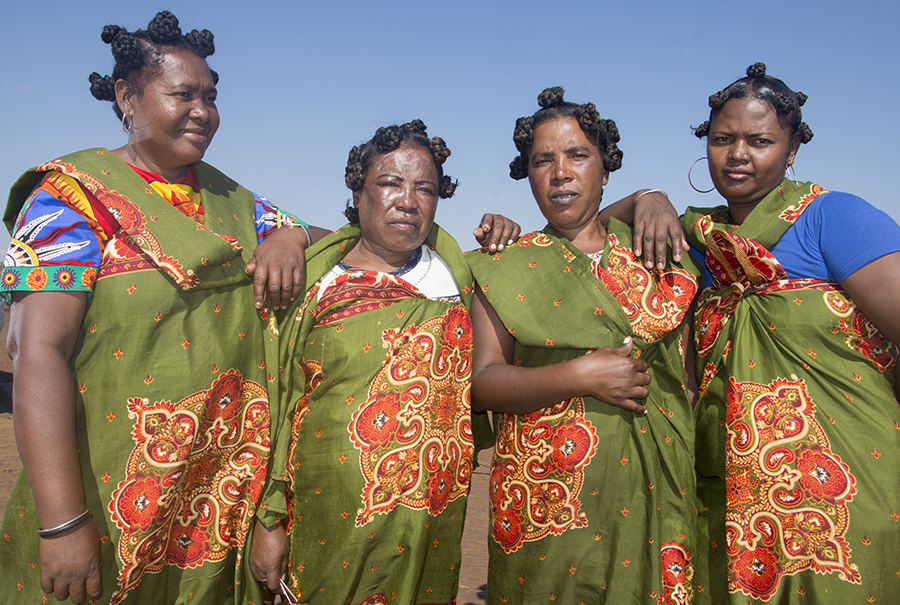
In the small village of Ambakivao, Madagascar, a group of women have stepped up to become their community’s first solar engineers.

These volunteers — dubbed the Solar Grandmothers — are bringing electricity to nearly 200 families in their village. Traditionally, their community used petroleum lamps for lighting homes. Now they have implemented solar lamps for lighting and other household tasks. The use of solar energy reduces pollution and the community’s overall footprint. Remeza, Kingeline, Yollande, and Hanitra (above, left to right) are all part of WWF’s access to sustainable energy programs managed in collaboration with India’s Barefoot College.

The four women joined women from several other countries for six months of training in India in applied solar technology. Most women entering the program leave their country — sometimes even their native regions or villages — for the first time. The village elects a solar committee to run the administrative, social, and financial aspects of the solar program and ensure its economic sustainability.

“Women often lack courage where I’m from, so I want to tell them: Be courageous and be strong,” says Yollande. “Don’t be afraid and take your responsibilities, whatever your burden or load, because it’s better to be in charge and discover new things.”

A Forest Is Life: Preserve it Through Wise Purchases

To a tiger, forests provide trees for shade, rivers for drinking water, and ideal hunting grounds for ambushing prey. One of the best ways to protect forests so that tigers and other wildlife thrive is to buy products with the Forest Stewardship Council™ (FSC) label.

A joint initiative between WWF and FSC aims to make consumers aware of their buying choices. The FSC label means the product is from a responsibly managed forest — one where trees are harvested legally, highly hazardous pesticides are not used, indigenous people’s rights are protected, and more.

In addition to saving wildlife, every part of a tree is used to make products, such as rubber for shoes and bark for corks. 

FSC is an international non-profit, multi-stakeholder organization established in 1993 that claims to promote responsible management of the world’s forests. According to the Food and Agriculture Organization of the United Nations, half of the world’s forests have already been altered, degraded, destroyed or converted into other land uses. Much of the remaining forests today suffer from illegal exploitation and otherwise poor management. The organization was established as a response to these concerns over global deforestation.