How often does unplanned or unnecessary work hijack your time or push back your goals? This is a common reality for many leaders today, leaving them wondering if they need to get organized or multitask.
But what if the issue isn’t you? What if the problem lies in how we’ve structured work? Instead of trying to fix people to do more, we need to fix work to better leverage them.
If employees are our greatest asset, we must stop wasting their time on insignificant task. By simplifying work processes, we empower our people to thrive and contribute meaningfully.
Imagine a workplace where you wake up excited to tackle meaningful work, where interactions are efficient, and your efforts leave you energized, not drained. Simplicity can bring this vision to life.
Rethink How You Work
Organizations thrive when work is clear, meaningful, and manageable. Unfortunately, today’s workplaces are often chaotic, burdened by unproductive meetings, outdated rules, and irrelevant reports. When unnecessary tasks obstruct important work, the employees don’t need fixing; the work needs an overhaul.
Achieving business success hinges on simplifying work processes rather than continually adding to them. Streamlining tasks can energize employees and boost productivity, creating space for creativity and innovation to happen. As burnout levels drop, employee retention tends to rise, with individuals feeling a stronger connection to their contributions.
Energize Your Team
Simplification is not just a productivity hack; it’s a transformative strategy that has immediate impact. Simplifying processes saves time, boosts morale, and significantly enhances business outcomes. According to 2017 simplification research from consultancy Siegel+Gale, companies that embrace simplification report:
27% more focused and engaged employees
20% higher employee retention
32% improvement in customer satisfaction
214% stock price growth
A culture of simplicity enables employees to focus on meaningful tasks, enhancing motivation, reducing overwhelm, and increasing innovation.
Take Back Your Time and Energy
Let’s move beyond merely managing chaos and start questioning its necessity. If your organization feels overwhelmed, it may be time to embrace simplification. It can unlock innovation, enhance morale, and pave the way for lasting success. The power to transform lies within our hands, beginning with the commitment to make work serve us, not hinder us.
That failed deal gave me the tools to help build a thriving firm.
In 2015 I tried to purchase my favorite building in downtown Norfolk, Virginia. The Monticello Arcade is a beautiful 1907 historic structure where Work Program Architects, the architecture firm I co-founded in 2010, had its office. I loved that building from the moment we moved in. So when the owner, an older gentleman whose family had built it generations ago, called and asked if I wanted to buy it, I said yes. I didn’t have family money or a fortune lying around, but I was determined to try.
What followed was my crash course in real estate development. I drew up plans, worked on a cost estimate with a contractor, hired attorneys, created an LLC, and started recruiting investors. Half were longtime Norfolk residents who wanted to preserve a part of the city that they loved and were patient about returns. The other half were younger investors from wealthy families in nearby Virginia Beach who wanted to see a more walkable and bikeable city but who were eager for quicker payback.
I watched YouTube videos with my husband to learn how to model “waterfall” investment structures. I pitched people I was intimidated by and walked away with checks ranging from $100,000 to $1 million. At one point a successful entrepreneur signed a personal guarantee on an $8.5-million loan and added a million dollars of his own. His message was simple: “I see your eagerness, and I want to support that.”
I poured my life savings — $135,000 — into the project. Then it all fell apart. The seller, who had been in poor health, recovered and leveraged the project as a way to build new family interest and excitement in the historic building. They decided to keep the building in the family, and the deal was dead. I lost everything I’d put in.
I should have been devastated — and I was — but when I think back on that failed attempt to buy the Monticello Arcade, I realize it gave me something far more valuable than money: the foundation for how I lead today. In many ways it was my MBA — earned not in a classroom, but in the messy, unpredictable world of risk-taking. The lessons from that time have fueled the growth of our architecture firm ever since.
One of the biggest lessons was learning how to bring diverse stakeholders around a single vision. My investors couldn’t have been more different. To make the deal work, I had to become a storyteller. I built presentations that painted a picture of downtown’s future, showing why this project mattered not just financially but culturally. I fielded every question about parking garages and occupancy rates, but I always brought it back to the bigger story of why the arcade could anchor something more vibrant for Norfolk.
That ability to connect people with different values to a shared goal has carried directly into my leadership at WPA. Every architecture project we take on requires balancing stakeholders with competing priorities — city officials, community members, investors, and clients — and finding the story that makes them believe in a common vision.
I also learned the importance of transparency, especially when things aren’t going well. Development projects are roller coasters. One day you’re on track, the next a setback threatens to derail the whole thing. My instinct was to hide those failures, to protect investors from the messy parts. But instead I forced myself to send out honest updates: “Here’s what went wrong today. Here’s what we’re trying to do about it.” I was braced for people to pull their money. Instead they thanked me.
My investors told me it made them trust me more — because if I was willing to share the small stumbles, they believed I’d be upfront about bigger challenges too. That moment rewired how I thought about leadership. At WPA I’ve carried that lesson forward, sharing openly with my team when we hit roadblocks and not sugarcoating the hard stuff. It turns out people don’t expect you to be perfect; they expect you to be honest.
Then there was the lesson about asking for something that seemed impossible. The only reason any of this happened was because I asked. If I’d been too timid, too afraid of rejection, none of it would have unfolded. That experience taught me that sometimes the biggest breakthroughs come from asking for things that feel out of reach. That boldness — making the call, asking the question, taking the risk — has opened doors for WPA that I wouldn’t have dared to knock on otherwise.
These lessons didn’t erase the sting of failure, but they transformed it into something I rely on every day as a leader. I lost money, but I gained confidence, relationships, and a playbook for leading with vision, honesty, and courage. That deal didn’t get me my dream building or make me a developer, but it did make me a better CEO.
The truth is, failure isn’t the opposite of leadership; it’s where the real lessons are. That deal collapsing was out of my control, but the way I showed up, took risks, and carried those lessons forward shaped the leader I am.
Here’s the funny thing: I still love that building. Since the deal fell through, our firm has moved to another historic building a few blocks away. I often make a point to walk by the arcade, and when I do, I don’t think of failure; I think of the moment I stopped waiting for permission and started trusting myself to take big swings.
This transition model was the solution I needed to secure my succession plan.
Sometimes the right choice isn’t the easiest or most obvious one, but after extensive research and careful consideration, I transitioned my company into an employee-owned business. Here’s an inside look at why I chose this model, how we made the transition, and what the early impacts have been a year later.
The Search for the Right Succession Plan
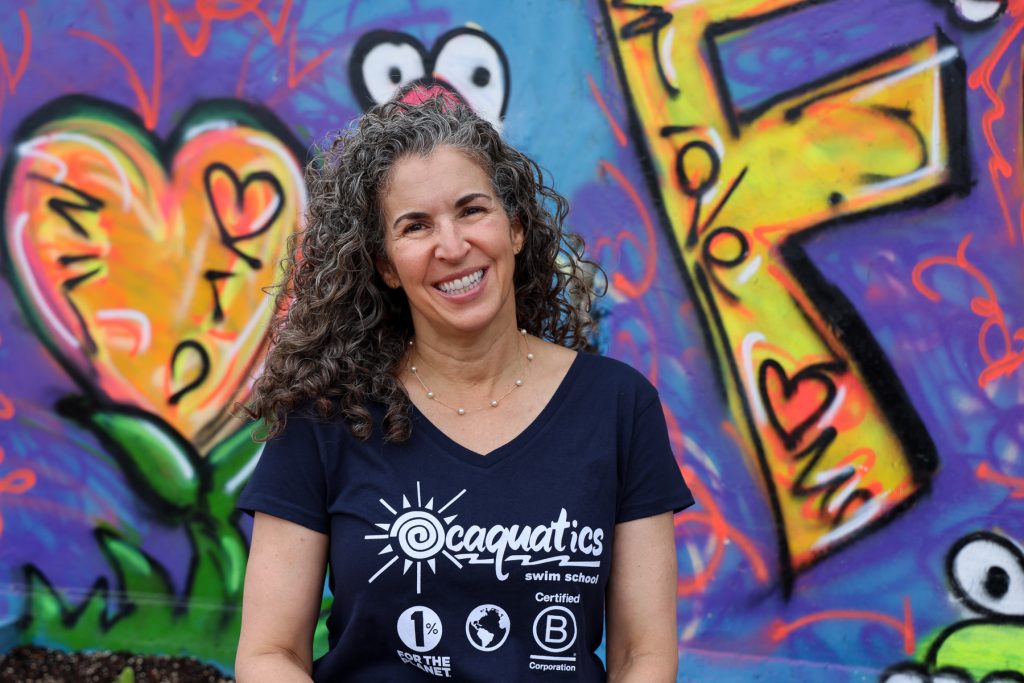
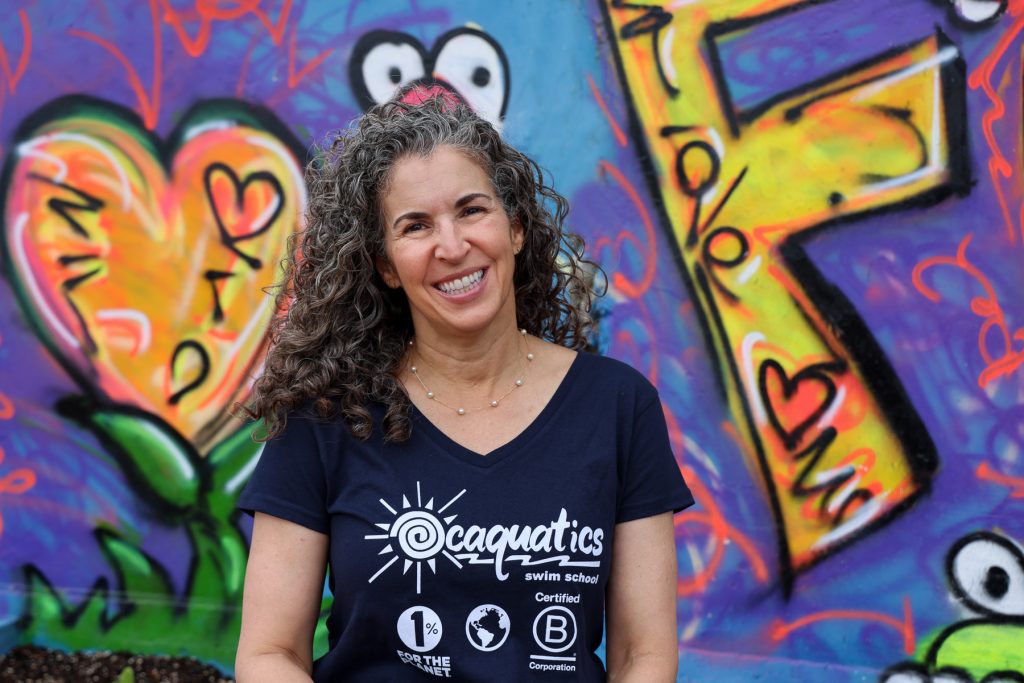
For over 30 years I have dedicated my life to growing Ocaquatics Swim School into a thriving, mission-driven business. We now have five indoor, warm-water swim schools with 165 incredible team members teaching 6,500 swimming lessons per week. We have built a culture rooted in social and environmental responsibility, and I wanted to protect that. I knew that whatever succession plan I chose had to prioritize our people — not just profits.
In our 25th year in business, I started looking seriously at what would happen to Ocaquatics when I was ready to step back. Like many business owners, my first thought was family succession. My son had worked in the business for years, and I hoped he would take over. But he made it clear that Ocaquatics was my dream, not his, and I respected that.
With that decision made, I started exploring how to transition ownership
to my team. I wanted to find a model that would:
Preserve our mission and culture
Give employees a real stake in the business
Ensure financial stability for the company and team
Be affordable and sustainable long term
Exploring alternative succession plans led me to look into employee stock ownership plans (ESOPs), co-ops, management buyouts, and even a DIY approach with stock options, but each had complexities that didn’t align perfectly with our goals. Then I learned about employee ownership trusts (EOTs). Once I started researching, I realized it was exactly what I was looking for.
Why We Chose an Employee Ownership Trust
An EOT is a business structure that holds shares in trust for the benefit of employees. It differs from an ESOP in that it is a profit-sharing plan, not a retirement benefit plan. Employees do not have to buy into the business or hold individual shares — it is collectively owned for the long term. This model appealed for several reasons:
It protects our mission. The EOT legally ensures that Ocaquatics remains true to its purpose of providing high-quality swim education, empowering employees, and supporting the community. Unlike a traditional sale where new owners could shift priorities, the EOT preserves our values indefinitely.
It creates financial stability for employees. Under private ownership, profits often benefit only a few. With an EOT, all employees who qualify share in the financial success of the company. This fosters a deeper sense of ownership and long-term commitment.
It provides a smooth transition. Many succession plans require a single leader or management team to step up and purchase the business. With an EOT, there is no financial burden on employees as the company is purchased out of the cash flow of the business over the term.
It strengthens our culture. At Ocaquatics, we emphasize servant leadership, leadership development, and a culture of ownership that we call our OWN IT culture. Employee ownership amplifies these principles.
It diversifies employees’ financial security. Each year after paying expenses and debt, the remaining profits are shared among employees. Half of this payout is distributed as cash bonuses, and the other half is contributed to employees’ 401(k) retirement accounts. Unlike an ESOP where most of an employee’s retirement savings are tied up in company stock, our profit-sharing model ensures diversification. This protects employees from economic downturns or industry-specific challenges.
The Transition Process
Once we decided on an EOT, we worked with an advisor to ensure a smooth transition. Here’s what the nine-month process looked like:
Structuring the trust. We set up a trust to hold 100% of Ocaquatics’ shares. This ensures that no outside entity can take control of the company.
Governing the company. A trustee and trust advisor were chosen to oversee the transition and uphold the EOT’s mission. Leadership within Ocaquatics continues to operate as usual with a continued emphasis on employee education and transparency.
Financial planning. I structured the deal as a seller-financed transaction, allowing for flexibility if the company ever faced financial hardships.
Educating employees. We provided extensive financial education for our team members, teaching them about how the business operates, financial performance metrics, and what it means to be an employee-owner.
On March 1, 2024, Ocaquatics officially became a 100% employee-owned company. Two days later we held a teamwide event to tell them the news. Initially there was confusion, then disbelief, then joy. Employees realized that their jobs were secure, and they had a real stake in the future of the business.
The First Year of Impact
We have now celebrated our first anniversary of employee ownership. The transition has been smoother than expected thanks to two years of preparation, financial literacy education, and cultural alignment.
Early impacts of the transition include:
Increased engagement. Employees take more ownership in their role in the business.
Improved financial literacy. We’ve increased training efforts on business finance and profitability.
Excitement for the future. Employees feel a greater sense of job security and pride in their work.
If you’re considering selling your business, ask yourself: Do I want to protect my company’s values and mission? Do I want my employees to benefit from the business they helped build? Do I want to leave a lasting impact?
If the answer is yes, an employee ownership trust might be the right path for you.
For me this transition wasn’t just about succession — it was about building a lasting legacy. I started Ocaquatics with nothing but a passion for teaching kids how to swim. Now, more than three decades later, I’ve ensured that the people who built this business will own it for generations to come.
There was never one grand moment when everything changed. No crisis, no revelation. Just a steady pulse — an inner voice that’s been there for as long as I can remember: Do good in the world.
It’s not a motto or a marketing line. It’s the question I try to keep close. Not every decision or partnership hits the mark, but I do my best to run them through one filter: Will this do some good?
That’s why our company, World Centric, gives 25% of its profits to organizations working on environmental and social issues around the world. It’s not philanthropy on the side. It’s built into our DNA.
People often ask why we chose such a big number — 25%. Most companies would never go that far. The truth? I sometimes wonder why it’s not 75%.
It’s not a question that haunts me, but one that lingers — an ongoing reflection. Through conversations like this, I realize we can do more. Maybe it’s time to stretch to 50%. The truth is, the world isn’t in a good place — environmentally, socially, or spiritually — and we can’t afford to hold back. We need to do more.
Yet, the practical side of me hesitates. There’s a quiet fear: What if the business needs the money? What if we can’t pay salaries? Doing good can’t mean putting our people at risk. It’s a delicate balance between generosity and responsibility, between vision and survival.
Still, the pull toward good is stronger than the fear. I never question our commitment to giving 25%; that’s non-negotiable. What I reflect on is whether we could give even more — and how to do that responsibly, without jeopardizing the people and purpose that make the giving possible.
When I think about the bigger picture, I believe the evolution of humanity has to be about love, compassion, empathy, sharing, and care — not personal gratification, comfort, or accumulation. We need to bring the same tenderness we show our families to the world itself because in the end, there is no real difference. Suffering is suffering.
If I leave any legacy behind, I hope it’s this: that doing good isn’t a side act or a sacrifice — it’s the most natural thing a leader can do.
It was a warm California afternoon, the kind that hums with possibility. I was sitting in a circle of extraordinary leaders in Los Angeles — people I had admired from afar for years. The energy in the room was electric yet deeply peaceful, like every heart had been cracked open. I felt like I had finally come home.
As the conversations unfolded, something inside me began to shift. One by one, these incredible souls looked into my eyes with tears streaming down their faces, telling me how much our connection meant to them — how our conversations had changed something within them. I could feel their love and sincerity land in my chest, almost too big to hold.
In that moment surrounded by giants of impact and authenticity, I felt small in the most beautiful way. I realized that leadership isn’t about striving or proving; it’s about remembering who you are and allowing love to move through you.
For years The Backyard Peace Project had been on my heart waiting for the right time. But sitting there, bathed in the warmth of that afternoon light and the truth of those connections, I suddenly couldn’t remember a single valid reason why I hadn’t begun.
Quietly I whispered to God, “If You want me to do this now, please show me.” From that moment forward, miracles began to ripple through my life and my business — doors opening, people appearing, everything aligning. That was the day I stopped waiting and started leading from love.
Before that day I was afraid of being seen — not the polished version of me that had it all together, but the real, raw, imperfect woman who had walked through trauma, heartbreak, and healing.
I told myself I was waiting for the right time, for the right resources, for the right clarity. But beneath those practical excuses was a quiet, persistent fear that if I stepped fully into my vision, people might not understand me, that they might dismiss The Backyard Peace Project as naïve or too ambitious, that my heart, laid bare, would be met with silence.
I had spent years guiding others to dissolve their fears, to rise into their truth — yet I was still holding onto my own limiting belief: that my light was somehow too much or not enough, depending on the day. I thought I needed to earn the right to lead such a movement, to have all the answers before beginning.
That weekend in LA shattered that illusion. As those remarkable leaders spoke love and truth into me, I realized I didn’t need to be ready — I just needed to be willing to let love lead, willing to trust that my story, my scars, my heart were enough.
When I came home I could feel the shift still alive in my body. It was like something inside me had been switched on — a steady hum that wouldn’t quiet down. I didn’t have a business plan or a launch strategy; I had a calling that refused to wait any longer.
The first thing I did was simple but terrifying: I spoke it out loud. I told my husband, my children, and a few trusted friends, “I’m starting The Backyard Peace Project.” Saying it made it real. There was no going back.
Then I did what I always teach my clients — I took the next loving step, even without the full picture. I opened my laptop, created a blank document, and typed: The Backyard Peace Project – Global Peace Begins at Home. My hands were shaking. I didn’t know what would come next, but I knew I had to move.
I began reaching out to people who inspired me — leaders, changemakers, healers, and friends. I shared my vision, my heart, my why. Some said yes immediately. Others simply held space for me. But every conversation felt divinely guided, like invisible threads weaving something far bigger than me.
In the weeks that followed, I started designing what the movement could look like: communities, ambassador programs, online gatherings, even a book that would give others a voice. I built the first version of the website myself at the kitchen table, often late at night with a cup of tea and a heart full of wonder.
There were plenty of messy moments — tech failures, self-doubt, tears of joy and fear. But for the first time, I didn’t try to fix or hide them. I realized that beginning meant giving myself permission to show all the messy parts of me so others could feel safe to do the same.
So often we see polished leaders who, without meaning to, make others feel like they’re falling short. I never wanted to lead that way. I wanted people to see me — all of me — the parts still in progress, the parts still learning, because when we allow our imperfections to be visible, we give others permission to stop pretending, to breathe, and to believe that they too can begin exactly where they are.
That’s how peace begins — in truth, not perfection.
The most surprising thing that’s happened since launching The Backyard Peace Project hasn’t been external success — though the community, the ambassadors, and the global support have been incredible. The real transformation has been internal.
I learned that if you want peace in the world around you, you must first cultivate it within yourself. It sounds simple, but living it is a lifelong practice. Peace isn’t passive — it requires integrity, standards, ethics, and values that you honor even when it’s uncomfortable. It asks for clarity and boundaries that protect what is sacred within you.
There have been moments when this has meant releasing people, projects, and dynamics that I once thought I needed, letting go — with love — so that I could remain aligned with the higher vision of what I’m here to create. That was never easy, but it was necessary because peace can’t thrive where there’s chaos, compromise, or self-abandonment.
Through this journey I’ve realized that leadership rooted in peace is fiercely honest. It’s not about keeping everyone happy or holding everything together; it’s about standing in truth with grace, and in doing so, something extraordinary happens: The world around you begins to reflect the peace you’ve cultivated within.
That’s the greatest miracle of all — discovering that world peace really does begin in our own backyard, in our own hearts.
If every CEO on the planet were in one room, and I had just one minute to speak, I would say this:
Lead with heart. Lead with compassion, empathy, and understanding. The world doesn’t need more control — it needs more connection.
Listen not with the intent to reply but with the intent to truly understand — because every voice, every story, every perspective holds a piece of the puzzle we’re all trying to complete.
Lead with forgiveness — toward yourself and others. Lead with strength that is grounded in grace. Speak the truth, but speak it with the intention to uplift and enrich, not to divide.
Lead by example, not by image. Lead in a way that elevates, expands, and celebrates others. Let your success be measured not only by what you build, but by how many people rise because you believed in them.
Above all, lead with love because when love becomes the foundation of leadership, peace stops being a dream — it becomes the legacy we leave behind. World peace begins with us, and it starts in our own backyards.
There’s a better way to bring consumers their cocoa fix — and it can be profitable.
Consuming chocolate is an ancient ritual long savored as a delectable treat — but it has a dark side. A majority of the world’s cocoa beans are grown in West Africa due to optimal growing conditions, where there’s a disturbing history of illegal deforestation and child labor that continues today.
Companies like Alter Eco Foods defy these practices, offering a better alternative. Founded in 2004, the public benefit corporation’s core principles are restoring ecosystems, improving livelihoods, and reducing waste. Alter Eco’s name refers to finding an alternative ecosystem for delivering food. Its chocolate, quinoa, and granola are grown in thriving environments by small-scale, fair trade farmers; made with clean, organic ingredients; and packaged using recyclable or compostable materials.
Not only did Alter Eco become B Corp certified in 2009, but it also became Climate Neutral certified in 2010, offsetting 100% of its carbon emissions by planting and protecting trees in Central and South America in partnership with PUR. In 2013 Alter Eco launched the first commercially compostable candy wrapper in its chocolate truffle product line; and in 2016 it came out with the first commercially compostable pouch for its quinoa line. In 2020 it started the Alter Eco Foundation to further its commitment to combat climate change and inequality through regenerative agriculture. As opposed to industrial farming, regenerative agriculture nourishes soil, secures farmers’ livelihood with a variety of crops, creates shade that improves working conditions, and builds resilience to climate change.
“We believe helping farmers embrace regenerative agriculture and agroforestry will be one of our biggest successes for years to come, as these changes not only provide the tools for these farmers and their families to be successful but help to restore the planet a little at a time,” Alter Eco CEO Keith Bearden tells Real Leaders.
Some Bitter, Some Sweet
While dark chocolate bars are the company’s mainstay, it has put out some less successful items that it later discontinued, including grass-fed milk chocolate, coffee, and rice products. “It was really finding the products where we could differentiate ourselves,” Bearden says. As for a recent win, in 2022 the company launched a no-sugar-added granola line. “We were looking for something to get into different categories. We found that we could source oats quite readily from regenerative farms. We were able to fit it into our brand DNA.” To differentiate its granola in a somewhat saturated market, Alter Eco identified another issue with consumers today — sugar — so it sweetens its granola with date powder and monk fruit. “The market has been very supportive of us. This category has quickly become almost 20% of our sales.”
The company’s greatest hurdle has been churning a profit. “Staying true to the mission has never been a challenge for the team; however having a sustainable and profitable company has been a challenge. Many companies that try to practice conscious capitalism struggle with how to support those in their supply chain while delivering a quality product and at that same time making money to continue to invest and grow the business. I’m proud to say we have somewhat mastered this formula over the past few years, and this has given us the opportunity to continue to invest and grow the business.”
How did they do it? “It’s a matter of starting out with understanding that no business, no matter how impactful you may be — to the climate, or to fair trade and wages, or to sustainable farming — if you don’t make money at the end of the day, unless you’re a nongovernmental organization, then you only can exist for a finite period of time. So when I got involved with Alter Eco, it was a classic natural product company founded with all the right principles, and everybody wanted to do the best that they could in the world, but they were losing money — and losing a lot of it.”
Bearden joined Alter Eco’s board in 2021 and became CEO in 2023, partnering with Trek One Capital to lead the acquisition of the company from a private equity group. “Unless they found a buyer, the company was on the verge of going away,” Bearden says. “They asked me to step in as CEO and help turn the company around.”
Remarkably he says it only took him three months to do just that. He shares his key moves: “I’ve done a number of turnarounds, and being on the board for a few years, I knew what levers to pull. I had this formula already laid out. You’ve got to find that balance of how can I make money but still stay true to the things that are our core principles as a company? The changes I made were really focused on looking at operational efficiencies to make the company profitable. So we made changes in logistics, staffing, and supply chain. We moved our warehouse. It was risky, but it saved over a million dollars. We discontinued products that weren’t performing well. We focused on products that were performing well. We went to market and managed our trade spend. We did a number of different things, but we’ve had a significant change in the position of the company financially to the point that now we are profitable and sustainable for the long haul. We’re up 16% in sales in 2024 from 2023, and 2023 was flat to the year before that.”
With those major changes behind him, Bearden sees his biggest risk today as ingredients’ price fluctuations — mainly cocoa beans. The cost of organic, fair trade cocoa beans tripled from January to April 2024. “The only advantage there is that the entire world is playing by the same rules,” Bearden notes. “So we went to the market and explained the situation of why we had to increase our price. For the last three years in Western Africa, there’s been an El Nino, and 60% of the world’s crop comes out of Western Africa. So it’s a matter of educating the market on the value associated with your products and finding the market that will understand it, embrace it, and pay for it.”
Alter Eco markets its products in the U.S., Canada, Australia, and New Zealand. Shoppers can find Alter Eco products primarily in organic/natural grocers such as Whole Foods, Sprouts, and The Fresh Market, but it has started to expand into more mainstream retailers as well like Albertsons, Publix, and Harris Teeter. “That’s where we really see the growth opportunities,” Bearden notes.
His best advice for other impact CEOs goes back to profit. “If you aren’t profitable and can’t see a path to profitability, you have to rethink your mission,” Bearden says. “I admire everyone who is trying to have a positive impact on the world around us, but if you cannot achieve a level of profitability that allows you to sustain your being and grow, your impact will be significantly minimized. Don’t underestimate what the consumer will pay or do to support your mission if indeed the mission is one that has true measurable impact.”
Every time I was asked to retouch a photo of a woman beyond human capacity, something inside me fractured. I blurred out scars that tell stories, smoothed skin that didn’t get society’s permission to age, cinched waists, erased bellies, polished people into fiction. At a certain point I stopped seeing the work as creative and started seeing it as complicit.
I told myself it was just a job, that I’m a designer, not a decision-maker. Other people told me how lucky I was to do what I love, but deep down I knew better. My talent had been hijacked to sell a version of the world I didn’t believe in — and that’s when my soul started to crumble. It didn’t happen overnight. There was no dramatic event, just a quiet ache that built. I dreaded Mondays. I woke up exhausted from a job that was supposed to look glamorous. I was burning out not from the hours but from the pit in my stomach.
So I walked away. Not because I had a plan but because I finally had the guts to set a boundary. That’s when I decided to reclaim my creative power, to start building the world I actually wanted to work and live in.
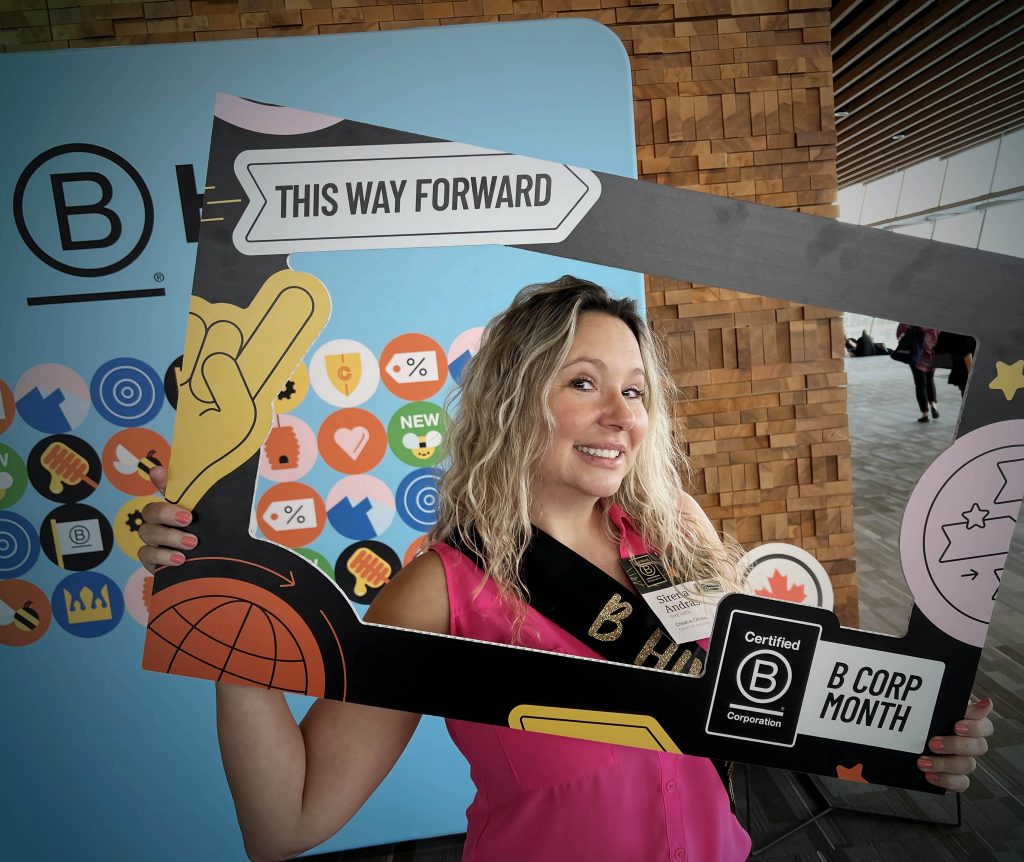
I founded Creative Chi as an act of rebellion and restoration. I was done building brands that broke people. I wanted to build brands that set people free. I built Creative Chi on the belief that business can be done on purpose, and creativity should be used to create the world we want to live in.
I didn’t want to create more noise in the market. I wanted to help people tune in to their truth. So we flipped the process: purpose before positioning, soul before strategy, identity before design.
We asked our clients to go deeper, to get clear on who they were before they ever touched a color palette, to stop outsourcing their voice, to own what they stood for loudly and unapologetically.
It wasn’t always easy. Some clients pushed back. Others walked away. Because this kind of branding isn’t cosmetic, it’s catalytic. It asks hard questions. It exposes the fluff. It forces the real stuff to come forward. But the ones who stayed? They built brands that didn’t just convert, they connected; they didn’t just grow, they aligned; and they didn’t just look good, they felt like truth.
Creative Chi earned certified B Corp status and became a 1% for the Planet partner. We’ve helped sustainable startups, mission-driven CEOs, and community-rooted businesses not just look good, but be aligned.
We’ve said no to misaligned projects, walked away from big budgets, and never once regretted it — because I know what it feels like to be the talent behind the curtain silencing your values, editing the truth, and designing for a world you wouldn’t want your kid to grow up in. I know what it feels like to come home to your work again, to harness your real power.
If you’re dreading Monday, this is your sign: You don’t have to leave your soul at the door to build something meaningful, but you might have to burn some things down first.
I made the leap from a draining career to a purpose-led life. Here’s how you can too.
I was fortunate to have had plenty of coveted career opportunities — from a young marketing trainee with a fast-tracked curriculum to becoming a business unit head in a C-suite position in a prime A-list market. I had a track record of being sent on special assignments abroad that stretched my bandwidth of business, brand, leadership, and cultural experiences. If there was something to fix, I was sent and expected to deliver results.
The Dark Night of My Soul
Despite having the money, the penthouse, and the car, my last two career assignments catapulted my life into the dark night of my soul. I experienced an emptiness within that was beyond any comprehension. I thought I was losing my mind. I thought nobody could possibly relate to what I was going through. I pleaded with the heavens to give me a fresh perspective so that I wouldn’t take life for granted.
Soon after, I had a near-death experience through a car accident on a seven-lane highway. Two years later, I had a blacking-out experience during a meeting, which I attributed to feeling exhausted and depleted after traveling five countries in two weeks for work. In between these frightening experiences, I remember flashing my bold slide in the boardroom that declared an objective of becoming No. 1 in the market and suddenly thinking, “Is this what my life is all about?” It no longer satisfied me. I wanted to throw up at this sudden realization. It was surreal. I didn’t know where to go, whom to talk to, or why I suddenly felt this way.
The whispers of my discontented soul grew louder over time. The black-out experience reduced me to nothingness — my mind felt completely blank like it had rebooted to zero. I didn’t know what to think, what to question, and where to go next. For a person who was highly paid to make decisions, I realized that without my mental and physical health, I would have no work. I surrendered and declared to someone up there, “You win. I’m listening.”
My Search for Meaning
This catapulted me to a deeper search for the meaning of my life journey — to get answers and find a way out of this seemingly bottomless pit. I tried many transformational courses, workshops, and detox programs. I frequented these places so often that even the alternative medicine practitioner determined that he couldn’t help me and that ultimately, I had to change my own life.
Eventually I quit work to force myself to find what was next — to isolate myself from the part of my life that didn’t fulfill me anymore. I traveled to different countries listening to spiritual teachers and authors and even staying in a monastery for weeks to find some peace.
Finding My Purpose
During my sabbatical, I reconnected with one of my spiritual mentors, Master Del Pe. He told me about the organization he founded — the Wisdom Institute for Leadership and Global Advancement (WILGA) — and its mission to awaken wisdom in leadership and conscience in entrepreneurship.
He challenged me to study energy medicine, universal philosophies, and esoteric psychologies at WILGA, which led me to their practical application as wisdom in leadership. I felt an inner calmness realizing that this is what is needed for today’s business leadership. I knew I had stepped into a higher meaning and purpose in life — the reason for the dark night of my soul.
I learned a few things through this journey. First, we need to heal our past to step forward into a re-defined, more meaningful future. We need to change the lens through which we see things to plan our lives around a new future. This process of illumination requires us to step out of the darkness by facing it and then healing it. Secondly, we need new scaffoldings of consciousness within which to define our North Star and create the new. If not, we will just return to old habits by default with little awareness of who we really are.
I took a big leap from the corporate world into the field of mentoring, which helped me know myself more deeply and transform how I would conduct business in the future. I thoroughly researched what it means to be the best leader possible. Learning to fill in the crevices of this lack of higher consciousness in business was my anecdote and my mission.
To make a lasting change in the business world, there must be a step-change in consciousness that dictates the choices, values, virtues, and philosophies with which we run our lives. I hope more business leaders explore how to develop their higher consciousness so we can change the face of business. As Albert Einstein said, “We cannot solve our problems with the same thinking we used when we created them.” Let’s change the narrative together.
Steps to Develop a Higher Consciousness
Create a sustainable transformation. Get a high-value mentor to raise your awareness to any unperceived limitations and be willing to rise above them. Have an action plan for it and the humility to tackle 360-degree awareness with your mentor.
Leave your negative baggage behind. Health concerns and blockages limit your highest potential. Address them on all five levels — physical, vitality, emotional, mental, and spiritual. Consider working with a reputable energy medicine practitioner to assess your health with precision. Self-care is the foundation of a robust self-development strategy.
Study new concepts about life. Study universal philosophies, esoteric science, and psychology to gain higher truths about how the world works. This expansion of consciousness will equip your next steps in business and in handling people. With this continuous refinement and polishing of your character, you can evolve to the best leader of leaders that you can be. As you evolve, you will contribute to the development of those you lead. This is why you have to be the change you wish to see.
Accept that it’s an ongoing process. You will constantly peel off the layers and perceive new levels of truth. Truth is important to human development and determining life purpose — which may be entirely different from your work purpose. Keep evolving because life is a moving target.
Repeat these steps over and over again. Self-mastery takes time, but it is one of the best legacies you can leave behind.
I learned fear is the real signpost showing if I’m building something meaningful.
I was genuinely upset the day my first book became a bestseller. The book, based on an idea I’d been passionate about for a full year, was now flying off shelves — but someone else had written it.
About a year earlier, while working in marketing, I had developed a client acquisition strategy that worked exceptionally well. Fueled by inspiration and results, I did what so many do in a flash of clarity and ambition: I opened a blank Word document and began writing what I believed would be my first book. I typed pages of notes and frameworks, mapping out a book that I felt could truly help others in the same field. It felt urgent and important at the time. I promised myself I would write a little every day.
That promise lasted a week. Deadlines at work mounted. Life intruded. The project — like so many ambitious starts — was paused, then ignored. I returned to it months later only to find I didn’t like what I’d written. So I rewrote it and then forgot about it again. The momentum vanished.
Eventually someone else published a book built around the same idea. It had the same core thesis, the same approach, and even the same general framework. The only difference was they had actually finished it — and I had not. I wasn’t bitter because the truth was obvious. The reason my name wasn’t on the cover wasn’t theft or bad luck. It was delay. It was indecision. It was inaction.
Fear Is a Signal, Not a Stop Sign
In the moments that followed, my disappointment quickly gave way to something far more intense: fear. It was fear that I had missed my opportunity, that I had sabotaged my own potential, that by waiting for the perfect draft or the perfect moment, I had handed off the future I wanted to someone else who simply acted faster.
That experience redefined how I viewed fear. I began to realize that fear is one of the most accurate indicators of meaningful opportunity. While most of us are taught to interpret fear as a signal to slow down or reassess, I’ve learned to interpret it as a green light. When I feel fear — the kind that stems from possibility, not danger — I now take it as a KPI. It means I’m moving in the right direction, toward work that actually matters.
In business we obsess over data. We track every metric from conversion rates to churn to cost per click. We measure everything we can quantify. But in doing so, we often ignore one of the most powerful internal metrics we all carry with us. Fear may not be as easy to graph on a dashboard, but it’s just as measurable if you pay attention.
Track Fear Through Action
After the book that wasn’t mine, I made a promise to myself: The next time I had an idea worth pursuing, I wouldn’t wait. When inspiration to write struck again, I didn’t overthink it. I gave myself a tight deadline and published the book — even though it wasn’t perfect. What mattered was that it was out in the world, and once it was, real feedback came in, allowing me to revise it and re-release a stronger version.
When I had the idea for a conference, I didn’t spend a year planning it. I launched it within months. The first event was messy in parts, but I learned from the experience, made adjustments, and tripled attendance the next year. Not everything worked. I launched a workshop series prematurely, and it failed — but even that gave me the data I needed to understand my market and relaunch it more effectively later on.
In each of these instances, I felt fear before acting, and in each case, fear pointed to a threshold I needed to cross. It didn’t always predict success, but it always signaled significance. I started to pay attention to that sensation: where it showed up, how it felt, and what kinds of ideas triggered it. I treated fear like a performance indicator — not always comfortable, but consistently useful.
Fear Is Feedback
Fear is not the enemy — it’s feedback. It tells you something matters. It shows up at the edge of comfort, right where growth begins. If you’re not feeling any fear in your work, there’s a good chance you’re not stretching yourself. Fear often lives next to opportunity, yet most of us treat it as a warning to stop. We should be treating it like a signal to dig deeper.
Entrepreneurs especially should pay close attention to fear. We operate within rapid iteration, constant learning, and imperfect action. Fear is part of the territory. If you’re not afraid at some point during your product launch, pitch, or business decision, it might be a sign you’re playing it too safe.
I’ve learned that fear often accompanies ideas with real potential. It’s not a guarantee of success, but it’s a reliable compass for direction. If you let it, fear can become your most honest KPI because it only shows up when the work really matters.
How I Use Fear to My Advantage
Fear gets a bad rap, but it can actually be one of your most powerful tools for growth. Whether you’re chasing a big goal, launching something new, or simply stepping outside your comfort zone, fear shows up for a reason. Here are three practical ways to harness fear and make it work for you.
1. Follow the fear. Fear often points to what matters most. Learn to distinguish protective fear from the kind that signals you’re stretching your limits. When it’s tied to visibility, growth, or risk, lean in.
2. Move through the messy middle. Fear loves to stall progress. Break it down, name what you’re scared of, and act anyway, even if it’s imperfect. Clarity comes through motion, not hesitation.
3. Mine the lessons. After every bold move, pause to reflect. What were you afraid of? What actually happened? Use those insights to build emotional resilience and make smarter, braver decisions next time.
When I was preparing to raise my first fund, the accelerator I joined pushed hard for me to follow the playbook: Move fast, create momentum, close early. I was operating on fear of missing out, and I’ve never liked that energy. If something is aligned, the decision should feel clear; if it’s not, you wait — but I didn’t wait.
I ignored the tension building inside me. I brushed past the local conversations — the ones where angels shared their limited time, their desire to mentor, their need for something different. One had sold his company to Microsoft and founded two angel groups; another explained how local angels weren’t retirees with time to spare — they were builders themselves, craving connection and impact with limited hours.
Then came the moment that stopped everything: my wife’s high-risk pregnancy. Suddenly none of it mattered. The fund could wait.
Out of the fundraising race, I finally listened to the angels, the founders, and the reality of our region. The answer was obvious: We needed to build something for our own context, not someone else’s.
This wasn’t my first pivot. Years earlier at 26 I walked away from a successful mergers and acquisitions career in Spain. On paper I had everything, but I couldn’t stomach a career of moving money without purpose. I traveled, sat in silence, and reconnected with what mattered. That’s when I made a decision: I would only build what felt aligned.
That brought me to Puerto Rico, my mother’s island, during one of its worst economic crises. I ran the first seed fund in Puerto Rico but quickly realized founders didn’t just need capital — they needed partners who understood the grind. I couldn’t help unless I lived it.
So I did. I joined a university spinout developing a molecule to block cancer metastasis. I knew nothing about pharma, but I knew how to build. Today that company holds the first-ever pharma license from the University of Puerto Rico — still alive, still promising.
When I returned to fund-building, I rejected the playbook. I was tired of signaling to limited partners that I was a low-risk, first-time fund manager. I wasn’t here to conform. I was here to unlock capital for founders who shared our values — and to give angels a way to back entrepreneurs in their own communities.
At Carbono3 we’re doing just that: building founder-centered infrastructure to unlock capital where good opportunities are being lost. We combine company-building tools, investment readiness programs, education, and access to capital — all grounded in the realities we’ve seen firsthand. Every piece is designed to reflect our region’s context and make the capital journey more accessible for founders and angels.
We launched our own investment readiness platform with workshops, templates, and tools that founders could access at their own pace. We built programs with universities, won a Small Business Administration award to boost STEM entrepreneurship, and launched a software that automates compliance and due diligence — solving pain points on both sides of the capital table.
I tell founders to challenge everything including me because real impact doesn’t come from chasing external fit. It comes from internal alignment. Like Gandhi said, “Happiness is when what you think, what you say, and what you do are in harmony.”
That’s the only formula I trust — and trust is where impact begins.