3D Printed Casts for Broken Limbs

Brazilian healthtech startup Fix has developed a new cast for fixing broken limbs that is 3D-printed and biodegradable.

Made from environmentally friendly bioplastic — beetroot, sugarcane, and corn pulp — the web-like design lets the skin breathe, meaning less sweating and itching from traditional plaster casts, and it can also get wet without damage.

Once you’re healed and ready to dispose of it, the cast will biodegrade in 9 months and can be used as compost or fertilizer. Plaster casts are made from petroleum products and are tough to dispose of without creating environmental harm. Fix makes 30 different styles for fingers, wrists, and shoulders and has eliminated the need for 2.5 tons of plaster serving more than 4,000 patients.

According to the Association of American Medical Colleges, hospitals produce 4.4% of global greenhouse emissions. With many seeking to improve their medical waste recycling, this sector is primed for innovation.

Break Plastic Addiction: Just Say No

To reduce waste and protect ecosystems, The Netherlands started banning many disposable plastics in summer 2021. The ban will include plastic cutlery, cotton swabs, straws, cups, and bottles. It’s the latest in the country’s string of reforms to cut back on waste.

Climate change is a global modification of the climate over a long period of time (from decades to millions of years), and these changes can occur regionally and globally. By climate change, we mean the increase in temperature from the middle of the 20th century to the present day. The cause, human or other, is an argument meant to distract us from solving this threat to our species.  

In 2016, The Netherlands banned free plastic bags, and citizens are charged for waste disposal while recycling is free. So, the more a household recycles, the lower its waste bill. From 2021, the EU will also ban a range of single-use plastic items, joining an increasing number of places making new laws to tackle plastic pollution. Use of plastic around the world has increased 20-fold in the last 50 years.

Eight million tons of plastic contaminate marine ecosystems every year, and according to the UN Environment Programme, plastic production accounts for 6% of the world’s global oil consumption and produces one percent of global carbon emissions. What does your country do to fight plastic waste?

Break Plastic Addiction: Just Say No

To reduce waste and protect ecosystems, The Netherlands started banning many disposable plastics in summer 2021. The ban will include plastic cutlery, cotton swabs, straws, cups, and bottles. It’s the latest in the country’s string of reforms to cut back on waste.

Climate change is a global modification of the climate over a long period of time (from decades to millions of years), and these changes can occur regionally and globally. By climate change, we mean the increase in temperature from the middle of the 20th century to the present day. The cause, human or other, is an argument meant to distract us from solving this threat to our species.  

In 2016, The Netherlands banned free plastic bags, and citizens are charged for waste disposal while recycling is free. So, the more a household recycles, the lower its waste bill. From 2021, the EU will also ban a range of single-use plastic items, joining an increasing number of places making new laws to tackle plastic pollution. Use of plastic around the world has increased 20-fold in the last 50 years.

Eight million tons of plastic contaminate marine ecosystems every year, and according to the UN Environment Programme, plastic production accounts for 6% of the world’s global oil consumption and produces one percent of global carbon emissions. What does your country do to fight plastic waste?

Turning Disability into Ability

As part of activities planned around the observance of the International Day of Peace, held in September each year, amputees (above) play in a football game organized by the United Nations Mission in Liberia.

While some people see crippling disability and no economic future, others see opportunity. Some of the innovative business models built around disability have been: Training disabled entrepreneurs in emerging markets (such as online teaching, finance and tech); and businesses that advise emerging market governments on empowering their populations.

United Nations Secretary-General António Guterres has said that it’s time to seize the moment and “plant the seeds of something better and new.” Against today’s backdrop of global reckoning with disease, racism, environmental degradation, increasing cyberattacks, nuclear proliferation, political corruption, and pushback on fundamental human rights, Guterres notes that back in 1945, the delegates in San Francisco — who had also lived through a global pandemic, depression, and war — “seized their opportunity to plant the seeds of something better and new.” 

What new business ideas can you think of that embrace the times we live in?

Turning Disability into Ability

As part of activities planned around the observance of the International Day of Peace, held in September each year, amputees (above) play in a football game organized by the United Nations Mission in Liberia.

While some people see crippling disability and no economic future, others see opportunity. Some of the innovative business models built around disability have been: Training disabled entrepreneurs in emerging markets (such as online teaching, finance and tech); and businesses that advise emerging market governments on empowering their populations.

United Nations Secretary-General António Guterres has said that it’s time to seize the moment and “plant the seeds of something better and new.” Against today’s backdrop of global reckoning with disease, racism, environmental degradation, increasing cyberattacks, nuclear proliferation, political corruption, and pushback on fundamental human rights, Guterres notes that back in 1945, the delegates in San Francisco — who had also lived through a global pandemic, depression, and war — “seized their opportunity to plant the seeds of something better and new.” 

What new business ideas can you think of that embrace the times we live in?

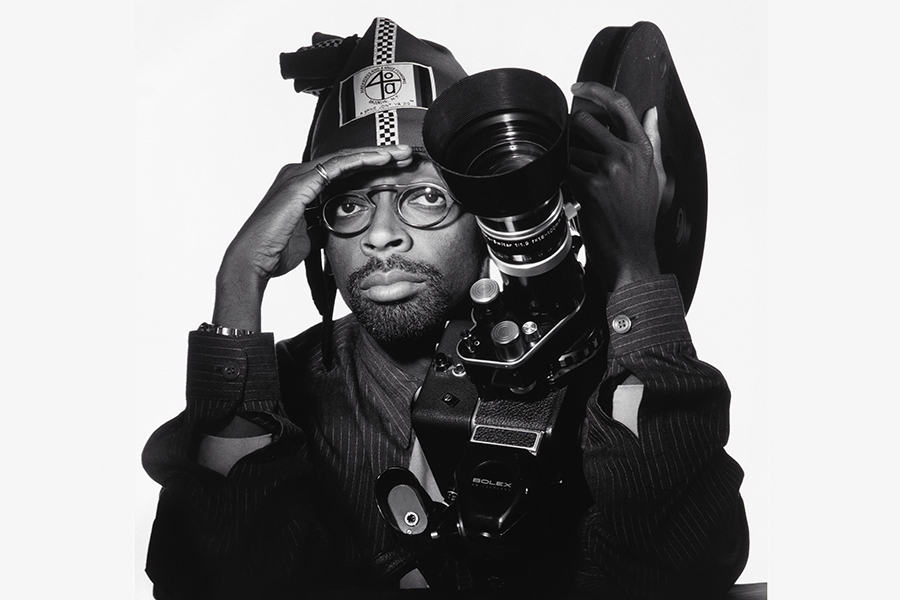
The Power of Images: Adding Social Cause to Your Brand

Never underestimate the power of someone with a camera and a social mission.

Producer, director, writer, and actor Spike Lee has been creating provocative films since 1985 that explore race relations, political issues, and urban crime and violence. His films include She’s Gotta Have It, Do the Right Thing, and BlacKkKlansman. Lee has accelerated social change by taking a deep dive into the emotional state of people experiencing tension and turned it into a masterful narrative that moves people. The next time you’re wondering how to add social cause to your company, remember that film, photography, and storytelling can play a powerful role in the construction and public perception of your brand.

The Power of Images: Adding Social Cause to Your Brand

Never underestimate the power of someone with a camera and a social mission.

Producer, director, writer, and actor Spike Lee has been creating provocative films since 1985 that explore race relations, political issues, and urban crime and violence. His films include She’s Gotta Have It, Do the Right Thing, and BlacKkKlansman. Lee has accelerated social change by taking a deep dive into the emotional state of people experiencing tension and turned it into a masterful narrative that moves people. The next time you’re wondering how to add social cause to your company, remember that film, photography, and storytelling can play a powerful role in the construction and public perception of your brand.

Mastercard CMO: “How to Master the New Marketing Mindset for Tomorrow’s Consumers”

So, what should we know about the consumers of tomorrow, and what messages will resonate with them? One of the biggest cultural transformations happening around the world is that consumers aren’t expecting brands to sell them stuff anymore.

Instead, customers now expect brands to create societal good. They want companies to be honest, transparent, operate with integrity, and not take them for a ride. In addition, a new generation of young people from around the globe are more socially conscious and demanding change like never before. These people are willing to pay a premium to companies that behave responsibly, and marketers can no longer focus solely on product message and market share. Like a double-edged sword, technology can disrupt people’s lives for better or worse.

The next big part of the industrial revolution is artificial intelligence. If applied to the medical sciences, it’s a brilliant tool; on the other hand, it can be terrible if intrinsic biases from the past creep into AI and unleash a Frankenstein scenario into the marketplace. We’re faced with a long list of new technologies today: virtual reality, blockchains, 3D printing, 5G, drones, autonomous driving vehicles, the Internet of Things, Bluetooth speakers, and wearables. All these things have the potential to disrupt people’s lives in good and bad ways in the very near future.

As a business leader or brand marketer, you need to ask yourself how these millions of small innovations will affect your business and how you might adjust your strategies accordingly. The future will be so radically different that the current strategies, concepts, and frameworks of selling our brands will no longer work.

We’re currently on the cusp of the fourth and fifth paradigm of the technology revolution. Each one was ushered in by disruptive technologies. For example, the third paradigm was ushered in by social media platforms and connected mobile devices that have changed our lives. The fourth paradigm has built on the third by adding location-based marketing, social media marketing, and influencer marketing to our devices. Unfortunately, this has been at the expense of user privacy, and many consumers now feel digitally harassed and are turning away from these marketing techniques.

The solution? Quantum marketing. Business leaders must now completely reimagine marketing and reinvent it for the immediate future. Leaders need to become true general managers with a command of data, finance, PR, and other disciplines to transform marketing’s ecosystem. Quantum marketing will demand that business leaders adopt a new mindset and leave behind dated models, such as loyalty. Today’s consumers are fundamentally disloyal, so brands need to end the habit of spending hundreds of millions of dollars on customer loyalty programs. Loyalty must instead evolve from an era of winning and keeping consumers by winning each interaction. The brands that leaders build now must embrace consumers rather than the converse, turning old marketing methods upside down.

Last year, a study in the U.K. asked participants who were married or in a relationship if they would ever consider cheating on their partner. Seventy percent said they already had, and a large percentage of the remainder said they would if they knew they wouldn’t be caught. So, as marketers, are we foolish to believe that customers will be loyal to our brands and loyalty programs when their personal relationships — with serious levels of explicit commitment — are not solidly based on loyalty? Harping on customers from an elevated platform about how they should be loyal to your brand is not a good strategy.

I travel extensively as a senior executive of Mastercard and belong to loyalty and reward programs of almost every major airline. Is that real loyalty? No, it is simply a great way to get some cheap or free rewards. Real brand loyalty is something else.

We’ve seen the rise of chief experience officers in many companies who create seamless and unforgettable experiences for customers. This is a relatively new skill that will become critical to retaining customers. Dumping marketing messages onto consumers without pausing to consider how they will take it is a grave mistake.

To get people to love your brand, you need to adopt a social purpose. This is not something you can easily fake, and consumers will recognize the authenticity. It’s not about grabbing a short-term politically correct issue to get consumer attention for a few weeks either. Consumers are not stupid and will quickly see through your act. So instead of pursuing profits as your purpose, pursue social purpose. This should become your North Star, and the profits will follow.

Raja Rajamannar is the chief marketing officer and president of the healthcare division of Mastercard. He is responsible for successfully leading the company’s marketing transformation, including the integration of the marketing and communication functions.

Become One with Nature in This Finnish Igloo


What better way to immerse yourself in the beauty of the Arctic winter than by sleeping in an igloo at Kakslauttanen Arctic Resort in Finland?

These comfortable igloo cabins aren’t made of ice, but they do have transparent domed ceilings so that you can get the whole outdoor experience. Surrounded by nature, this unique property is in the Saariselkä Fell region of Finnish Lapland. Relax as the snow falls overhead, wonder at the amazing northern lights, and spot reindeer roaming free through the woods around you. The experience offers a chance to reconnect with nature and rekindle respect for the environment. 

Kakslauttanen.fi

Become One with Nature in This Finnish Igloo


What better way to immerse yourself in the beauty of the Arctic winter than by sleeping in an igloo at Kakslauttanen Arctic Resort in Finland?

These comfortable igloo cabins aren’t made of ice, but they do have transparent domed ceilings so that you can get the whole outdoor experience. Surrounded by nature, this unique property is in the Saariselkä Fell region of Finnish Lapland. Relax as the snow falls overhead, wonder at the amazing northern lights, and spot reindeer roaming free through the woods around you. The experience offers a chance to reconnect with nature and rekindle respect for the environment. 

Kakslauttanen.fi

0