



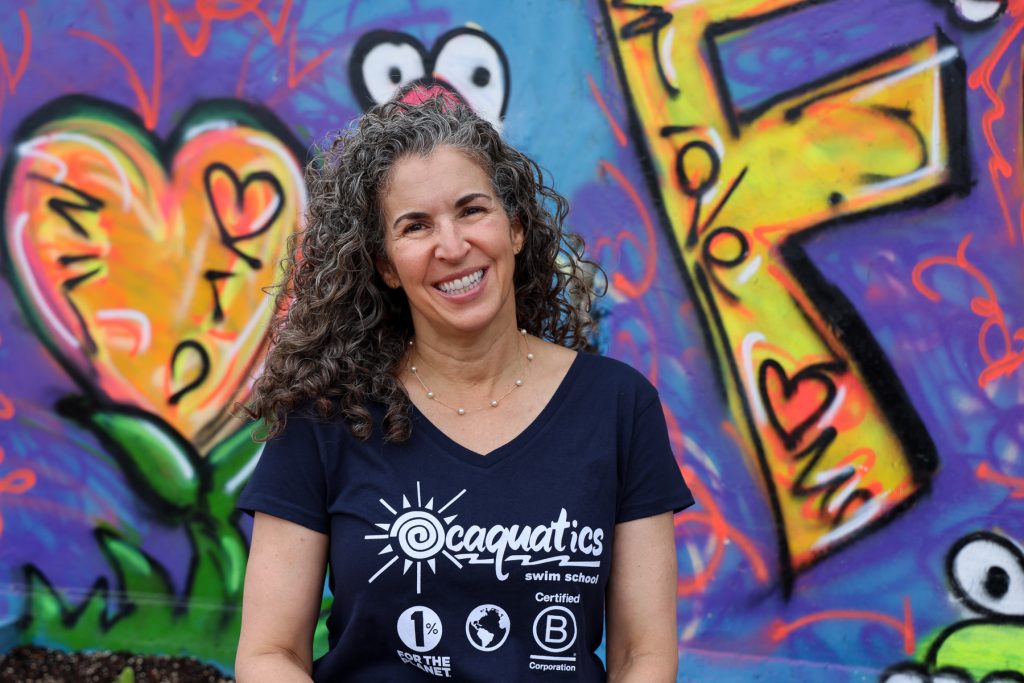
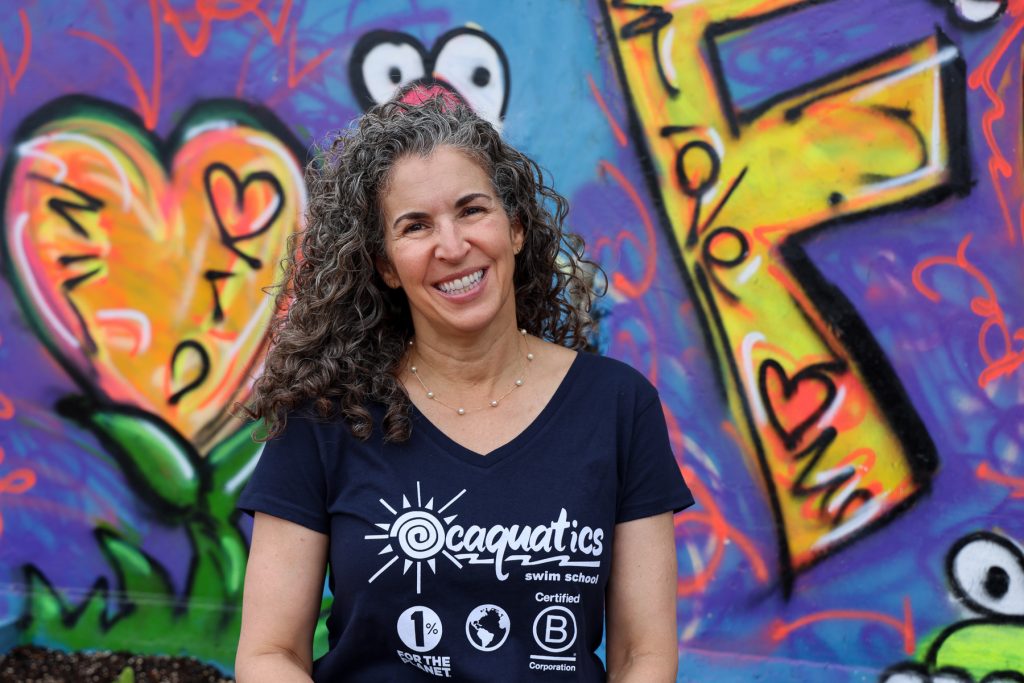
This transition model was the solution I needed to secure my succession plan.
Sometimes the right choice isn’t the easiest or most obvious one, but after extensive research and careful consideration, I transitioned my company into an employee-owned business. Here’s an inside look at why I chose this model, how we made the transition, and what the early impacts have been a year later.
The Search for the Right Succession Plan
For over 30 years I have dedicated my life to growing Ocaquatics Swim School into a thriving, mission-driven business. We now have five indoor, warm-water swim schools with 165 incredible team members teaching 6,500 swimming lessons per week. We have built a culture rooted in social and environmental responsibility, and I wanted to protect that. I knew that whatever succession plan I chose had to prioritize our people — not just profits.
In our 25th year in business, I started looking seriously at what would happen to Ocaquatics when I was ready to step back. Like many business owners, my first thought was family succession. My son had worked in the business for years, and I hoped he would take over. But he made it clear that Ocaquatics was my dream, not his, and I respected that.
With that decision made, I started exploring how to transition ownership
to my team. I wanted to find a model that would:
- Preserve our mission and culture
- Give employees a real stake in the business
- Ensure financial stability for the company and team
- Be affordable and sustainable long term
Exploring alternative succession plans led me to look into employee stock ownership plans (ESOPs), co-ops, management buyouts, and even a DIY approach with stock options, but each had complexities that didn’t align perfectly with our goals. Then I learned about employee ownership trusts (EOTs). Once I started researching, I realized it was exactly what I was looking for.
Why We Chose an Employee Ownership Trust
An EOT is a business structure that holds shares in trust for the benefit of employees. It differs from an ESOP in that it is a profit-sharing plan, not a retirement benefit plan. Employees do not have to buy into the business or hold individual shares — it is collectively owned for the long term. This model appealed for several reasons:
It protects our mission. The EOT legally ensures that Ocaquatics remains true to its purpose of providing high-quality swim education, empowering employees, and supporting the community. Unlike a traditional sale where new owners could shift priorities, the EOT preserves our values indefinitely.
It creates financial stability for employees. Under private ownership, profits often benefit only a few. With an EOT, all employees who qualify share in the financial success of the company. This fosters a deeper sense of ownership and long-term commitment.
It provides a smooth transition. Many succession plans require a single leader or management team to step up and purchase the business. With an EOT, there is no financial burden on employees as the company is purchased out of the cash flow of the business over the term.
It strengthens our culture. At Ocaquatics, we emphasize servant leadership, leadership development, and a culture of ownership that we call our OWN IT culture. Employee ownership amplifies these principles.
It diversifies employees’ financial security. Each year after paying expenses and debt, the remaining profits are shared among employees. Half of this payout is distributed as cash bonuses, and the other half is contributed to employees’ 401(k) retirement accounts. Unlike an ESOP where most of an employee’s retirement savings are tied up in company stock, our profit-sharing model ensures diversification. This protects employees from economic downturns or industry-specific challenges.
The Transition Process
Once we decided on an EOT, we worked with an advisor to ensure a smooth transition. Here’s what the nine-month process looked like:
- Structuring the trust. We set up a trust to hold 100% of Ocaquatics’ shares. This ensures that no outside entity can take control of the company.
- Governing the company. A trustee and trust advisor were chosen to oversee the transition and uphold the EOT’s mission. Leadership within Ocaquatics continues to operate as usual with a continued emphasis on employee education and transparency.
- Financial planning. I structured the deal as a seller-financed transaction, allowing for flexibility if the company ever faced financial hardships.
- Educating employees. We provided extensive financial education for our team members, teaching them about how the business operates, financial performance metrics, and what it means to be an employee-owner.
On March 1, 2024, Ocaquatics officially became a 100% employee-owned company. Two days later we held a teamwide event to tell them the news. Initially there was confusion, then disbelief, then joy. Employees realized that their jobs were secure, and they had a real stake in the future of the business.
The First Year of Impact
We have now celebrated our first anniversary of employee ownership. The transition has been smoother than expected thanks to two years of preparation, financial literacy education, and cultural alignment.
Early impacts of the transition include:
- Increased engagement. Employees take more ownership in their role in the business.
- Improved financial literacy. We’ve increased training efforts on business finance and profitability.
- Excitement for the future. Employees feel a greater sense of job security and pride in their work.
If you’re considering selling your business, ask yourself: Do I want to protect my company’s values and mission? Do I want my employees to benefit from the business they helped build? Do I want to leave a lasting impact?
If the answer is yes, an employee ownership trust might be the right path for you.
For me this transition wasn’t just about succession — it was about building a lasting legacy. I started Ocaquatics with nothing but a passion for teaching kids how to swim. Now, more than three decades later, I’ve ensured that the people who built this business will own it for generations to come.
