


5 Ways to Pivot Your Business Under a Looming Second Lockdown

With the threat of a second lockdown at any moment, we are all concerned about what steps we should take next. Many businesses have already taken new steps to keep afloat — by moving to e-commerce, changing their business strategies, and offering new services.

Mike Jordan, the CEO of Summit Defence, has put together five tips to help your business survive and thrive during the ongoing pandemic.

1. Re-evaluate your strategy

A solid strategy is a foundation for each business to be fruitful. Yet, amid COVID, it’s more important to know precisely what keeps your clients returning, regardless of what the pandemic brings. Have a critical look at your product and clientele. Engage with your target audience online and offline to find out what they need and value, and adjust accordingly. Running a business is about solving problems. Pinpoint the ‘problem’ your clients have and how you can offer them a pandemic-proof solution.

2. It’s not failure

First and foremost, don’t accept defeat. Be proactive! Having to change doesn’t equal failure. Change can bring a lot of positive things, so aim to both preserve and improve your brand. Take on the challenge and allow your business thrive with a fresh start.

3. Join the digital age

Now that we’re this far into the 21st century, you can’t ignore the significant advantages of the web anymore. A robust online identity has always been important, but even more so when millions of people are confined to their homes. How can your business keep running and provide products and services over the internet? Start delivering your goods and services, open a shop online, or shift to a streaming service. The internet is the first place people will look when they need something, especially with many of us working from home. Your online existence can also be a great tool to keep your target audience informed about any changes, promotions, and new opening times.

4. Safety first

Many businesses have been forced to close their doors and send staff home because of their inability to provide a safe workspace. If you have no choice but to keep your physical business location open with visiting customers, you should assess where the risks lie and protect yourself, your staff, and your customers. Some solutions include a contactless checkout, enforcing social distancing, installing safety screens, and clear communication around the rules to both staff and clients. If people are reassured about a safe environment, they will return regardless of where this pandemic is heading.

5. Be creative

Adapt your products, services, and business strategies to the new health rules we have been subjected to without losing your business flair. Utilize what you already have, creatively. What aspects of your business or products could be slightly adapted to provide essential products or services, and provide national aid? Look for gaps in the market and how your business can play into them, while improving along the way for a more robust future.
10 Crucial Tips For Covid-Proofing Your Retail Business

The daily focus of many business owners has gone from business as usual to doing everything to keep their heads above water. It’s not an easy task to run a business during times of covid, especially when you happen to be in an industry where you rely on offline customers.

Mike Jordan, CEO of Summit Defence, has put together ten tips to ensure your retail business is COVID-proof.

1. Sticker roadmap

Covid prevention often starts with social distancing. This isn’t always as easily achieved in an indoor space. One of the methods you can ensure customers will keep their distance from both your staff and each other is setting out a route with a one-way system to guide customers safely through your business. Use stickers, tape, and barricades to prevent people from crossing paths.

2. After hours

Covid-proofing your business doesn’t stop at closing time. Once all customers have left the premises, you are given the time and space to properly sanitize your building, furniture, and products to start fresh the next day. Once it’s time to head home, also have your staff thoroughly clean their hands and attire if applicable.

3. Follow the rules

Clear and open communication is always important, but even more so when it comes to our health and safety. Ensure your staff is fully informed about the rules in place and ensure visitors are aware of them even before entering your premises by keeping them informed on social media and notices at the entrance. If someone doesn’t follow the rules, don’t be afraid to call them out and correct them. Keep in mind that they probably aren’t offending on purpose as the rules can be confusing with government advice changing daily. Be nice about it and help each other!

4. Limit group sizes

No matter how many rules or measures you put in place, they won’t have the same effect if too many people are present. Therefore, it is essential to limit the number of people you allow into your business according to the amount of space you have. For restaurants, this is easy to enforce by not allowing more guests than seats available and have guests book a time slot beforehand. You could hand out shopping baskets or other tokens for the available “shopping spots” in a retail environment. If there are no more baskets, there’s no more space.

5. No more cash

Communicate with your customers that you prefer them to pay by card where possible. This is a lot faster and removes extra steps involved, which means less physical contact. Cash is also known to be one of the biggest carriers of germs and other woes. A bonus tip for restaurants is to set up an app for customers to put their orders through. This allows your staff to keep their distance even more.

6. Through a window

Another way of keeping customers apart and making it less likely for them to infect each other in case they burst out sneezing is to install perspex shields. They’re often lightweight, flexible, and thanks to their see-through characteristics, you won’t lose that personal touch with your customers while at the same time keeping yourself and your staff protected.

7. Sparkly clean

Pandemic or not, people like touching things. While you can ask your customers to only touch those things they need or intend on buying, this isn’t easy to enforce. To limit the number of germs that potentially get spread, you could install a cleaning station at the entrance where visitors can sanitize their hands and shopping cart or basket if available. For a maximum effect, place multiple sanitizer dispensers throughout your business.

8. Stay up to date

Setting up measures and rules begins with staying up to date with the current situation and government regulations. Research what industry-specific restrictions apply to your business and what advice is applicable. Keep in mind that as the situation is unpredictable and things can change overnight, it’s important to stay in the loop and adapt.

9. Keep your staff safe

It’s not all about keeping your customers safe, but also you and your staff. An excellent way to ensure they stay healthy is to appoint everyone their own workspace. This way, they don’t have to cross paths too much with other employees and customers. Everyone has their task with the fitting work area. Mark their spots with tape on the floor and other surfaces to remind them.

10. Rethink delivery

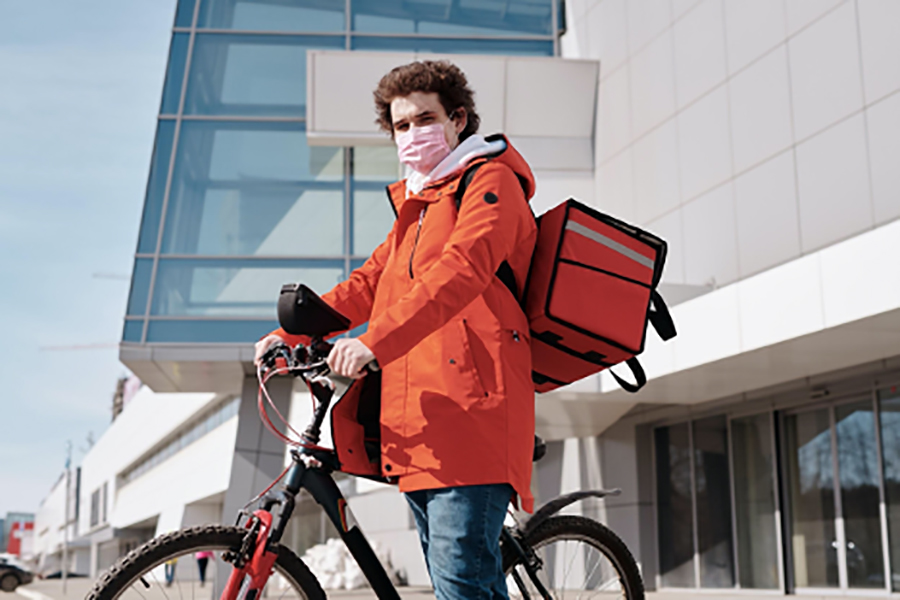
The best way of avoiding contamination is to prevent people from coming into your business in the first place. Think about ways to deliver your products and services to your customers at home by setting up an online store or partnering with food delivery services.o This protects your customers and staff and makes your business more sustainable in the event of another lockdown.

0