Earth Advocates: 70 Environmental Leaders

AY, Artist, Entrepreneur, and Sustainability Activist

AY is an artist, entrepreneur, and sustainability activist who raises awareness for energy storage, beneficial electrification, sustainability, United Nations SDGs, demand-side management, utility companies, movements, companies/corporations, sustainable solutions, social media influencers, artists, bands, producers, entrepreneurs and more. AY is also one of the first artists to to power his concerts with 100% renewable energy.

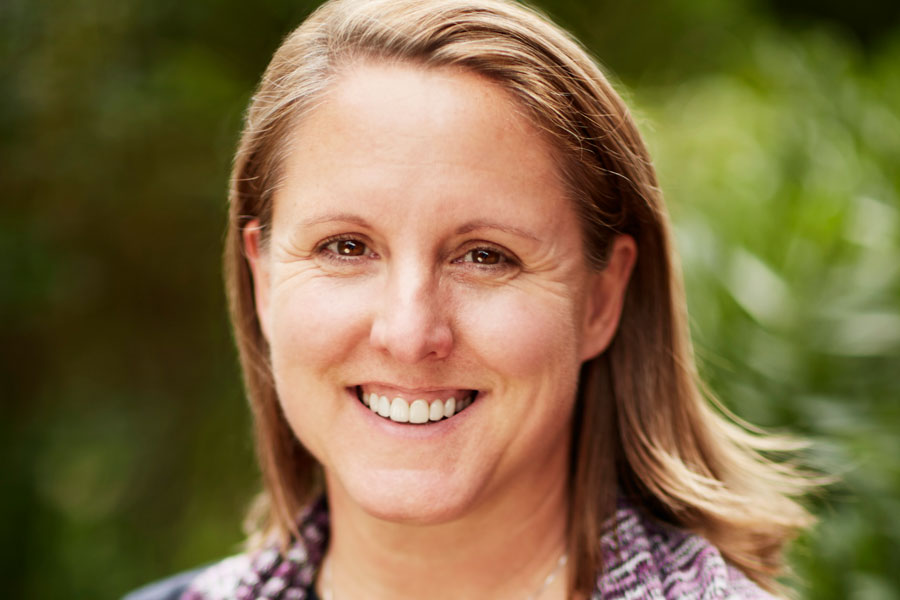
David Attenborough, Broadcaster, Writer and Naturalist

David Attenborough is an English broadcaster, writer, and naturalist noted for his innovative educational television programs with a major focus on environmental issues, especially climate change. Over nine decades Attenborough has visited every continent on the globe, and his honest, revealing, and urgent messages are a powerful, firsthand account of humanity’s impact on nature and a message of hope for future generations.

Kate Williams, CEO, 1% for the Planet

Kate Williams is the CEO of 1% for the Planet. Having already given a total of more than $270 million from over 3000 companies, the 1% for the Planet community is an ecosystem of the most innovative individuals and organizations dedicated to creating a better world. 

Tony Salas, CEO, Shared-X

Tony Salas is the CEO of Shared-X, a company that accelerates Impact Farming companies, aiming to revolutionize the traditional farming industry by consolidating the value chain and empowering smallholder farmers. Salas holds a Ph.D. in crop science, plant breeding, and genetics, as well as a strong background in AgTech and innovation.

David Bronner, CEO, Dr. Bronner’s

David Bronner is Cosmic Engagement Officer (CEO) of Dr. Bronner’s, the top-selling natural brand of soaps in North America and producer of a range of organic body care and food products. He is a grandson of the company founder, Emanuel Bronner, and a fifth-generation soap-maker. David established Dr. Bronner’s as a sustainable leader in the natural products industry by becoming one of the first body care brands to formulate with hemp seed oil 

Jane Goodall, Founder, Jane Goodall Institute

Jane Goodall is the founder of the Jane Goodall Institute. Through nearly 60 years of groundbreaking work, Dr. Goodall has the urgent need to protect chimpanzees from extinction while redefining species conservation to include the needs of local people and the environment. Today she travels the world, speaking about the threats facing chimpanzees and environmental crises, urging each of us to take action on behalf of all living things and the planet we share.

Ian Urbina, Reporter

Ian Urbina is an investigative reporter and author of the best-selling book The Outlaw Ocean, based on more than five years of reporting, much of it offshore, exploring lawlessness on the high seas. As a journalist, his investigations typically focus on human rights, worker safety and the environment.

Dr. Katharine Wilkinson, Author, Strategist and Teacher


Dr. Katharine Wilkinson is an author, strategist, and teacher, working to heal the planet we call home. Her books on climate include the bestselling anthology All We Can Save and the bestseller Drawdown. Dr. Wilkinson co-founded and leads The All We Can Save Project in support of women leading on climate.

Ryan Hickman, Founder, Ryan’s Recycling

Ryan Hickman is the Founder of Ryans Recycling. Hickman has customers all over Orange County, CA and he has a passion to recycle. His goal is to recycle to keep cans and bottles from reaching the ocean where it’s harmful to the environment. Ryan spends a part of every week sorting through cans and bottles from his customers and getting them ready to take to the recycle center. He has recycled over a million bottles and cans to date.

Paul Stamets, Mycologist and Founder of Fungi Perfecti

Paul Stamets, speaker, author, mycologist, medical researcher, and entrepreneur, is considered an intellectual and industry leader in fungi: habitat, medicinal use, and production. He lectures extensively to deepen the understanding and respect for the organisms that literally exist under every footstep taken on this path of life. His presentations cover a range of mushroom species and research showing how mushrooms can help the health of people and the planet.

Osprey Orielle Lake, Founder and Executive Director, WECAN

Osprey Orielle Lake is the Founder and Executive Director of the Women’s Earth and Climate Action Network (WECAN) International, working nationally and internationally with grassroots and frontline women leaders, policy-makers, and diverse coalitions to build women’s leadership, climate justice, resilient communities, and a just transition to a decentralized, democratized clean energy future.

Danni Washington, TV Host and Science Communicator
Danni Washington is a TV host and Science Communicator who is also the first African American woman/woman of color to host her own science television series. She is featured as a correspondent on a weekly nationally syndicated CBS series called Mission Unstoppable. Danni has also come to be known as a thought leader and advocate in the SciComm and ocean conservation realms. She has been a featured speaker for both live and in person events for global organizations.

Damien Mander, Founder, International Anti-Poaching Foundation (IAPF)


Damien Mander is a former Australian Royal Navy Clearance Diver and Special Operations Military Sniper turned anti-poaching crusader, environmental and animal welfare activist. Damien used his life savings and liquidated his investments to fund the start-up and running costs of the International Anti-Poaching Foundation (IAPF). Mander is outspoken about the priorities of mankind in an increasingly challenged society and advocates the use of military equipment and tactics for the purpose of protecting animals.

Seth Goldman, Founder, Eat the Change

Seth Goldman is the founder of Eat the Change, a platform that combines marketplace solutions with education and activism to empower consumers to make dietary choices aligned with their concerns around climate and health. Goldman also co-founded Honest Tea and is Chairman of the Board of Beyond Meat. 

Mark Hertsgaard, Co-Founder and Executive Director, Covering Climate Now

Mark Hertsgaard is the Co-Founder and Executive Director of the Covering Climate Now initiative which has grown to 460+ news publications reaching over 2 billion people in 57 countries. Hertsgaard has covered climate change since 1989, reporting from 25 countries in his books as well news outlets.

Jeffrey W. Eckel, Chairman and CEO, Hannon Armstrong

Jeffrey W. Eckel is Chairman and CEO of Hannon Armstrong, a leading investor in climate solutions. Under his leadership, the firm has become globally recognized for its pioneering approach to sustainable investing, serving as a trusted capital provider to leading companies in renewable energy, energy efficiency, and other sustainable infrastructure markets.

Greta Thunberg, Environmental Activist

Greta Thunberg is a Swedish environmental activist who worked to address the problem of climate change, founding a movement known as Fridays for Future. Her action inspired hundreds of thousands of students around the world to participate in their own Fridays for Future around the world. She has been recognized and praised worldwide by heads of state and schoolchildren alike, all captivated by the simplicity of her profound message: Start taking world problems seriously, or future generations will inherit the dire consequences.

Tom Szaky, Founder and CEO, TerraCycle

Tom Szaky is the Founder and CEO of TerraCycle, Inc. He is a world-renowned entrepreneur, business leader, innovator, and public speaker, who oversees one of the world’s few green multinational companies. Through TerraCycle, Tom has pioneered a range of business models that engage manufacturers, retailers and consumers in recycling products and packaging that would otherwise be destined for landfill or incineration.

Kevin Chin, Chairman and CEO, VivoPower

Kevin Chin is the Chairman and CEO of VivoPower International PLC is an international electric vehicle, battery tech, solar energy and critical power company. Chin is also the Chairman and Executive Chair of Arowana & Co., an international B Corp accredited investment group with private and publicly listed businesses in solar power, electric vehicles, critical power services, vocational and professional education, traffic management, technology and impact asset management fields. 

Trevor Hardy, CEO, BlueWave

Trevor Hardy is the CEO of BlueWave, where he leads all aspects of the company’s finance, operations, and expansion activity. Trevor helped grow the company into one of the most respected solar developers and community solar service providers in New England. The company’s purpose is to revolutionize energy with simple, powerful solar solutions.

Hari Balasubramanian, Managing Partner, EcoAdvisors

Hari Balasubramanian leads two ventures – the consulting firm EcoAdvisors and the investment firm EcoInvestors Capital – both with a specific focus on demonstrating the business and societal value of sustainability and thereby growing the amount of capital flowing toward environmental impact. EcoInvestors Capital advances the environmental-related SDGs through private investments that generate net positive impact and competitive returns, without compromise. 

Jordan Ramer, CEO, EV Connect

Jordan Ramer is the CEO of EV Connect, a company on a mission to build a better planet by enabling electricity as a transportation fuel. Ramer is an accomplished technology executive and entrepreneur. He has helped raise tens of millions of dollars in financing for growth companies in the clean energy, transportation, and resource efficiency sectors.

Daniel Silverstein, Founder, Zero Waste Daniel

Daniel Silverstein aka Zero Waste Daniel is a New York-based clothing designer and zero-waste lifestyle pioneer who uses pre-consumer waste sourced from New York City’s garment industry, as well as other hard-to-recycle materials, to create his line of genderless clothing and accessories that send nothing to landfills. Daniel continues to inspire change and make headlines by growing the mission of ending waste culture and redefining the meaning of  “sustainable design” as a call to action for all who wish to participate.

Robert Redford, Actor and Conservationist

Robert Redford is an ardent conservationist and environmentalist, a man who stands for social responsibility and political involvement, and an artist and businessman who is a staunch supporter of uncompromised creative expression. Redford has been a noted environmentalist and activist since the early 1970s and has served for over 40 years as a Trustee of the Board the Natural Resources Defense Council.

Green Girl Leah Thomas, Environmentalist

Leah Thomas is an environmentalist with a love for writing and creativity. Thomas is passionate about advocating for and exploring the relationship between social justice and environmentalism. She is the founder of eco-lifestyle blog @greengirlleah, which is a resource and media hub that aims to advocate for environmental justice and inclusivity within environmental education.

Emma Rose Cohen, CEO, Final
Emma Rose Cohen is the CEO and founder of Final, creators of FinalStraw—the world’s first reusable, collapsible straw. In the last decade, Emma’s passion for sustainability motivated her to help found a nonprofit, Save the Mermaids, with a mission to educate children about the harmful effects of single-use plastics. Emma has grown Final from a one product company to a company with an entire line of convenient, sustainable alternatives. Waste is just a design flaw. Emma and the Final team are on a mission to change that.

Shadi Bakour, CEO, Pathwater

Shadi Bakour is the CEO of Pathwater, who has a passion for tackling the world’s largest ideas and problems. Bakour started PathWater with a vision to disrupt and change the way we think about an industry that is destroying our environment and to help everyone break the addiction to single-use plastic bottled water.

Chad Farrell, Founder and CEO, Encore Renewable Energy

Chad Farrell is the Founder and CEO of Encore Renewable Energy, a leader in community-scale renewable energy project development services. Farrell has led innovative and collaborative efforts to design, permit, finance and construct over 75 different commercial-scale solar PV projects throughout the State of Vermont and beyond Many of these projects involve reclaiming undervalued real estate for clean energy generation and storage, helping to revitalize communities and create a cleaner, brighter future for all.

Amelia Baxter, Co-Founder and CEO, WholeTrees

Amelia Baxter is Co-Founder and CEO of WholeTrees Architecture and Structures. WholeTrees was founded in 2007 to develop and sell products and technologies that would scale the use of waste trees in commercial construction, increasing forest revenues, and offering green construction markets a new material for the 21st century.

Steven Novick, Founder and CEO, Farmstand

Steven Novick is the Founder and CEO of Farmstand,a company that delivers healthy, convenient and affordable meals to your door to cook in minutes. His commitment to health and the environment showed when Covid hit, Novick sold his house to fund Farmstand’s pivot into a direct-to-consumer meal delivery service that is 100% sustainable and transparent. 

Gene Gebolys, Founder, President, and CEO, World Energy

Gene Gebolys founded World Energy in a time when the social consciousness surrounding alternative fuel sources was starting to grow. Today, Gebolys continues to lead World Energy, pushing the boundaries of innovation into new low-carbon fuel markets and collaborating with leaders of change to address the world’s growing energy needs with simple, clean, and renewable solutions.

Brandy Hall, Founder and CEO, Shades of Green Permaculture

Brandy Hall is the Founder and CEO of Shades of Green Permaculture, a regenerative landscape design, build and education firm. Hall founded the company with the fundamental belief that wherever you’re from, whatever your background, and however you’re willing to contribute to the regeneration of our planet, your particular shade of green is not just important but essential.

Brandi DeCarli, Founding Partner and CEO, Farm from a Box


Brandi DeCarli is the Founding Partner and CEO of Farm from a Box, a cleantech-powered infrastructure for community-based local food production. As an off-grid, modular farm system, the company helps strengthen local and regional food systems by providing the technology needed to help small and medium-scale enterprises flourish with high-quality outdoor crops.

Pat Mitchell, Co-Founder, TEDWomen


Pat Mitchell is the Co-Founder, curator and host of TEDWomen. Throughout her career as a journalist, Emmy-winning producer and executive, Mitchell focused on elevating women’s stories and increasing their representation everywhere, especially in environmentalism.

Derrick Emsley, Founder and CEO, tentree

Derrick Emsley is the Co-Founder and CEO of tentree International who offers environmentally progressive, lifestyle apparel with the mandate of planting ten trees for every item purchased. tentree was founded on the premise that every consumer wants to know that they are contributing to the well-being of our planet. Emsley is empowering a new generation of environmentally active consumers.


Xiye Bastida, Climate Activist

Xiye Bastida is a climate activist and member of the indigenous Mexican Otomi-Toltec nation. She is one of the major organizers of Fridays for Future New York City and has been a leading voice for indigenous and immigrant visibility in climate activism. Bastida is on the administration committee of the People’s Climate Movement and a member of Sunrise Movement and Extinction Rebellion.

Russell Diez-Canseco, President and CEO, Vital Farms

Russell Diez-Canseco is the President and CEO of Vital Farms, who is on a mission is to bring ethical food to the table. Russell believes it is possible to produce ethical food at scale, and year-by-year his efforts help prove it. Under his leadership, Vital Farms have expanded its product line while improving the lives of people, animals, and the planet through food. 

Peter Krull, Founder, Director of Investments and CEO, Earth Equity Advisors

Peter Krull is the Founder, CEO and Director of Investments of Earth Equity Advisors, who manages diversified investment portfolios for clients across the country with a focus on sustainable, responsible, and impact investing. Krull focuses on creating and managing Earth Equity’s investment portfolios as well as writing thought leadership pieces and sharing the responsible investing story.

Jane Fonda, Actress and Activist

Jane Fonda is a renowned American actress, activist, and lifetime advocate for women and environmental issues. She co-founded the Women’s Media Center, an organization that works to amplify the voices of women in the media through advocacy, media and leadership training, and the creation of original content. Fonda currently serves on the board of the organization and continues to be a prominent voice for women and the environment.

Matt Hill, Founder and Chief Environmental Evangelist, One Tree Planted

Matt Hill is the founder and Chief Environmental Evangelist of One Tree Planted, a nonprofit organization that helps global reforestation efforts by making it easier for individuals and businesses to give back to the environment: one dollar plants one tree. While tree-planting is good for the planet, One Tree Planted ensures contributors know exactly how far their planting contributions go.

Leilani Münter, Race Car Driver and Environmental Activist

Leilani Münter is a biology graduate turned race car driver and environmental activist. She believes it is essential for humans to adapt and evolve the way we are living to a sustainable way that does not destroy the world around us. Leilani is an advocate for renewable energy, solar power, electric cars, plant-based diet, and animal rights. She sits on the board of three non-profits: Oceanic Preservation Society, Empowered by Light, and EarthxFilm.

Pete Davis, Co-Founder and CEO, GreenPrint

Pete Davis is the Co-Founder and CEO of GreenPrint, who focuses on the calculation and reduction of greenhouse gas and other environmental emissions, to reduce the carbon footprint for all of the groups served. Pete’s purpose is to make sustainability truly convenient, so it’s easy for people and businesses to do the right thing.

Rue Mapp, Founder, Outdoor Afro

Rue Mapp is the Founder and CEO of Outdoor Afro, the nation’s leading, cutting-edge network that celebrates and inspires Black connections and leadership in nature. Mapp has captured the attention and support of millions through a multimedia approach that is grounded in personal connections and community organizing. 

Chaz Berman, Board Member and CEO, Grower’s Secret

Chaz Berman has conceived and built many successful companies over the past three decades. Berman is the CEO and Board Member at Grower’s Secret, Inc. an ag-tech company that produces an OMRI listed nitrogen, other amino acid fertilizers & a plant growth enhancer that is added to many other fertilizers. 

Frederico Garcea, Co-Founder and CEO, Treedom

Frederico Garcea is the Co-Founder and CEO at Treedom, the first project that allows companies and individuals to adopt a tree or a forest, which then become always visible on the web. Since its foundation in 2010, more than 1,000,000 trees have been planted in Africa, South America and Italy. All trees are planted directly by local farmers and bring environmental, social and financial benefits to their communities. 

Sylvia Earle, President and Chairman, Mission Blue

Sylvia Earle is President and Chairman of Mission Blue and The Sylvia Earle Alliance. She is a National Geographic Society Explorer in Residence and is called “Living Legend” by the Library of Congress. She is an oceanographer, explorer, author and lecturer with experience as a field research scientist, government official, and director for several corporate and non-profit organizations.

Jeffrey Perlman, President, Founder and CEO, Bright Power

Jeffrey Perlman is the CEO, President & Founder of Bright Power. An experienced energy auditor, energy analyst, and solar-energy-system designer, he has built Bright Power from a single rented desk in a shared office to the substantial enterprise that enhances building performance, simplify building operations, and contribute to a healthier environment inside and out.

Sam Teicher, Chief Reef Officer, Coral Vita

Sam Teicher is the Chief Reef Officer at Coral Vita, a company that creates high-tech coral farms that incorporate breakthrough methods to restore reefs in the most effective way possible. Teicher’s vision is to produce billions of corals from our farms each year in order to maintain these magical ecosystems for generations to come.

Sharon Rowe, Founder and CEO, Eco-Bags

Sharon Rowe is the CEO and Founder of Eco-Bags Products, Inc.  Eco-Bags is the original reusable bag brand, sold worldwide, recognized for social and environmental commitments and standards. Rowe is recognized as a thought leader in social innovation, sustainable and responsible production. She speaks regularly on building profitable, mission & value aligned businesses, believing that business can be a force for good, a currency for ideas that shape culture. 

Dr. Venkat Maroju, CEO, SourceTrace Systems


Dr. Venkat Maroju is CEO of SourceTrace Systems, a company that has become a global leader in providing software solutions to agriculture and allied sectors. The use of these technological solutions has made the agriculture value chain more sustainable, transparent and equitable, thus empowering hundreds of thousands of smallholder farmers in developing countries.

Sally Ranney, Founder and CEO, Global Choices


Sally Ranney is an environmental visionary, strategist and advocate. Founder/President Ranney is the Founder and President of Global Choices and the American Renewable Energy Institute (AREI). She serves on the Board of Directors of the National Wildlife Federation, the Aspen Brain Institute, and the Climate Accountability Institute. She is also CEO of Stillwater Preservation LLC, a wetlands mitigation banking company and Senior Advisor to the One Humanity Institute and the Women’s Earth and Climate Action Network (WECAN).

Anselm Doering, Founder, President & CEO, Ecologic Solutions

Anselm Doering is the Founder, President, and CEO of Ecologic Solutions, a mission-driven, trusted leader providing the safest, most sustainable cleaning program in the world. With over 30 years of experience as an impact entrepreneur, eco-product developer and strategist, Doering has delivered highly effective, safer solutions to protect people and the planet.

Andrew Shakman, Co-Founder and CEO, Leanpath

Andrew Shakman is the Co-Founder and CEO of Leanpath, the industry-leading food waste prevention platform working with client partners to fight waste around the world. Andrew is a passionate food waste prevention advocate who wants to bring true reform to the food industry.

JoAnna Abrams, Founder and CEO, MindClick

JoAnna Abrams is the Founder and CEO of MindClick, an environmental health product intelligence company committed to empowering suppliers and their customers’ marketing, design, sustainability, and supply chain teams with easy-to-understand, easy-to-use insights and knowledge needed to meet global demand for healthier products and healthier environments.

Graham Ray, CEO, DeepRoot

Graham Ray is the CEO of DeepRoot, a company on a mission to create a more livable built environment, providing a high level of ecosystem services, by using green infrastructure like trees, soil, and on-site stormwater management. DeepRoot has more than forty years of experience helping trees thrive in cities, nurturing over 500 blocks of urban treescape in the built environment around the world.

Fabien Cousteau, Aquanaut

Fabien Cousteau is a third-generation ocean explorer, aquanaut, and environmentalist who is at the forefront of today’s ocean exploration. His latest project, Project Proteus, entails an underwater research center for the betterment of the ocean, the earth, and humanity. 

Duane Peterson, Co-President and Founder, SunCommon

Duane Peterson is the Co-President and Founder of SunCommon, a solar company making renewable energy simple and affordable. Peterson is a social entrepreneur with an eclectic 35-year career in socially responsible business, campaign management, government service and community involvement.

Brad Morton, Principal and CEO, Mortan Solar & Electric

Brad Morton is the Principal and CEO of Morton Solar & Electric, a full-service licensed electrical contractor specializing in energy efficiencies and renewable energy. Morton is very passionate about reducing the size of communities’ carbon footprint, which is why he has become so involved in the renewable energy industry throughout his career.

Aaron Fairchild, CEO, Green Canopy

Aaron Fairchild is the CEO of Green Canopy, the only for-profit homebuilder in America that was intentionally and deliberately started to combat and lessen the negative impacts of climate change and resource scarcity via in-city homebuilding. 

Julia Jackson, Founder, Grounded

Julia Jackson is committed to bringing together the brightest minds to foster greater collaboration, drive mass awareness and scale game-changing solutions to urgently address the climate crisis. Jackson founded Grounded.org, a philanthropic initiative that convenes scientists, policymakers, investors, executives, activists and front-line organizations to elevate solutions that create systemic change in order to stay below 1.5˚C in global temperature rise and ensure a livable planet.

John-Paul Maxfield, Founder, Waste Farmers

John-Paul Maxfield is the Founder of Waste Farmers, the first regenerative holding and operating company. Maxfield helps develop people, businesses, and brands that transform emerging social and environmental needs into market-based opportunities.

Joey Bergstein, CEO, Seventh Generation

Joey Bergstein is the CEO of Seventh Generation, a company that sells eco-friendly cleaning, paper, and personal care products. Bergstein has been transforming its business while pursuing the company’s quest to transform the world into a healthier, more sustainable and more equitable place for all.

Paul Watson, Conservationist and Environmental Activist


Paul Watson is a marine wildlife conservationist and environmental activist who was one of the founding members and directors of Greenpeace. He later left Greenpeace to create the Sea Shepherd Conservation Society, an organization that sought to protect marine wildlife.

Marci Zaroff, Founder and CEO, ECOfashion
Marci Zaroff coined the term “ECOfashion” and is an internationally recognized ECOlifestyle expert, educator, innovator, author and serial ecopreneur. Founder and CEO of ECOfashion Corp, a Greenhouse of Brands, including B2B turnkey sustainable fashion manufacturer MetaWear, regenerative in-conversion-to-organic cotton farm project RESET, QVC organic lifestyle brands Farm to Home and Seed to Style, and new D2C ECOfashion brand YES AND. Marci has been instrumental in driving authenticity, environmental leadership & social justice worldwide for nearly three decades.

Nana Boateng Osei, Co-Founder and CEO, Bôhten


Nana Boateng Osei is the Co-Founder and CEO of Bôhten, a company revolutionizing eco-luxury. Osei has created an eyewear line that uses sustainable materials such as discarded materials and reclaimed wood. Osei also plans to bring manufacturing to Ghana to create a place for education and resources to tackle climate change.

Collin O’Mara, President and CEO, National Wildlife Federation

Collin O’Mara serves as President and CEO of the National Wildlife Federation, America’s largest wildlife conservation organization. Under O’Mara’s leadership, the National Wildlife Federation is focused on recovering America’s wildlife while improving the management of and access to public lands.

Jeff Corwin, Biologist and Conservationist

Emmy-winning TV host Jeff Corwin has worked for the conservation of endangered species, natural resources, and ecosystems. Through education and awareness, he believes these vital elements of our planet can be conserved for future generations. Jeff also hosts a variety of popular television series seen worldwide including Animal Planet’s Jeff Corwin Experience.

Jeff Orlowski, Filmmaker


Filmmaker Jeff Orlowski served as director, producer, and cinematographer of the Sundance Award-Winning films, Chasing Ice and Chasing Coral. He is a two-time Emmy-Award winning filmmaker, and founder of the award-winning production company Exposure Labs, with a mission maximize the impact of film, creating a company dedicated to both quality storytelling and powerful campaigns.

Nancy E. Pfund, Founder and Managing Partner, DBL Partners


Nancy E. Pfund is the Founder and Managing Partner of DBL Partners a venture capital firm who goals is to combine top tier financial returns with meaningful social, economic and environmental impact.

Miyoko Schinner, Founder and CEO, Miyoko’s
Miyoko Schinner is the tenacious, award-winning vegan chef behind Miyoko’s. Her passion for her craft and mission is unrivaled. The publication of her groundbreaking book, Artisan Vegan Cheese, kicked off the start of the vegan cheese revolution. Whether in the kitchen or the farm, Miyoko makes her mission of feeding the world with delicious, compassionate food the drive behind everything she does.

The Entrepreneur Eating His Way to Positive Change

PODCAST PEOPLE: A Summary from the Real Leaders Podcast

“If we can change the way people eat, that feels like the biggest, direct way for people to take action against climate change.”
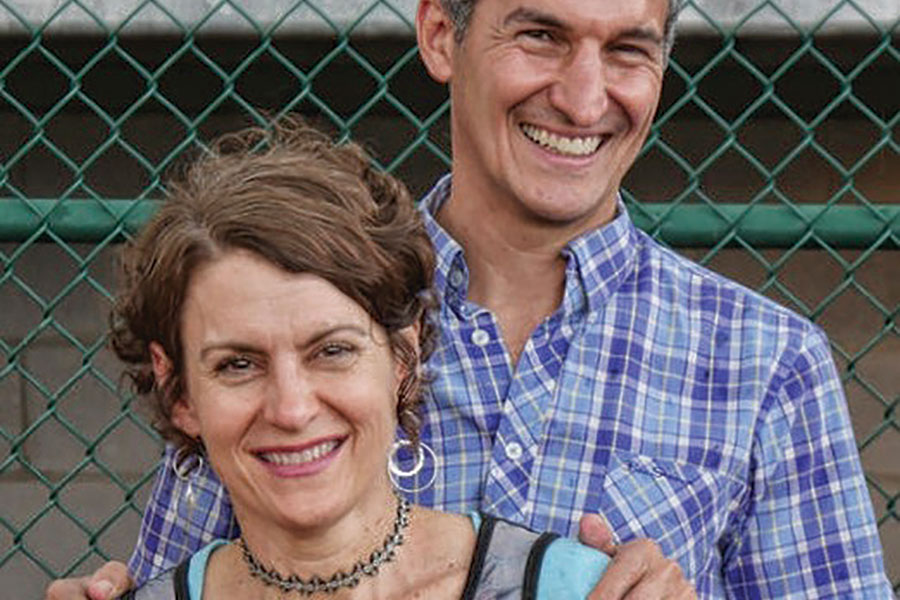
Seth Goldman is an activist entrepreneur: Co-Founder of Honest Tea, Chair of the Board at Beyond Meat, and now Founder of Eat the Change, a platform that combines marketplace solutions with education and activism to empower consumers to make dietary choices aligned with their concerns around climate and health.

The following is a summary of Episode 179 of the Real Leaders Podcast, a conversation with entrepreneur Seth Goldman. Read or listen to the full conversation below.

A Global Movement to Restore the Planet

Seth is committed to democratizing plant-based and planet-healthy foods. He assures us that a worldwide shift in diet is not only better for people, but essential for the planet. Current agricultural systems are a major contributor to rising emissions, which means eating habits directly impact climate change. The race to solve these problems, however, has not put a spotlight on diet, which, because it is personal and not political, could be one of the most effective solutions. Through Honest Tea, Beyond Meat, and Eat the Change, Seth has emphasized that if we only changed our dietary habits, we could very well change the world. 

He offers an example from the positive impact of Beyond Meat:

“We knew that every time we sold a Beyond Burger, we were helping somebody who very likely was going to choose an animal based product. And so the best way to measure that was to understand the environmental footprint of one burger. And we learned it uses 99% less water and 93% less land a lot of positive aspects. So then just sell millions of burgers ideally, billions of burgers and your impact magnifies with it.”

Listen to Episode 179 on Spotify, Anchor, Crowdcast, and Apple Podcasts

Planet-Friendly Means Palate-Friendly 

Seth emphasizes that the best way to measure a company’s impact is to ingrain its mission into its product. But when it comes to healthful, environmentally conscious foods, a company mission, no matter how powerful, isn’t enough. The thing about starting a global dietary habit is that plant friendly options need to taste good, and perhaps even taste better than their traditional counterparts. 

“I can tell them all about our environmental commitments, and the fact that there’s no soy, wheat, corn, rice, sugar, potatoes. But how does it taste? So it’s got to taste good. And if it tastes good, and if it’s well packaged and priced competitively, then the mission can be an advantage.”

Transcript

https://vimeo.com/526700495

3 Decisions That Will Define Your Life

It’s been 28 years since Julie Farkas and Seth Goldman made one of the most important decisions of their lives; to marry each other.

In time, they chose careers they loved that were fulfilling: Julie creating and running programs focused on economic and racial equity and Seth as a social entrepreneur, both agreeing to take the risk of entrepreneurship with the co-founding of Honest Tea a few years later. The mission was to create great-tasting, healthy, organic beverages. In 2011, Honest Tea was acquired by The Coca-Cola Company, becoming the first organic and Fair Trade brand in the world’s largest beverage distribution system. Today, Honest Tea is the nation’s top selling ready-to-drink organic bottled tea and carried in more than 140,000 outlets in the United States. Over the years Julie and Seth have identified the three decisions we all make that have the greatest influence on our success and happiness. Here is some of the timeless wisdom they recently shared with me.
Who you choose as a life partner

It’s critical to find someone who shares your values, who you respect intellectually and professionally. That person should be a partner in every way. Entrepreneurs usually have a certain tolerance for risk, but if their partner doesn’t share that same tolerance, then you may end up with an unsuccessful home life. There are many examples of entrepreneurs who have successful companies, yet unsuccessful family lives. We’re fortunate to be aligned around the goals and vision for our careers, and most importantly, a willingness to venture into the unknown.  Having a male and female opinion on the branding of Honest Tea has been invaluable – after all, our product is sold to both. It’s interesting how many consumer-driven companies are led by male teams, and yet their customer base is at least 50% women.

What work you do

There is one thing we always warn people about: Don’t become good at something you don’t like doing. At business school, recruiters may present you with an amazing career opportunity – a fantastic job in a big city. They will try and convince you that this is crucial for your next big opportunity in life. The danger of taking this job, is that you may actually do well at it; at the expense of something you may really be passionate about.

Julie’s father was the son of immigrants who wanted him to become an engineer, because that was the practical thing for an immigrant child to do. He became a television producer instead, and he didn’t want his children to do things just because they were practical either. He wanted his children to follow their passions. And that’s the advice we gave our sons. It’s advice we’d give to any 18-year-old: Develop a passion for things and then follow them and make a life and career from it. Then you’ll enjoy what you do every day.

If you’ve earned the capital to invest, remember these same principles. There are many investment advisors that will place your money with companies that are not aligned with your values. Instead, make investments that are sound AND create social good in the world, and avoid investing in practices and impact that go against your values. We make some of our impact investments through our Donor Advised Fund at ImpactAssets, and whether you’re passionate about finding a cure for Parkinson’s disease or wanting to promote vegetarian alternatives to meat, options now exist to align your investments with your personal values.

Where you choose to live

We chose a location with a strong sense of community. There’s a park at the back of our house which is a gathering place and our children were lucky enough to walk to school. Everyone walked, and so we got to know all our neighbors too. We made a commitment to invest back into our community by supporting the local schools and leading efforts to plant more than 200 trees in our neighborhood. One of the lessons we’ve learned with work is to make sure you have a short commute. So much of your life can be spent in traffic. It’s unproductive for your health, your family and your social life. It helps us spend more time with our family, which is far more enjoyable than traffic.

www.HonestTea.com / www.ImpactAssets.com

Case Study: To Sell or Not to Sell?

Anna Rivera faces a decision that will affect the future and legacy of her company.

Anna Rivera, founder and CEO of Organics Now, had just hung up the phone with the CEO of a well-known global consumer goods company, Christopher Chen. His words were still ringing in her ears: “Anna, we’re ready to make you a strong offer on Organics Now.” The price Chen named would provide Rivera and her investors a hefty premium that was hard to pass up.
Still, Rivera knew she had a lot of mental hurdles to clear before she would seriously consider selling. The practices of the consumer goods company, one of the largest producers of processed foods, was an anathema to her core principles.

If you like this, subscribe here for more stories that Inspire The Future.

Thirty years ago, Rivera radically changed her and her children’s diet to a plant-based one, and the subsequent positive effects on their health and quality of life fostered a passion for healthy food that led her to form Organics Now. From humble beginnings, the company had grown into a leading producer of organic, grab-and-go food products that Rivera hoped would change people’s lives, just like her family’s plant-based diet had changed theirs.  

Chen had assured Rivera that acquiring Organics Now would be the first step in transforming the global company to having a healthier focus, but Rivera was skeptical. Could a Trojan Horse model of change really work? She had heard the story of acquisitions gone wrong many times before, and she couldn’t fathom having all she had worked to build being acquired and overshadowed by the practices and culture of a trans-national company.

On the other hand, Rivera wondered if the acquisition could scale her influence in the market place, allowing her to continue pressuring the industry toward healthier products. Although she could not deny the attractive aspects of selling, at the same time, she could not shake this very same company’s TV commercials pushing high-fructose products on children.

Rivera still believed she could deliver a higher value to all her stakeholders, including consumers and shareholders, by remaining independent. She believed that by staying independent, the mission of the company, her raison d’être, would be better protected. While strategy, marketing, operations, and finance were very important, she viewed the mission as the core of the company—the gravitational center of its operations—and wanted to preserve it whichever path she chose.

She took a deep breath and returned to a half-written e-mail, giving feedback to her chief financial officer on the packet they were preparing for an upcoming board meeting. Exciting news would be on the table for discussion, including new accounts, market research results, and a progress report on the build-out of their new, state-of-the-art production facility.

But two topics being raised to the board were even more timely and strategic after Rivera’s discussion with Chen. One was the interest of early investors in selling their stock. In light of Chen’s offer, Rivera now wondered if the early investors should be encouraged to wait for an exit, or if she should bring in new investors. She had already worked with an investment bank to create a private market for Organics Now stock, allowing new investors to come in as others sold their shares. This process introduced new, mission-aligned investors into the company, and made bringing in new investors seem less daunting.

The second timely topic the board would discuss was a key strategic initiative: a grab-and-go line of products at a price point that would make Organics Now accessible to nearly all shoppers, not just the more affluent natural foods shopper. Organics Now could truly democratize access to healthier, more convenient foods. This initiative would require significant capital, and could present more risk than her current investor base was prepared to take.

Her investor based included two angel investors who had a more conservative bent and were pushing for a more “stay the course” approach. Later investors included a wealthy family and a growth equity fund, both of which were mission-driven and took a more pro-growth stance.

There was division among the board on the best approach. She hoped this board meeting would provide more clarity and consensus, but she was also realistic about the fact that her board members had different agendas. She hadn’t fully decided which capital strategy would best support her vision, and she wondered if Chen’s company would be even better suited to launch the new line.

As she typed out her feedback to the CFO, she received a call from her head of marketing, who needed her thoughts on an ad layout. The question of her capital strategy and overall next steps for Organics Now would have to wait.

GIVEN HER STAKEHOLDERS AND MISSION, SHOULD RIVERA SELL, WAIT, OR REMAIN INDEPENDENT? THE EXPERTS RESPOND


Michael Whelchel is the Co-founder of Big Path Capital, a leading investing bank assisting values-led founders. He believes impact investing is a superior way to use capital.


Rivera is on the mark to be protective of Organics Now’s core mission. In working with values-led founders and CEOs in finding liquidity and exit options, we see mission playing a vital role in purpose-driven companies. In many cases, like Rivera’s, the mission of the company is the founder’s raison d’être, the grounding and deep conviction at the core of the company, its gravitational center keeping it in its successful orbit.

Rivera should re-frame her decision around mission-alignment versus framing it as a strategic versus non-strategic capital source. These financial transactions, such as what Chen is proposing, represent key inflection points in a company’s life that can have permanent effects on the future of a company. Thus, mission-alignment should be her first framing principle.

Once framed in this context, there are a growing number of options within the genre of mission-aligned capital:

CREATE A PRIVATE MARKET FOR STOCK. Rivera could continue the strategy she has already utlitized. That is, bring in new mission-aligned investors for growth capital and take out some of her early investors that may be getting anxious for liquidity. This has been a good strategy for a number of our clients. Creating a pool of mission-aligned shareholders can help address the need for liquidity and growth capital, while bringing in new investors committed to the company’s long-term mission.

IMPACT FUNDS. Rivera could consider taking an investment from or selling to a growth equity or private equity fund that is looking for investments that have both financial, environmental and social returns. This could be an attractive option, giving Rivera the growth captial needed to scale as well as the comfort that her mission would be supported by the new investors.

PERMANENT CAPITAL. Rivera could also explore an investment or purchase by groups that have a buy and hold approach to their investing. This could be a wealthy family looking to buy, hold and grow businesses or from a holding company, much like a Berkshire Hathaway model. Unlike an impact fund option, these groups are able to continue an investment with no exit horizon, which provides more stability for the company’s mission.

ENLIGHTENED STRATEGIC. Sometimes selling to a strategic buyer, like the global consumer goods company Rivera is talking to, can be portrayed as selling out. While high profile cases like White Wave demonstrate how a large corporation can destroy a mission-based company, there are a growing number of positive examples where the original mission of the company is scaled well beyond what the founder could have imagined. Some of these positive examples are Honest Teas and Coke, Plum Organics and Campbell’s, and Vermont Creamery and Land O’Lakes. In each of these successful examples, the corporation was looking at the purchase as a way to help them change their strategic direction, and the corporation gave the company a great deal of independence to retain its culture and authenticity.

Ultimately, Rivera should first look to the intentionality of the capital to inform her decision. With an intentional approach to preserving mission, she can shape her company’s destiny and the larger impact she desires to see in the world.


Seth Goldman is the Co-founder and Teaeo Emeritus of Honest Tea, the nation’s top-selling organic bottled tea. Seth sold the company to coca-cola in 2011.


Rivera’s situation brings back a lot of memories from a similar situation I was in at Honest Tea. Before Coca-Cola approached us, we had been approached by Nestle, who had proposed an outright acquisition. Although we didn’t move forward with Nestle, that discussion helped us identify how to stay true to our mission.

When Coke called to explore our interest in selling to them, I said, “This is not a negotiating strategy, but we can’t sell this brand yet. It’s too new, and still in a formative stage, with lots of growth ahead. The mission is on its way to realizing itself, but there’s a lot more work to do.”

If you like this, subscribe here for more stories that Inspire The Future.

This was the first deal Coca-Cola had ever done where they didn’t buy the company 100-percent outright. Their culture had always dictated that they buy the entire brand, and then “realize synergies,” which usually meant taking over and cutting out the founders. We made it a staged acquisition because we wanted each side to understand how the other works and develop a sense of trust. Coca-Cola initially bought 40 percent of Honest Tea in 2008. For three years, we continued to operate as an independent enterprise, with Coke as a minority investor. When Coke had the chance to buy the rest of the company in 2011, we had proven to each other that we could continue to aggressively grow the business without compromising the mission.

When Coke invested in 2008, we were at $23 million in revenue. By the time they bought the company, we had hit $72 million—we’d grown threefold in three years. They said, “Why should we change anything if it’s working?” Today we are ten times larger than we were then. When Coke first invested, we were in about 15,000 accounts. Today, that number is 140,000, including national chains such as Wendy’s, McDonalds and Subway. Equally important, our mission is far more rigorous and impactful. In 2008, less than 40 percent of our tea drinks were Fair Trade certified. Today, all of our teas are Fair Trade certified, and all of our sugar is as well, generating more than $1.5 million in Fair Trade premiums. And, we offer more zero-calorie drinks than ever before.

Still, selling to a strategic isn’t for everyone. It depends on the business. For us, as a beverage business, accessing customers by securing space on beverage trucks is essential. There just aren’t independent drink companies of scale other than Red Bull. They have their own trucks. So, for us, it was the best option. Ultimately, it depends on the industry, the product, and the distribution model.

Lastly, I would encourage Rivera to make sure her mission is embedded in her brand, and that the core attributes are verified by independent third-parties. Honest Tea’s mission was always about our product. It was low-calorie; it still is. It was organic; it still is. It was fair trade; it still is.

Once an entrepreneurial enterprise aligns with a large corporation, the automatic goodwill disappears—so it’s critical to have brand attributes that can’t be compromised. If you build a brand with the mission as the cornerstone of the brand’s equity, then the only way to compromise that is to take those values away. It’s not that we just say, “We’re environmentally friendly.” That’s a mushy term that can mean different things. The customer will know right away if you don’t stand behind your claims. We have to stand behind our authenticity every day.


Blair Kellison is CEO of Traditional Medicinals, which believes it can create more value for all stakeholders remaining independent. Reinvention of the standard business model excites him.


Having worked at the world’s largest food company (Nestle) and the world’s smallest food company (my own) and several places in between, I am in a unique position to evaluate such situations.

In today’s CPG food environment, it is a fallacy that bigger companies are better than smaller companies. The vast majority of growth in the CPG food sector stems from companies focused on the natural/organic/specialty segment of the industry. Two macro trends are driving growth at these companies. The first is a flight to quality across all food categories at all income levels. The second is consumer demand for transparency from food producers.

Big CPG has yet to show it is capable of executing against either of these two macro trends. To date, their only avenue to capitalize on these trends has been to purchase smaller, mission-driven companies whose business models inherently address these two macro trends. Big CPG has not shown an ability to leverage acquisitions to capitalize on these macro trends post acquisition—they just can’t seem to leave them alone. In an effort to create cost savings synergies, they diminish product quality and consolidate personnel and activities with those existing in their organization. In the end, this destroys the essence and culture of the acquired company and results in a loss of consumer confidence and market share post-acquisition. Big CPG business models are based on expanding distribution and reducing product and personnel costs. It’s all they’ve ever done; it’s all they know.

The time for natural/organic/specialty foods to rise above their much larger, mundane, mainstream competitors has arrived. Smaller, mission-driven companies have products and business models that meet the needs of today’s consumers. Their products are aligned with long term consumer trends that support long term growth. They now have access to large amounts of investment capital. They now have access to selling their products in traditional retail outlets. They are better positioned than large CPG to attract the most talented workers. As private companies, they can focus on long term strategic initiatives instead of quarterly earnings. All of this results in these companies effectively competing with their larger counterparts while also producing above-market returns for their investors.

Organics Now needs alignment of their strategy with their board and investors. Companies are either gaining or losing marketing share – they are either growing or shrinking – standing still is not an option as a CPG company. Organic Now’s investors that have a short-term investment horizon should be replaced with long term horizon investors.

Rivera’s financial needs over the long term will be better served remaining an independent entity, and she will create more value for herself remaining independent. She must ask herself – What is the value of her values?

It’s an easy decision in my opinion: remain independent, earn above-market returns, and stay true to your mission that is aligned with your values.


Diana Propper De Callejon is a Managing Director at Cranemere, a holding company that operates with a long-term view and indefinite ownership horizon.


Rivera faces the challenge of identifying a partner to help scale the business, extend its mission and preserve her legacy.

Her alternatives are typical of those available to the wave of high growth, purpose-led businesses that focus on creating value for all stakeholders – not only their shareholders. They also come with significant limitations and trade-offs.

Continuing with a revolving door of small investors with varied interests and time horizons is not suited to accessing the expertise and stability needed to achieve Organics Now’s potential. Selling to a strategic has clear attractions: a high price today, national distribution, additional resources, sourcing scale and a pathway to the growth that one dreams of as an entrepreneur. But these attractions can come at a high cost as the business is subsumed by layers of corporate bureaucracy, putting product innovation and speed to market at risk. Rivera’s loyal customers might find it hard to remain trusting of her brand as they perceive the products of the acquiring company to conflict with Organics Now’s mission.

Rivera may opt for institutional capital from growth-focused and impact-oriented private equity funds. While this offers access to expertise and networks, it may only defer the misalignment of interests between investors and founders. Usually within 3–5 years, PE funds exit—not because it is right for the business, but because they need to return capital to their investors. At that point they look to maximize return—not the future value and mission of the business. And founders like Rivera are left with little control.

What Rivera needs is a values-aligned, value-add, long-term capital partner that enables her to stay private and independent and preserve the company’s vision, while providing an ongoing source of liquidity and growth capital when required.

The Cranemere Group, where I work, was founded to meet Rivera’s needs. Our distinct approach is to partner with founders to grow businesses and build companies of enduring value. As a holding company with permanent capital, we have no view to exit the companies we back.

Without the artificial time horizon to sell of a PE firm, the costs and distraction of raising capital or selling the business are avoided, freeing Rivera to focus solely on building the business, culture and mission. The long-term perspective and stability that permanent capital brings will also be crucial to Rivera during the inevitable setbacks and business cycles. Investments that have long payoff timelines make sense.

A holding company with a strong balance sheet can provide liquidity to Rivera, her team and shareholders at different points over time. This provides wealth diversification along the way but allows them to capture significantly more value by holding onto their ownership for longer. Relative to a single large sum today in selling to a strategic, this approach often delivers a larger total return by allowing the value of their stake to grow as the business scales.

Though the traditional options have served us well, a new era is upon us where many purpose-led companies like Rivera’s need alternatives that better align with founders’ interests, values, and vision. At Cranemere, we see our role as driving the innovation in financial models that allows entrepreneurs like Rivera to achieve the impact they wish to make in the world.


Tripp Baird is the Founder and Managing Partner of the Builders Fund, an impact private equity fund investing in purpose-driven businesses. Passionate about capital and conscious business.


What an exciting moment for Rivera and Organics Now: she faces many options, all driven by a well-positioned business with the potential to transform a largely broken food system. I’ve stood in Rivera’s shoes as the CEO of a growing business. I’ve spent years advising founders and teams on how to navigate corporate development strategy, and I now represent one of the options laid out to Rivera: I’m a mission-driven fund manager seeking entrepreneurs that share our vision of a more human-centered, systemically responsible approach to business. I can relate.

The truth is that no cookie cutter answer exists to Rivera’s conundrum. Every company is different, colored by competing founder objectives, various stakeholders, many capital partner and liquidity alternatives, and different access to aligned capital. What is fundamentally true in every situation, Rivera’s included, is that honest, direct communication between stakeholders is key to laying the groundwork of an aligned growth plan and supportive capital strategy.

It may be that independence best serves the mission and objectives of the company. Therefore, a values-aligned investor that is additive to operations, while providing needed liquidity to older investors, would be a perfect fit. But in that case, finding a truly values-aligned investor can be a challenge. Rivera should take the time to get to know the decision-makers, share her objectives clearly and listen to ensure she understands Chen’s business model, time horizon, and approach to investing. Is it aligned?

Alternatively, the opportunity to fundamentally change the food system from inside a larger organization may represent a calling for Rivera (after all, true change requires scale, and while there are many examples of poor “marriages,” success stories exist, too). If so, she needs to feel that the strategic partner is truly committed to protecting the culture, brand tenets, and mission-driven approach Organics Now has spent years building. She needs to confidently determine whether they are authentically committed to change, or if Chen’s interest is just commercial. Furthermore, it’s important to consider the details of Rivera’s life, personal objectives, other stakeholders, and capital options.

In my view, Rivera needs to truly understand the people involved and see where real alignment of values and shared vision can manifest. None of the options is inherently bad or good; it really depends on the quality of the partnership and the ability of the principals involved to co-create an aligned vision for the future—and execute on it.

Rivera’s decision should also be fundamentally driven by her and her organization’s purpose and what best allows that purpose to flourish. Money is essentially a commodity, but it comes packaged in different ways. As the leader of a mission driven company, Rivera should focus on developing a clearer understanding of the available alternatives to make a fully informed choice from the heart that not only honors her personal objectives but also honors the needs of the organization, but of all its stakeholders.

By Michael Whelchel, Big Path Capital & Lisa Cox, Sorenson Impact Center

If you like this, subscribe here for more stories that Inspire The Future.

Strategies for Impact Investing Using a Donor-Advised Fund

[et_pb_section bb_built=”1″ admin_label=”section”][et_pb_row admin_label=”row”][et_pb_column type=”4_4″][et_pb_text admin_label=”Text” background_layout=”light” text_orientation=”left” use_border_color=”off” border_color=”#ffffff” border_style=”solid”]

In Dan Pallotta’s controversial book “Uncharitable” he encourages us to rethink the non-profit model for philanthropy and posits that the traditional structure for charities limits the impact they can have.
Three pioneering impact investors got together recently to discuss how they are leveraging a 501c3 Donor-Advised Fund to make impact investments in for-profit/for-purpose businesses. These industry leaders are not trying to change the system as Pallotta suggests, but are rather combining the best of the business and non-profit worlds: Recycling philanthropic dollars for maximum and ongoing impact.

Mark Van Ness, the Founder of Real Leaders, sat down with two other leading social entrepreneurs and impact investors: Seth Goldman, co-Founder and teaEO Emeritus of Honest Tea, and Tim Freundlich, co-Founder and President of ImpactAssets to chat about how they got involved in the impact investing space and why they chose a donor advised fund to help change the world.


[/et_pb_text][et_pb_image admin_label=”Image” src=”https://real-leaders.com/wp-content/uploads/sites/5/2017/03/logo-banner.jpg” show_in_lightbox=”off” url_new_window=”off” use_overlay=”off” animation=”off” sticky=”off” align=”left” force_fullwidth=”off” always_center_on_mobile=”on” use_border_color=”off” border_color=”#ffffff” border_style=”solid” custom_margin=”||50px|”] [/et_pb_image][et_pb_text admin_label=”Text” background_layout=”light” text_orientation=”left” use_border_color=”off” border_color=”#ffffff” border_style=”solid”]

Why are you and others investing through the Donor-Advised Fund rather than just investing out of your own portfolio?

Seth Goldman: I do make investments out of my own portfolio, but I will take more of a risk with the donor-advised fund, because whether it succeeds or not, I’m not getting any money back personally. I know that if it is successful, that money will keep being passed on to others doing the same thing. To be able to support an entrepreneur’s vision and help achieve their mission is really fulfilling. That was the goal of putting my money in a charity – to support entrepreneurs and their vision. And we certainly didn’t say we’re only going to be supporting nonprofit entrepreneurs.

Mark Van Ness: I also like getting a tax deduction when I make the investment, versus if I do it from my portfolio and get no deduction. And I also personally like the fact that we don’t have to deal with tracking down a bunch of K-1’s at tax time.

[/et_pb_text][et_pb_testimonial admin_label=”Testimonial” author=”Mark Van Ness” job_title=”Founder” company_name=”Real Leaders” url=”www.old.real-leaders.com” url_new_window=”off” portrait_url=”https://real-leaders.com/wp-content/uploads/sites/5/2017/03/mark_van_ness2.jpg” quote_icon=”off” use_background_color=”on” background_color=”#f5f5f5″ background_layout=”light” text_orientation=”left” use_border_color=”off” border_color=”#ffffff” border_style=”solid”]

Mark Van Ness has been active in impact investing since the 90s and serves on the Impact Assets Board of Directors. He is founder of SVN, the only major commercial real estate services company in the world with a gender-balanced leadership team and board. In 2010 he founded Real Leaders to inspire better leaders for a better world, via media, events and impact investments, including SOCAP, Impact Hubs, and Beyond Meat.

[/et_pb_testimonial][et_pb_text admin_label=”Text” background_layout=”light” text_orientation=”left” use_border_color=”off” border_color=”#ffffff” border_style=”solid”]

Tim Freundlich: Exactly. With folks who are active impact investors, K1’s are a big issue –something I began to realize a few years ago when I started getting more involved in direct investing myself and had to deal with the resulting K-1 issue. Some of the practicalities of a Donor-Advised Fund can make a big difference to an ImpactAssets client. It’s not just the fact that sharing a transaction across many shoulders can drive efficiencies, you also don’t have to sign all that paperwork. It’s really just an opportunity to insulate yourself from everything, from the K-1’s to subscription documents. It all gets centered in the Donor-Advised Fund at ImpactAssets. There are some practical reasons for doing it this way.

And then there’s the conceptual framing that Seth has just mentioned. As an investor, you will approach things a little differently – more creatively and aggressively – because you’re investing with your philanthropic dollars. You’ll think, “Wait a second. I’m trying to make the world better. I’m excited about these entrepreneurs. I’ve already got my tax break. Everything is aligned for me.” This doesn’t mean donors will check their brains at the door; they’re still assessing and making good investments. At Impact Assets, when we make options available to clients, we scrutinize them heavily around professional track records, managers and everything else that we can think of.

[/et_pb_text][et_pb_testimonial admin_label=”Testimonial” author=”Tim Frendlich” job_title=”President” company_name=”Impact Assets” url=”www.impactassets.org” url_new_window=”on” portrait_url=”https://real-leaders.com/wp-content/uploads/sites/5/2025/11/RLIA_FeaturedImage_137_Genashtim.jpg” quote_icon=”off” use_background_color=”on” background_color=”#f5f5f5″ background_layout=”light” text_orientation=”left” use_border_color=”off” border_color=”#ffffff” border_style=”solid”]

Tim Freundlich spent his early career at Calvert Social Investment Foundation. As President of ImpactAssets he has grown the Giving Fund to 10 times its size – to a $300 million impact investment, donor-advised fund. He is also the co-founder and President of Good Capital, which manages the Social Enterprise Expansion Fund LP, that has two operating structures: The annual SOCAP Conferences that attract more than 2,000 attendees and coworking and events space, Impact Hub Bay Area, NYC and DC.

[/et_pb_testimonial][et_pb_text admin_label=”Text” background_layout=”light” text_orientation=”left” use_border_color=”off” border_color=”#ffffff” border_style=”solid”]

Mark Van Ness: It’s helpful that I don’t feel the need to do due diligence to the same degree I would investing out of my own portfolio. With Beyond Meat, as an example, I knew that you had already vetted it and done the due diligence. Impact Assets has allowed me to do many deals that I would otherwise probably not do. For example, I’m now willing to do smaller deals because by investing through the DAF, I avoid the hassle of due diligence and chasing down all the K-1’s .

 Join us next week as we explore the reasons for choosing a Donor-Advised Fund over a private foundation.

[/et_pb_text][et_pb_testimonial admin_label=”Testimonial” author=”Seth Goldman” job_title=”Co-founder” company_name=”Honest Tea” url=”www.honesttea.com” url_new_window=”on” portrait_url=”https://real-leaders.com/wp-content/uploads/sites/5/2017/03/seth.jpg” quote_icon=”off” use_background_color=”on” background_color=”#f5f5f5″ background_layout=”light” text_orientation=”left” use_border_color=”off” border_color=”#ffffff” border_style=”solid”]

Seth Goldman is best known as the co- founder of Honest Tea which he sold to Coca-Cola in 2011. Before he did, he put $1.5 million worth of company shares into a donor-advised fund at ImpactAssets. By donating stock before the sale, he claimed an immediate tax deduction for its full market value, avoided realizing a taxable gain, and left him with more capital for impact investing. Today he is Chairman of Beyond Meat.

[/et_pb_testimonial][/et_pb_column][/et_pb_row][/et_pb_section]