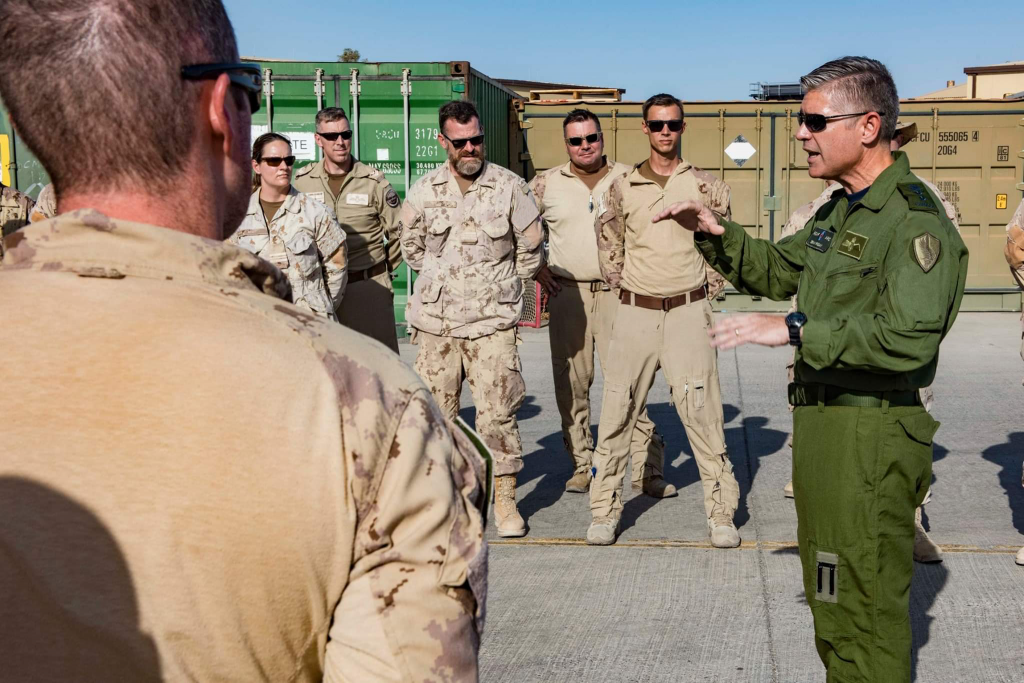
It was after midnight on the ramp — one C-17 in front of me, two C-130s idling nearby. We were receiving the remains of a fallen soldier while prepping for another mission before sunrise. The engines never stopped humming, and the mission clocks kept ticking, but for a moment, everything stood still. I remember the silence, the reverence, and the absolute clarity that something sacred had to be honored — and then, something important still had to be done.
In moments like that, there’s no time to compartmentalize. I deeply felt the weight of loss, but I also carried the responsibility to lead the next mission. That night galvanized my approach to leadership and eventually shaped my purpose: helping business owners leave a lasting legacy for themselves, their families, and the companies they built and led.
In the military we’re trained to lead through extremes — life, death, volatility, and uncertainty. But what surprised me most wasn’t the action; it was what leadership often demanded internally — the ability to let go of ego. I stopped thinking about myself and focused entirely on those around me — the families, the teams, and the mission. I learned to lead with empathy to help others stay resilient and focused on the outcomes that matter most. The unexpected part was when I made it about others, not myself, I actually became stronger. That shift left me more grounded, more resilient, and far better prepared for whatever comes next. Leadership isn’t about proving something; it’s about carrying something forward, especially when the stakes are high.
In that sense a successful mission wasn’t just about what I accomplished; it was about what remained after I stepped away. That principle never left me. I carried it from my military service into my own life and transition, and now I find deep purpose in helping others prepare for theirs, particularly the moment after the sale of their business.
Today I help entrepreneurs navigate one of the most defining moments of their careers: selling their business. At first glance the stakes seem different. No lives are on the line. There’s no enemy contact. But the emotional complexity, the identity shift, the weight of knowing that your next move defines your legacy — that part isn’t unfamiliar.
What many founders don’t expect is just how hard it is to let go. They’ve built a thriving enterprise from an idea, but it’s not just a company; it’s years of hard work, personal sacrifice, building relationships, and caring for all those who rely on you. Then one day it’s time to walk away from it all. To some that might sound like a retreat, retirement, an ending — but to me, it sounds like something else: mission complete.
The clarity I had back on that tarmac is the same clarity I try to bring to founders when they approach their exit. This isn’t just a financial transaction. It’s a transformational and emotional journey that few are prepared for, and if we do it right, it won’t feel like walking away. It will feel like the moment you know: You led well.